

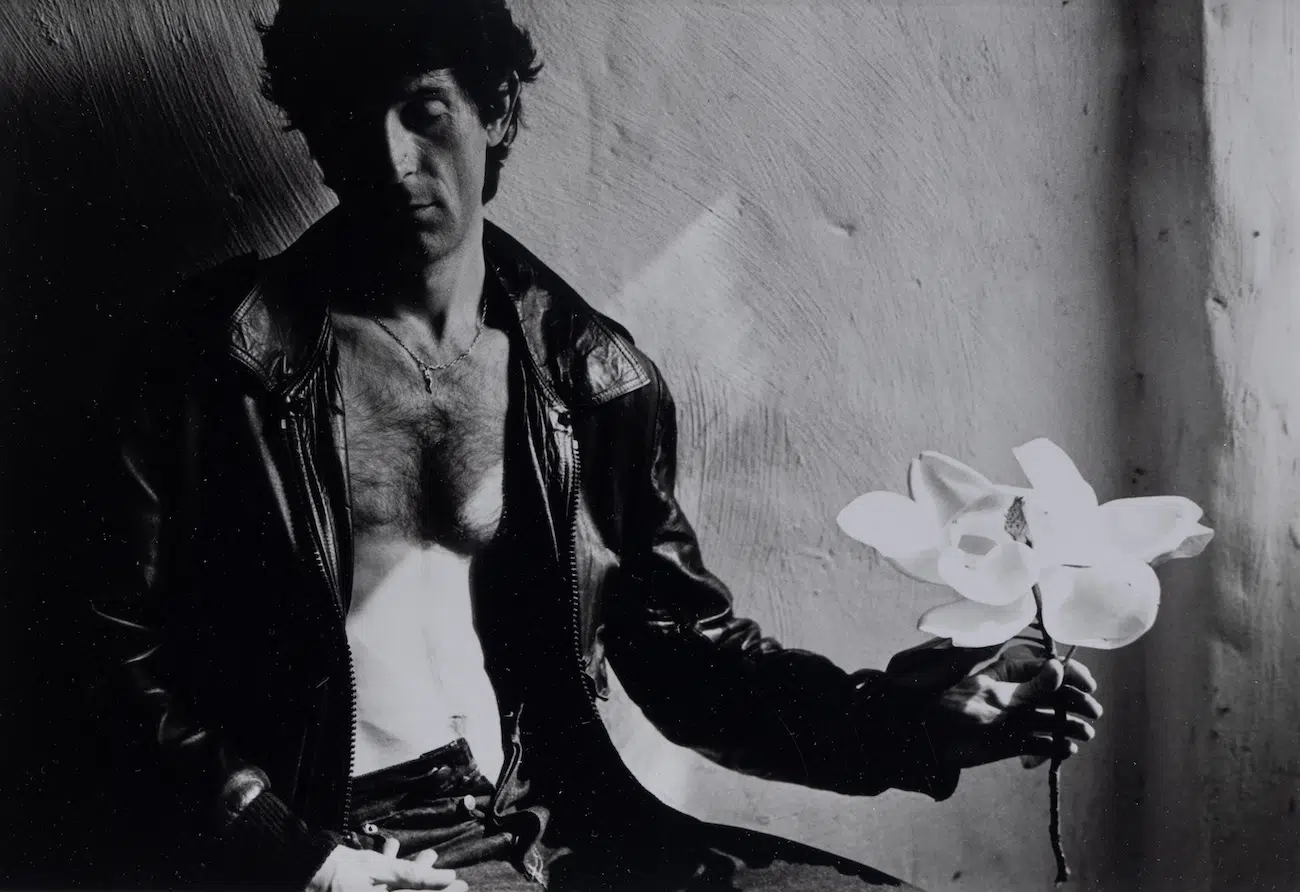
David Wojnarowitz, “Jean Pierre D.” Normandie, France (Male Series), 1980. Gelatin silver print, 11 × 14 in. (Photo: Aronowitz Family Collection. © PPOW, New York and the Estate of David Wojnarowicz.)
Queer histories are rarely linear. Instead, they unfold through relationships, shared history, and communities that stretch across generations. To celebrate the less-often seen traces of queer photography, the Columbus Museum of Art will be presenting Queer Constellations: Photographs from the Aronowitz Family Collection. Co-curated by celebrated photography critics Vince Aletti and Kaitlin Booher, the exhibition brings together 150 photographs by 75 artists to discover the rich, interconnected history of queer photography across generations.
The exhibition is anchored by a major gift from the Aronowitz family, who donated more than 50 works to the museum, complemented by an additional 100 photographs from the family’s broader collection. Together, these works reveal how queer artists have continually looked to one another across time, creating visual lineages that challenge the traditional history of photography. As Aletti notes, “Queer is in the eye of the beholder.”
The exhibition’s title is inspired by Andrea Geyer’s Constellations series. Through collage and rephotography, Geyer reimagines archival photographs of queer women, layering and fragmenting the images into compositions that emphasize the interconnected nature of queer histories. Like constellations in the night sky, these relationships stretch across generations, with each artist building upon those who came before.
“Queer Constellations reflects the profound influence LGBTQ+ photographers have had on the history of the medium, while also expanding how those histories are represented within CMA’s collection,” says Brooke A. Minto, executive director and CEO of the museum. “The Aronowitz Family’s extraordinary gift significantly strengthens the museum’s ability to preserve and share these artistic legacies with future generations.”
Spanning more than a century, Queer Constellations comments upon the rise of the photography market in the 1970s that gave artists such as Peter Hujar and Robert Mapplethorpe greater access to historic photographs, helping establish new queer artistic genealogies. Those visual connections became especially meaningful during the AIDS epidemic, when photography served as both a witness to devastating loss and a means of preserving individual lives and communities.
Many of the artists featured in the exhibition are presented in dialogue with photographers who influenced their work. Paul Mpagi Sepuya, for example, is shown alongside George Dureau. While both create striking black-and-white studies of the human body, Sepuya pushes portraiture further through works like Mirror Study, layering photographs and hands into intimate compositions that blur the boundaries between photographer, subject, and viewer. Sepuya’s work brings to mind the significance of touch, particularly what is allowed in both public and private settings, and the ways in which images of the body create new pathways of desire.
Ultimately, Queer Constellations argues that queer photography is an ongoing conversation—one that continues to expand with each new generation of artists. Queer Constellations is accompanied by a fully illustrated catalogue featuring a conversation between Aletti and collector David Aronowitz, as well as a new essay by Booher exploring the artistic networks and queer photographic histories represented throughout the Aronowitz Family Collection.
Queer Constellations: Photographs from the Aronowitz Family Collection at the Columbus Museum of Art starting October 16, 2026, through March 21, 2027.
From October 16, 2026, through March 21, 2027, the Columbus Museum of Art will present Queer Constellations: Photographs from the Aronowitz Family Collection.
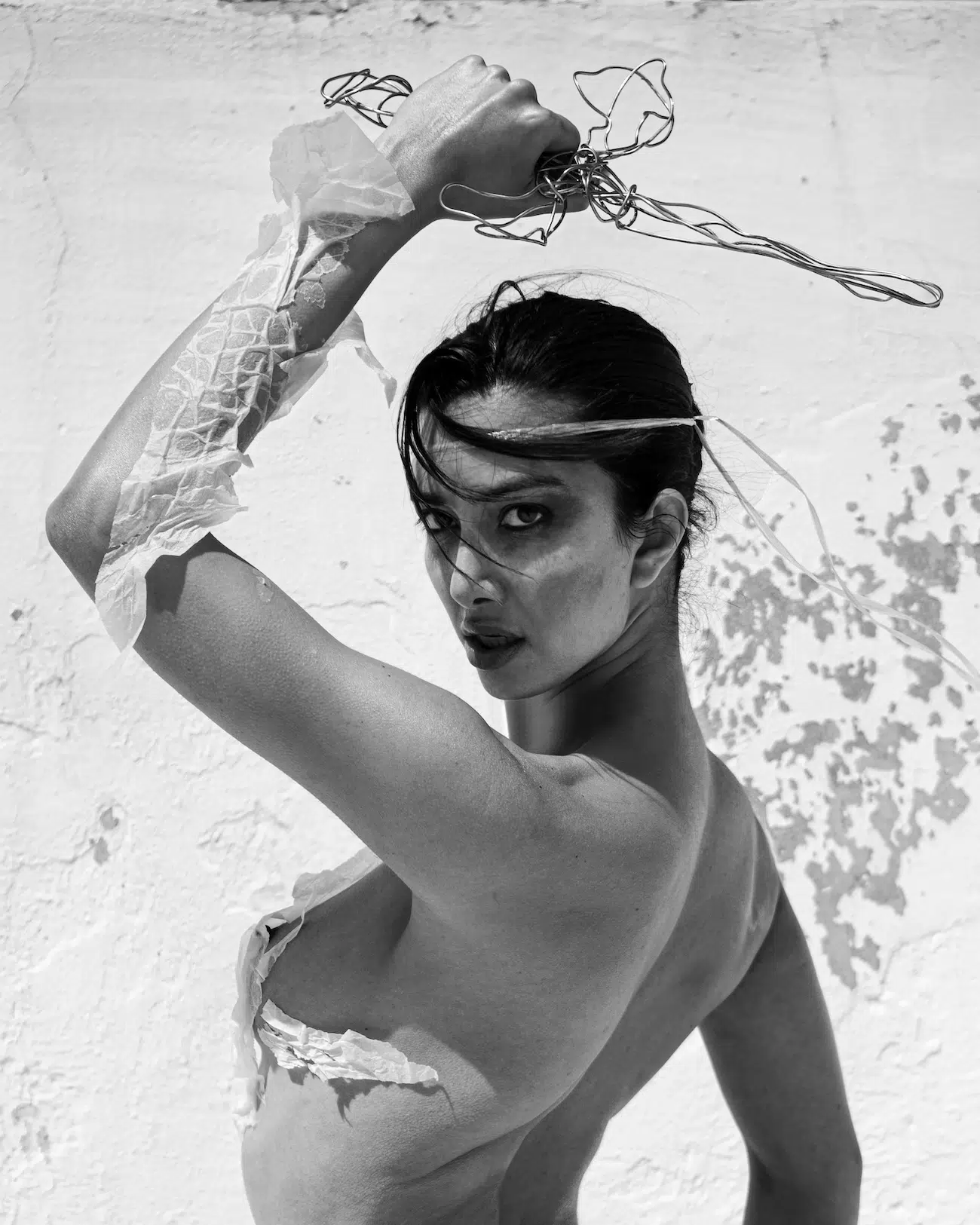
Martine Gutierrez, Anti-Icon: Apokalpysis, 2023. Inkjet print, 22 1/2 × 18 in. (Photo: Aronowitz Family Collection. © Martine Gutierrez. Courtesy of the artist and Ryan Lee Gallery, New York.)
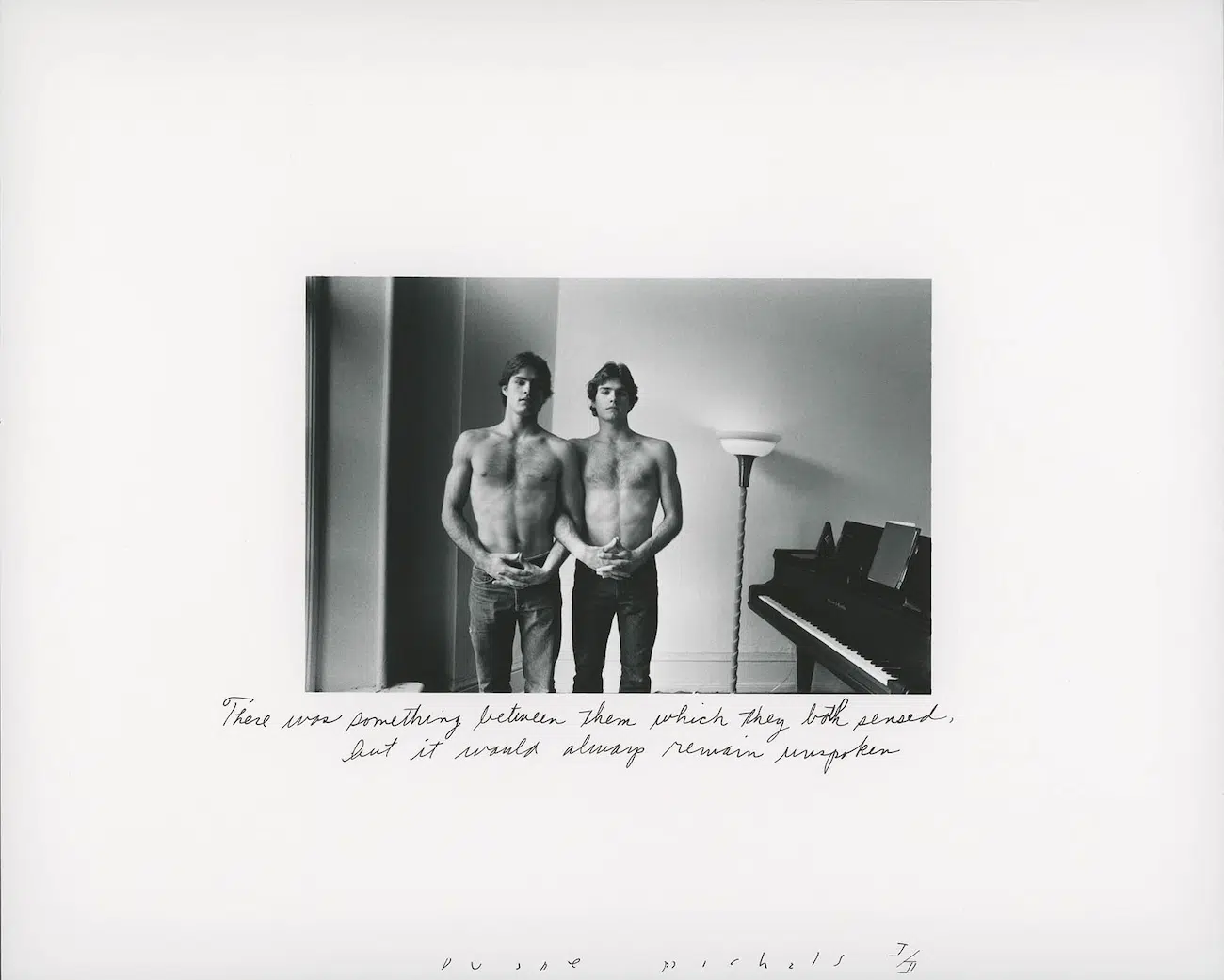
Duane Michals, “There was something between them … (Homage to Cavafy),” 1978. Gelatin silver print, 7 ½ × 10 in. (Photo: Aronowitz Family Collection. © Duane Michals. Courtesy of DC Moore Gallery, New York.)
The exhibition is anchored by a major gift from the Aronowitz Family, which donated more than 50 works to the museum.
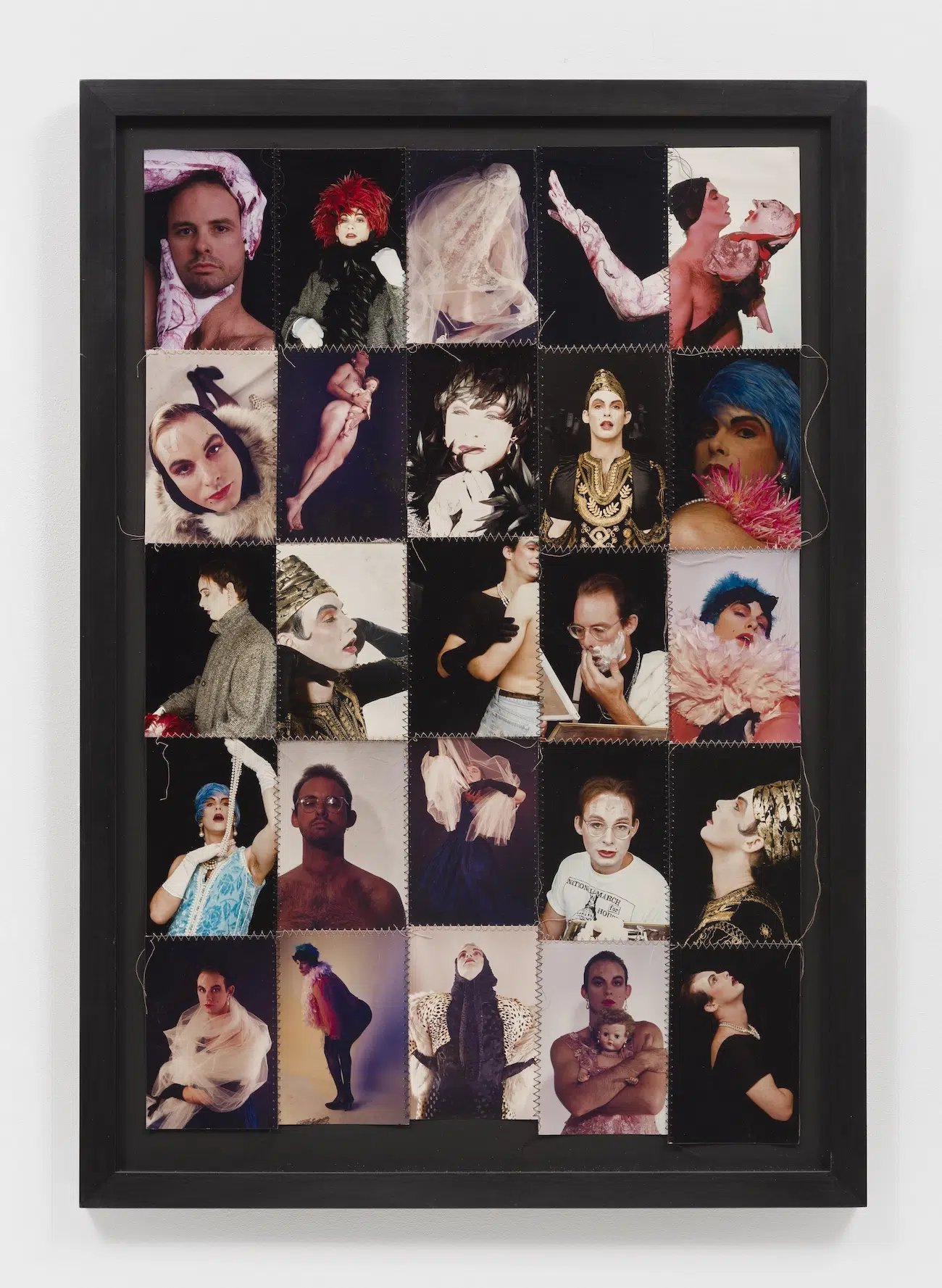
Hunter Reynolds, “Patina du Prey Drag Pose Series,” 1990. Photo-weaving, chromogenic prints and thread, 29 ½ × 19 ½ in. (Photo: Columbus Museum of Art, Gift of David and Carol Aronowitz. © Estate of Hunter Reynolds. Courtesy of the Estate of Hunter Reynolds and P.P.O.W, New York.)
Together, these works reveal how queer artists have continually looked to one another across time, creating visual lineages that challenge the traditional history of photography.
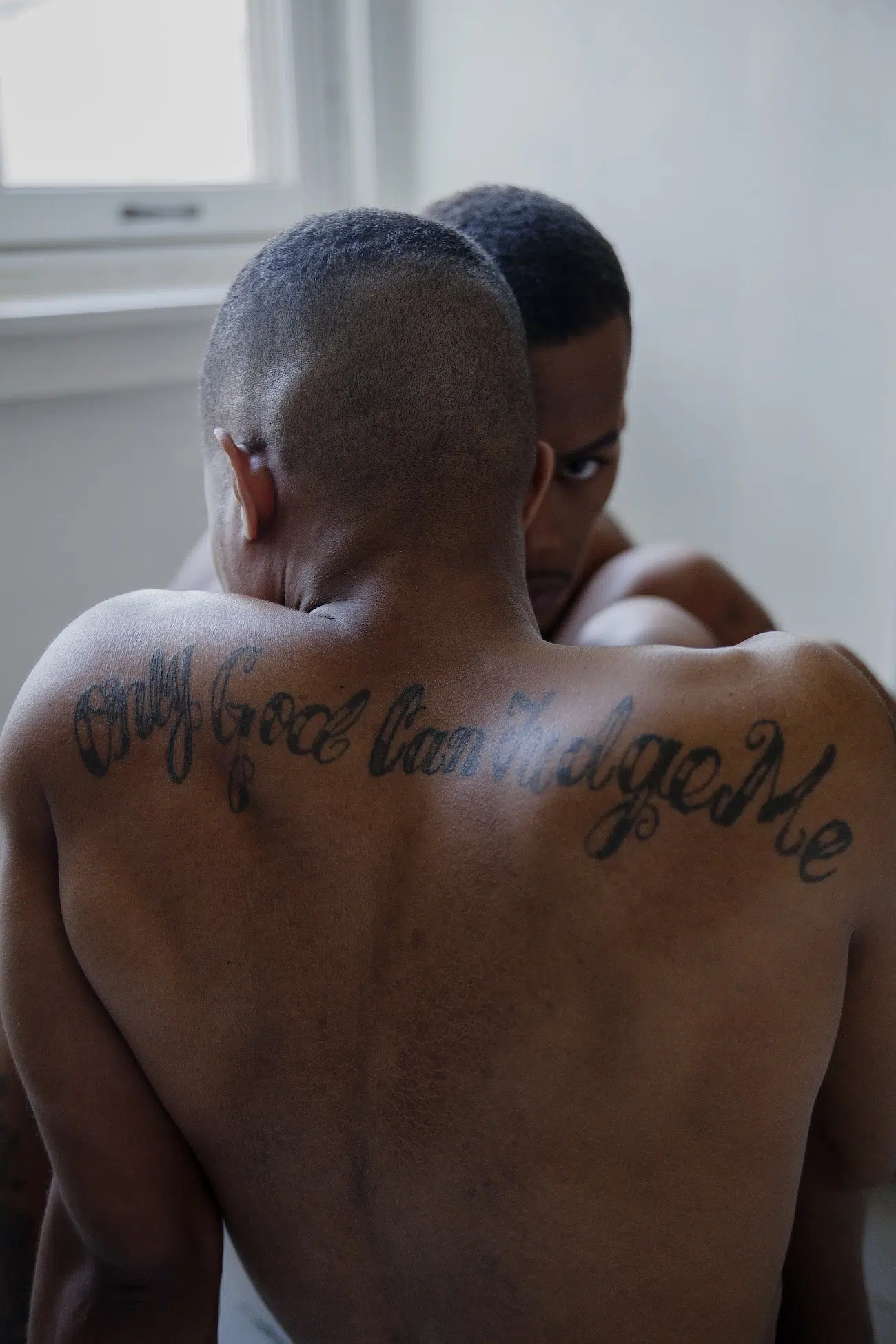
Shikeith, “A Missed Prayer,” 2017. Inkjet print, 29 ¾ × 19 ¾ in. (Photo: Aronowitz Family Collection. © Shikeith. Courtesy Yossi Milo, New York.)
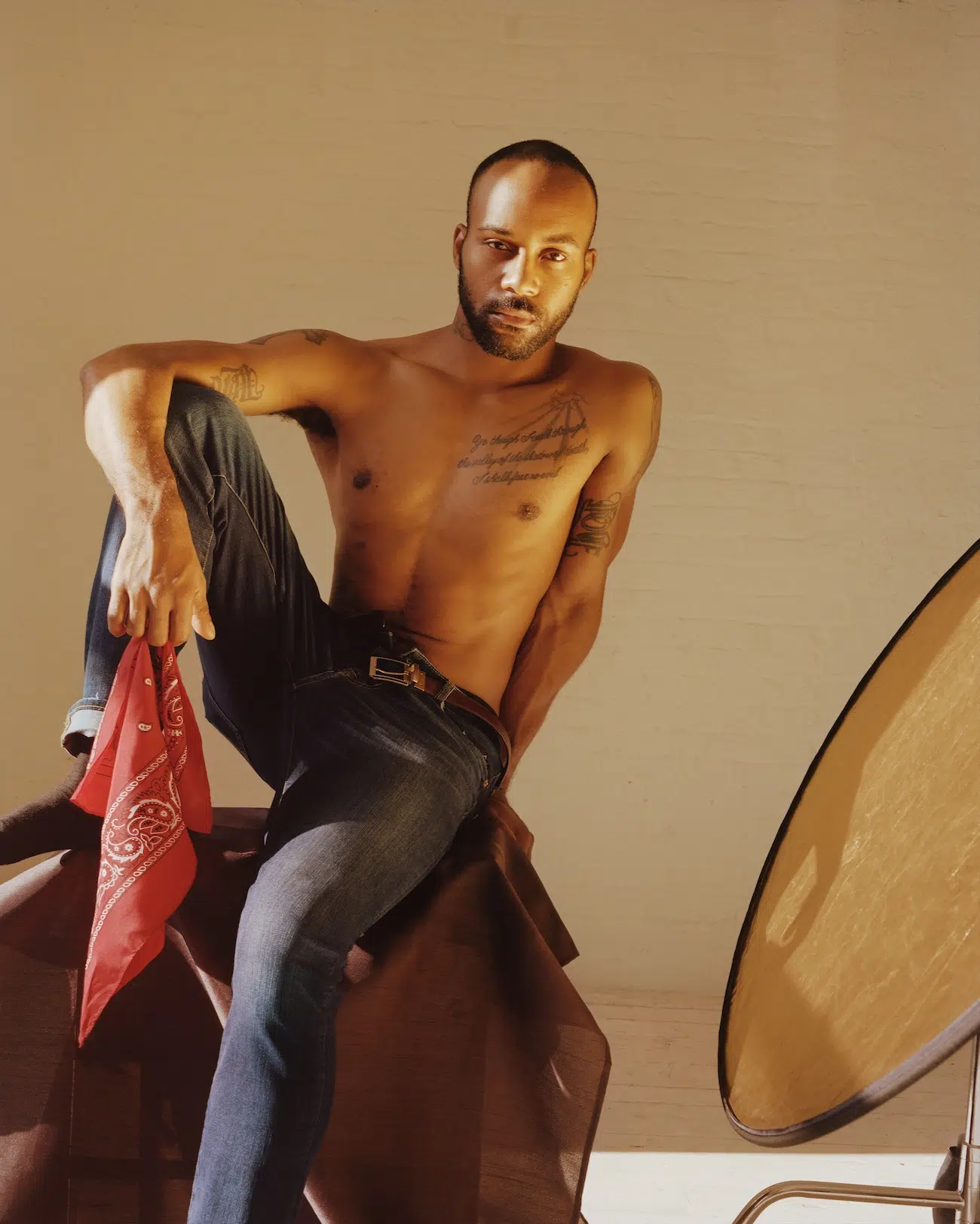
John Edmonds, “The Hero,” 2018. Inkjet print, 30 × 24 in. (Photo: Aronowitz Family Collection. Courtesy of the artist.)
Spanning more than a century, Queer Constellations also explores how the rise of the photography market in the 1970s gave artists such as Peter Hujar and Robert Mapplethorpe greater access to historic photographs, helping establish new queer artistic genealogies.

Catherine Opie, “Alistair Fate,” 1994. Chromogenic print, 20 × 16 in. (Photo: Aronowitz Family Collection. © Catherine Opie. Courtesy Lehmann Maupin, New York, Seoul, and London.)
Paul Mpagi Sepuya, for example, is shown alongside George Dureau. While both create striking black-and-white studies of the human body, Sepuya pushes portraiture further through works like Mirror Study, layering photographs and hands into intimate compositions that blur the boundaries between photographer, subject, and viewer.
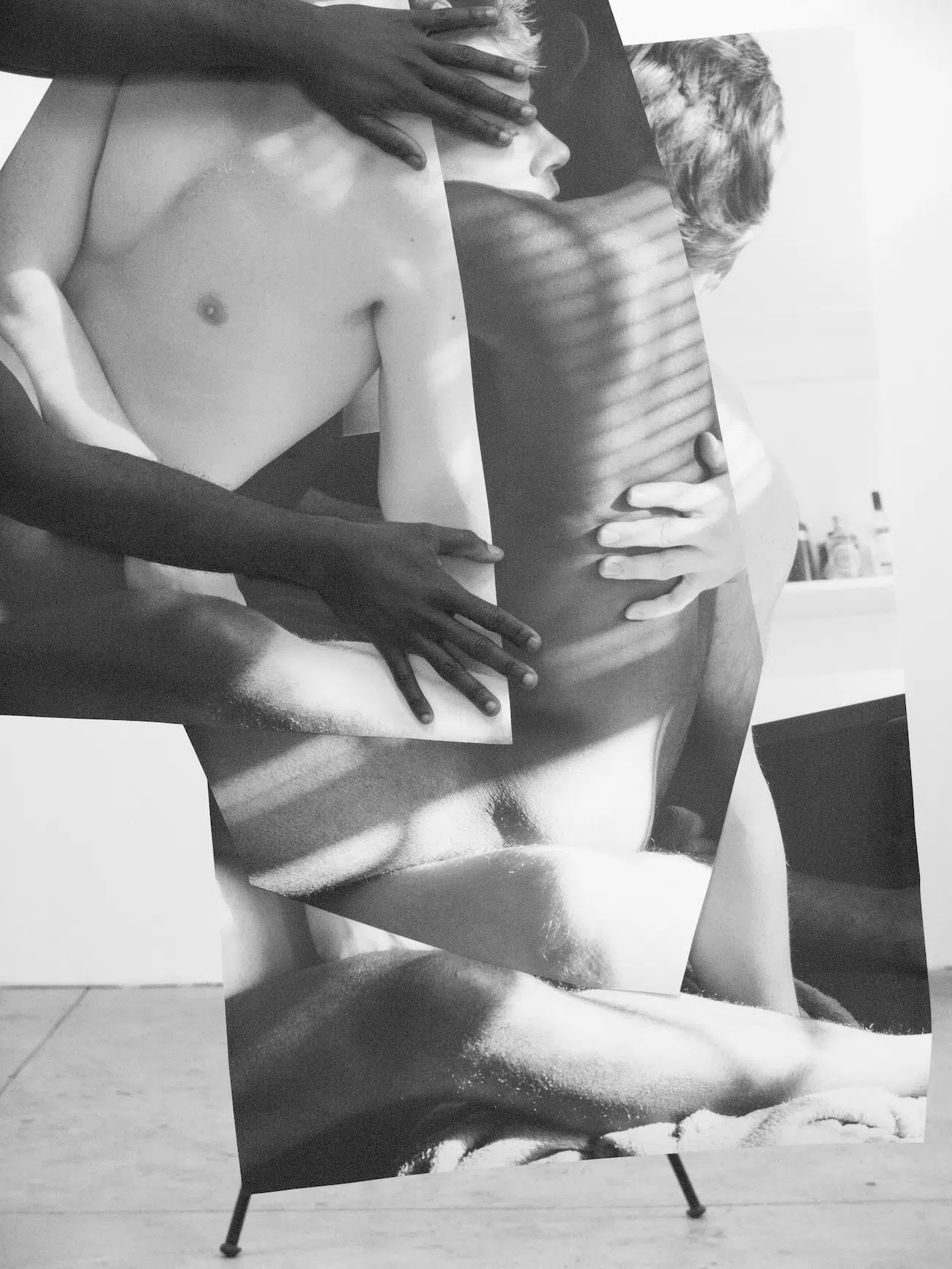
Paul Mpagi Sepuya, “Mirror Study for Joe,” 2017. Inkjet print, 46 × 24 inches. (Photo: Aronowitz Family Collection. Courtesy the artist, Bortolami, Galerie Peter Kilchmann, and Vielmetter Los Angeles.)
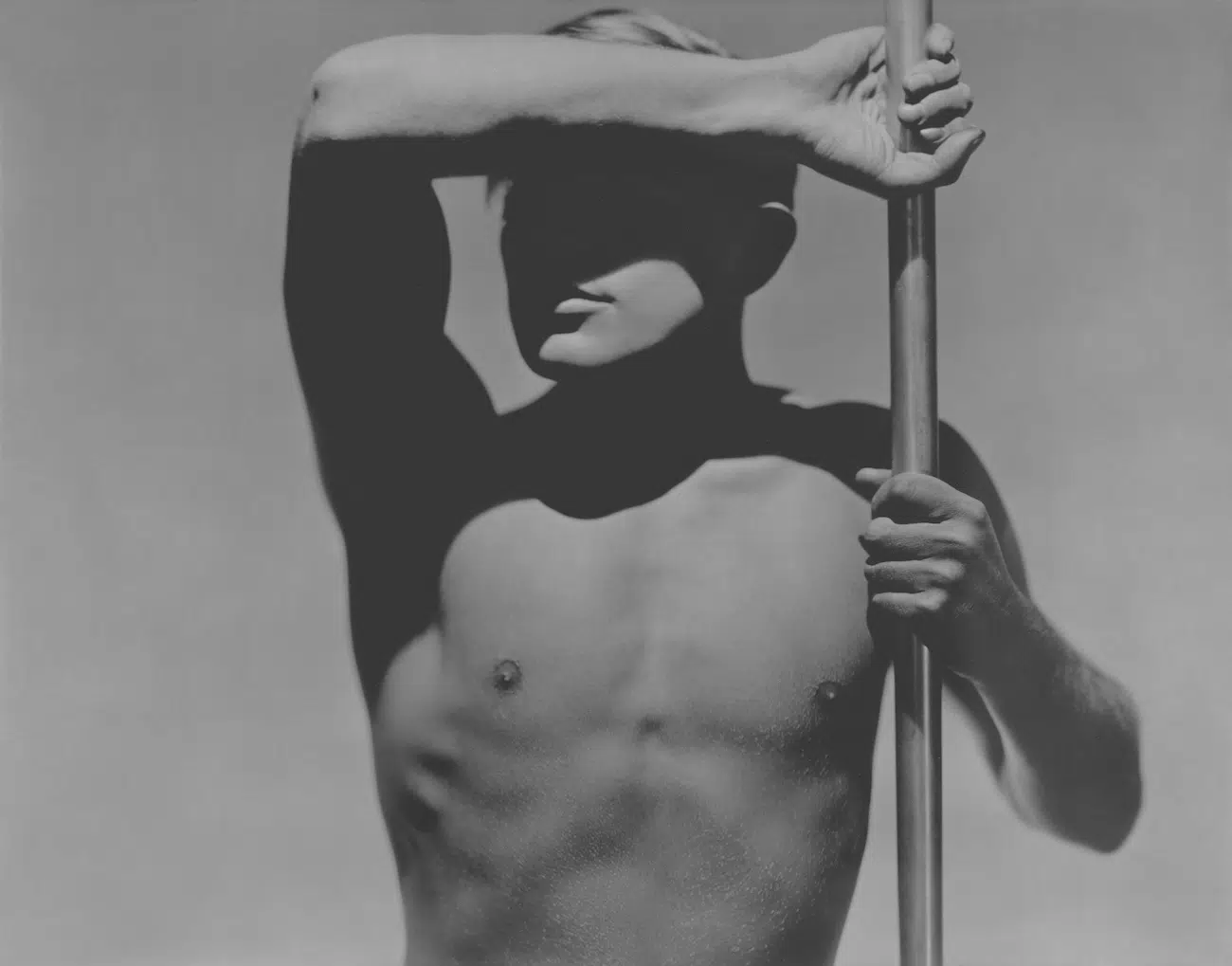
George Hoyningen-Huene, “Horst, Torso,” Paris, 1931. Platinum-palladium print, 14 3/4 × 18 5/8 in. (Photo: Aronowitz Family Collection. Courtesy of the George Hoyningen-Huene Estate Archive.)
Ultimately, Queer Constellations argues that queer photography is an ongoing conversation—one that continues to expand with each new generation of artists.
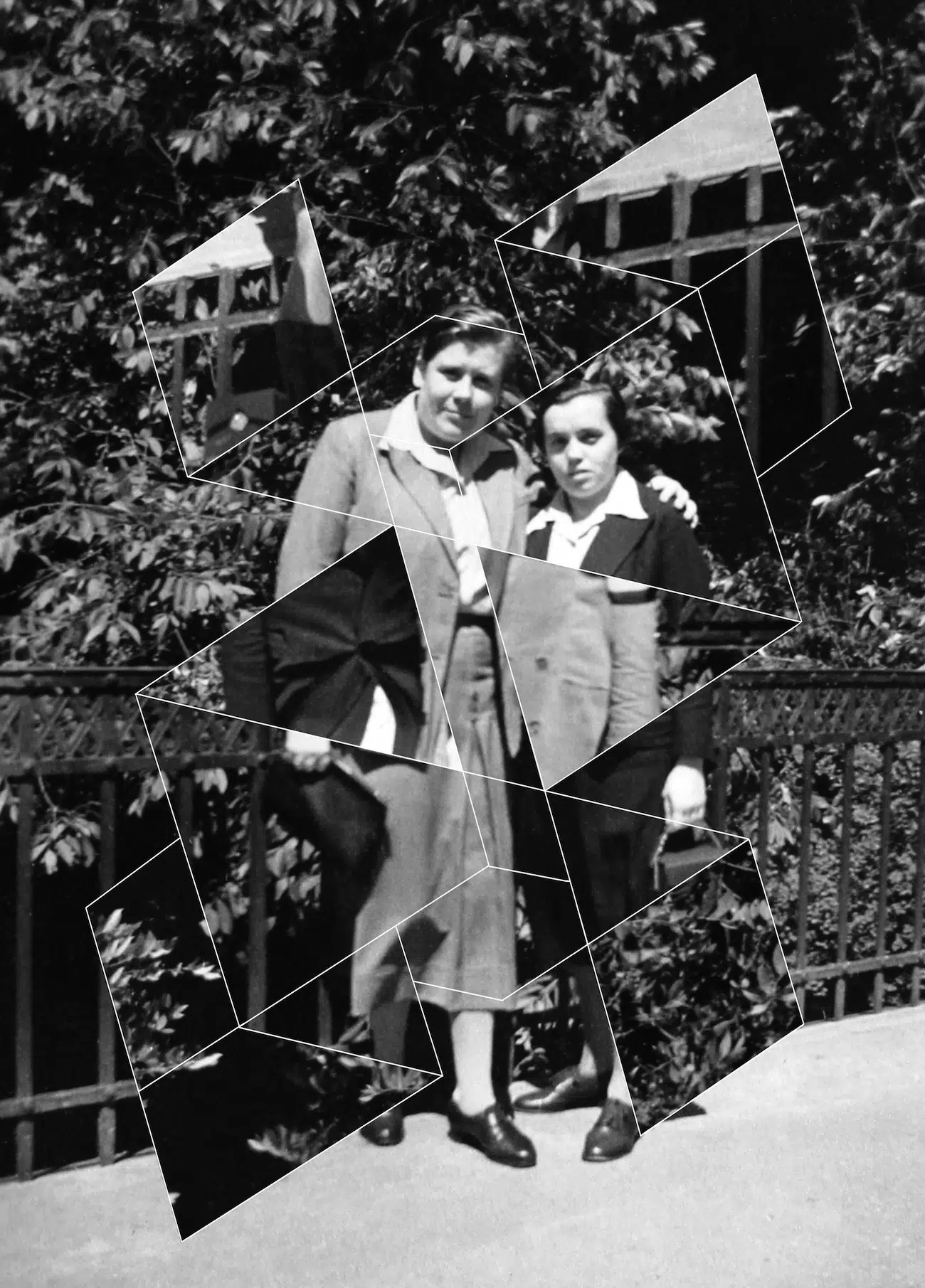
Andrea Geyer, “Constellations (Hilde Radusch and Eddy Klopsch),” 2018. Hand-cut inkjet print on rag paper, 38 7/8 × 28 1/8 in. (Photo: Aronowitz Family Collection. Courtesy of the artist.)
Exhibition Information:
Queer Constellations: Photographs from the Aronowitz Family Collection
October 16, 2026–March 21, 2027
Columbus Museum of Art
480 E Broad St, Columbus, OH 43215
My Modern Met granted permission to feature photos by the Columbus Museum of Art.
Related Articles:
Annie Leibovitz Brings Stylish Vision to the World Cup Then and Now in New Photography Exhibition
New Exhibition Explores Immersive Art Created by Women Artists in the 1960s and 1970s
Expansive Exhibition Highlights U.S. History Through ‘A Nation of Artists’