
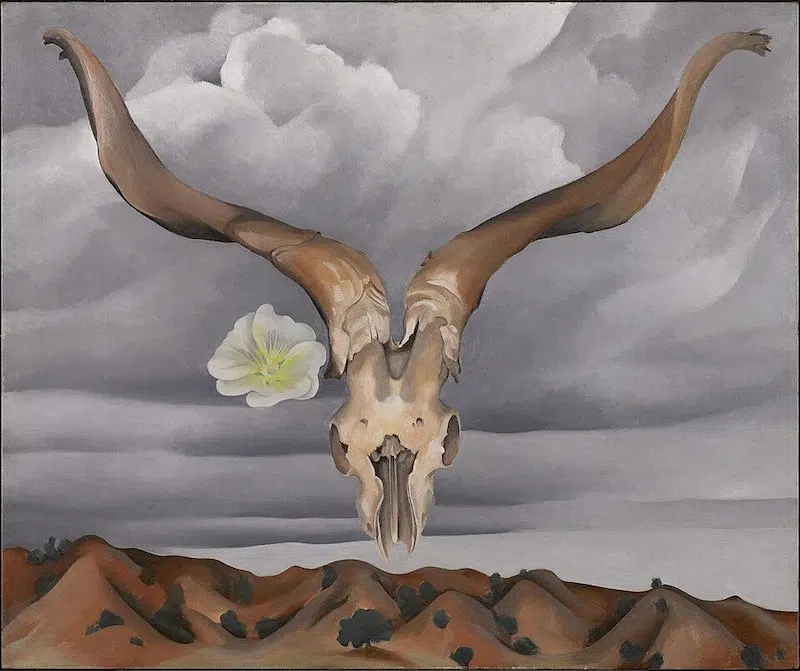
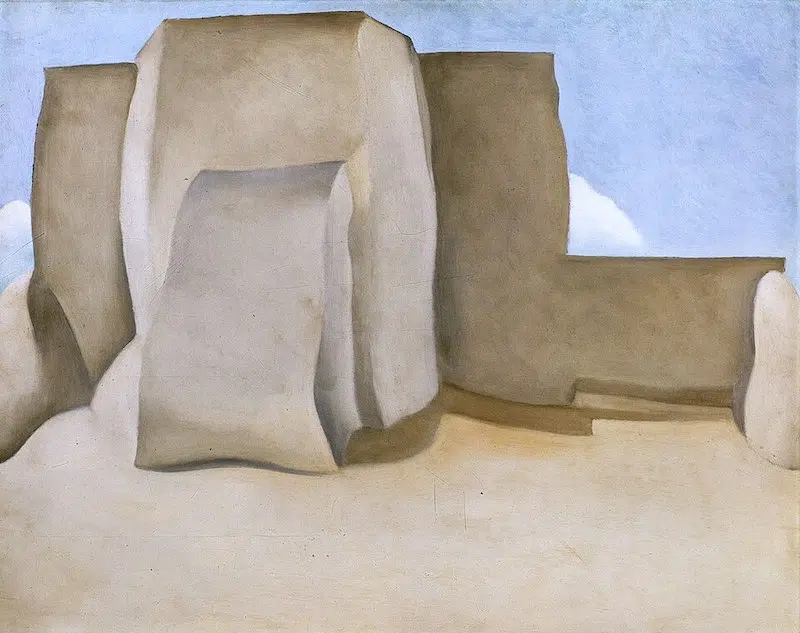
Ram’s Head, White Hollyhock – Hills, Georgia O’Keeffe, 1935. (Photo: Wikimedia Commons, Public domain)
When Georgia O’Keeffe studied art in New York during the winter of 1907–08, a male classmate picked up her painting of two poplar trees and painted directly over it. He wanted to demonstrate the techniques of Impressionism, replacing her crisp branches with loose dabs of color. O’Keeffe rejected the lesson. The experience revealed something that would define her career: an unwavering commitment to her own artistic vision.
That independence guided O’Keeffe’s larger ambition. At a time when many American artists looked to Europe for inspiration and validation, she believed the United States could produce a distinctly American form of modern art. Writers pursued the Great American Novel, and playwrights searched for the great American play. O’Keeffe pursued something different—a great American painting.
Born in Wisconsin in 1887, O’Keeffe studied at the Art Institute of Chicago and later the Art Students League in New York before spending several years teaching art in South Carolina and Texas. During that period, she began questioning traditional academic methods and experimented with abstraction. By the mid-1910s, she had produced a series of charcoal drawings unlike anything else in American art. When photographer and gallerist Alfred Stieglitz encountered the works, he immediately recognized their originality and exhibited them at his gallery, 291. The exhibition marked the beginning of O’Keeffe’s rise as one of the most important voices in American modernism.
What distinguished O’Keeffe was not simply her subject matter but her approach to looking. She reduced forms to their essentials, using shape, color, and line to create emotionally resonant compositions. Flowers, buildings, bones, and landscapes became studies in form rather than straightforward representations. Her paintings balanced observation and abstraction, encouraging viewers to reconsider familiar subjects.
This approach reached a new level in her celebrated flower paintings of the 1920s. O’Keeffe enlarged blossoms to monumental scale, filling canvases with petals, curves, and subtle shifts in color. At the same time, she painted New York skyscrapers, transforming the city’s growing skyline into symbols of a modern nation.
In 1929, O’Keeffe traveled to New Mexico for the first time. The landscape changed the course of her career. The region’s dramatic geology, expansive skies, and striking colors offered visual possibilities unlike anything she had encountered elsewhere. She returned year after year and painted the desert terrain in a style that would become synonymous with her work.
After Stieglitz died in 1946, O’Keeffe gradually relocated to New Mexico full-time. She divided her life between Ghost Ranch and her home in Abiquiú, drawing continuous inspiration from the surrounding landscape. The nearby Pedernal mesa appeared repeatedly in her paintings, becoming one of the defining motifs of her career. Decades later, she continued exploring new perspectives, creating monumental works inspired by aerial views she observed while traveling by plane.
By the mid-20th century, O’Keeffe had established herself as one of the most influential artists in the United States. Her work demonstrated that American modernism did not need to follow European models to achieve significance. Instead, she built a visual language from the open space and natural forms around her. More than a painter of flowers or the Southwest, O’Keeffe helped define what American art could be.
While studying art in New York, Georgia O’Keeffe rejected conventional approaches and began forging the independent artistic vision that would shape her career.
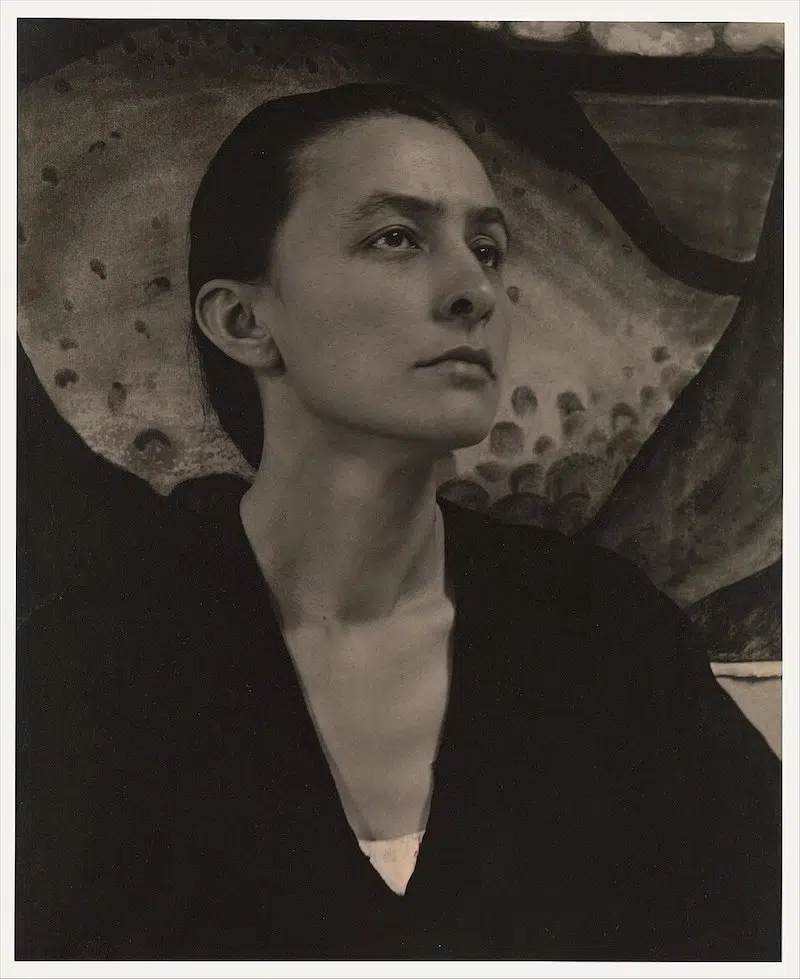
From enlarged flowers and soaring skyscrapers to abstract studies of color and form, her paintings challenged viewers to see familiar subjects in new ways.

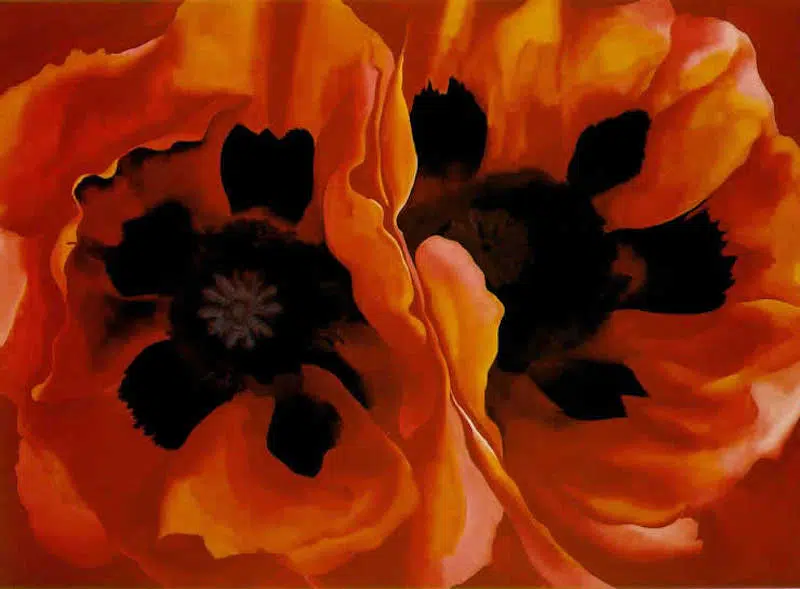
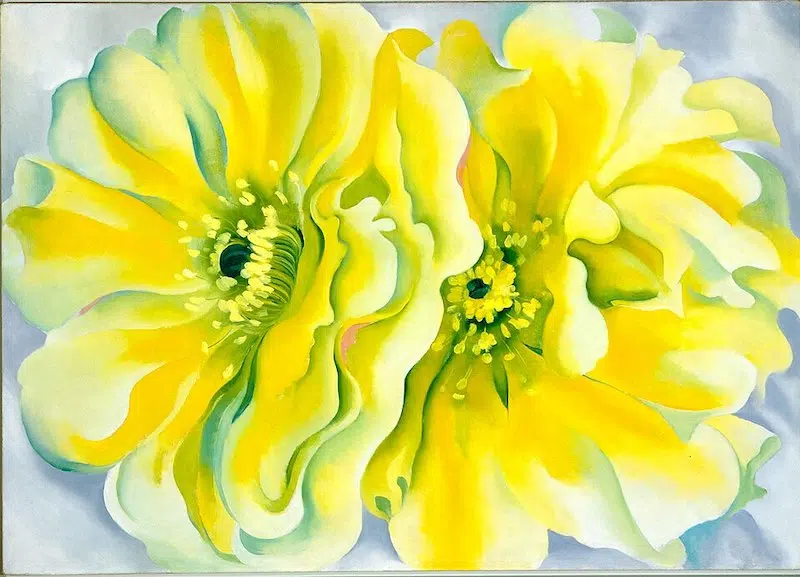
The landscapes of New Mexico ultimately became her greatest source of inspiration, fueling a body of work that helped define a distinctly American form of modern art.

Georgia O’Keeffe Museum: Website
Sources: Georgia O’Keeffe Ignored Advice to Mimic Great European Masters. Her Goal Instead Was to Be a Great American Painter
Related Articles:
20 Famous American Artists You Should Know
Georgia O’Keeffe Museum Unveils Digital Archive of the Artist’s Entire Body of Work
Who Was Winslow Homer? Learn About the Life and Art of This Pioneering American Painter
16 of the Greatest Painters of All Time Whose Influences Live On Today