
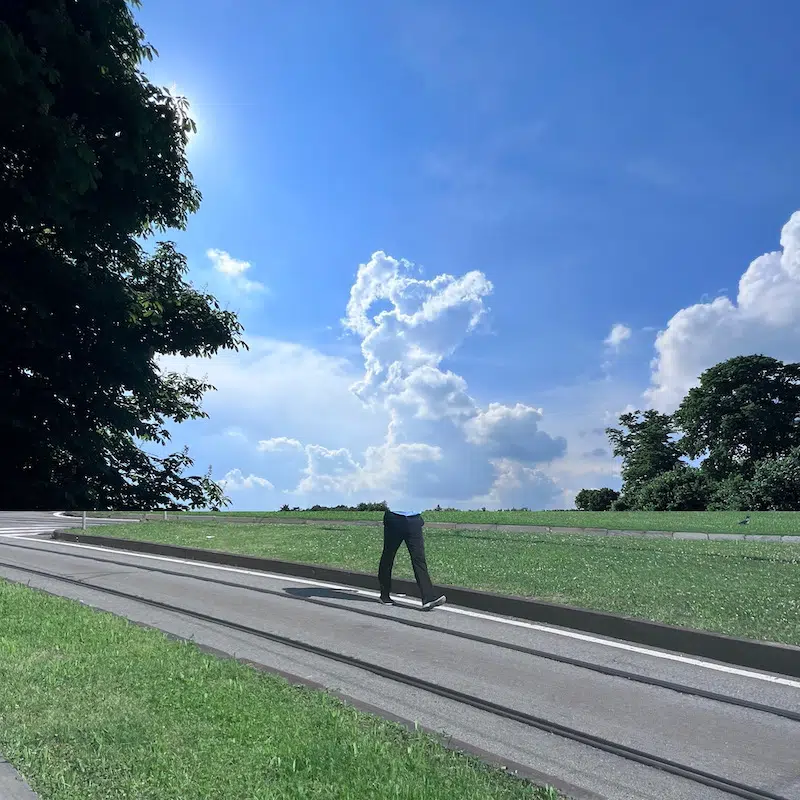
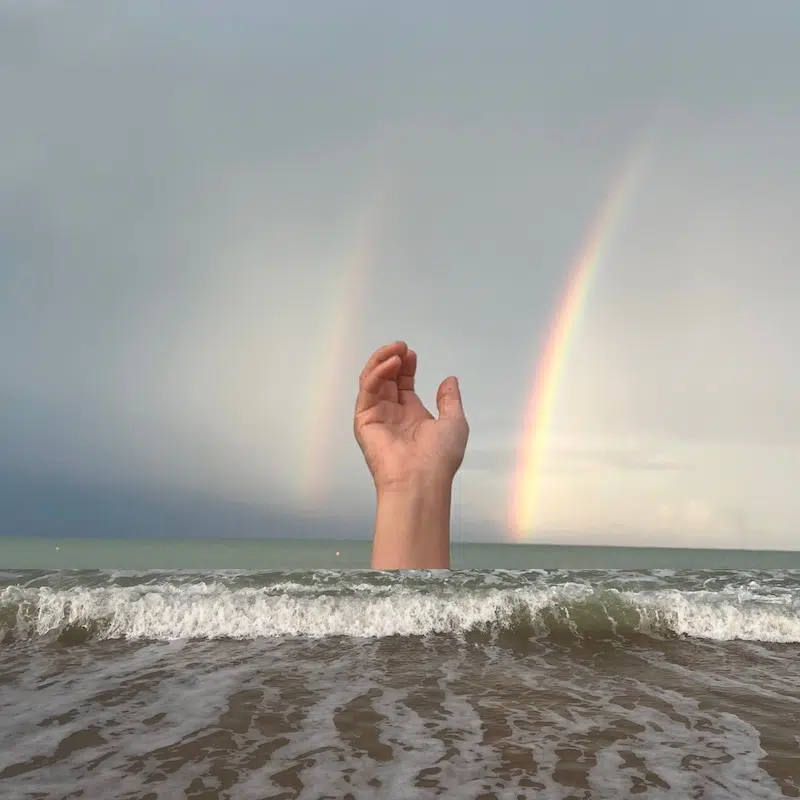
Using nothing more than a smartphone and Instagram’s layout tool, Italian photographer Fontanesi has built a cult following one impossible image at a time. The artist, who works under the name of a street where he once had a particularly good time, transforms ordinary photographs into surreal visual puzzles. He combines two of his own images along a single horizontal seam, creating scenes that feel absurd, uncanny, and strangely believable all at once.
For years, the Italian photographer has quietly dismantled the logic of everyday life, one carefully placed cut at a time. His method remains deceptively simple: two photographs sliced and stitched together to create images that feel both impossibly wrong and inexplicably right. The resulting scenes read as real, at least for the brief moment before your brain catches up with your eyes. That moment is everything.
Fontanesi is, by design, difficult to pin down. He is Italian, he was born before 2000, and he works in the creative industry. Beyond that, the details largely disappear. His Instagram captions sit empty. His posts contain no hashtags, location tags, or explanations. He has given very few interviews, and when he does, he tends to answer in riddles.
The anonymity serves a purpose. By removing himself from the work, he allows the images to stand on their own. No biography guides the viewer. No artist statement offers clues. No recognizable face softens the strangeness. The photographs must speak for themselves. And they do. Each image invites a second glance, and then a third.
Technically speaking, Fontanesi’s process could hardly be simpler. He shoots with a smartphone, selects two photographs, sometimes three, and combines them using Instagram’s built-in layout feature. No Photoshop. No elaborate compositing. No production team. Just a phone, a precise cut, and a sharp instinct for where the seam belongs.
Some of his most playful works create hybrids that fuse animals, objects, and people into impossible new forms. One image shows a small dog confidently crossing a cobblestone curb. Where its body should be sits a powdered croissant filled with jam, golden and absurd. It remains, somehow, a perfectly convincing dog. Humans receive similar treatment. In one photograph, a pedestrian walks down a street in pale trousers and sandals. Above the waist, however, a dense cascade of dried seaweed replaces the person’s upper body. The figure continues forward as if nothing seems unusual. A nearby car mirror reflects the surrounding world with complete indifference.
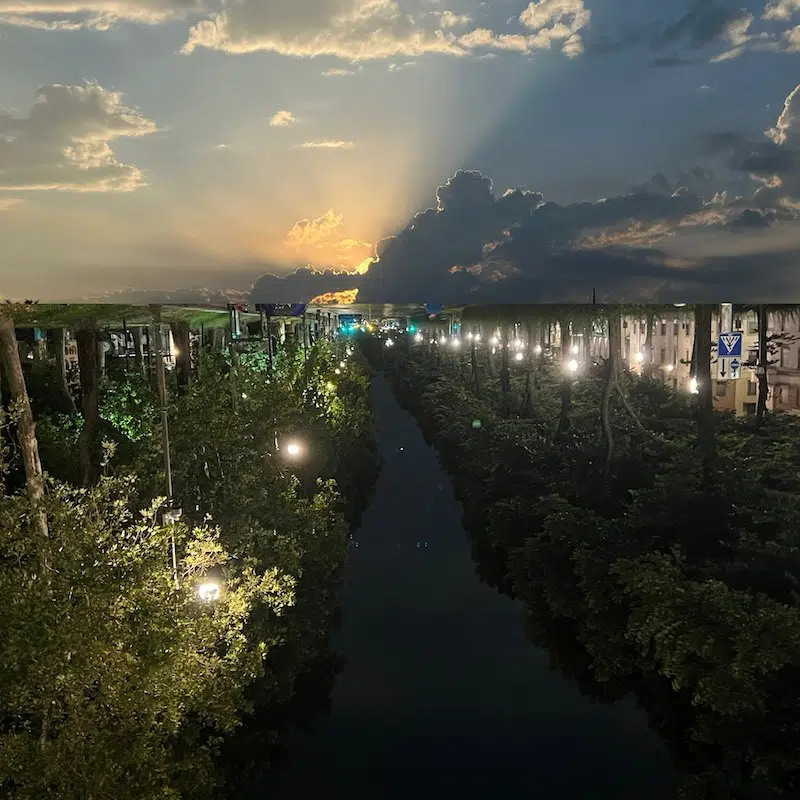
Many of Fontanesi’s images replace the sky with something entirely earthbound, creating scenes that recall the visual logic of surrealist paintings. One photograph depicts a tree-lined boulevard at dusk, warm lamplight glowing beneath the canopy. Above the treetops, however, the sky consists of a mirrored version of the street itself. Trees hang downward. Lampposts dangle like stalactites. The boulevard folds back onto itself in a quiet visual paradox.
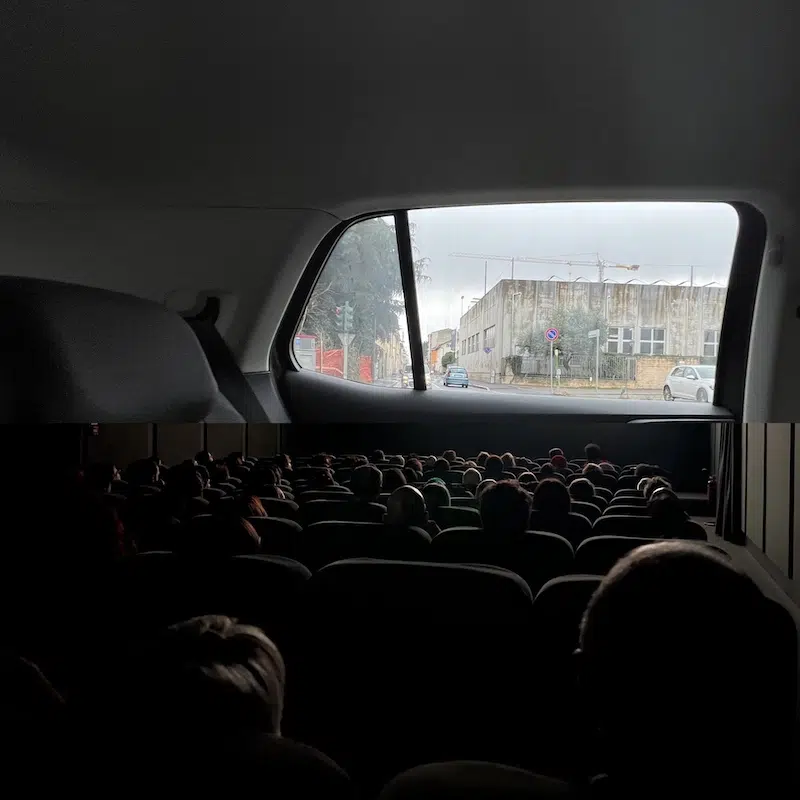
Among Fontanesi’s most recognizable works are his recurring cinema compositions, which transform movie theaters into meditations on looking itself. In one image, rows of audience members sit in darkness, waiting for a film to begin. Instead of a movie screen, however, they face the rear window of a car. Beyond the glass lies a rainy Italian street complete with traffic lights, cranes, and concrete buildings. The audience watches ordinary life unfold as though it were cinema.
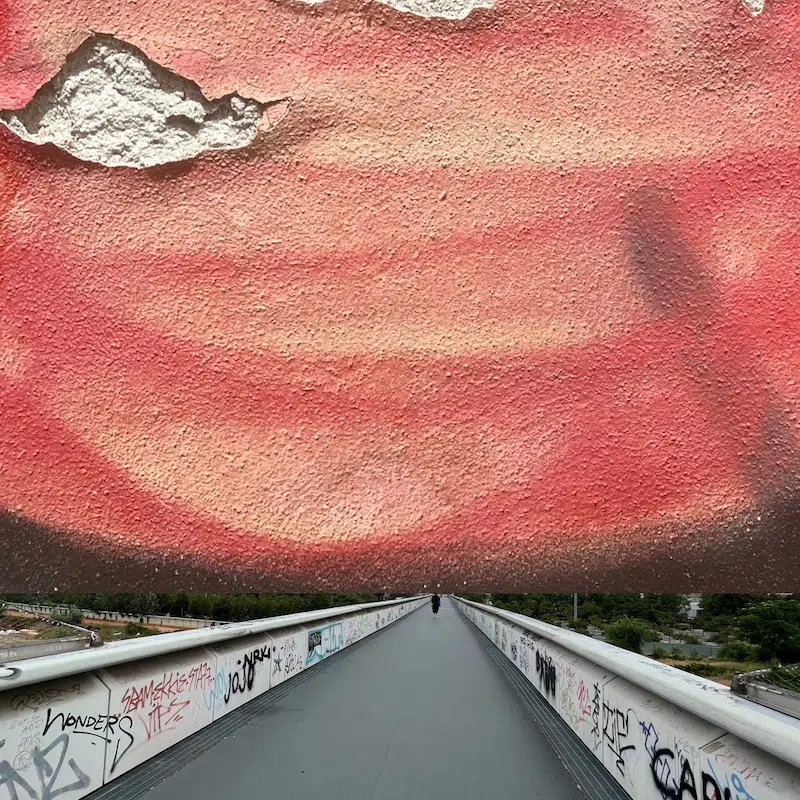
He titled his collected volume Sfondi, the Italian word for “backgrounds” or “wallpapers.” The name references the fact that many people use his photographs as phone wallpapers. He appreciates that response not because it elevates the work, but because it makes the images part of everyday life. They become familiar companions, quietly woven into daily routines while retaining their strangeness. The idea sits at the heart of everything he creates, as Fontanesi finds the extraordinary inside the ordinary. He notices the drainage pipe that echoes the road above it. The wall that could become a sky. The croissant that already looks a little bit like a dog waiting to happen. Rather than inventing impossibilities, he reveals visual connections that most people overlook.
His images remain imperfect. The seams stay visible. The cuts remain obvious. In an era increasingly defined by flawless digital manipulation, those imperfections matter. The visible seam invites viewers into the illusion rather than concealing its construction. It asks them to look closer.
Using only a smartphone and Instagram’s layout tool, the elusive Italian photographer Fontanesi combines separate images into seamless visual puzzles that challenge the logic of everyday life.
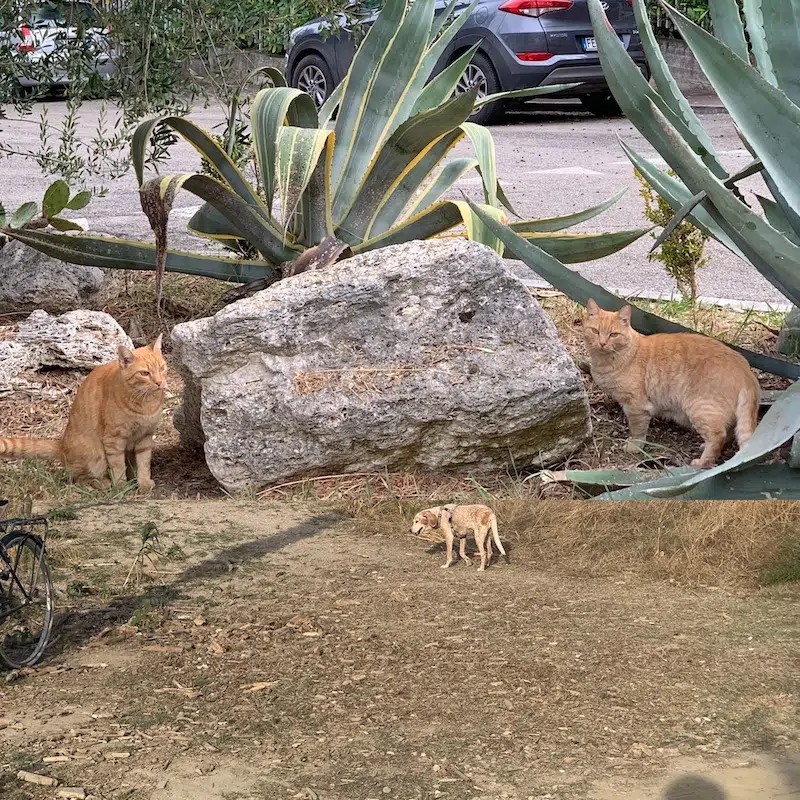
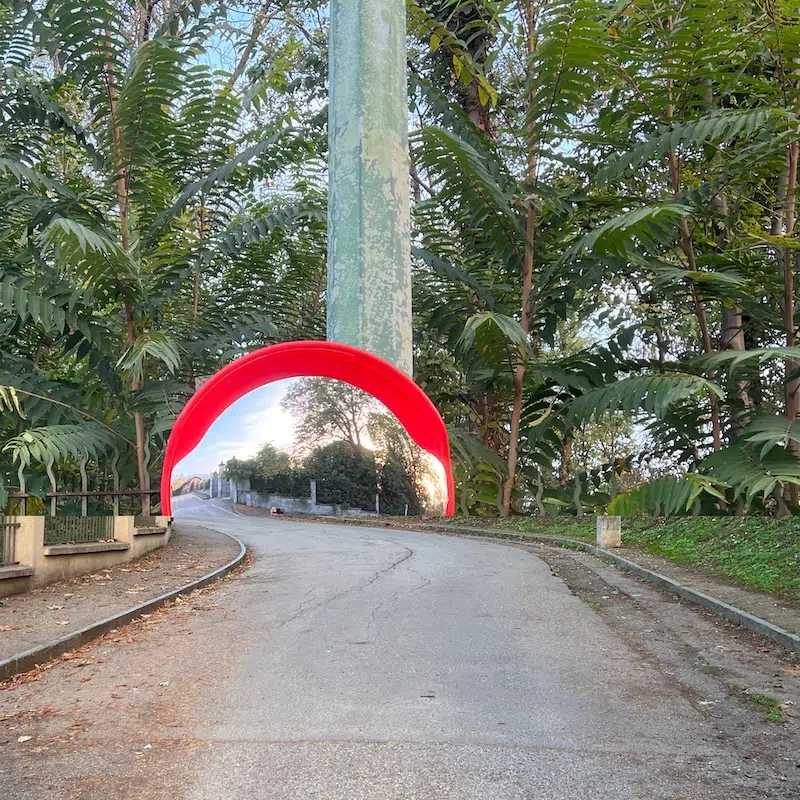
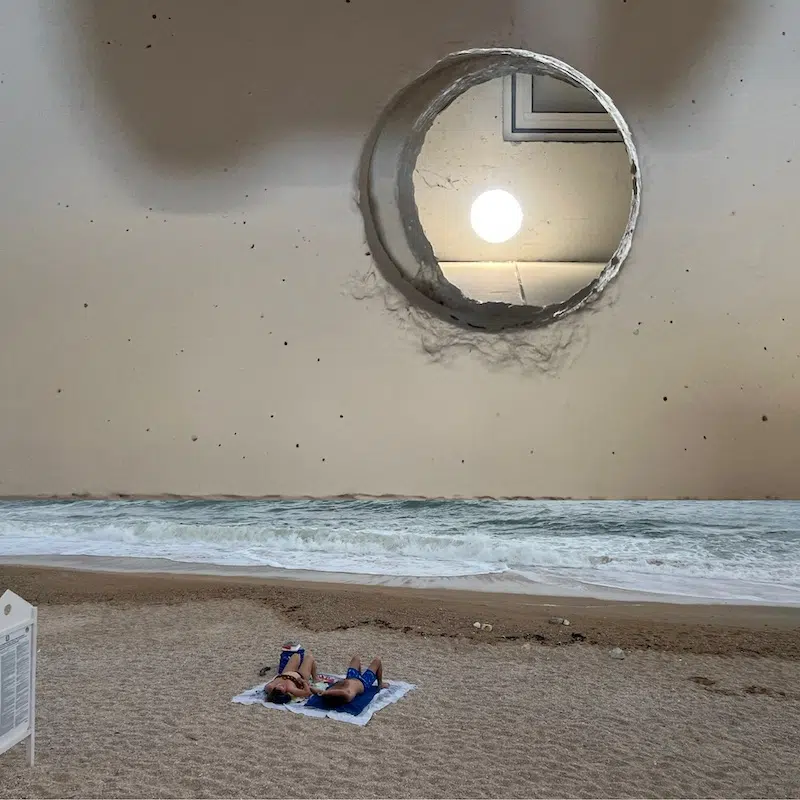
By aligning roads with buildings, dogs with pastries, and movie theaters with unexpected landscapes, he creates surreal scenes that feel both impossible and strangely believable.
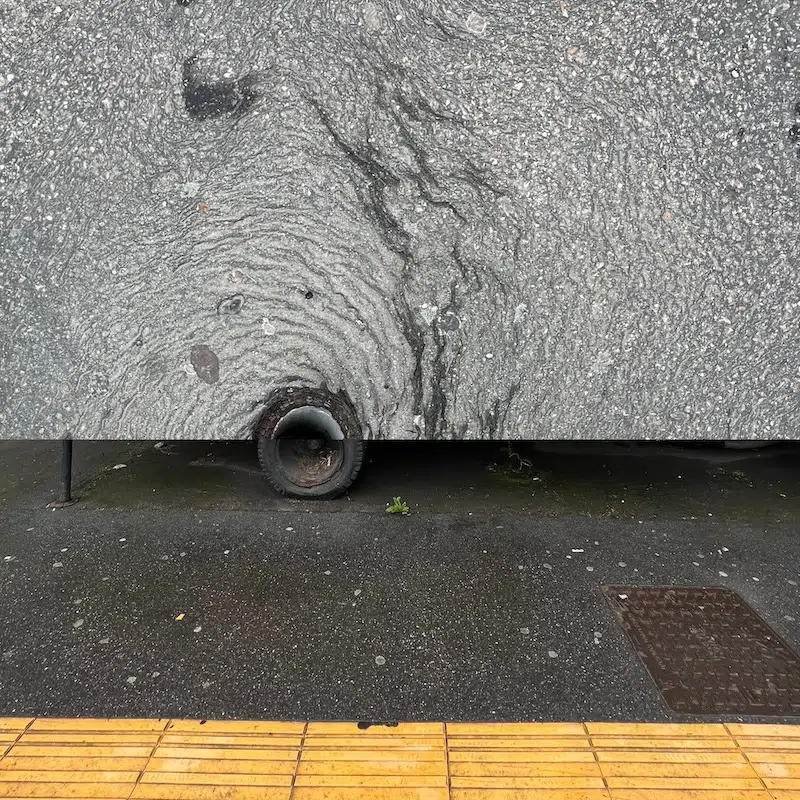
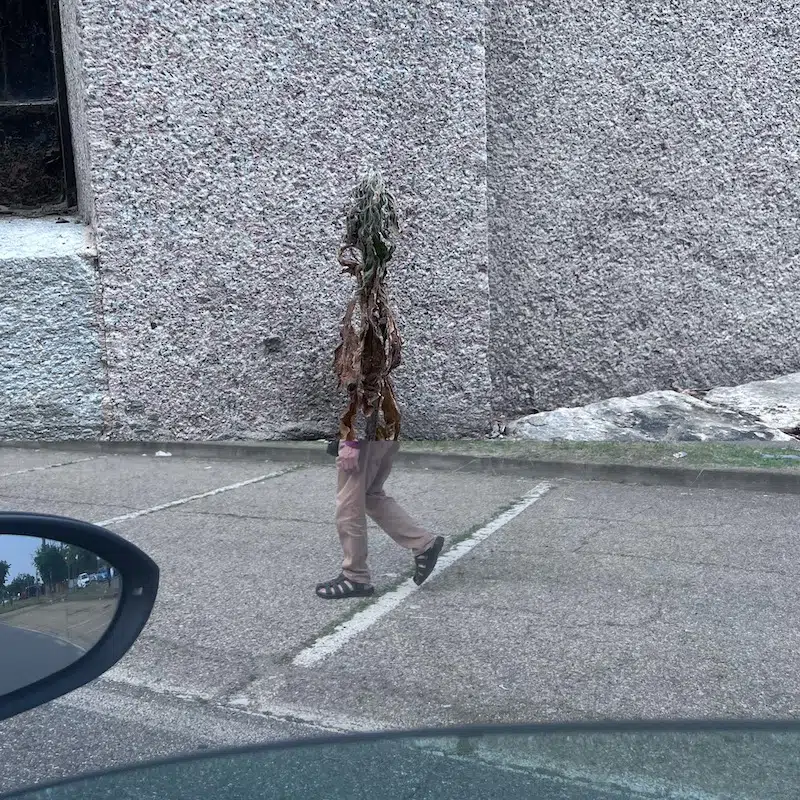
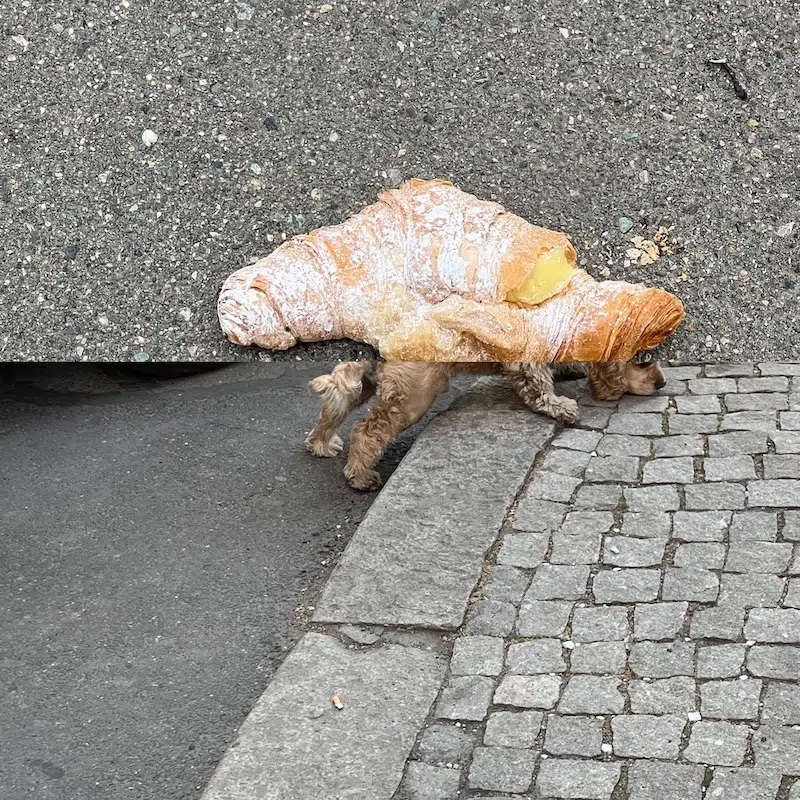
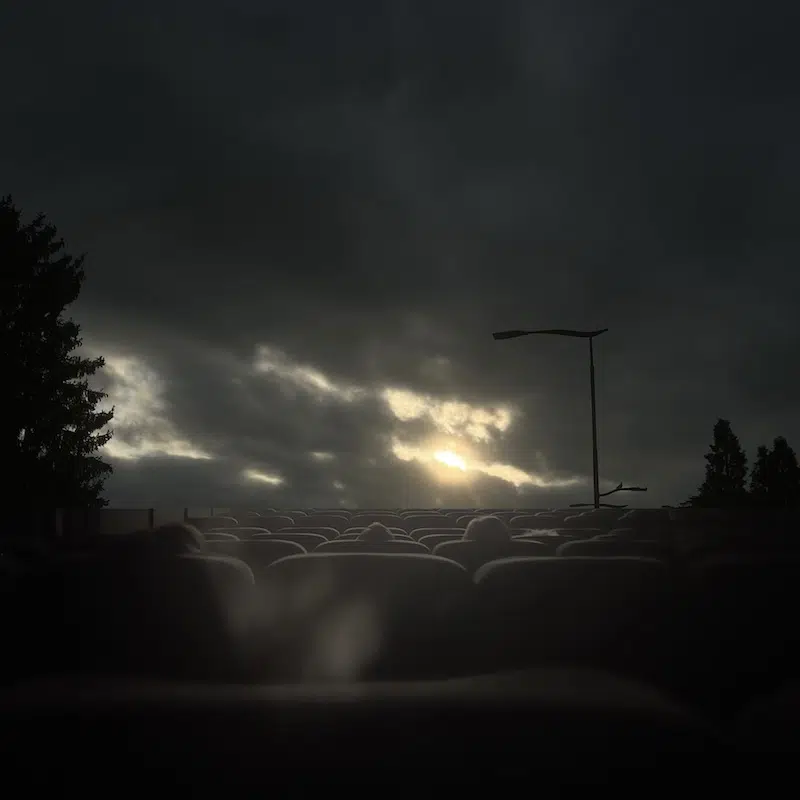
Rather than hiding the seams, the artist embraces them, inviting viewers to look closer and discover the extraordinary connections hidden within ordinary moments.
Fontanesi: Instagram
My Modern Met granted permission to feature photos by Fontanesi.
Related Articles:
Surreal Photos Distort Everyday Life Into Bizarre Scenes of Absurdity
This Year’s Photography Show Proved Just How Irreplaceable Its Titular Medium Is
This Stunning Photography Book Unveils the Hidden Patterns That Define Our World
A Decade After His Passing, Rodney Smith’s Iconic Images Are on Display at The Photography Show 2026