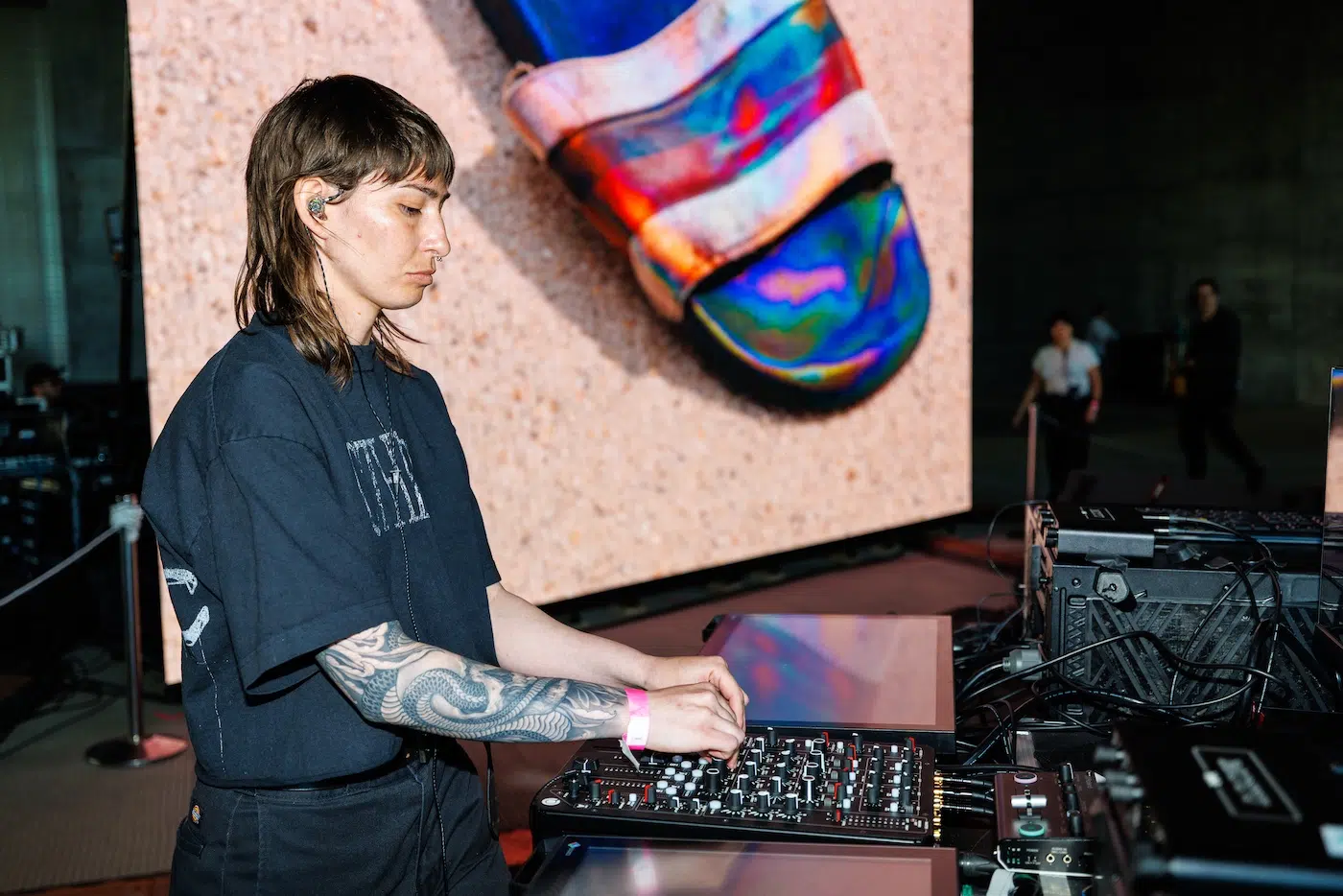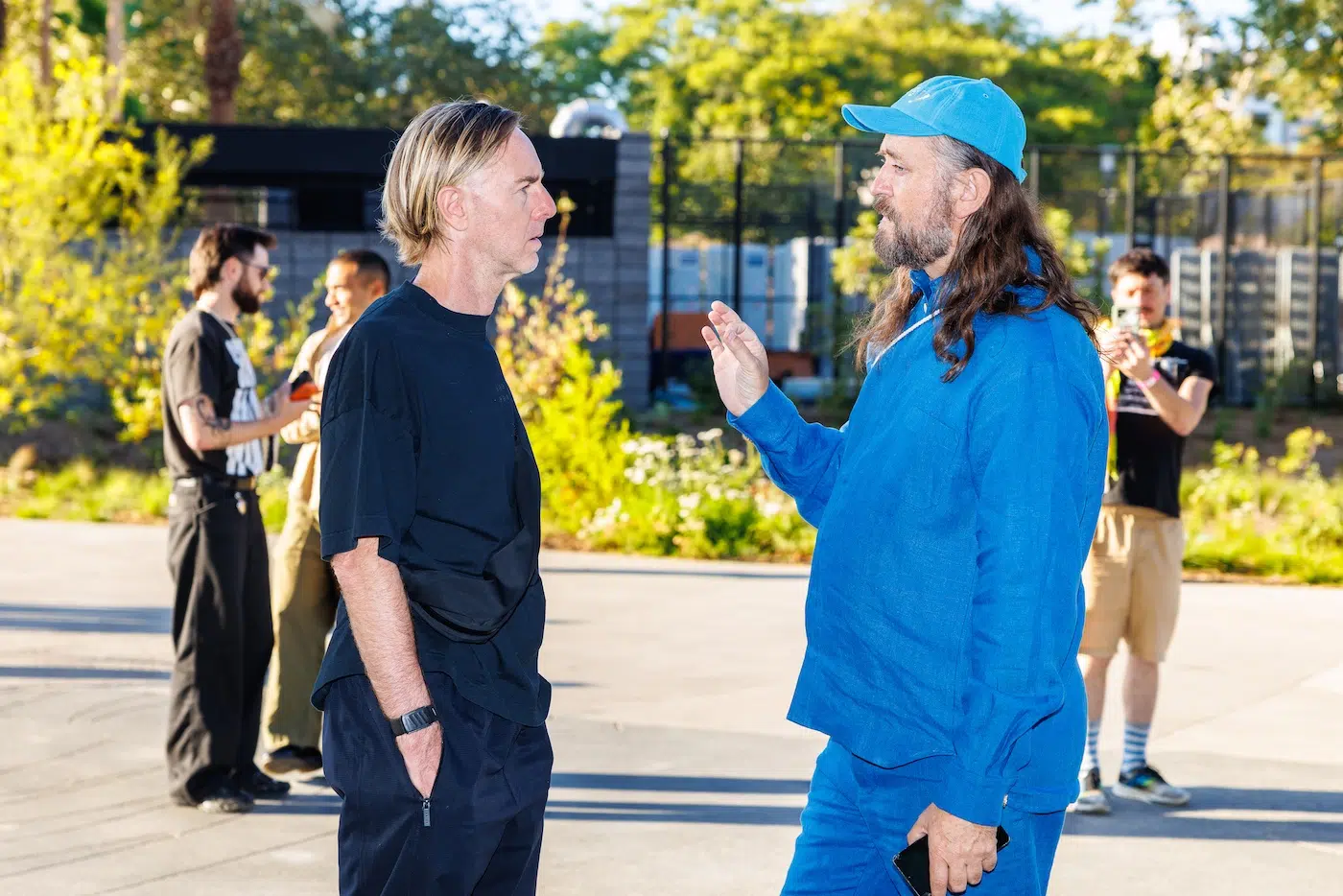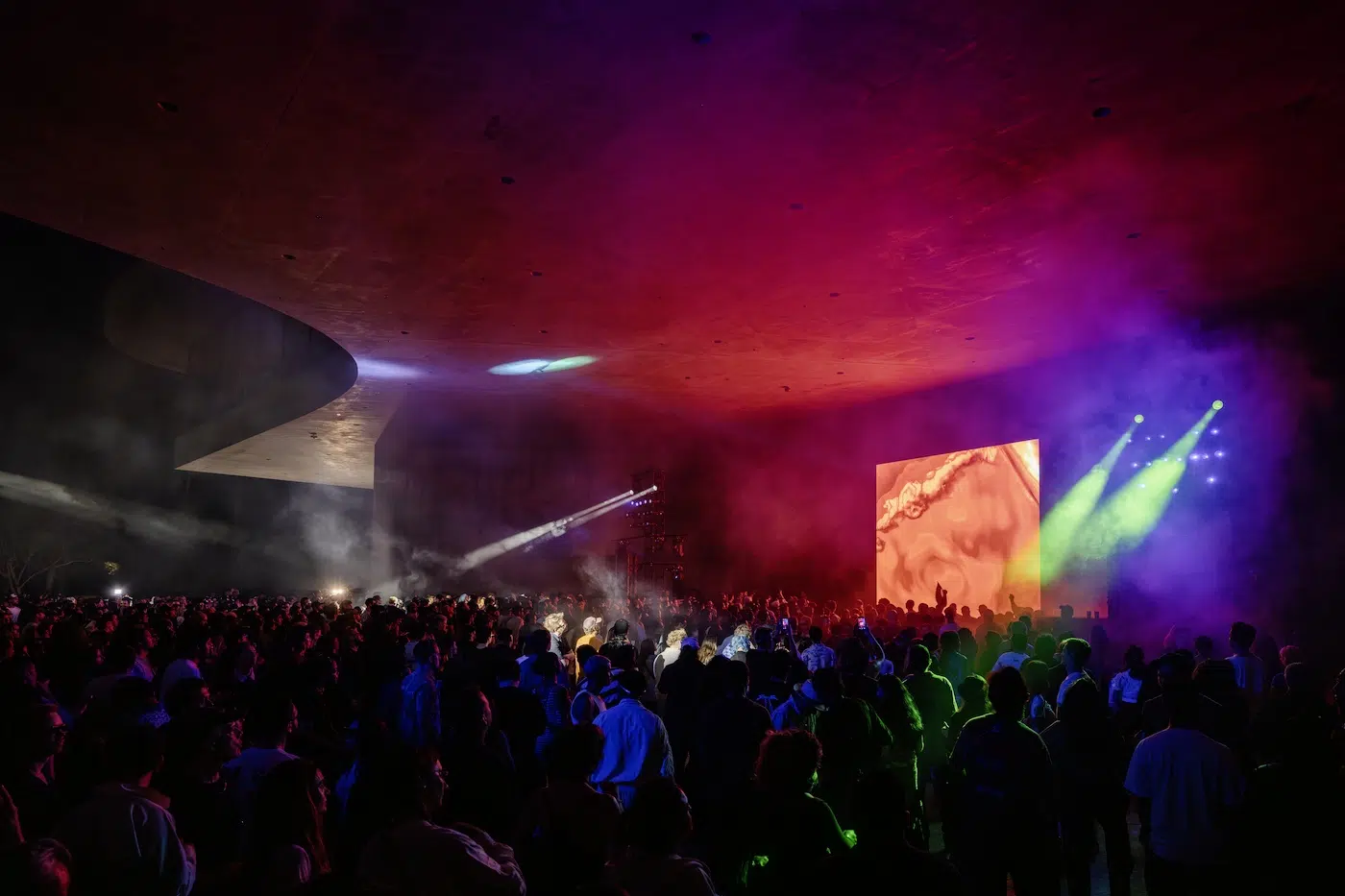

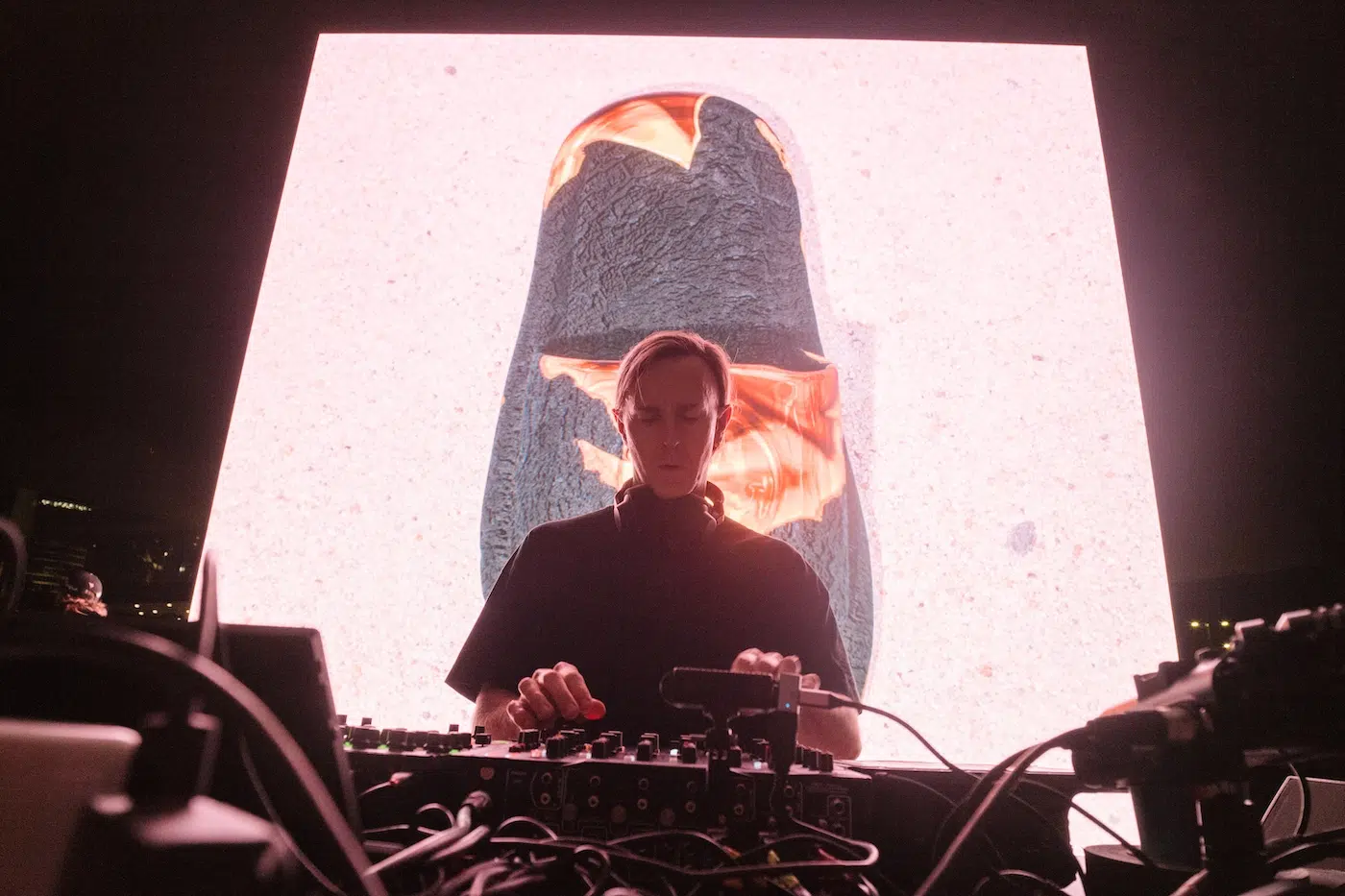
The Los Angeles County Museum of Art (LACMA) marked the summer solstice (on June 21) with SPIRITS, a free public event featuring electronic music pioneer Richie Hawtin (also known as Plastikman) and acclaimed digital artist john gerrard. The evening combined a large-scale installation of Gerrard’s new solar artwork, SPIRITS, with a live performance by Hawtin, celebrating both the longest day of the year and the artwork’s solar cycle.
Designed to be experienced digitally, SPIRITS unfolds over the course of a year through four 24-hour events, each aligned with a solstice or equinox. The work features plastic sandals and shoes collected from beaches worldwide, reimagined as detailed 3D sculptures using advanced digital scanning.
“There are four SPIRIT categories, each based on the world oceans—Pacific, Indian, Mediterranean, and Atlantic, and all based on 24 plastic sandals found on their shores,” gerrard tells My Modern Met. “These are furthermore mapped onto great solar days—the winter and summer solstice and autumnal and spring equinox, where different oceans take over the front page of LACMA.org for 24 hours.”
For the summer solstice, the focus was on the Mediterranean Sea. Using advanced 3D technology, gerrard transformed the worn plastic sandals into interactive digital sculptures. When visitors touched the artwork on their phones, the plastic appeared to dissolve into flowing petroleum, revealing that these everyday objects are ultimately made from oil. He wanted this transformation to be both mesmerizing and unsettling, encouraging people to reflect on the plastic pollution found in our oceans and its connection to fossil fuels.
For the solstice event, Hawtin performed a special DJ set alongside gerrard’s evolving digital artwork, creating an immersive experience that blended music, art, and technology.
Check out some images of the event below. We also had the opportunity to ask both gerrard and Hawtin about their collaboration. Read on for My Modern Met’s exclusive interview.
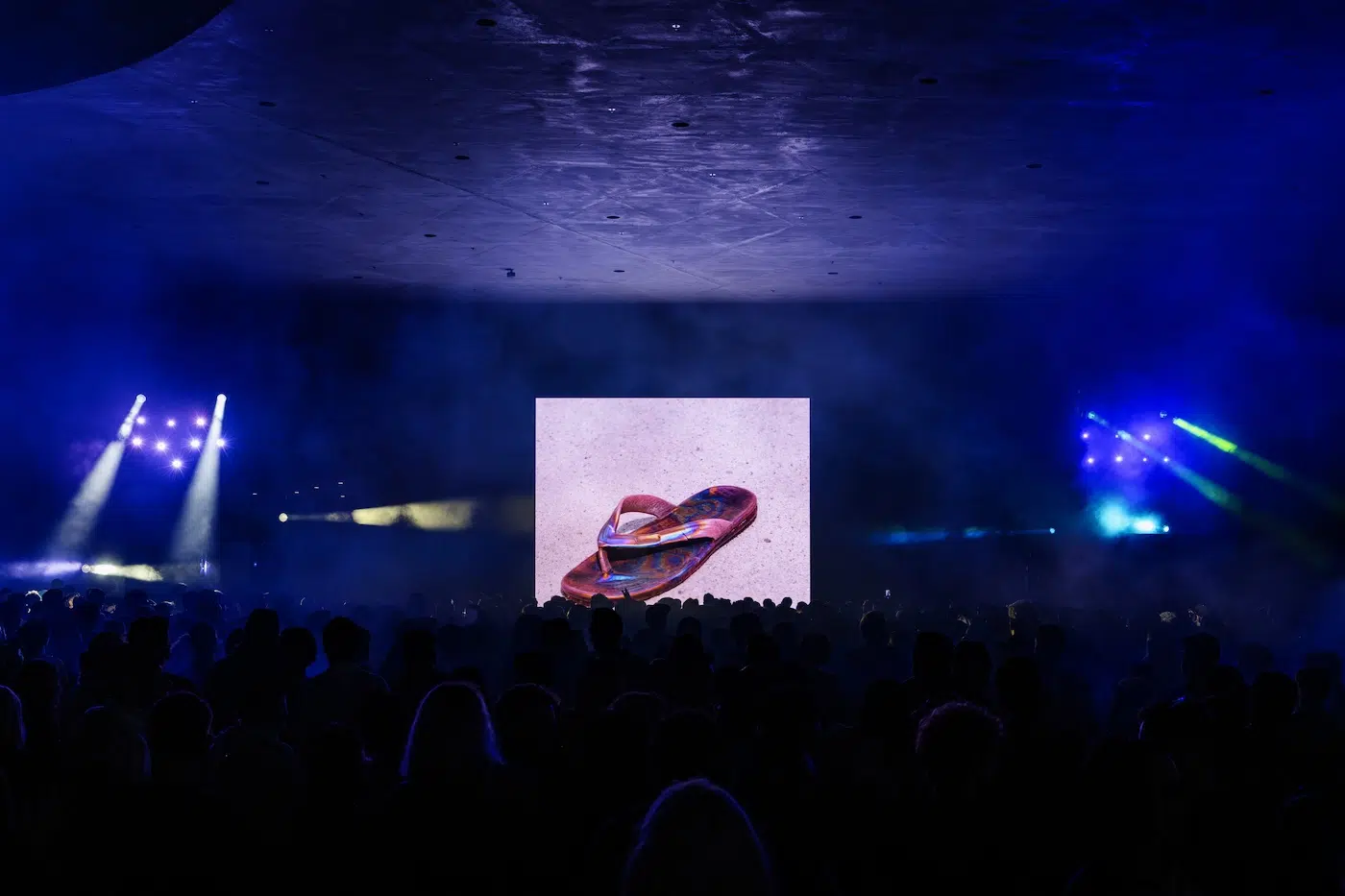
The SPIRITS project turns found plastic objects into detailed digital sculptures. How did that idea start, and why focus on sandals and shoes?
john gerard (JG): The SPIRITS project began on the island of Karpathos in Greece, on the remote Evgónimos beach, which catches a lot of oceanic debris. It is now covered in an extraordinary mix of wood and plastics.
It was there I began to think of plastic as spirit (or demon) haunting the 21st century from the 20th century petrol age. I mapped the idea onto lost shoes as there were hundreds on the beach and they too are also lost stories, sprites, and ghosts of experiences we can never know. Experiences of life, of work, of leisure, migration and perhaps death too.
What role do you think digital art can play in helping us understand environmental issues like waste?
JG: I try not to get involved in matters of understanding. I am an artist not a scientist or activist. Thus my greatest hope is to move the public. To move them emotionally and in some ways physically, a sort of turn or tightening in the belly brain. These movements may create change and by extension change the earth. We shall see. Most things one does or makes have no or little effect anywhere in tangible terms.
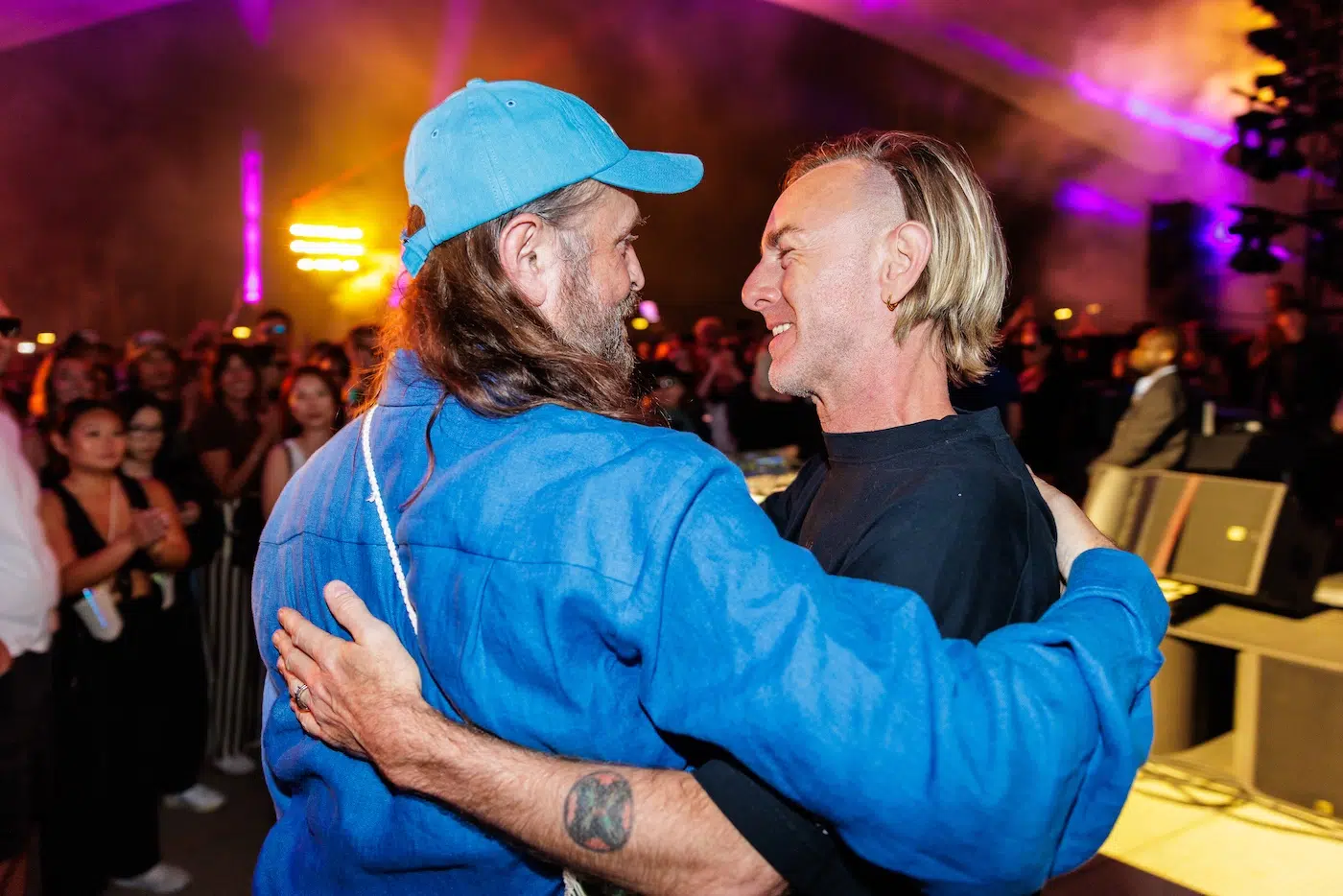
Richie, you’ve performed in museums and alongside major artworks before. What excites you about performing within the context of gerrard’s SPIRITS?
Richie Hawtin (RH): Performing in a museum or alongside an exhibition is always an exciting proposition as it gives you the opportunity to respond to the artwork alongside the normal audience connection. In the past I’ve performed alongside works by Anish Kapoor, Jason Martin, and in architectural gems like the Guggenheim New York’s Frank Lloyd Wright‘s Rotunda; however, those have all been more responding to a finished “fixed” work. With John the collaboration has been more dynamic, working closely together on the planning and installation side of the project beforehand and performing to the dynamic modulations and interactions of his SPIRITS work and the entire SPIRITS “installation” of lighting and fog during the performance.
What was your reaction when you first encountered SPIRITS?
RH: I love John’s work as it’s visually stunning and captivating and, of course, I as a tech nerd love the high tech work methods that John uses. However, John is one of the most thoughtful and deeply introspective artists I’ve ever collaborated with—and the path of unseen concepts and details that go into each of his works take them to a different level—each collaboration with John is both inspiring and creatively challenging which makes them absolutely enjoyable.
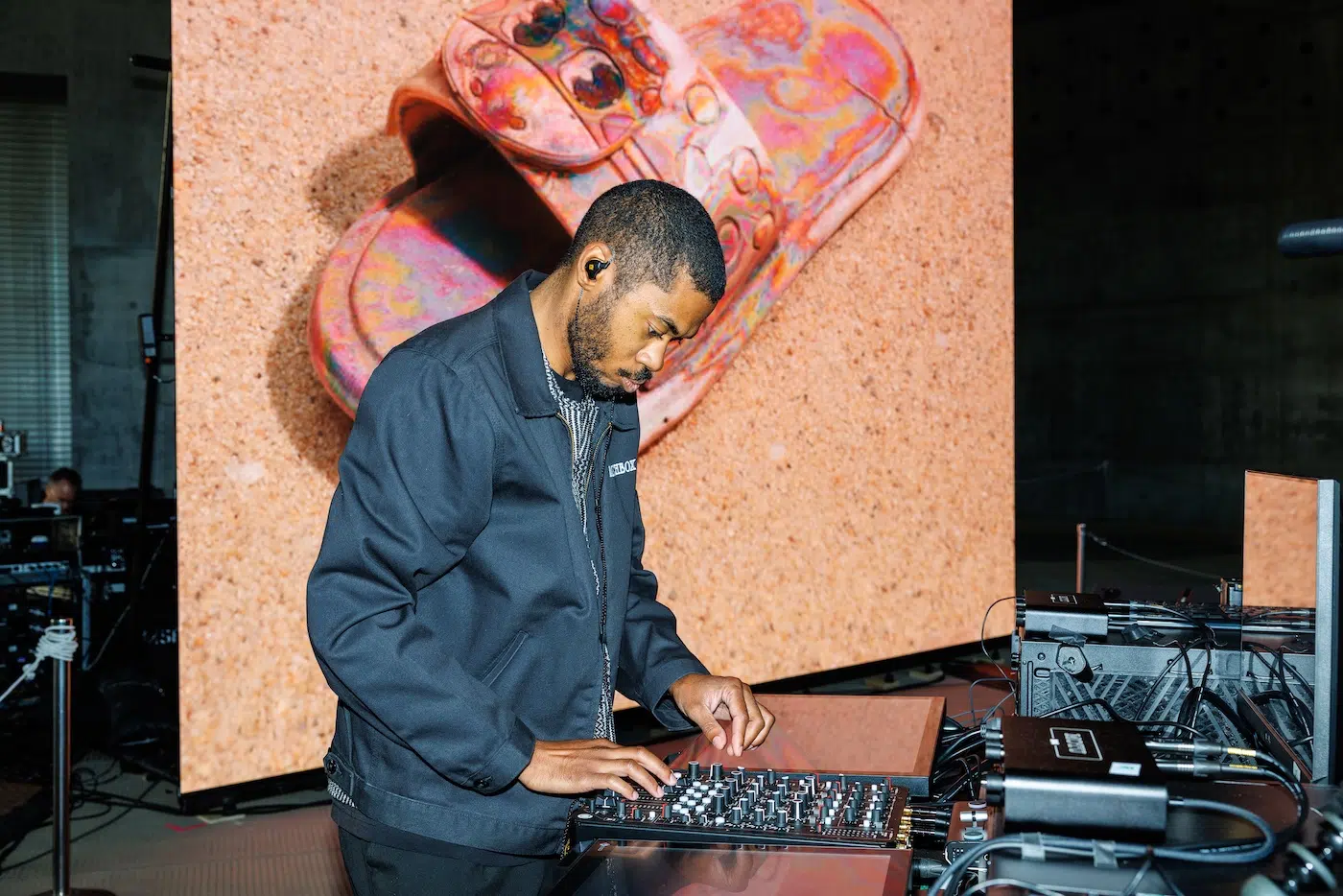
How does playing at LACMA differ from performing in a traditional club or festival setting?
RH: Architecture is an important part of club culture. Each club (or festival) offers their own physically designed space bringing together sound & light to create an atmosphere that is both tangible and intangible at the same time. It’s in all these areas where music fills each unique space in a different way and as a performer I welcome that into every performance. Since a museum like the LACMA is not expected to be a location for a club-like experience, it sets the tone in a very specific way, inviting the unexpected and presenting an anticipation that is different than the normal “concert” experience.
After decades of experimentation, what still surprises you about the relationship between technology and human creativity?
RH: The ingenuity of the human mind creating and crafting technologies that extend our capabilities is truly mind-bending. From banging on a drum, to plucking the strings on a guitar, to using a brush to paint or a turntable to mix music together we continue to dream up new ways to connect to other like-minded souls and deepen the human connection. As long as we continue to ask “what if?” We will continue to evolve, excite and surprise.