

Photo: Luis Gerardo Peña Torres | INAH
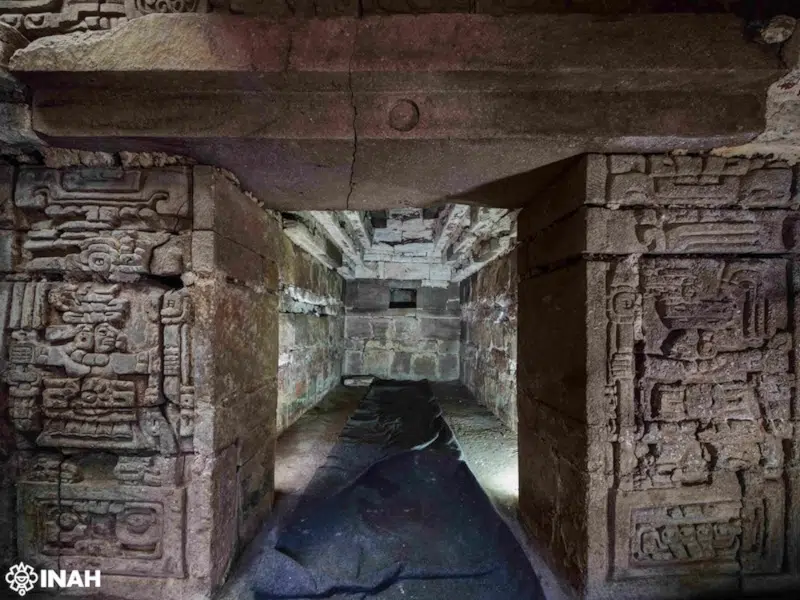
Mexico has announced what may just be the most important archeological discovery of the last decade in the region. The National Institute of Anthropology and History (INAH) unearthed a 1,400-year old Zapotec tomb in the Central Valleys of the state of Oaxaca. Richly decorated, researches believe this finding will provide priceless insight into the Zapotec civilization.
The tomb, which dates back to 600 CE, features sculptural elements of symbols associated with power and death, as well as mural paintings in shades of ochre, white, green, red, and blue. The composition of the mural in the chamber depicts a procession of people carrying bags of copal walking toward the entrance.
Among the ornaments that surround the tomb, an owl that decorates the entrance to the antechamber has caught the eye of researchers. A symbol of night and death in the Zapotec mythology, the bird’s beak covers the portrait of a Zapotec lord, created out of stucco and topped with paint. INAH archeologists believe the individual depicted is an ancestor of the person in the tomb and their relatives, a figure meant to mediate between the deceased and the Zapotec deities.
A team from Centro INAH Oaxaca team will now carry out conservation and research efforts on the recently discovered structure, which includes the stabilization of the mural painting. While the artwork is in good shape given the conditions it was found in, it has been compromised by growing plants, insects, and abrupt changes in weather. All the while, archeologists will continue to look into the ceramic, iconographic, and epigraphic elements of the tomb with the hopes of further understanding both the Zapotec rites and their way of living.
“This is an exceptional discovery due to its level of preservation and what it reveals about Zapotec culture: its social organization, funeral rituals, and worldview, preserved in architecture and mural painting,” said Mexico’s Secretary of Culture Claudia Curiel de Icaza. “It is a powerful example of Mexico’s ancient greatness, which is now being researched, protected, and shared with the people.”
Mexico has announced the discovery of a 1,400-year-old Zapotec tomb.
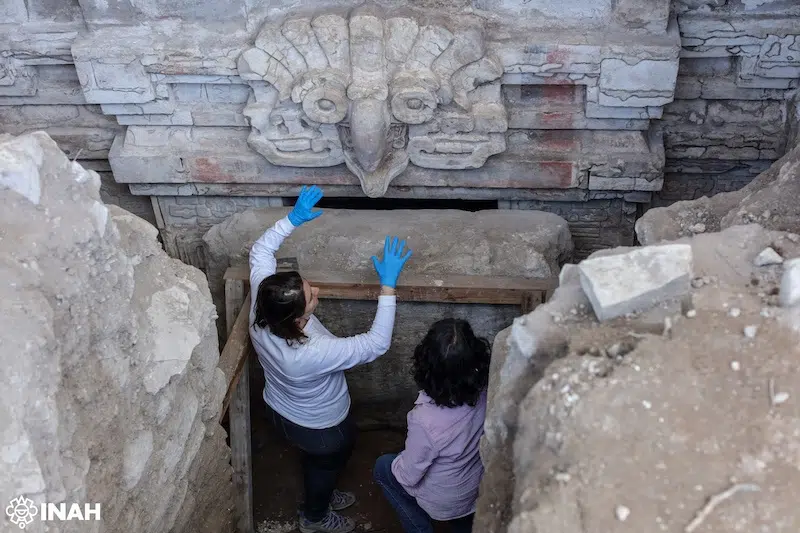
Photo: Luis Gerardo Peña Torres | INAH
It may be the most important archeological find of the last decade in the region.
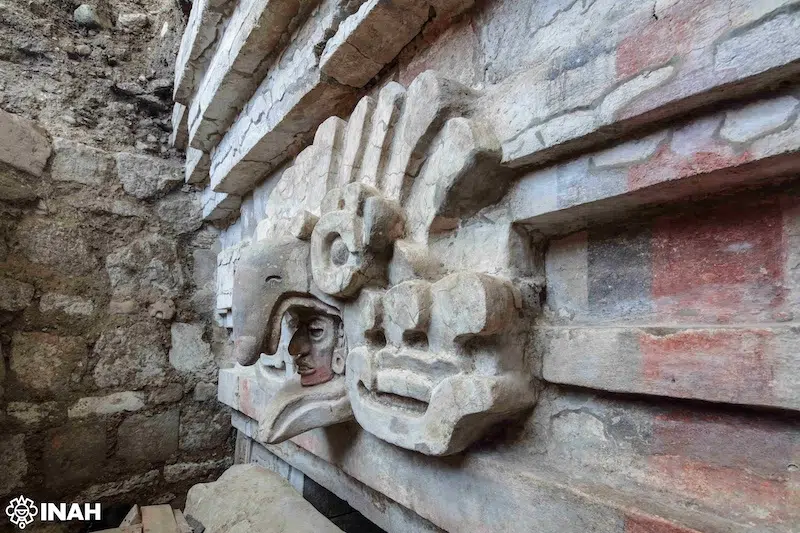
Photo: Luis Gerardo Peña Torres | INAH
The tomb features sculptural elements of symbols associated with power and death, as well as mural paintings in shades of ochre, white, green, red, and blue.
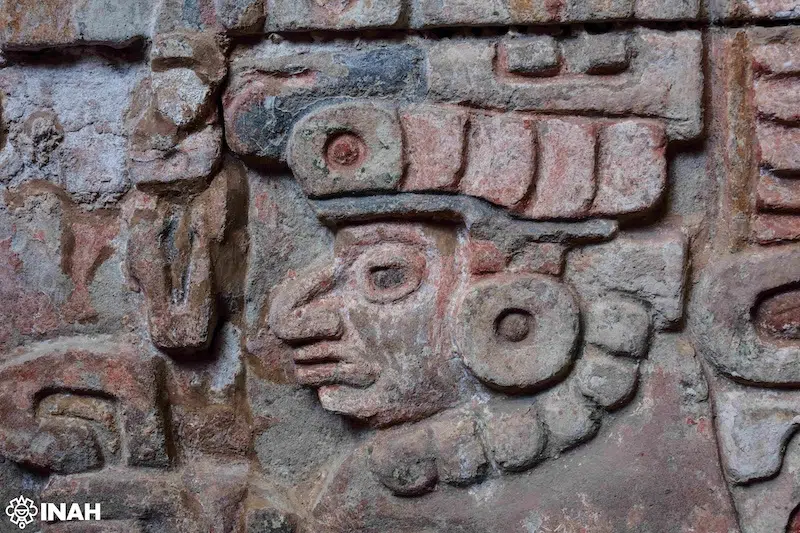
Photo: Luis Gerardo Peña Torres | INAH
“It is a powerful example of Mexico’s ancient greatness, which is now being researched, protected, and shared with the people.”
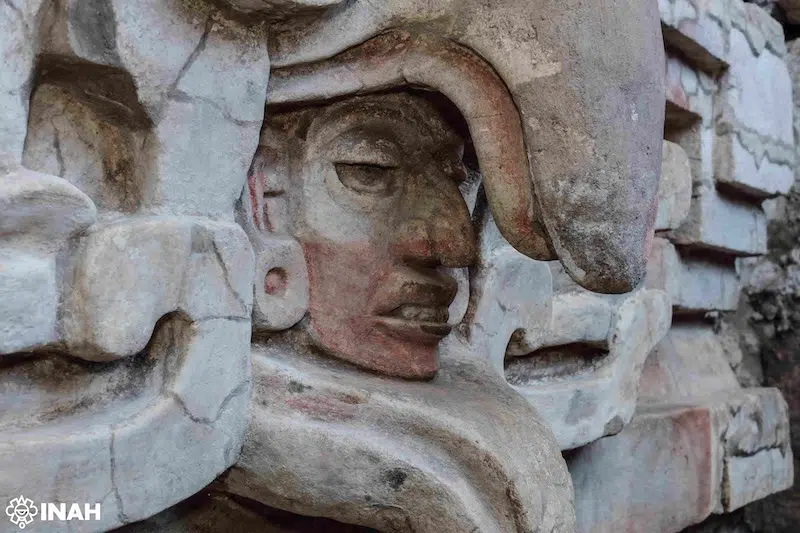
Photo: Luis Gerardo Peña Torres | INAH
Sources: El Gobierno de México anuncia el descubrimiento de una milenaria tumba zapoteca
All images via National Institute of Anthropology and History.
Related Articles:
Peru Unveils Details About a Recently Unearthed Archeological Site From 3,800 Years Ago
4,100-Year-Old Tomb of Ancient Egyptian Royal Physician Unearthed in Saqqara
World’s Oldest Known Cave Art Discovered in Indonesian Cave
Indigenous “Solar Cooks” Swap Gas-Fired Ovens for Sunshine-Powered Stoves in Mexico