

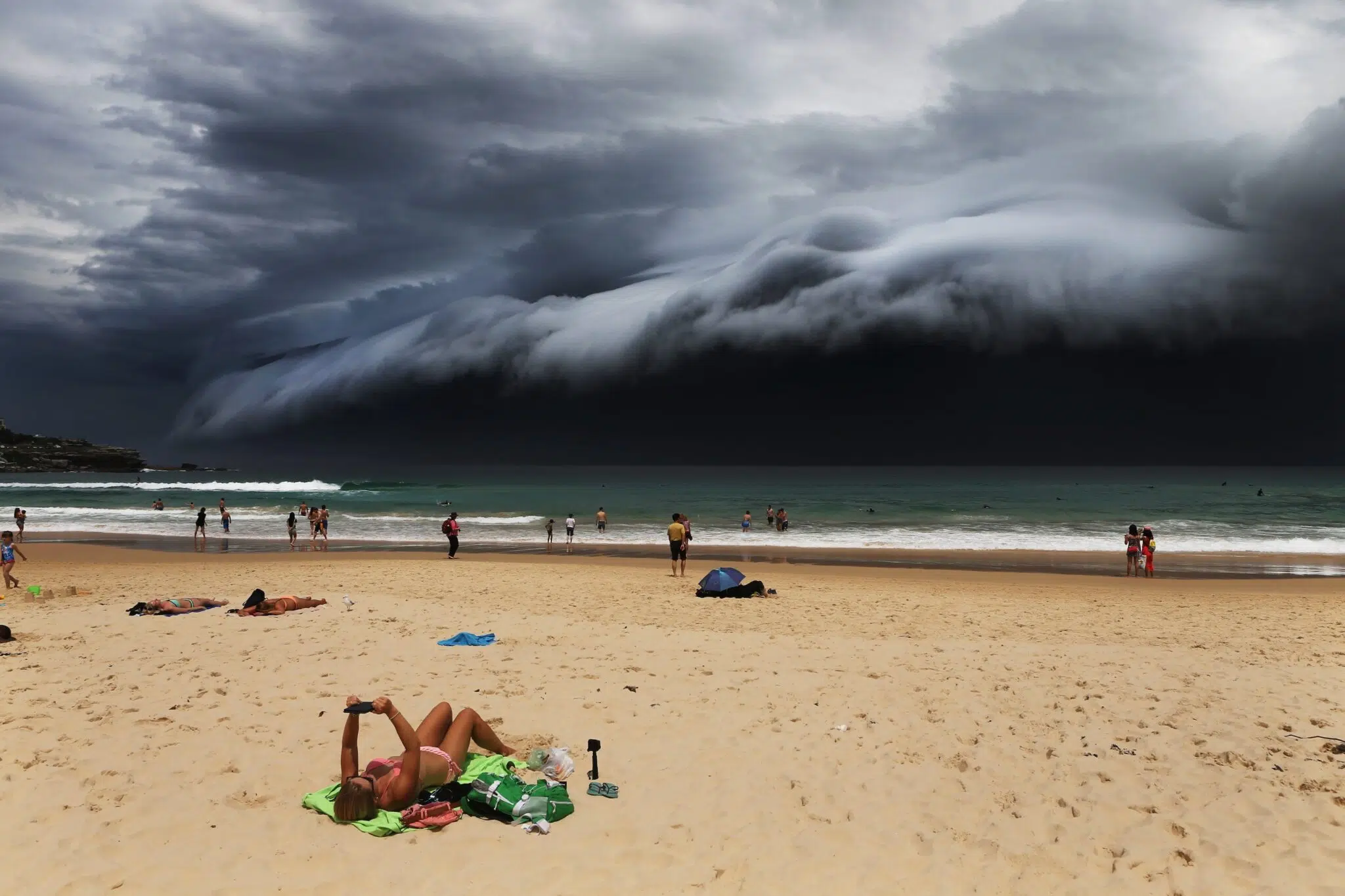
Rohan Kelly, 2015. A massive shelf cloud moves towards Bondi Beach. The cloud was part of a weather front that brought violent thunderstorms, with local media reporting damaging winds, hailstones the size of golf balls, and heavy rainfall.
A picture is worth a thousand words, as the old adage goes, and that is particularly true in the case of photojournalism. In just one image, photojournalists can capture entire worlds that may otherwise have remained hidden, informing the way we encounter and engage with our surroundings. This is exactly the philosophy that has guided World Press Photo since 1955, a nonprofit dedicated to photojournalism and documentary photography. Now, to celebrate its 70th anniversary, the organization will launch a limited-time print sale between November 17–26, 2025.
Gathering photographs from the past seven decades, 70 Prints for 70 Years explores World Press Photo’s rich visual history and its enduring impact upon the field. The photographs span an impressive array of subjects, whether it be the migration of monarch butterflies across Mexico or underground ballroom events during Lagos Pride. One image highlights sweeping landscapes in the stateless area near the Orinoco River border between Colombia and Venezuela, while another takes us inside the homes of affluent Romas in Romania and Moldova. No matter their setting or scope, each print offers a distinct point of view, challenging us to consider new perspectives from across the globe.
The anniversary campaign is as much an exercise in stylistic diversity as it is a historical documentation. Some images date back to the 1950s, including one by Mogens von Haven that depicts a competitor tumbling off his motorcycle during the Motocross World Championship at the Volk Mølle race course. Neil Armstrong’s 1969 snapshot of Buzz Aldrin on the moon’s Sea of Tranquility is also featured, alongside Charlie Cole’s dramatic image of a man facing down army tanks during the Tiananmen protests in 1989. These compositions prove just how remarkable World Press Photo’s archive is, illustrating some of the world’s most monumental and unforgettable moments.
Other photographs provide a glimpse into more intimate, unexpected scenes. Rena Effendi, for instance, showcases an entire Romanian family constructing one of their annual summer haystacks, proving that agricultural and rural lifestyles aren’t simply a thing of the past. Lalo de Almeida, on the other hand, presents a haunting image of stray dogs staring at a butcher’s shop in the almost-abandoned Vila de Ressaca, an area previously mined by gold seekers. Like the dogs themselves, we, too, must confront the ways in which towns fall from their former glory—and the implications for those left behind.
“Each print represents not only a moment in time, but also the courage and creativity of the photographer behind it,” Joumana El Zein Khoury, executive director of World Press Photo, said in a statement. “By purchasing one of these prints, you are joining us in recognizing the enduring value of visual storytelling.”
Each of the images included in 70 Prints for 70 Years will be printed on museum-quality, 20×30-centimeter (about 8×12-inch) paper. Prints will retail for $180 unframed and $250 framed. Contributions will go directly back to World Press Photo, allowing the organization to further their mission of supporting visual journalism.
To learn more about 70 Prints for 70 Years, visit World Press Photo’s website.
To celebrate its 70th anniversary, World Press Photo is launching a limited-edition print sale between November 17–26, 2025.
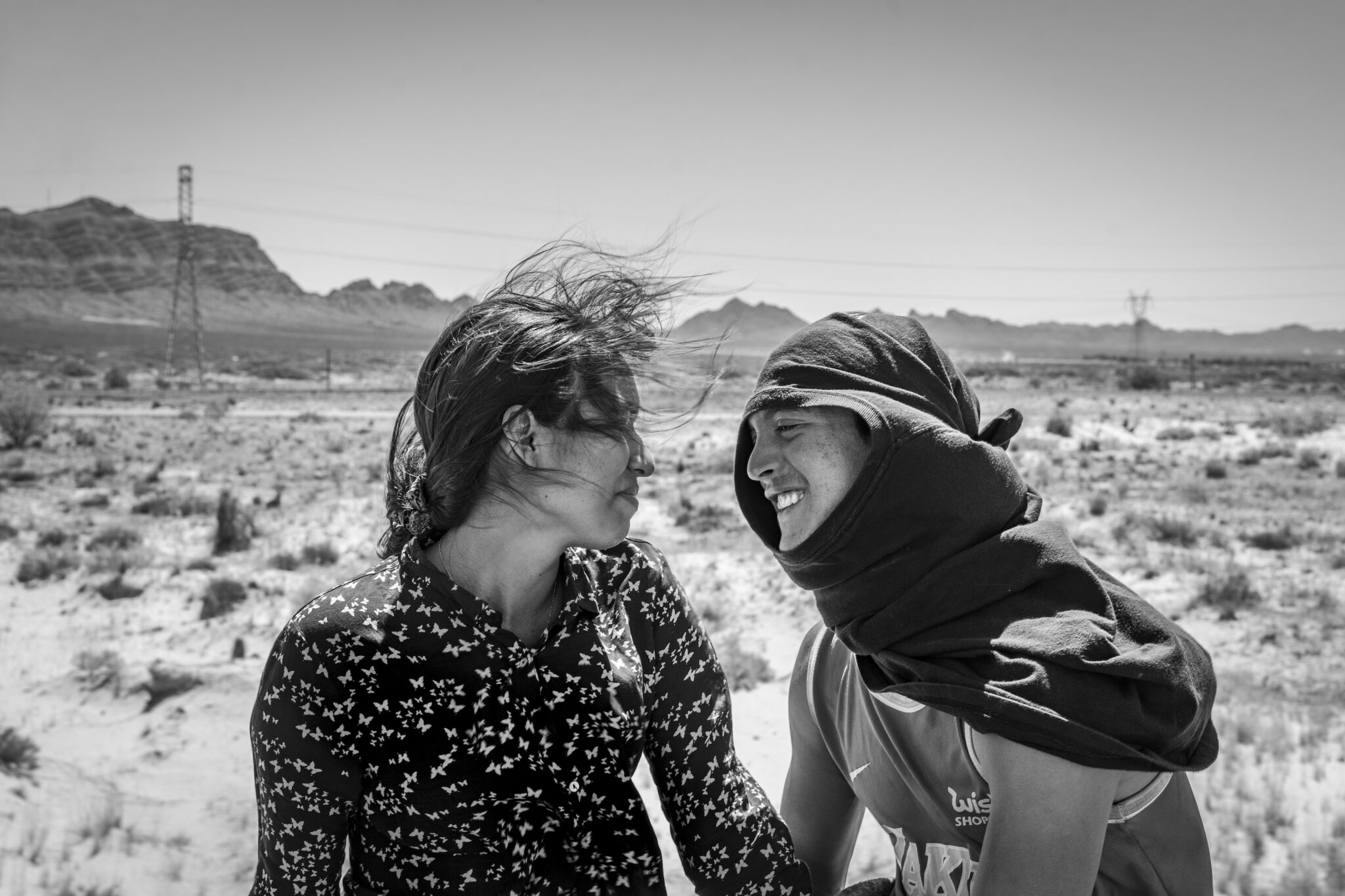
Alejandro Cegarra, 2023. Photograph from his “The Two Walls” series, focusing on immigration and the Mexican-U.S. border.
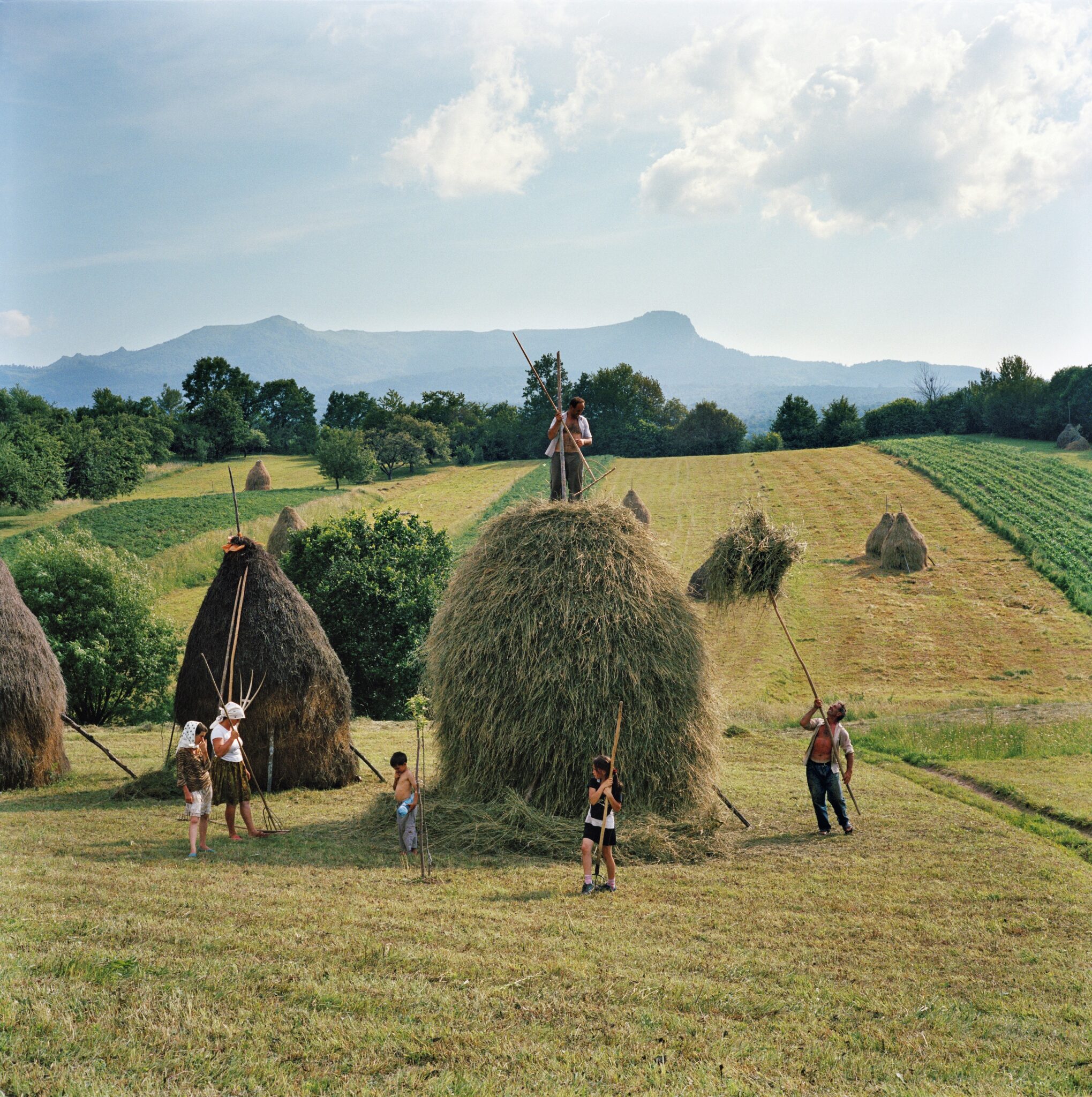
Rena Effendi, 2012. The whole Borca family, from Breb, Romania, puts finishing touches on one of the 40 haystacks it makes each summer.
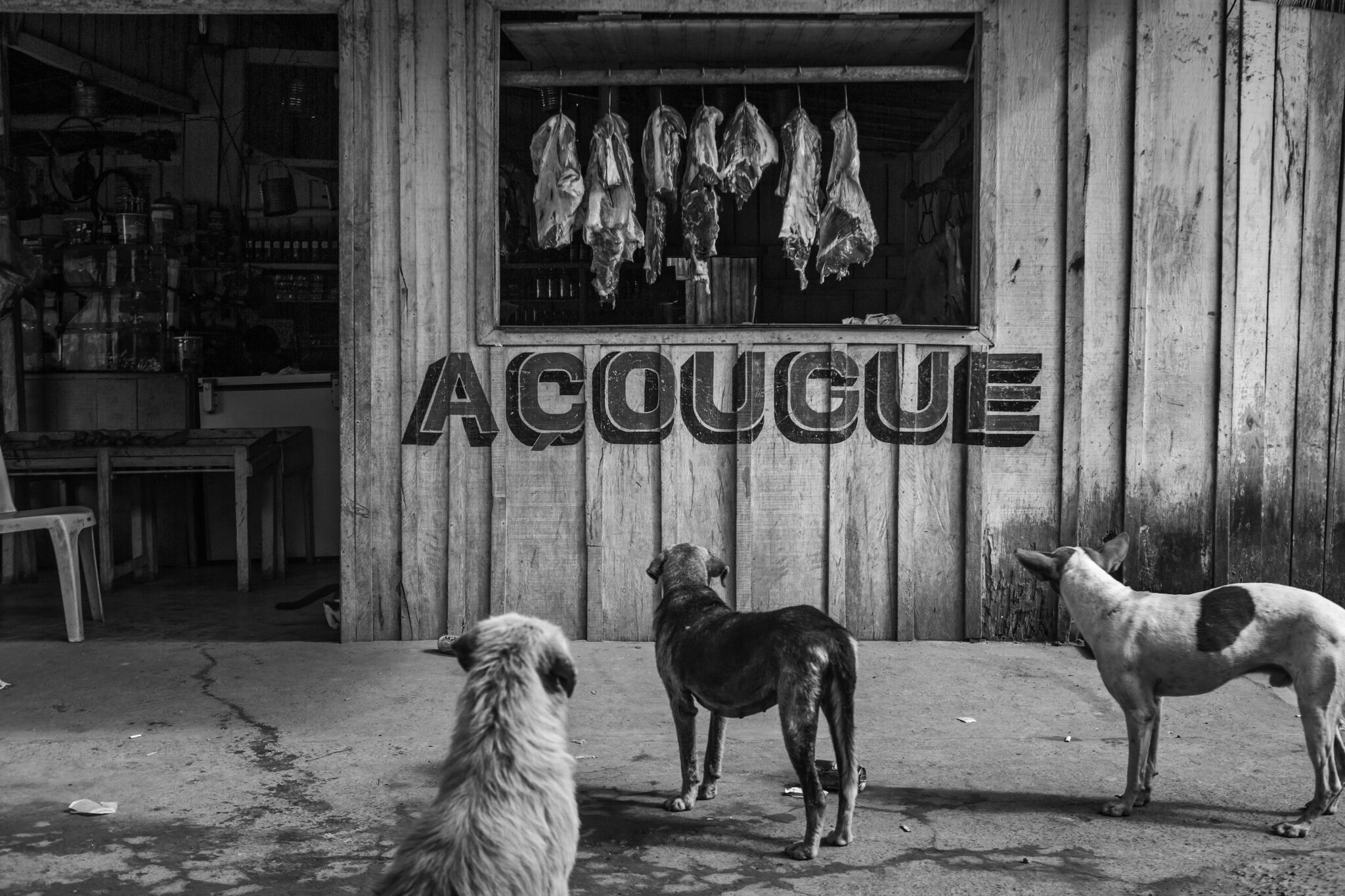
Lalo de Almeida, 2013. Stray dogs stare at a butcher’s in the almost-abandoned Vila da Ressaca, an area previously mined by gold seekers and soon to be explored exclusively by the Canadian mining company Belo Sun.
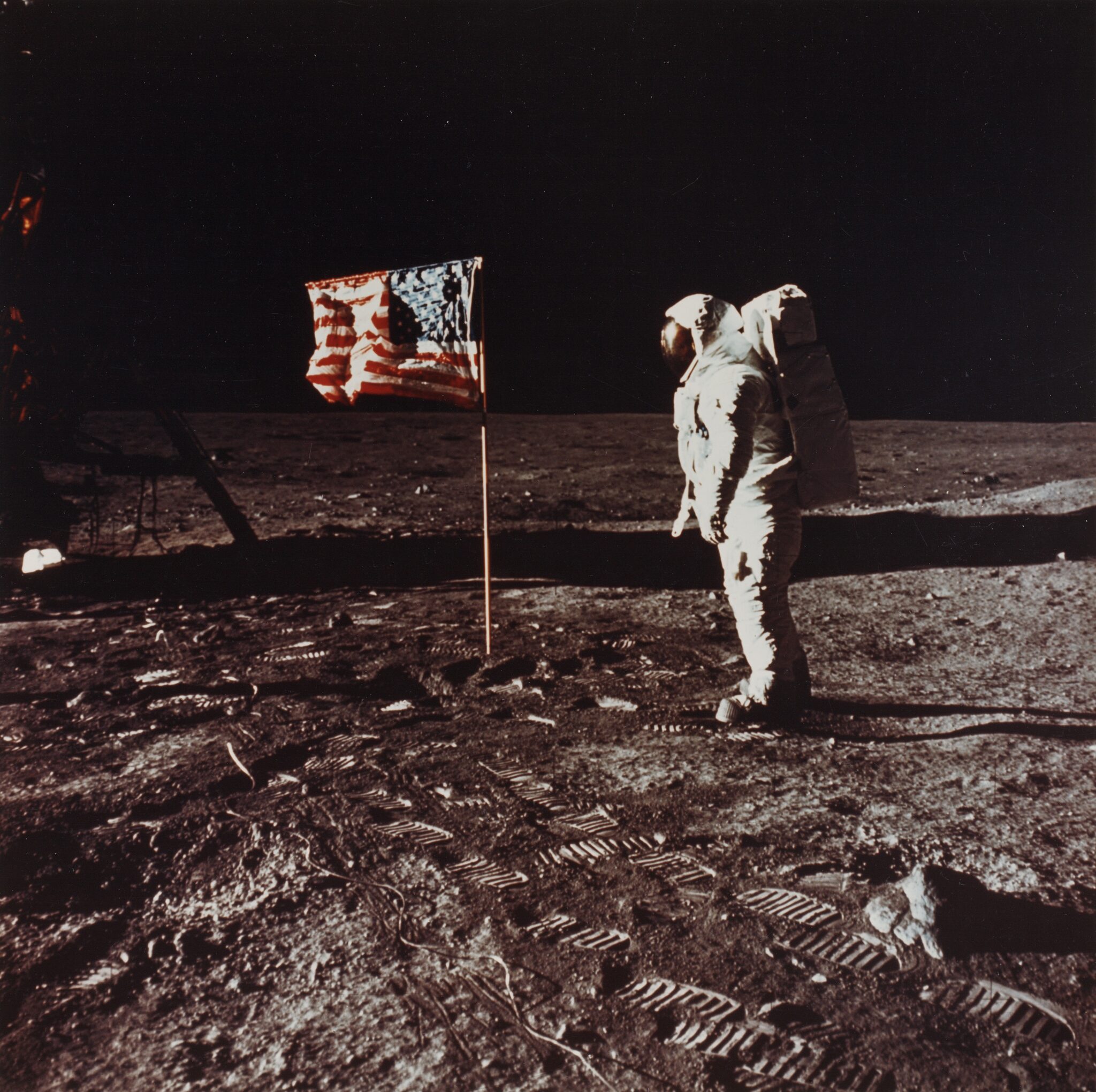
Neil Armstrong, 1969. Astronaut Edwin ‘Buzz’ Aldrin poses by the U.S. flag on the moon’s Sea of Tranquility.
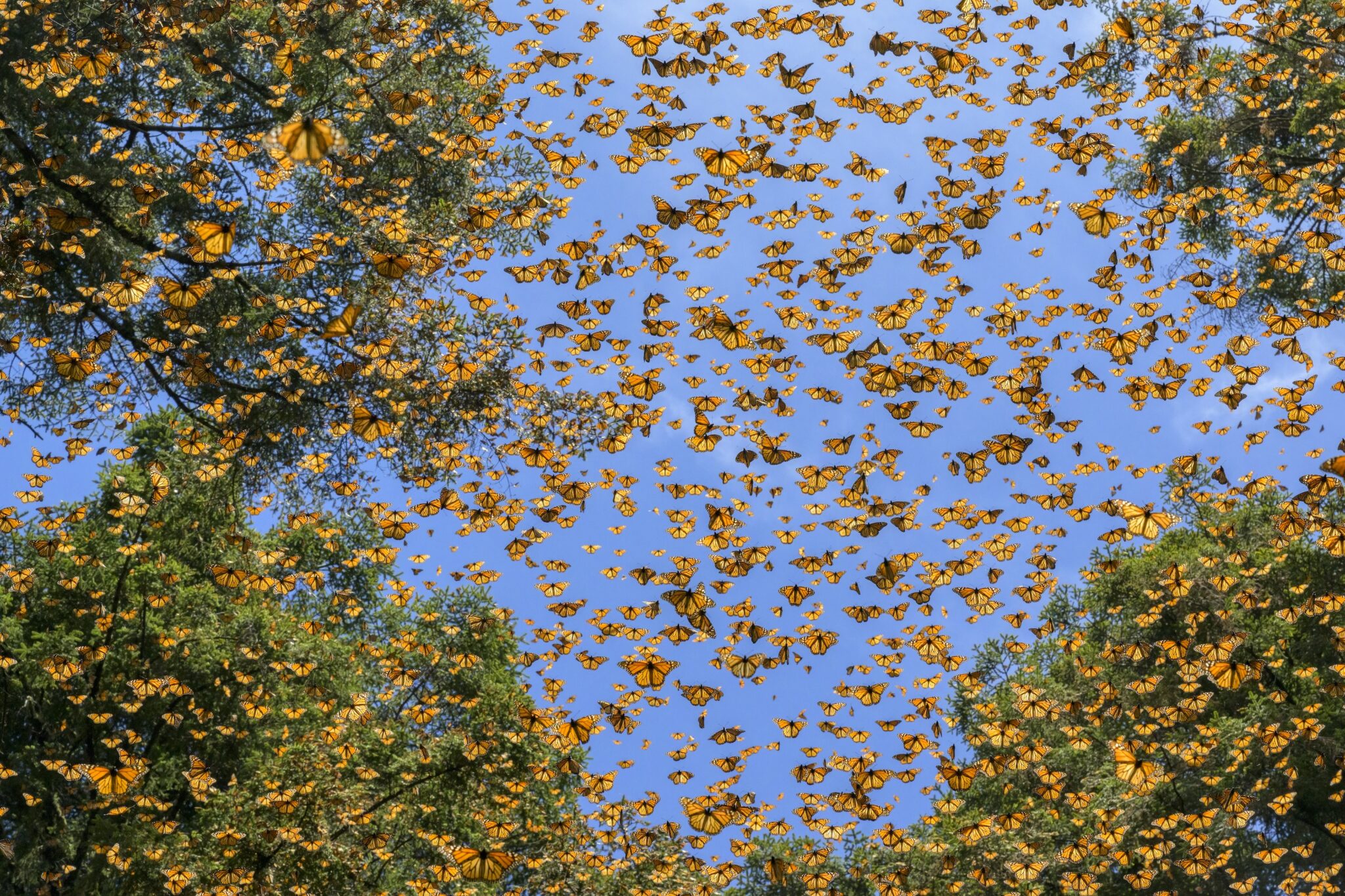
Jaime Rojo, 2023. Butterflies stream through the trees in El Rosario, a sanctuary within the Monarch Butterfly Biosphere Reserve in Michoacán, Mexico.
70 Prints for 70 Years gathers stunning documentary photographs from the past seven decades and span an impressive array of subjects.
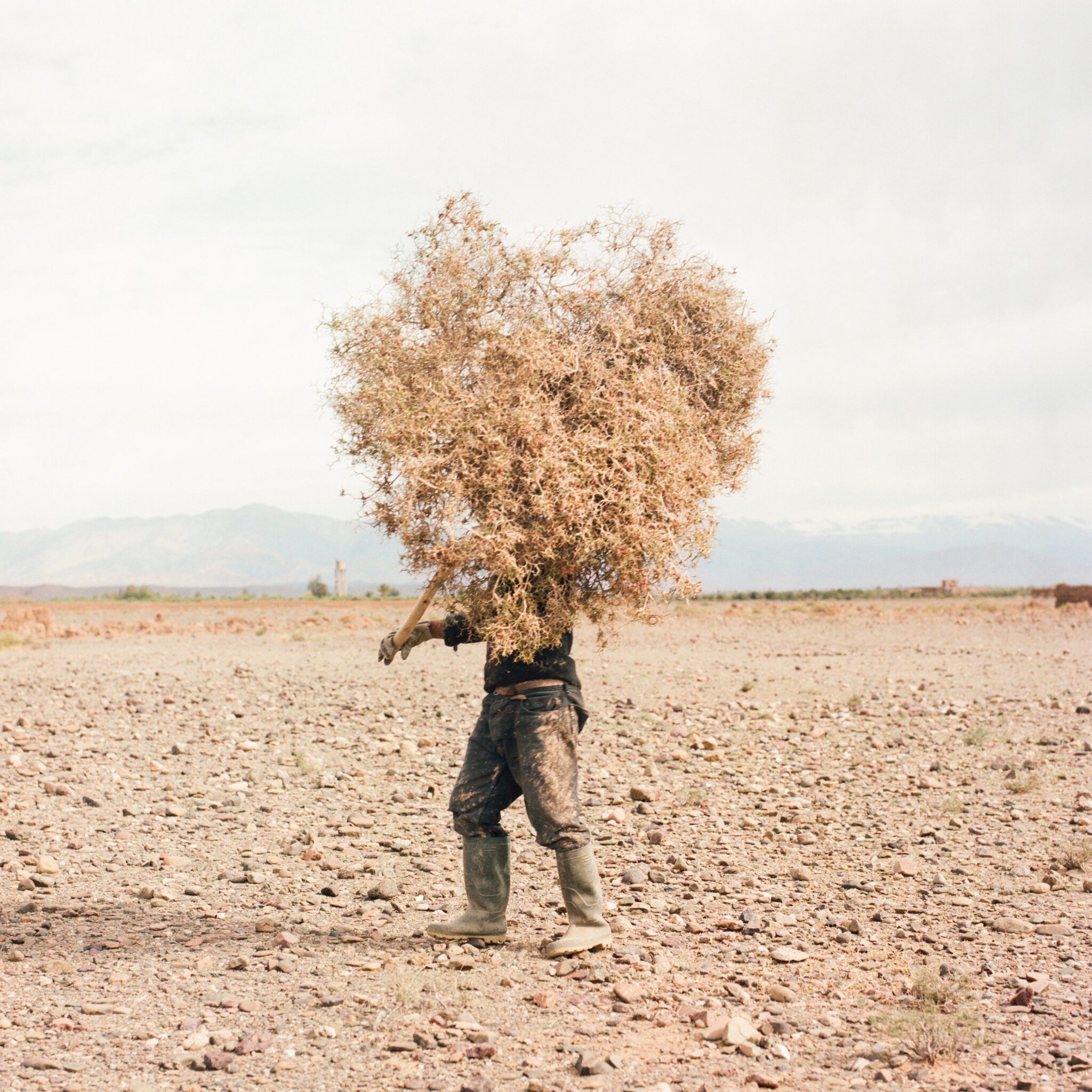
M’hammed Kilito, 2022. Every Sunday morning, very early, Mohammed the potter goes to collect wood to be able to bake the pottery he has been producing during the whole week.
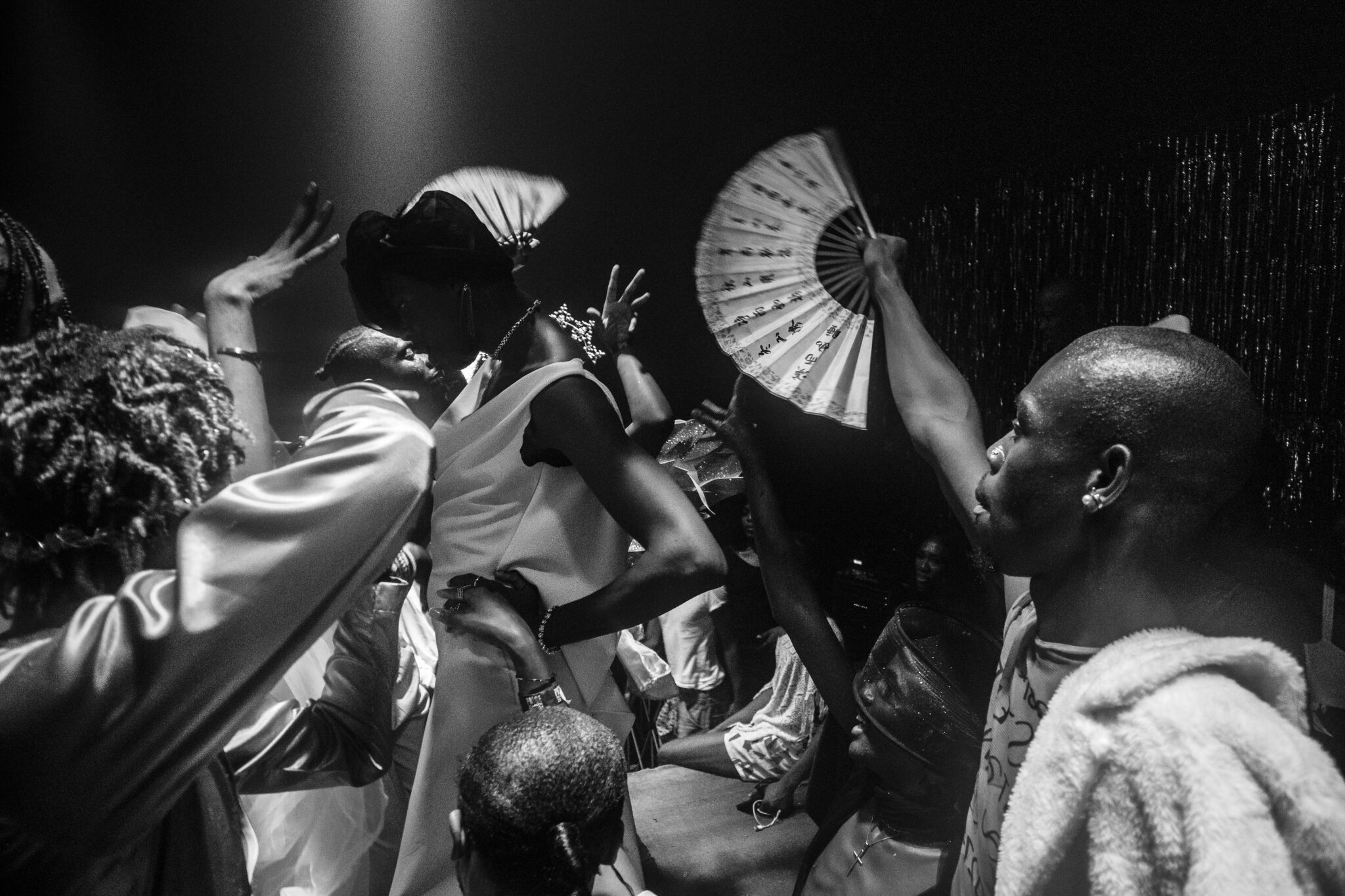
Temiloluwa Johnson, 2024. On June 21, 2024, a ballroom event was held in an underground venue as part of the week-long Pride in Lagos celebrations. Despite threats of legal prosecution, widespread societal discrimination, and physical violence, members of Nigeria’s LGBTQ continue to seek spaces for self-expression and celebration.

Charlie Cole, 1989. A demonstrator confronts a line of People’s Liberation Army tanks on Chang’an Avenue, Beijing, during protests for democratic reform on Tiananmen Square.
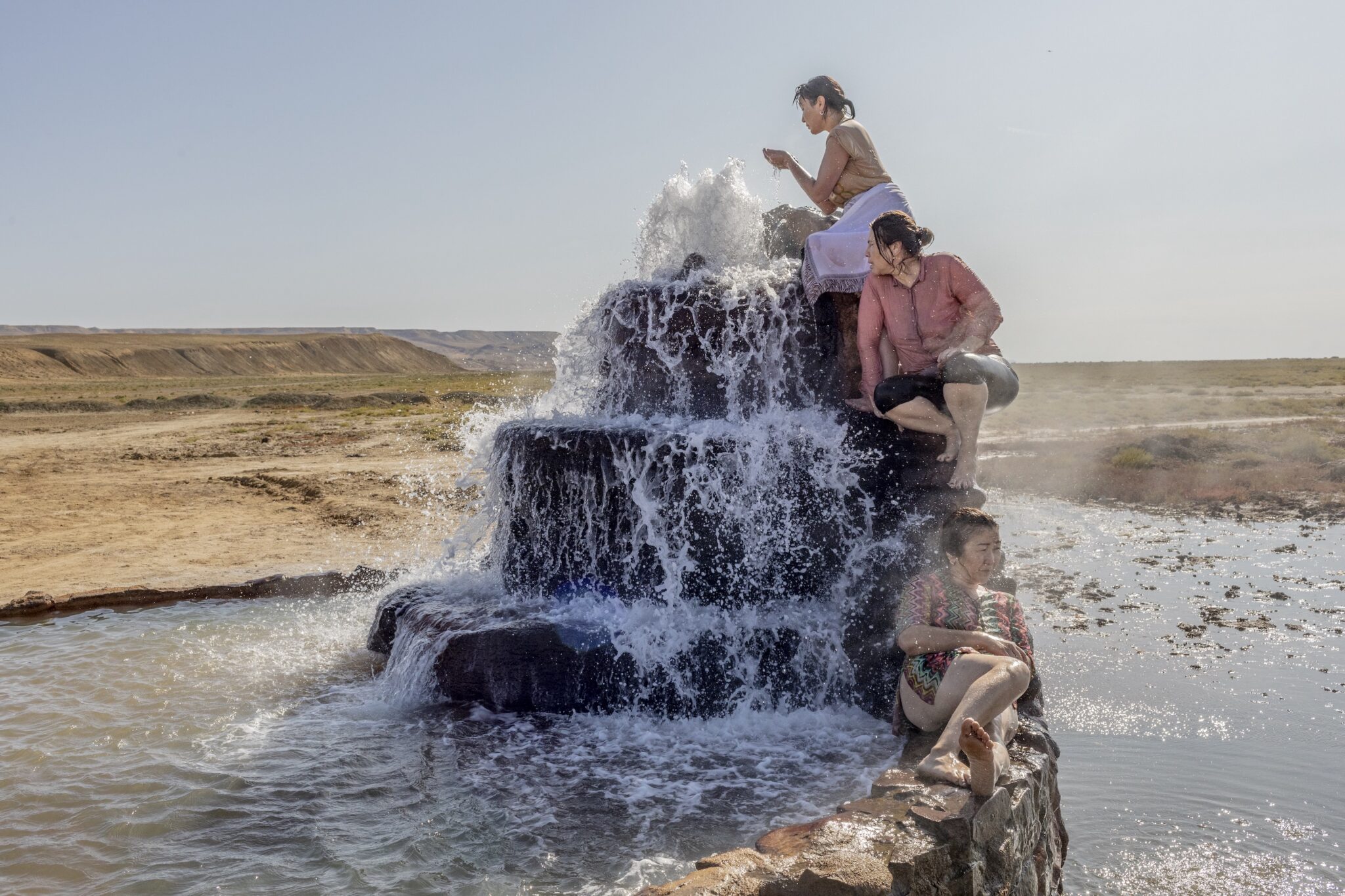
Anush Babajanyan, 2019. A hot spring has emerged on the former bed of the Aral Sea, near Akespe village in Kazakhstan. Over the years the Aral Sea has lost 90 percent of its waters.
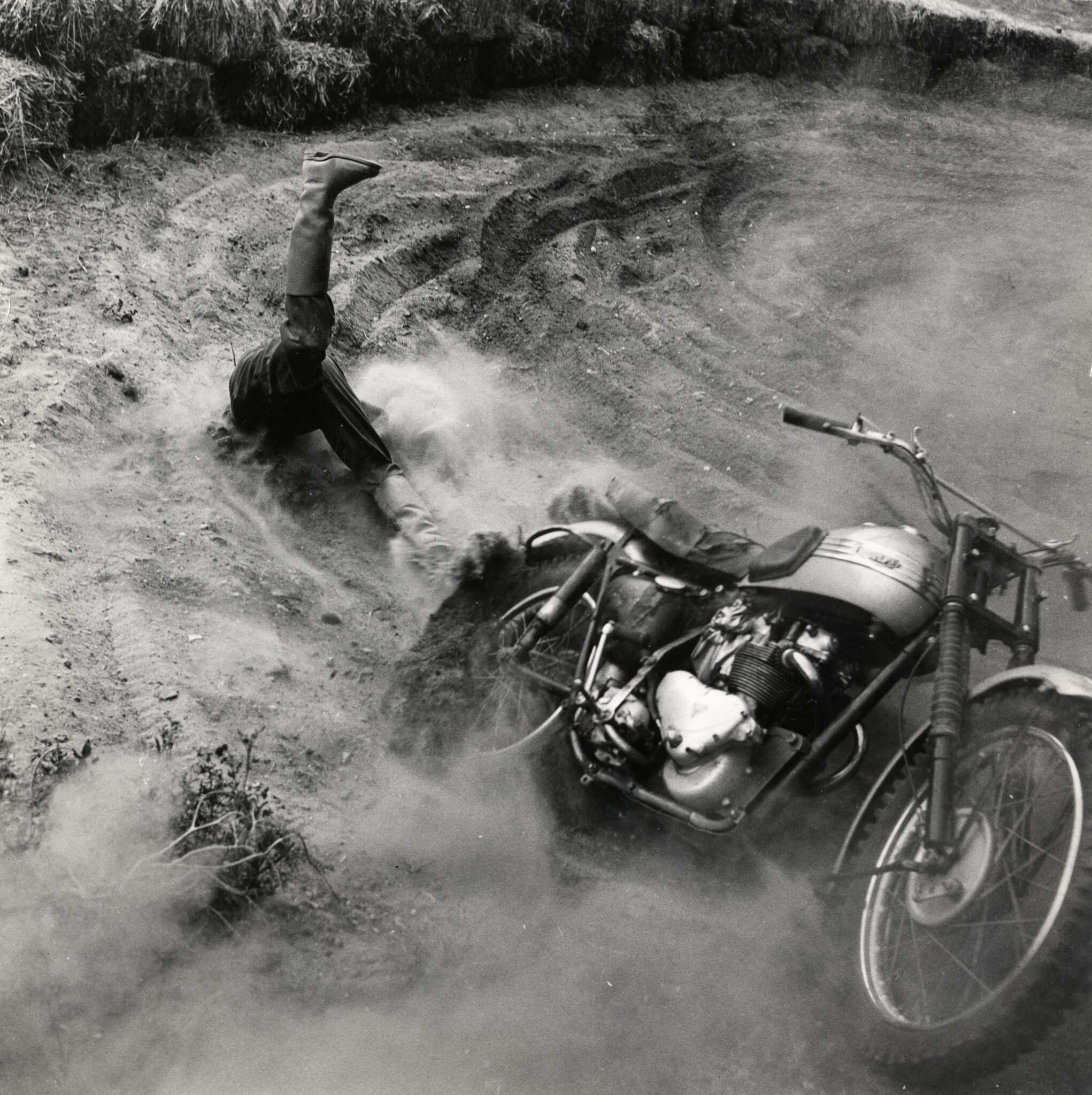
Mogens von Haven, 1955. A competitor tumbles off his motorcycle during the Motocross World Championship at the Volk Mølle race course.
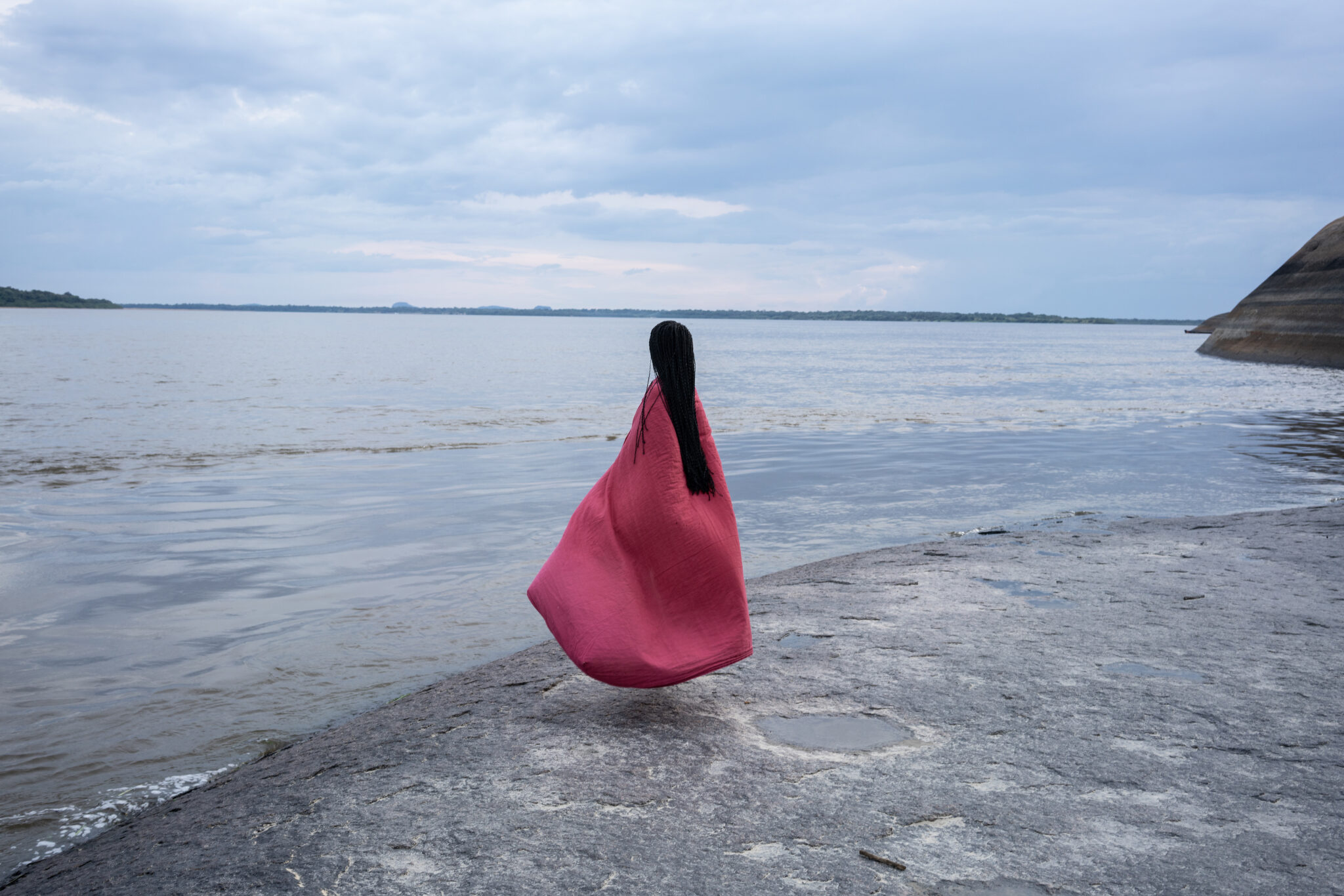
Juanita Escobar, 2017. Part of the “Water Border” series, depicting those who live in the stateless area near the Orinoco River border between Colombia and Venezuela.
Each of the 70 images prove just how impactful—and necessary—photojournalism has been and continues to be.
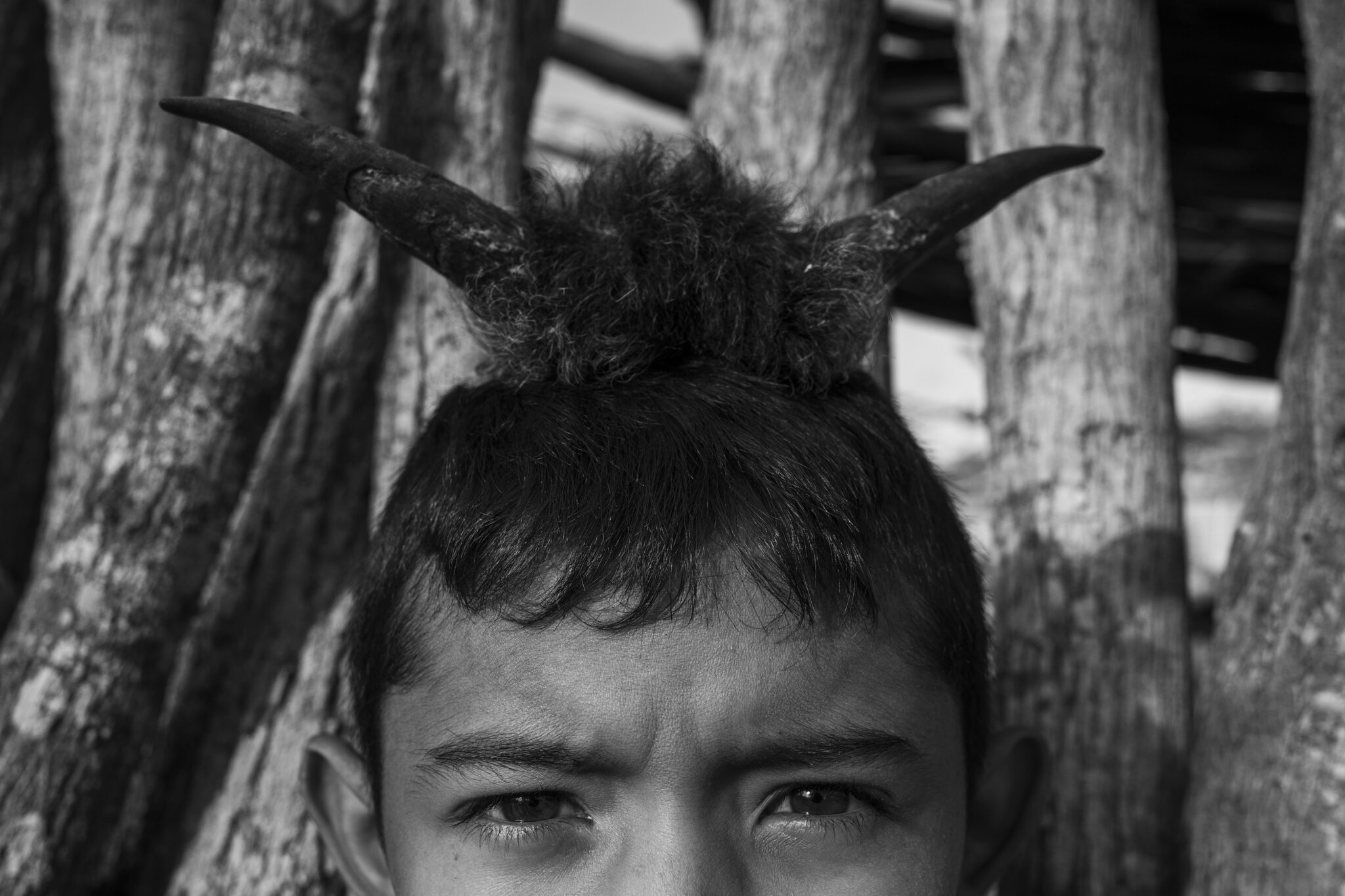
Fernanda Pineda, 2024. During the early morning vigils in Guajira, Colombia, goats are distributed for the meal. Once sacrificed, the children play with the horns, pretending to be goats.
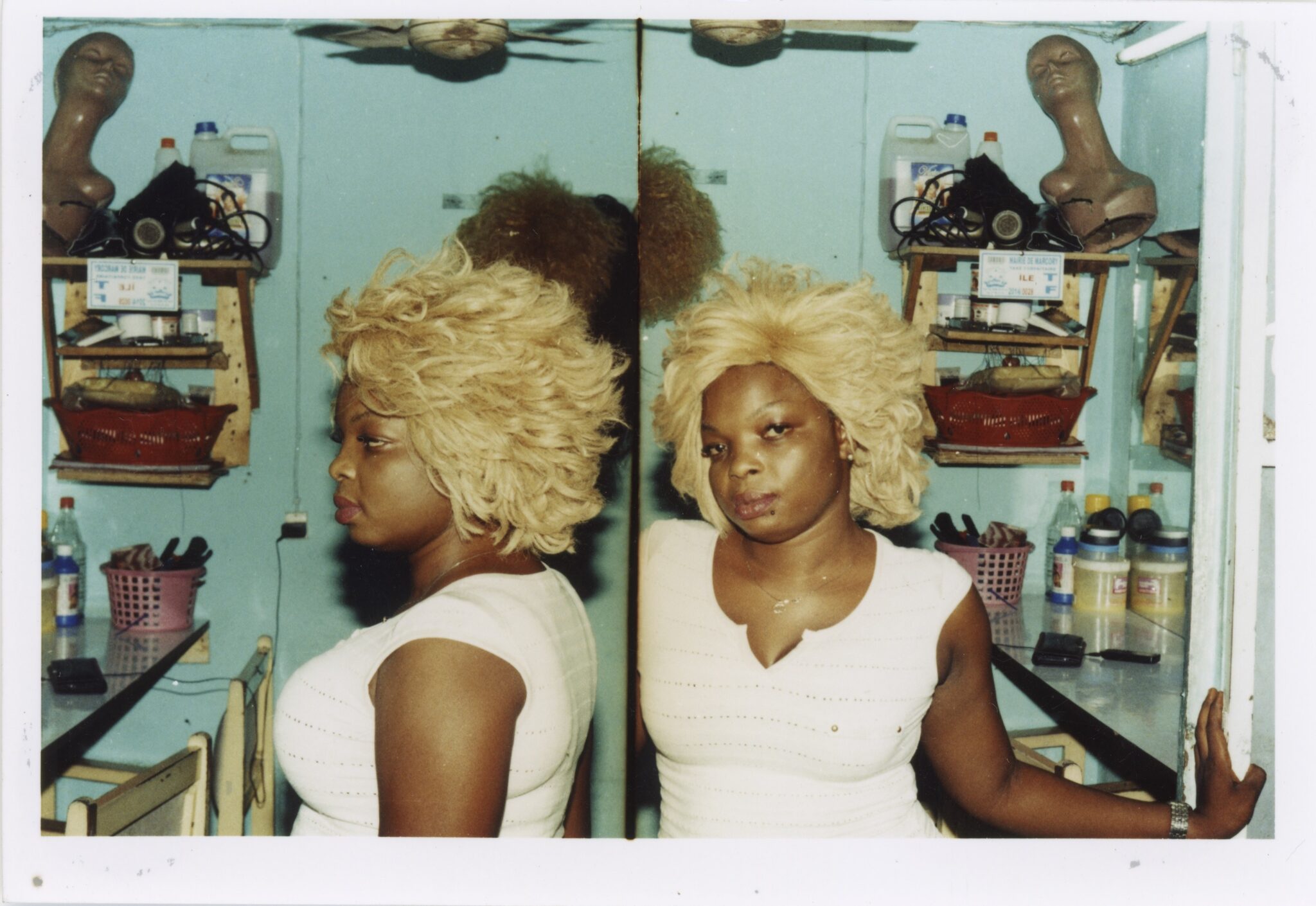
Emilie Regnier, 2014. During a visit to Abidjan, Ivory Coast, Regnier photographed women in beauty salons, letting them show of their hair.
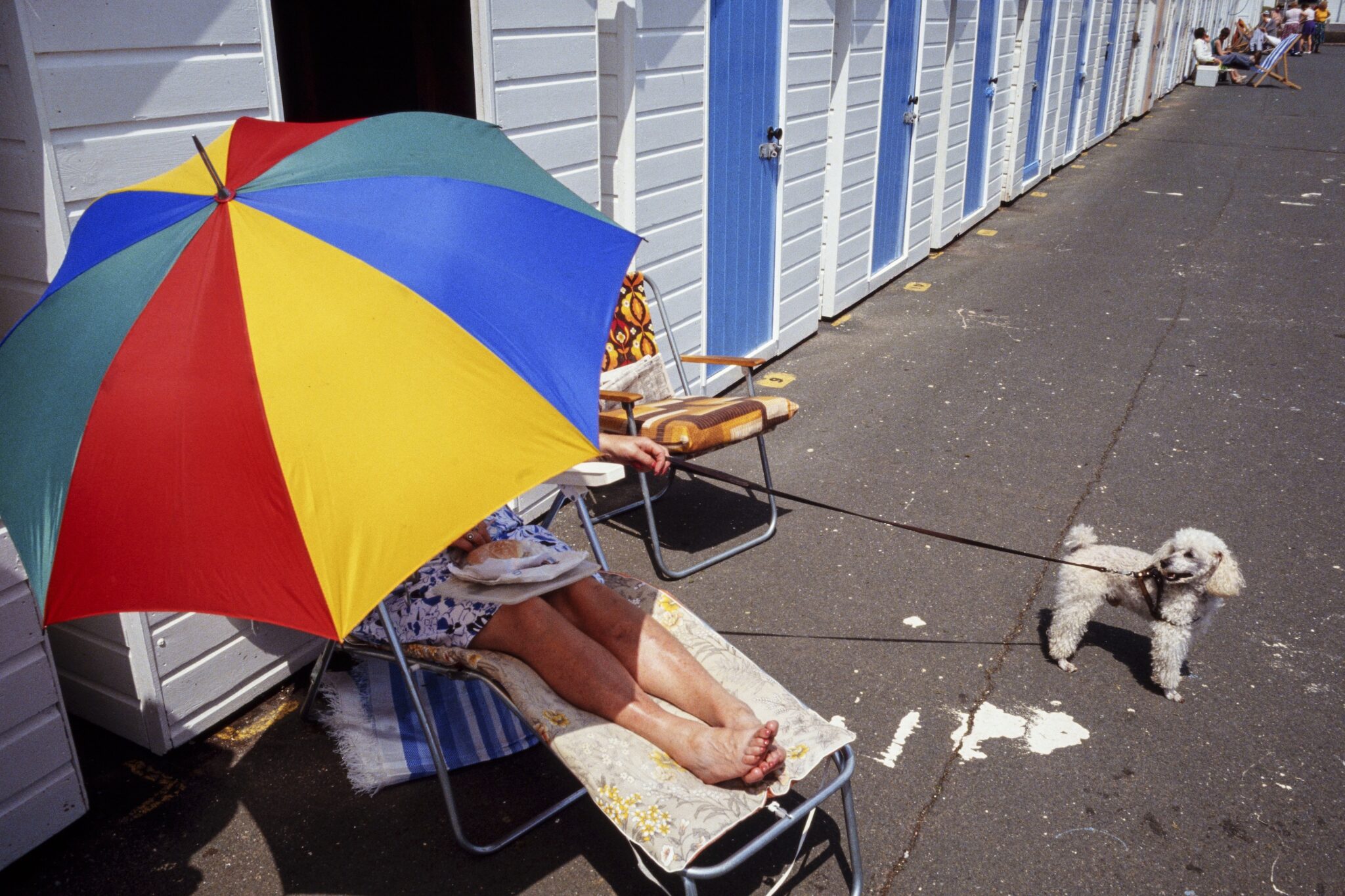
Richard Baker, 1993. Shaded from the mid-day sun, a holidaymaker holds on to her pet poodle on Paignton seafront, England. Out of financial necessity, thousands of British vacationers returned to the beaches of their youths rather than taking package trips to Mediterranean resorts.
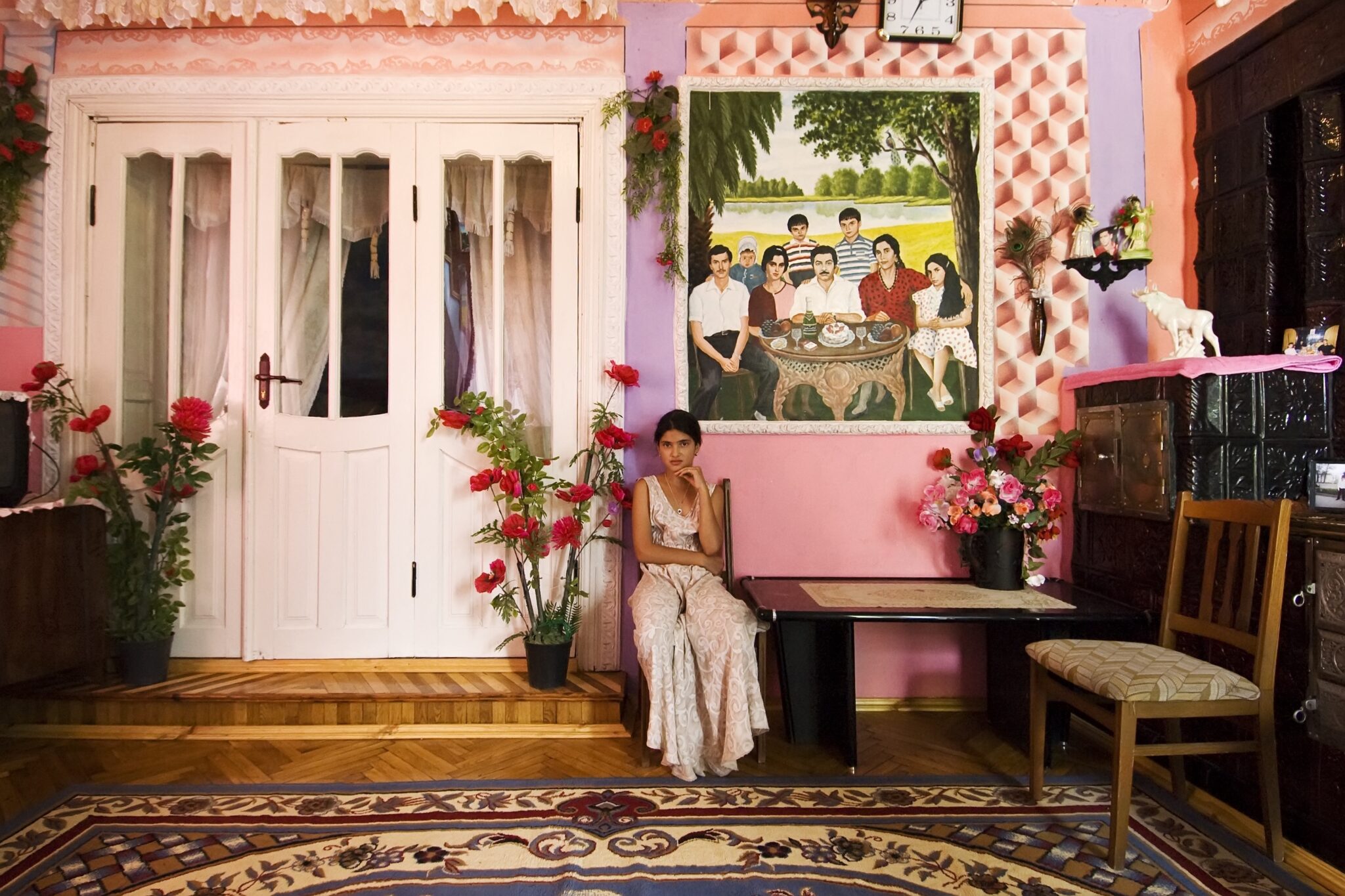
Carlo Gianferro, 2008. The homes of affluent Roma in Romania and Moldova are a visible demonstration of material wealth as well as family prestige and power. Little is allowed to disturb the pristine interiors.
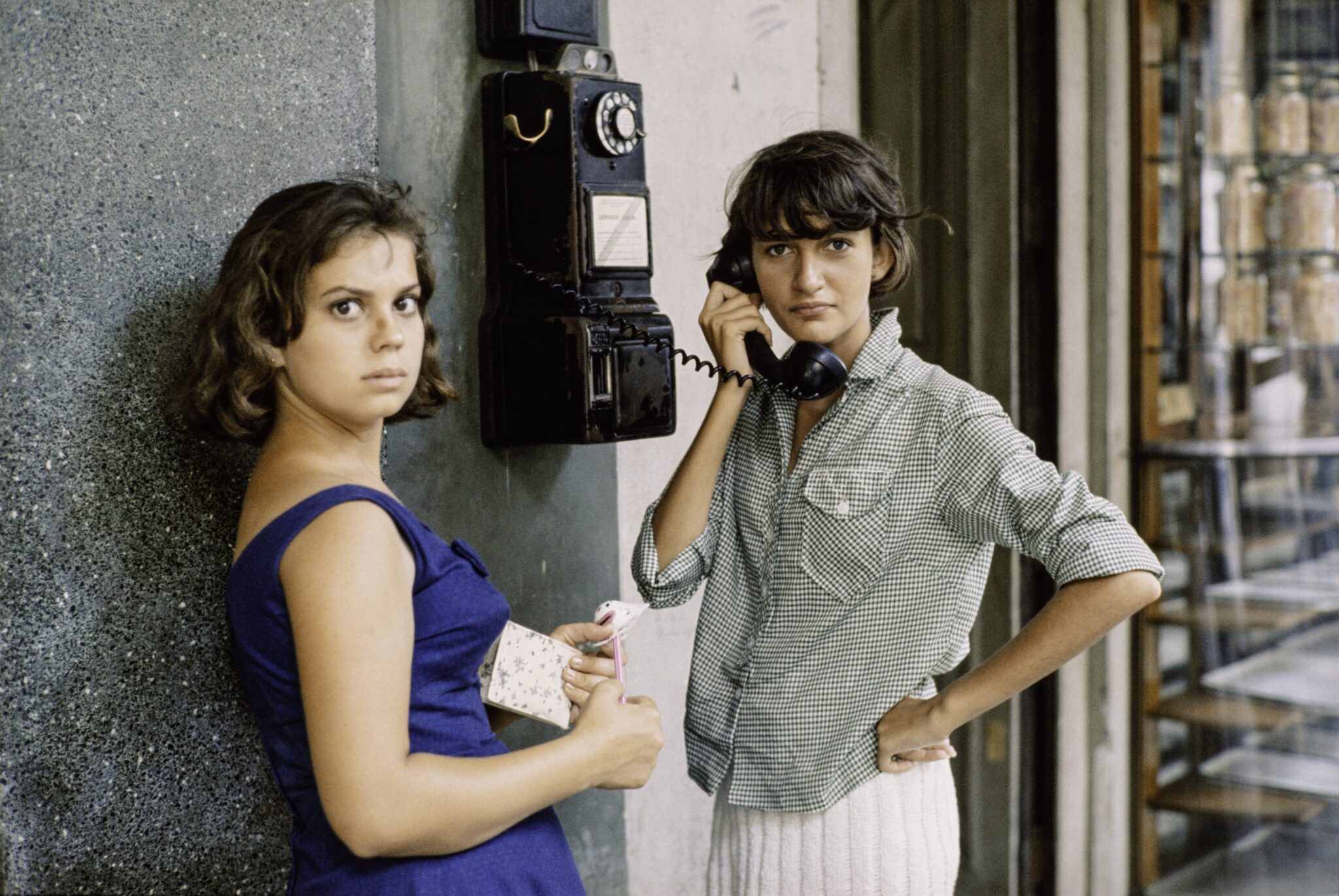
Ed van der Elsken, 1967.