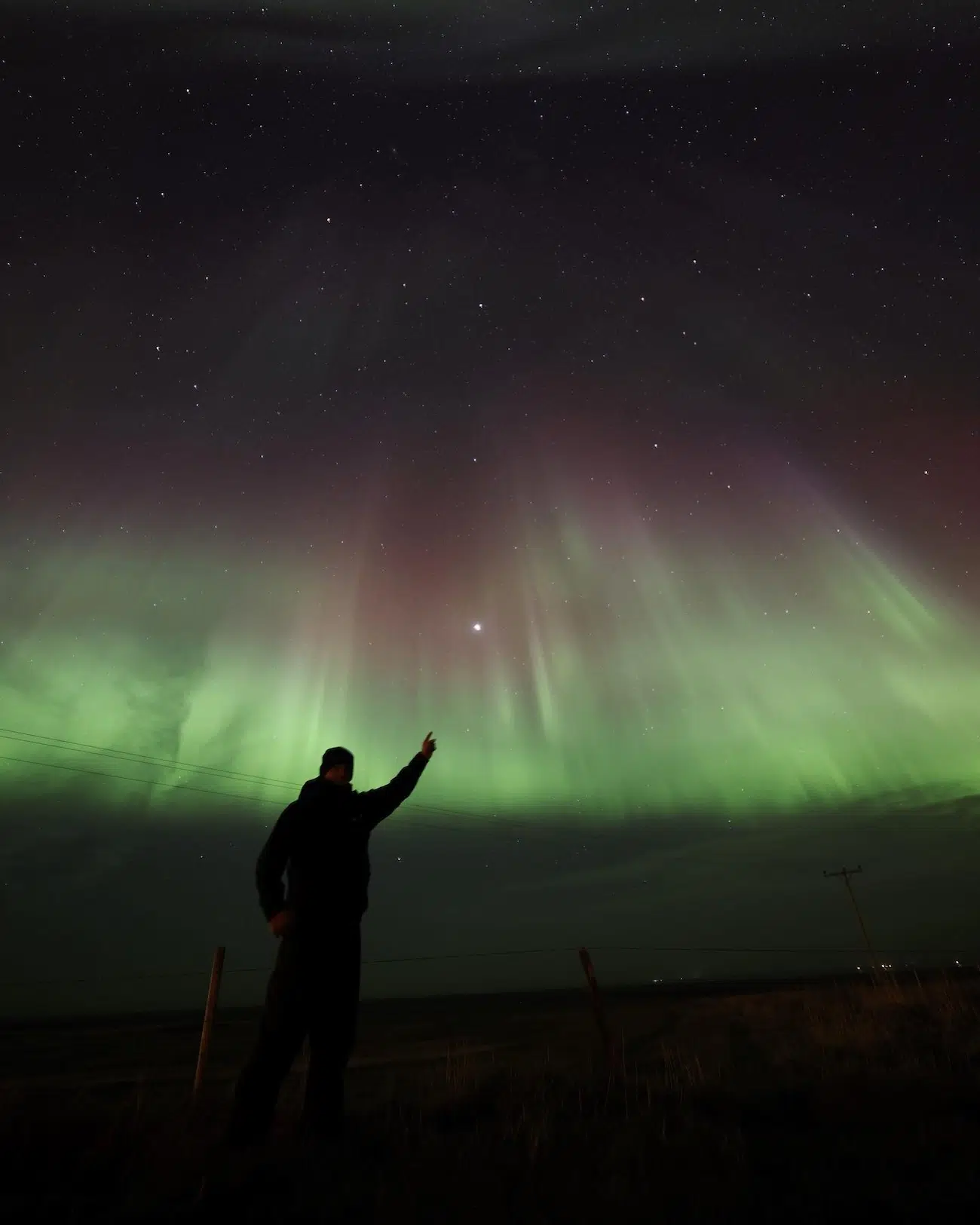

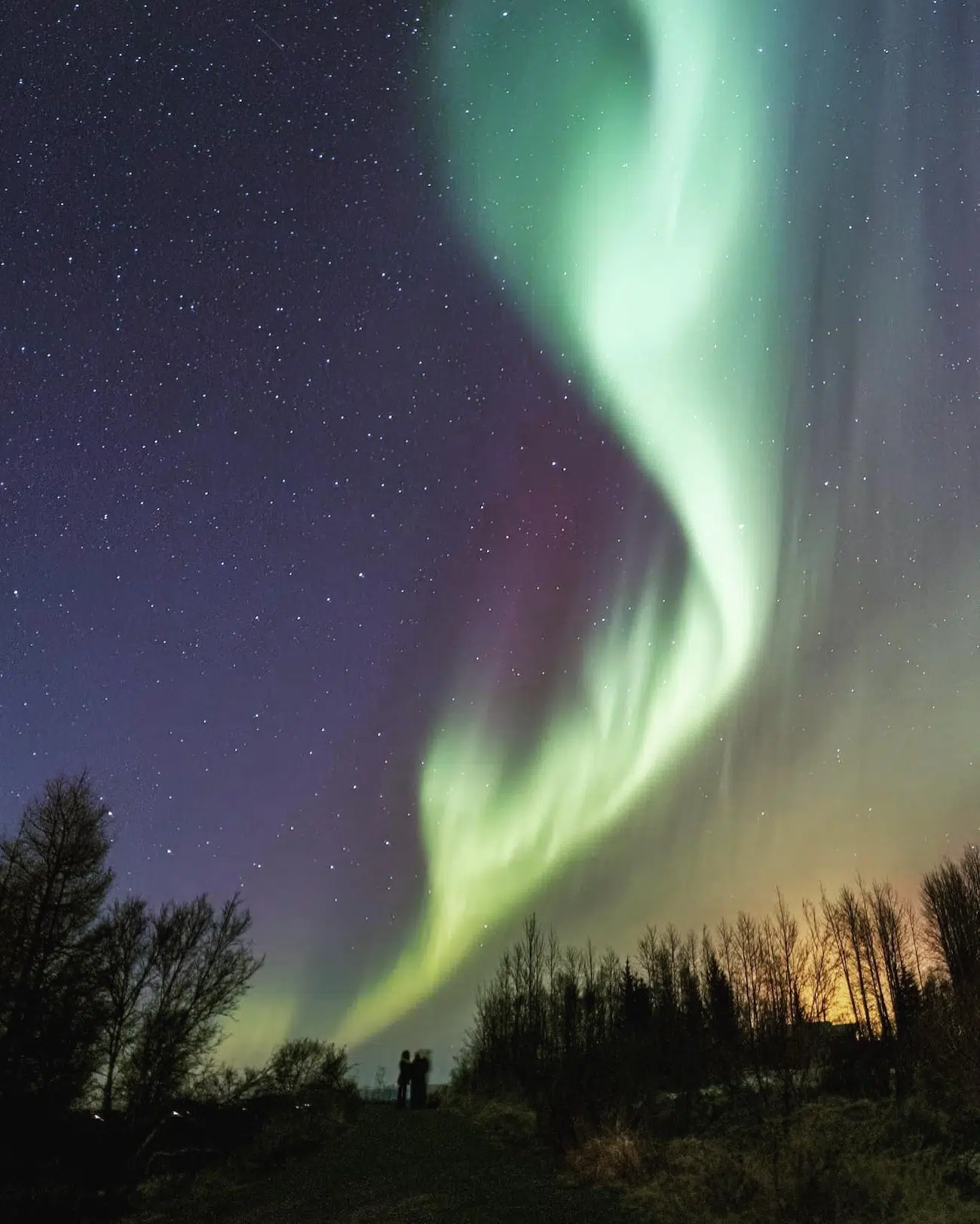
Witnessing an aurora is, understandably, at the top of many folks’ bucket lists. These natural light shows cloak the night sky in brilliant greens, blues, pinks, and purples. They’re a phenomenon that can seem hard to find, but one that’s possible for you to see in real life—if you know where to look.
The photographer known as Wil Photography loves to help people in their quests to stand beneath an aurora’s splendor. He’s an expert at it; since seeing his first one in 2015, he has been in the presence of these lights more than 400 times.
“[It had] strong and colorful pillars of light shooting up hundreds of miles high,” he recalls to My Modern Met about seeing his first aurora. “The dance and display kept going over hours and hours, we laid on the snow just enjoying the most incredible display.” Wil remembers being so happy, but there was also a tinge of sadness. “[I kept] thinking how many people will never see this, it was there and then I decided I would learn photography, to hopefully inspire others to see the aurora at its best too.”
Through his inspiring aurora imagery and helpful tips on both how to find these light shows and capture them, Wil has made good on the promise to himself. My Modern Met had the opportunity to ask Wil about chasing auroras and his advice for anyone wanting to photograph this seemingly supernatural sight.
Scroll down for our exclusive interview.
What was it like when you saw the borealis for the first time?
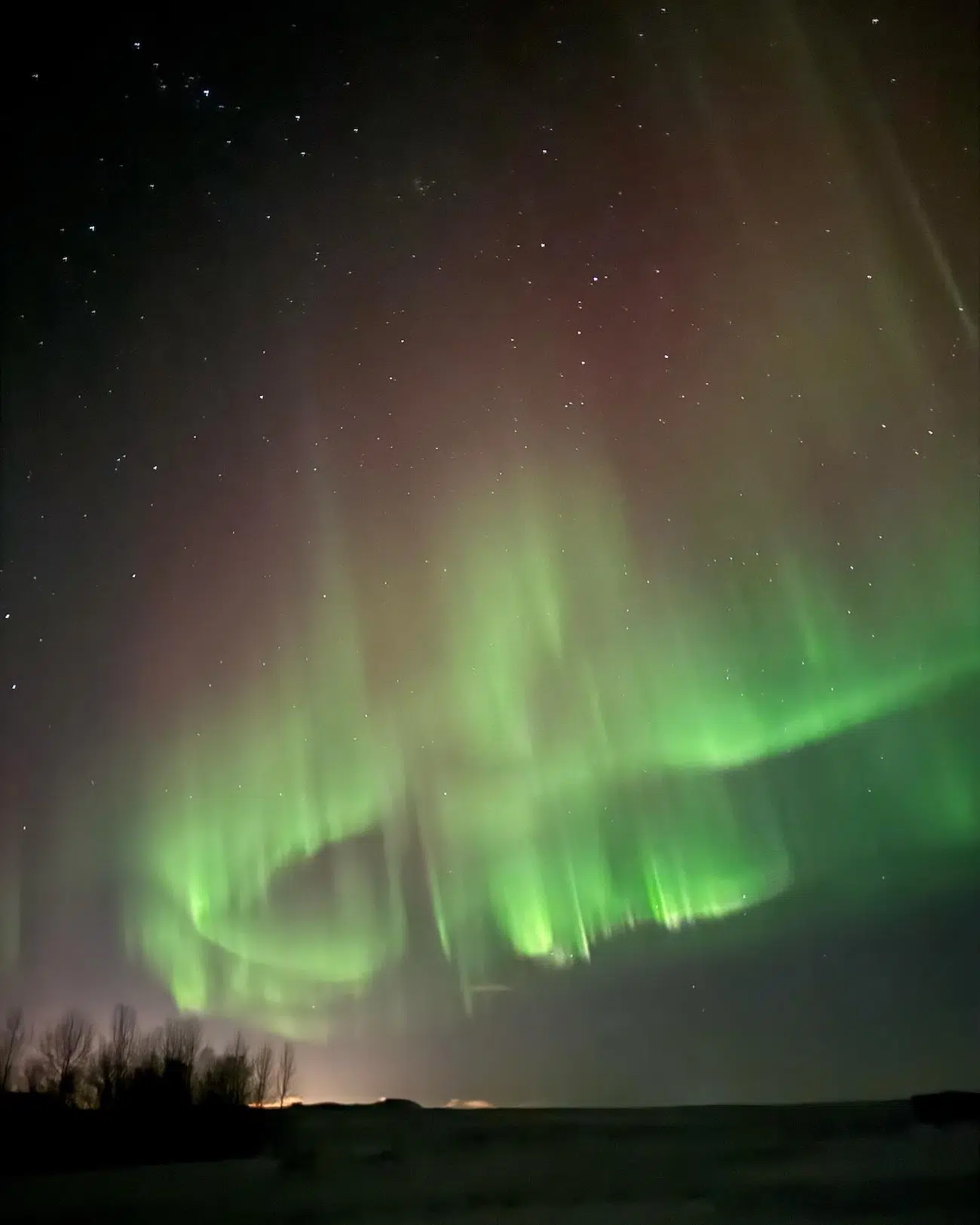
It was March 17, 2015, I was lucky enough to be in Iceland not for the aurora but for an almost total solar eclipse. By complete chance, the day my friends and I arrived, there was a very strong aurora storm occurring, (now known as St Patrick’s day aurora), one of the strongest storms of solar cycle 24. A friend convinced us to drive into the national park, Thingvellir, to experience the aurora properly.
And… oh my… I could NOT believe what we witnessed—strong and colorful pillars of light shooting up hundreds of miles high, the dance and display kept going over hours and hours, we laid on the snow just enjoying the most incredible display. I was so happy, but then I felt sad … thinking how many people will never see this, it was there and then I decided I would learn photography, to hopefully inspire others to see the aurora at its best too. Now, I inform people how to see it, and through my aurora channel, help hundreds of thousands of people see it.
You’ve seen the lights more than 400 times. Is there a time or two that is particularly memorable for you?
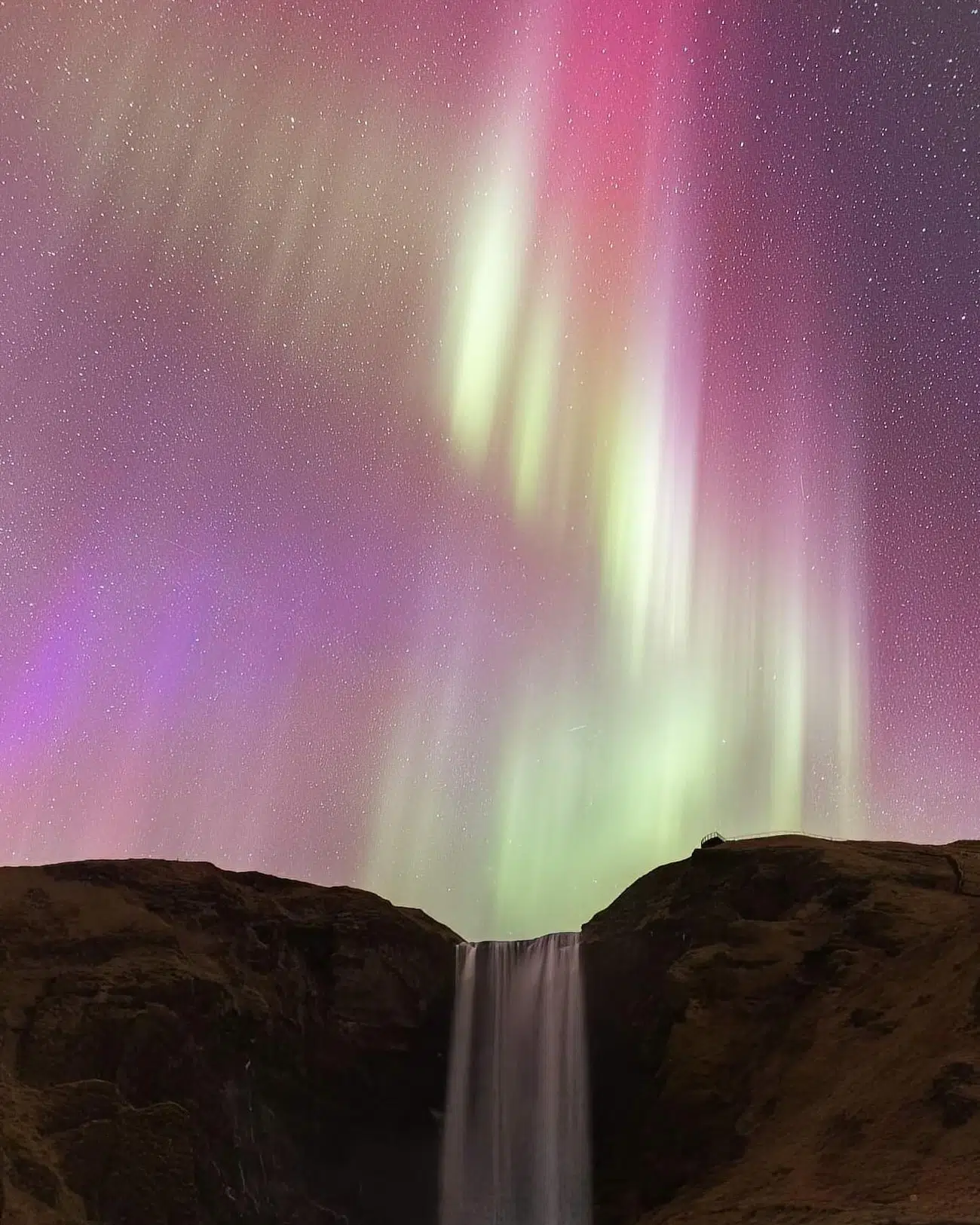
I was in Iceland, and it was very late, with my knowledge of solar winds I realized that around 2 hours—early hours of the morning—there was going to be a strong storm. But I realized to see it I would have to drive 160 miles return journey as only a small area of Iceland—Skógafoss—had clear skies. There was almost a wind storm where I was so driving conditions were not ideal. But I remember saying to myself: Are you an aurora chaser or not? So, I drove off. Under cloudy skies, an hour later, as I was getting close to my destination, sure enough, it started to clear up. I parked up, walked to the waterfall, and BOOM an extremely powerful display occurred with the rarest type of aurora—the corona—directly above me, it was breathtaking, I was so excited experiencing it, and so proud of myself.
Another memorable time, at the famous sycamore gap tree, Northumberland, ever since I knew of the tree it was my dream to capture a strong aurora behind the tree. I had tried it five previous times, but sure enough September 2023, I convinced my friends to join me on a trek to the tree, and we waited and got the most incredible display. Unfortunately, I didn’t know at the time it was also the very last time I saw the tree as weeks later it was felled.
What’s the best place (or places!) in the world to see the borealis? Why is that?
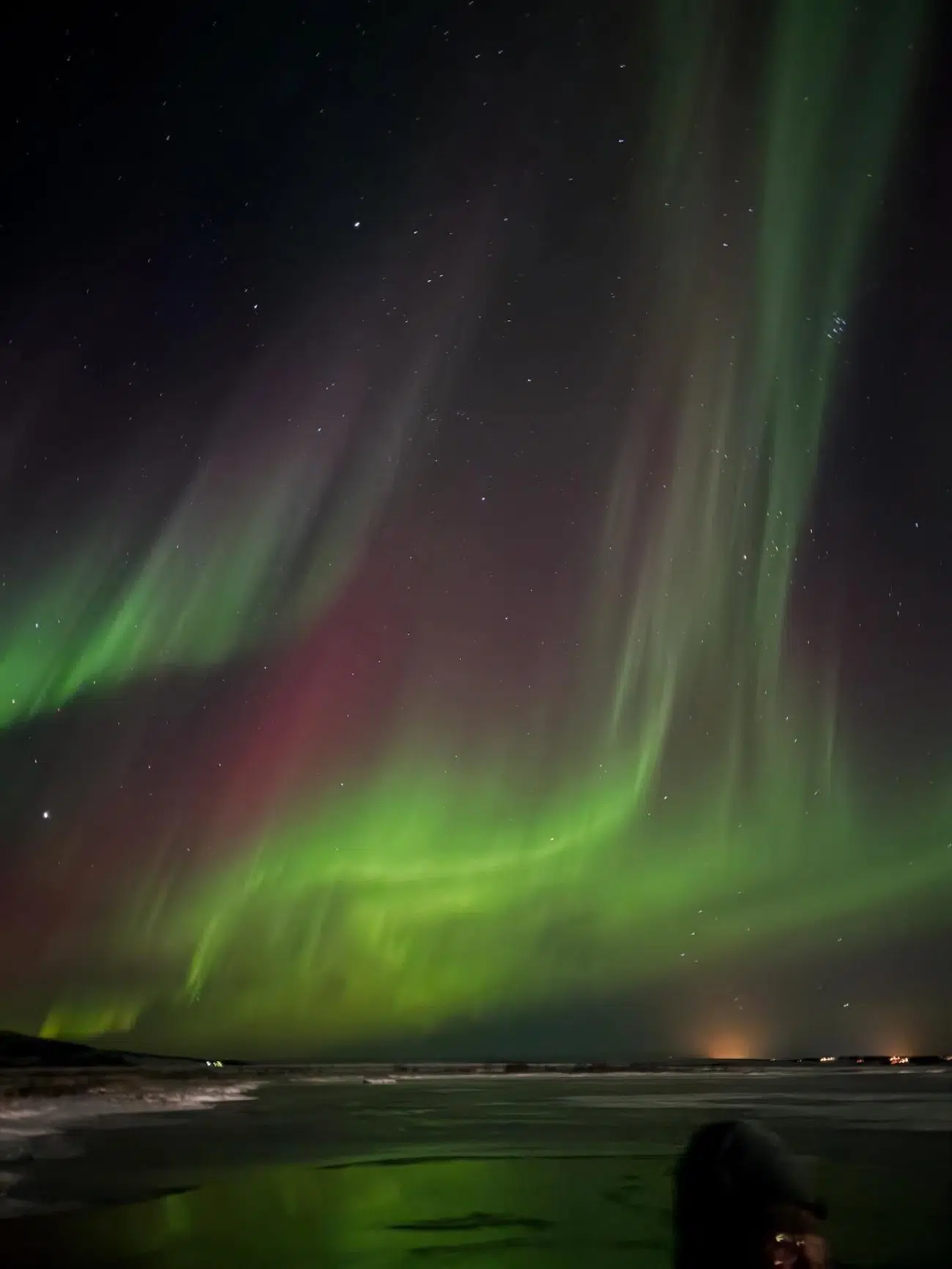
The answer to where is the best place to see the aurora is… wherever the aurora is… being close to the aurora means you get to experience it at its best, most colorful, brightest, and most immersive—but also to see it at the best phase of the aurora known as expansion, where the aurora explodes with color and most movement/dynamism.
Most of the time, the aurora sits over the Arctic Circle. You increase your chances the closer you are to it; however, when the aurora is weak or ambient, it is mostly green, which is nice, of course, the classic green, however as the solar winds pick up it penetrates deeper into the atmosphere and activates high altitude oxygen where you can see reds, purples, pinks, and blues. To have that above you, you need to be slightly further south of the arctic circle, so for me Norway is great as being higher up in latitude—Tromsø you are more likely to see it, but moving south you follow the oval as storms bring it lower in latitude. Iceland is also a big favorite, as you can drive around easily chasing clear skies, which ultimately can be a challenge.
2026 is a great year for seeing auroras. Why is that?
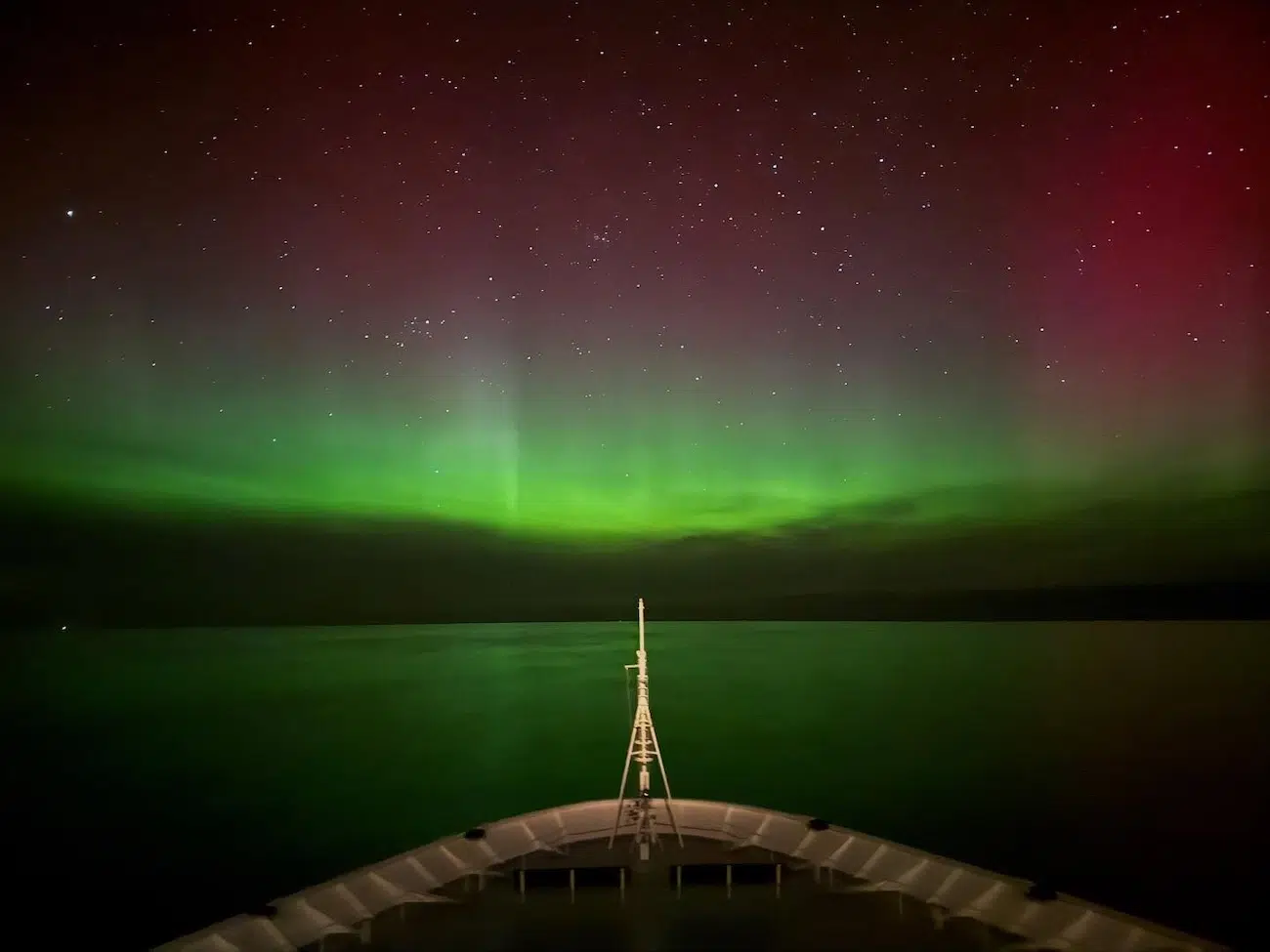
There is a natural cycle of sunspot activity, which is well documented, and it’s believed the peak was October 2024—the more sunspots on the sun, the higher the chance of solar flares, which in turn, leads to higher chances of coronal mass ejections, clouds of gas if Earth is forested can cause powerful aurora storms. The bit that’s not as well known is that the peak of aurora storms, historically speaking, actually comes a few years over the sunspot peak—in this case, 2026.
In general, what conditions are best for viewing the borealis?
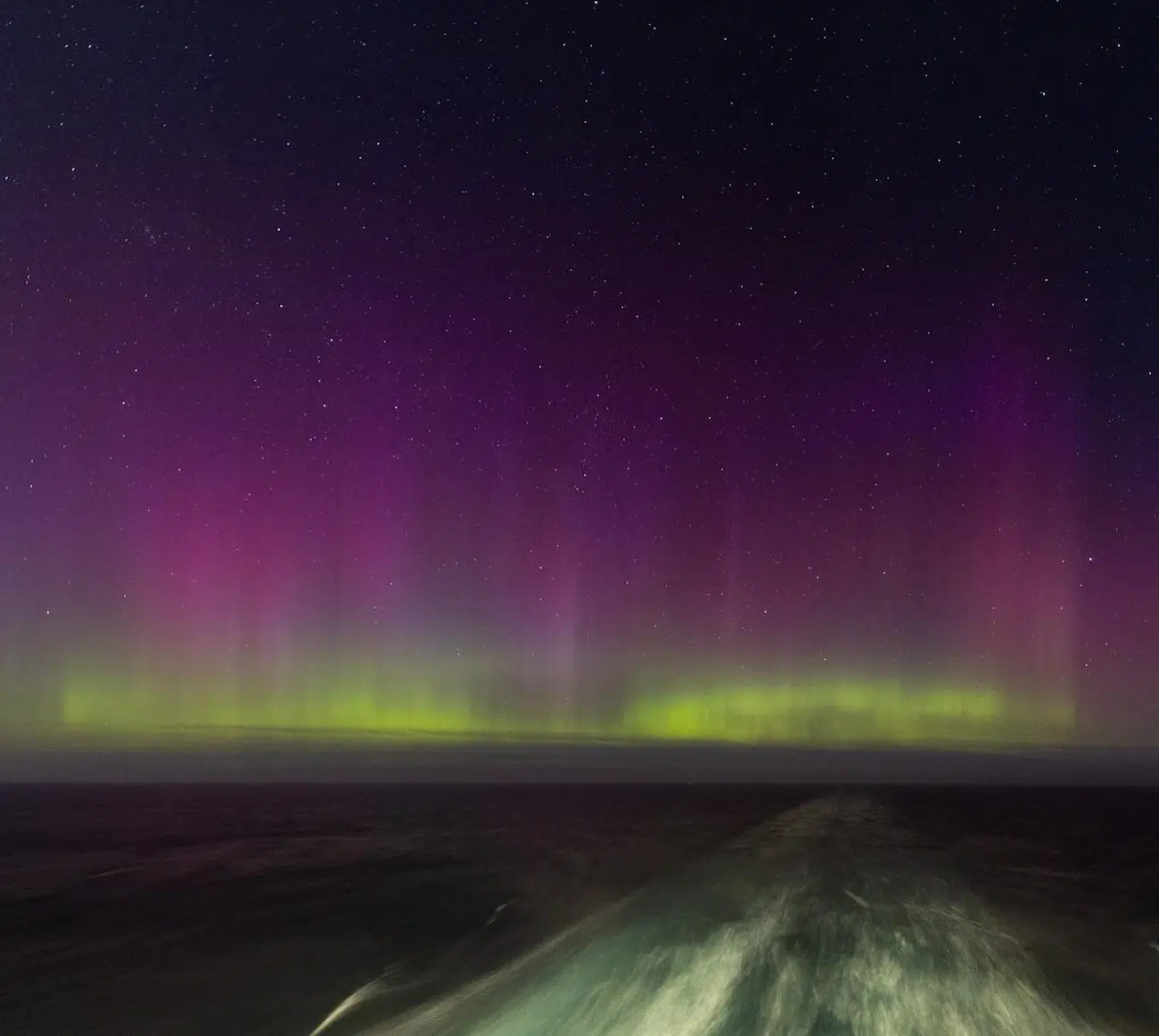
Clear skies are an absolute must, avoiding a bright moon phase. A full moon makes it challenging. Yes, at higher latitudes, you can still see aurora well during a full moon, but if you have the choice, always choose nights where there is no moon in the night sky, as the darker the skies, the more vibrant the aurora appears.
Another key thing to realize is the phases of the aurora. During a typical display of aurora, the aurora goes through three phases:
- Growth. This is when the atmosphere is charging up—the aurora typically appears as a static arc—most people only ever see the aurora like this. This can last up to three hours.
- Expansion. The most exciting phase is when the aurora explodes with color and moves, and is most dynamic, lasting only 10 to 20 minutes.
- Recovery. Aurora wanes and looks diffused. It can last for hours.
So for me, when I share and inform others to see the aurora, it’s seeing it as an expansion at its best. A glow is great, but we want to see it bright and dynamic.
What’s one of the first steps someone needs to take to see the borealis?
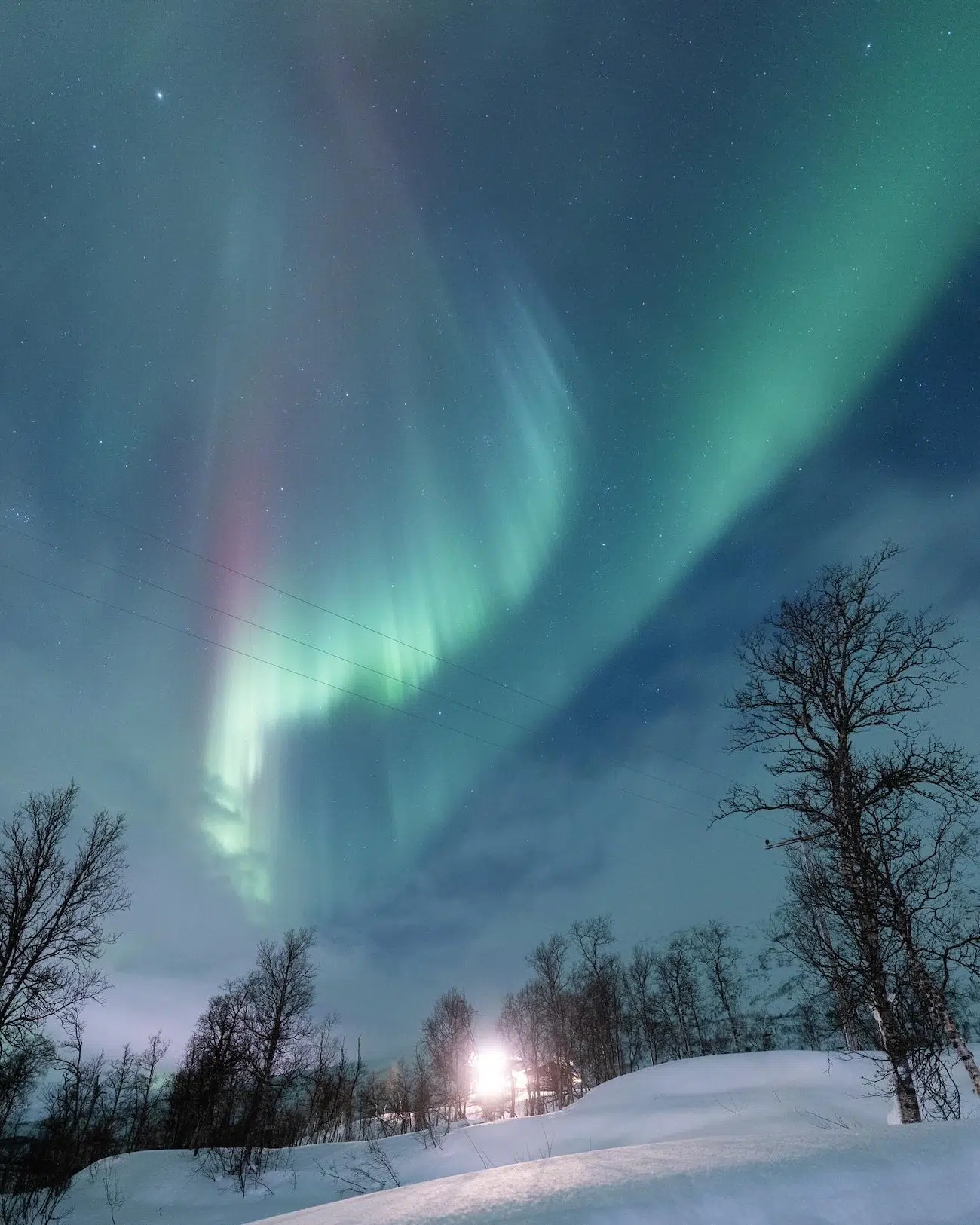
The best months for the aurora are March, September, and October. Choose dates where there is no bright moon in the sky, aim for dates close to equinoxes to give you the best chance. Aurora storms are more likely during the equinox as solar winds better connect with Earth’s magnetic field due to the Earth’s tilt, or lack thereof.
If you can leave it as late as possible, check the weather conditions. Clear skies are a must; go to locations with very low light pollution.
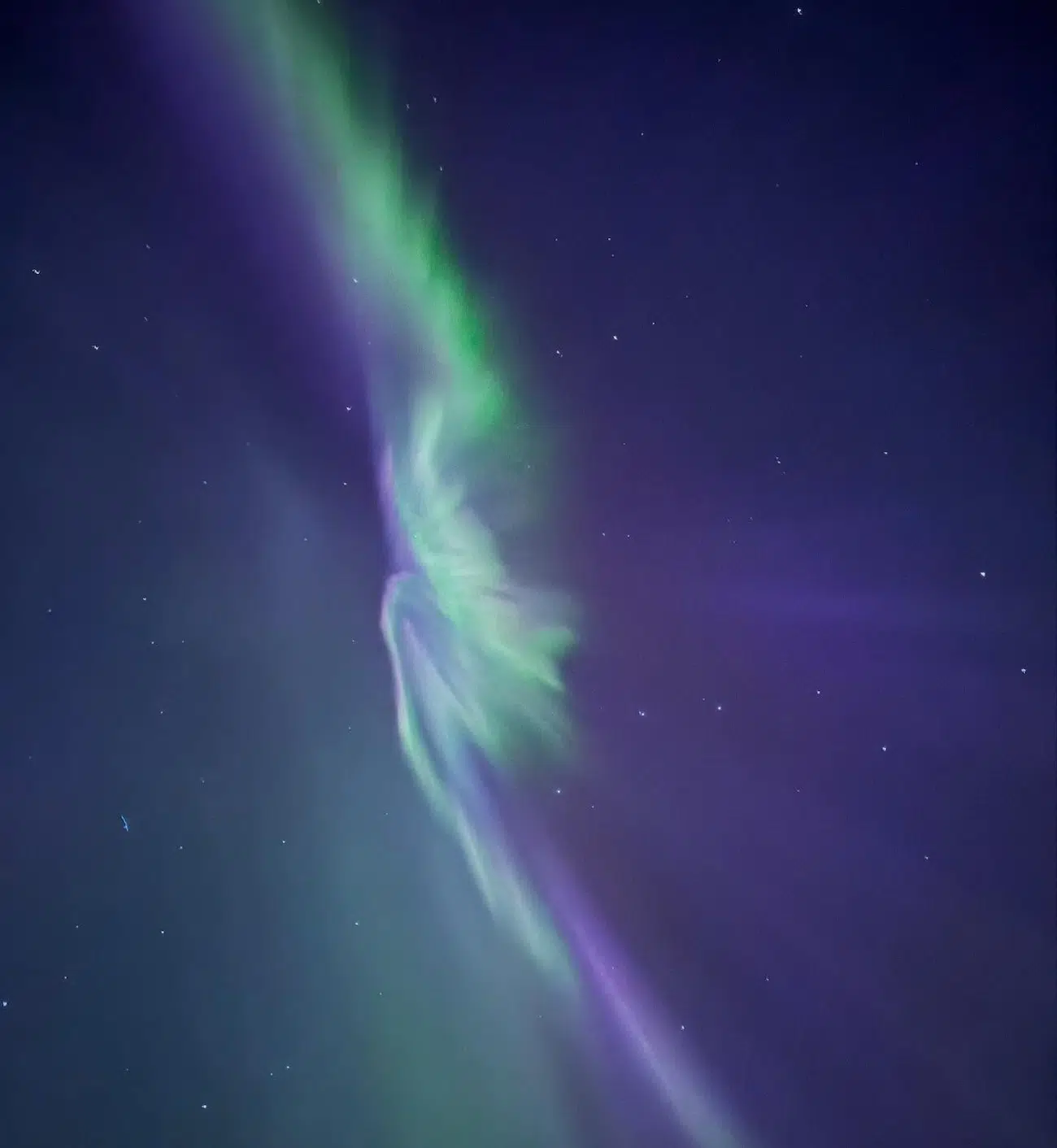
And if they want to capture it in a photo? Is there any special equipment or apps you recommend someone have?
Modern phones have “night” mode, which basically enables your phone to take long exposure photographs of the night sky. Using a tripod will also help. If your phone is older than four years, consider upgrading, or using apps like Nightcap can help. But really, upgrading is worth it for better results. Even upgrading to a phone a few years old will help.
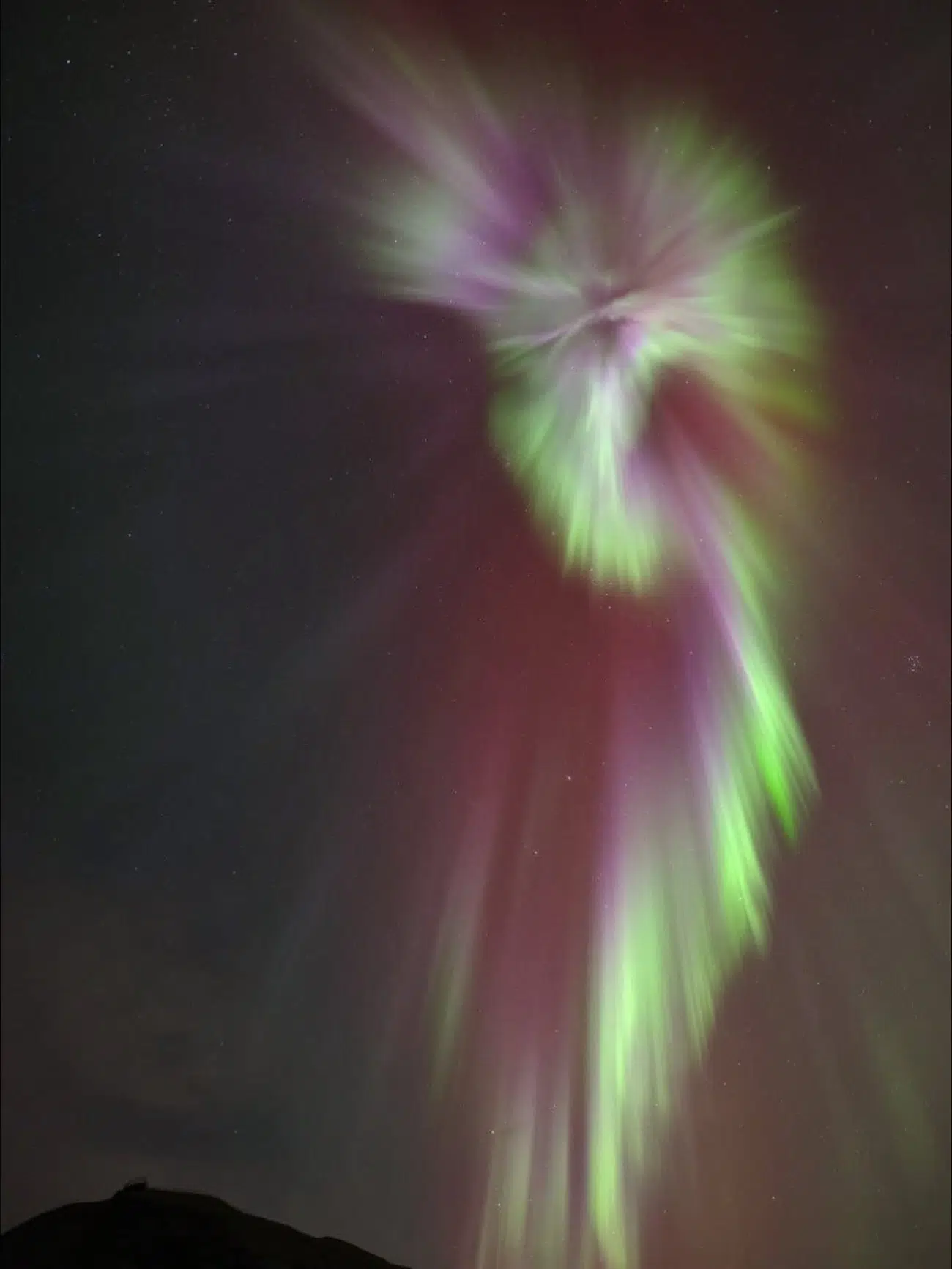
What are your plans for capturing auroras in 2026? Is there any location that’s at the top of your list to see?
I’m on board various cruises to Norway to take guests to chase the aurora. Seeing it from a cruise ship is stunning, with no light pollution out at sea, and it’s so easy just to go up on deck. I really enjoy photographing whales, so I’m planning a workshop in Alta, Norway, spending a few days photographing orca whales by day and aurora at night.