

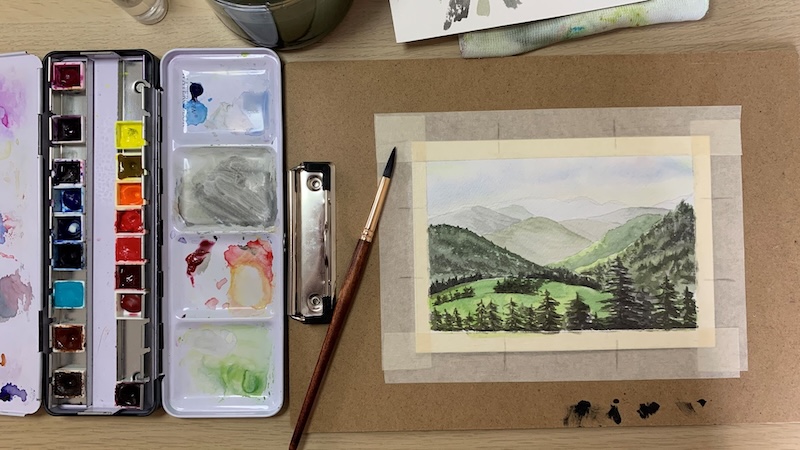
Watercolor is a great way to dive into painting. The medium has a low barrier to entry, meaning that you can find a pan of watercolors and paper in nearly every art supply store. Putting a paintbrush to paper doesn’t require anything other than a clean cup of water. But mastering watercolor painting is a trickier prospect. Because you add water to animate the paint, you’re giving up some freedom of where it will go on your page. But this fact doesn’t have to be a bad thing; once you learn to control the pigment and learn some basic techniques, you can begin to really hone your skills. Here’s what you’ll need to know before you buy your supplies.
Materials: You can certainly buy a pan of watercolors and thick paper to get started, but it’s best to learn about the variety of watercolor paper and the different formats that pigment can be in. In terms of watercolor paper, there are three primary types: cold press, hot press, and rough. Although watercolor paints are typically seen in rows in pans, they can also be in tubes or in other forms like Viviva Colorsheets.
Setting Up Your Workspace: Watercolor art is typically painted on a flat surface. There are ways to prepare your workspace so that it sets you up for success, meaning no wrinkled edges or unintended paint drips.
Essential Techniques: Beginning a watercolor painting is as simple as dipping your brush in water and then pigment to spread it over paper. But beyond that, there’s a whole world of techniques to help control the watercolor and better render your subject. They include wet on wet, wet on dry, and dry brush. It’s also important to know how to preserve the whites of your paper; once you’ve painted over them, they are impossible to bring back.
Color Theory and Composition: These two things speak to the greater elements of art, but they are important to know and plan before you begin your watercolor painting. Watercolor can be an unforgiving medium, but that’s what makes it beautiful. Deciding on your layout and palette will go a long way.
You can learn all of these things, in great detail, when you enroll in Introduction to Watercolor Painting with Victoria Beyer. The comprehensive three-and-a-half-hour online course will show, tell, and lead you through exercises that ultimately have you creating two watercolor paintings—a still life and a landscape. Get started on your watercolor painting by enrolling in the class on My Modern Met Academy, our e-learning platform.
Watercolor is a great way to dive into painting, but there are some things you’ll want to know before you buy supplies.
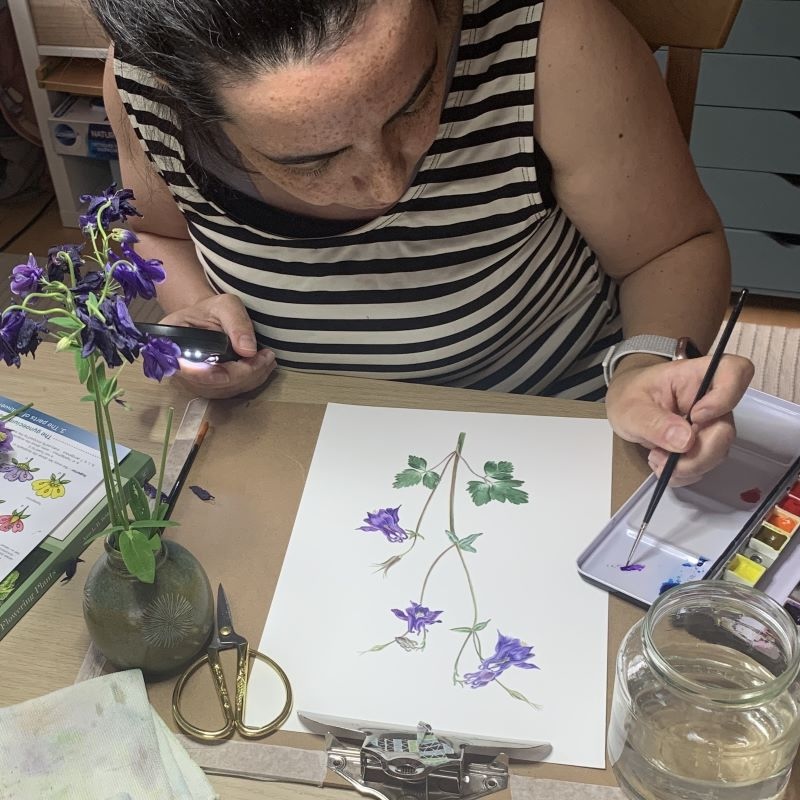
You’ll want to know…
Materials
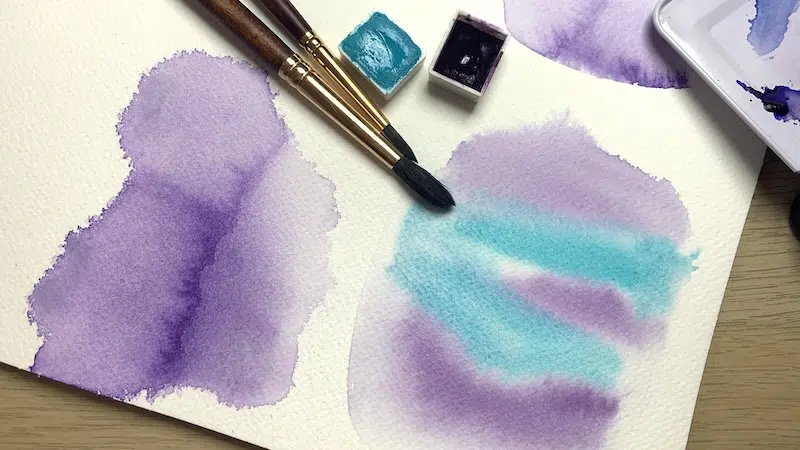
You can certainly buy a pan of watercolors and thick paper to get started, but it’s best to learn about the variety of watercolor paper and the different formats that pigment can be in.
Setting Up Your Workspace
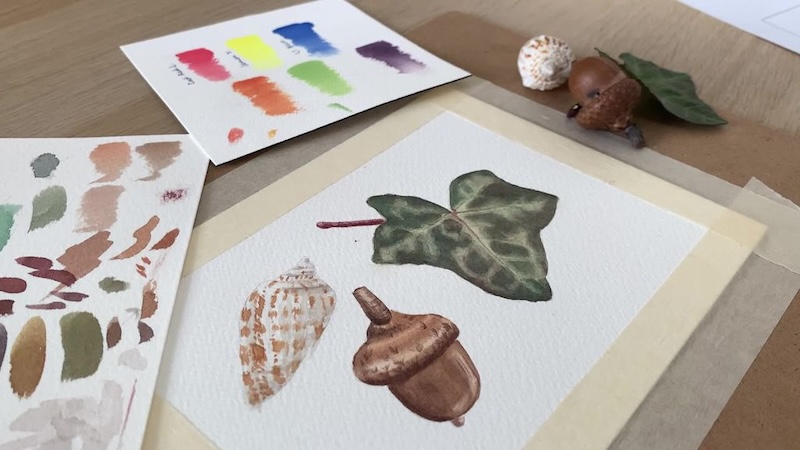
Watercolor art is typically painted on a flat surface. There are ways to prepare your workspace so that it sets you up for success, meaning no wrinkled edges or unintended paint drips.
Essential Techniques
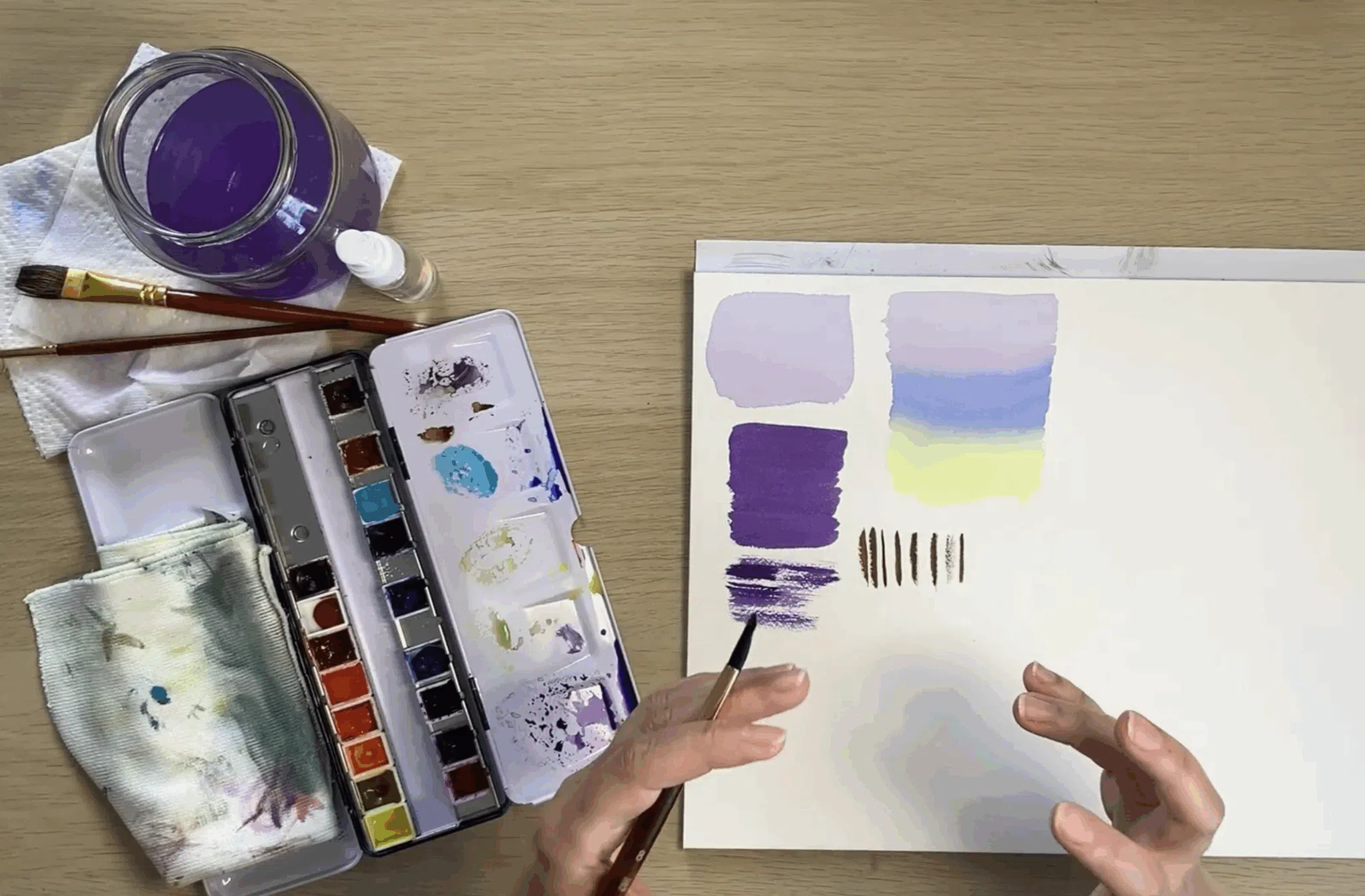
There’s a whole world of techniques to help control the watercolor and better render your subject. They include wet on wet, wet on dry, and dry brush. It’s also important to know how to preserve the whites of your paper.
Color Theory and Composition
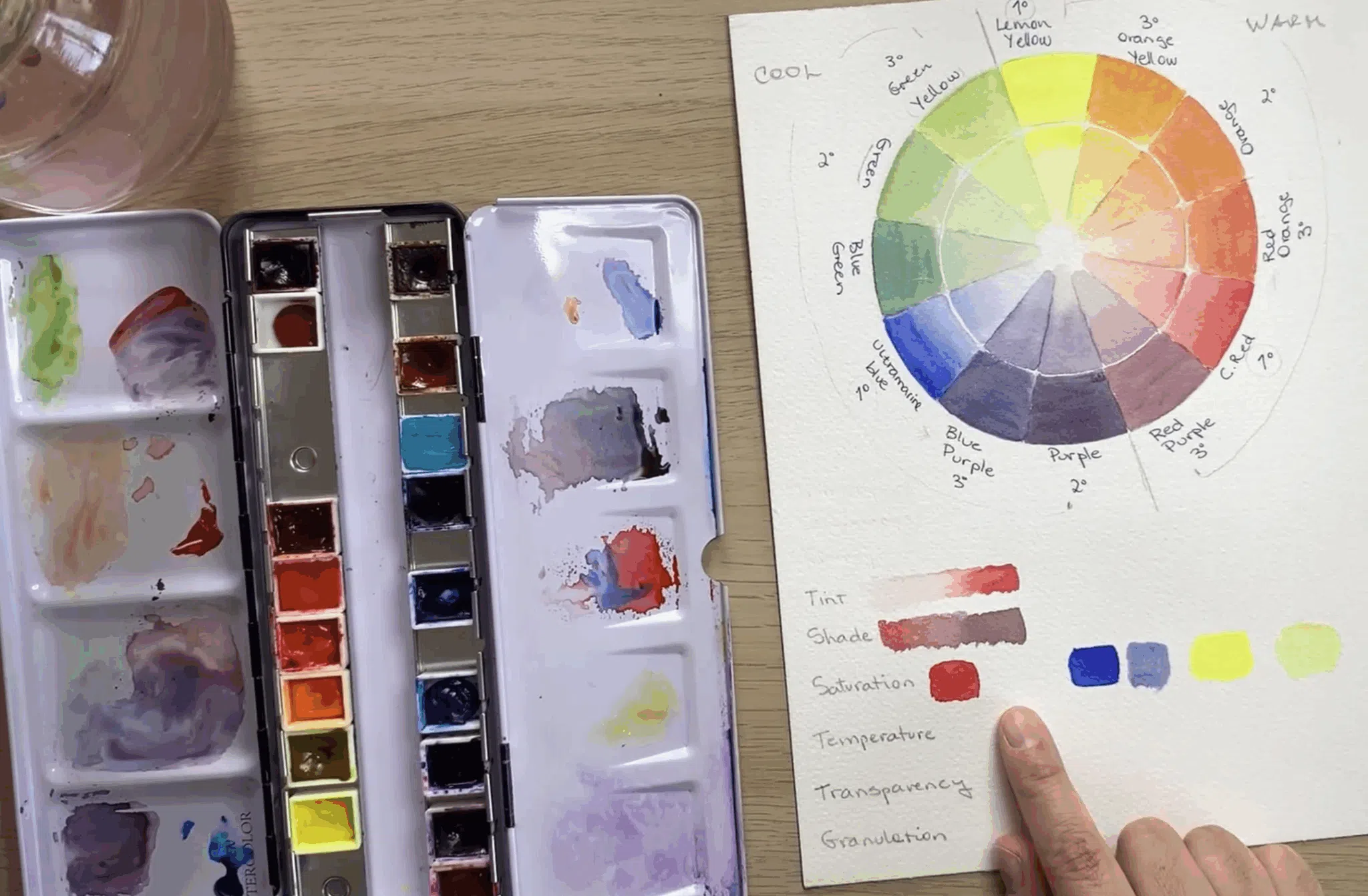
These two things speak to larger elements of art, but they are important to know and plan out before you begin your watercolor painting.
You can learn all of these things, in great detail, when you enroll in Introduction to Watercolor Painting with Victoria Beyer. It’s now available to watch on My Modern Met Academy. Get a peek into the class:
My Modern Met Academy: Website | Facebook | Instagram | Pinterest | TikTok
Related Articles:
Colorful Watercolor Paintings Capture the Mood and Energy of Cities Around the World
10 Essential Watercolor Painting Tips for Artists of Every Skill Level