
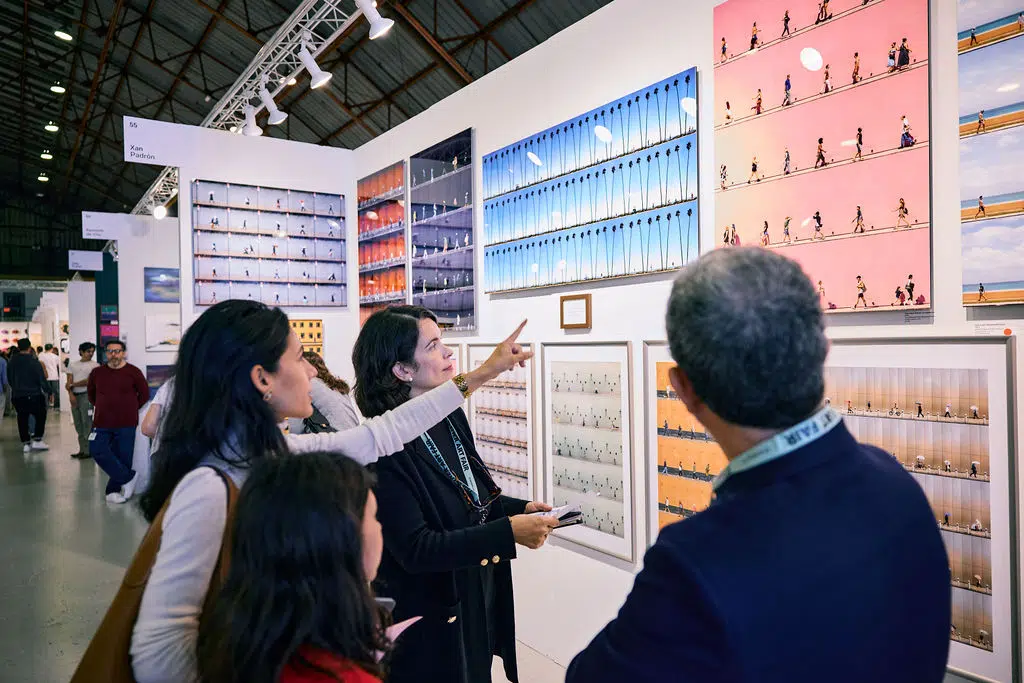
Installation view of the 2025 fall edition of The Other Art Fair in Los Angeles
There are a number of reasons why it’s called The Other Art Fair. In Nicole Garton’s mind, though, the biggest reason might just be because of how much the event has redefined the traditional meaning of an art fair.
For years, Garton has served as the The Other Art Fair’s global director, playing a pivotal role in its local and international development. But, aside from that, she has also forged hundreds upon hundreds of relationships with emerging artists, all of whom are critical to the fair’s mission. Since its founding in 2011, the fair has explicitly rejected a gallery-centric model, focusing instead on artists themselves. At each and every edition of the fair, whether it be in Brooklyn, Dallas, or London, booths are managed by artists. Their work is showcased with confidence, flair, and transparent pricing; and, perhaps best of all, they have the opportunity to directly engage with collectors, visitors, and fans alike.
“All of our exhibitors are artists themselves, presenting their own work in person,” Garton tells My Modern Met. “That one element is such a defining aspect of the fair, as it shifts the tone from transactional to personal, where visitors can learn first-hand about the creation of the work and have a chance to forge a personal bond directly with the artist.”
Later this month, The Other Art Fair is returning to Los Angeles for its 15th edition. From February 26 to March 1, at 3Labs, visitors will come face-to-face with a vibrant assortment of contemporary art and some 160 artists. As always, accessibility and inclusivity will be at the heart of the fair, alongside off-kilter, unexpected, and innovative works. Perhaps nothing embodies that better than the fair’s collaboration with the Art of Ping Pong, inviting guests to play on custom, artist-designed ping pong tables that double as sculptural artworks.
Garton says, “My wish is that people have fun, feel connected with the community, come away feeling inspired, and hopefully with a new artwork for their home.”
Ahead of The Other Art Fair in LA, we spoke with Nicole Garton about The Other Art Fair’s origins, how it champions emerging artists, and its upcoming edition on the West Coast. Read on for our exclusive interview with the fair’s global director.
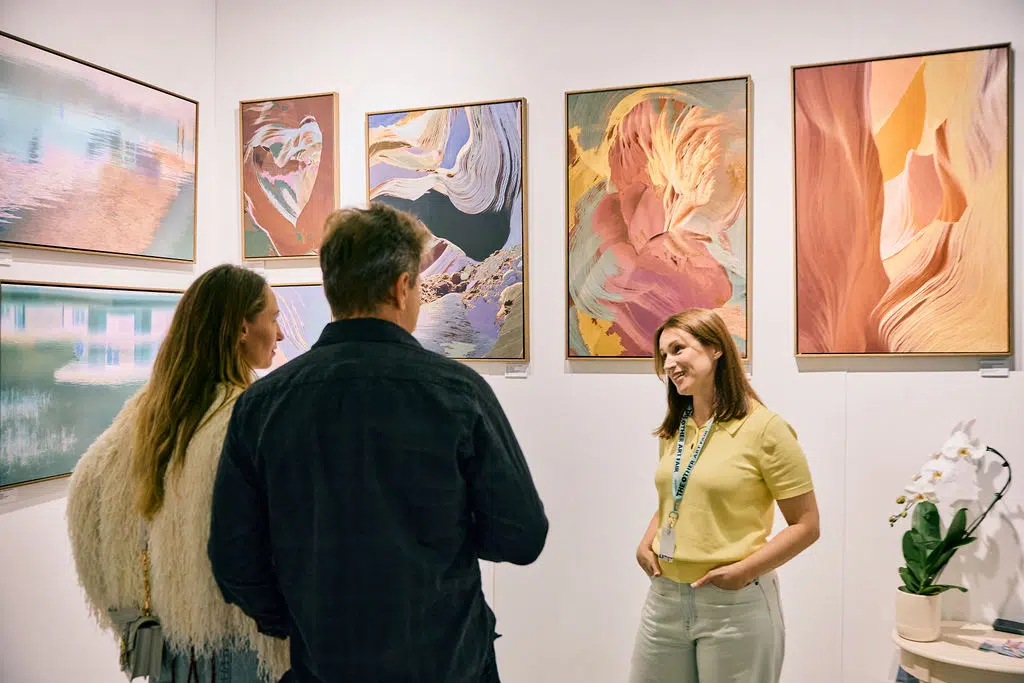
Installation view of the 2025 fall edition of The Other Art Fair in Los Angeles
What are the origins of The Other Art Fair, and what role have you played in its growth?
The Other Art Fair was founded in London in 2011 by Ryan Stanier with a mission to connect art lovers directly with the top emerging talent from around the world. With Saatchi Art’s acquisition of the business in 2016, the fair expanded into the U.S., first with Brooklyn in 2017.
At the time of the acquisition, I helped to fashion our strategy for combining live events with a global marketplace business, with an aim to generate new markets and to help everyday people experience the joy of living with art. From late 2017, I shifted my focus from the marketplace business’ marketing towards developing the fair business—launching the Los Angeles and Chicago editions in 2018, and Dallas in 2019.
Since then, I’ve helped to cultivate a team of dynamic, innovative personnel who keep the business at the forefront of live event experiences with highly curated emerging art discovery. Post-COVID, we’re excited about the future of the business and increased market expansion within the U.S.
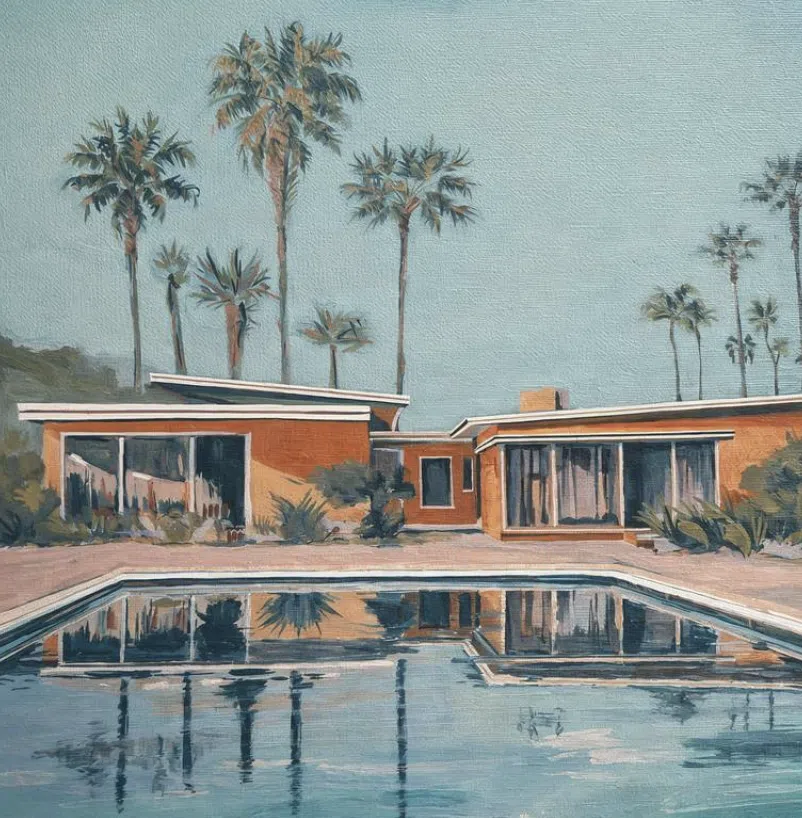
Isabel Margarita Araneda Urrutia, “Desert Pool No. 7 Painting”
Every year, The Other Art Fair stages shows and events around the world. How have you developed such an international presence?
The key here has been to identify not only growing markets where art lovers are purchasing homes and diversifying their investments, but principally in fostering a strong network of international artists whose word-of-mouth recommendations within the artist community helps us to be nimble and agile in our growth. Our exceptional events team, which is rather small, is passionate and driven to deliver the unique, memorable, and rewarding experiences our fair is known for to our artists and our visitors, and it’s due to their passion and hustle we’ve been able to weather market fluctuations and deliver our top-selling fairs of all time in 2025.
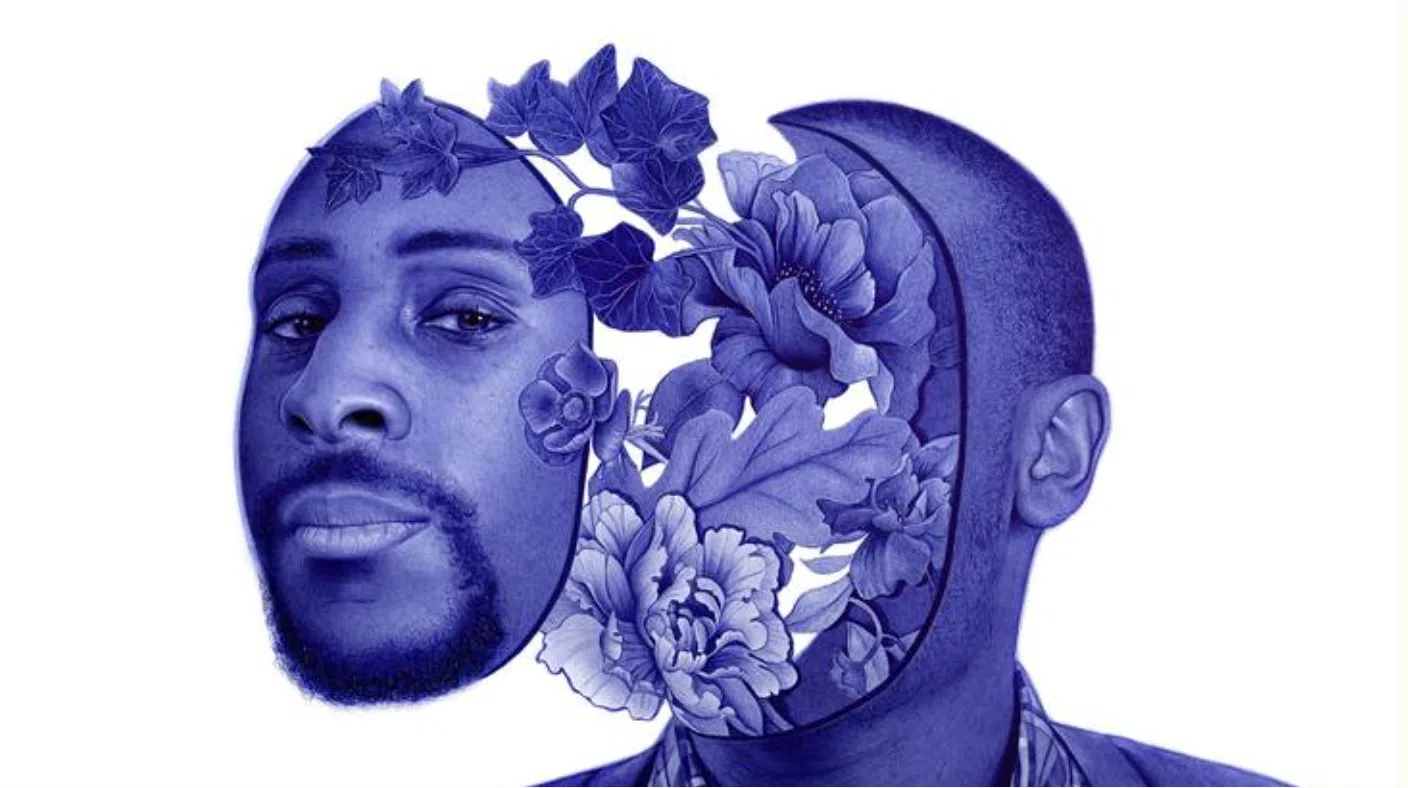
Patrick Chuka, “Adam”
What differentiates The Other Art Fair from other contemporary art fairs?
There are four key areas that really set us apart from the rest of the contemporary fair landscape—firstly, we don’t show galleries; all of our exhibitors are artists themselves, presenting their own work in person. That one element is such a defining aspect of the fair, as it shifts the tone from transactional to personal, where visitors can learn first-hand about the creation of the work and have a chance to forge a personal bond directly with the artist.
As we work with emerging artists and independent artists primarily (a few of our exhibitors do also show their work at galleries, outside of their fair participation), prices tend to be between $100 and $10,000, with a few exceptions. At our fair, collectors with eyes toward investment can get in early before these artists are snapped up by galleries and see their works significantly increase in price. This is an emerging market investment, and prices reflect that.
A key element of conversion is transparency around pricing. No one wants to go into a purchase blind—and we remove any need for posturing by requiring all exhibited artwork to have clearly displayed prices. This leaves zero room for hesitation, and accelerates any starting point for potential negotiation. No one has time to wonder. It’s just easy.
As a result of these three elements—the personal interaction, the affordability, the transparency—when you combine this with our signature features programming, which leans heavily on fun and the slightly off-kilter, you get an experience that is relaxed, community-oriented, and constantly surprising. You’ll never attend the same fair twice at The Other Art Fair because we’re relentlessly seeking out the new, the challenging, the bleeding edge.
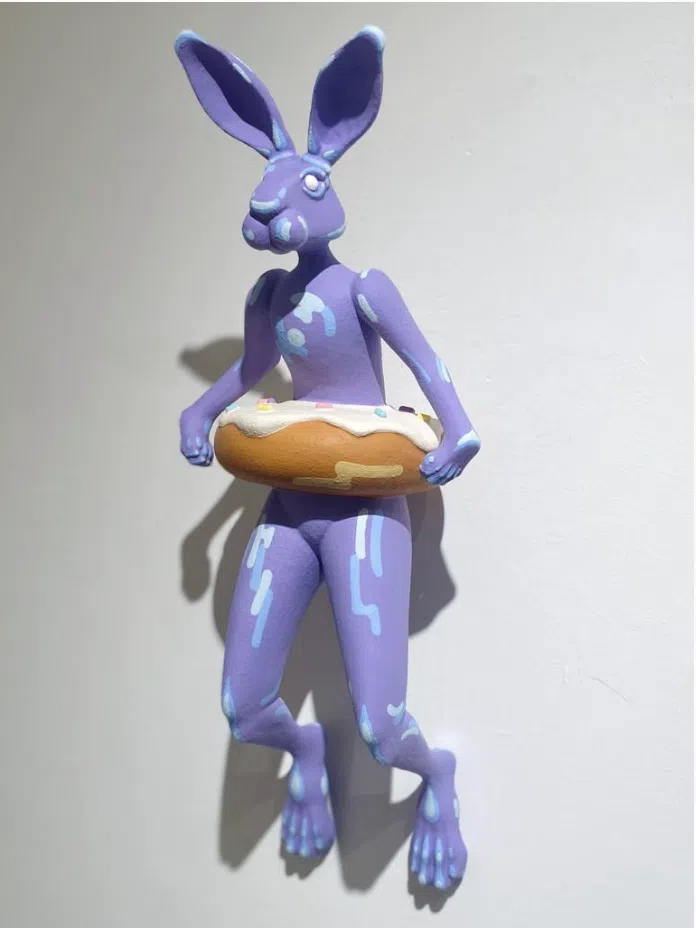
Shyh-Jen Ni, “Donut Sculpture”
The Other Art Fair emphasizes accessibility at its core. What drew you and your team to this framework, and why is it important in today’s art scene?
Accessibility is huge, and at the emerging end of the market, it’s a necessity. Even people with nine-plus figure net worth can feel a bit awkward when it comes to collecting art. No one wants to look uninformed or to be seen having “bad taste.” It’s so subjective and it’s something that is cultivated over time, much like developing a taste for wine or jazz, let’s say. So, being able to start with lower stakes keeps it fun and low-risk, and hopefully over time it means that as the art buyer matures in their taste and their purchasing power, they can continue to follow the careers of artists they perhaps supported at the start of their journey—when all they could afford was maybe a limited-edition print or a small maquette.
It also means that more people—no matter their background or disposable income—can jump right in and walk away with something they absolutely love. The more people participating in the art world, the more artists can make a living from their work. And the world can always do with more artists—and more beauty in our lives.
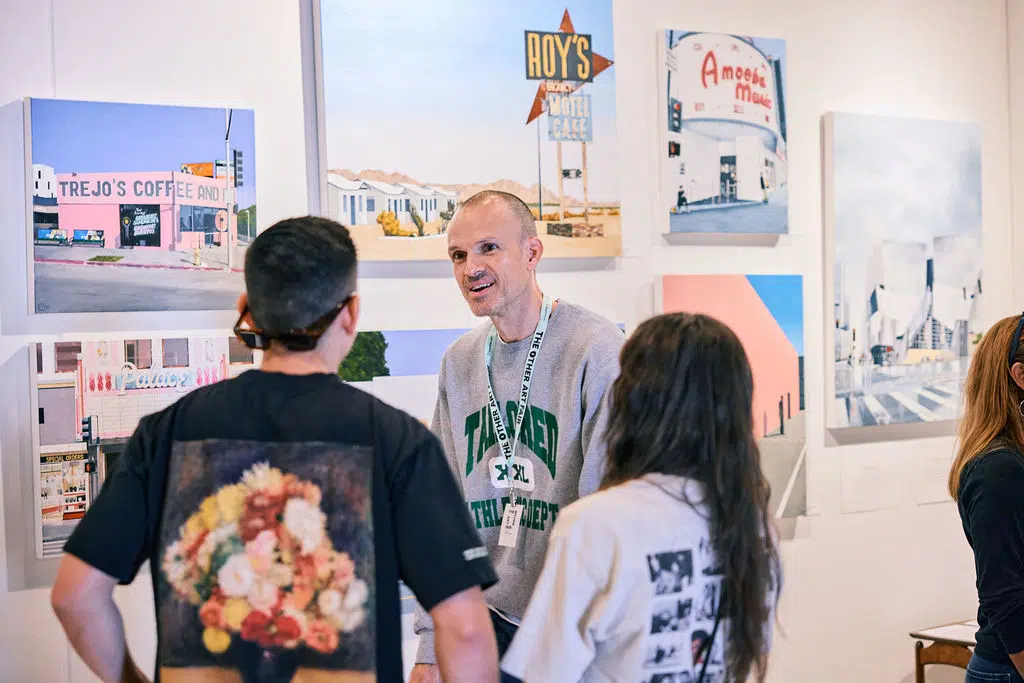
Installation view of the 2025 fall edition of The Other Art Fair in Los Angeles
What is the process of organizing an edition of The Other Art Fair?
The process can start a year well in advance with securing a venue. From there, we post an open call for artists to apply. Applications are then reviewed by a Selection Committee of art world experts, who are unique to each edition of the fair—no jury is ever the same. Having a selection process allows our visitors to rest easy and buy with confidence, knowing they are truly seeing the top talent working today.
Once artists have been reviewed and selected, we start to fashion the features program while on-boarding artists and helping them to feel prepared for their fair outing. We host three workshops on operations, marketing, and curation to ensure everyone can spend their time focusing on making new work and making the most of their fair investment. Our aim is always to help artists who show with us to advance their careers to the next level.
Once we’re a couple months out, our marketing team puts our plan in action to promote the fair and sell tickets—and then our team gathers the Monday before the event to oversee the build-out process before welcoming exhibitors and guests for the Opening Night. It’s a bit like the circus, and twice as much fun.
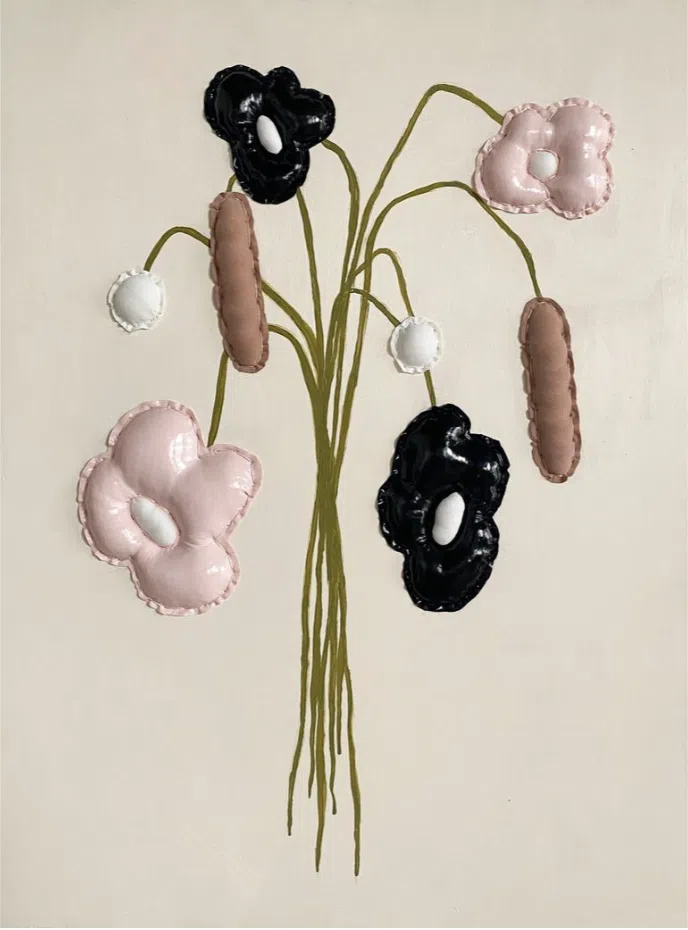
Steven Rahbany, “Funeral”
What do you look for in artists participating in The Other Art Fair?
We showcase artists who are either working independently or who are looking to break into a new market. Many of them are showing their work in public for the first time. We welcome artists who are emerging as well as those who are mid-career, and we allow artists room to hit their stride.
The key thing is really having a defined point of view and an articulated style. We especially love artists who are working in unusual ways with new materials, new technologies, or bringing a unique perspective to a traditional practice or sacred cow, as it were. Anything a bit fun, subversive, or just technically brilliant can all stand out in the eyes of our jurors. We welcome diversity in medium and style with gusto.
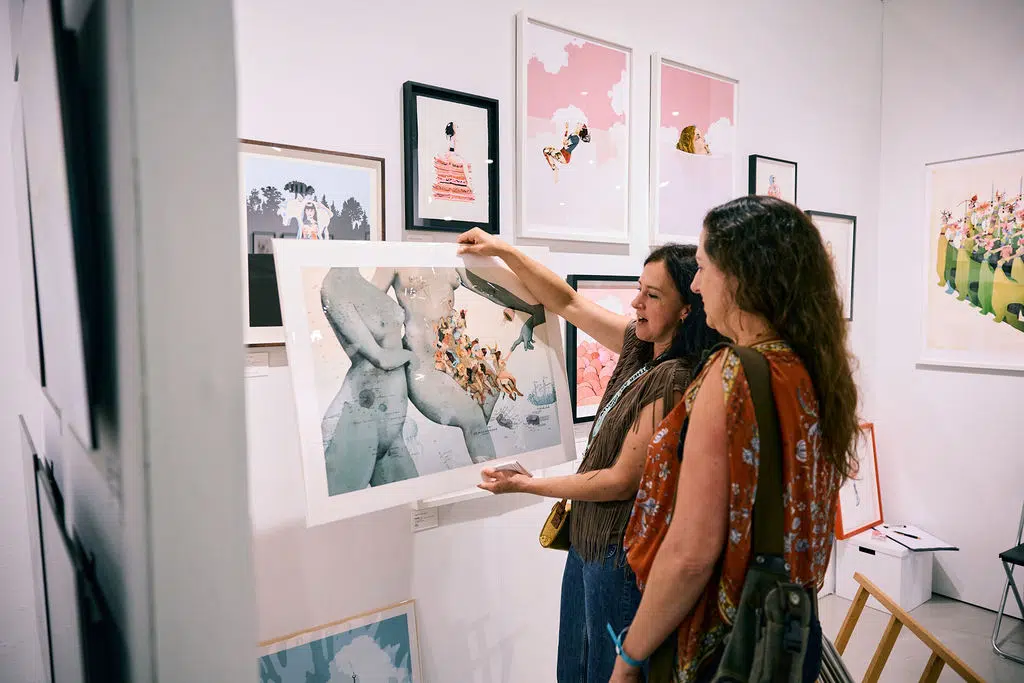
Installation view of the 2025 fall edition of The Other Art Fair in Los Angeles
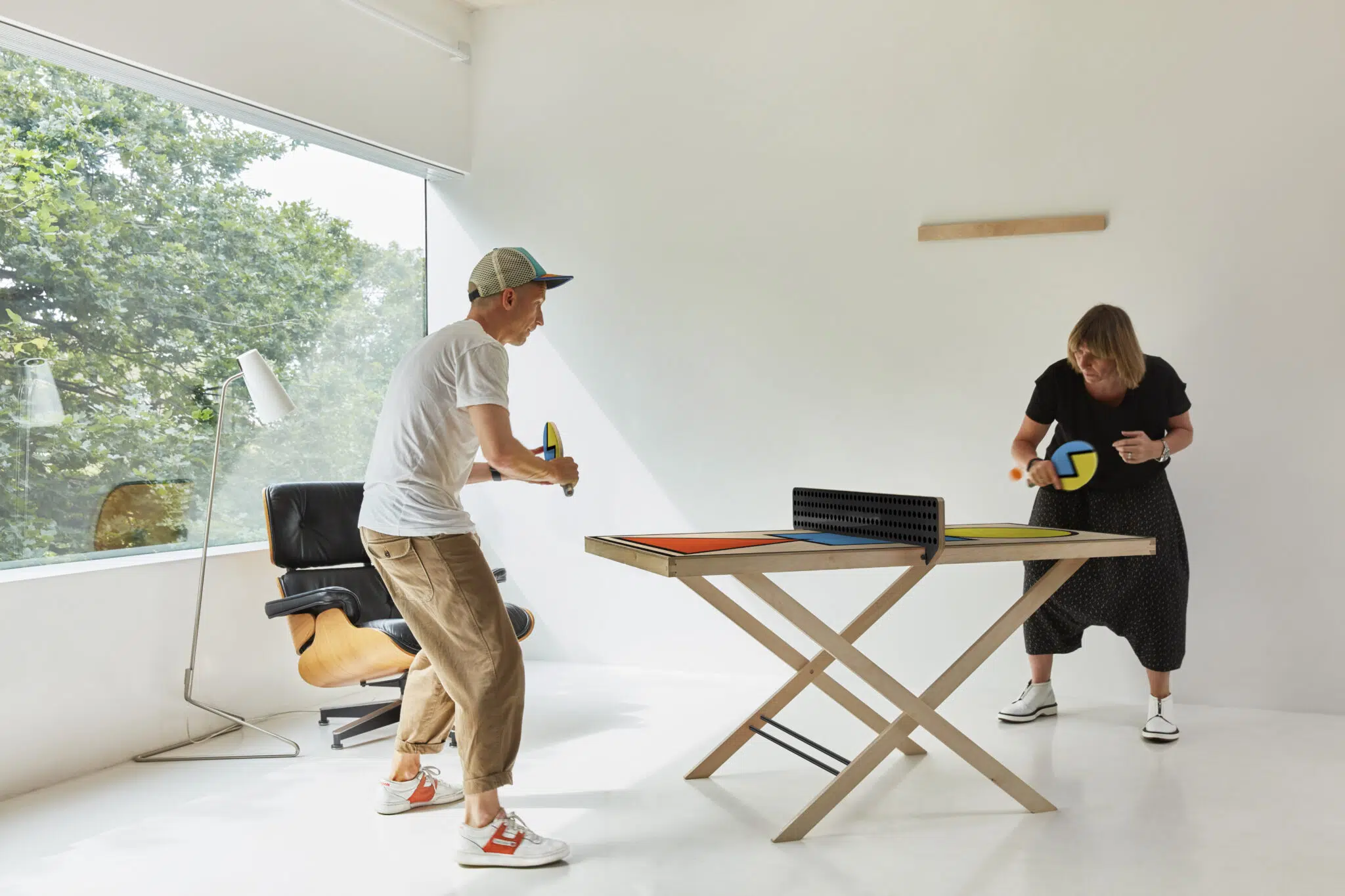
The Art of Ping Pong
What are you most looking forward to during this year’s The Other Art Fair in LA?
So many things! This will be the first time we’re showing on the Westside during Art Week. We’ll be welcoming visitors to a new venue called 3Labs in Culver City, which is located in the heart of the Hayden Tract. This neighborhood is very centrally located within LA, a short drive from Santa Monica where Frieze will be taking place at the same time, and it’s home to not only major business offices like Apple, but also the Lapis Press, an amazing printing studio founded by Sam Francis; the UCLA Graduate Art Studios, where one of our past exhibitors Jacqueline Valenzuela is currently working on her painting practice; multiple iconic buildings by the celebrated architect Eric Owen Moss; and one of my favorite restaurants, Destroyer.
There is a lot to see and do in the area, and we’re thrilled to have people come out to see our largest gathering of artists—over 150!—not to mention play some ping pong with us thanks to the Art of Ping Pong, who are supporting our efforts to raise money for the non-profit organization Altadena Brick by Brick, which is offering grants to people struggling to rebuild their homes burned in the 2025 fires.
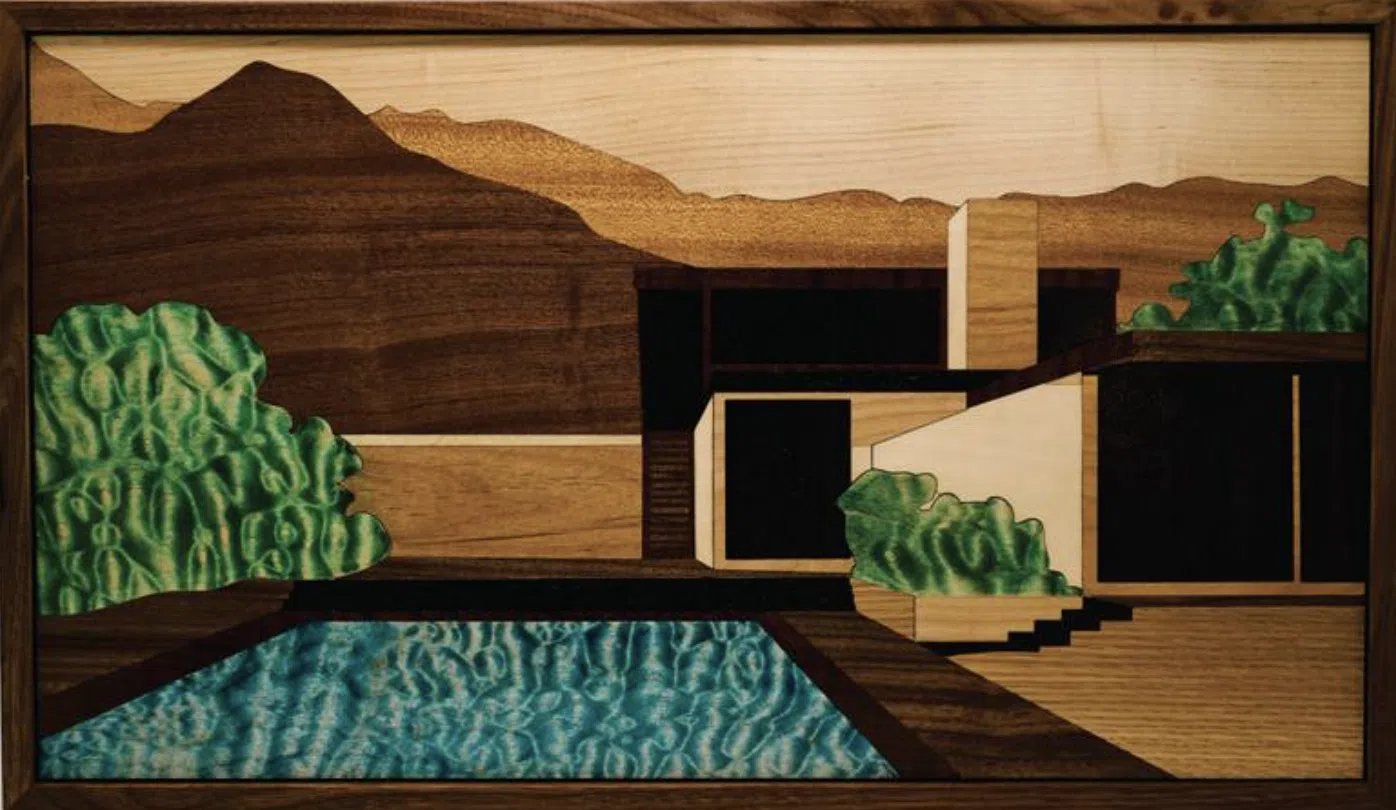
Eric Blackwell, “Kaufmann House”
What do you hope people will take away from The Other Art Fair in L.A.?
My wish is that people have fun, feel connected with the community, come away feeling inspired, and hopefully with a new artwork for their home.
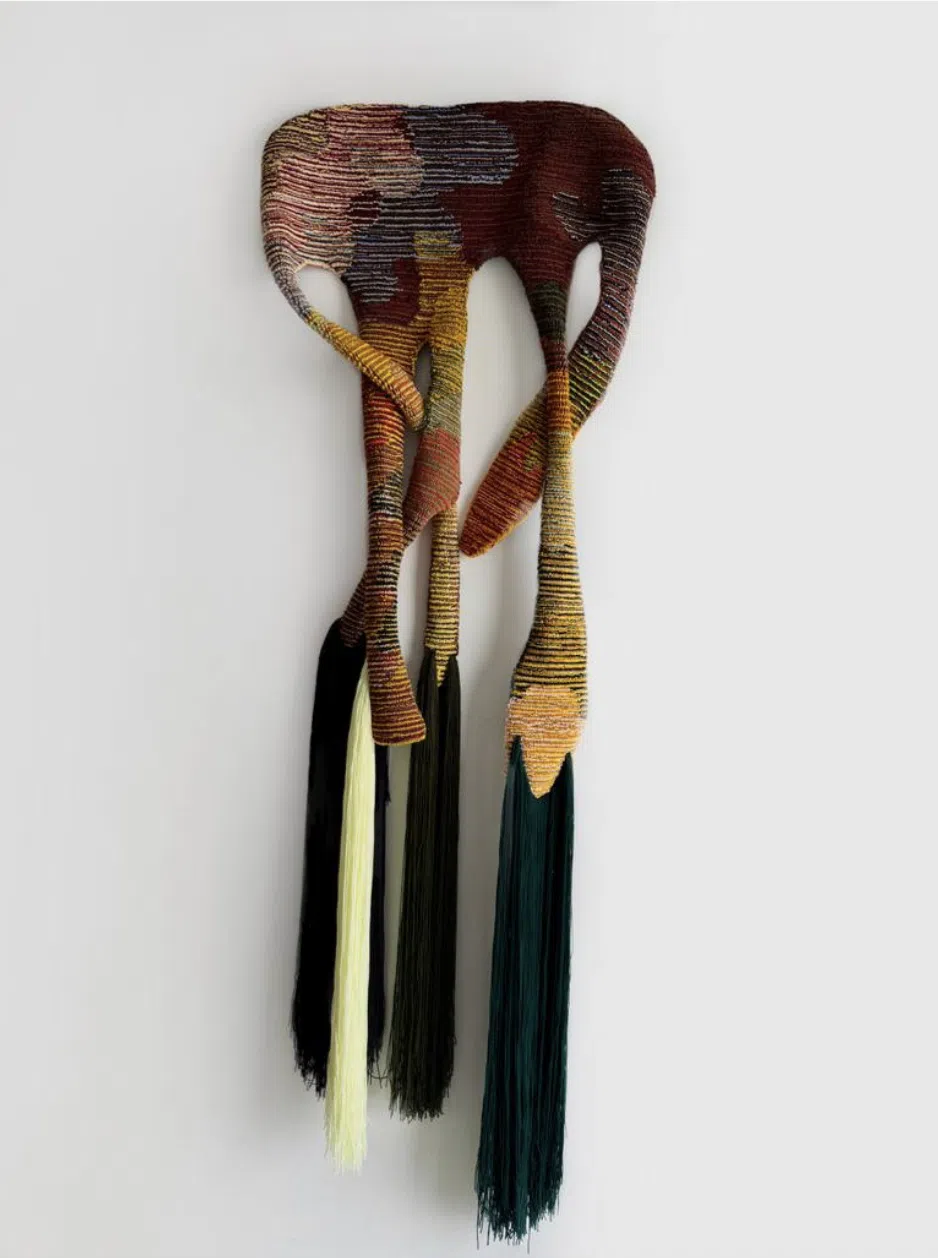
Vanessa Valero, “Root”
The Other Art Fair: Website | Instagram
My Modern Met granted permission to feature photos by The Other Art Fair.
Related Articles:
The Other Art Fair Offers an Idiosyncratic and Dynamic Program During LA Art Week
The Other Art Fair Showcased Just How Exciting New York’s Contemporary Art Scene Is