

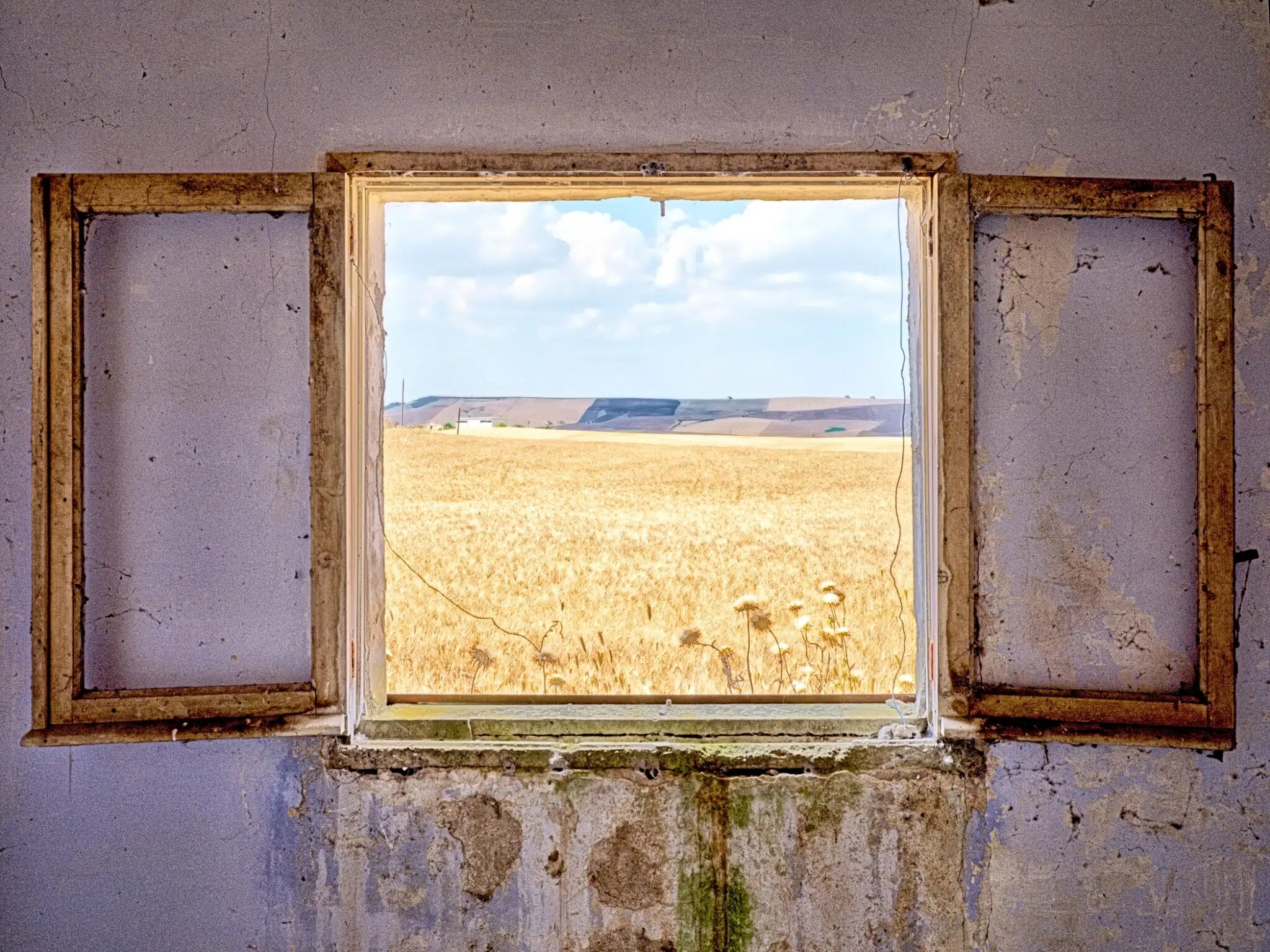
“Untitled (The Opening of the Field),” part of the “The Architecture of Silence” series
Even in absence, there is undoubtedly presence—or at least that’s what Steven Seidenberg’s photography seems to suggest. Throughout his practice, the photographer has made a point of excavating the unseen, capturing quiet scenes that, despite being emptied of humans, still contain their traces.
Now, the John and Geraldine Lilley Museum of Art in Reno, Nev., has gathered together several of Seidenberg’s photographs into Home Truth: Image-Making in Absence. The exhibition, which opened in late January, contends with themes of memory, belonging, history, and migration through three distinct series: The Architecture of Silence, Baobab, and Kanazawa Vacancy. Though unfolding across different regions, each project reimagines architecture not as static, but as witnesses, as fixtures that have recorded how people have moved through and lived within any given space.
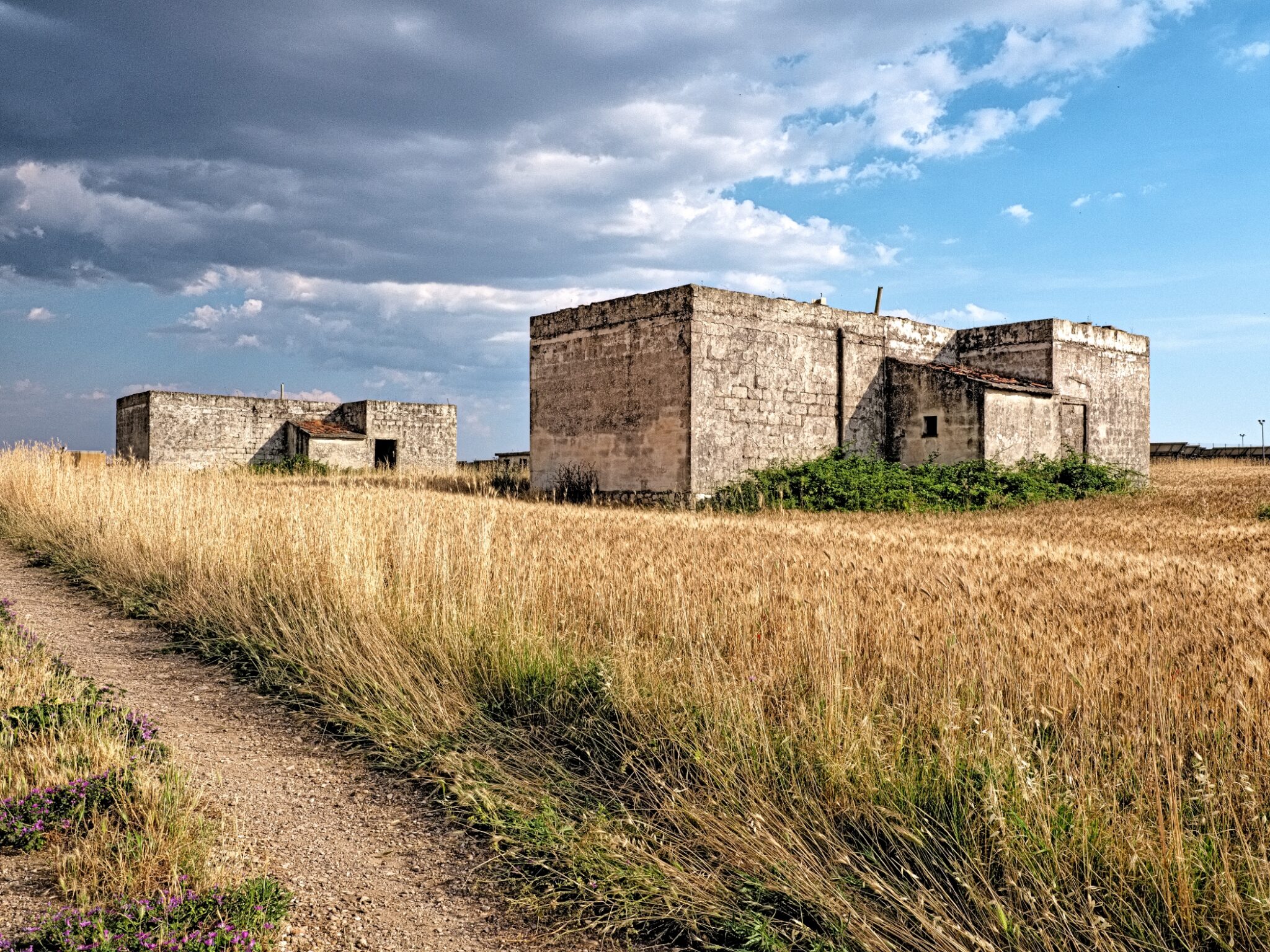
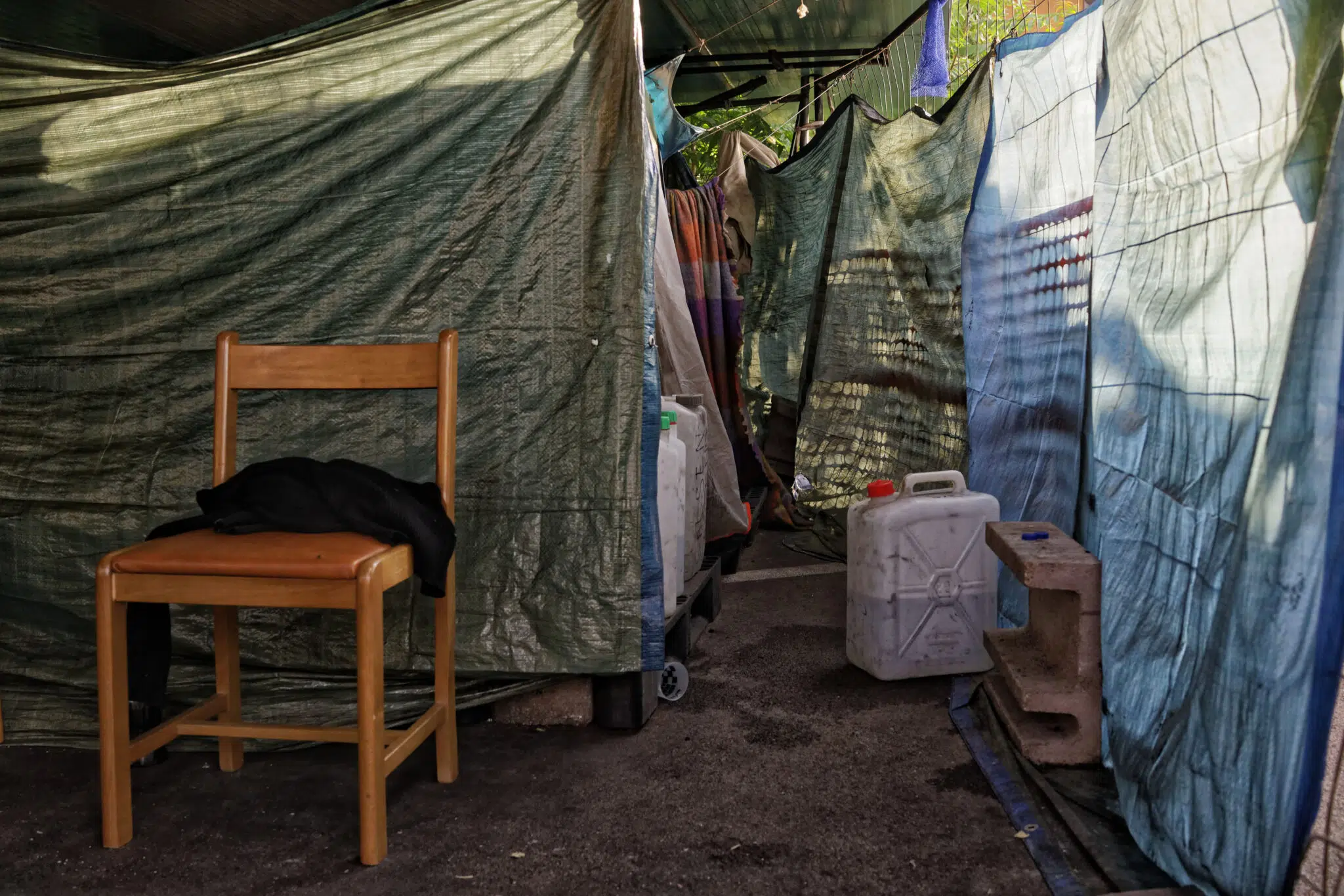
Set in Puglia, The Architecture of Silence explores Italy’s failed post-war land reform movement, cataloging the agrarian landscapes that have since been abandoned. In Baobab, Seidenberg journeys to a migrant encampment in Rome, where tents transform from fleeting shelters to permanent centers amid an urban environment.
“I never capture people and, in this case, that proved essential to gaining access [to the tent city],” Seidenberg tells My Modern Met. “The camp was illegally destroyed by the Italian police a few months after these images were taken.”
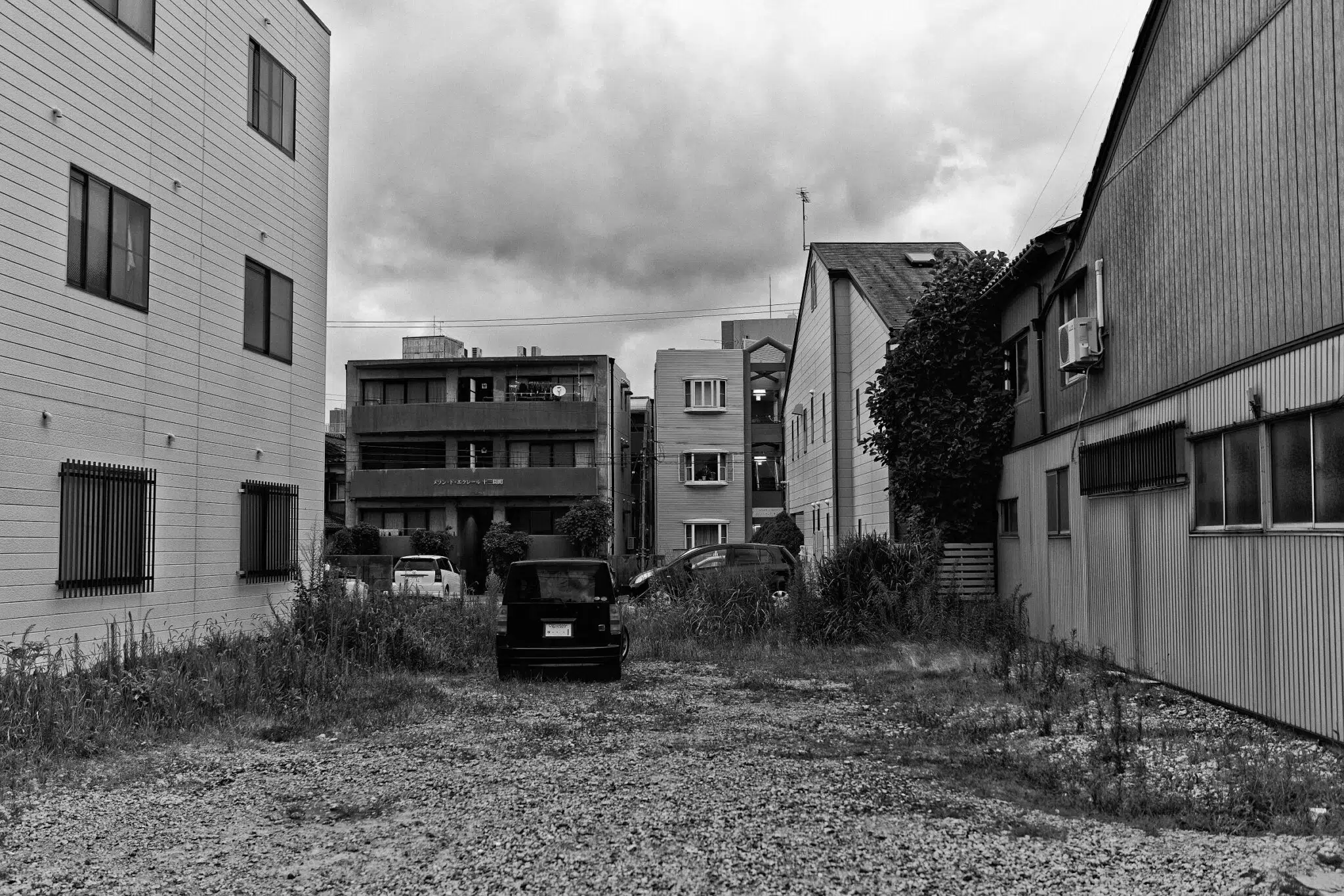
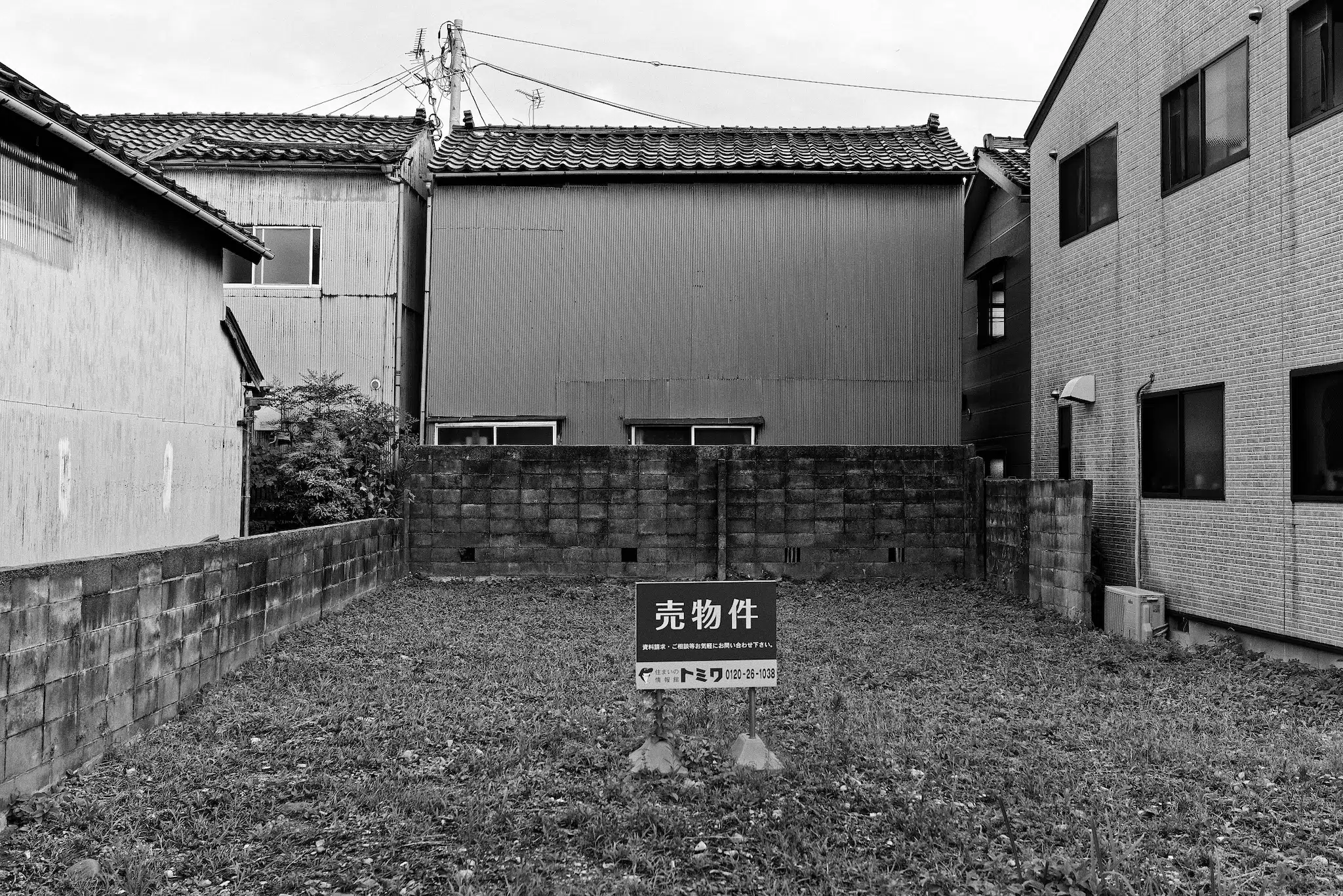
Kanazawa Vacancy, on the other hand, travels from Italy to Japan, documenting akiya (vacant houses) and akichi (vacant lots). These sites unveil the social and material consequences of population decline and aging communities, which, upon first glance, are perhaps not immediately recognizable. But it’s precisely that tension between visibility and invisibility that Seidenberg seeks to mine across his work, revealing that which lies beyond the photographic frame itself.
“I’m often drawn to what’s unseen directly in the line of sight,” Seidenberg explains. “The absence of humans in the photos may give the impression of abandonment, but the distinction stands.”
My Modern Met had the chance to speak with Steven Seidenberg about his photographic practice and the three series that compose Home Truth: Image-Making in Absence. Read on for our exclusive interview with the photographer.
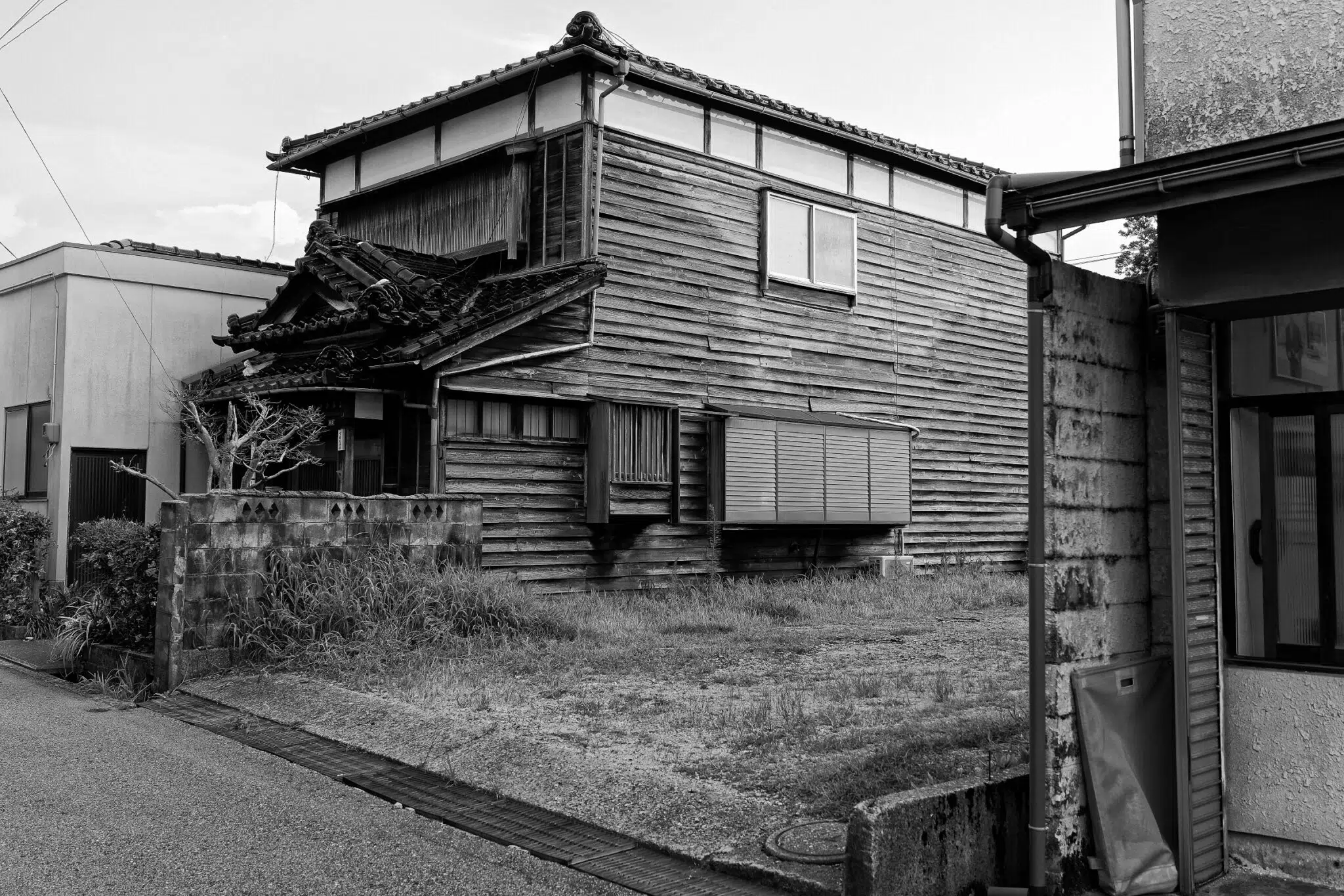
“Untitled,” part of the “Kanazawa Vacancy” series
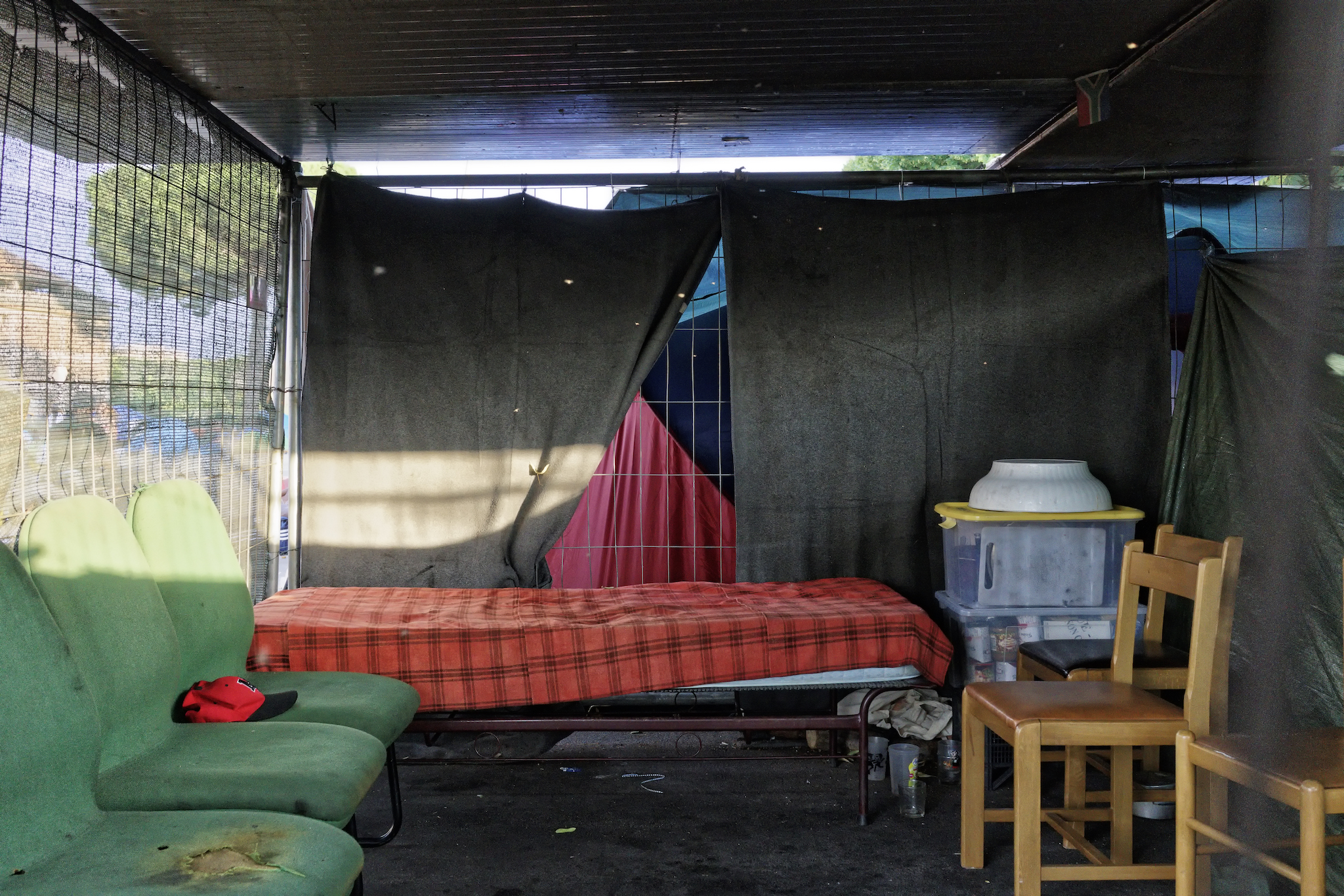
“Untitled,” part of the “Baobab” series
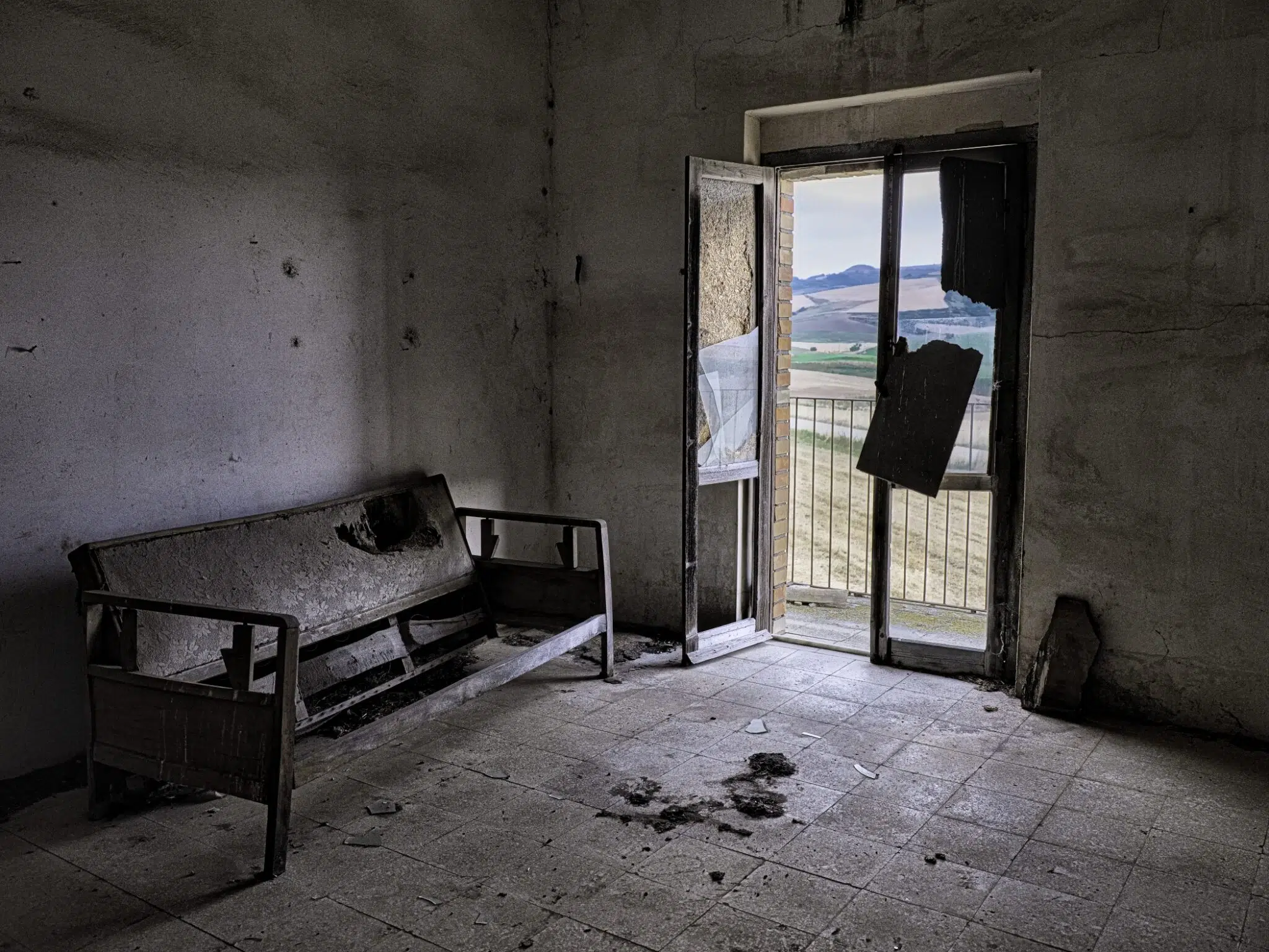
“Untitled (Couch and Window),” part of the “The Architecture of Silence” series
What originally drew you to photography as your primary artistic medium?
The primacy of photography in my practice is circumstantial, as such choices and compulsions often are. Of my visual practices, which include painting and drawing, I found a pathway to consistent exhibition and dissemination of my work as a photographer, and those opportunities have certainly played a role in my emphasis on the practice.
That said, I find photography significantly overlaps with my public practice as a writer, whose work moves between poetic, philosophical, and diegetic timbres. Despite the intrusion of what Vilém Flusser calls the “apparatus” of the camera, the photograph is the closest medium to realizing the art of seeing as its basis.
“Untitled (Commune),” part of the “The Architecture of Silence” series
“Untitled,” part of the “Kanazawa Vacancy” series
When did you first gravitate toward abandoned sites, structures, and landscapes, and why did you begin documenting them through photography?
I don’t find abandonment particularly compelling—rather, I’m often drawn to what’s unseen directly in the line of sight. My only series specifically devoted to abandoned sites is The Architecture of Silence, which captures the abandoned farmhouses of a post-WWII land reform movement in Southern Italy, funded by the Marshall Plan, seemingly designed to fail those who migrated through them. These houses are set in the middle of the agricultural fields in Basilicata and Puglia, in plain view of any passerby, and left in various states of disrepair, with the traces of the lives of previous occupants—both historical and recent—more or less present in them. In this sense, they comprise sites of loss in the midst of contemporary abundance.
The other series in my current exhibition are not abandoned—Kanazawa Vacancy depicts vacant lots in neighborhoods that are otherwise quite vibrant, and Baobab was, at the time, a tent city in the middle of Rome, bustling with activity. The absence of humans in the photos may give the impression of abandonment, but the distinction stands.
“Untitled,” part of the “Baobab” series
“Untitled,” part of the “Kanazawa Vacancy” series
Home Truth encompasses three distinct series that contend with similar themes. What was the process of creating these projects?
All of my projects begin with observation. There must be a formal or conceptual framework to define the series, without which I have no interest in the imaging. Thus the approach to making any one series is quite distinct, since the nature and circumstances of observation are infinitely variable.
For the three series featured in Home Truth, this is certainly the case. Both The Architecture of Silence and Kanazawa Vacancy began with funding that brought me to the region—in the former, to begin making the series as it would become, and in the latter, to explore the possibility of a series in that city, after much work in Japan. For Baobab, the process was much more complicated, requiring some significant time spent with the occupants and organizers of the camp, to ensure my practice was benevolent in its intended goals.
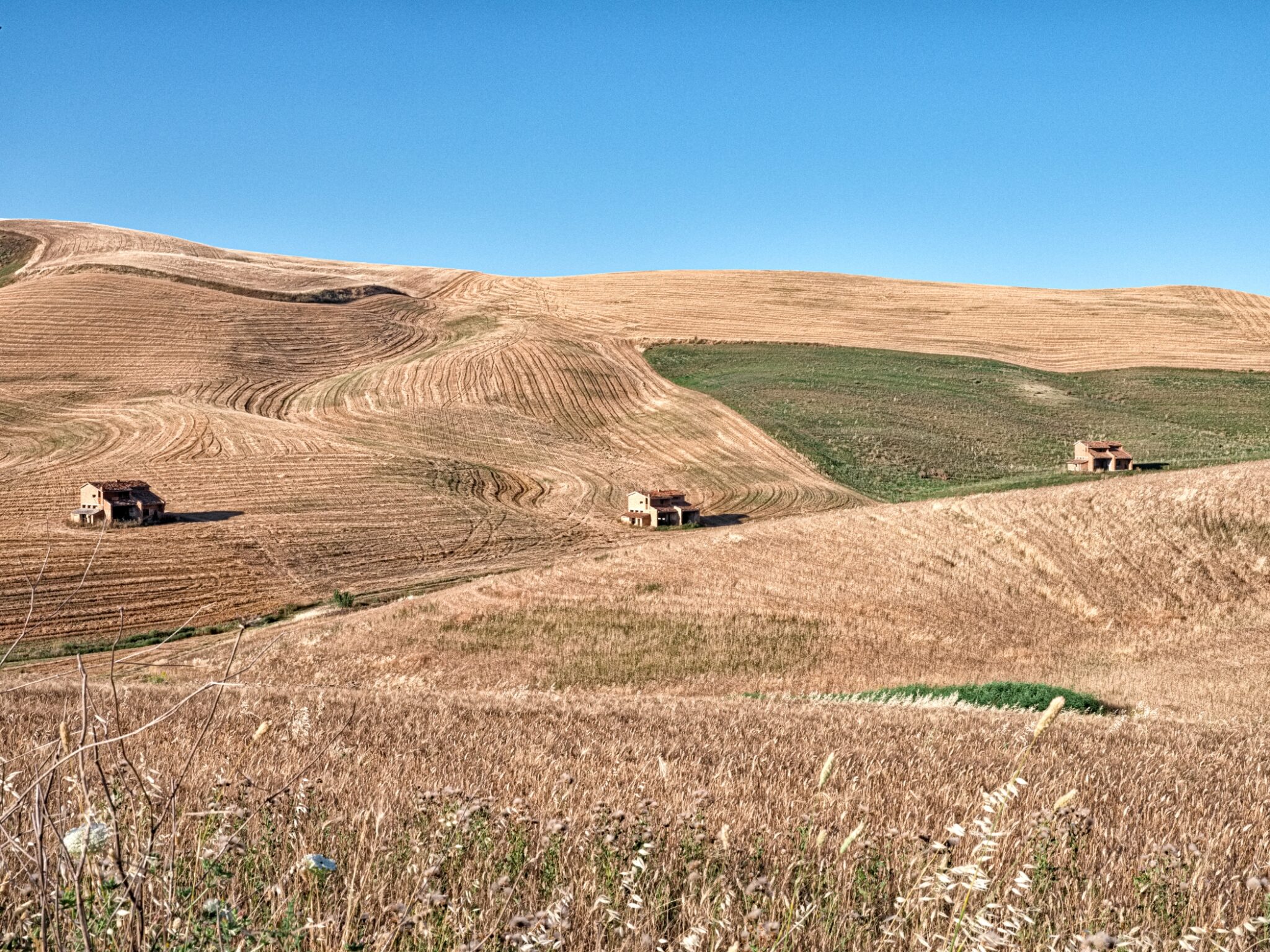
“Untitled (Development in the Fields),” part of the “The Architecture of Silence” series
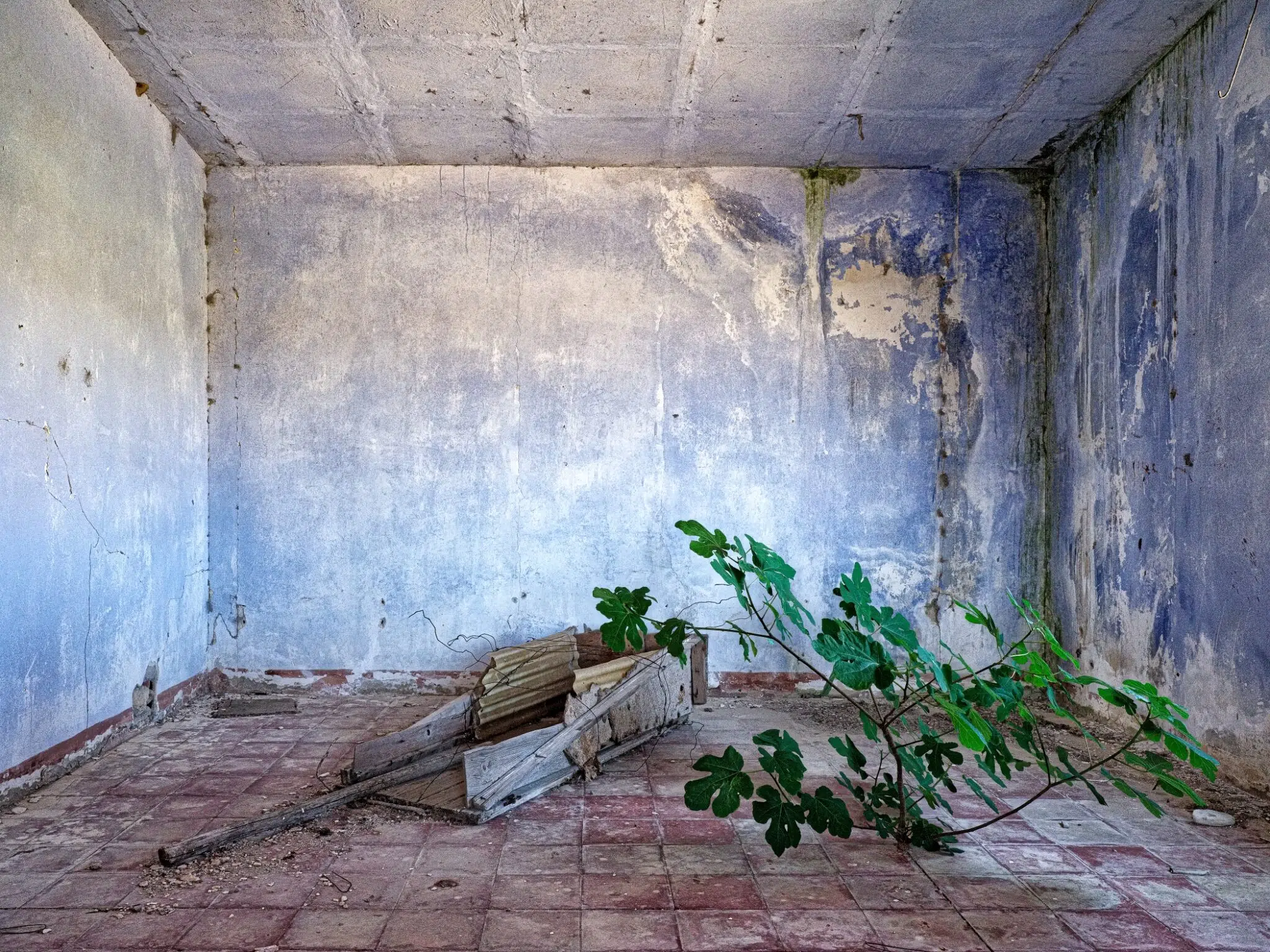
“Untitled (Blue Room with Fig),” part of the “The Architecture of Silence” series
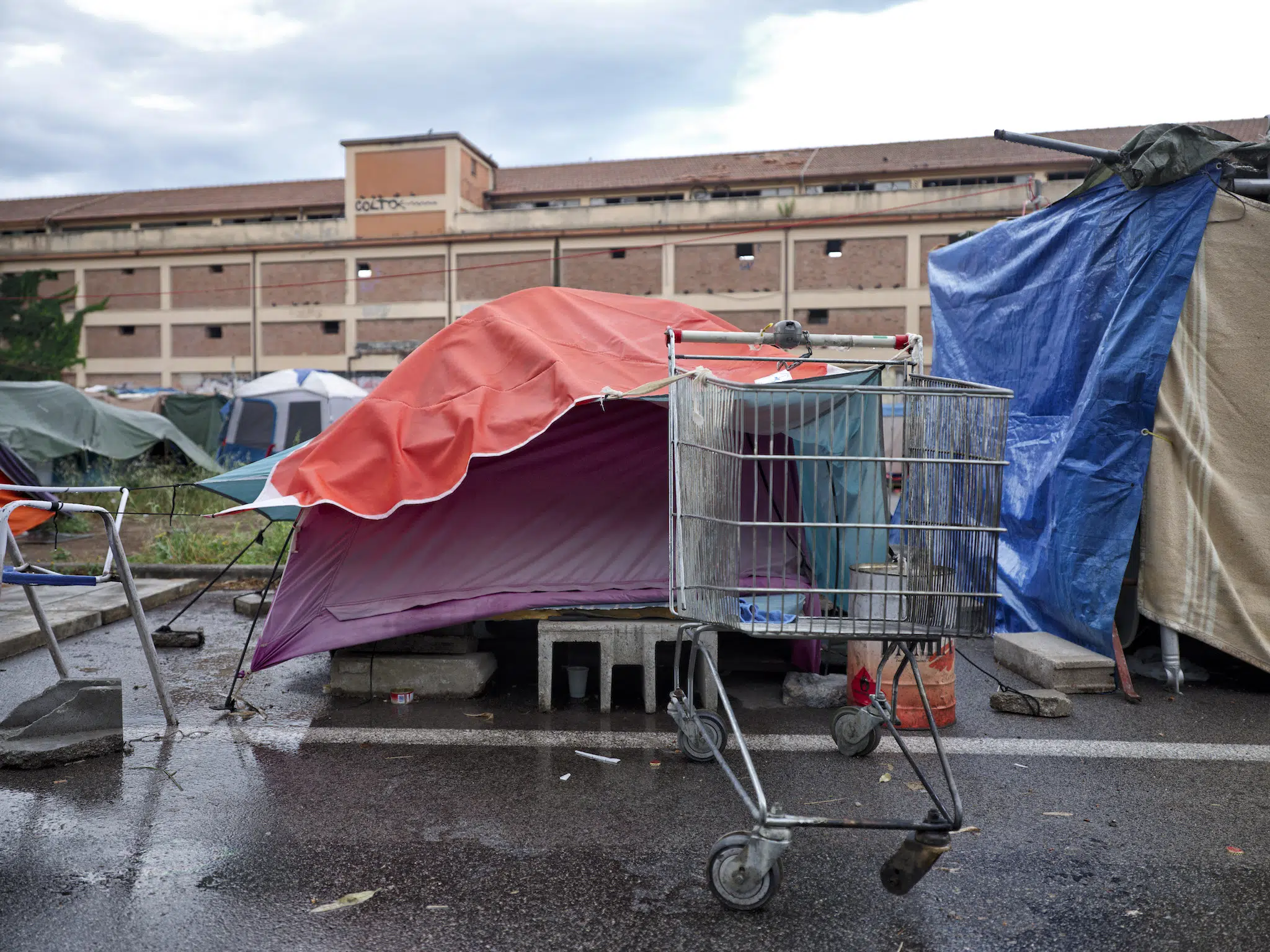
“Untitled,” part of the “Baobab” series
Two of these series unfold across Italy, and the last one takes place in Japan. How did you decide upon these specific locations, and how do they complement and/or contrast one another?
For me, the character of a series is admittedly determined by chance; this is a condition of any documentary practice, even if other criteria are equally significant.
I engage with some/any/all material circumstances with the certainty that something will arise, and that some way of making work within those circumstances will become apparent. Of course, my focus is hardly random, and I have specific approaches to bracketing a project, based on ideological and aesthetic motifs that have come to define my work in general.
This is all to say that various grants, residencies, exhibitions, and publications have brought me to Japan and Italy in recent years, and once there, the conceptual constraints of the work have revealed the projects I’ve found in these locales.
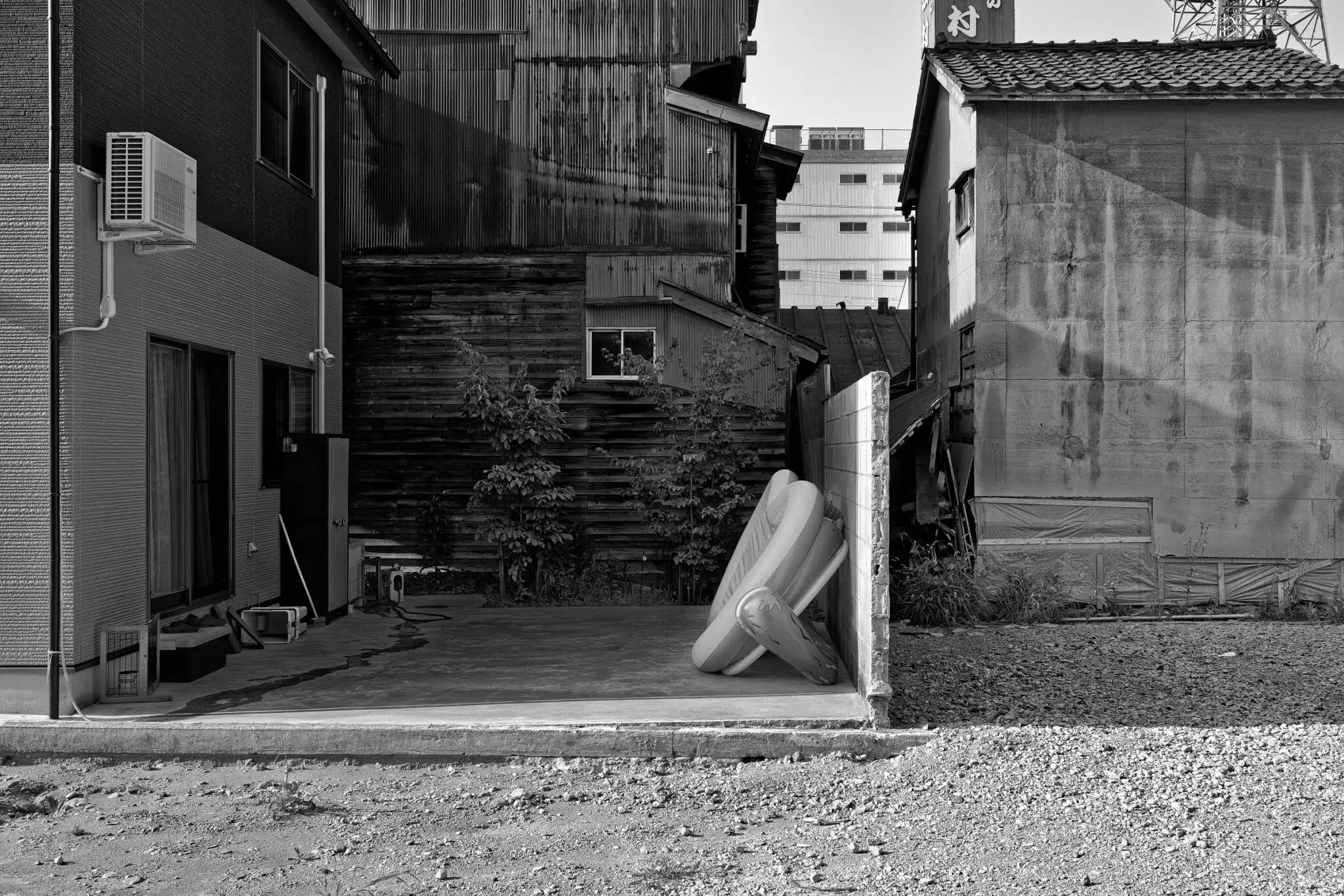
“Untitled,” part of the “Kanazawa Vacancy” series
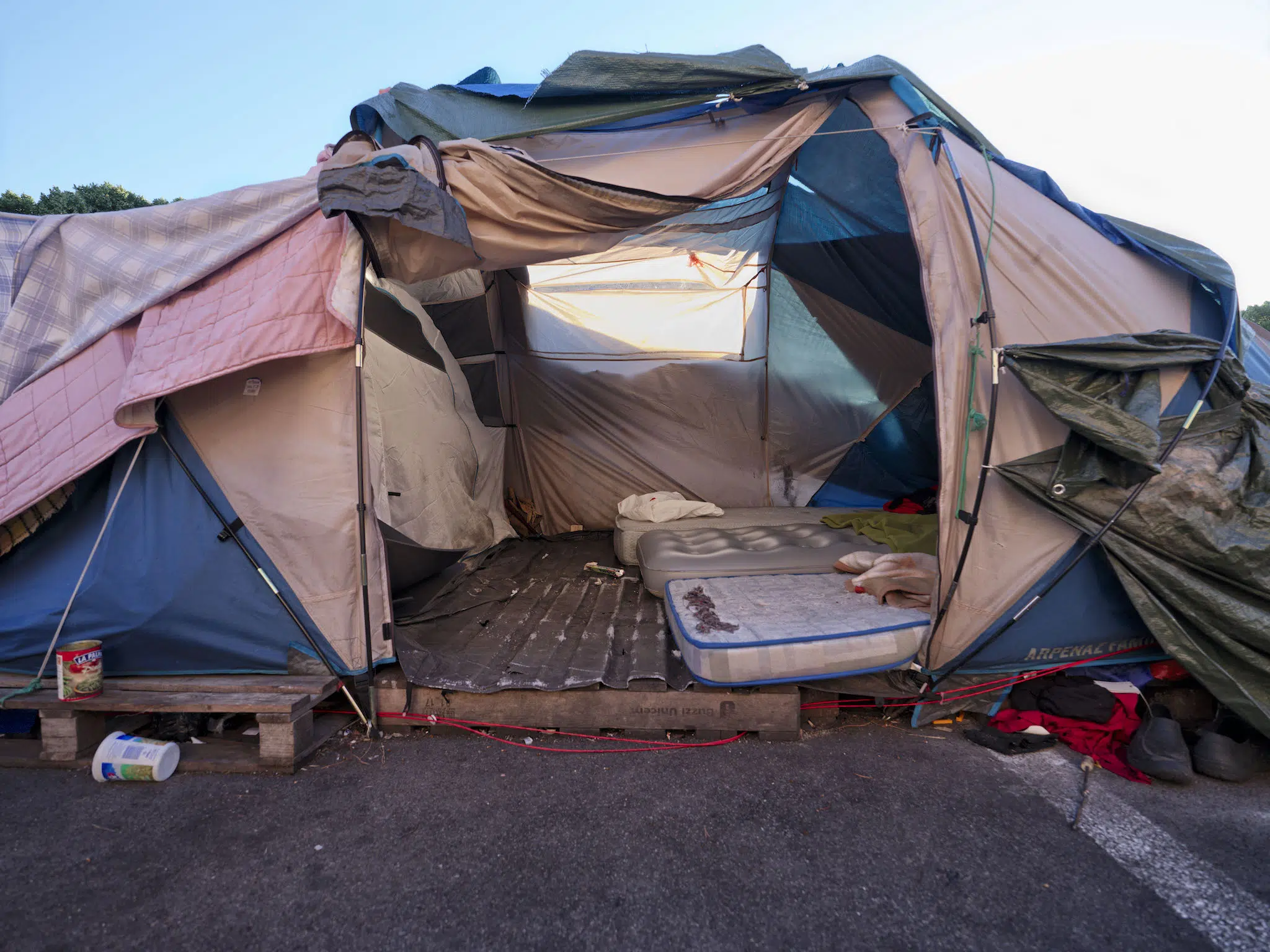
“Untitled,” part of the “Baobab” series
How do notions of absence, abandonment, and upheaval emerge throughout Home Truth?
Partially through the weight of the material conditions in which the various series are set, and partially by virtue of the compositional voice of the images—the way I structure the images and make the prints.
Perhaps of interest in a show like Home Truth is the way in which it puts the various series in dialogue with each other, allowing the themes to emerge in different ways—the resonance, for instance, between the transient traces of lives once thought settled in the land reform houses, and the temporary stability and lived materiality in the Baobab series.
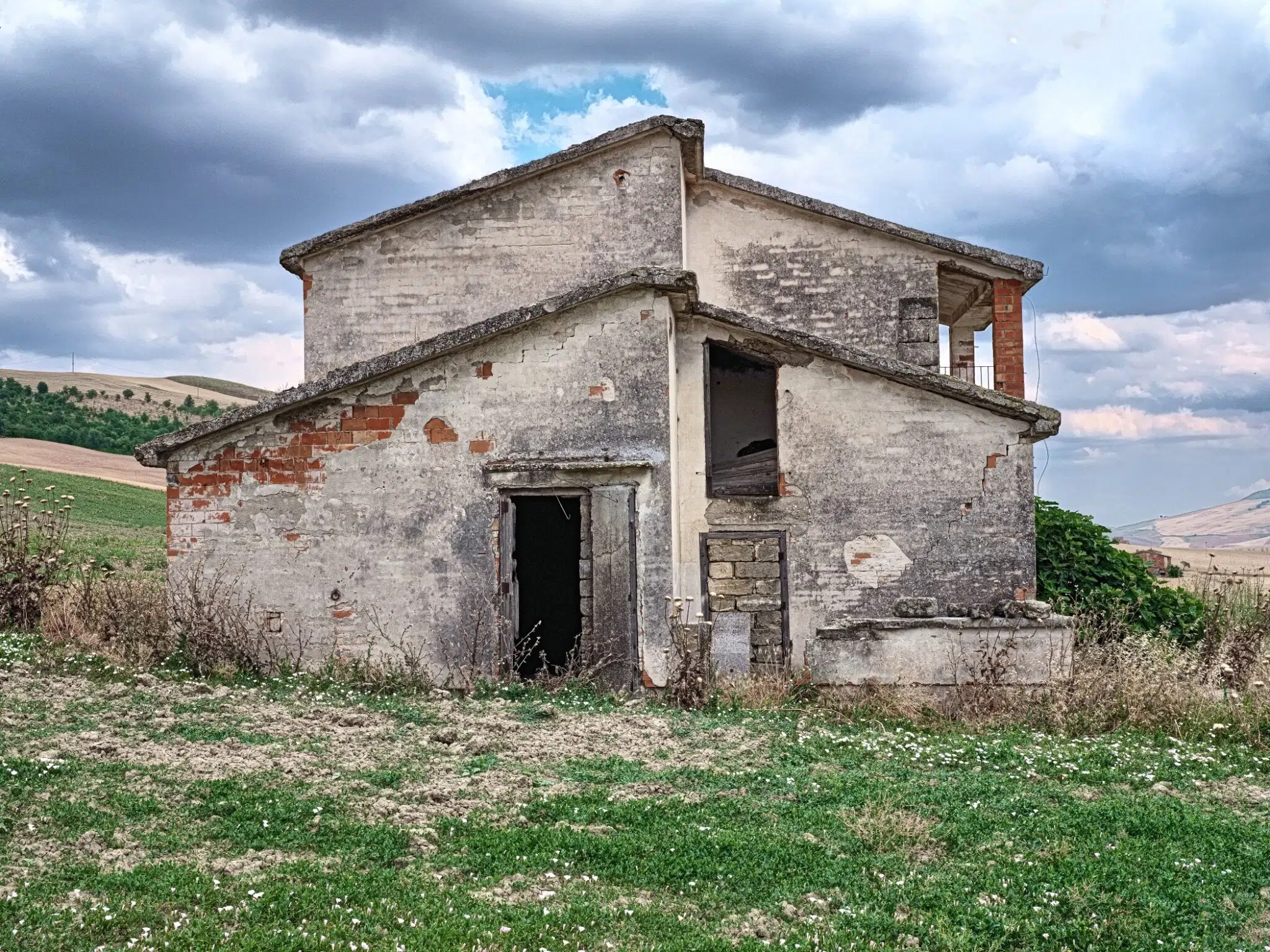
“Untitled (House Profile, in Clover),” part of the “The Architecture of Silence” series
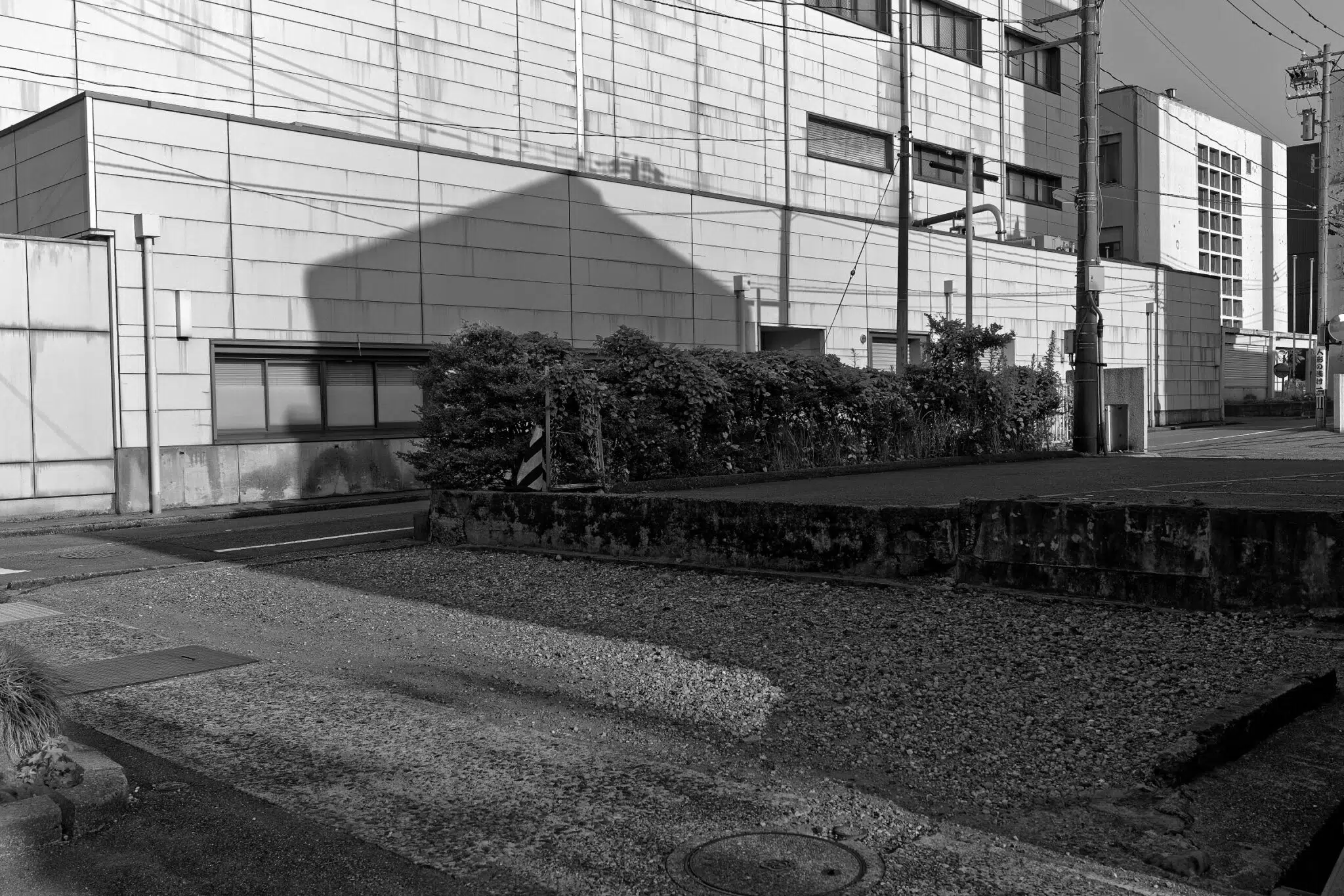
“Untitled,” part of the “Kanazawa Vacancy” series
How are these themes enhanced by your photographic style?
Every series requires its own particular constraints, but it’s this recurring stylistic compression across the images in any one series that marks it as such—as a series, a conceptual and compositional union, rather than a collection of images. They aren’t merely enhanced, but entirely constructed through such devices, though it’s not always possible to tease out the stylistic postures that empower the images.
Still, the voice of the images emerges only by virtue of the way the photographer manipulates their parameters, both individually and in series. Sometimes, these are conscious choices, and in such cases those choices push the viewer toward certain conclusions or feelings. For example, in The Architecture of Silence, I’ve repeatedly come back to the cinematic aperture—the vistas through doors and windows—while allowing both interior and exterior detail to emerge. This difficult dynamic range distorts the images in certain ways that aren’t typically desired in documentary projects, but for my purposes, it offered a potent visualization of the dreams of the occupants, set against the stark reality of the structures in which those dreams were doomed to failure.
Likewise, the deep focus of the monochrome Kanazawa series allowed for a sharpness of textural detail in the negative space that centers many of the compositions. The result is a sense of urgency and power to the push of absence into the lived city, of the retreating built environment as it succumbs to the demographic shifts of modern Japan.
And in the Baobab series, the extravagant color emphasizes the busy thrust of detritus in the lives excluded from public services, lives striving for stability and stillness while expecting to be thrown from that stability at any moment (in fact, the camp was illegally destroyed by the Italian police a few months after these images were taken). Here, the absence of any images of the occupants of the camp—and I never capture people and, in this case, that proved essential to gaining access—allows the viewer to enter these scenes rather than merely sympathizing with those who are otherwise made subject to their structural limitations.
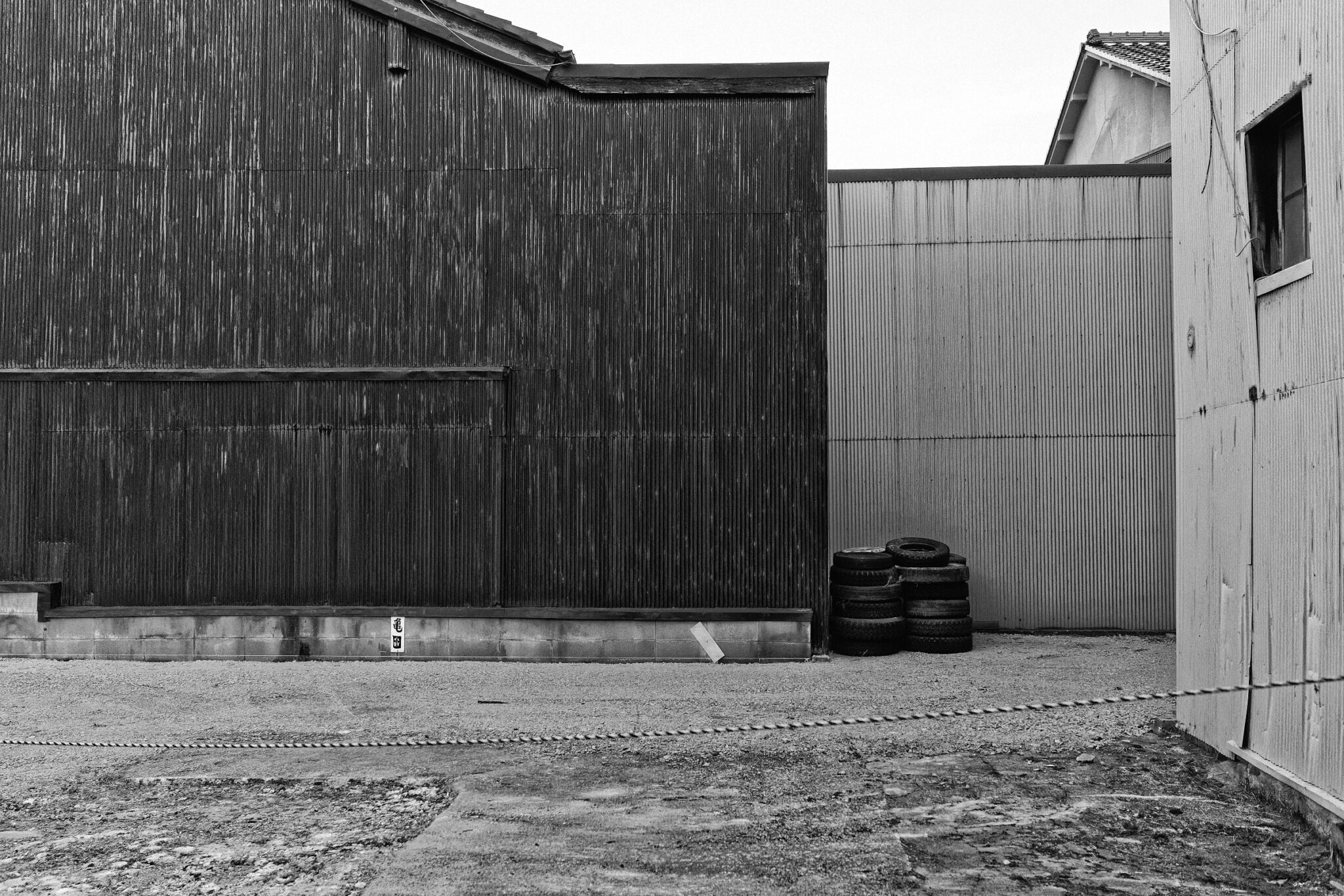
“Untitled,” part of the “Kanazawa Vacancy” series
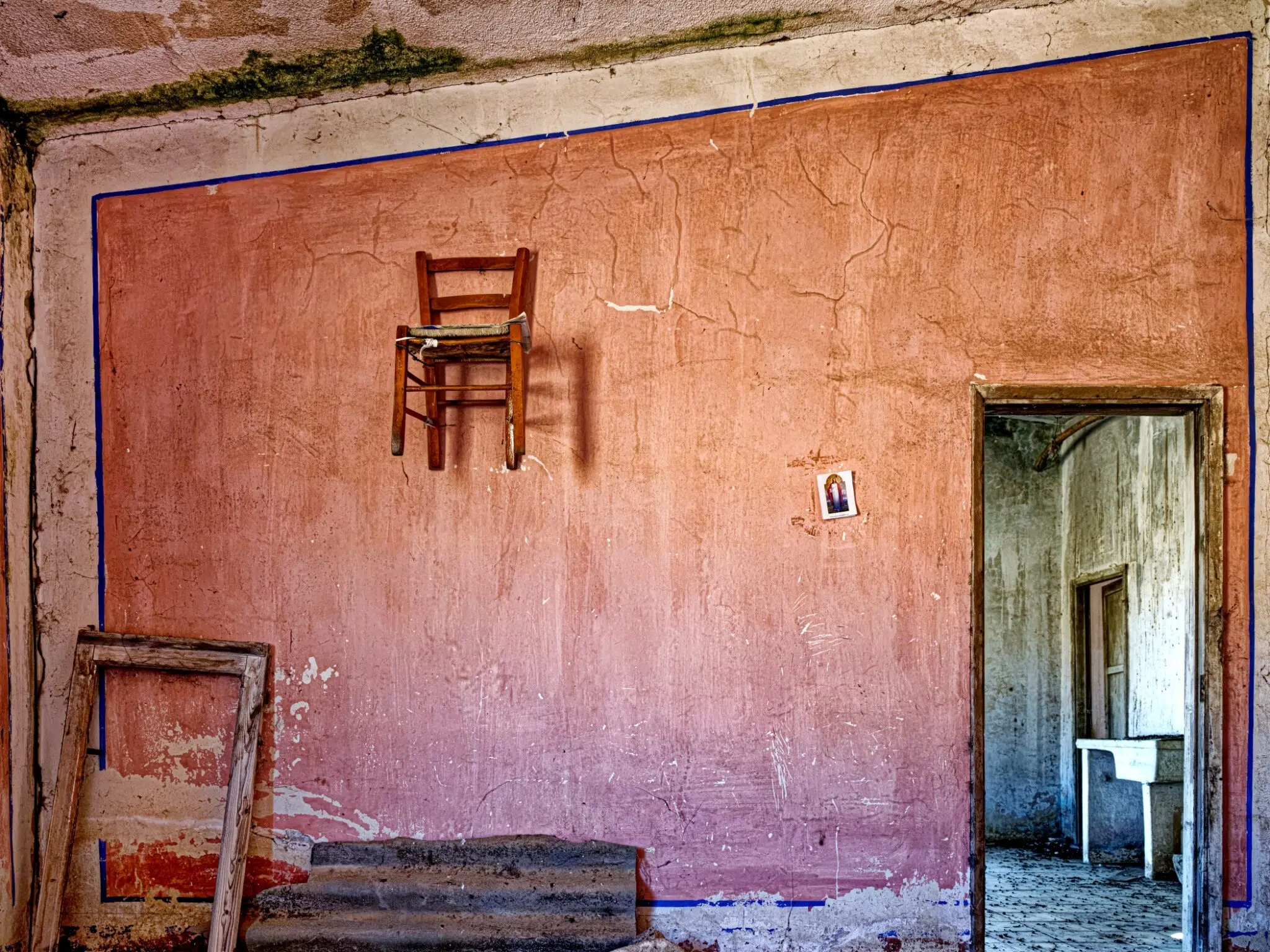
“Untitled (Hanging Chair and Madonna),” part of the “The Architecture of Silence” series
What was the process of creating Home Truth, and what do you hope visitors will take away from the exhibition?
The exhibition was conceived in collaboration with both Stephanie Gibson, the curator of the Lilley Museum in Reno, and my frequent collaborator, the anthropologist and curator Carolyn White.
We began considering different ways of putting various series in my oeuvre in conversation, and ultimately settled on these—three exemplifications of the human cost of policy decisions often made in deliberate exclusion of any engagement with or knowledge of lived consequences. These series are distinctly documentary, but also repudiate the tropes of so much documentary photography, allowing the viewer to see the ways in which such projects are always inflected by the style, skill, subject position, and ideology of the artist who makes them.
My work is quite clearly voiced and my hope is that those who see it can be compelled by compositional control as well as aesthetic subtleties and implications.
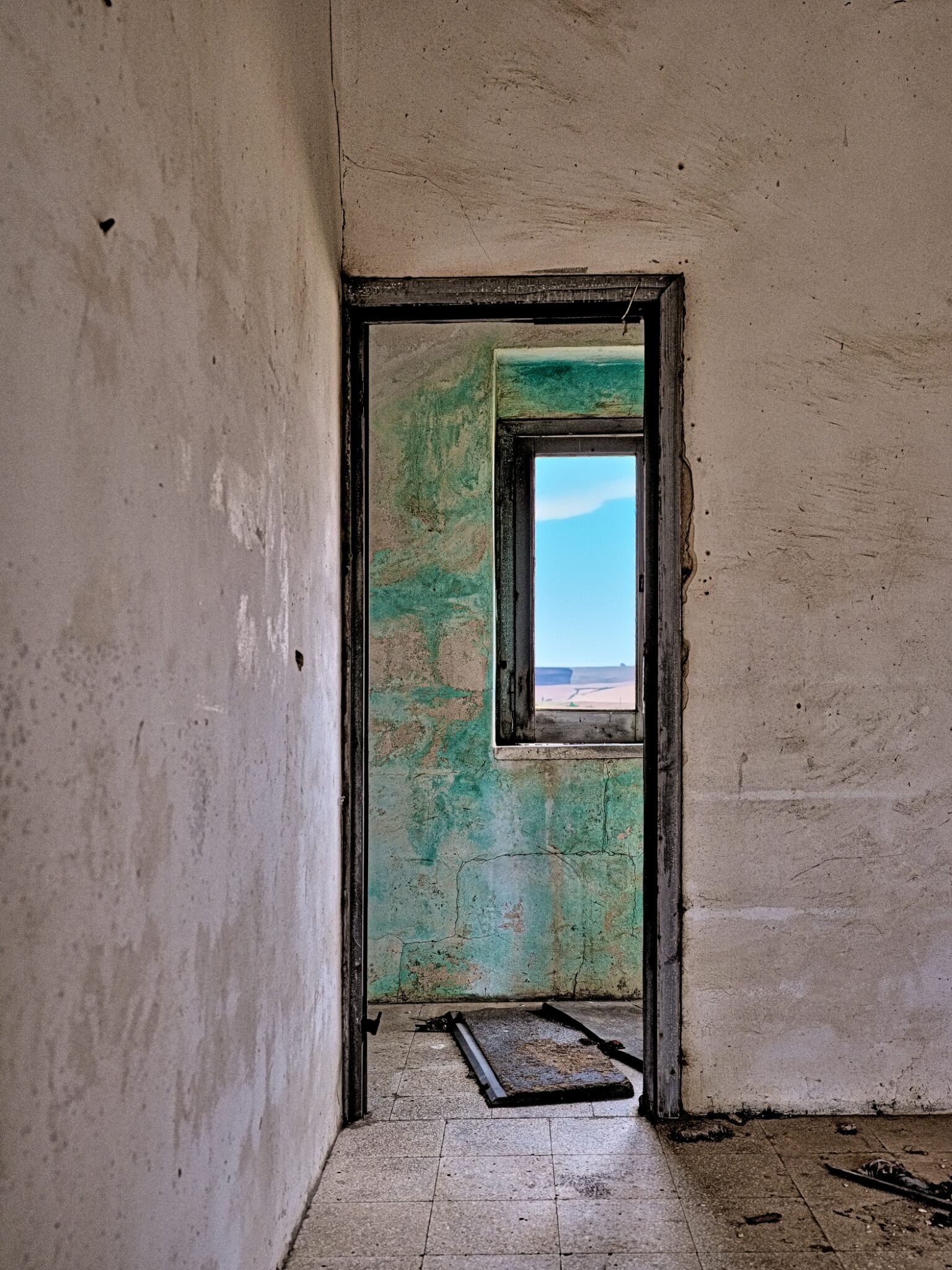
“Untitled (Plain Sight),” part of the “The Architecture of Silence” series
Exhibition Information:
Steven Seidenberg
Home Truth: Image-Making in Absence
January 27–May 23, 2026
John and Geraldine Lilley Museum of Art
1664 N. Virginia Street, Reno, NV 89557
Steven Seidenberg: Website | Instagram
Interview has been edited for length and clarity. My Modern Met granted permission to feature photos by PR for Artists.
Related Articles:
Hazy Dreamlike Photos Reflect Humankind’s Complicated Relationship With Nature
A Photojournalist’s Tireless Quest to the Heart of Mongolia’s Altai Mountains [Interview]
New Exhibition Chronicles the Evolution of Chicano Photography Across Six Decades