


Rajob ki Baoli in New Delhi, India. (Photo: Amit Pasricha)
Out of necessity, disaster and innovation often go hand-in-hand—at least that was the case for Colonel James A. Gray back in 1966. That fall, while retired in Italy, he witnessed Venice’s largest flood, where water levels rose more than 6 feet higher than usual and, in turn, destroyed countless historical buildings and the renowned pieces of art stashed inside them. Once the waters receded, Colonel Gray returned to the United States with a mission, ultimately laying the groundwork for the organization we now know as the World Monuments Fund (WMF). Nearly 60 years after the devastating Venetian flood, WMF has teamed up with Rizzoli to commemorate the world’s most precious cultural sites.
As its name suggests, Irreplaceable: 60 of Humanity’s Most Treasured Places gathers together 60 monuments from across the globe, all organized into chapters dedicated to specific geographical regions. In the volume’s “Asia” section, for instance, we visit everything from imperial Buddhist convents in Japan and the traditional residences of Uzbekistan’s Jewish textile merchants to Burmese teak farmhouses in rural Myanmar and grand Armenian churches. This chapter opens with a focused, multi-page profile of one particular site: Angkor Archaeological Park in Cambodia. Sprawling with intricate temples, dramatic arches, and sumptuous sculptures, the park experienced significant damage throughout the 20th century, during which time Cambodia was roiled in intense political violence, particularly at the hands of the Khmer Rouge. Once peace arrived in the country, WMF and a team of local restorers rebuilt the park over the course of three decades, effectively cementing the country’s rich cultural history.
“I had always dreamed of restoring temples so they could be strong,” said Chhim Sokha, a restorer at Angkor who grew up in the park and survived the Cambodian genocide. “I have imprinted the love of heritage at the bottom of my heart.”
These more in-depth stories appear alongside shorter yet equally compelling entries, each of which also includes magnificent in-situ photographs. For Ethiopia’s Rock-Hewn Churches of Lalibela, we encounter the religious center’s exceptional architecture and ornamentation, its rock-cut facades transformed by the elements across time. Over in Peru, we witness conservationists descending into the dense forest that is Río Abiseo National Park, where ancient civilizations left countless agricultural terraces, footpaths, burial caves, and other traces of Chachapoya culture. And, in Greece, we tour Etz Hayim Synagogue, the only architectural legacy that remains of Crete’s Jewish community, whose roots on the island stretch back to the fourth and third centuries BCE.
Taken in its entirety, Irreplaceable is a stunning tribute not only to WCF’s work (so far, it has helped preserve more than 700 sites around the world), but to the cultural necessity of monuments themselves. Where, this volume seems to ask, would we be as a society if such sites were left to decay? Irreplaceable easily answers its own question: we’d be deprived of the beauty, magic, and essence of both humanity and of history.
“Objects and buildings are unique. If destroyed, they leave ashes and memories from which the truth can at best be guessed,” Andrew Solomon writes in his essay for the book. “Preservation is an imperative not only because we don’t wish to lose old cultural exemplars but also because the coherence of history depends on these physical manifestations of other times.”
Irreplaceable: 60 of Humanity’s Most Treasured Places will be published by Rizzoli on October 7, 2025, and is currently available for preorder on Bookshop and the Rizzoli website.
Rizzoli and the World Monuments Fund have teamed up for Irreplaceable, an awe-inspiring collection featuring 60 of the world’s most remarkable cultural sites around the world.
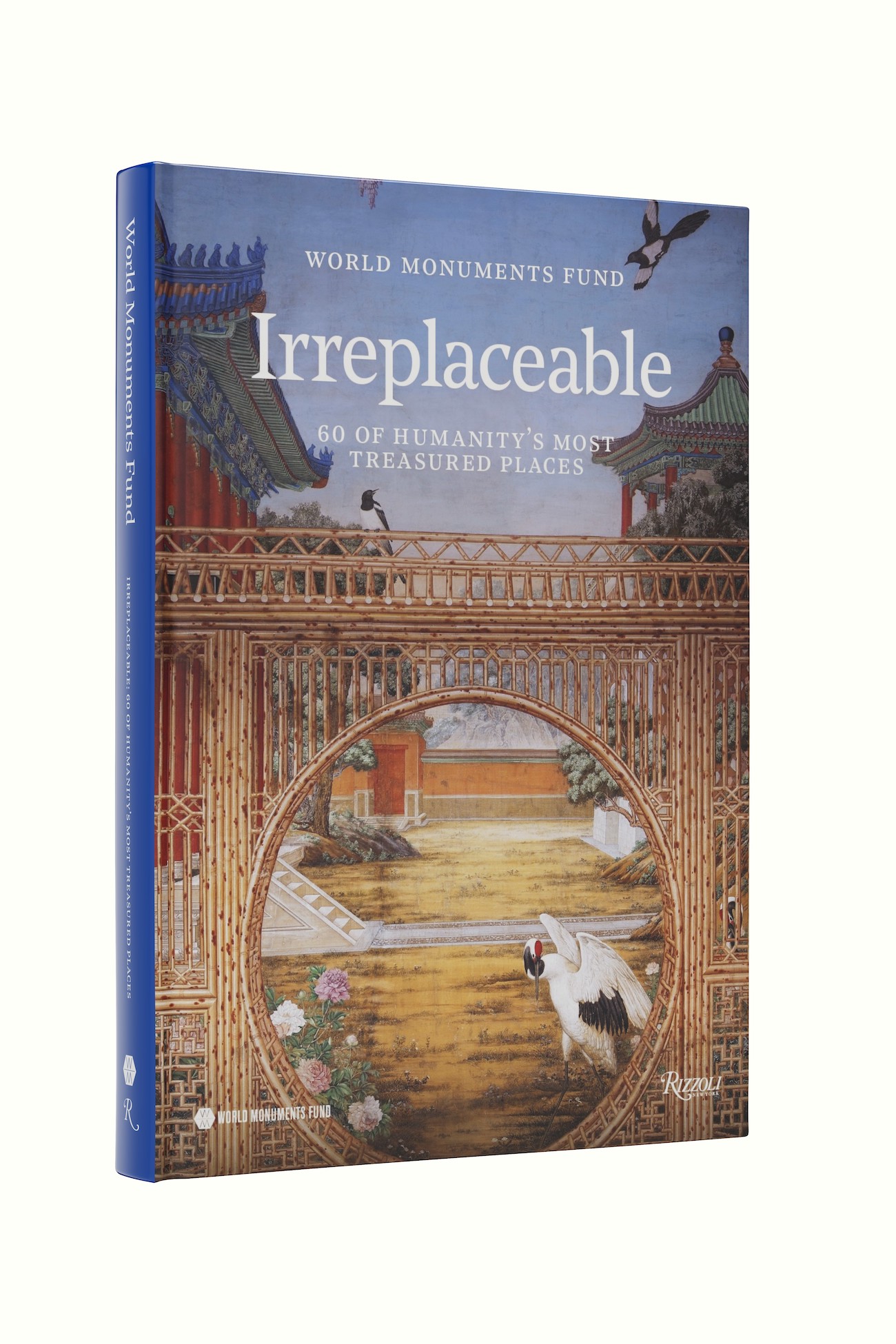
“World Monuments Fund: Irreplaceable: 60 of Humanity’s Most Treasured Places,” with contributions by World Monuments Fund, Bénédicte De Montlaur, André Aciman, Andrew Solomon, and Brinda Somaya (Rizzoli, Oct. 7, 2025).
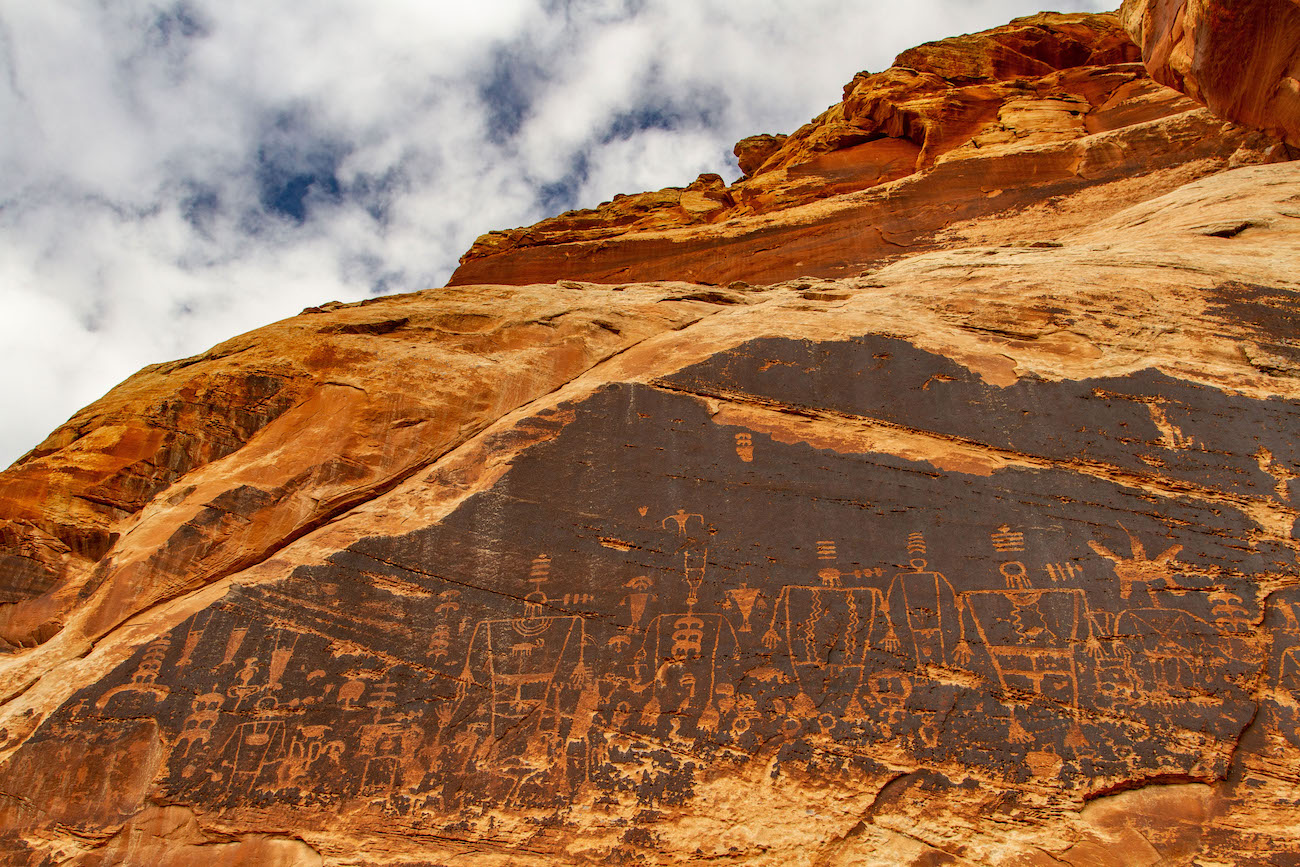
Bears Ears National Monument in the United States. (Photo: Josh Ewing)

Angkor Wat in Cambodia. (Photo: Shutterstock).
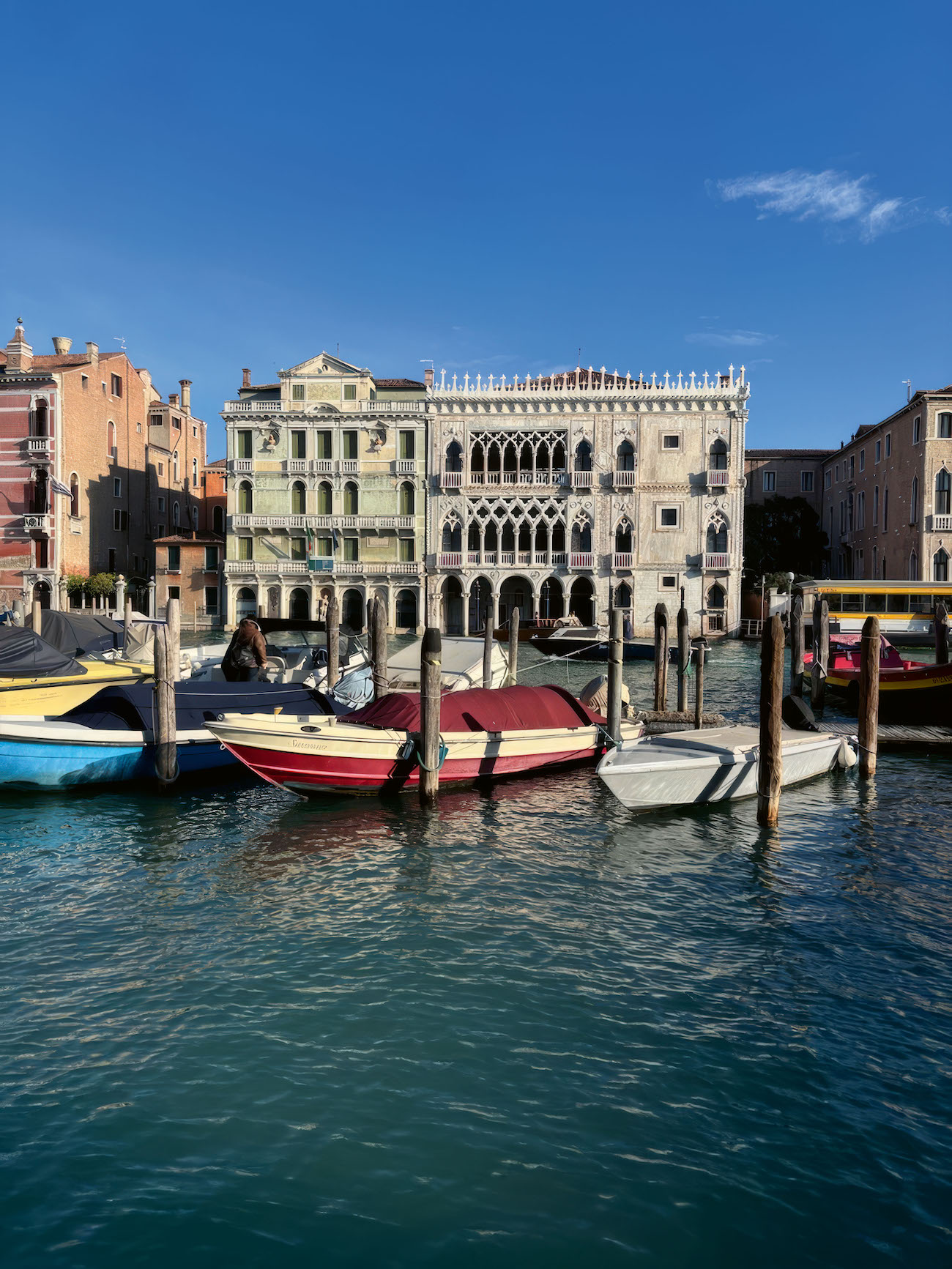
View of Ca’ d’Oro in Italy from the water. (Photo: Judith Walker)

Coffered and flat ceilings in Alhambra, located in Oratorio del Partial, Spain. (Photo: Juan Francisco Angulo López)
The book offers an evocative glimpse into the essential work of preservation, and why cultural monuments and sites must be safeguarded for generations to come.
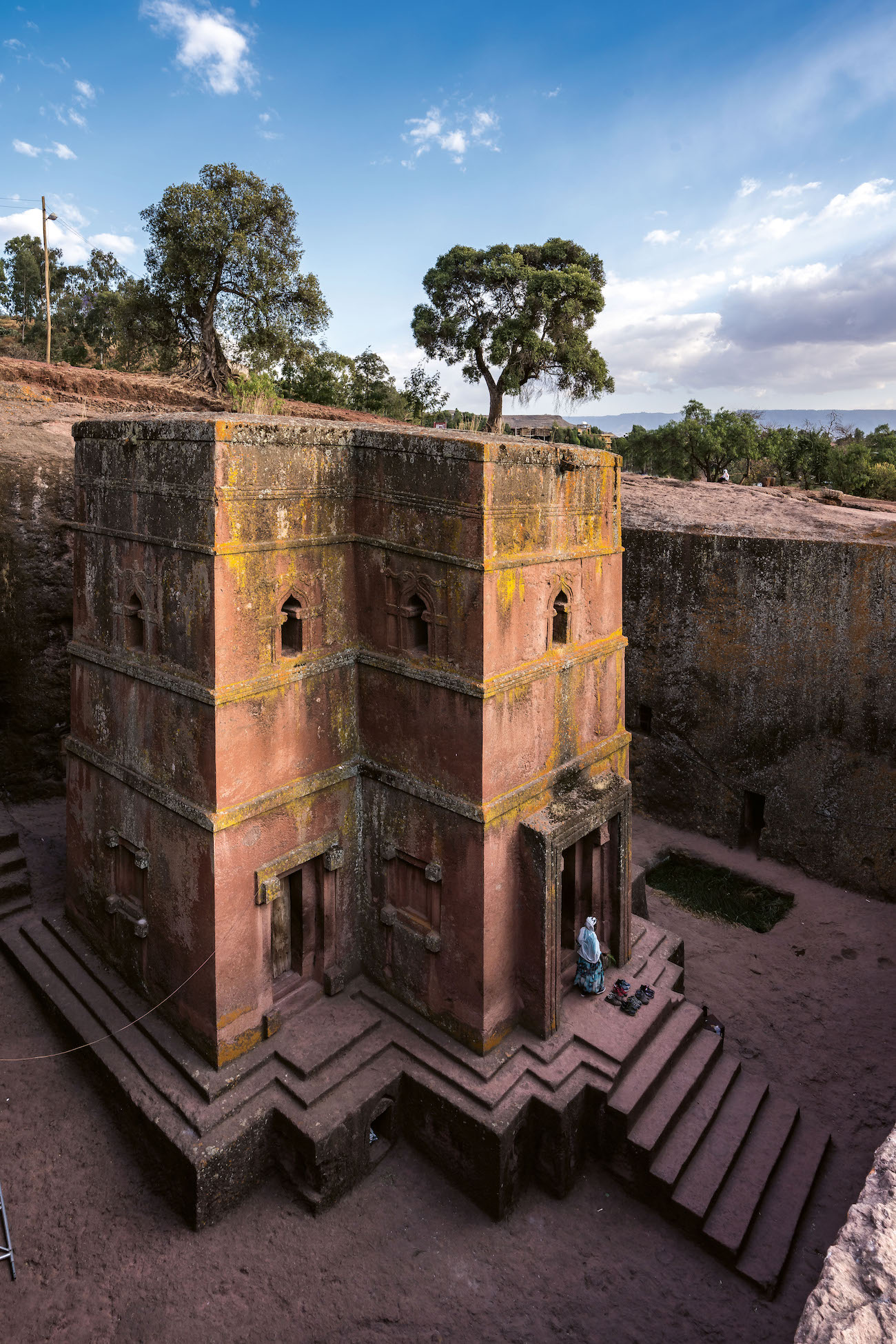
Famous Rock-Hewn Church of Saint George in Lalibela, Ethiopia. (Photo: Bete Giyorgis)
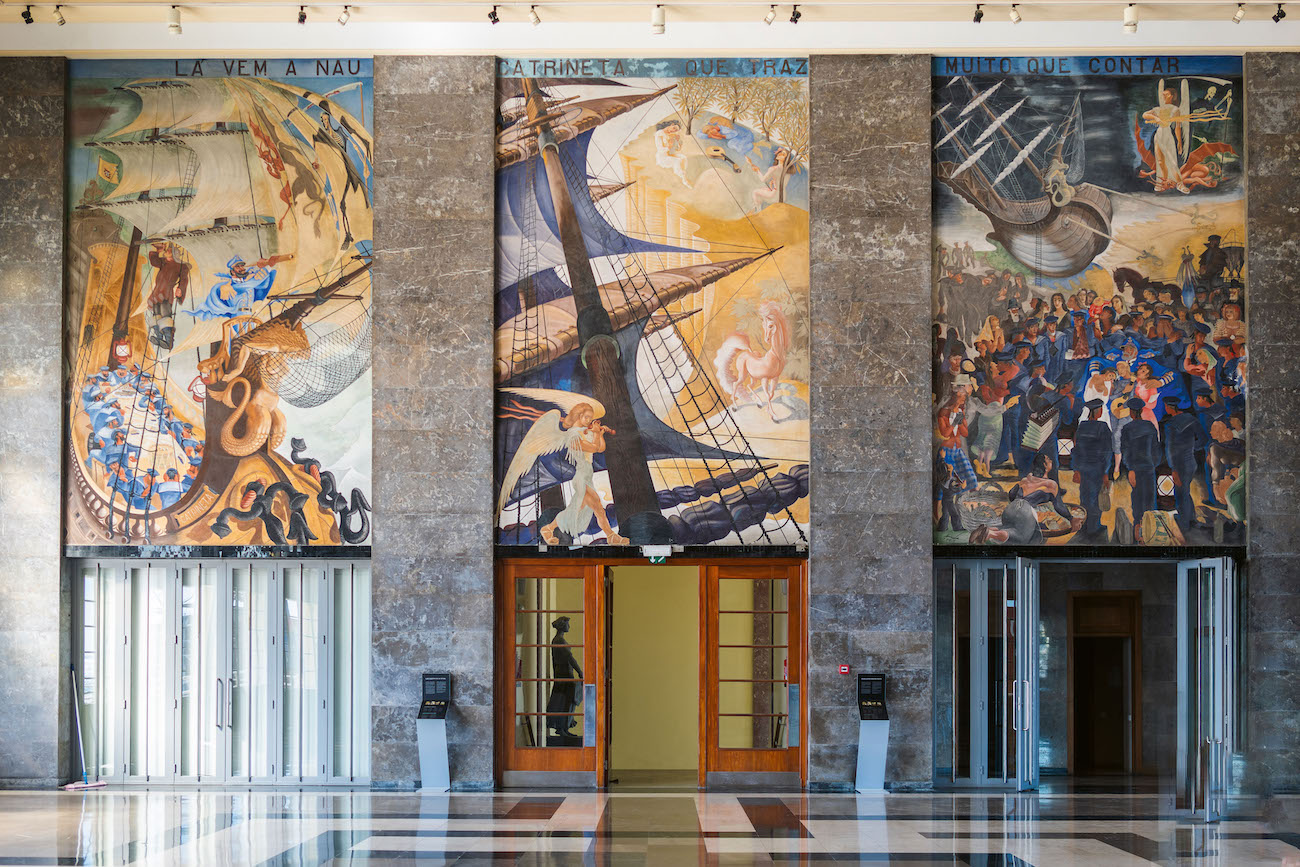
Murals in Maritime Stations, Portugal. (Photo: WMF)
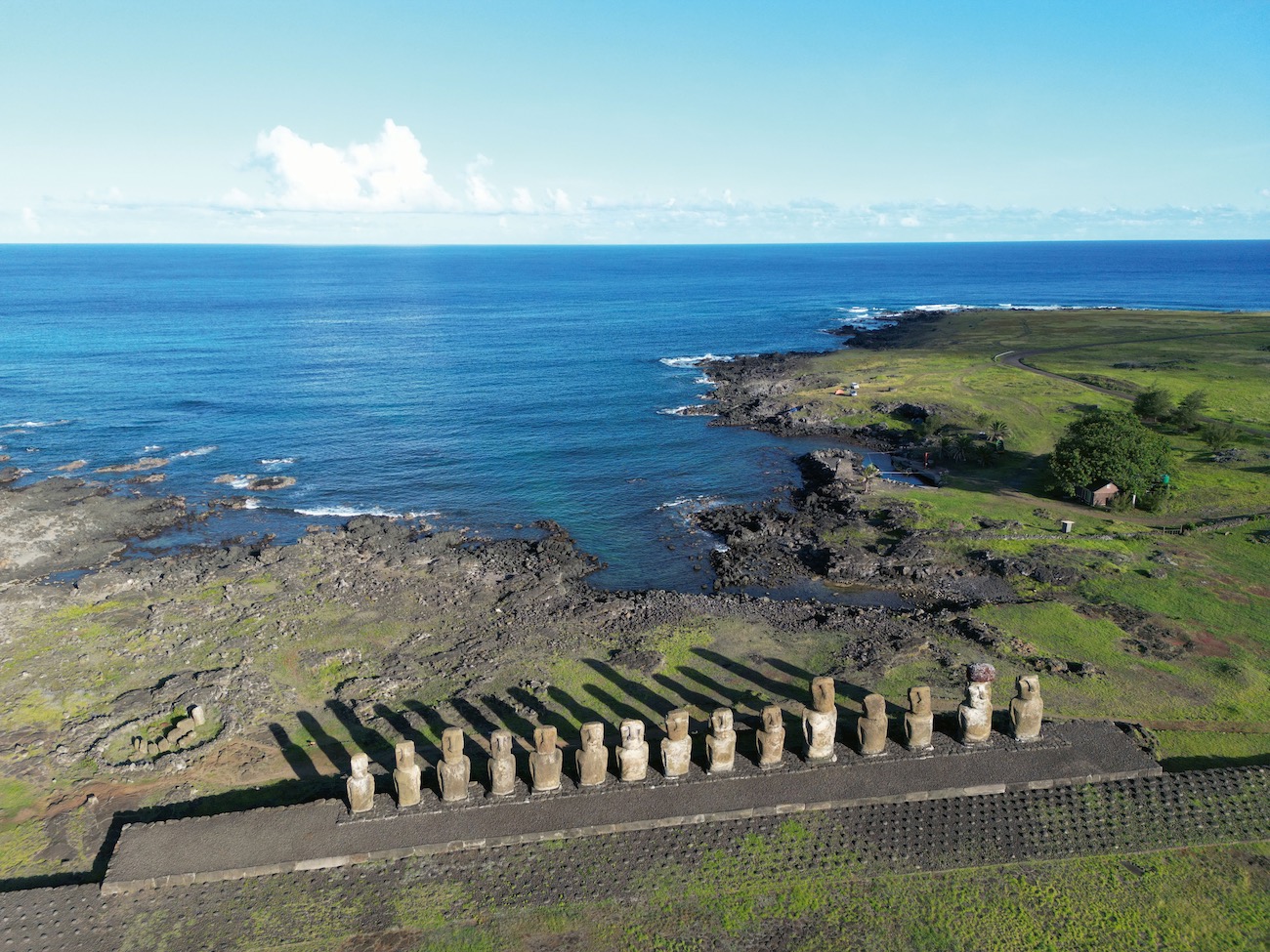
View of Ahu Tongariki on Rapa Nui. (Photo: Rodrigo Rauld)
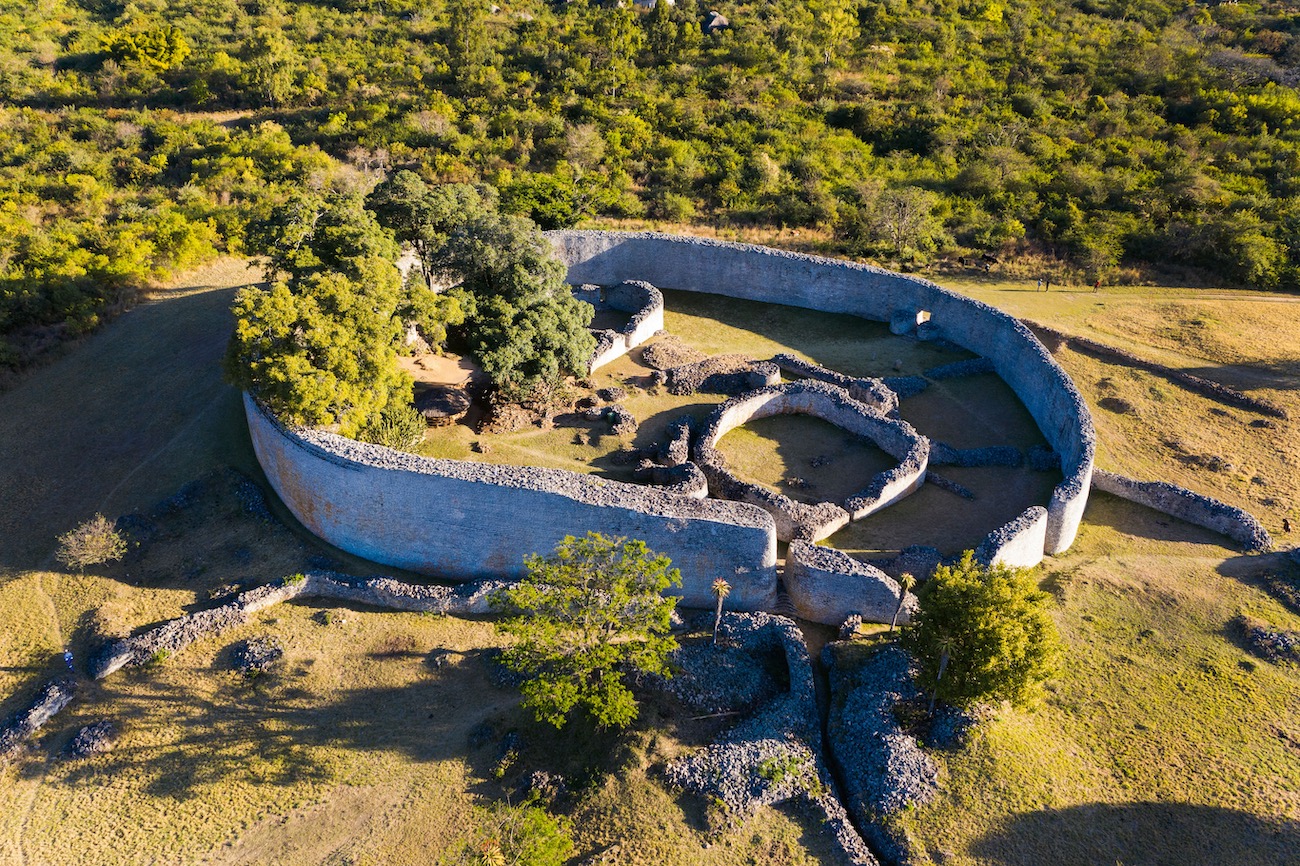
Aerial view of the Great Enclosure in Zimbabwe. (Photo: AdobeStock)