
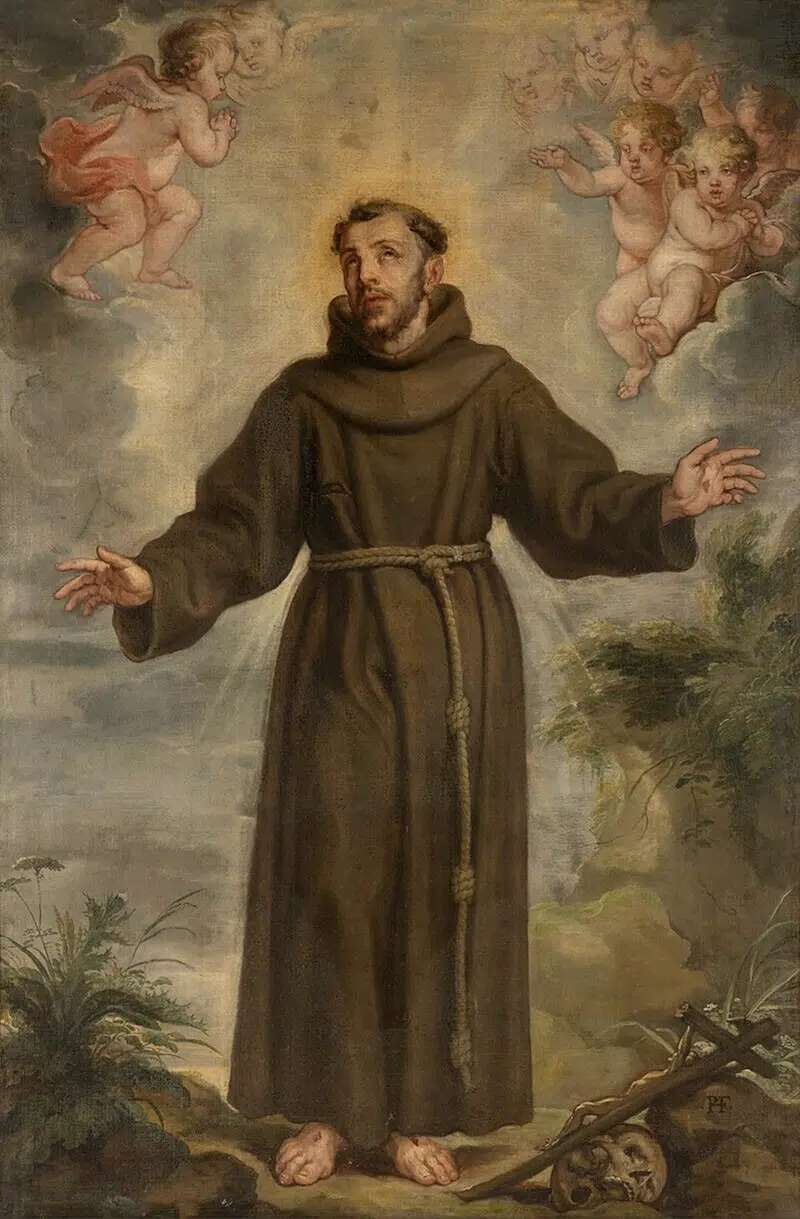
The remains of St. Francis of Assisi will be on public view for the first time since his death in 1226. From February 22 to March 22, 2026, visitors can pay respects to the Catholic patron saint of animals and the environment on the eighth centenary of his death.
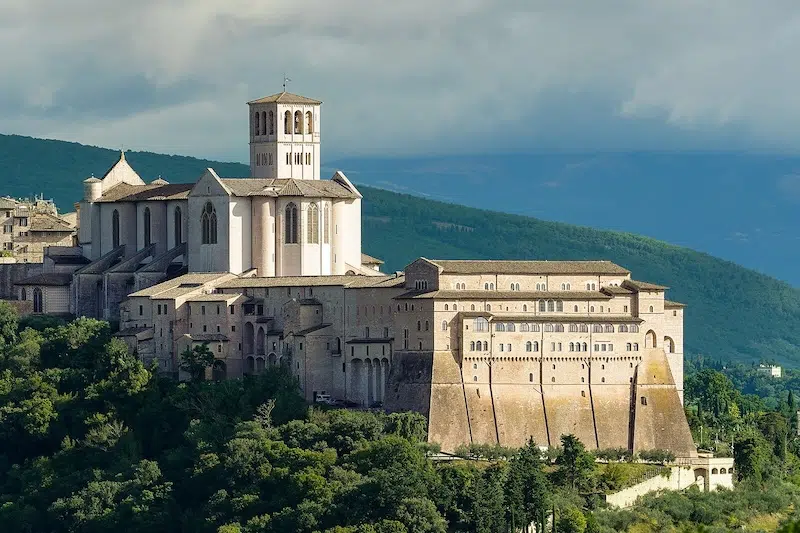
The saint’s remains are part of an exposition titled San Francesco Lives, and remains will be moved from their usual place in a sealed reliquary beneath the Basilica of St. Francis of Assisi to a place of prominence, in front of the Papal altar in the Basilica’s lower church. Despite the Basilica being a popular location for pilgrims visiting Assisi, St. Francis’s remains have never before been made available for viewing, making this a truly momentous occasion.
A statement published by the Sacro Convento, the friary that St. Francis helped found during his lifetime, explains, “This exposition, rooted in the Gospel theme of the seed that dies to bear fruit in love and fraternity, invites us to reflect on the life of the Saint, which continues to bear fruit 800 years later and still inspires humanity along the path of peace, fraternity, service to the poor, joy, and care for creation.”
Pope Leo XIV’s recent approval of this exposition further underscores the importance of the Saint’s legacy in the Catholic Church. Beyond the Church, St. Francis’ care for all living creatures has led to Italian Prime Minister Giorgia Meloni characterizing him as “one of the foundational figures of Italian identity.”
Born sometime in 1181 or 1182 to a wealthy family, St. Francis gave up his comfortable life to grow in his faith and service to others. His philosophy regarding the care and protection of all living beings in the natural world contrasted with the traditional Catholic theologies at the time. With teachings from other saints like St. Anthony of Padua, St. Brigit, and St. Brendan, attitudes towards stewardship of nature and animals began to change within the Catholic Church.
St. Francis of Assisi’s famed compassion for all living things has carried on long since his death and is one of his most recognizable attributes for Catholics and non-Catholics all over the world. The recently deceased Pope Francis chose his papal name after him, and for good reason. San Francesco Lives will be free of charge to the public, and it is expected to garner a large audience for the limited time that the saint’s remains will be out for viewing.
St. Francis of Assisi’s remains will be on display for a limited time in the Basilica of Assisi in celebration of the 800th anniversary of his death.
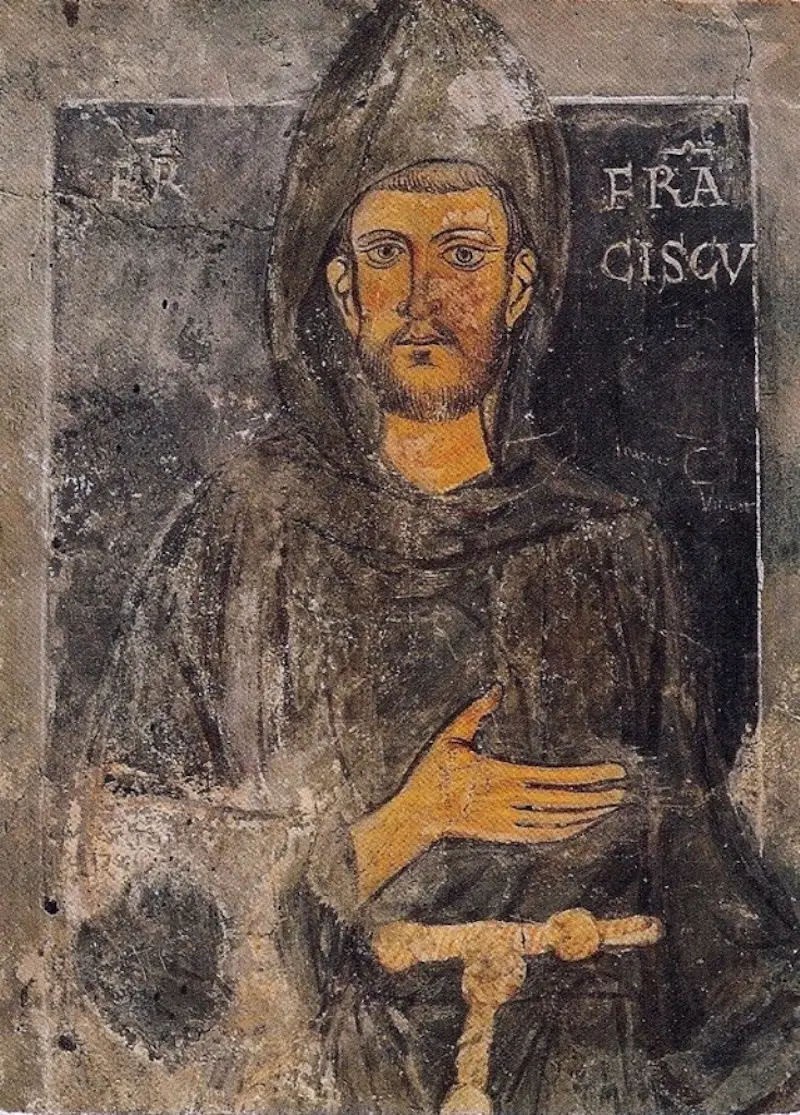
Born sometime in 1181 or 1182, Saint Francis is best known for his care and compassion for all living things, especially animals and nature.

St. Francis’s remains have never been displayed to the public before, marking this a rare and momentous occasion.

The exposition is titled San Francesco Lives, and the remains will be on display from February 22 to March 22, 2026, in Assisi, Italy.


_(14578156749).jpg)
Sources: In February 2026 relics of St. Francis of Assisi to be on public display
Related Articles:
Pope Leo XIV Explains the Significance of His Name and Why It’s Key for Our Current Times
Vatican Museums Open Ancient Roman Necropolis of ‘Via Triumphalis’ to the Public
What Is a Reliquary? Here’s a Short Introduction To the Bejeweled Medieval Vessels