


Peru is home to some of the most famous archaeological sites in the world, including the country’s most-visited monument, Machu Picchu; the colorful wall paintings in Pañamarca; and the enigmatic Nazca lines. Now, a brand new discovery has joined the roster of Peru’s mystifying landmarks. The Ministry of Culture has unveiled new details about Peñico, a recently unearthed site that dates back 3,800 years.
Peñico, located 124 miles north of the Peruvian capital of Lima, is believed to have been founded between 1800 and 1500 BCE. It once served as a trading center for communities on the coast, in the mountains, and in the jungle, earning it the nickname “city of social integration” among archaeologists.
“This urban center developed following the cultural tradition of Caral,” says Dr. Ruth Shady, who led the excavation efforts. Peñico is located 7.5 miles away from the site of Caral, long regarded as the oldest civilization in the Americas. Established in 3000 BCE, the fall of Caral has been attributed to climate change. Now, archaeologists hope that the unearthing of Peñico, considered heir to the splendor of Caral, can provide more answers.
“Due to its strategic location,” Dr. Shady explains, “it linked the coastal and highland villages of Supe and Huaura, as well as those living in the Andean-Amazonian territory with the high Andean space of the region.” At 1,970 feet above sea level, Peruvian archaeologists believe the location of Peñico was chosen to protect against floods and landslides, promote an engaging environment, and make its architecture stand out. It is also possible that Peñico had an important role in trading thanks to the extraction and commercialization of hematite in the area. This mineral, used to make a red pigment is very important in the Andean cosmology.
Researchers first learned about Peñico eight years ago, and carried out the excavations with the help of locals. There, they found 18 structures—a mix of ceremonial temples, public buildings, and residential complexes. The most striking of them was a circular structure on a hillside terrace, next to the ruins of buildings made of stone and mud. Additionally, the archaeologists uncovered religious objects, clay sculptures shaped like humans and animals, as well as necklaces made from beads and seashells.
The Ministry of Culture announced that the archaeological site of Peñico is now open to the public, and will be administered by the same team as Caral. On July 12, the area welcomed its first guests with a traditional Andean party called Peñico Raymi.
For more information on Peñico and how to visit, follow the archaeological site of Caral on Instagram.
Peru’s Ministry of Culture has unveiled new details about Peñico, a recently unearthed site that dates back 3,800 years.
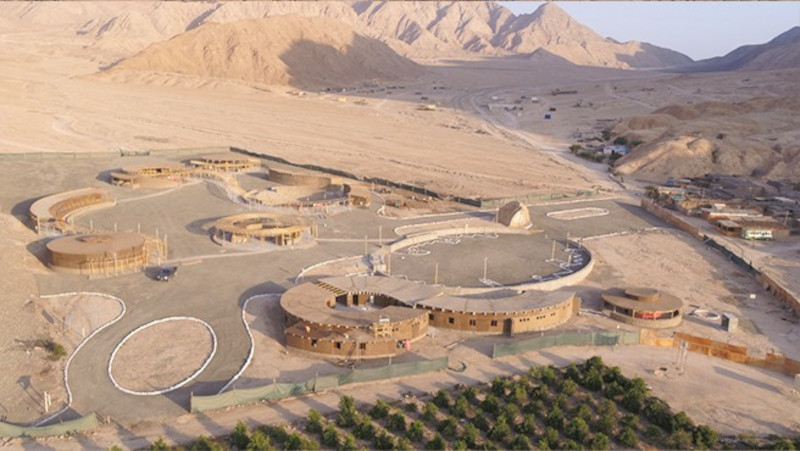
It once served as a trading center for communities on the coast, in the mountains, and in the jungle, earning the nickname “city of social integration” among archaeologists.
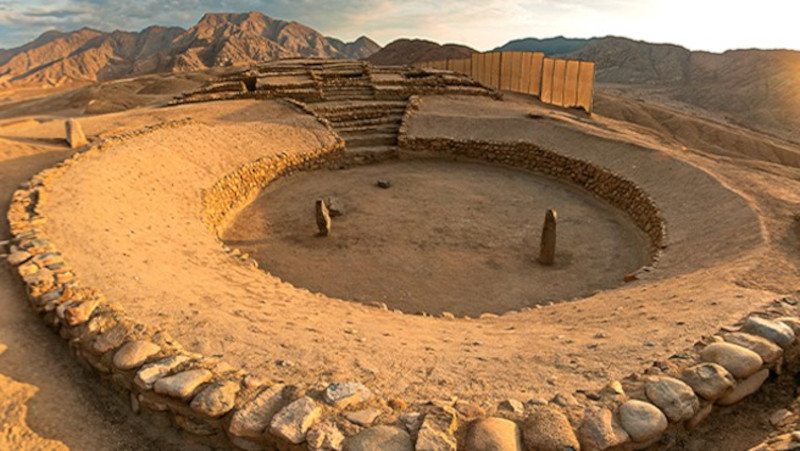
18 structures have been found on the site, such as ceremonial temples, public buildings, and residential complexes.
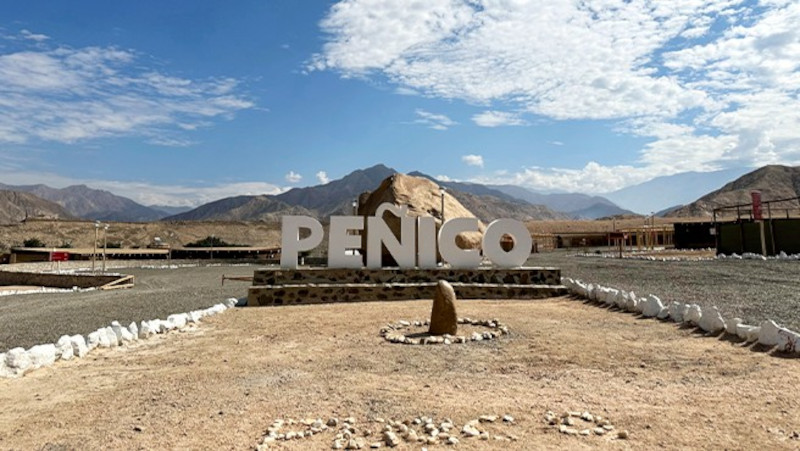
The Ministry of Culture announced that the archaeological site of Peñico is now open to the public. On July 12, the area welcomed its first guests with a traditional Andean party.
Ver esta publicación en Instagram
Ministry of Culture of Peru: Website | Instagram | Facebook
All images via Ministry of Culture of Peru.
Sources: Peñico: La nueva joya arqueológica de Supe abre sus puertas al Perú y al mundo; Archaeologists unveil 3,500-year-old city in Peru; Revelan detalles inéditos de antigua ciudad peruana de más de 3.000 años de antigüedad que abrirá al público
Related Articles:
Researchers Use Laser Technology To Reveal Tattoos on 1,200-Year-Old Peruvian Mummies
Astonishingly Painted Throne Room Is Found by Archeologists in an Ancient Peruvian Site
Ancient Rock Art Depicts Psychedelic Music and Dance in Peru
16-Million-Year-Old Skull of Extinct Species of Giant Dolphin Discovered in Peru