

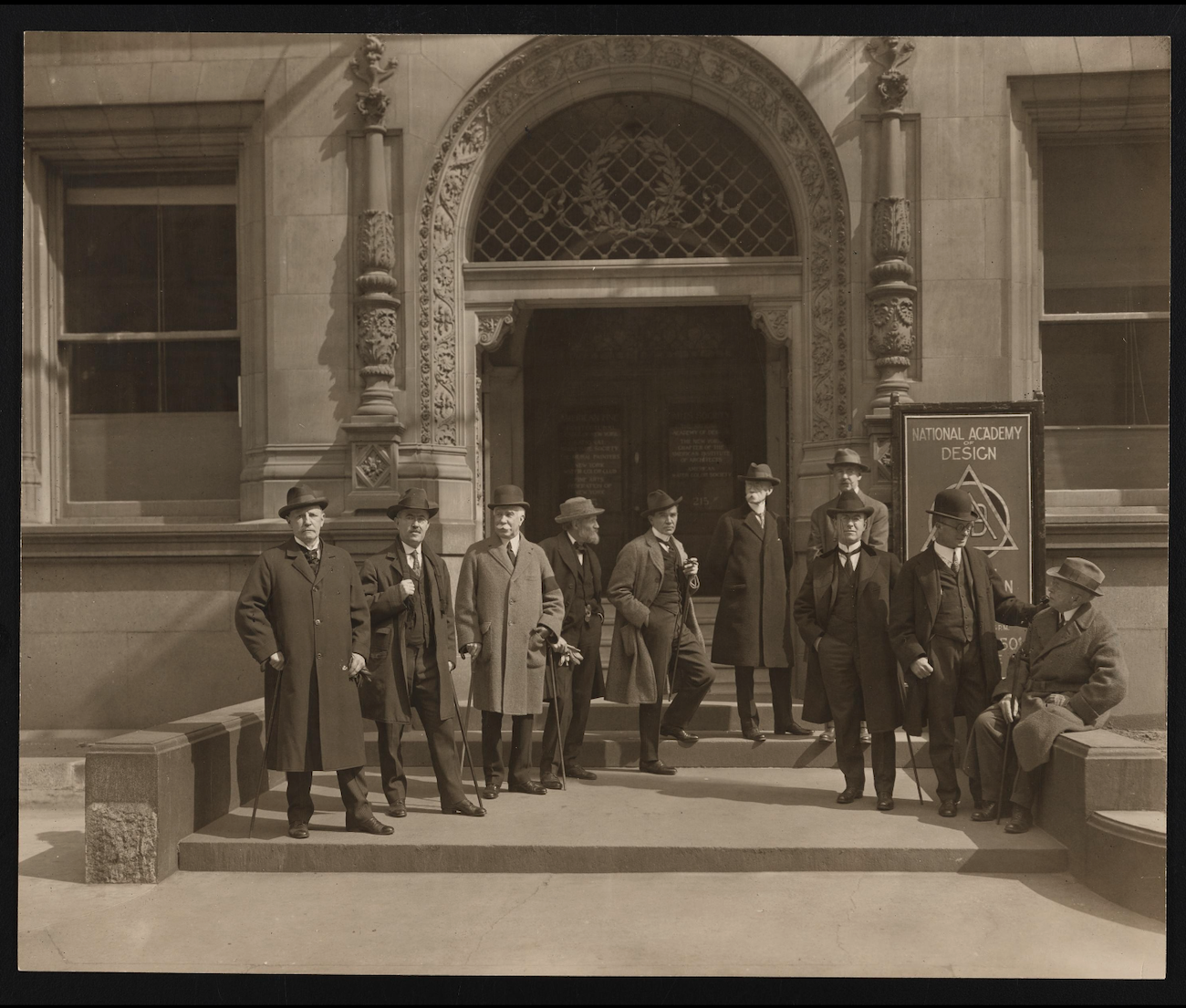
Archival imagery of the National Academy of Design.
On November 8, 1825, thirty artists and architects met in the rooms of the New York Historical Society, a stately building nestled along Central Park. At that time, the city had no established art schools, no museums, and no galleries—and this group hoped to change that. Their meeting, which is now considered New York’s first-ever general assembly of artists, resulted in a new organization, one that would transform an urban landscape into a global arts capital.
Over the past two centuries, that very same organization has evolved into what we know today as the National Academy of Design (NA). Now in its 200th year, NA has solidified its presence as a beacon of creativity, innovation, and advocacy, having inducted more than 2,400 artists and architects as National Academicians since its founding.
To mark the occasion, the academy recently hosted a birthday celebration at the Morgan Library in Manhattan, where it inducted its 200th class of annual Academicians. This year, luminaries such as Tacita Dean, Sheila Hicks, Mia Lehrer, Trey Trahan, and Nina Yankowitz joined NA’s ranks, reflecting its continued commitment to arts and culture throughout the United States.
But NA has plenty of other anniversary plans on its agenda as well. Now on view at the organization’s location in Chelsea, Whose America? examines artistic production throughout the U.S., through the lens of contrasting visions and perspectives. The exhibition gathers work from NA’s eclectic roster of National Academicians, offering a multidisciplinary answer to the questions: Who is America? Who does it belong to? Who writes its history?
“Standing at this moment—honoring where we have been while envisioning where we are going—we have an extraordinary opportunity to redefine what an artist-led institution can be in the 21st century,” says Gregory Wessner, NA’s executive director. “While this anniversary is a year-long celebration of our remarkable history, it is also the threshold of our third century—and I could not be more excited by what comes next.”
On the occasion of its bicentenary, My Modern Met had the chance to speak with Wessner about the organization’s origins, its mission, and its range of special anniversary programs. Read on for our exclusive interview with Gregory Wessner.
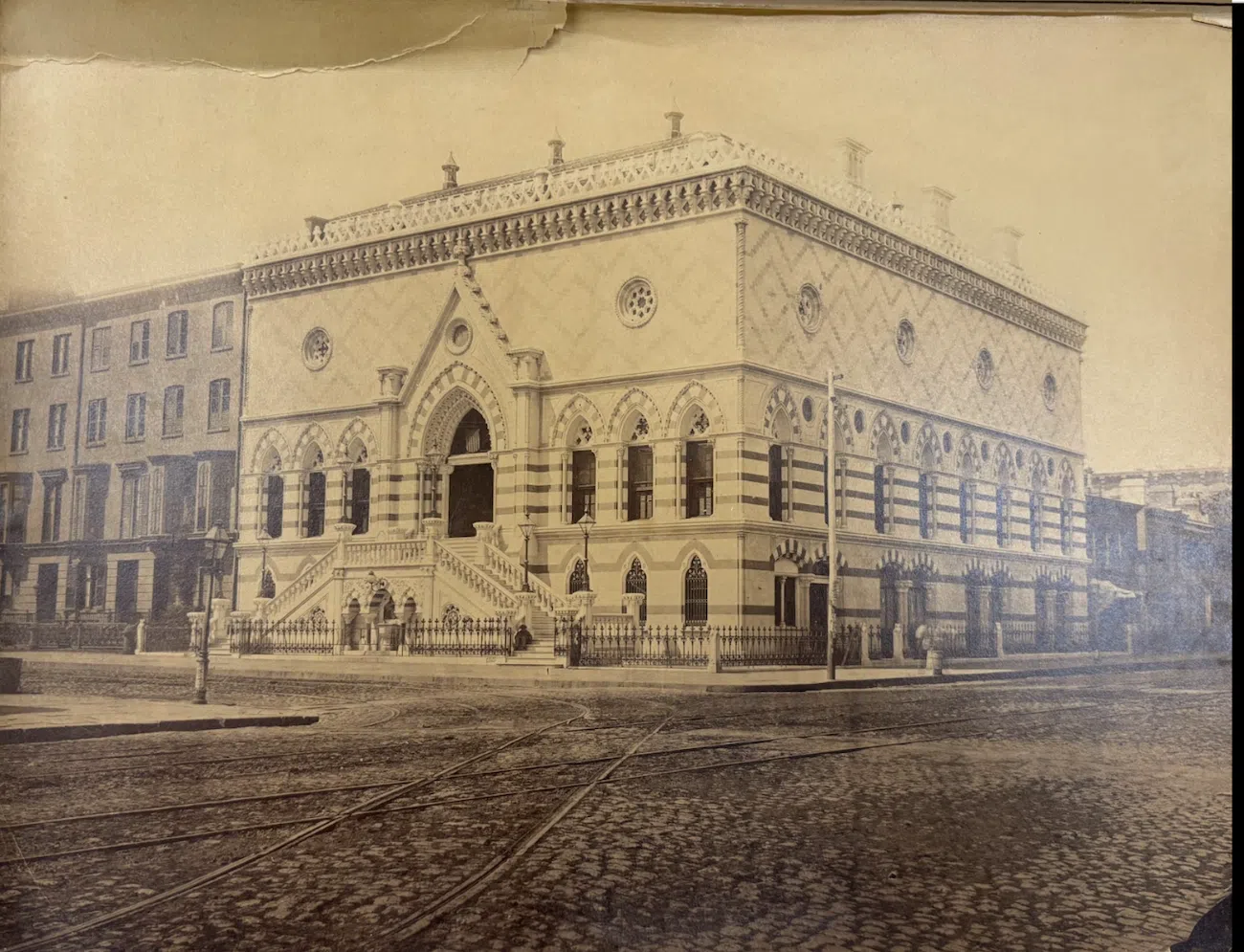
Archival imagery of the National Academy of Design.
For those unfamiliar with the organization, what are the origins and the purpose of the National Academy of Design?
The National Academy of Design was founded on November 8, 1825, when a group of 30 artists and architects held a meeting in New York City, before New York had any art museums, art schools, or galleries. Their meeting was considered by those in attendance to be the first-ever meeting of artists in the city. They gathered because they recognized that if they were to grow as artists and if the public were to deepen its appreciation of art, they needed to take matters into their own hands.
Out of that meeting, they created an organization focused on the training of artists, the exhibition of contemporary art, and the celebration of excellence in art and architecture through the election of honorary National Academicians.
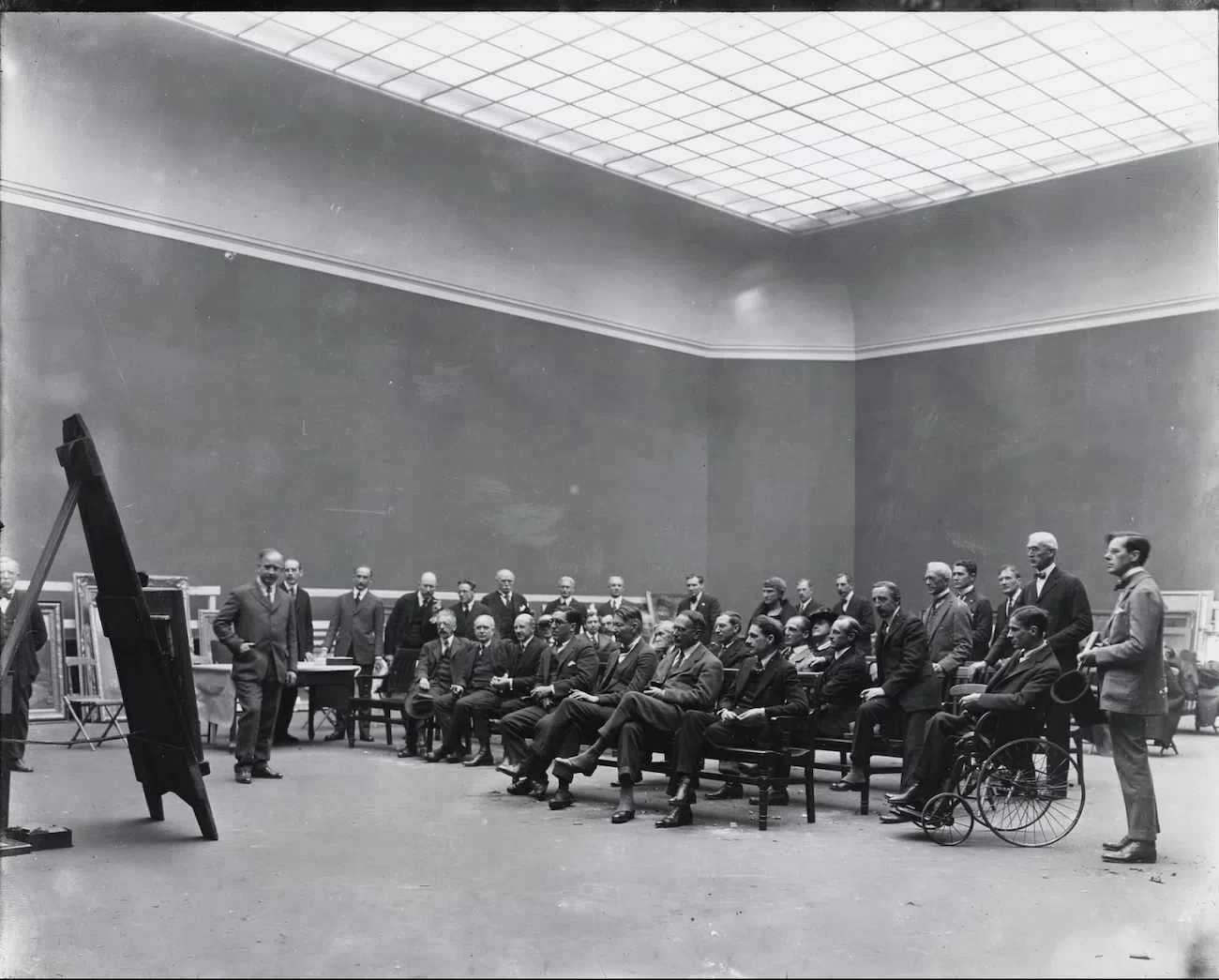
Archival imagery of the National Academy of Design.
How has the Academy evolved in the two centuries since its founding in 1825?
It should come as no surprise that, over two centuries, the Academy has evolved considerably. That it has endured this long is a testament to our membership of Academicians and to the broader community of artists and architects across the country. We are, in fact, emerging from one of the most significant transformations in the Academy’s history: the sale of our longtime home on Manhattan’s Museum Mile in 2019 and the opening of our new space in fall 2023 in the heart of Chelsea.
For all of the change that we have experienced over our many years, this moment represents, in many respects, a return to our founding principles—to foster a community of artists and architects, to educate aspiring practitioners, to celebrate innovation and excellence, and to serve as a forum for the advancement of art and architecture in America.
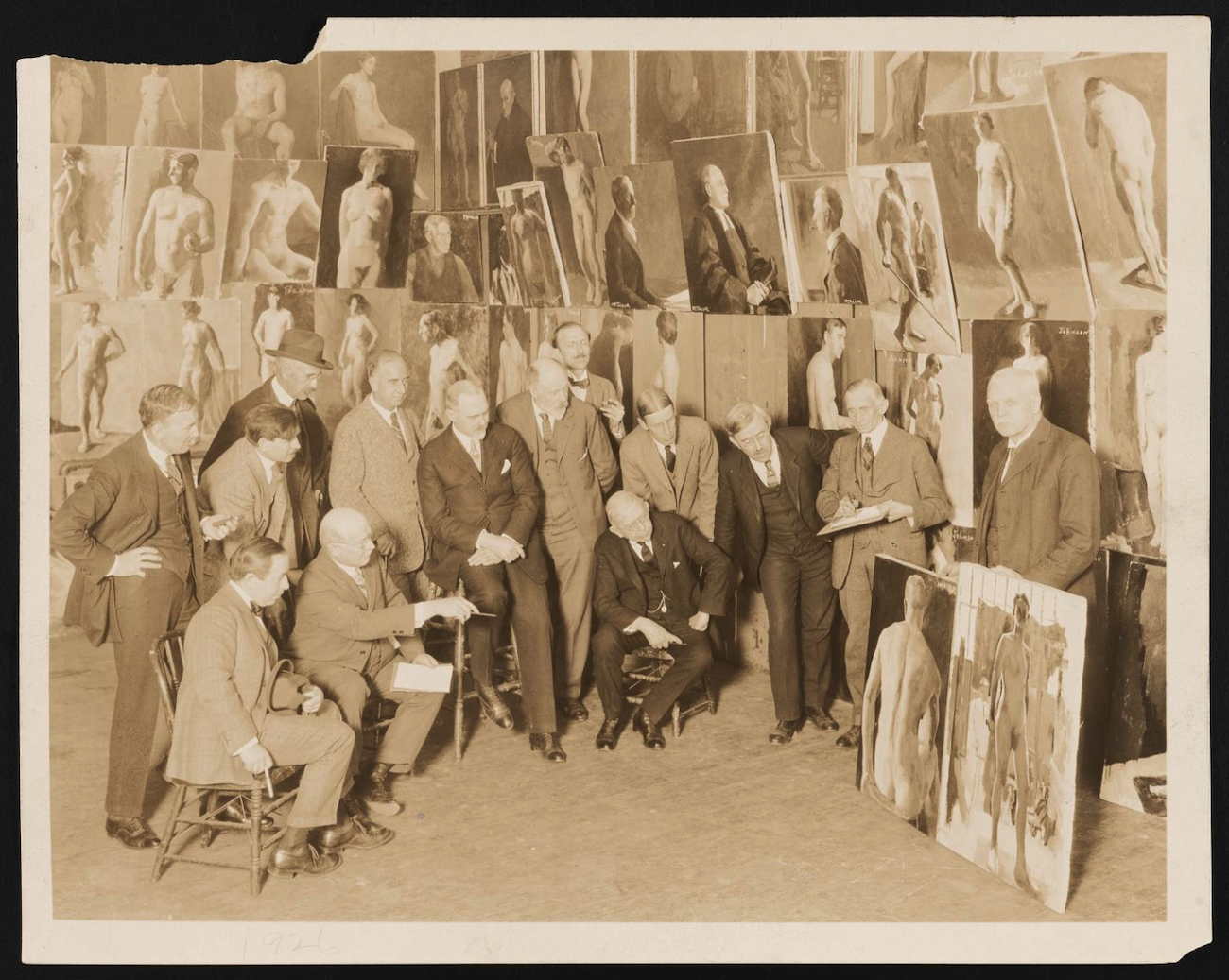
Archival imagery of the National Academy of Design.
What can we expect from the organization as you celebrate your 200th anniversary?
We have been preparing for this anniversary for at least five years. After the disruptions of the pandemic and the social justice protests of 2020 and beyond, it felt essential that this milestone be more than just a moment of self-congratulation. It needed to be an opportunity to ask harder, more consequential questions.
Given the Academy’s longevity—and its predominance in the 19th century—it is fair to say that it played a defining role in the development of the arts in America. Our anniversary, therefore, is intended to critically reflect on that history while also helping to reposition the Academy for the future.
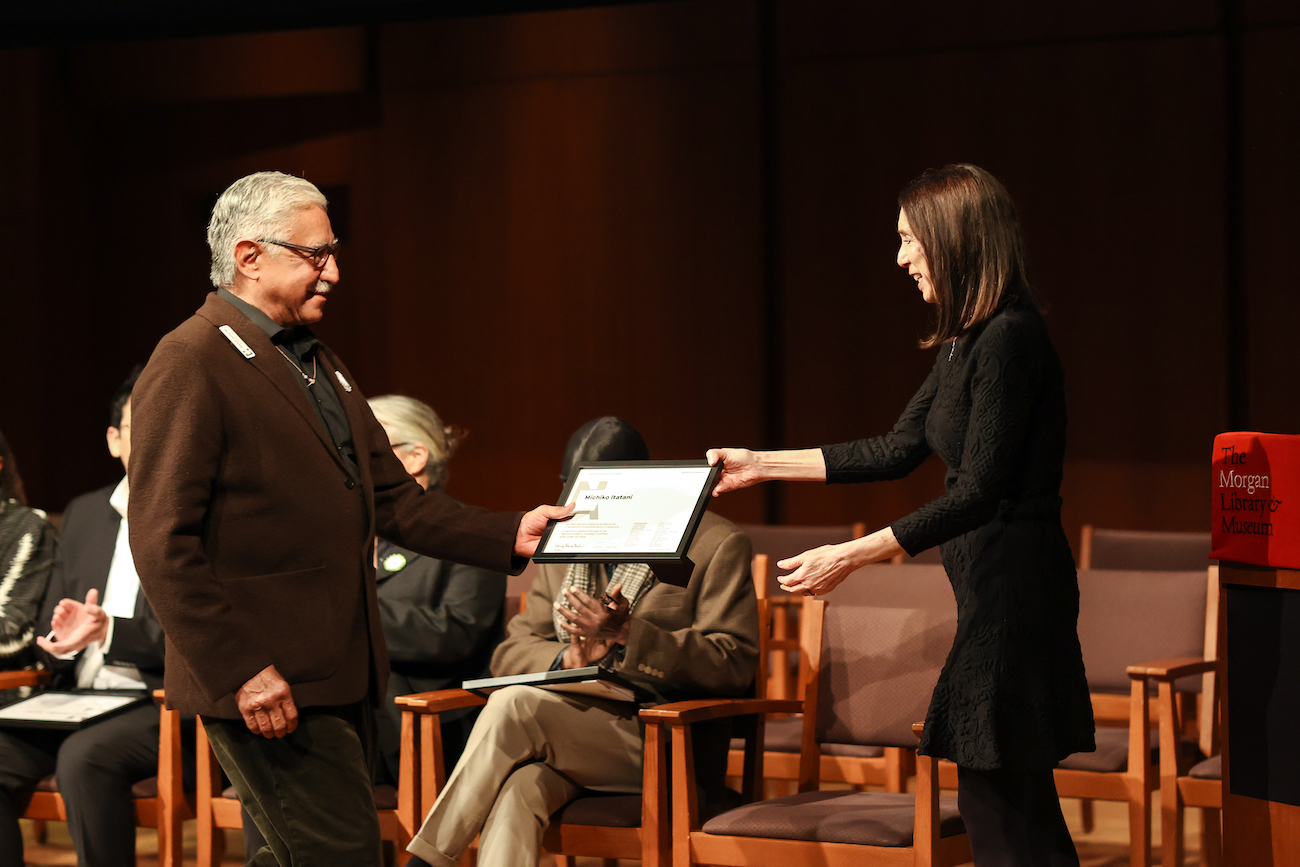
Michiko Itatani, one of this year’s Academicians, receiving his induction certificate from the National Academy of Design. (Photo: BFA)
What is the process of selecting the Academy’s annual class of national academicians?
The most important thing to understand about the election of National Academicians is that it is driven entirely by the current members—a truly peer-to-peer process. Each year, the approximately 450 Academicians living across the country are invited to nominate artists and architects whom they believe have made significant contributions to art and architecture in the United States. While American citizenship is not required, nominees are expected to maintain a meaningful presence in the U.S., such as a studio or office, residence, or teaching appointment.
Nominators assemble a full nomination package, including a letter of support, images of the nominee’s work, and other supporting materials. All nominee materials are then made available to the full membership on a dedicated web portal. Through a rigorous two-step balloting process, the Academicians elect the incoming class of National Academicians.
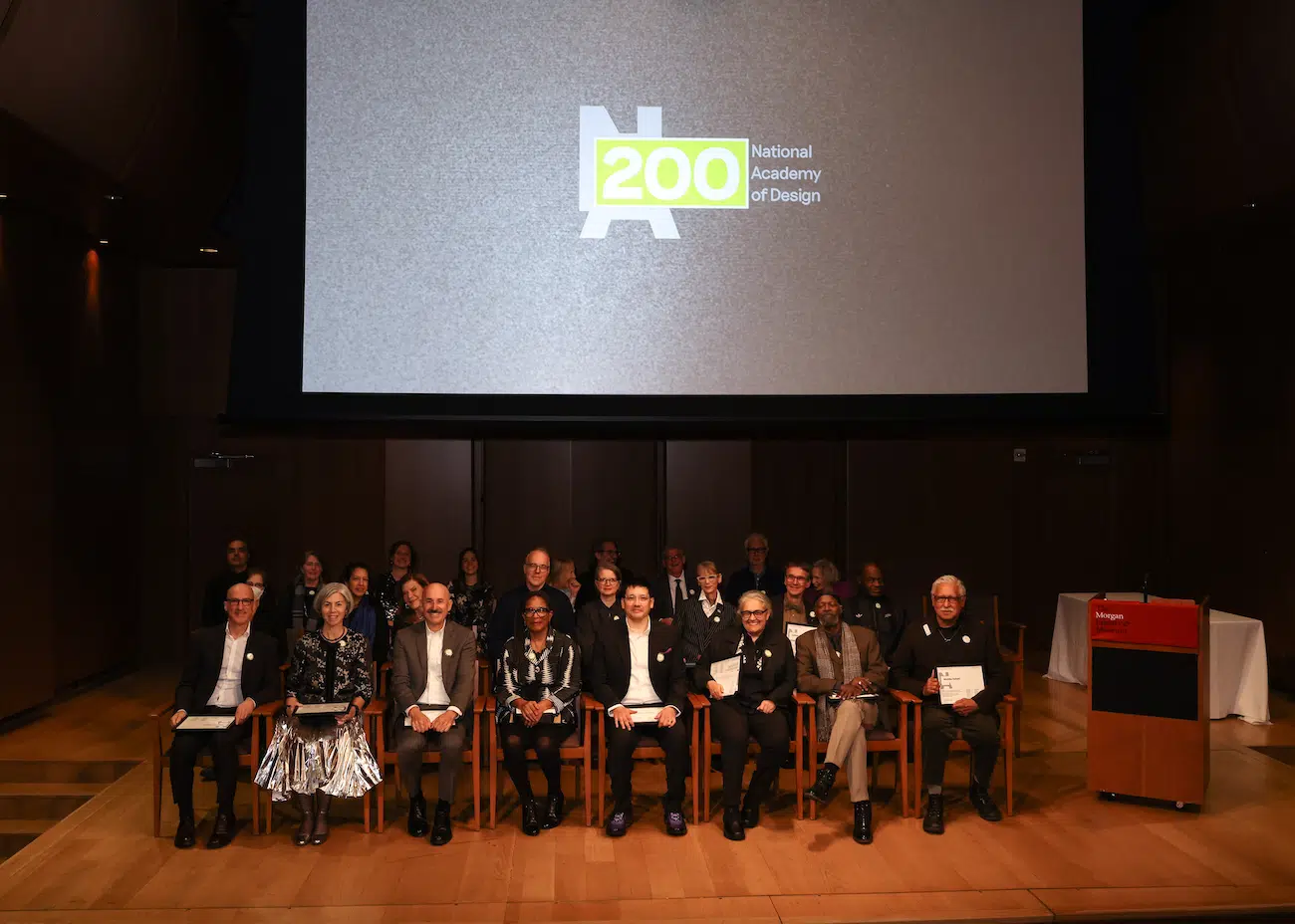
The 2025 class of Academicians during the National Academy of Design’s induction ceremony, held on November 8 at the Morgan Library in New York, NY. (Photo: BFA)
What distinguishes the 200th class of academicians, especially in comparison to other years?
The criteria for election as a National Academician in our 200th anniversary year were no more or less exacting than in any other year. Even so, the Class of 2025 feels especially emblematic of the Academy at this moment in its history. The range of their practices—along with their geographic and demographic diversity—reflects who we are today and the direction in which we are moving as we enter our third century. I could not be more excited to work with them and celebrate their work.
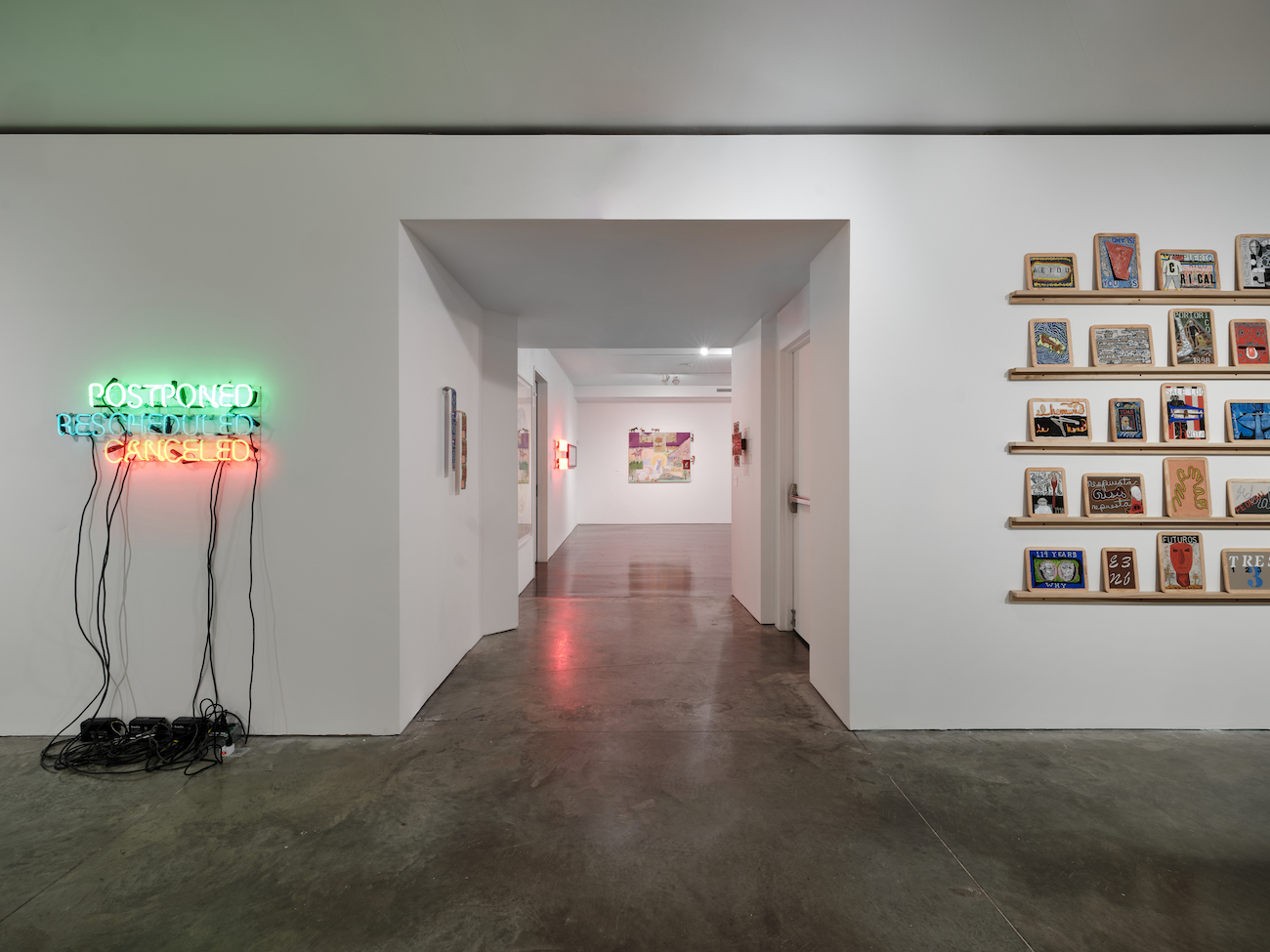
Installation view of “Whose America?,” at the National Academy of Design in New York, NY.

Installation view of “Whose America?,” at the National Academy of Design in New York, NY.
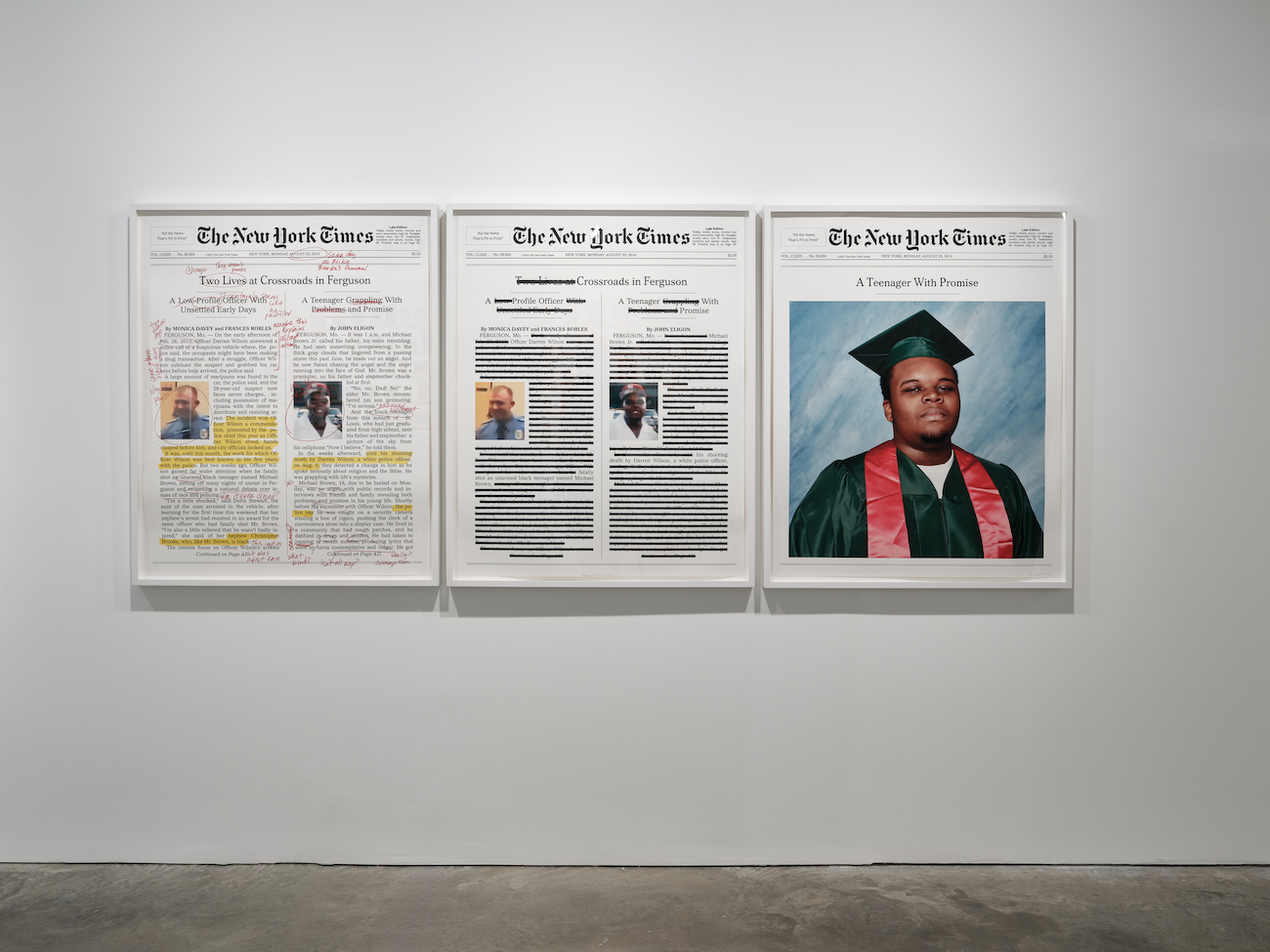
Installation view of “Whose America?,” at the National Academy of Design in New York, NY.
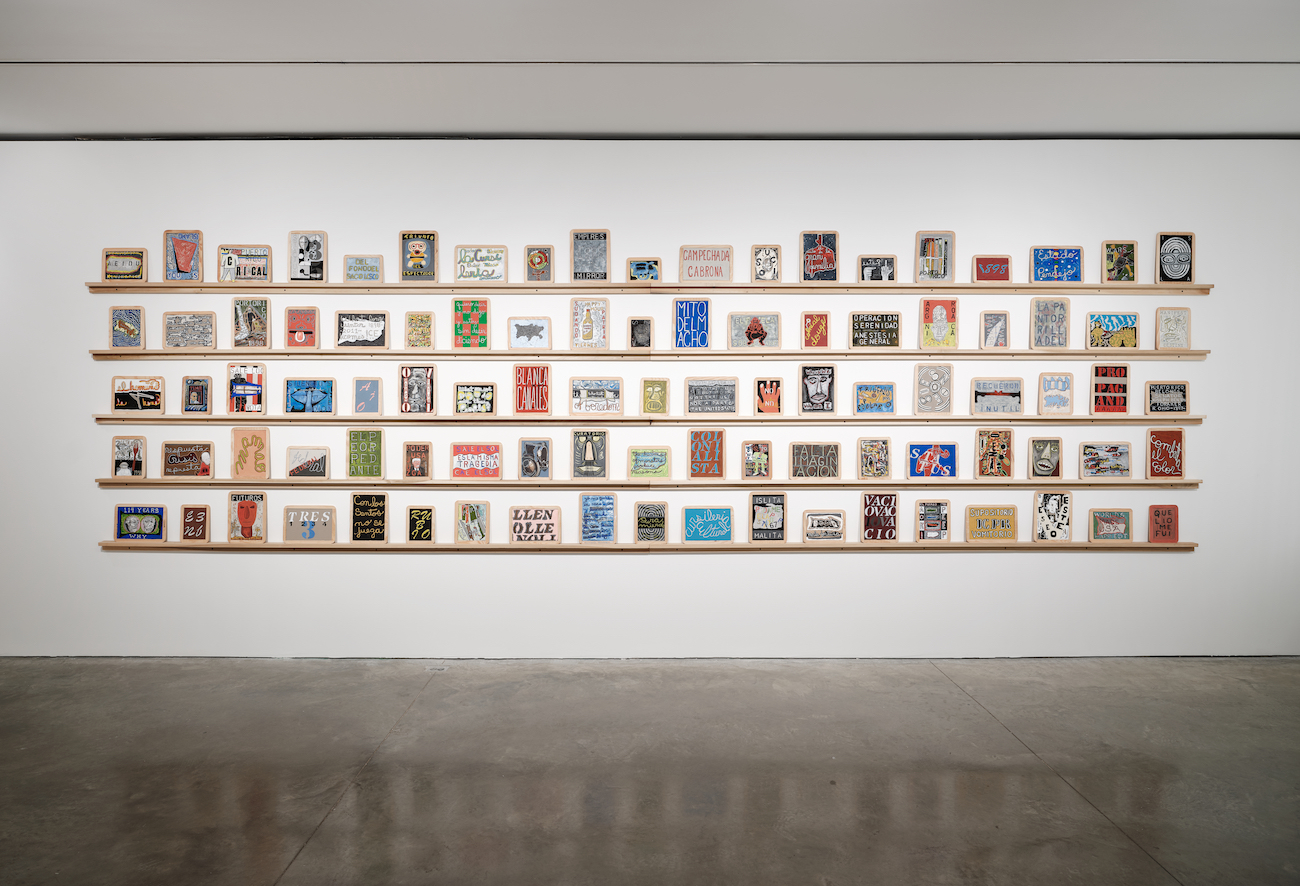
Installation view of “Whose America?,” at the National Academy of Design in New York, NY.
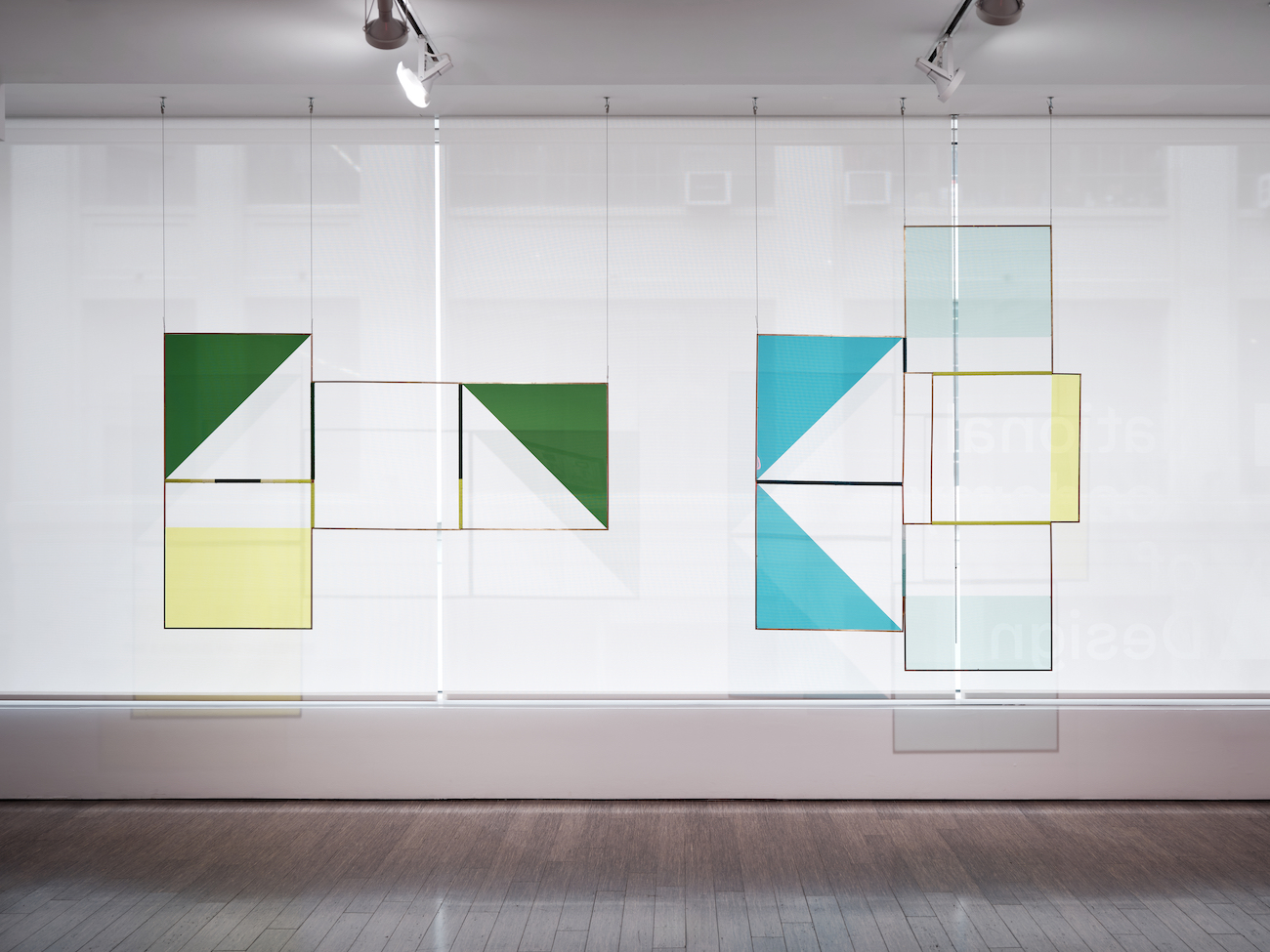
Installation view of “Whose America?,” at the National Academy of Design in New York, NY.
How does the Whose America? exhibition fit into the Academy’s 200th anniversary?
Whose America? is a great example of how we’re using the anniversary to explore bigger, more consequential questions. As the oldest artist-run organization in the U.S., the Academy’s history is inseparable from the history of the arts in America. In our earliest years, the founding artists and architects—like many people of their time—were grappling with what it meant to be “American.”
For them, that inquiry carried an added dimension: What did it mean to be an artist in America, without the aristocratic patronage systems of Europe? By intention or by default, their artworks helped shape the image of America, which in turn informed an evolving sense of national identity. Most of the artists of the Hudson River School, for example, were Academicians and often held key leadership roles within the institution.
Against that backdrop, an exhibition like Whose America? allows us to ask essential questions such as: Who is America for, and who gets to define it?
Are there other bicentenary exhibitions and programs in the pipeline?
Our next anniversary exhibition, Future Schools: Toward a 21st-Century Academy, builds on our history as New York’s first art school by exploring the future of arts education through an array of artist-led experiments and propositions. And the program series Innovating Art History further extends this work, examining overlooked narratives in American art and architectural history through the perspectives of scholars, historians, and artists who are reshaping how we understand art and culture in the U.S.

Gregory Wessner delivering opening remarks during the National Academy of Design’s induction ceremony. (Photo: BFA)
What comes next for the National Academy of Design, following this remarkable milestone?
While this anniversary is a year-long celebration of our remarkable history, it is also the threshold of our third century—and I could not be more excited by what comes next. The past decade has brought enormous change, both within the Academy and across the cultural landscape, and we are emerging from this period stronger, more focused, and more ambitious than ever.
We are reaffirming and expanding our founding commitment to supporting contemporary artists and architects, fostering bold new work, and engaging deeply with the ideas shaping art and culture today. At the same time, the Academy’s identity as the nation’s oldest artist-led organization gives us a unique platform: a place where the voices of artists and architects are not only represented but centered, and where our history provides both grounding and inspiration for innovation.
Standing at this moment—honoring where we have been while envisioning where we are going—we have an extraordinary opportunity to redefine what an artist-led institution can be in the 21st century.
The National Academy of Design: Website | Instagram
My Modern Met granted permission to feature photos by Alma Communications.
Related Articles:
Get To Know the Denver Art Museum, a Global Museum With Regional Emphasis [Interview]
Art Toronto Director Shares What We Can Expect From “Canada’s Art Fair” This Year [Interview]
How Populus Seattle Curated a Dynamic Art Collection Where Everything Is for Sale [Interview]