

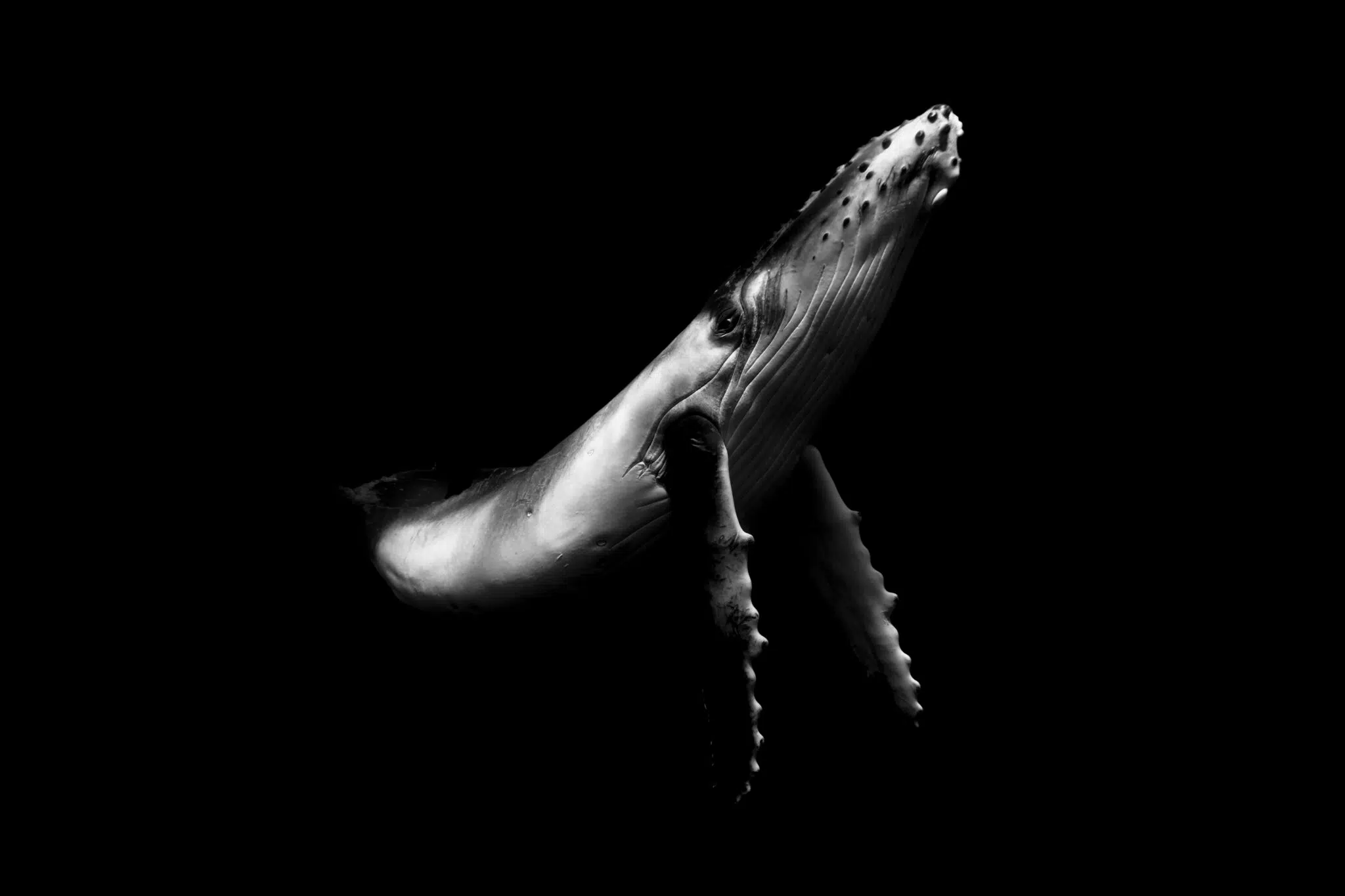
“Character”
In Matt Draper’s mind, there isn’t a single subject that’s more unpredictable, and thus rewarding, than the ocean. For more than a decade, the photographer has plunged into the sea, resurfacing with delicate, monochromatic snapshots of the marine animals that live below. While underwater, nothing is staged, nothing is guaranteed, and every second must be treated with both agility and sensitivity—lest the moment falter in front of the camera.
“Photographing wildlife underwater feels more like a conversation than an observation,” Draper tells My Modern Met. “The animals decide the distance, the rhythm, the amount of time. You are simply allowed in if they choose to let you in, and that is what makes the medium so honest.”
That honesty is at the core of Draper’s latest photographic series, Within One Breath, which is currently on view through January 11, 2026, at the Leica Gallery in New York. As its title suggests, the project revolves around images shot within one breath while freediving, heightening the drama that defines the atmospheric, otherworldly environments in which seals, whales, and sharks exist.
These compositions evoke a certain candor, showcasing how fleeting and ultimately singular each scene is. One photograph, for instance, depicts a shark with a gaping mouth, its marred, rubbery skin caught with such clarity and tonal depth, that it almost resembles a charcoal drawing. Another photograph features a seal floating in a black abyss, suspended as if flying through space. Taken in its entirety, Within One Breath offers a poignant glimpse into these animals and their habitats, stripping away any extraneous details.
There is, of course, a physical challenge involved in freediving and shooting in a single breath. But, from a practical standpoint, Draper insists that there’s a creative advantage.
“I stay at the surface, watch, then choose the exact moment to dive,” he explains. “I am quieter and less intrusive, which lets the animals decide how close they want me. That sense of trust is a big part of the work.”
Karin Rehn-Kaufmann, art director and chief representative of Leica Galleries International, echoes the sentiment: “Welcoming Matt Draper back to Leica is truly special, as his work embodies patience, deep respect for nature, and the profound stillness at the heart of our brand,” she tells My Modern Met. “Leica’s galleries exist to spark dialogue between images and people, and artists like Matt remind us how photography can inspire when approached with integrity and purpose.”
My Modern Met had the chance to chat with Matt Draper about his photographic practice, his enduring fascination with the ocean, and the Within One Breath series. Read on for our exclusive interview with the photographer.
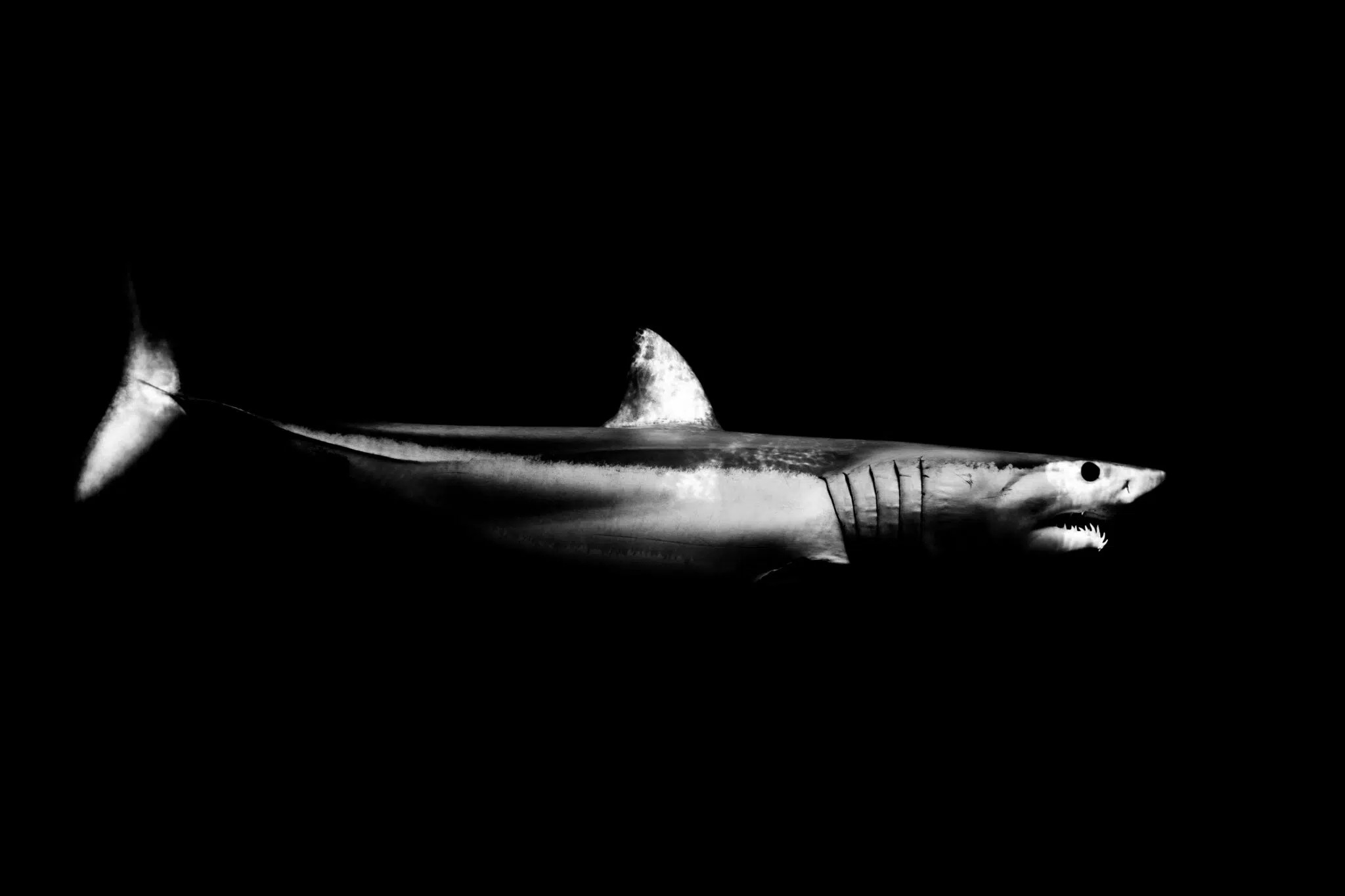
“Fig. 6159”
What first drew you to photography as your primary artistic medium?
That is a great question, and it could be answered in multiple ways, especially from a results point of view, but I never set out to become a photographer. It started as a way to make sense of the world around me. For most of my life, I worked in construction. The ocean was my escape, and the camera became another way of staying connected to it.
Photography gave me a language I did not have before. It became a way to explore ideas and express things I could never articulate any other way. The more I leaned into it, the more I realized it was less about taking pictures and more about understanding how I see, how I think, and what I care about.
I believe creativity can be expressed in so many different disciplines. I even look back to carpentry, and while it may not have felt like it at the time, it is a form of expression. Photography has been a huge part of that for me for over 10 years now, but I am also shifting into industrial design and that has been really refreshing, too.
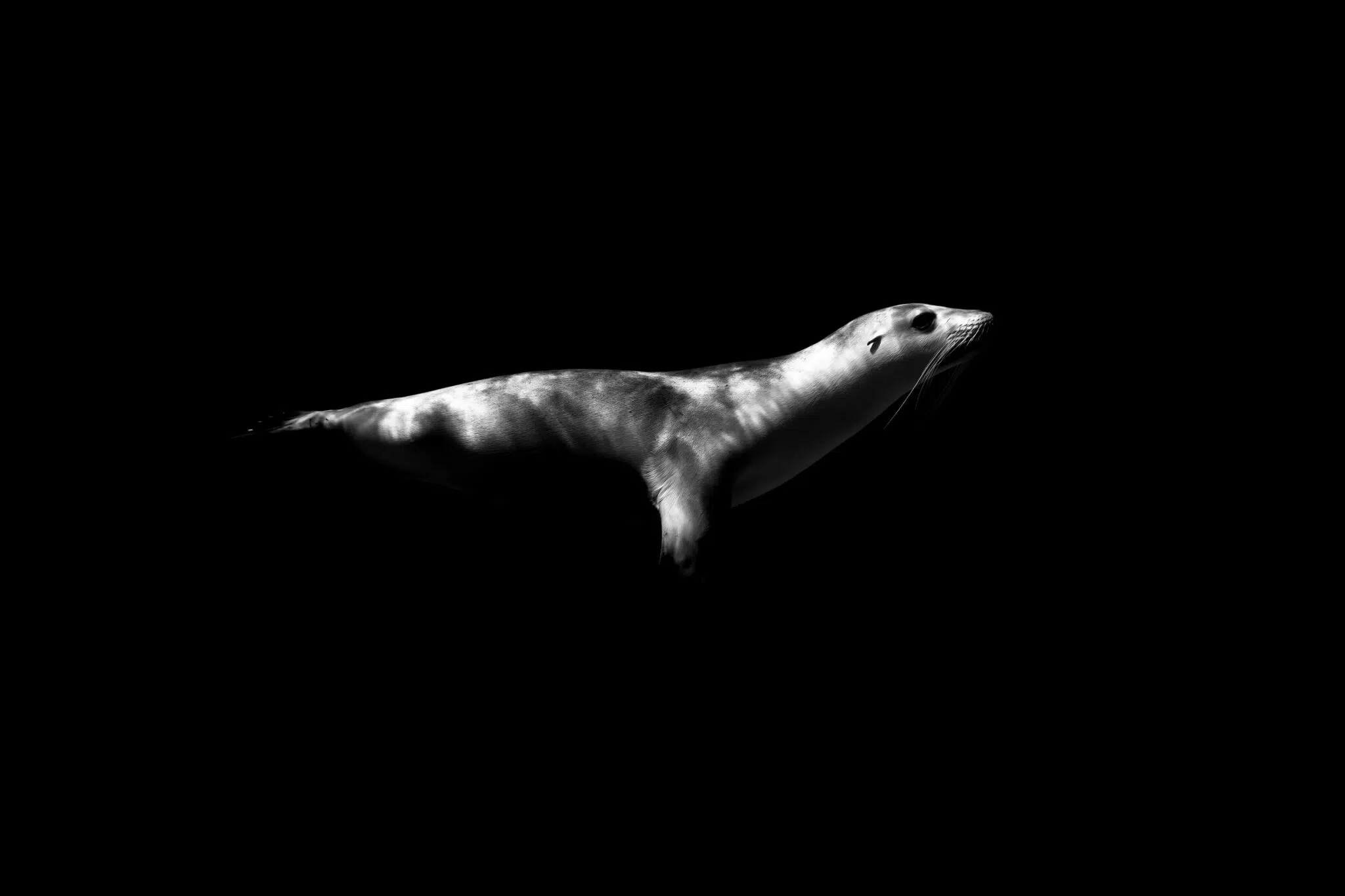
“Bella”
What compels you about the ocean as a photographic subject, and how does capturing its wildlife differ from other forms of photography?
The ocean is unpredictable, powerful, and completely indifferent to you, which is exactly what makes it compelling. Nothing is staged, nothing is guaranteed, and every moment feels earned. You cannot force anything. You show up, stay calm, and see what she gives you.
Photographing wildlife underwater feels more like a conversation than an observation. The animals decide the distance, the rhythm, the amount of time. You are simply allowed in if they choose to let you in, and that is what makes the medium so honest. The ocean decides the terms, but you must be ready when something reveals itself.
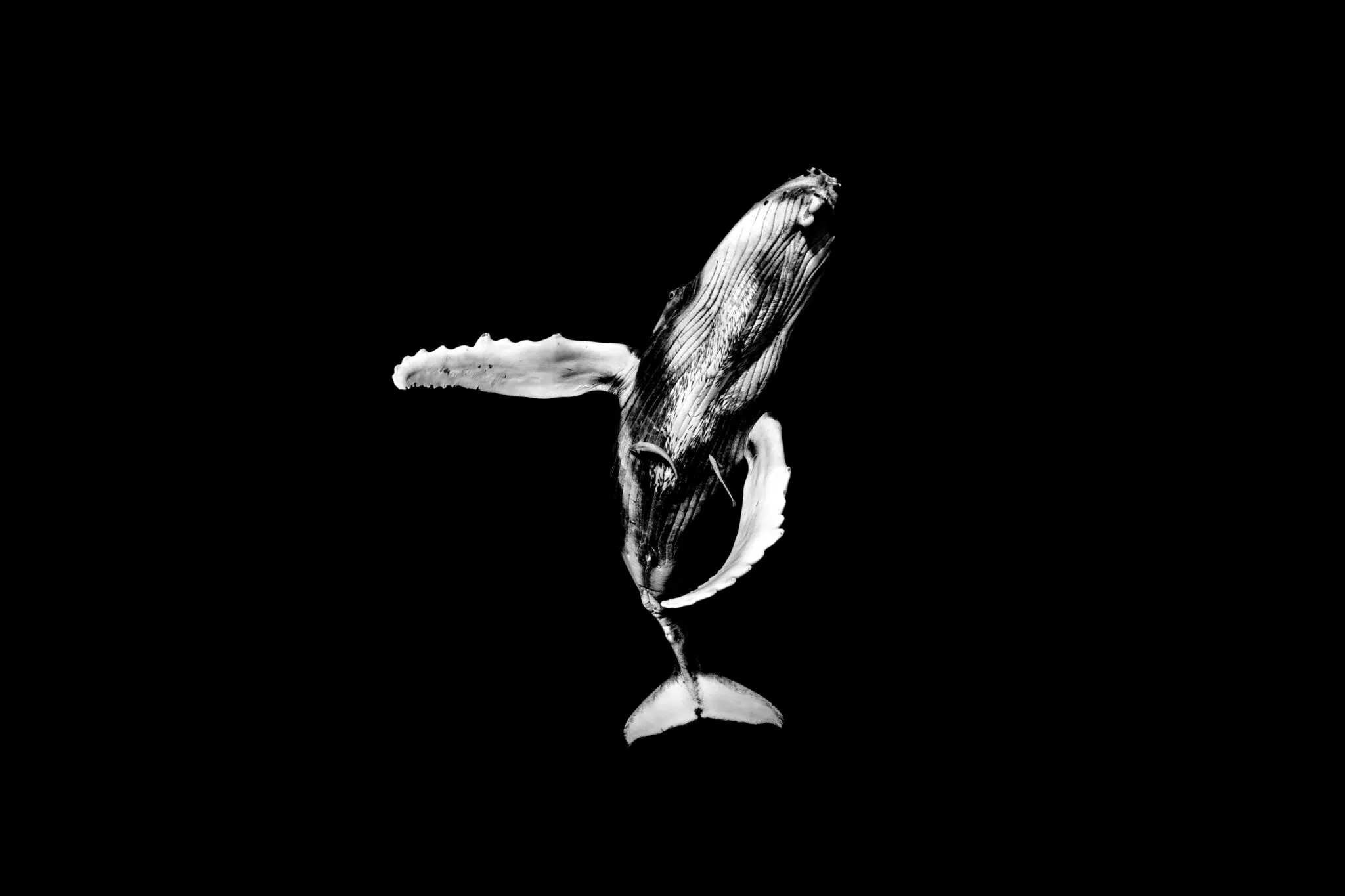
“Bow Reimagined”
For Within One Breath, you shot all of the exhibition’s featured photographs with a single breath while freediving. What was that experience like?
Shooting on a single breath simplifies everything. Time slows, noise fades, and you feel completely present. It is the closest I have ever felt to being part of the moment rather than observing it.
From a practical standpoint, freediving gives me an advantage. I stay at the surface, watch, then choose the exact moment to dive. I am quieter and less intrusive, which lets the animals decide how close they want me. That sense of trust is a big part of the work.
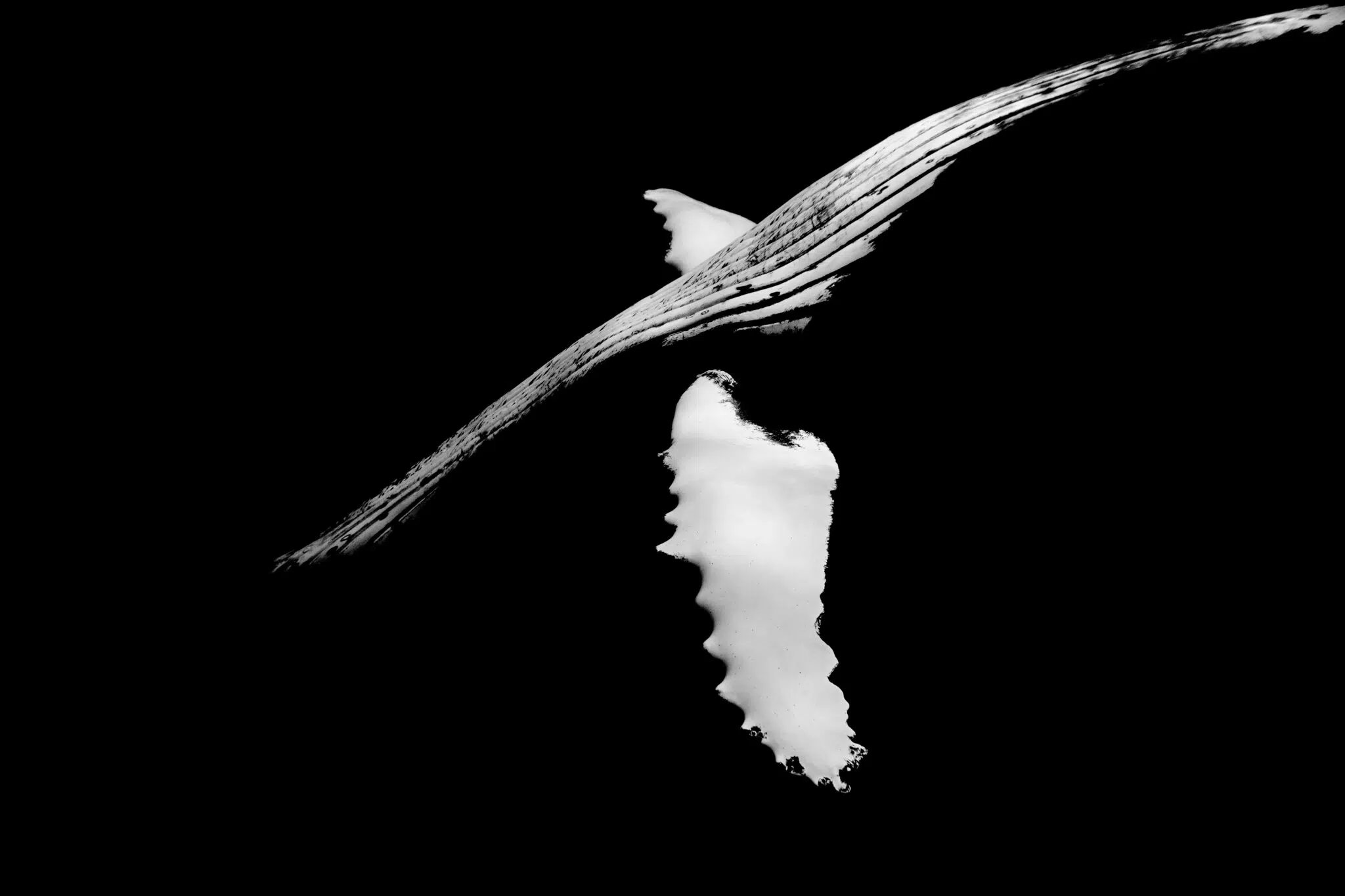
“Resonance.”
Did shooting images within one breath challenge your expectations and creative process as a photographer?
Shooting within one breath absolutely challenged me, but not in the way people might think. This exhibition is more than a technique; it represents over 10 years of work. Many of the images were pre-conceived long before they were made. I carried these ideas around for years, waiting for the right behavior or moment to reveal itself. Some of those moments took an entire season. Others took several years.
Looking back, the challenge was immense. Holding your breath is the smallest part of it. The real difficulty is staying committed to an idea for that long, returning again and again, hoping the ocean will give you what you have been imagining.
I am proud of the work, but I am not sure I would have the energy to repeat it on that scale. It became obsessive at times.
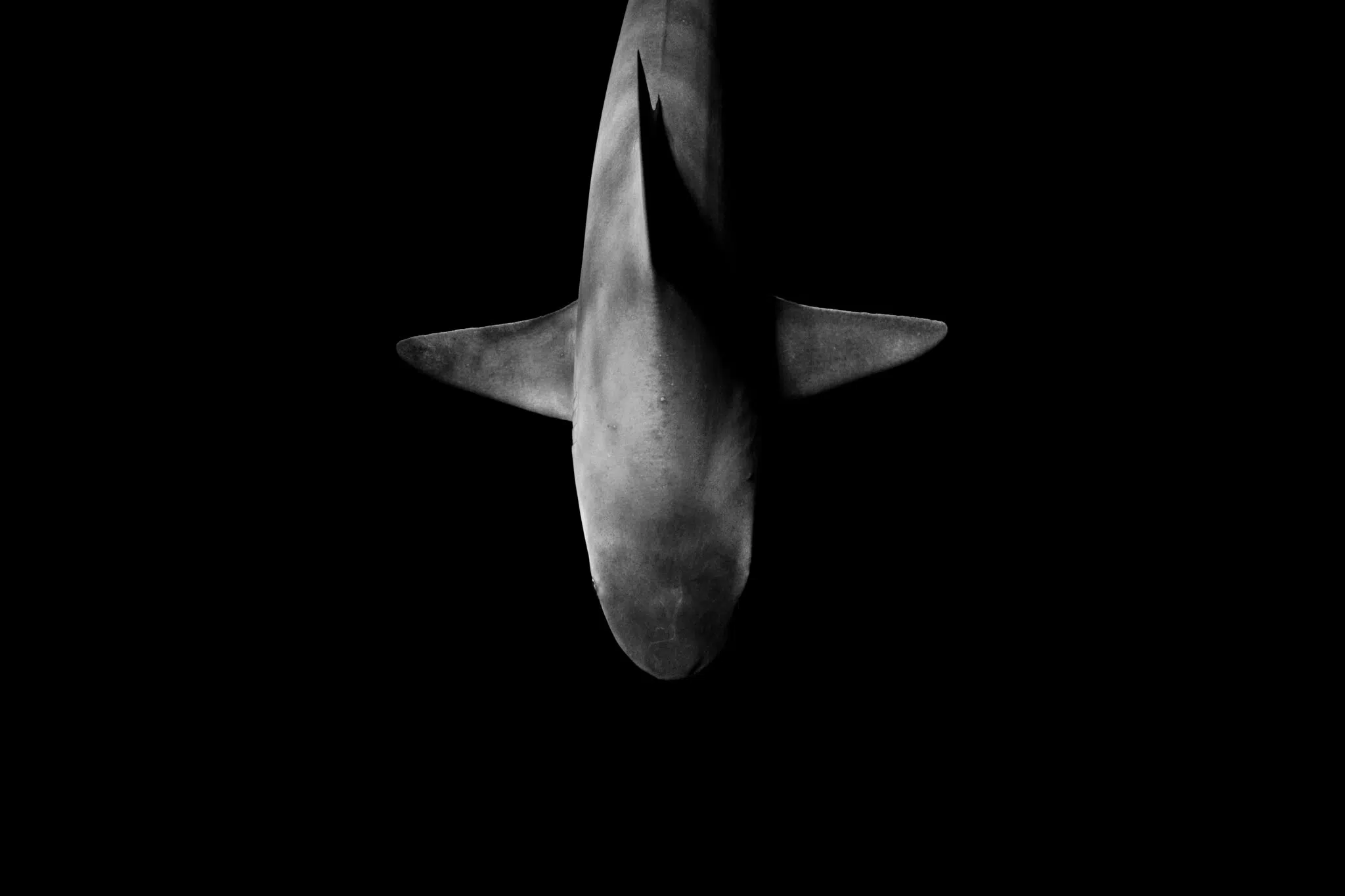
“Bump Nose”
Why did you opt for monochromatic rather than color images in the Within One Breath series?
I just really like black-and-white imagery more. It is that simple on a personal level. That is what I am drawn to. But from a technical and critical standpoint, the range of light and dark creates a singular focus, illuminating detail and removing distraction.
Composition and the relationship between subject and space become everything. Bodies feel suspended, and the finer details reveal themselves in a way color doesn’t quite allow.
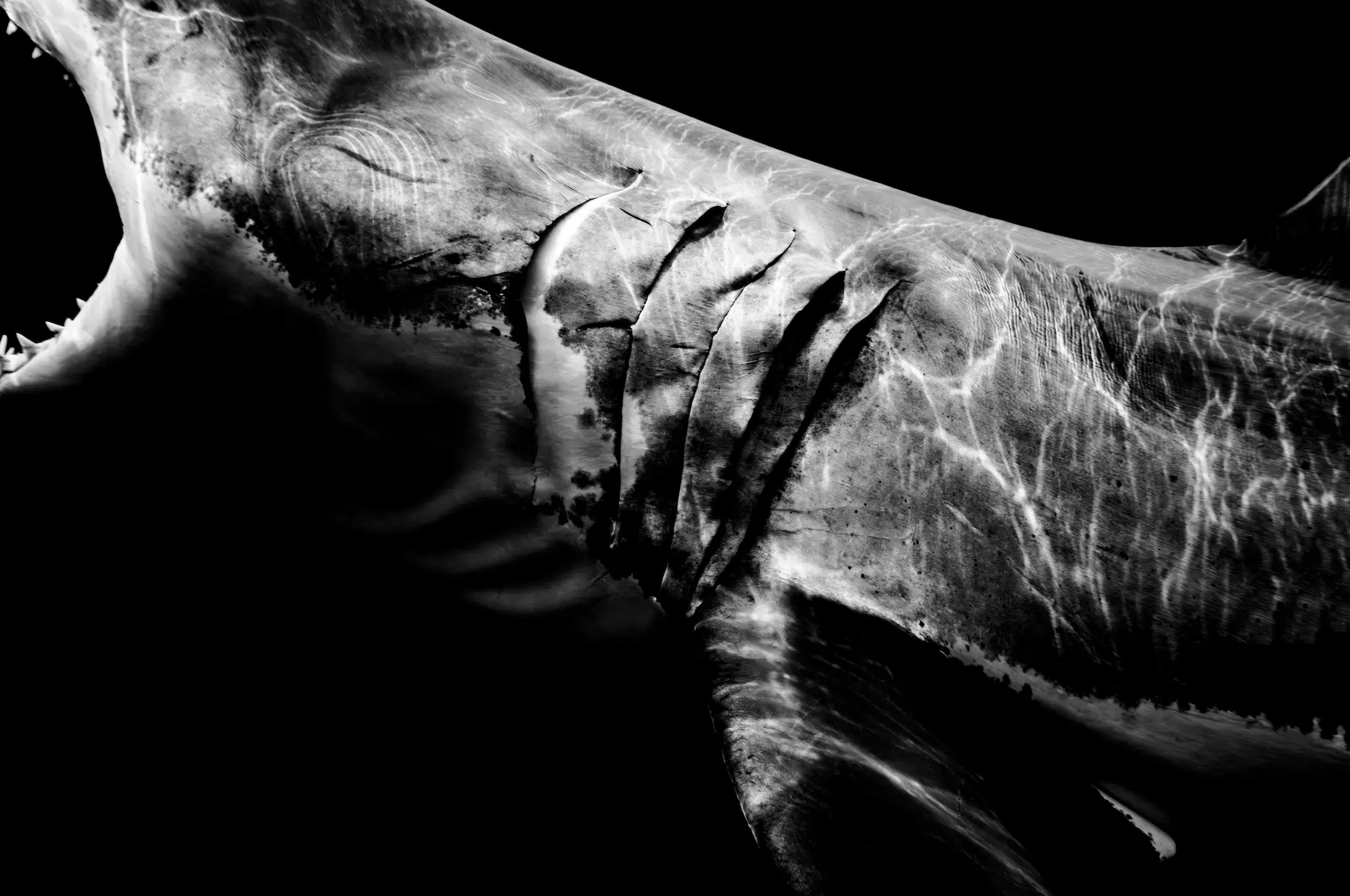
“Marauder”
What was the process of mounting the Within One Breath exhibition? What was it like to collaborate so closely with Leica on the project?
Planning the exhibition took close to a year, making sure every detail had a purpose. The layout, the scale, the narratives, the work being in chronological order, all of it needed to feel deliberate.
Working with Michael Foley, the New York Leica Gallery director, made the entire process incredibly smooth. He is a true professional. He and his team not only know how to host an opening, but the actual hanging of the work was handled by them, and they are an exceptional team. It was a pleasure to watch on a larger scale.
Leica is such a legacy brand. I like that there is real history there and a strong focus on creativity. So many legendary photographers have been connected to Leica throughout their careers.
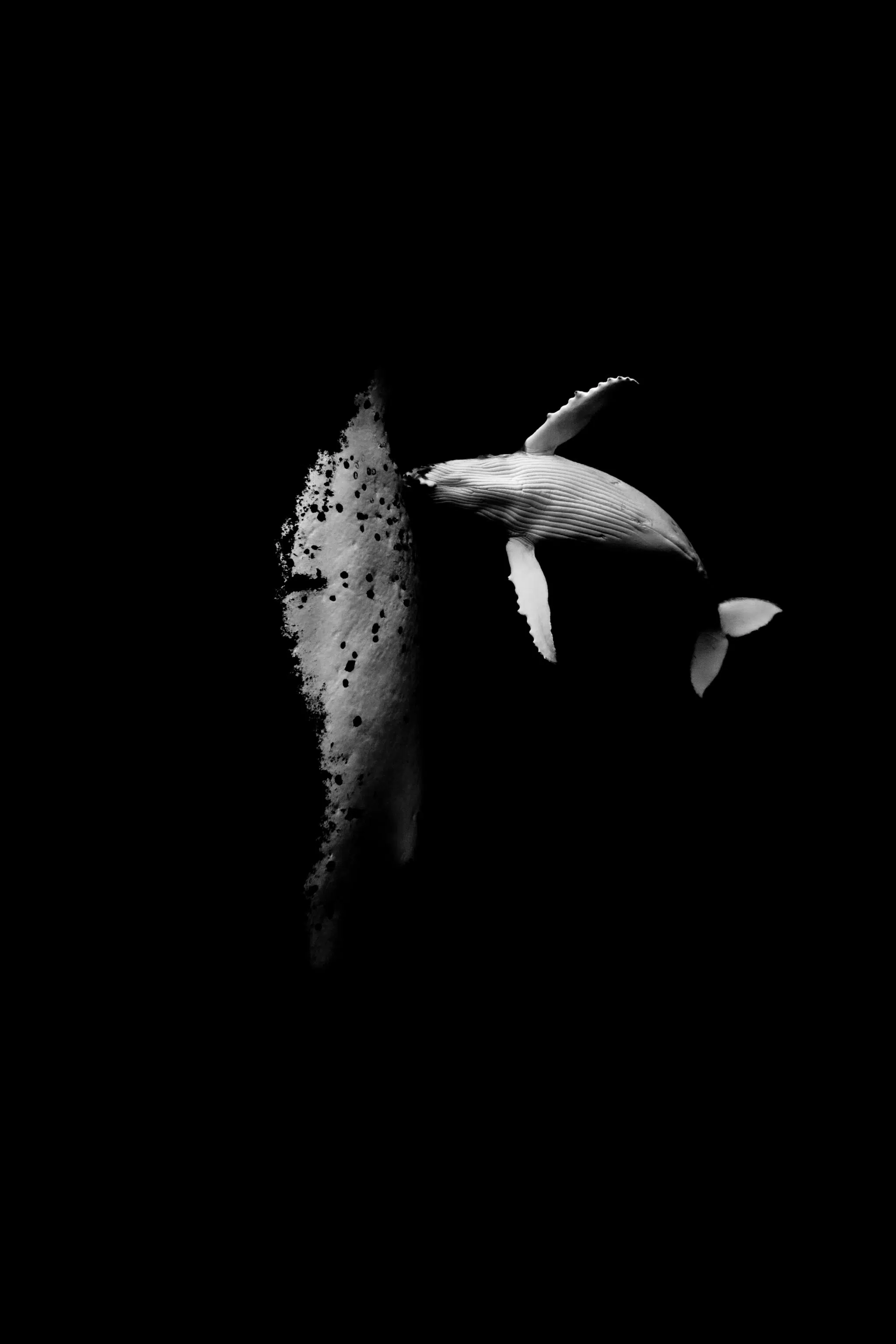
“Nurture”
What do you hope people will take away from Within One Breath?
I hope people walk away with a deeper connection to the natural world. There is no better time to be thinking about it. With the pace of technology, especially AI, it is easy to feel distant from the things that matter. Spending time in the ocean brings you back to what is real. It reminds you that we are part of something much larger, and far older, than ourselves. Art has a role in that conversation.
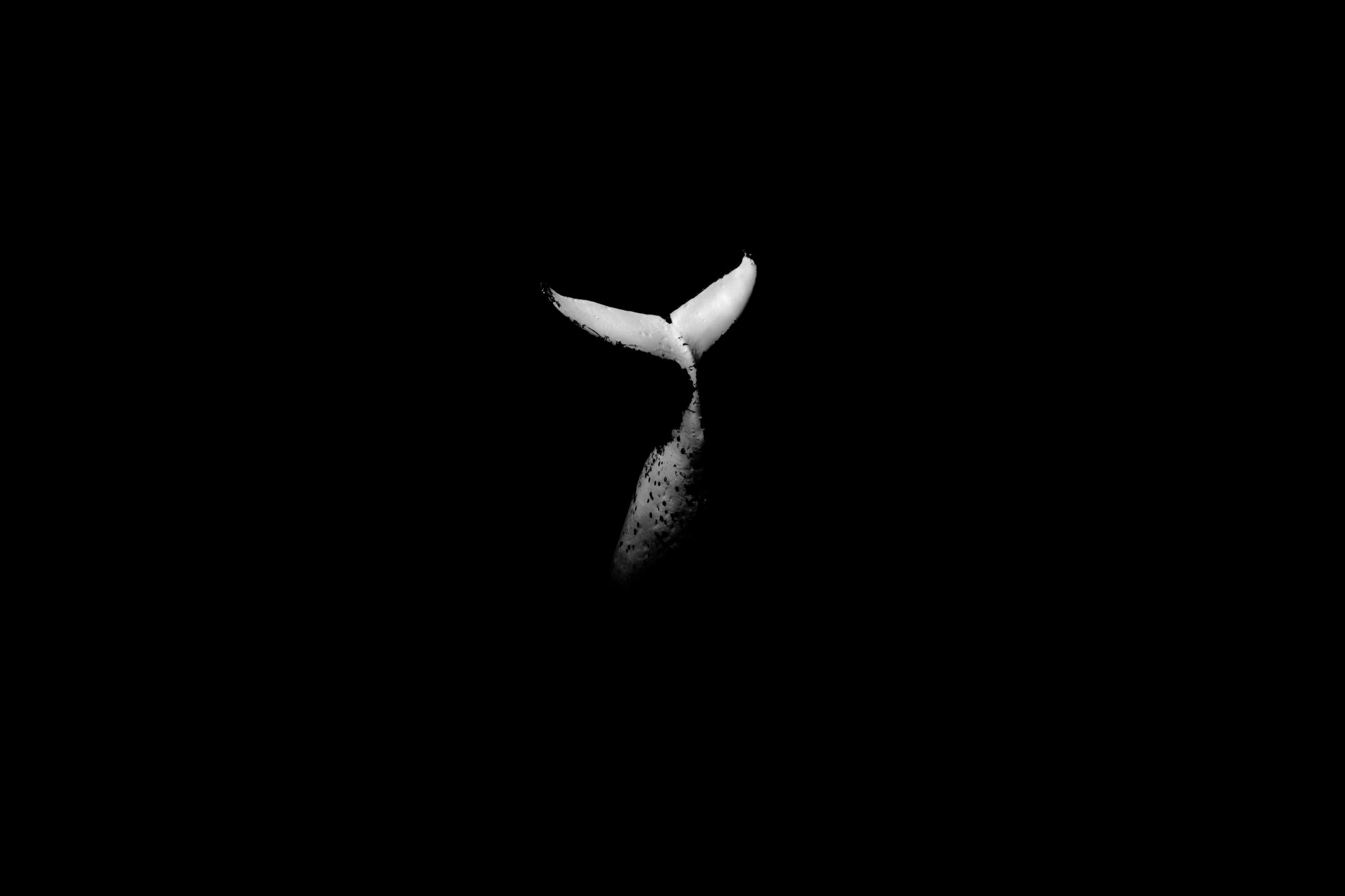
“Fluke”