

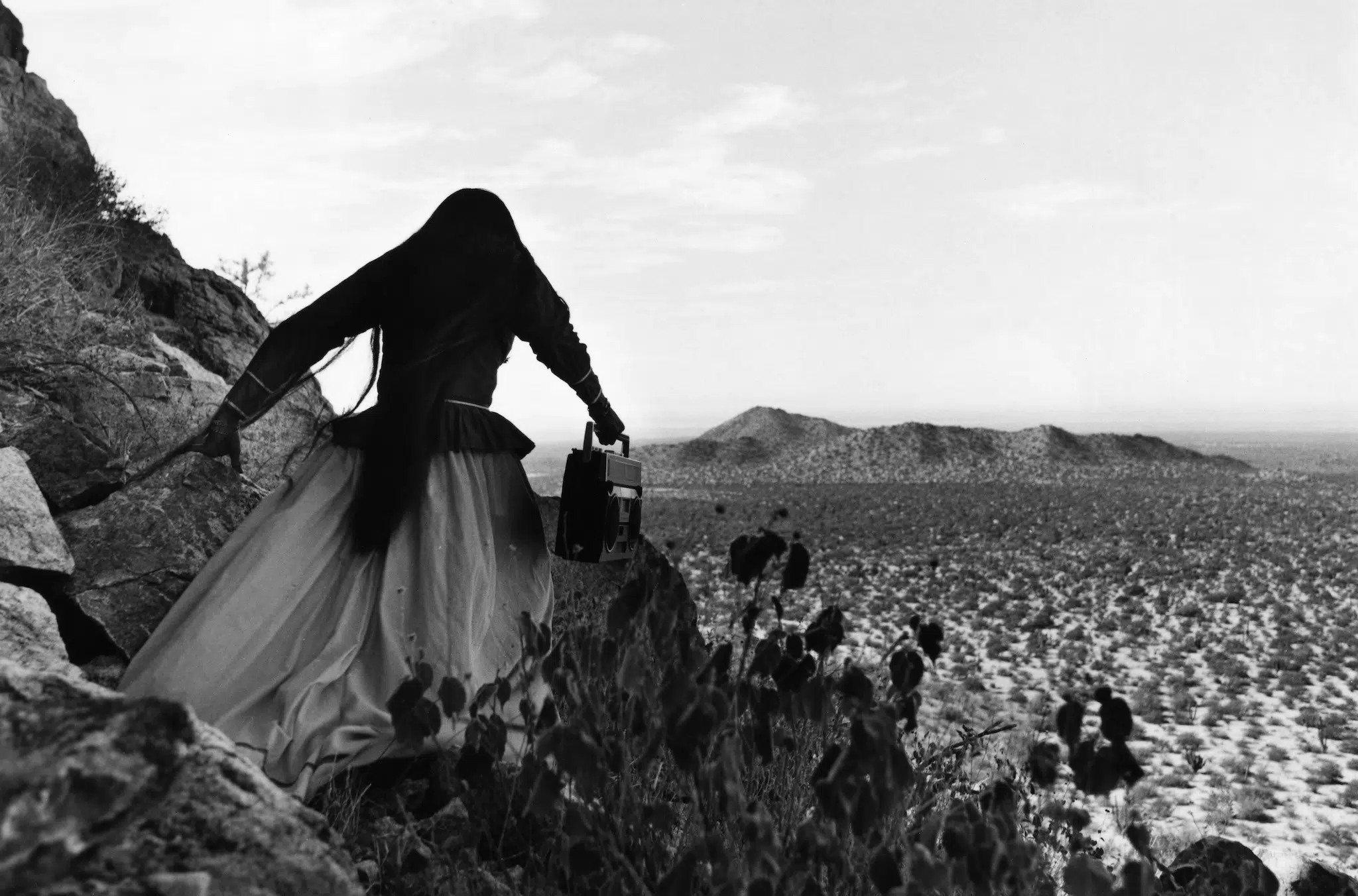
“Mujer ángel, desierto de Sonora, México,” 1979. (Collection Fundación MAPFRE)
When a 27-year-old Graciela Iturbide enrolled at the Centrode Estudios Cinematográficos in 1969, she had at first intended to become a film director. It didn’t take long, though, for Iturbide to abandon that path altogether and instead veer toward photography. Within a year, she was working under Mexican modernist Manuel Álvarez Bravo, accompanying him on various photographic journeys across Mexico. These experiences no doubt influenced Iturbide’s own breathtaking practice, which is now the subject of her first-ever retrospective in New York.
Now open at the International Center of Photography (ICP), Graciela Iturbide: Serious Play gathers nearly 200 photographs, spanning five decades of the Mexican photographer’s career. Suffused with rich black and white tones, these images offer a beguiling glimpse into Mexico and the people, cultures, and landscapes that define it. The world that Iturbide weaves across her work is one steeped in imagination, presenting unexpected moments that, in their intimate gestures and quiet presence, radiate with humanity.
Neustra Señora de las Iguanas, for instance, depicts a woman whose head is crowned by dozens of iguanas, her eyes staring resolutely ahead. With its tight framing, the photograph commands our attention, insisting we gaze upon this woman and that everything else constitutes a distraction. Iturbide’s 1996 self-portrait, Retrato en el campo, is similar in its composition, foregrounding the photographer as she raises a small fish to her lips. The background, again, is reduced to blurriness, demanding that we encounter only Iturbide and her fish. Such bizarre conceits would perhaps be unsettling were it not for Iturbide’s fantastical and deeply humanistic approach, which almost resembles a fairytale in its whimsical storytelling.
“Iturbide has constructed a unique world of images that, based on both documentary narrative and poetic imagination, integrates lived experience and dreams into a surprising web of historical, social, and cultural references,” exhibition curator Carlos Gollonet said in a statement. “Beginning with participatory observation and then evolving into a continuous exploration of life, Iturbide’s photography is fundamentally a pretext for learning about the world.”
Serious Play does in fact present several opportunities to “learn about the world,” as Gollonet says. Perhaps nothing encapsulates this better than Iturbide’s attention to rural and communal scenes, spotlighting cultures that have often been historically overlooked. Throughout her travels, the photographer visited countless remote villages as well as Indigenous communities, including the Juchitán people, who form part of the Zapotec culture native to Oaxaca in southern Mexico. From 1979 to 1988, Iturbide documented their local customs and traditions, highlighting how women assumed central roles in the Juchitán group. She also captured images of the Seri Indians, a group of fishermen whose nomadic lifestyle unfolded along the Arizona-Mexico border. Autorretrato con los indios seris, desierto de Sonora, México, from 1979, was produced during this time, in which the photographer dons traditional face paint, most likely applied by Seri women.
But Serious Play doesn’t just focus on Iturbide’s photographs from Mexico—the exhibition sails to such countries as Bangladesh, India, Italy, and Spain as well. It also displays the photographer’s landscape and nature-related images, devoid of human subjects. One of the more evocative works in this category is Dolores Hidalgo, Guanajuato, México, tracing how an enormous flock of birds traverse a dark sky. It’s a haunting moment, as if signalling the coming of a storm, but it still remains soft in its color palette and composition, refusing to let us walk away.
“Iturbide is without a doubt one of the very best photographers, and an inspiration to younger image makers in Mexico and around the world,” Bob Jeffrey, CEO of ICP, remarked. “This retrospective is a wonderful opportunity to appreciate the full depth and breadth of her achievement.”
Graciela Iturbide: Serious Play is currently on view at the International Center of Photography through January 12, 2026.
Graciela Iturbide’s first-ever retrospective in New York offers an evocative, fantastical journey across her native Mexico and beyond.
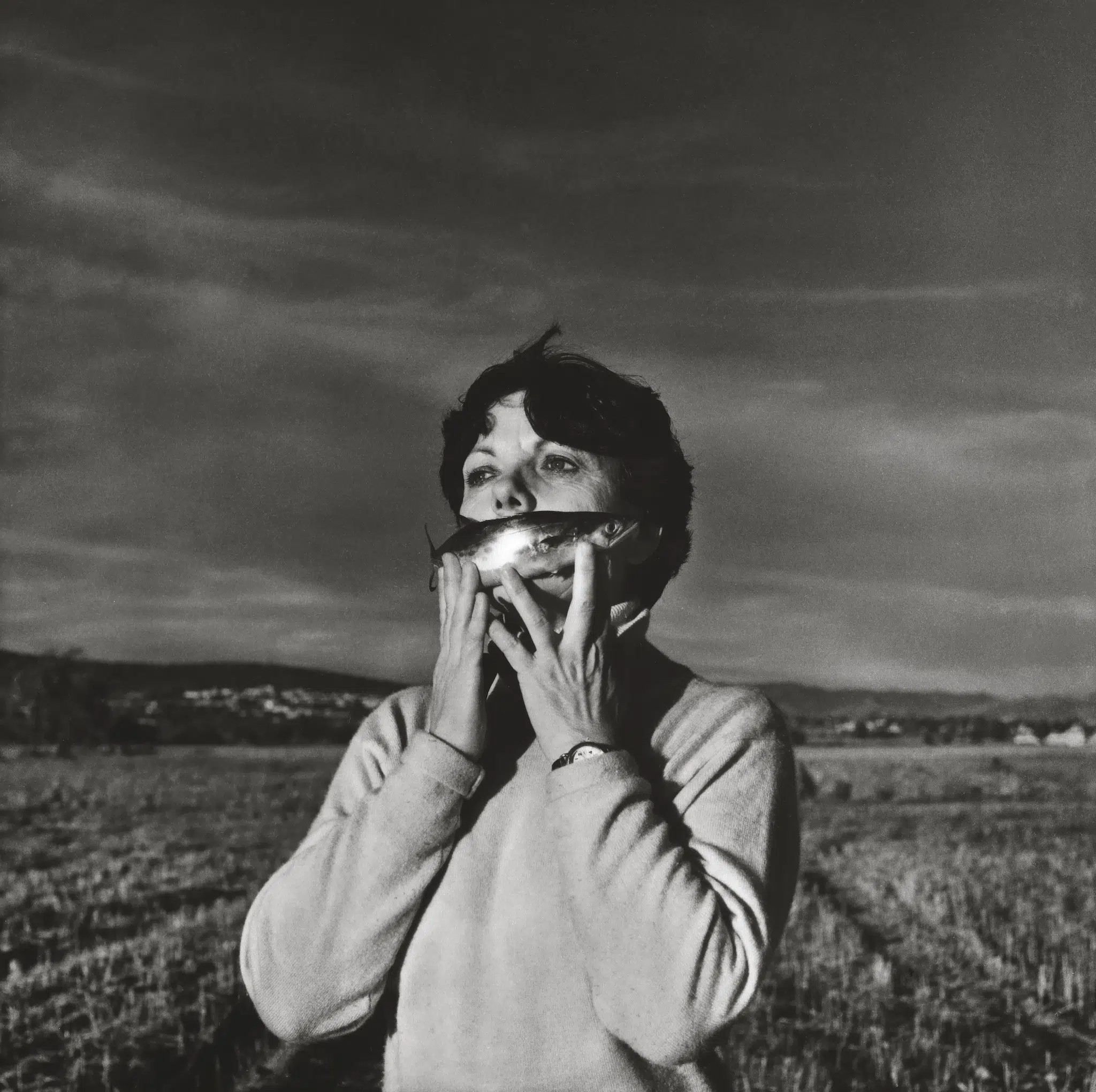
“Retrato en el campo, Pachuca, México,” 1996. (Collection Fundación MAPFRE)
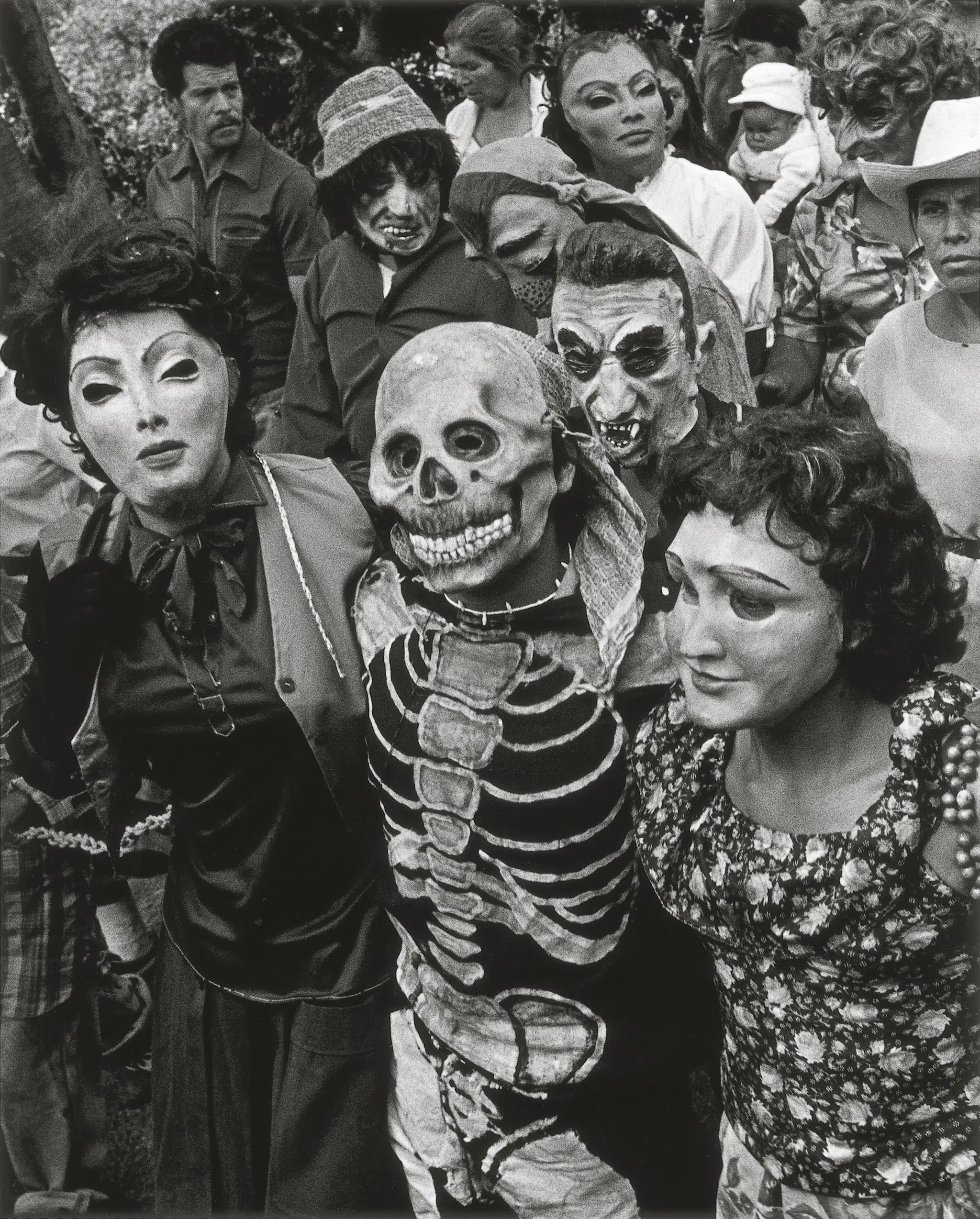
“Procesión, Chalma, México,” 1984. (Collection Fundación MAPFRE)
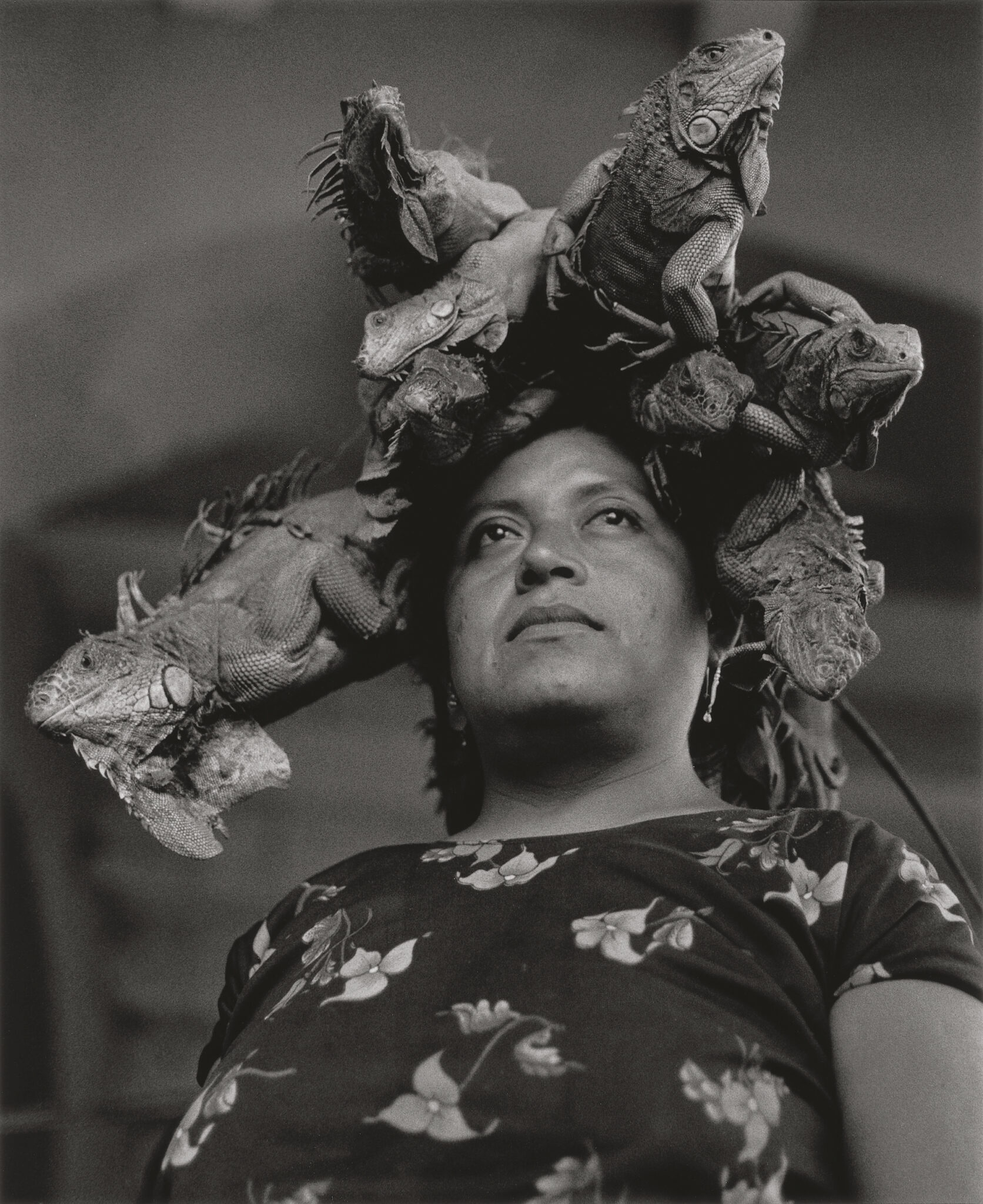
“Nuestra Señora de las Iguanas. Juchitán,” 1979. (Collection Fundación MAPFRE)
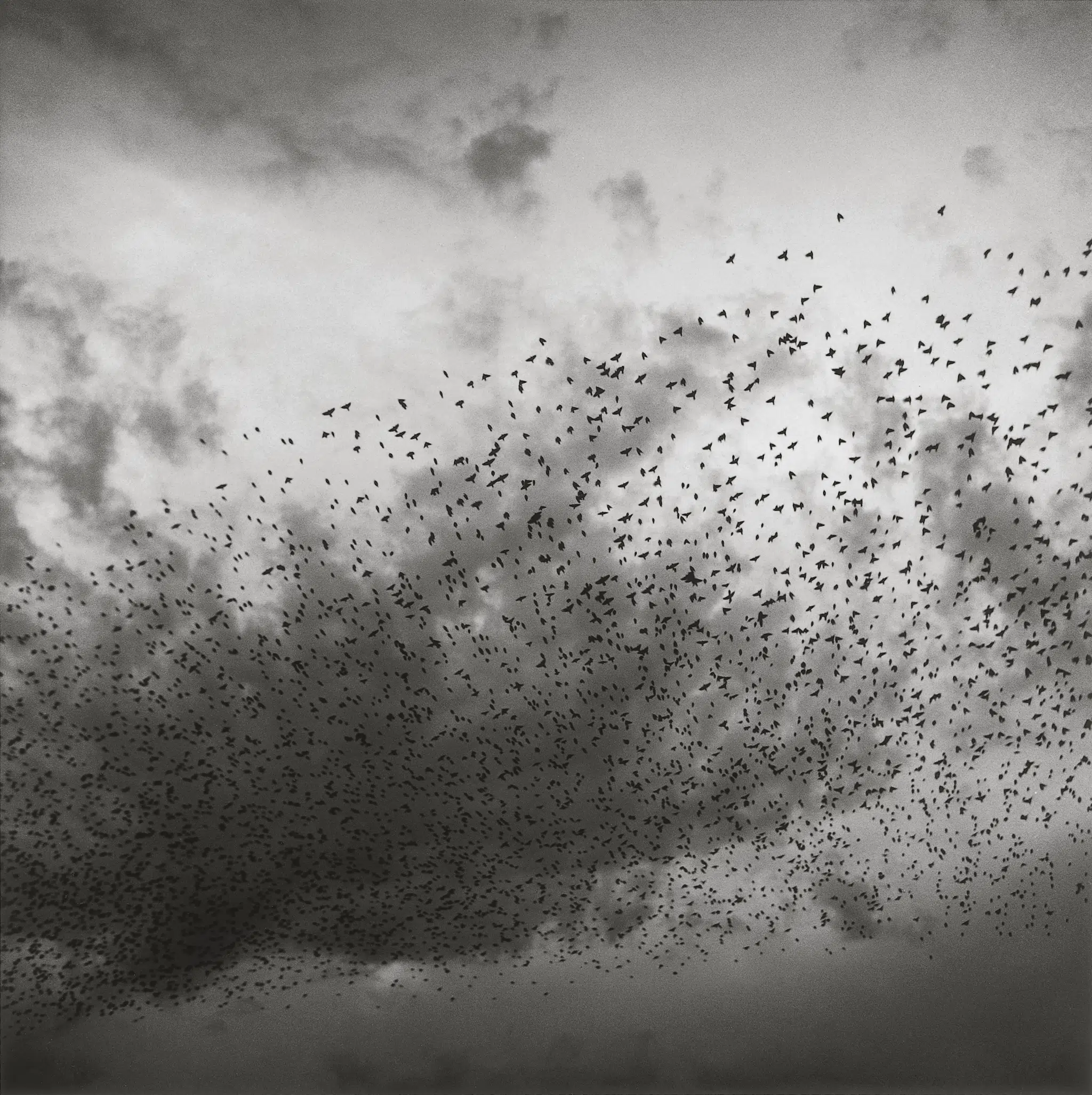
“Dolores Hidalgo, Guanajuato, México,” 1978. (Collection Fundación MAPFRE)
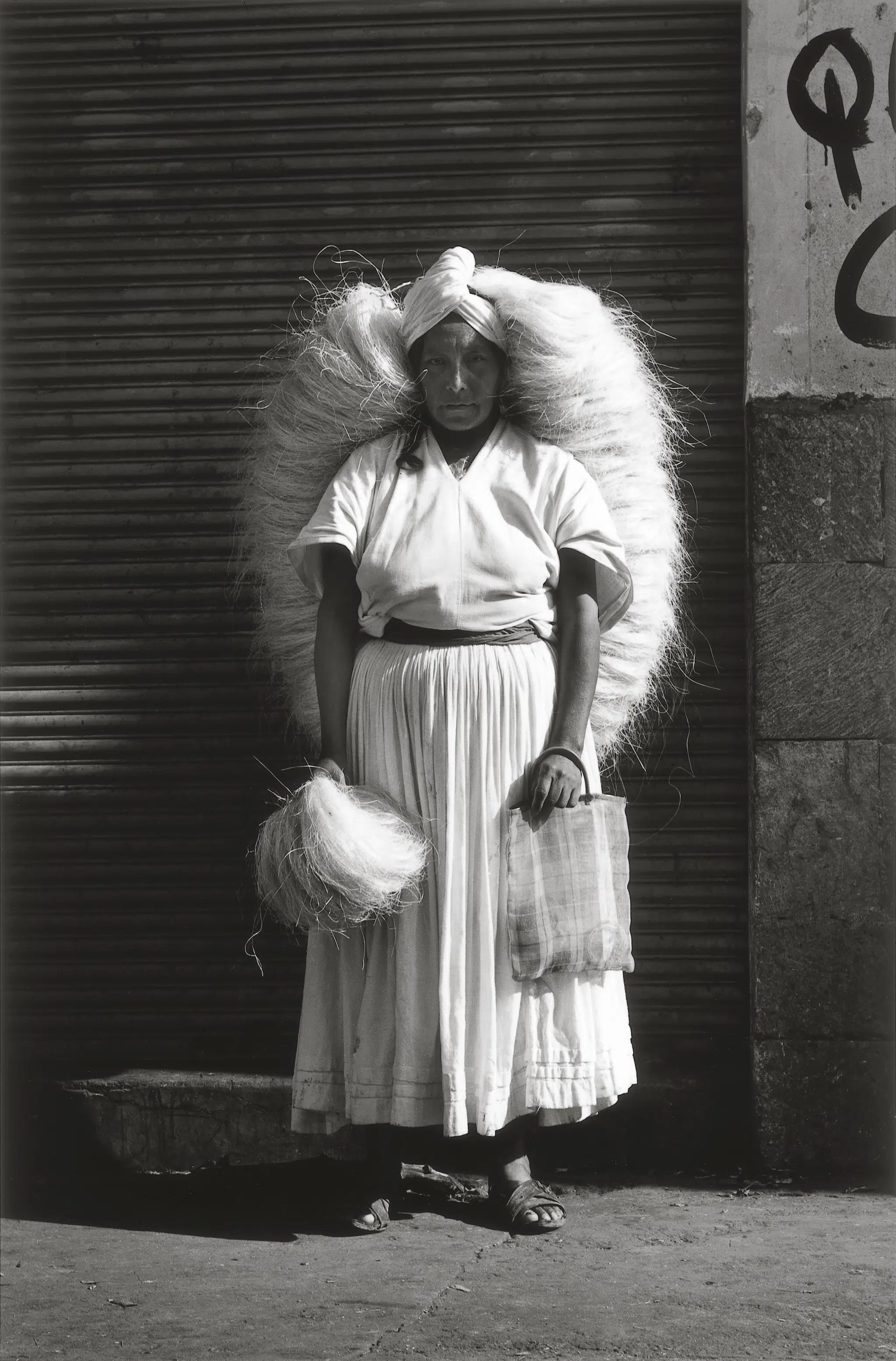
“Vendedora de zácate, Oaxaca, México,” 1974. (Collection Fundación MAPFRE)
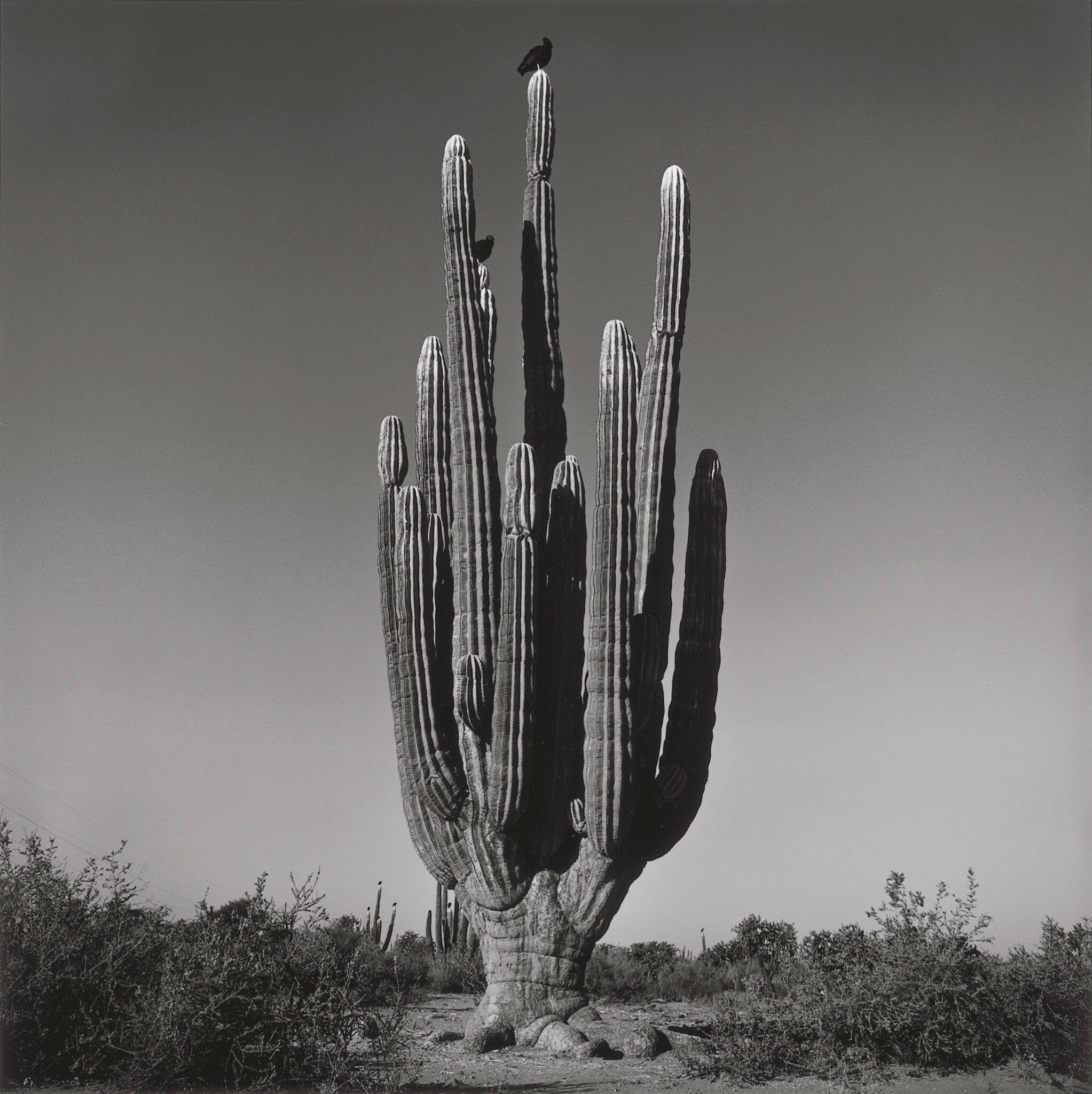
“Sahuaro (1), desierto de Sonora, México,” 1979. (Collection Fundación MAPFRE)
Graciela Iturbide: Serious Play is currently on view at the International Center of Photography through January 12, 2026.
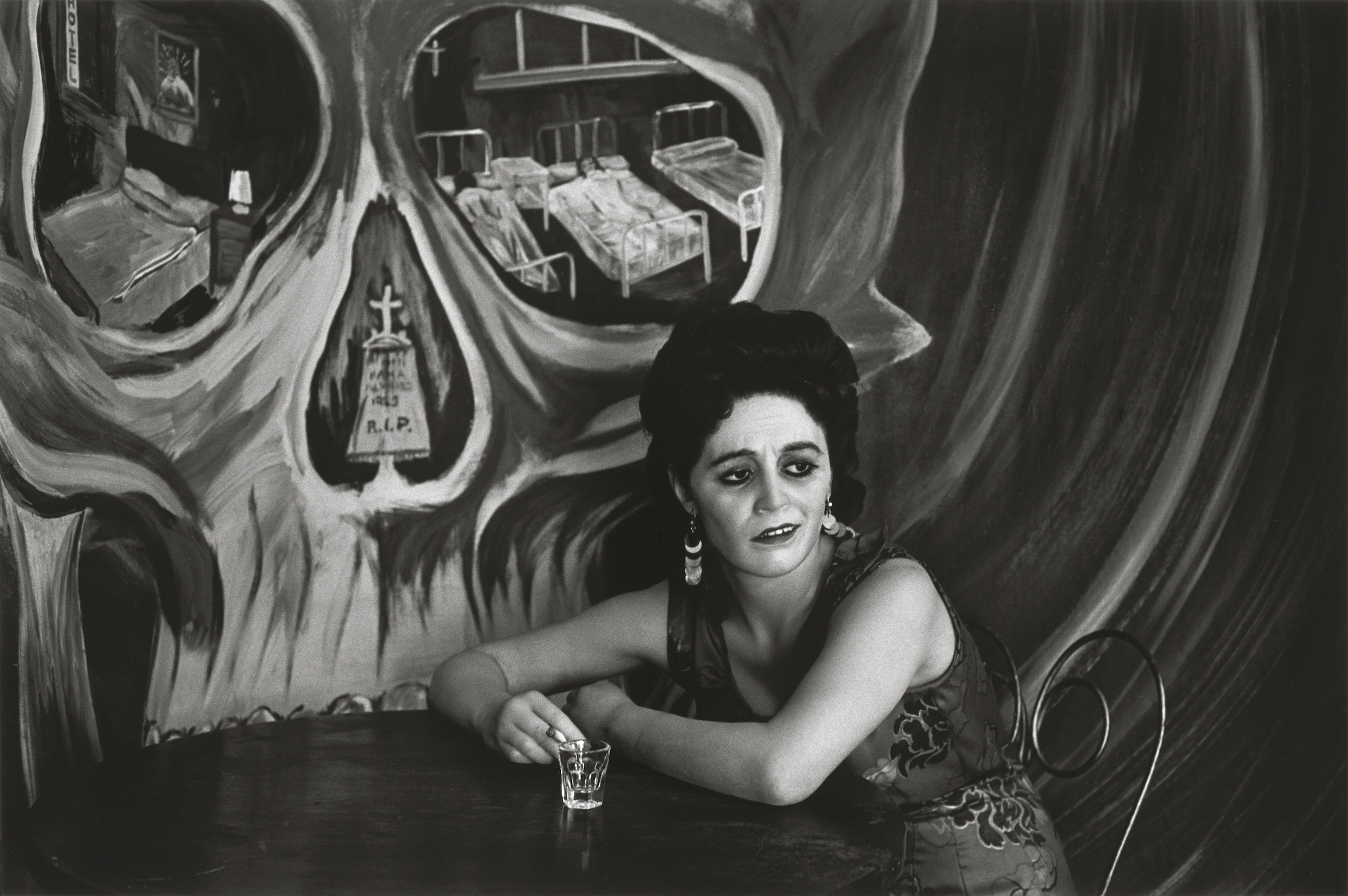
“México,” 1969. (Collection Fundación MAPFRE)
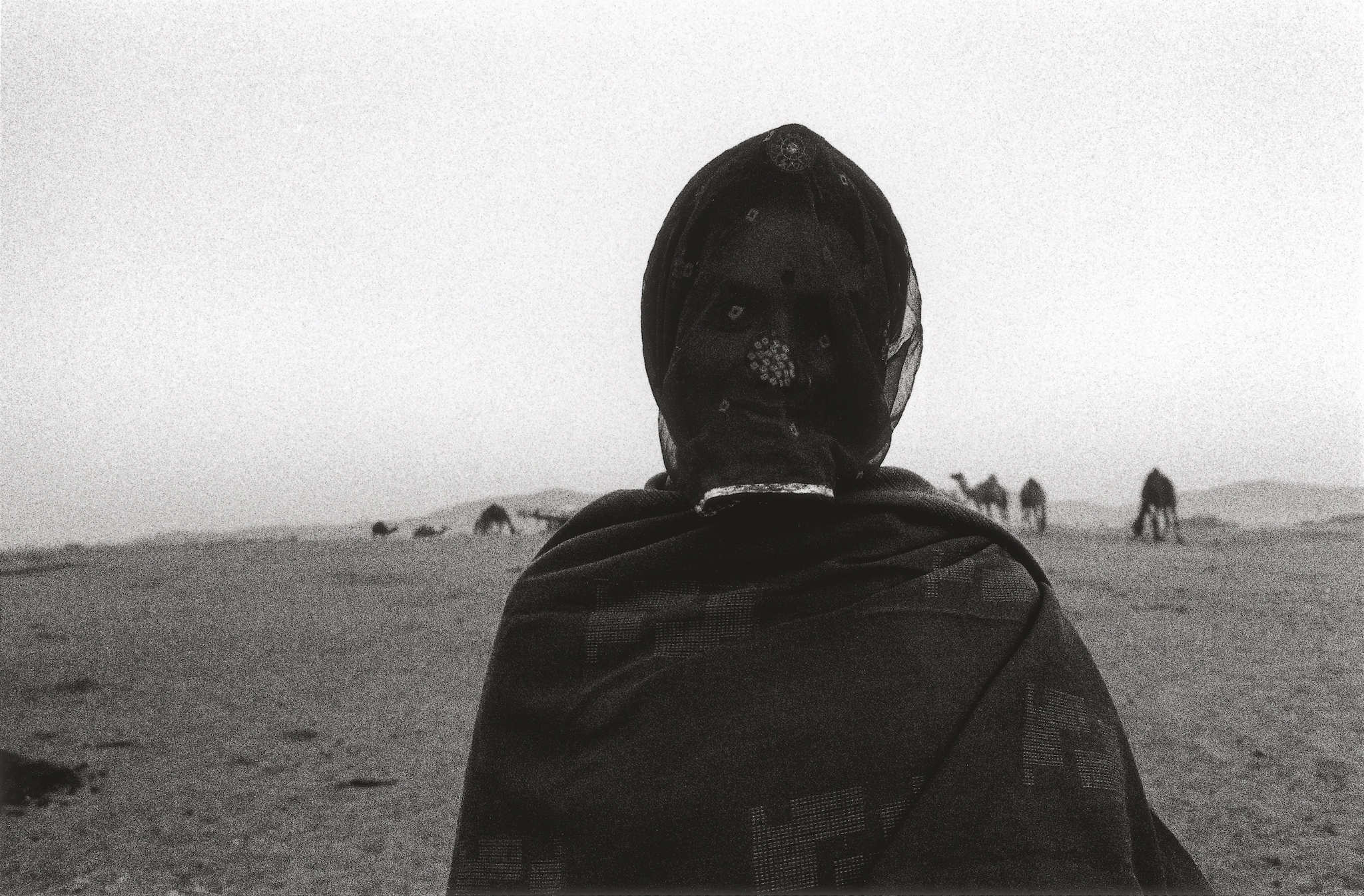
“Pushkar, India,” 1999. (Collection Fundación MAPFRE)
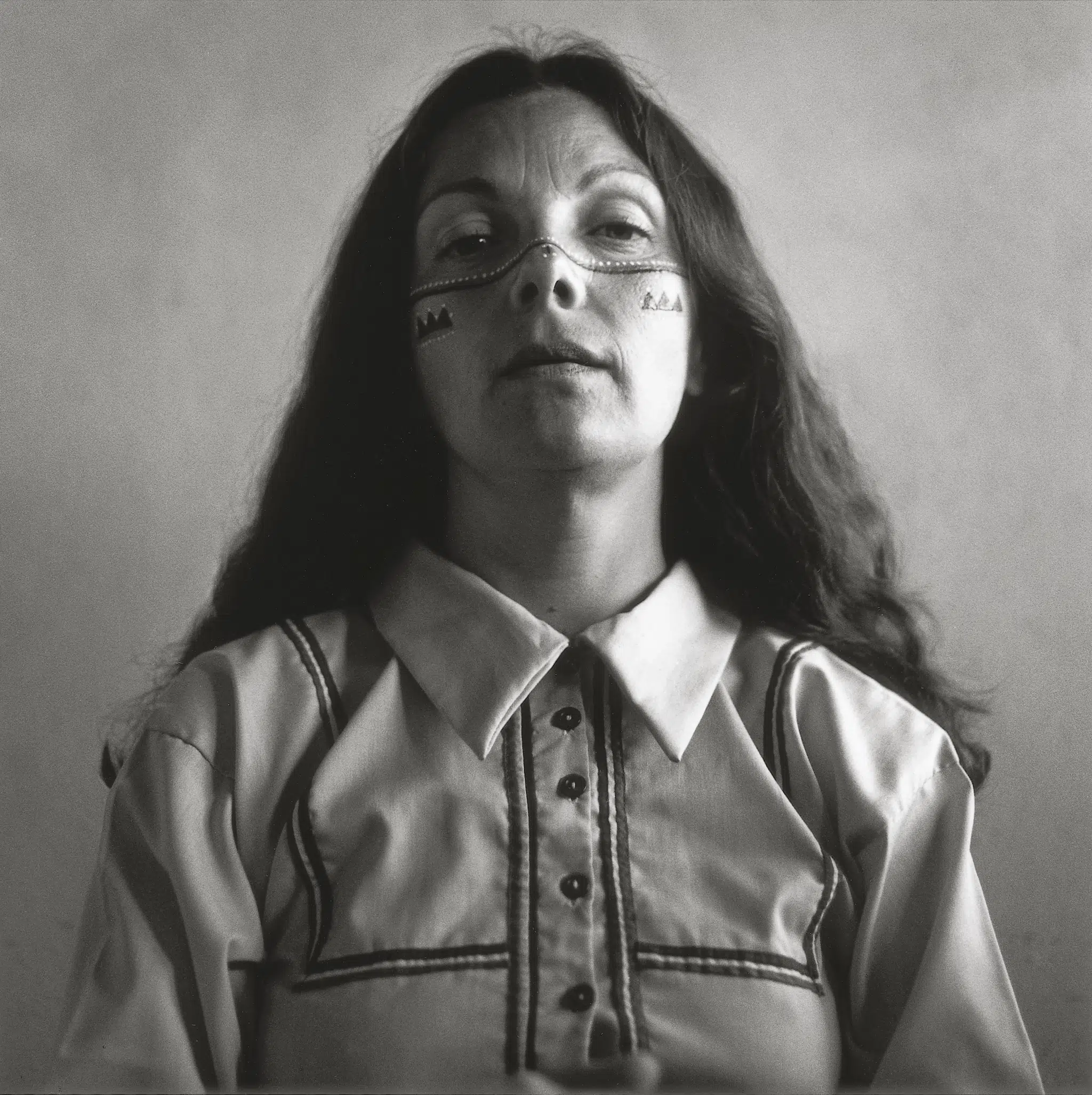
“Autorretrato con los indios seris, desierto de Sonora, México,” 1979. (Collection Fundación MAPFRE)
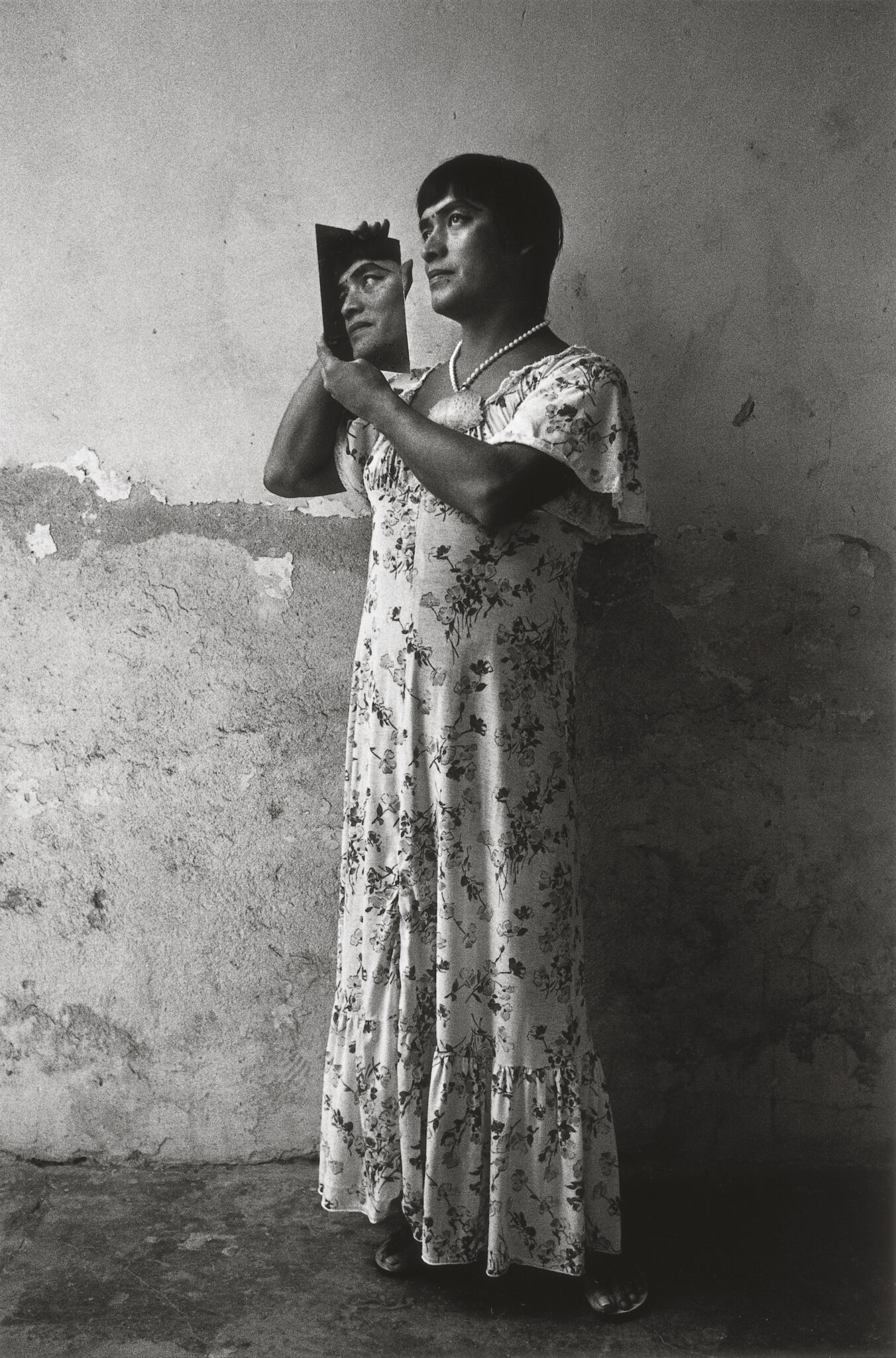
“Magnolia (2), Juchitán, México,” 1986. (Collection Fundación MAPFRE)
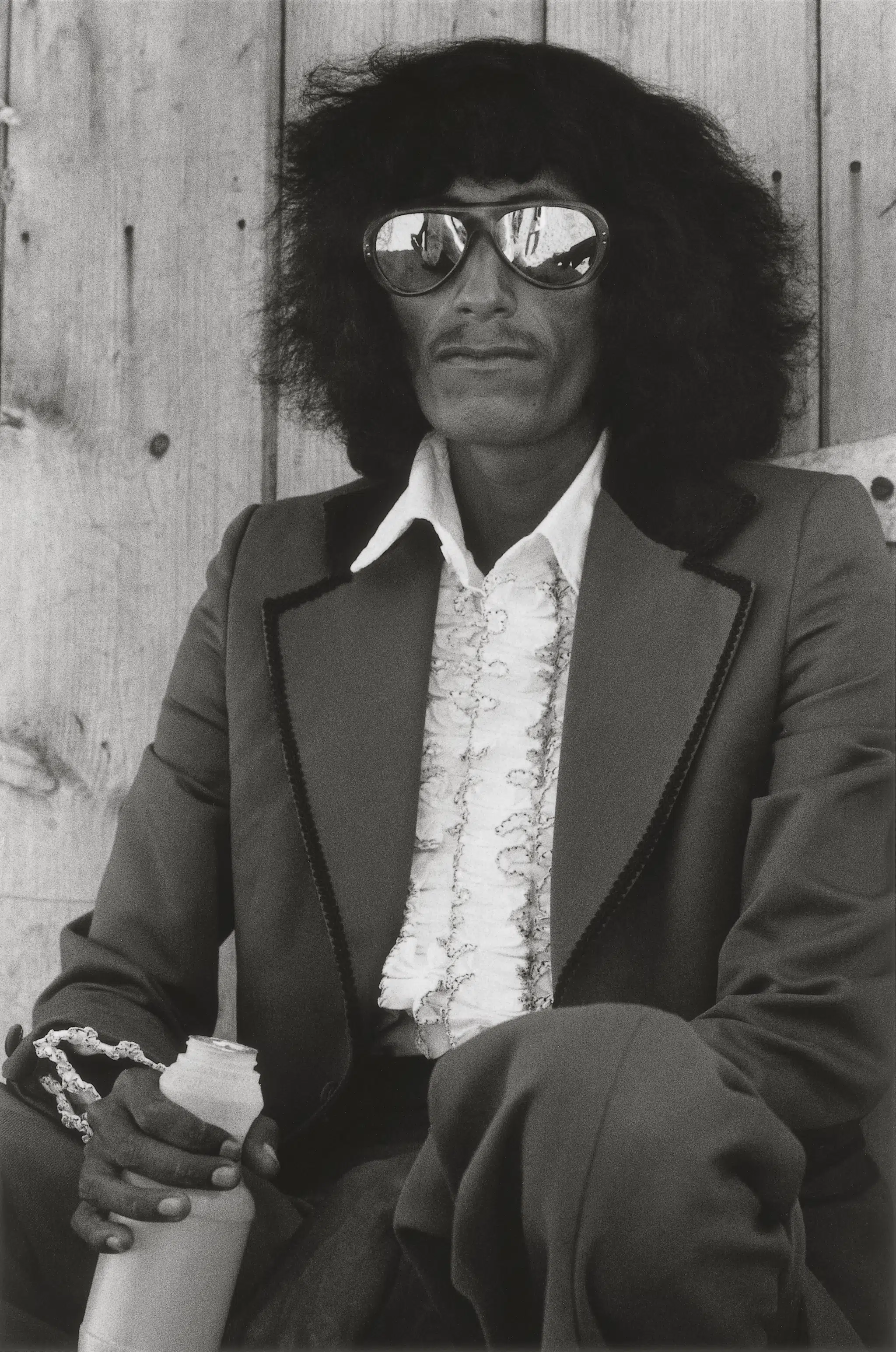
“Desierto de Sonora, México,” 1979. (Collection Fundación MAPFRE)