

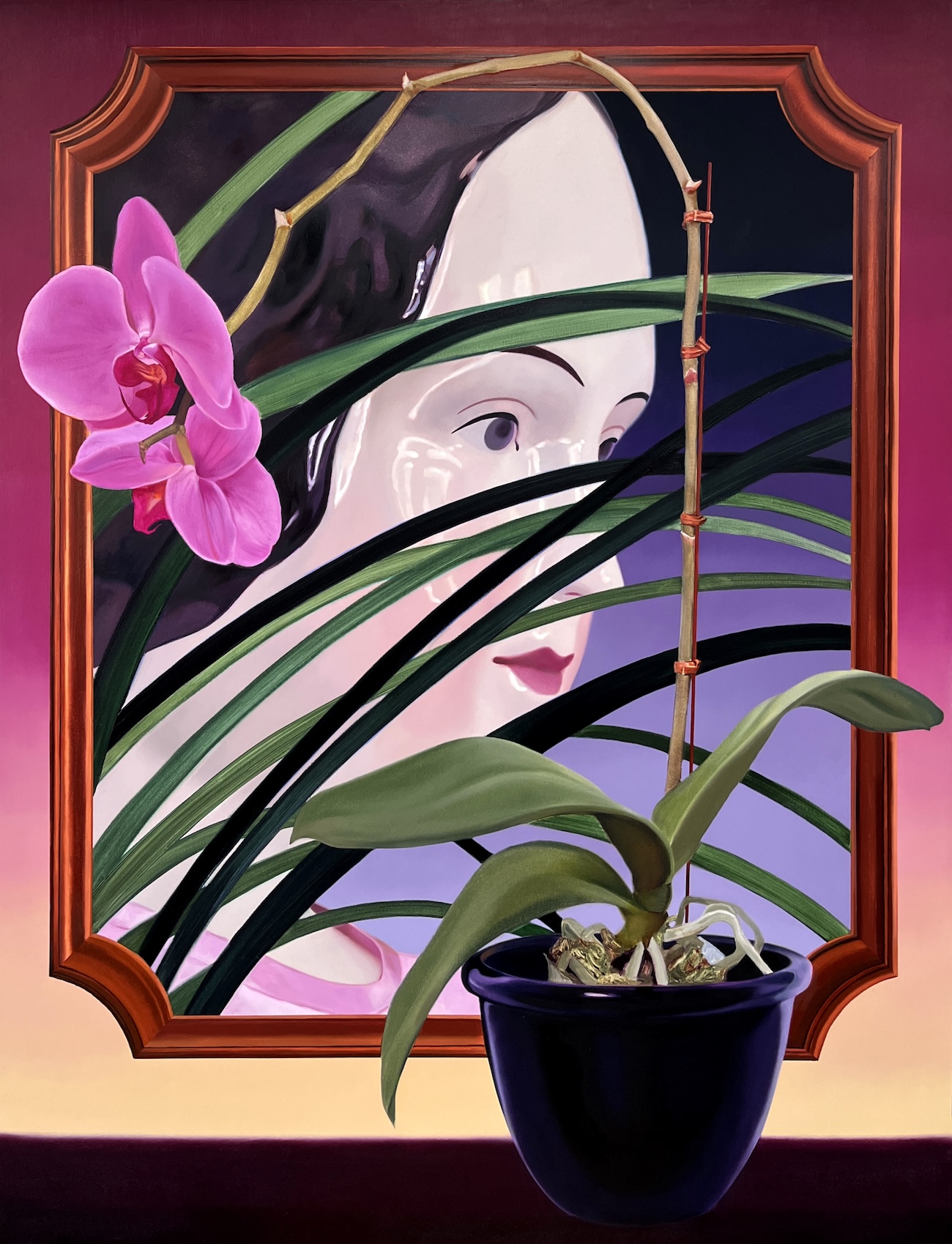
Jiwon Choi, “Following the-Curves of Orchids,” 2025. Courtesy of the artist and ThisWeekendRoom, Seoul.
The ever-expanding creative voice of Asia is evident in Frieze Seoul, which is just a little over a week away from returning for its fourth year. Happening September 3–6, 2025, in the city’s vibrant Gangnam district, the fair focuses on Korea and the larger Asian art scene, spanning generations and disciplines. But it also doesn’t shy away from welcoming other galleries from across the globe. Frieze Seoul will feature 120 galleries and will include special projects, institutional collaborations, and programming that amplifies voices of greater Asia with “significant participation” from Japan, Taiwan, and China, as well as Indonesia and Thailand.
Fairs like Frieze Seoul offer art buyers and admirers the opportunity to view a diverse range of works within a single expansive space. Because of this, special sections of the fair can help contextualize artists and galleries while providing a unique platform for the work within the larger scope of the show.
In the case of Frieze Seoul, there will be two specialist sections: Frieze Masters and Focus Asia. Frieze Masters will showcase post-war and modern art from Asia and beyond to highlight interconnected histories and overlooked global narratives. Viewers can expect Japanese abstraction, Taiwanese avant-garde, and more. Focus Asia, by contrast, will spotlight 10 solo presentations by emerging artists across the region to reflect the “energy and complexity” that is contemporary life in Asia today.
Frieze Seoul is working with headline partner LG OLED to unite art and technology. To do this, LG will have a lounge honoring the Korean artist Park Seo-Bo. He’s a juggernaut in the Korean contemporary art scene and one of the founding members of the Dansaekhwa monochrome movement, which combines “traditional Korean spirit” and Western abstraction.
Patrick Lee, the director of Frieze Seoul, views the fair as affirming Seoul as a cultural cornerstone within the greater art world. “This year’s edition reflects the fair’s deepening roots in the region, with a majority of participating galleries operating spaces across Asia, while maintaining its international spirit,” Lee explains. “It’s a moment to celebrate both the strength of Korea’s creative community and the meaningful cross-regional and global dialogues that continue to flourish here.”
Typically, a fair is temporary, but Frieze Seoul is leaving a lasting impression. “We are especially looking forward to marking this moment with the launch of Frieze House Seoul, our new permanent gallery space,” Lee shares, “beginning with the inaugural exhibition UnHouse curated by Jae Seok Kim, exploring queer perspectives of home and identity.”
Tickets are now available for Frieze Seoul 2025. Visit the website to get yours.
The ever-expanding creative voice of Asia is evident in Frieze Seoul, which is just a little over a week away from returning for its fourth year. Here’s a preview of works you’ll see there, from some of the 120 galleries attending.
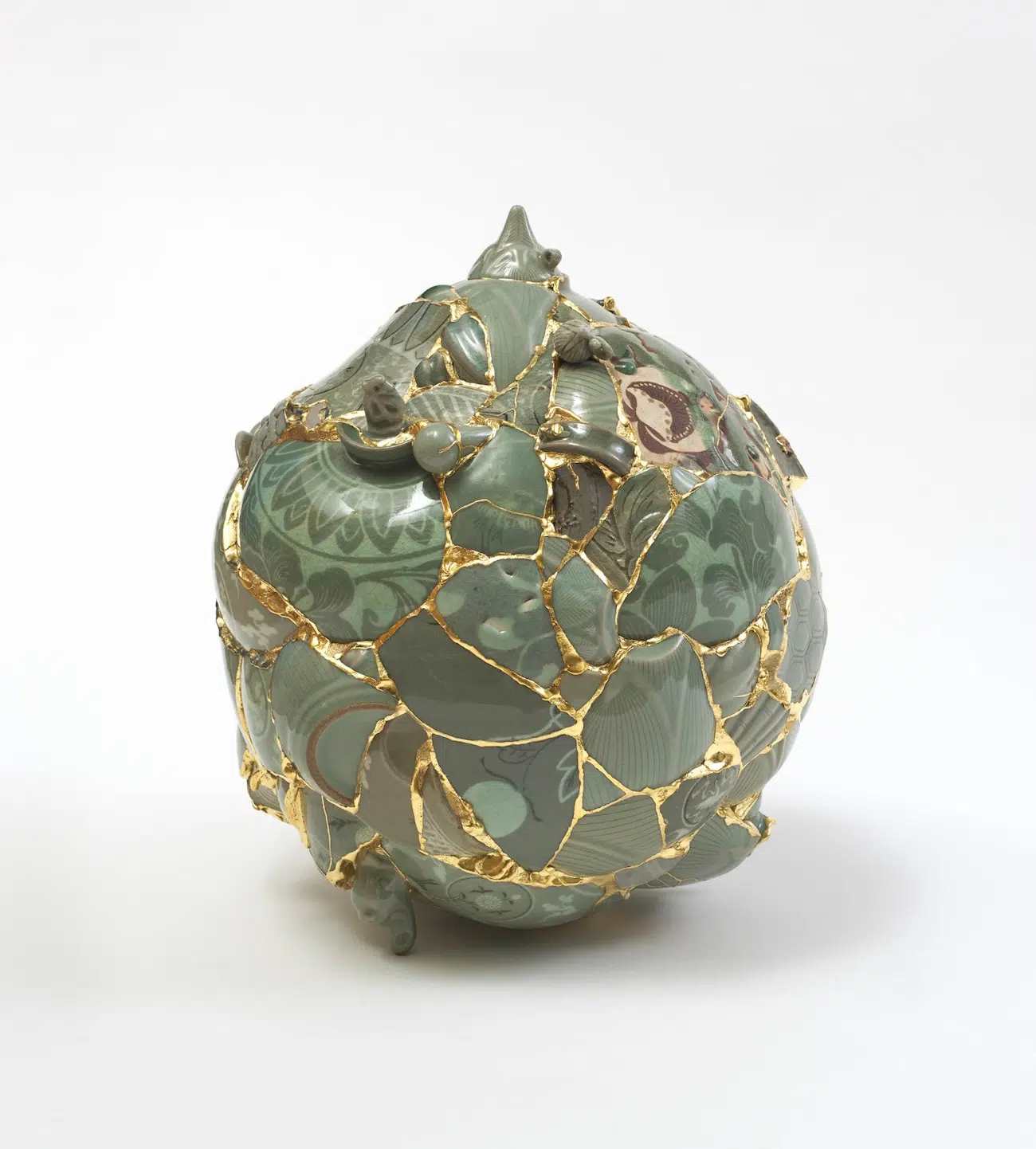
Yeesookyung, “Translated Vase_2019 TVG 5,” 2019. Ceramic shards, epoxy, 24k gold leaf / Frammenti di ceramica, resina epossidica, foglia d’oro 24 carati
39 x 32 x 32 cm. Ex. unique. Massimo de Carlo.
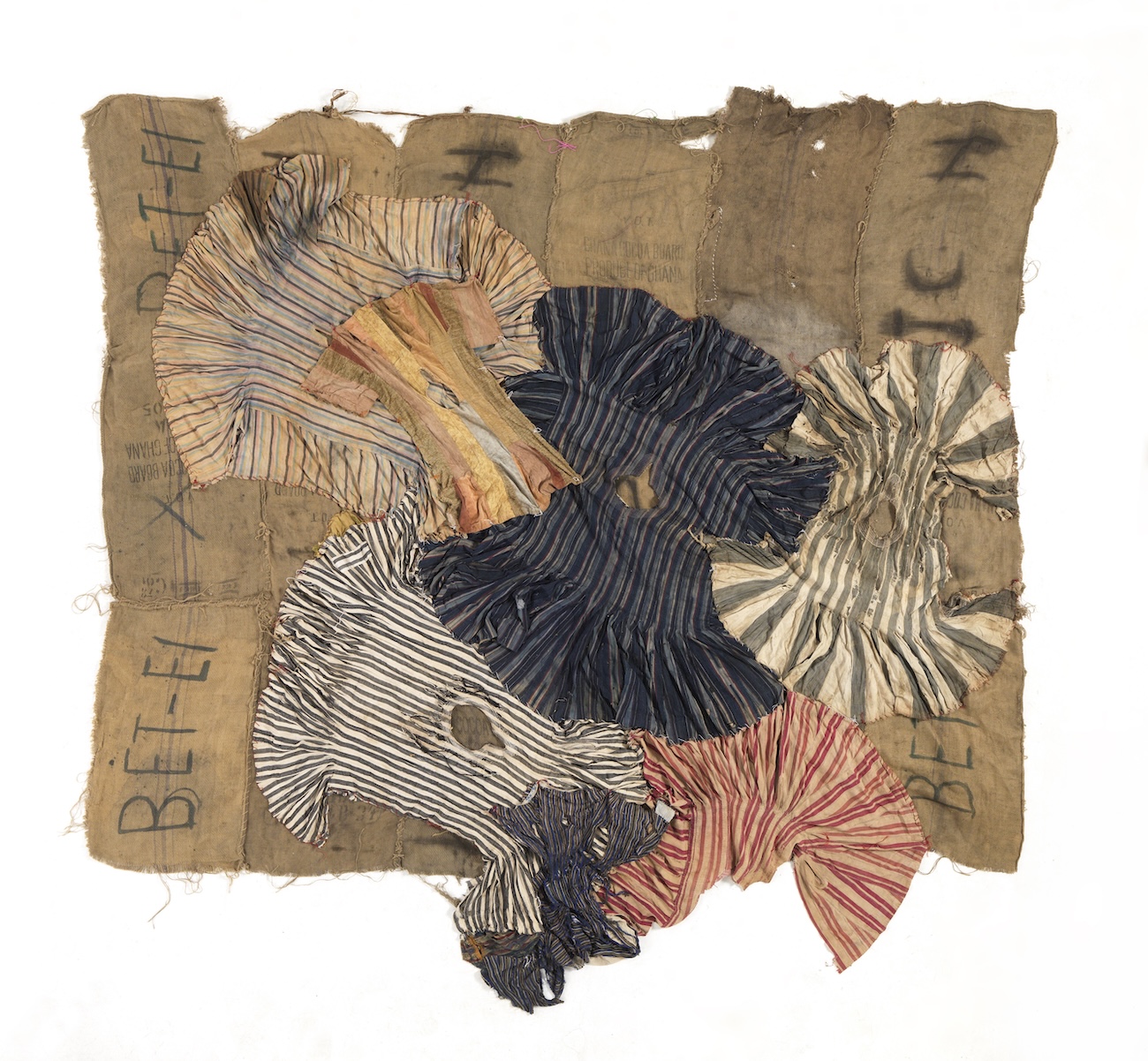
Ibrahim Mahama, “Untitled,” 2018. Traditional clothes on dyed jute sacks and coat sacks with markings, 400 x 420 cm. Courtesy the Artist and APALAZZOGALLERY.
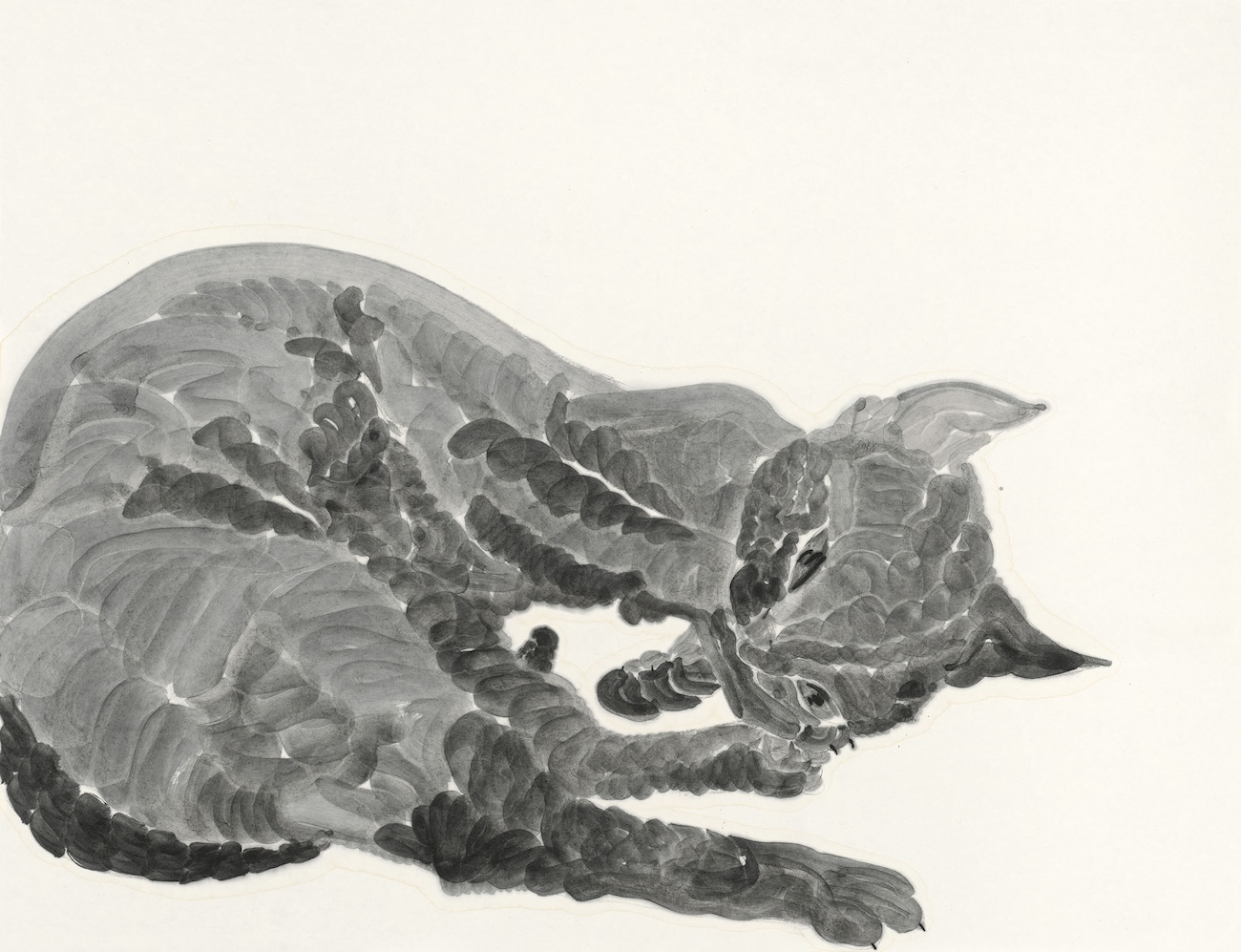
YANG Yu-Ning, “Slowly Melting into Sleep,” 2025. Ink on paper. 93 × 122 cm. Mind Set Art Center.
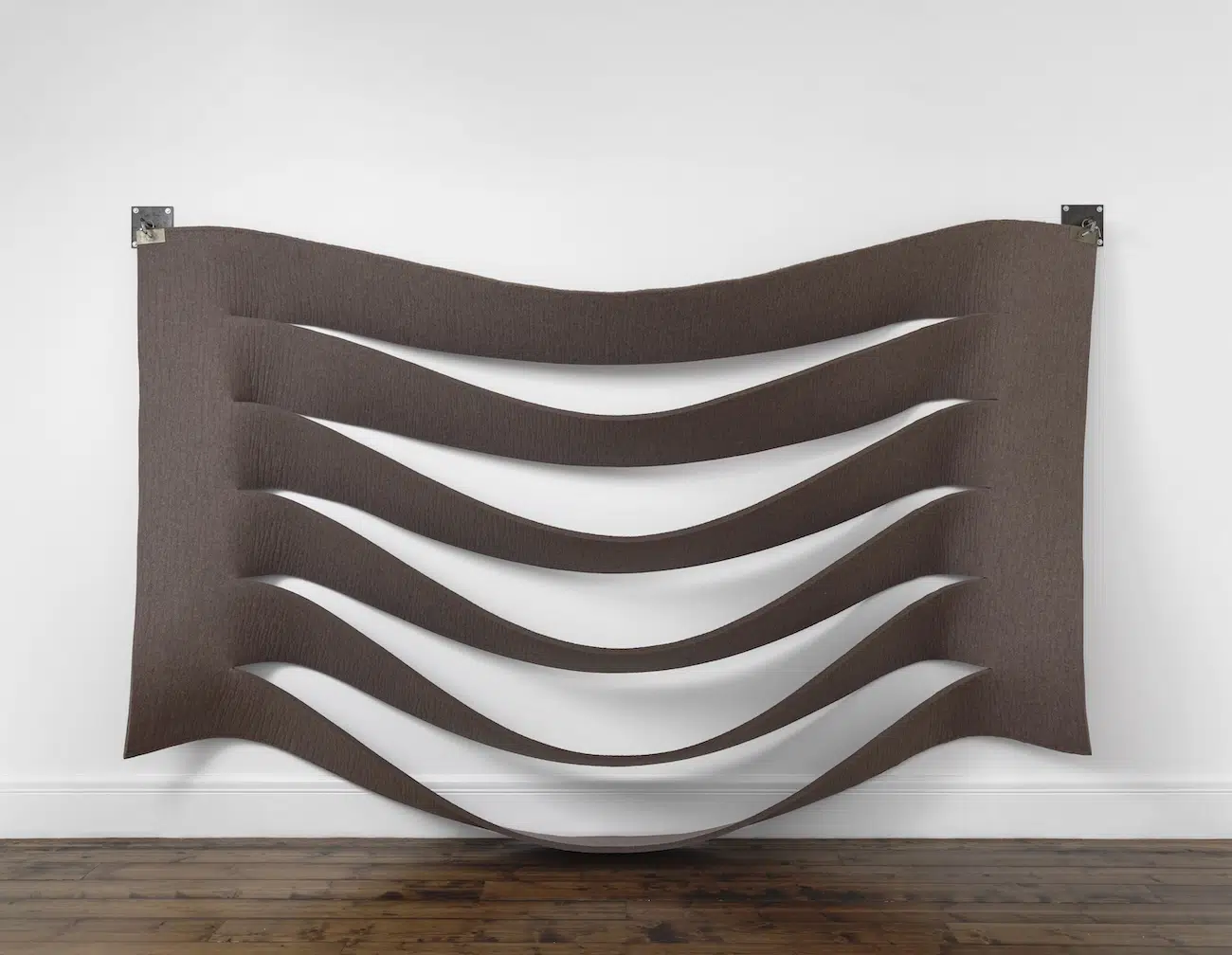
Robert Morris, “Ohne Titel/Untitled,” 1967/1995. Grey felt, metal grommets, 200 x 350 x 45 cm. © 2025 Robert Morris, member Artists Rights Society (ARS), New York. Photo: Ben Westoby / Fine Art Documentation.
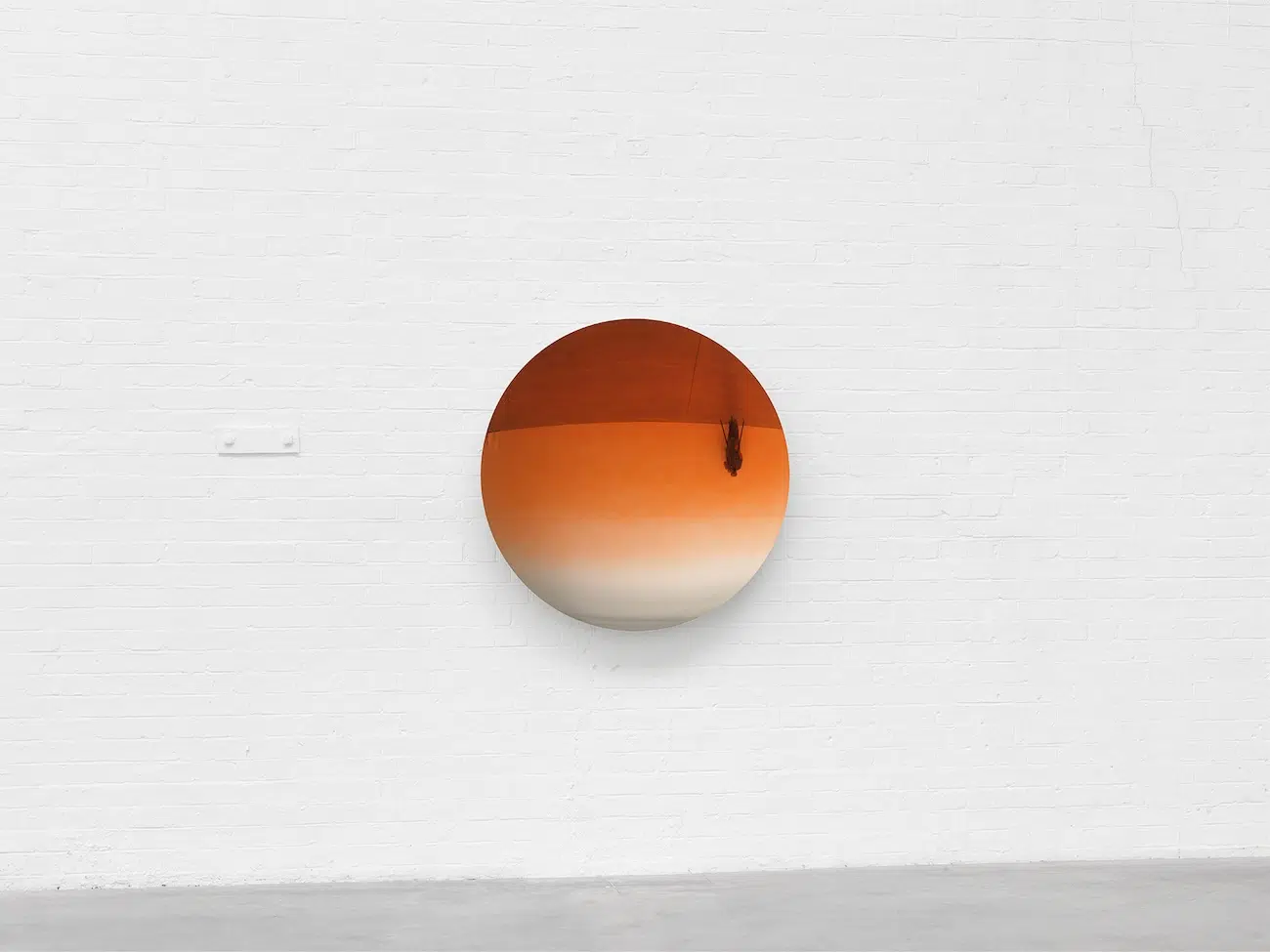
Anish Kapoor, “Tangerine to Clear,” 2024. Acier inoxydable, laque / Stainless steel, lacquer 110 x 110 x 13.2 cm. Mennour.
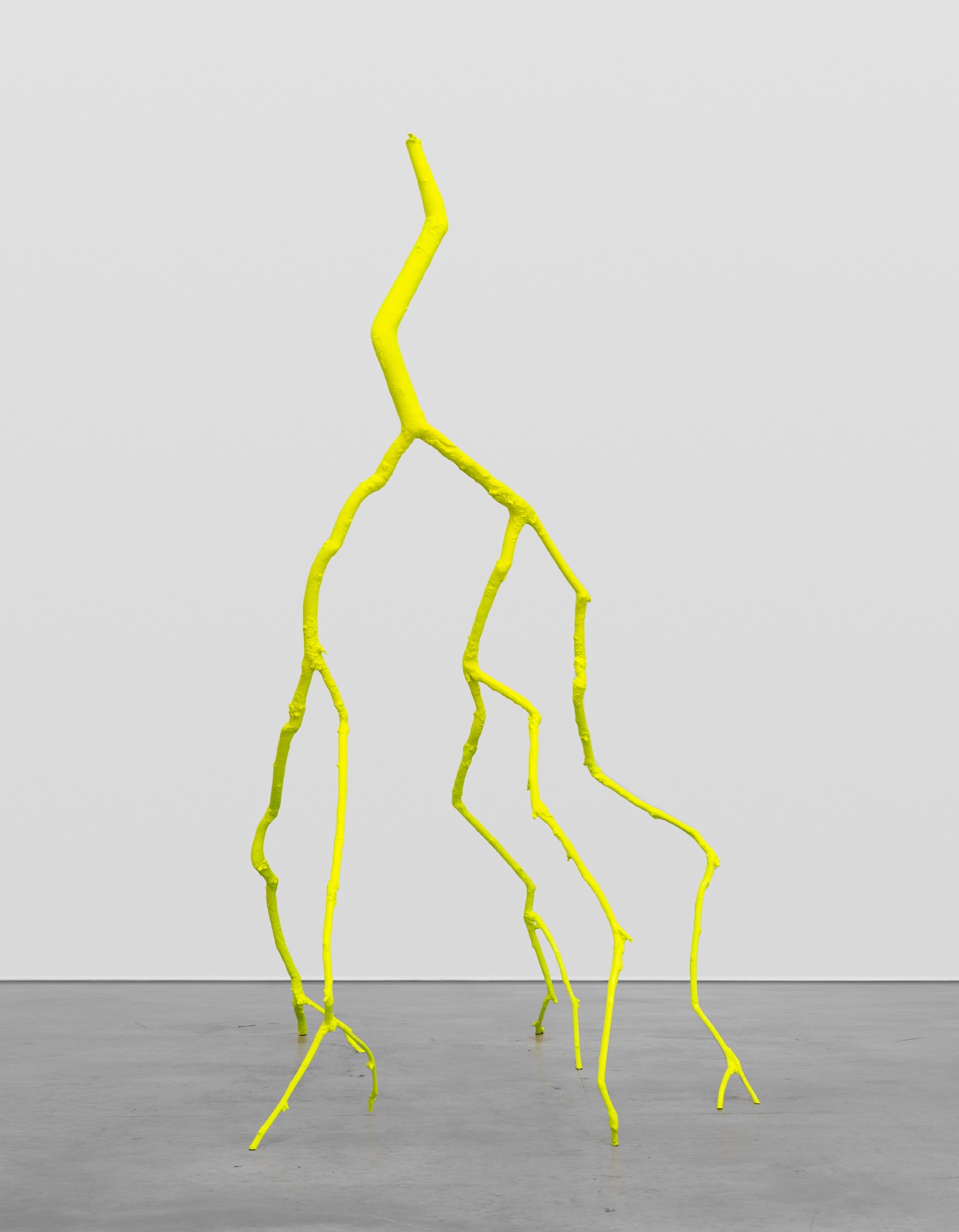
Ugo Rondinone, “flashing light,” 2023. Painted bronze, 155 x 88.5 x 88 cm. Courtesy the artist and Esther Schipper, Berlin/Paris/Seoul. Photo © Studio Ugo Rondinone.
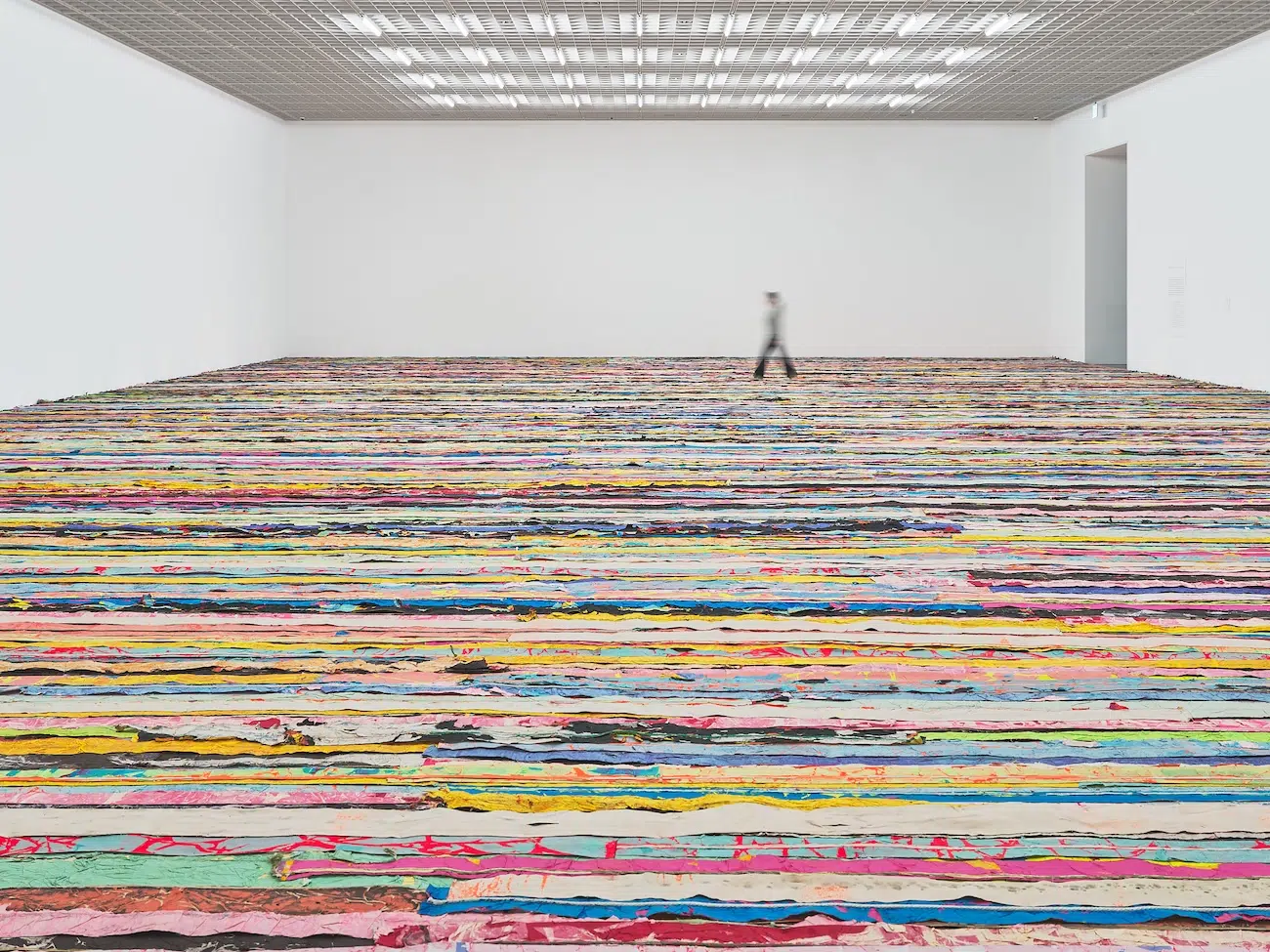
Mark Bradford, “Float,” 2019. Exhibition view, Mark Bradford: Keep Walking, Hamburger Bahnhof – Nationalgalerie der Gegenwart. Hauser & Wirth.

Jaehoon Lee, “Three in one,” 2024-2025. Oil on canvas, 72.7 x 60.6 cm. Sultana.
There will be two specialist sections within the fair: Frieze Masters and Focus Asia. Frieze Masters will showcase post-war and modern art from Asia and beyond.
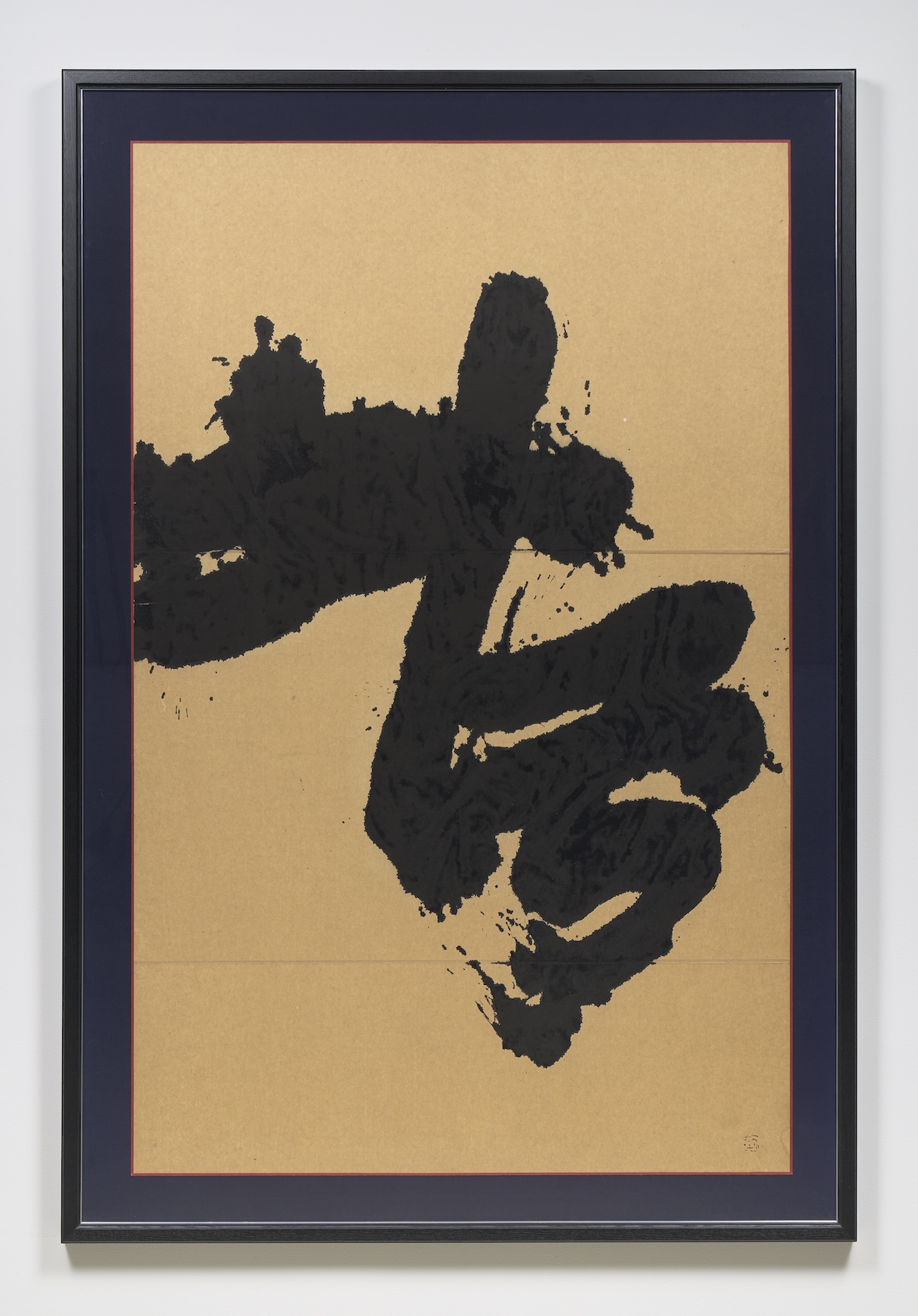
Yuichi Inoue, “孝/ Kō (Filial piety),” 1961. Paste ink on Japanese paper, 152.0 x 97.0 cm. Kotaro Nukaga Gallery.
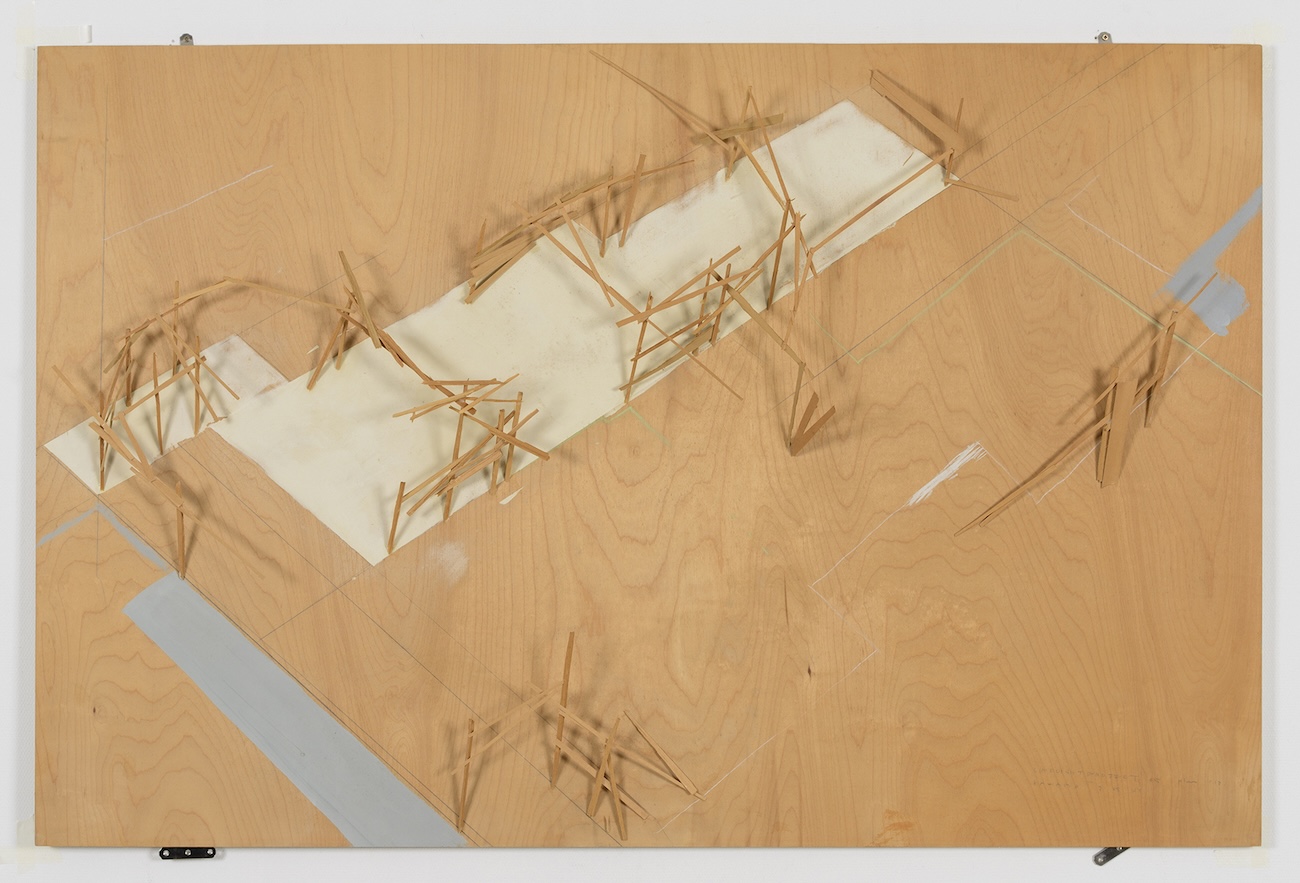
Tadashi Kawamata, “Limelight Project Plan 13,” 1985. Art Front Gallery.
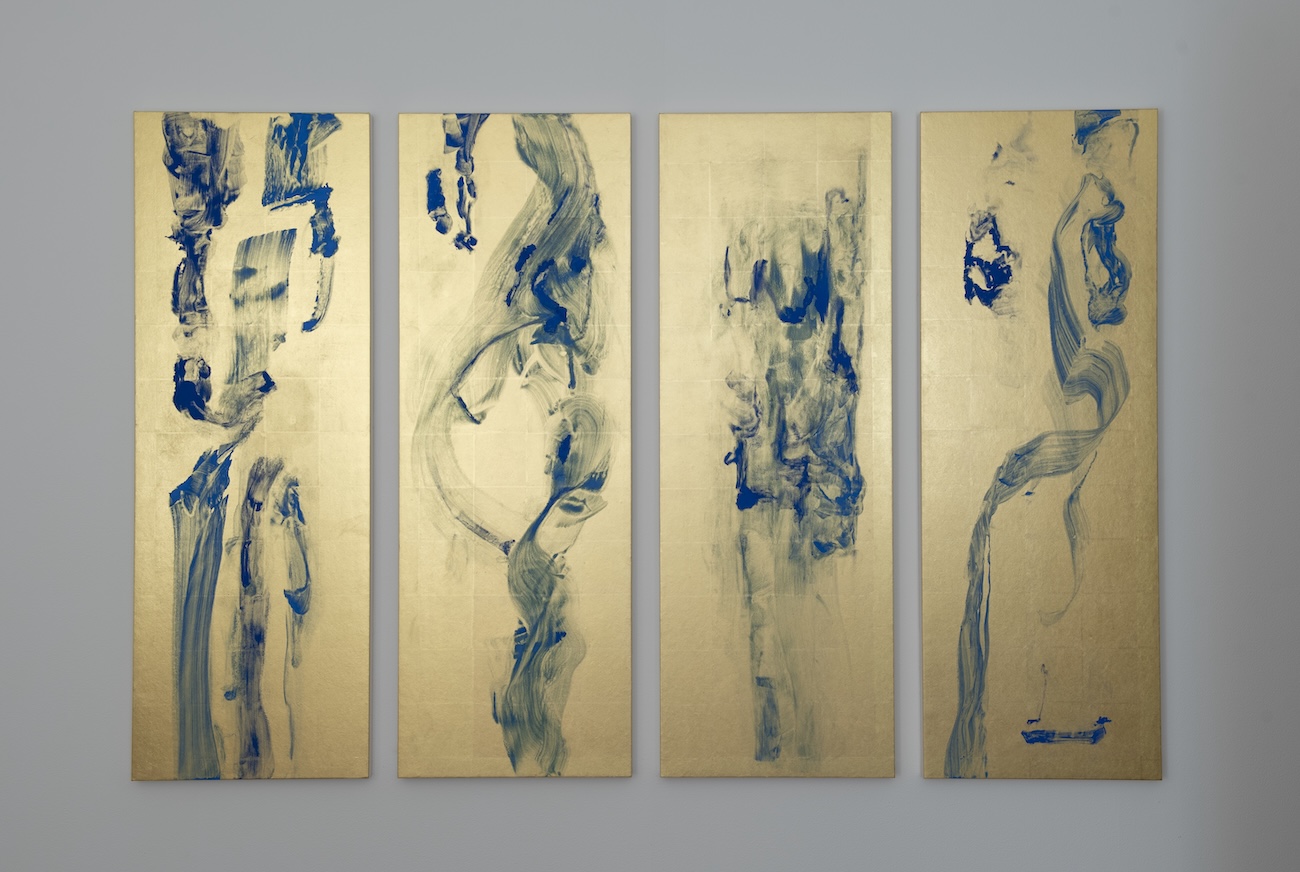
Kiyo Hasegawa, “l’effervescence VII,” 2024. Japanese pigments on old leaf, mounted on 4 individual panels, H130 x W182 cm (H130 x W45.5 cm each)
Courtesy: A Lighthouse called Kanata.

Bong Sang Ree / 이봉상, “연못,” 1950s-1960s. 캔버스에 유채, 60.6×72.7cm. Hakgojae.
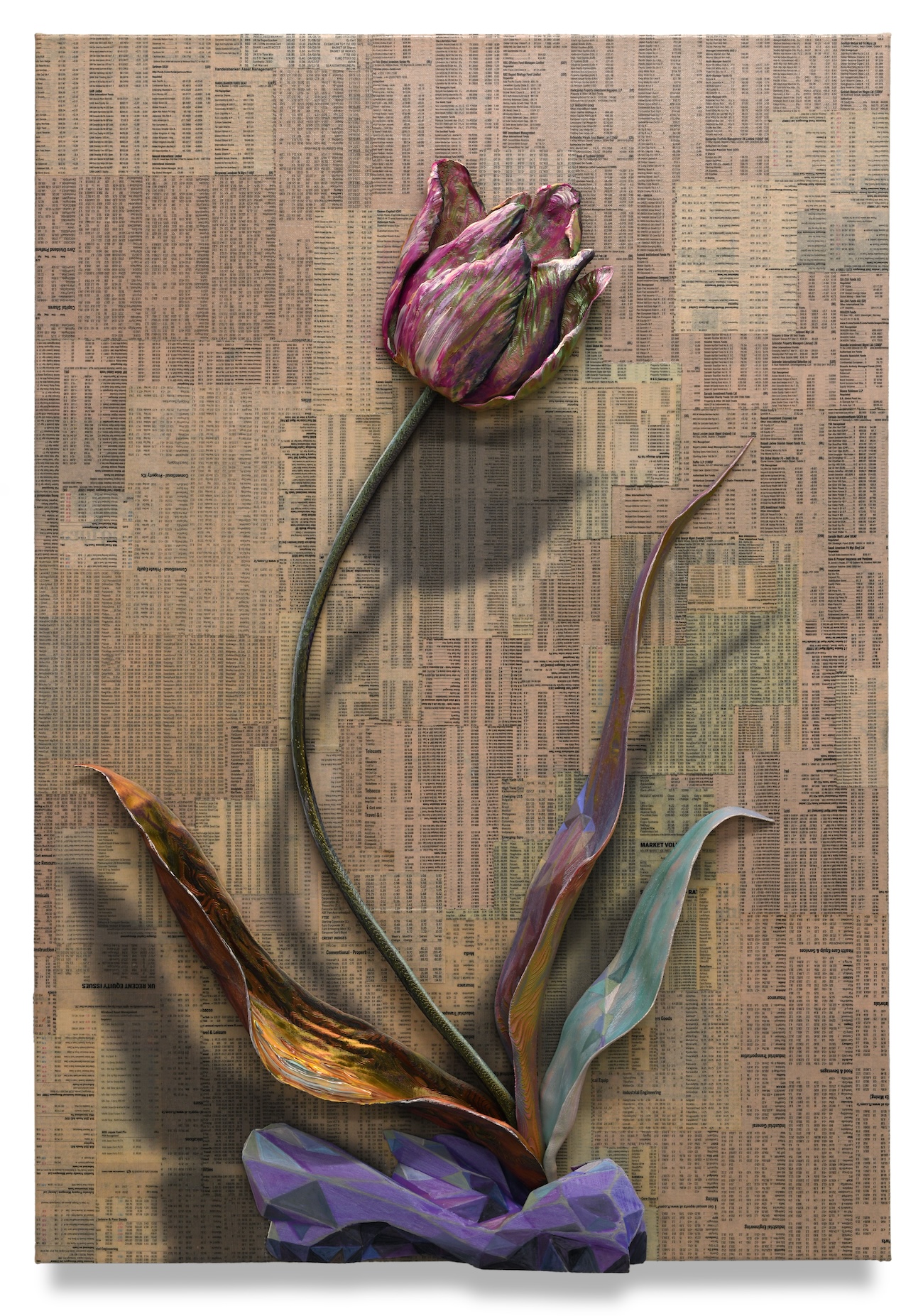
Gordon Cheung, “Tulip Paradox 05,” 2025. Financial Newspaper, Archival Inkjet, Acrylic, PLA Filament on Linen 82 × 57 cm. Gdm.
Focus Asia, by contrast, will spotlight 10 solo presentations by emerging artists across the region to reflect the “energy and complexity” that is contemporary life in Asia today.

Taiki Yokote, “Floating Rubble / Zen, Gure, Coco, Sen, Po, Ten, Kuki, Kurumi” (when the cat’s away, the mice will play). CON_.

Eugene Jung, “WW (Waves of Wreckage),” 2024. Installation view, Busan Biennale 2024
Mixed Media (Malfunctioning drones, cement, stainless steel pipes, rust activator)
800 x 500 x 500 cm.
Courtesy the artist and Busan Biennale.
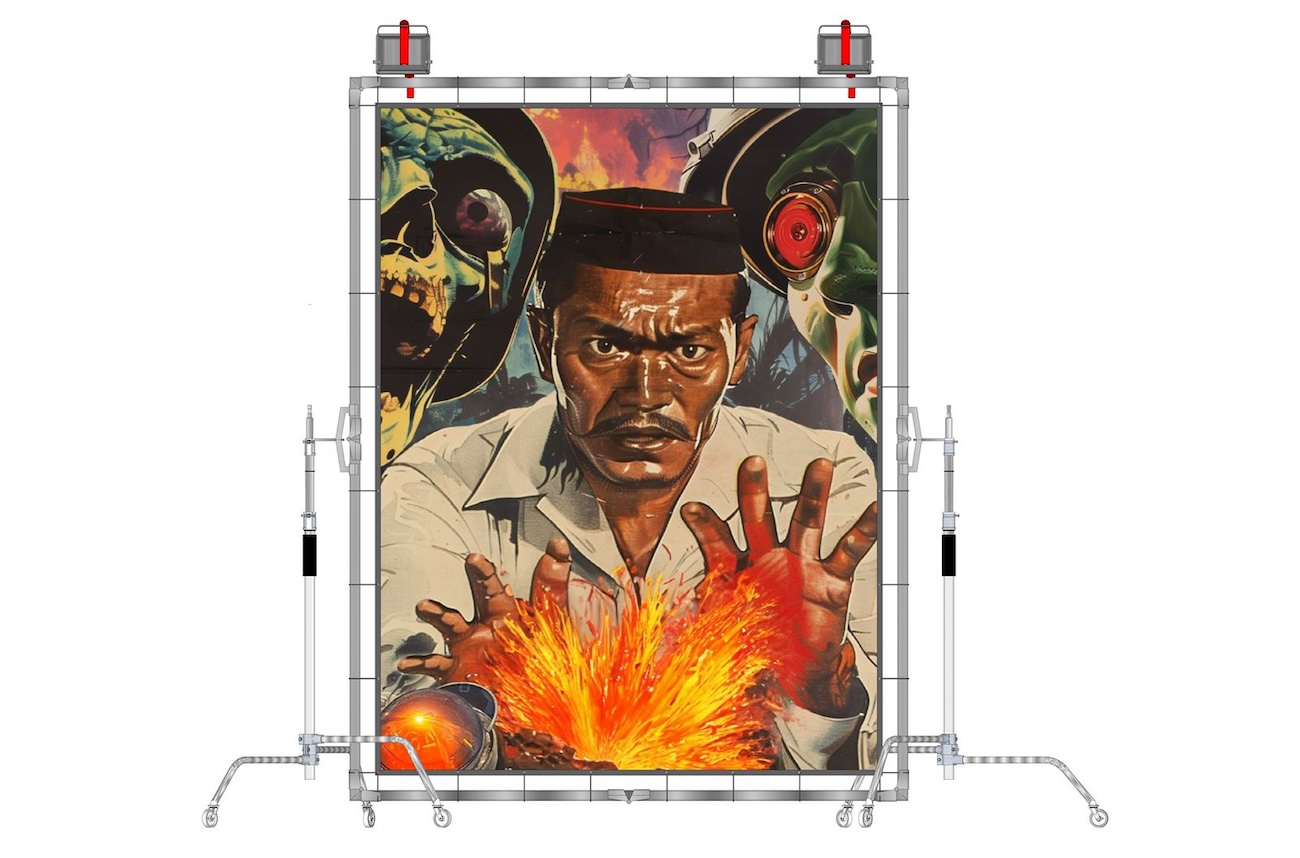
Timoteus Anggawan Kusno. kohesi initiatives.
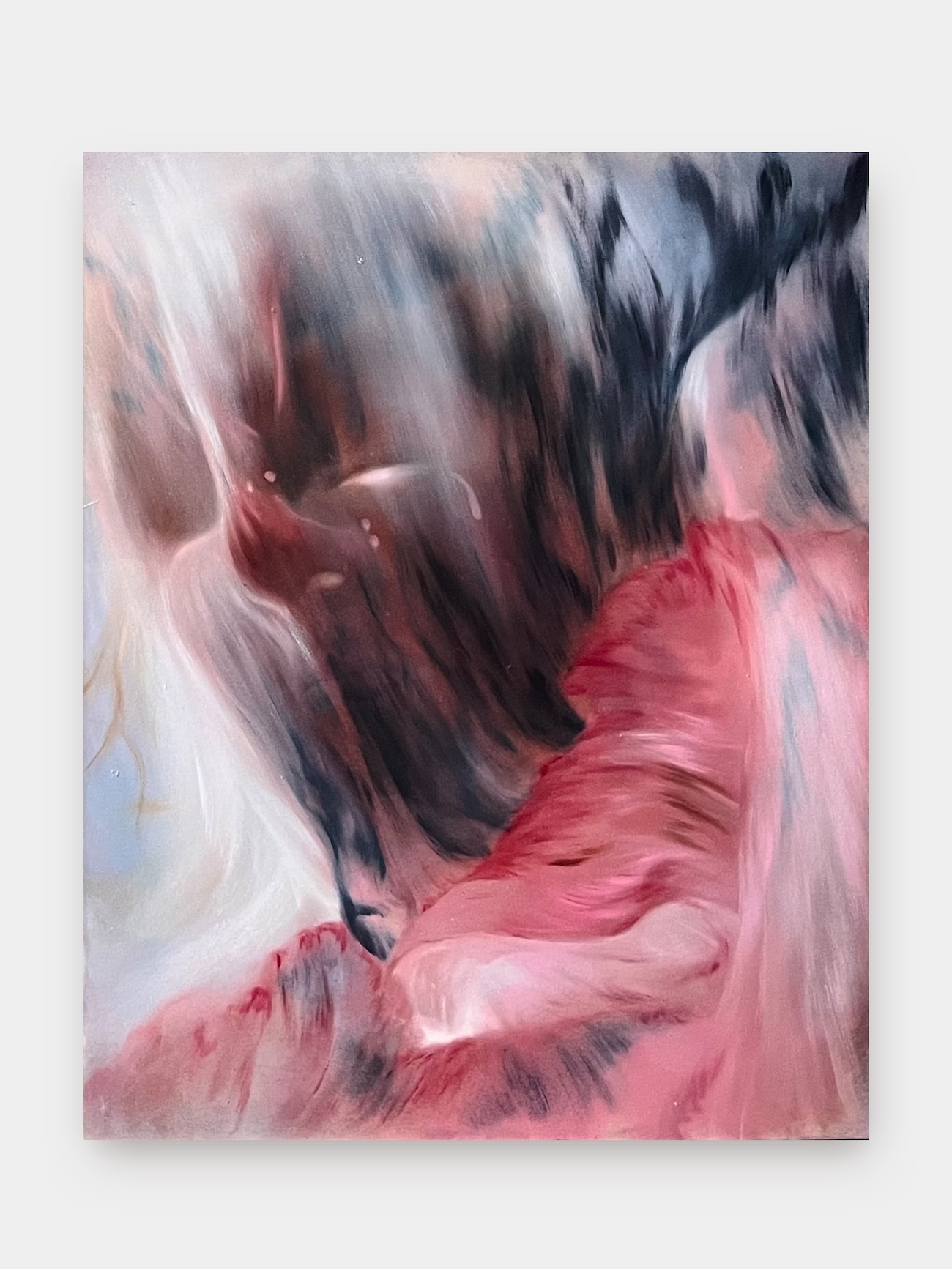
Liang Fu, “Drowned in Soft Waves,” 2025. Oil and mineral pigment on canvas, 100 x 80 cm. © FU Liang. Courtesy of the Artist and LINSEED.
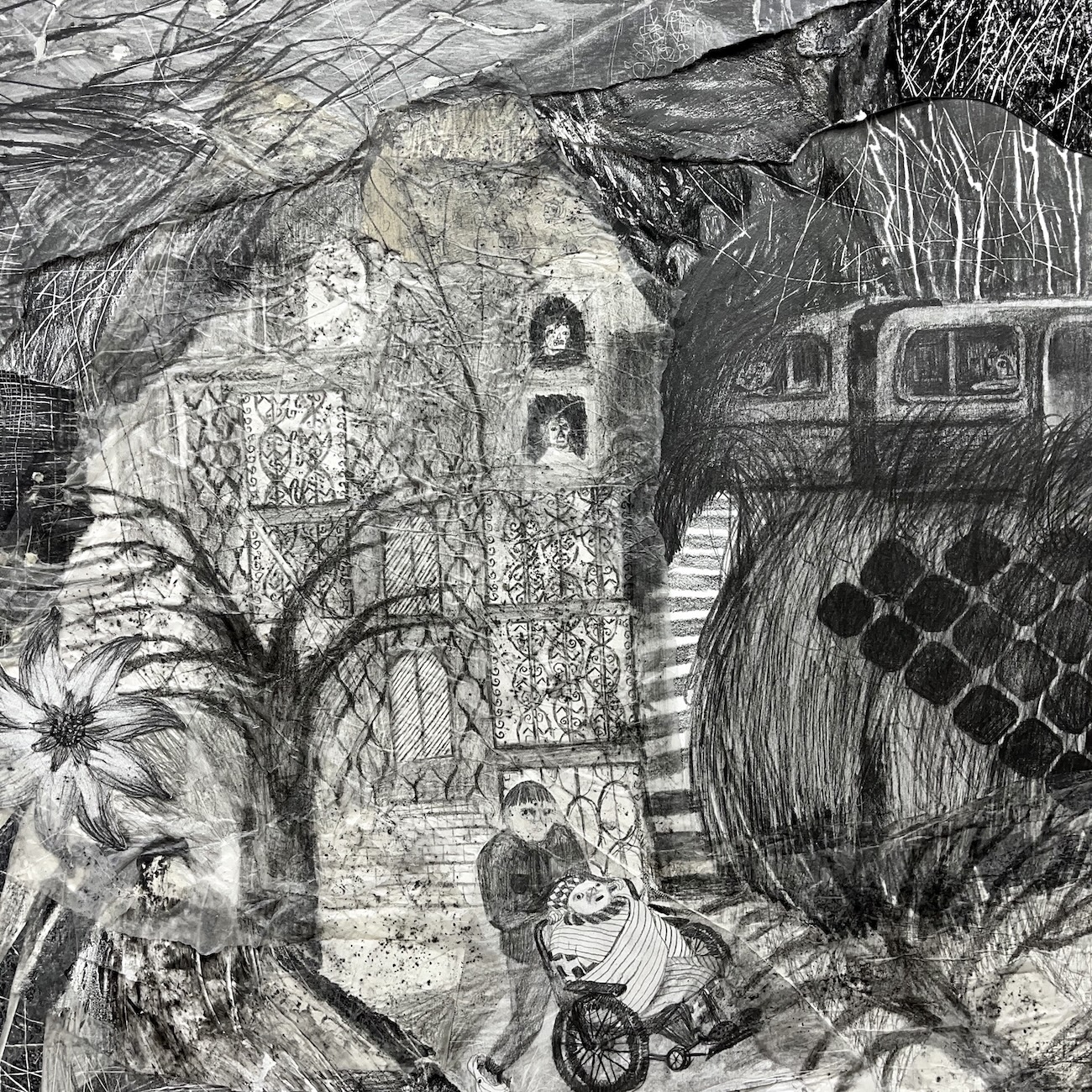
Im Sungoo, “As If Night Would Never Come,” 2024. Graphite, mixed media on paper, collage, 51 x 99 cm. drawingRoom.