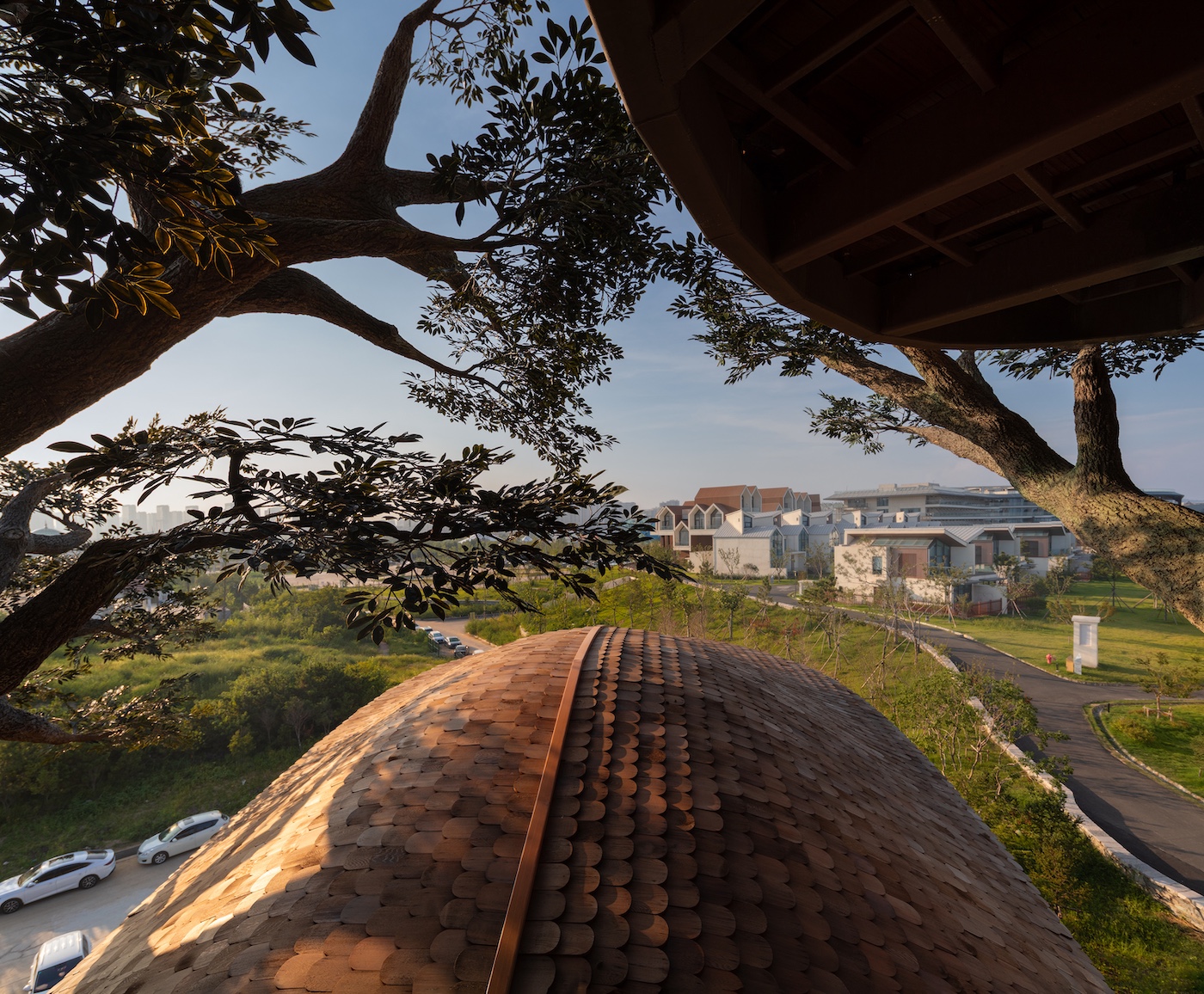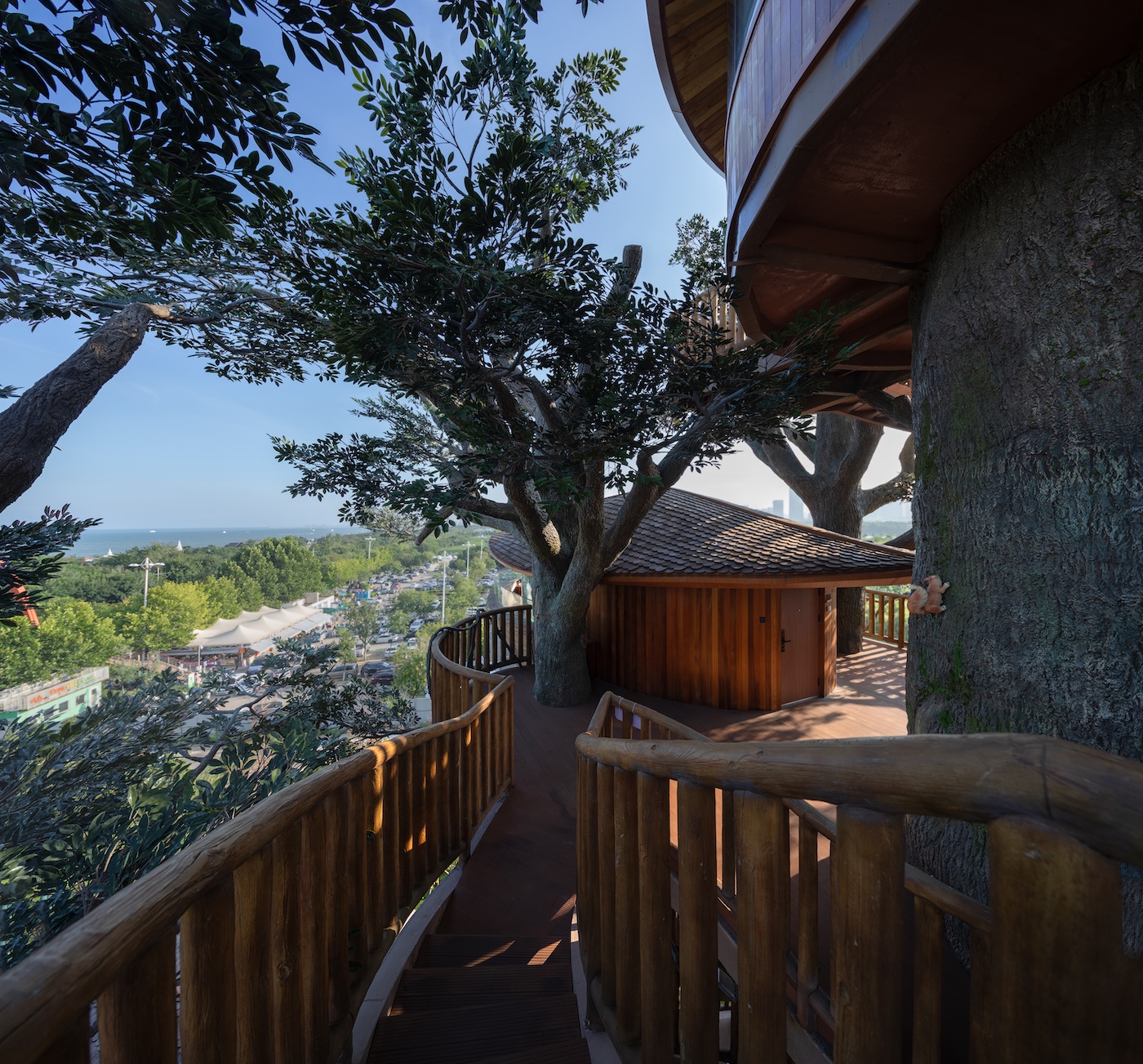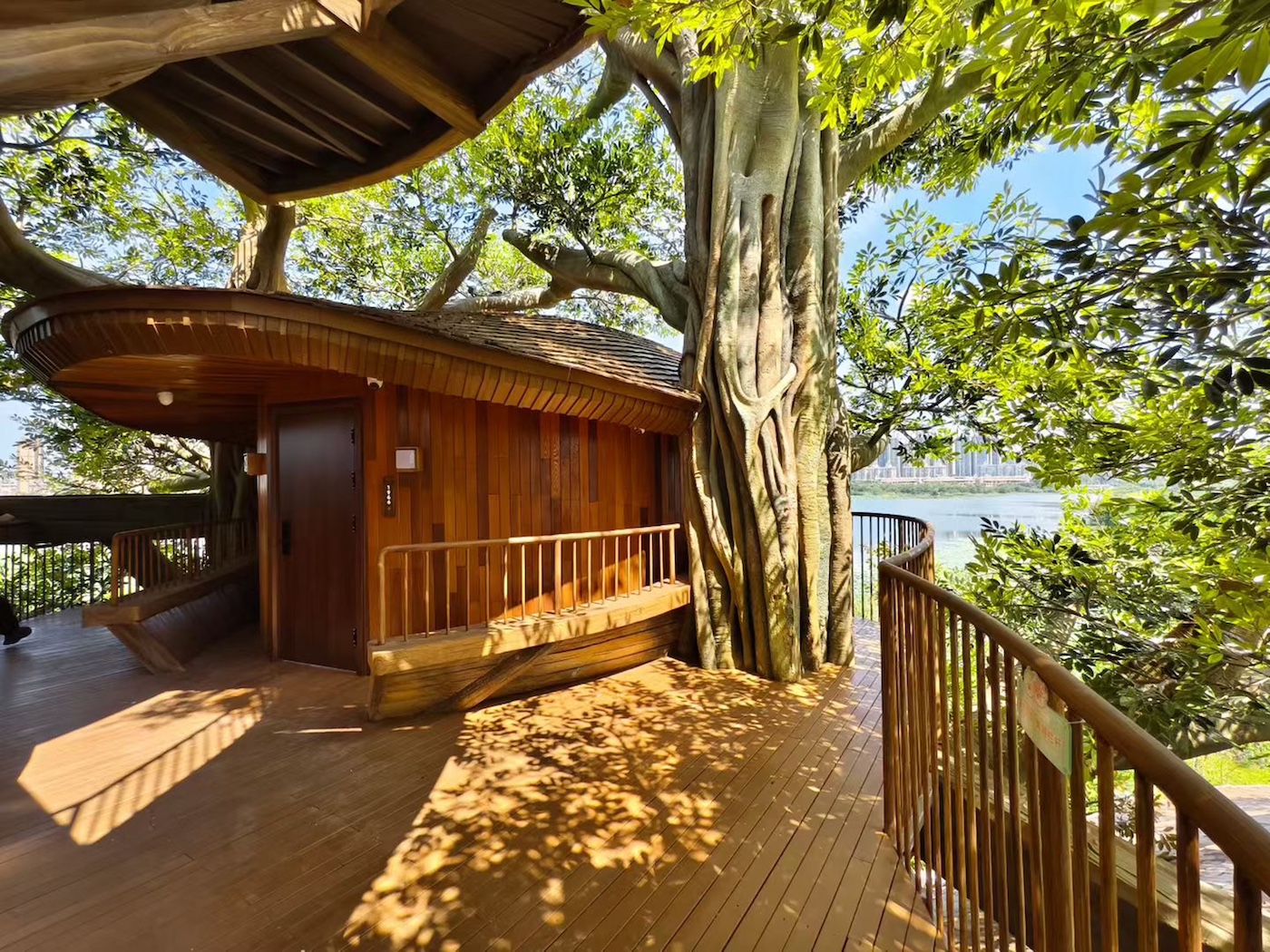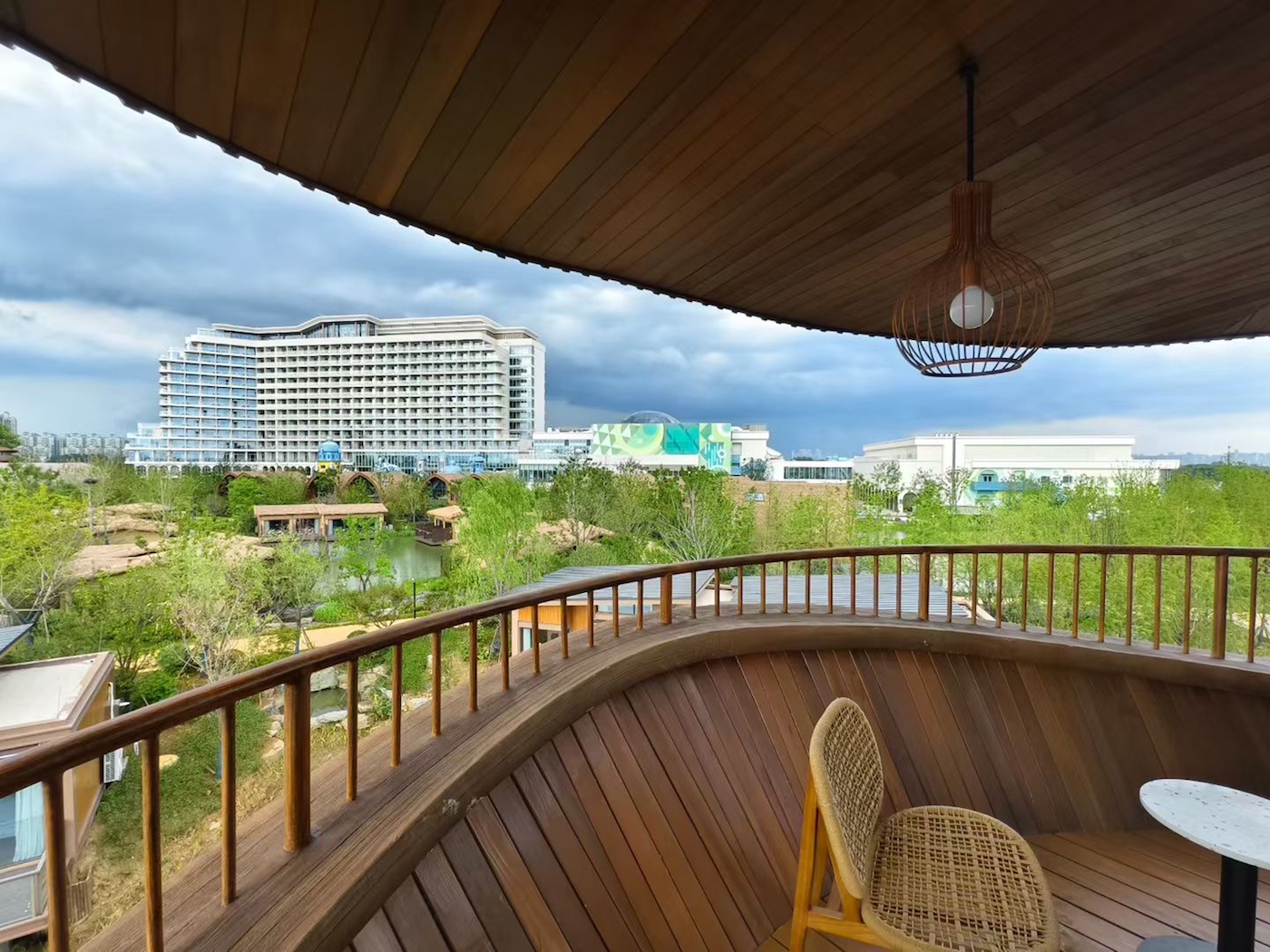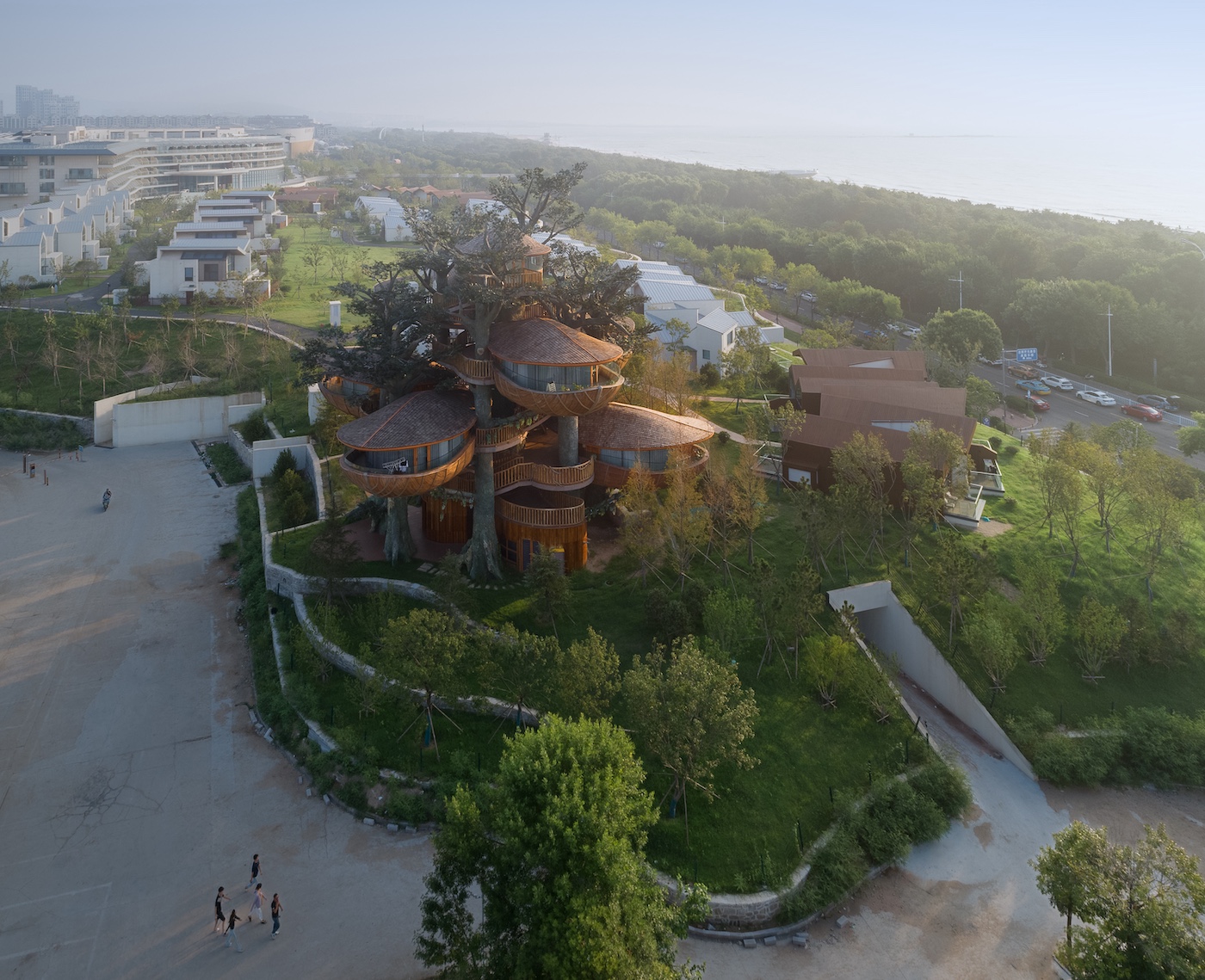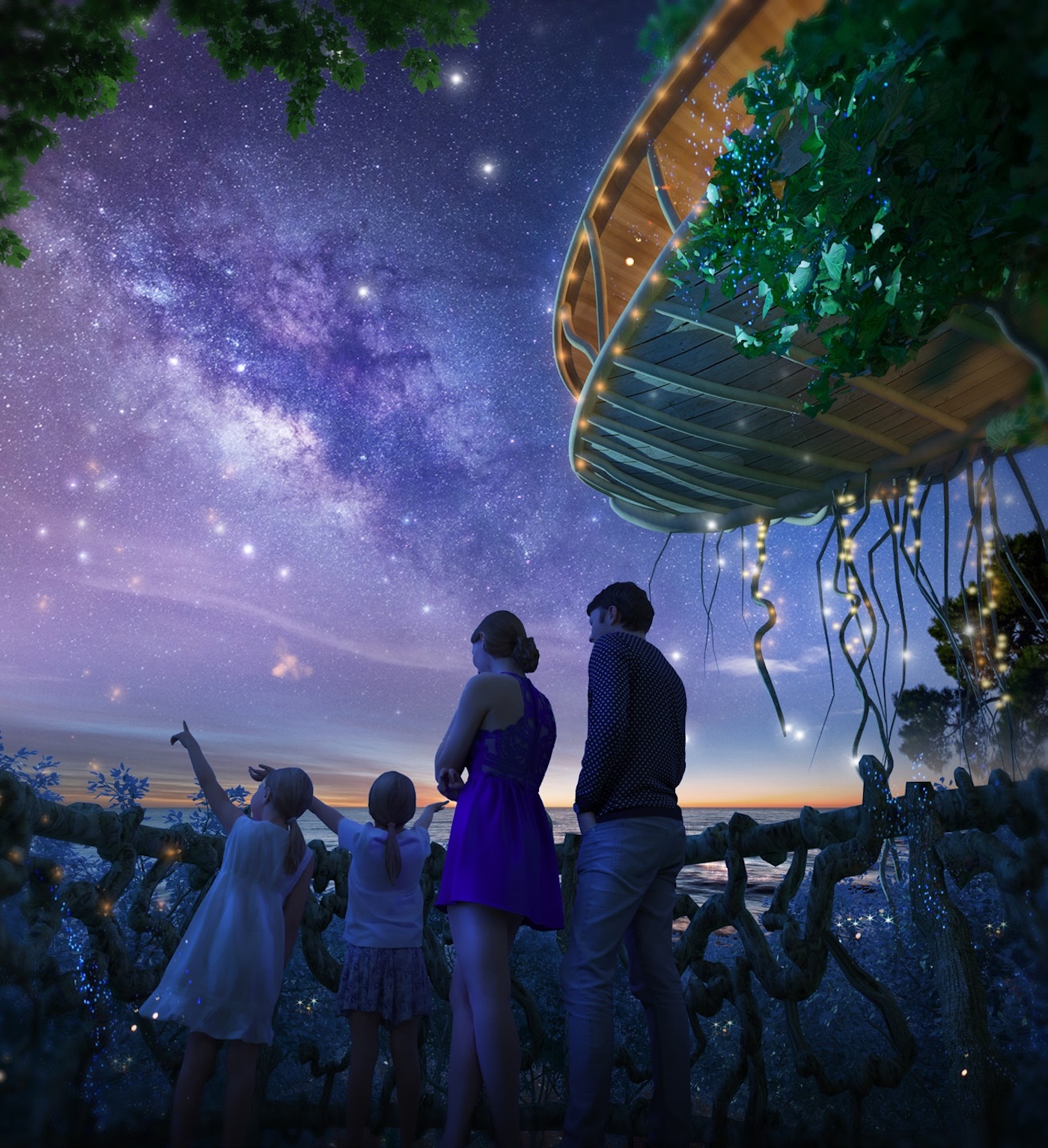

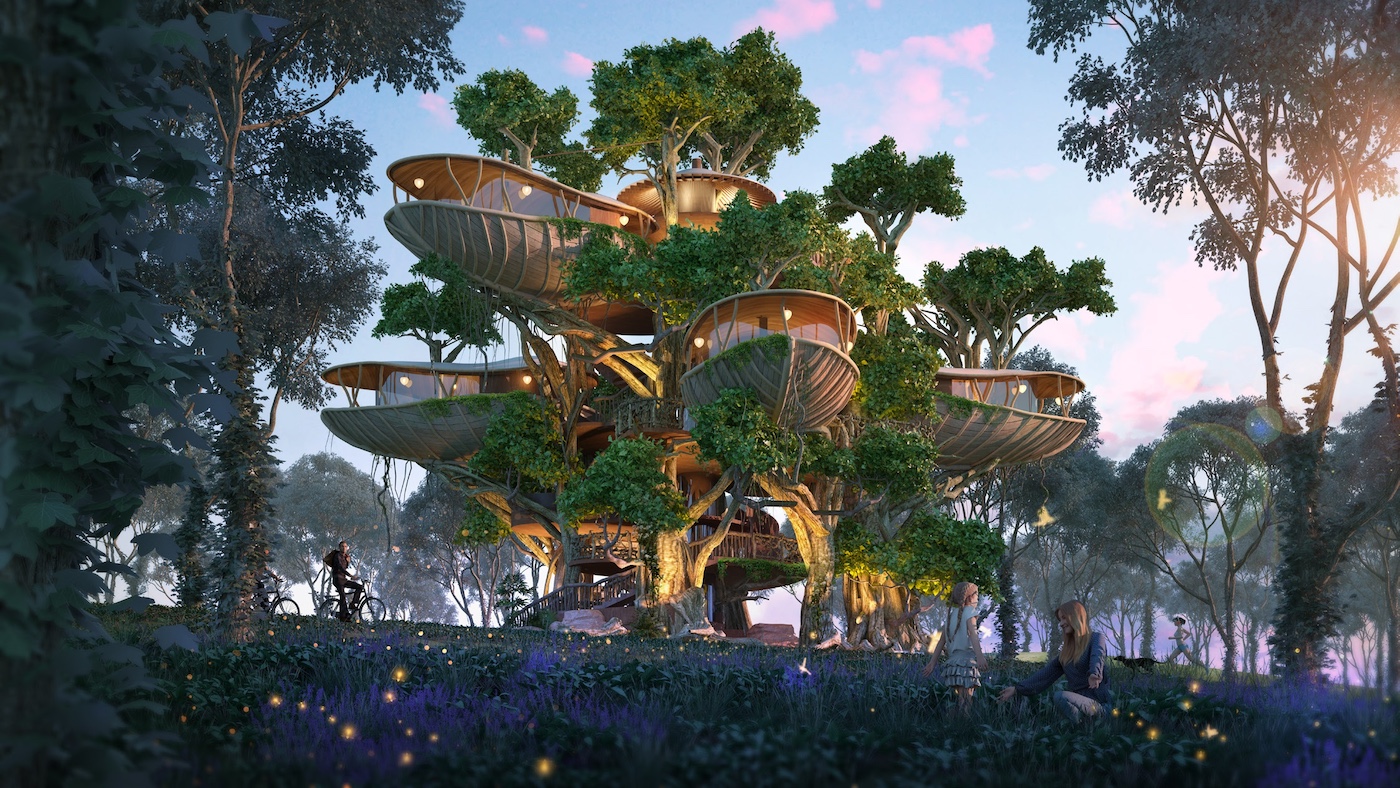
If you loved treehouses as a kid, the Forest Nests Treepod Project by Chinese architecture studio Doarchiwow might just be your dream grown-up escape. The modular, ecological structure lets you live among lush canopies inside stylish micro-living units called pods, each equipped with smart home systems.
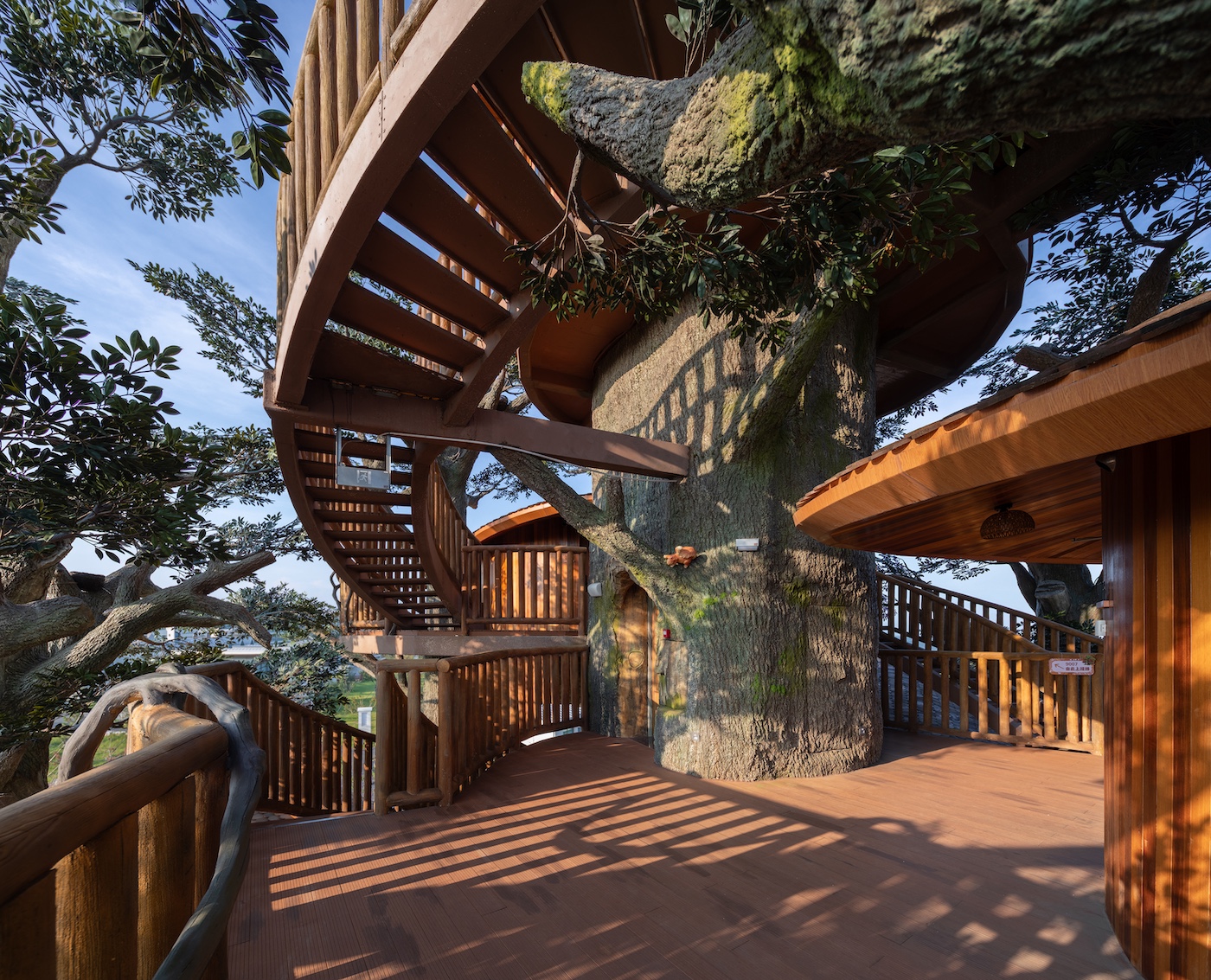
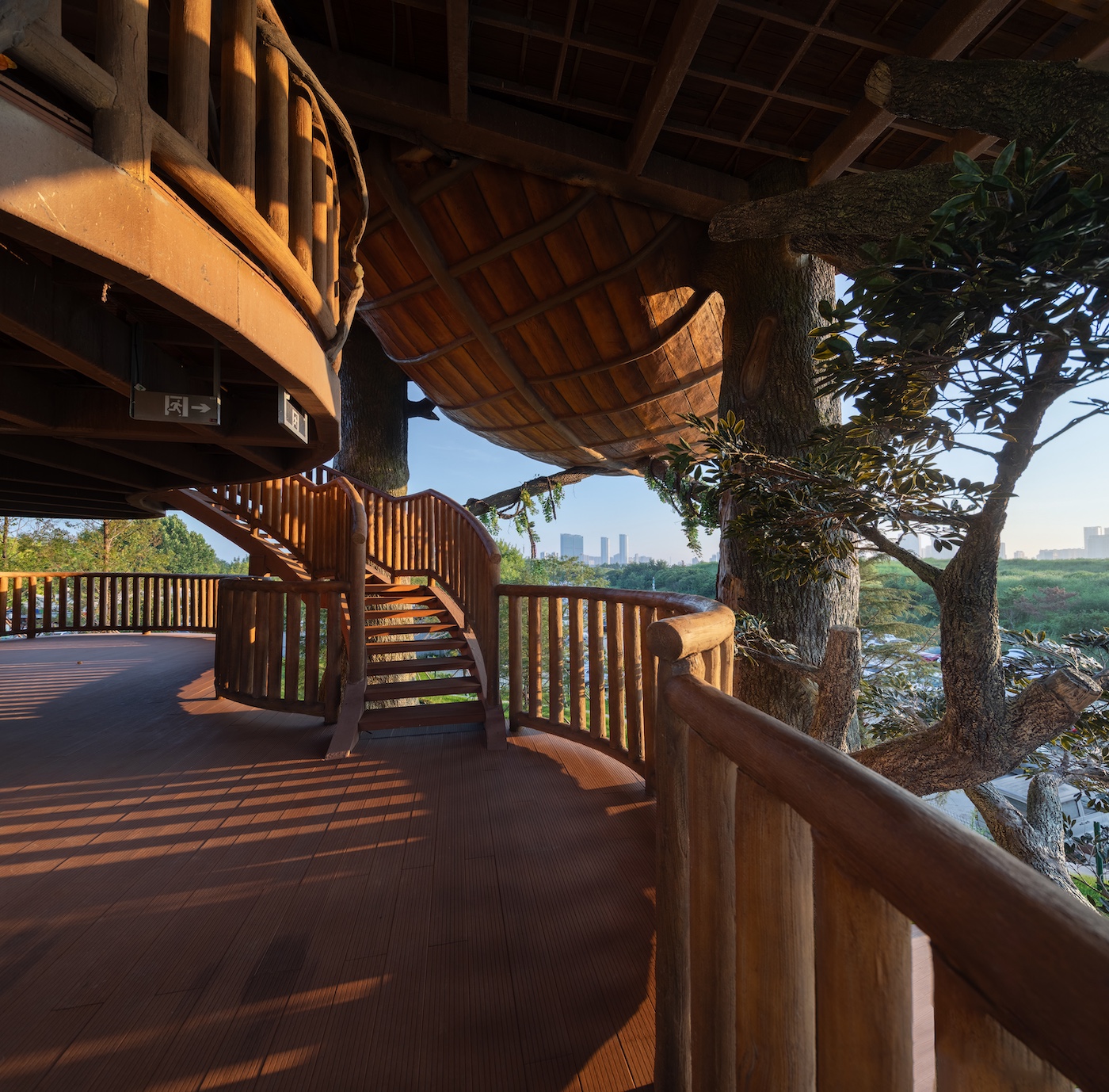
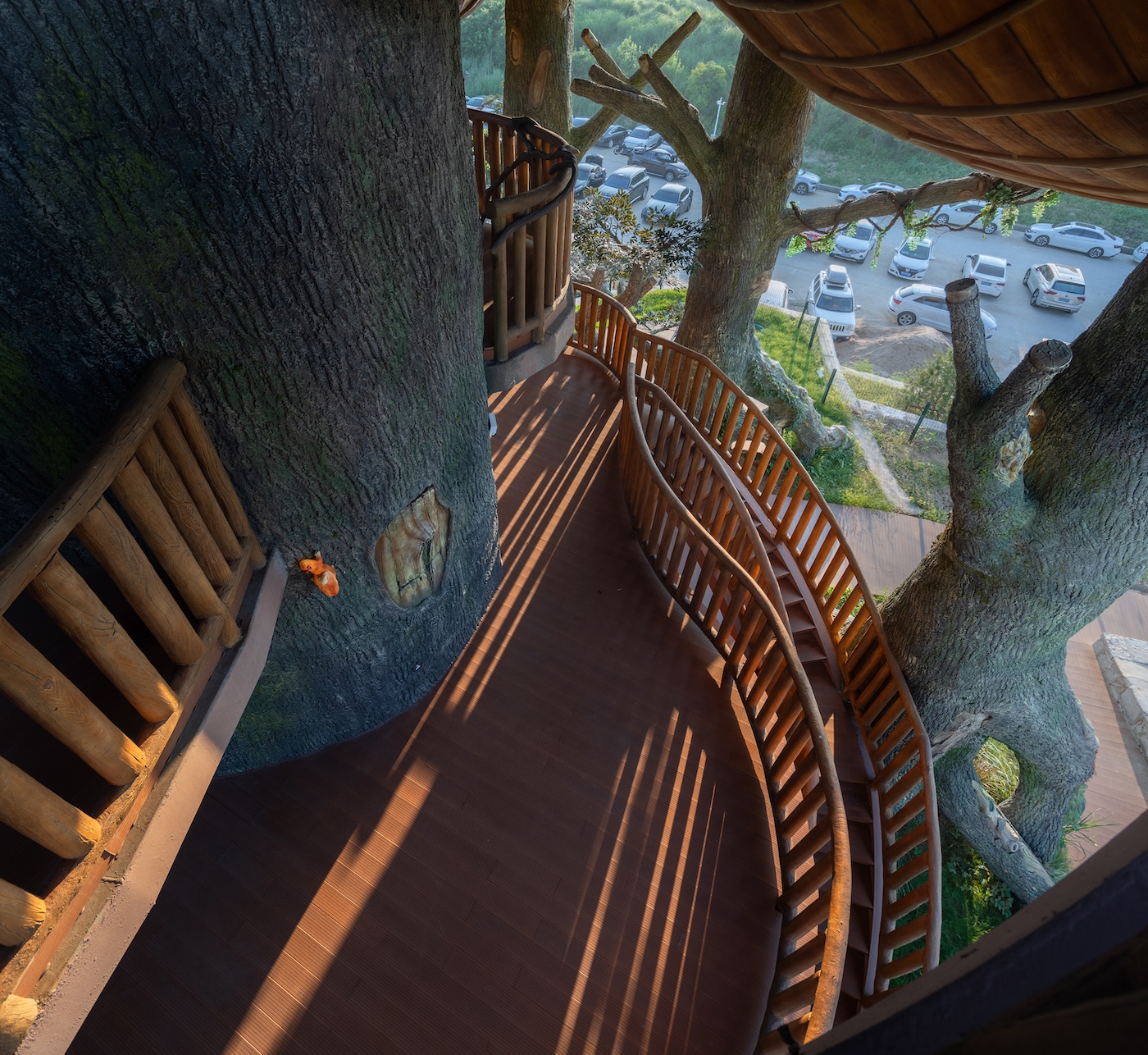
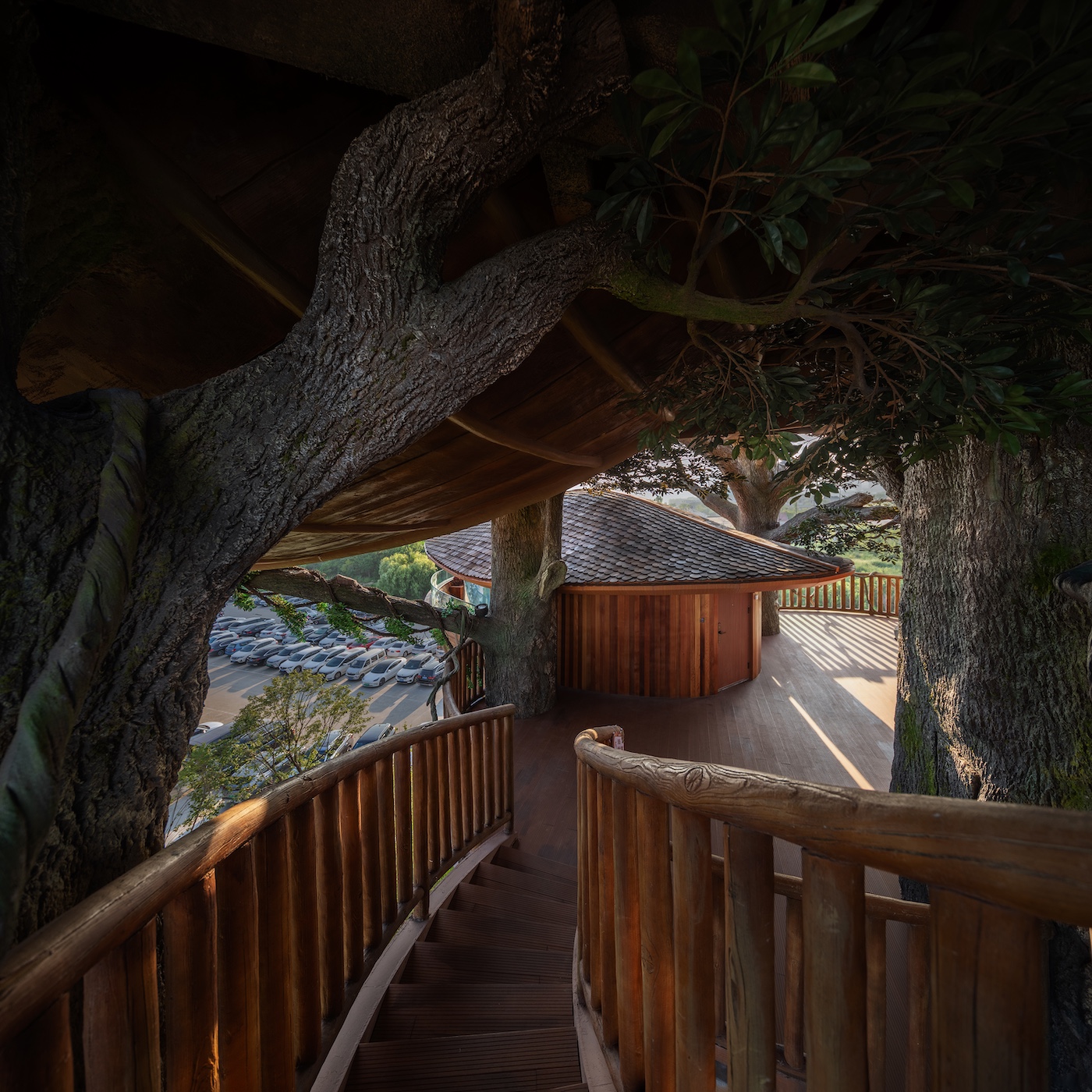
The Forest Nests Treepod Project is designed both as a concept for a future resort and as an example of how buildings can be made with almost no carbon footprint and very little impact on the environment. The design is inspired by natural forms like bird nests and cocoons, reinterpreting them into a modular structure that appears to be part of its organic surroundings. Each pod is built with a steel frame and covered in a mix of wood shingles, weathered steel, aluminum panels, and glass.
Beyond its striking design, the project reflects Doarchiwow’s goal to go beyond basic eco-friendly ideas and work toward truly near–zero-carbon buildings. The pods are built with lightweight, prefabricated components to limit damage to the site and curb material waste, and the modular system reduces on-site labor and energy use. Each pod is also designed to operate like its own environmental unit, able to adapt to different climates and settings, from lush forests to coastal areas.
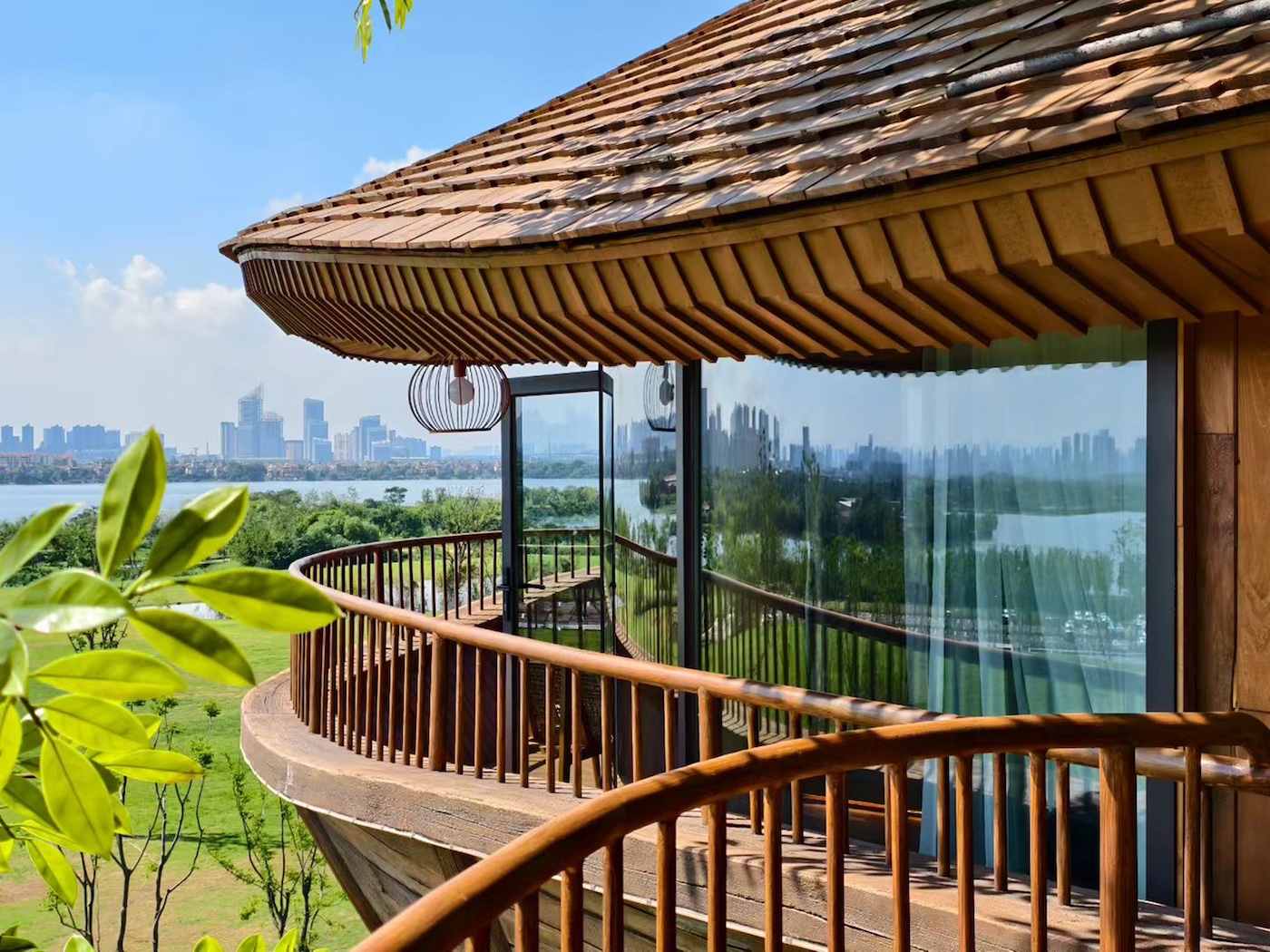
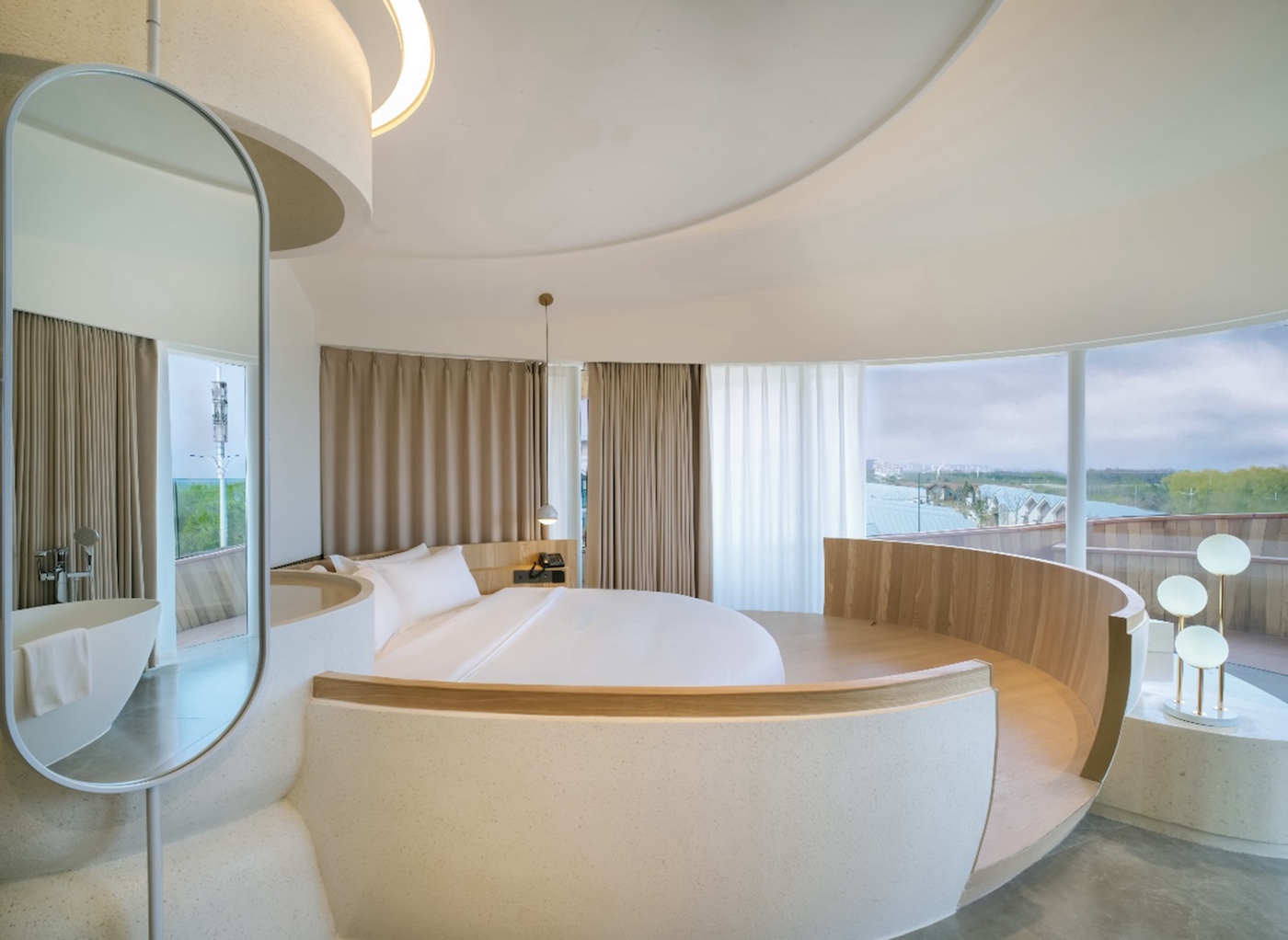
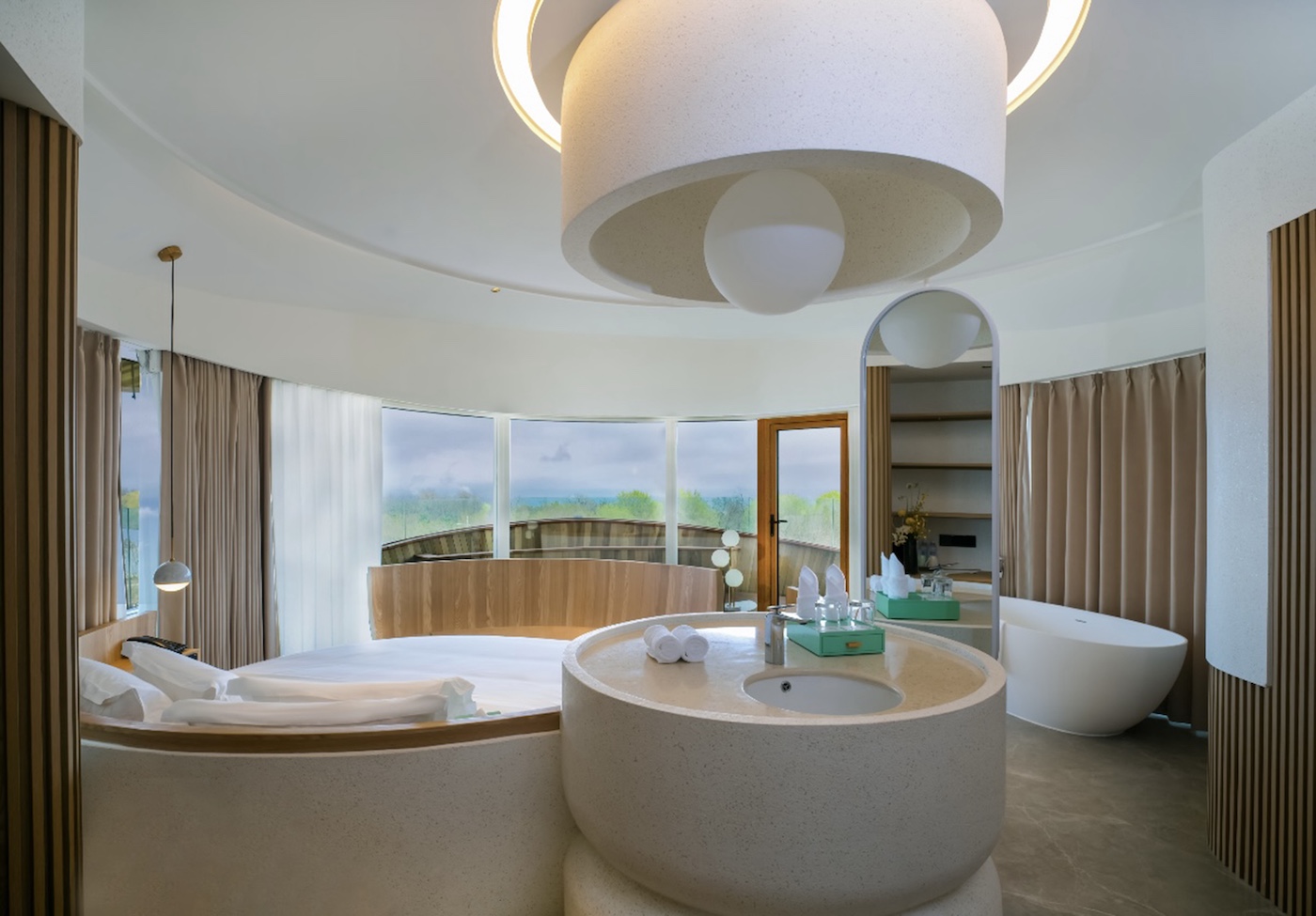
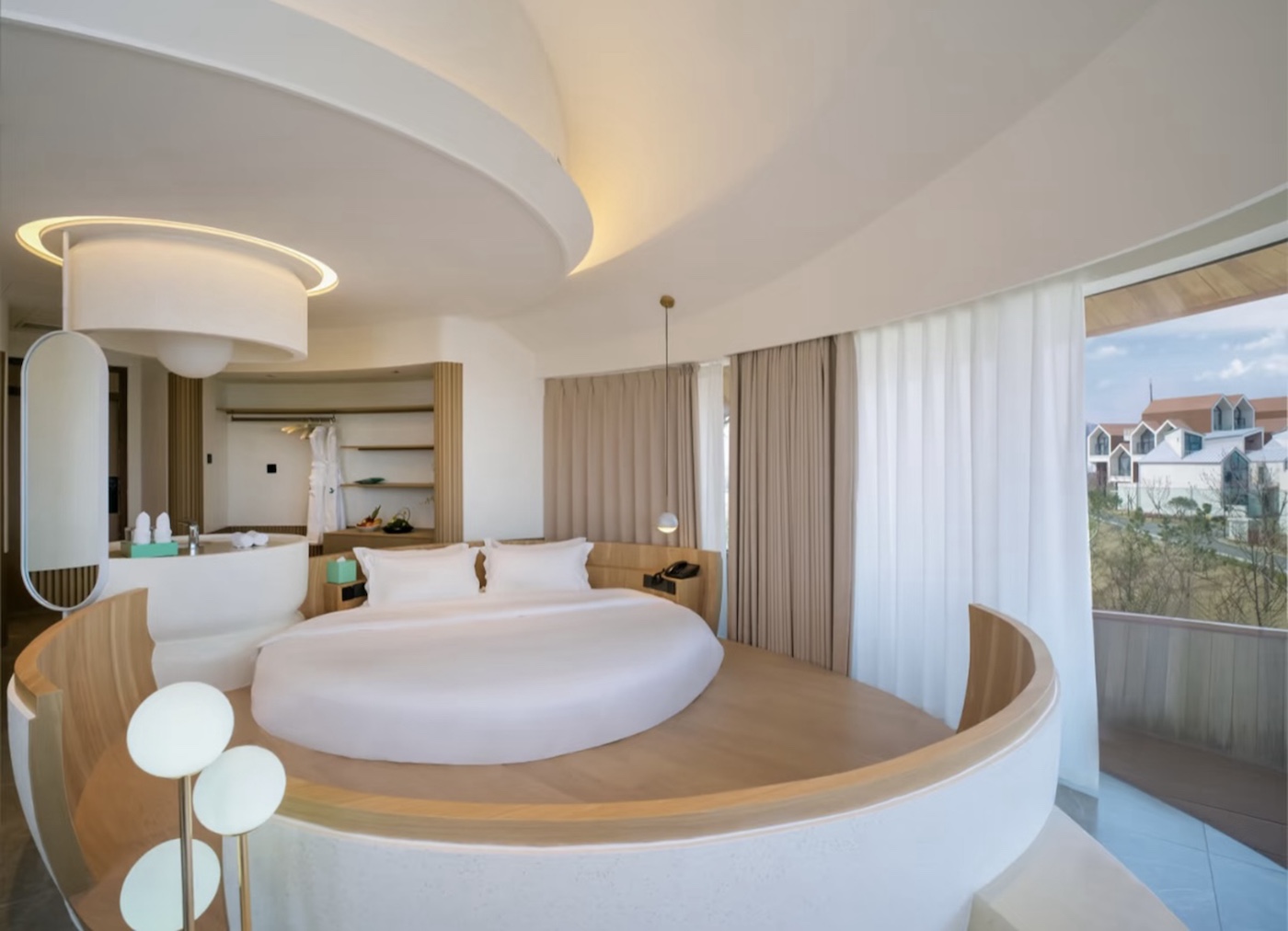
The pods feature a 270-degree floor-to-ceiling window that fills the space with natural light and views of the surrounding environment. Plus, the architects cleverly hid all the technical systems in the outer shell, so the interior stays calm and clutter-free.
The first Forest Nest Treepod is already up at China’s Senbo Amusement Park, but the beauty of the design is that it can be installed in nearly any setting. Check it out below.
The Forest Nests Treepod Project by Chinese architecture studio Doarchiwow is inspired by natural forms, like bird nests and cocoons.
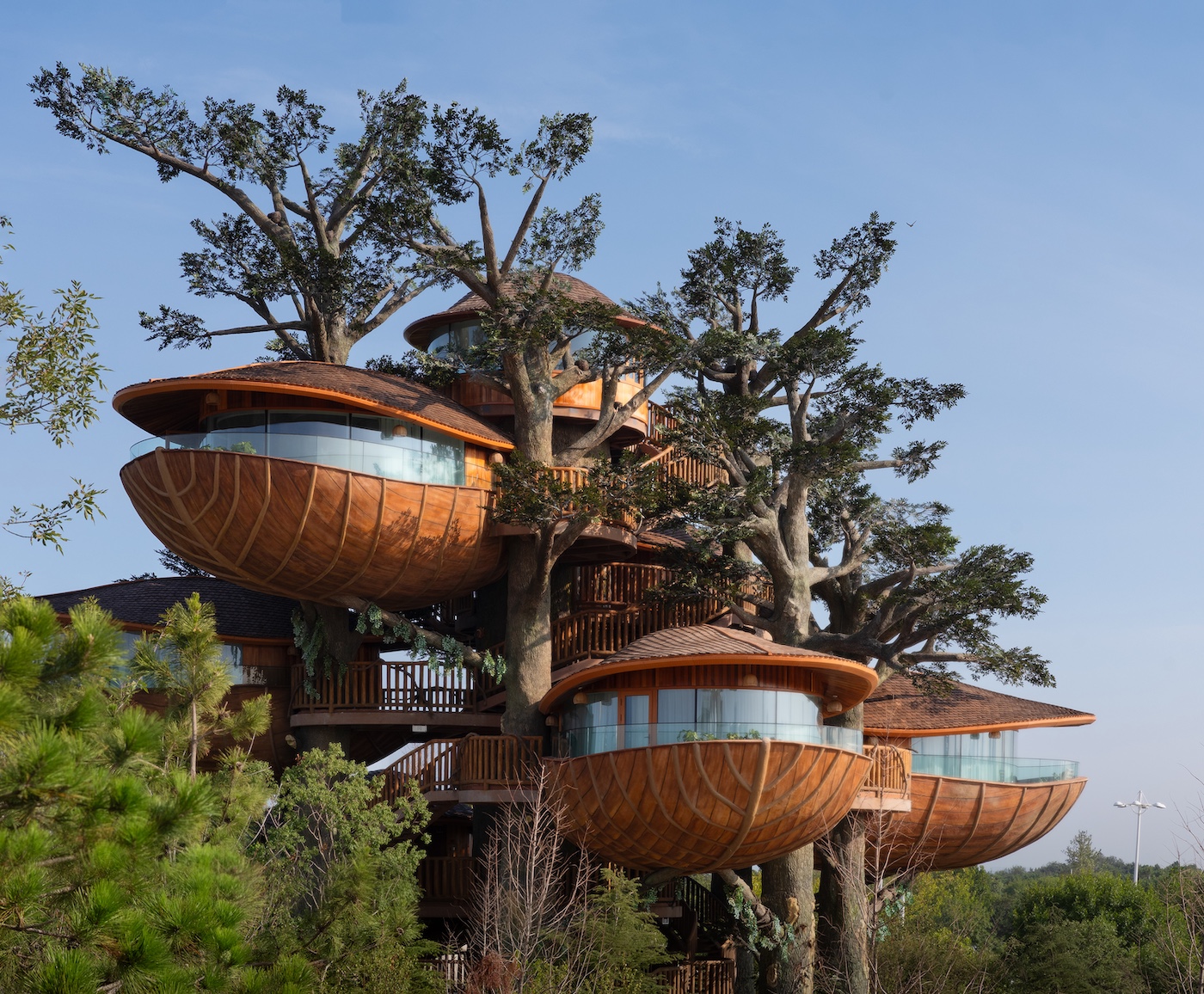
The modular, ecological structure lets you live among lush canopies inside stylish micro-living units called pods, each equipped with smart home systems.
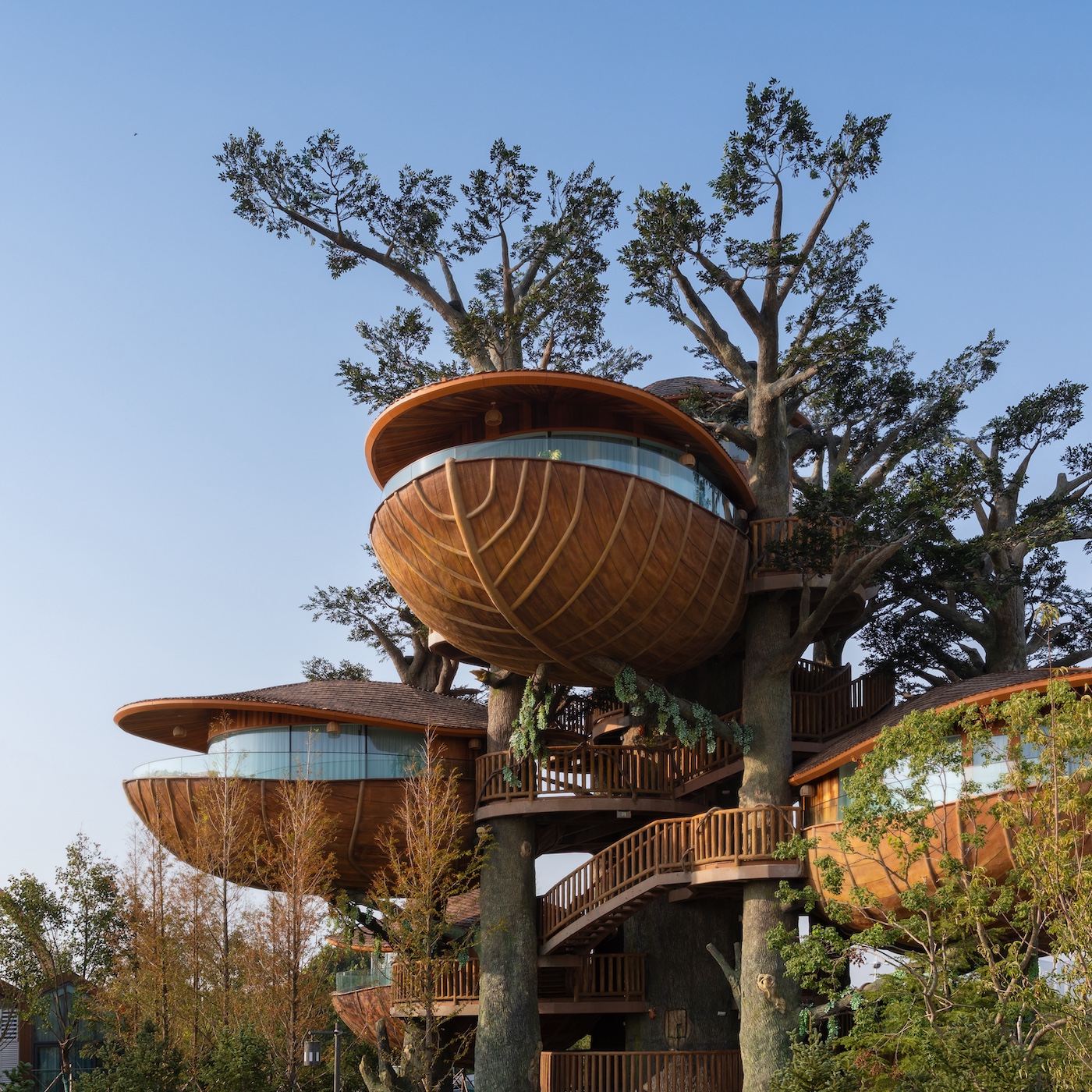
The project reflects Doarchiwow’s goal to go beyond basic eco-friendly ideas and work toward truly near–zero-carbon buildings.
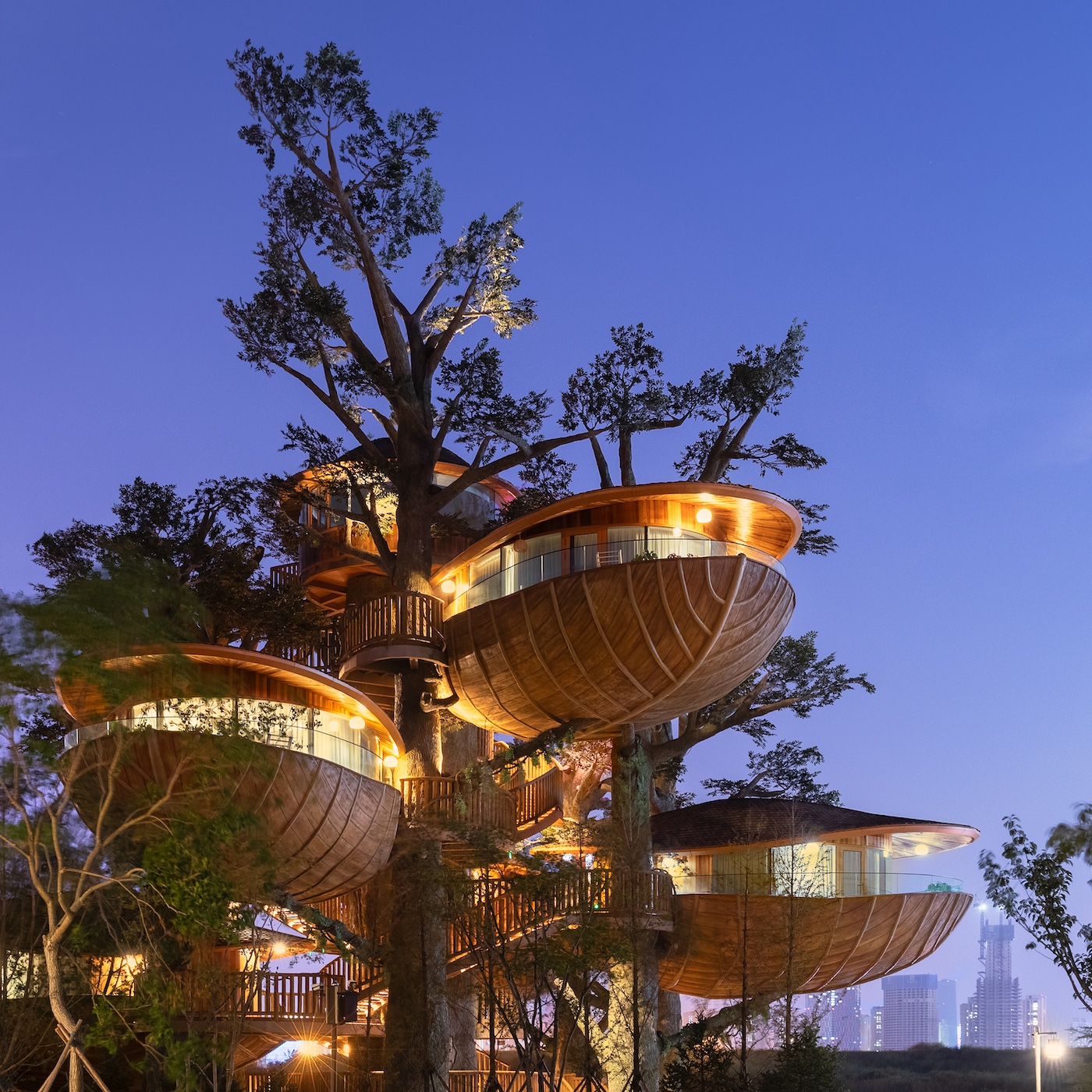
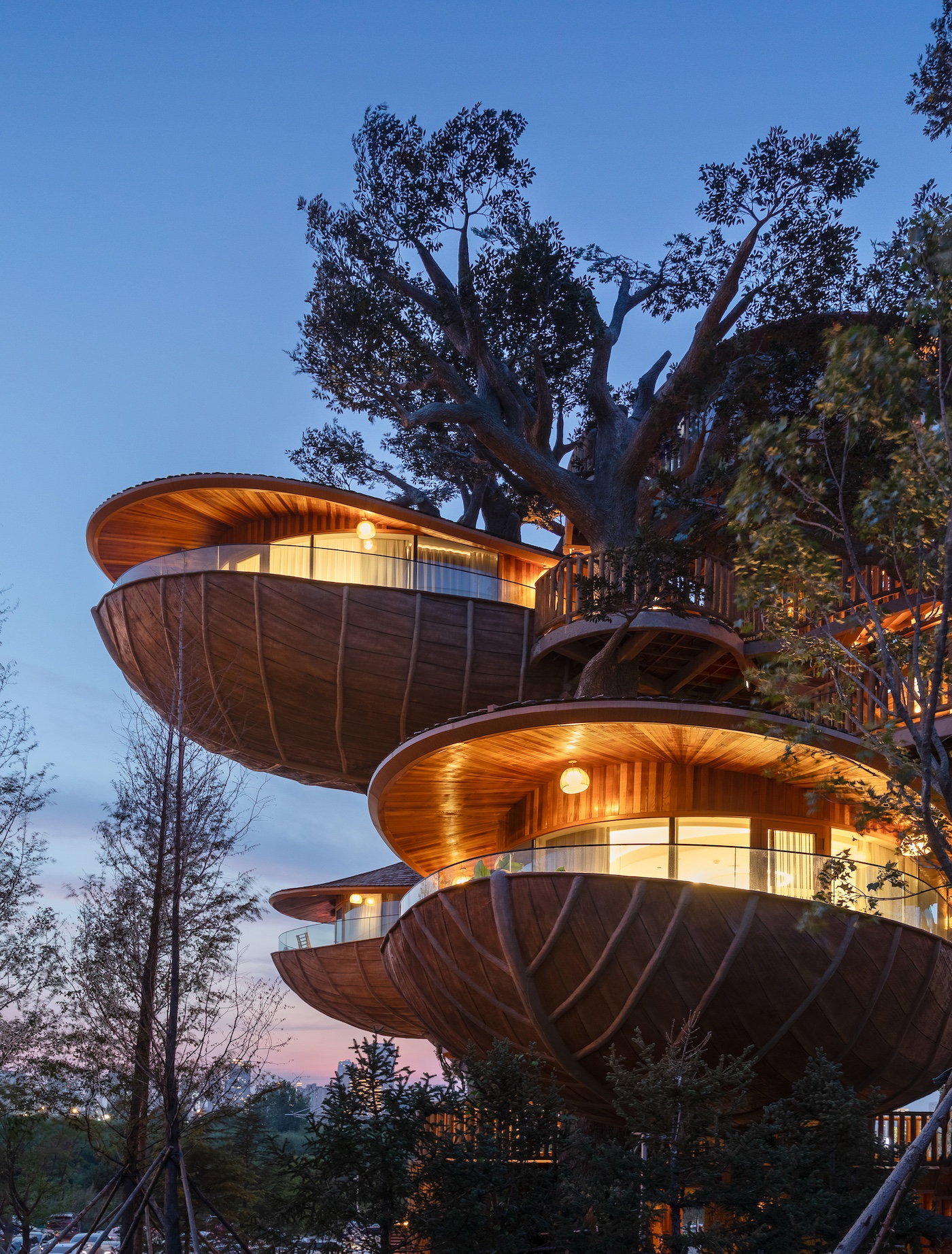
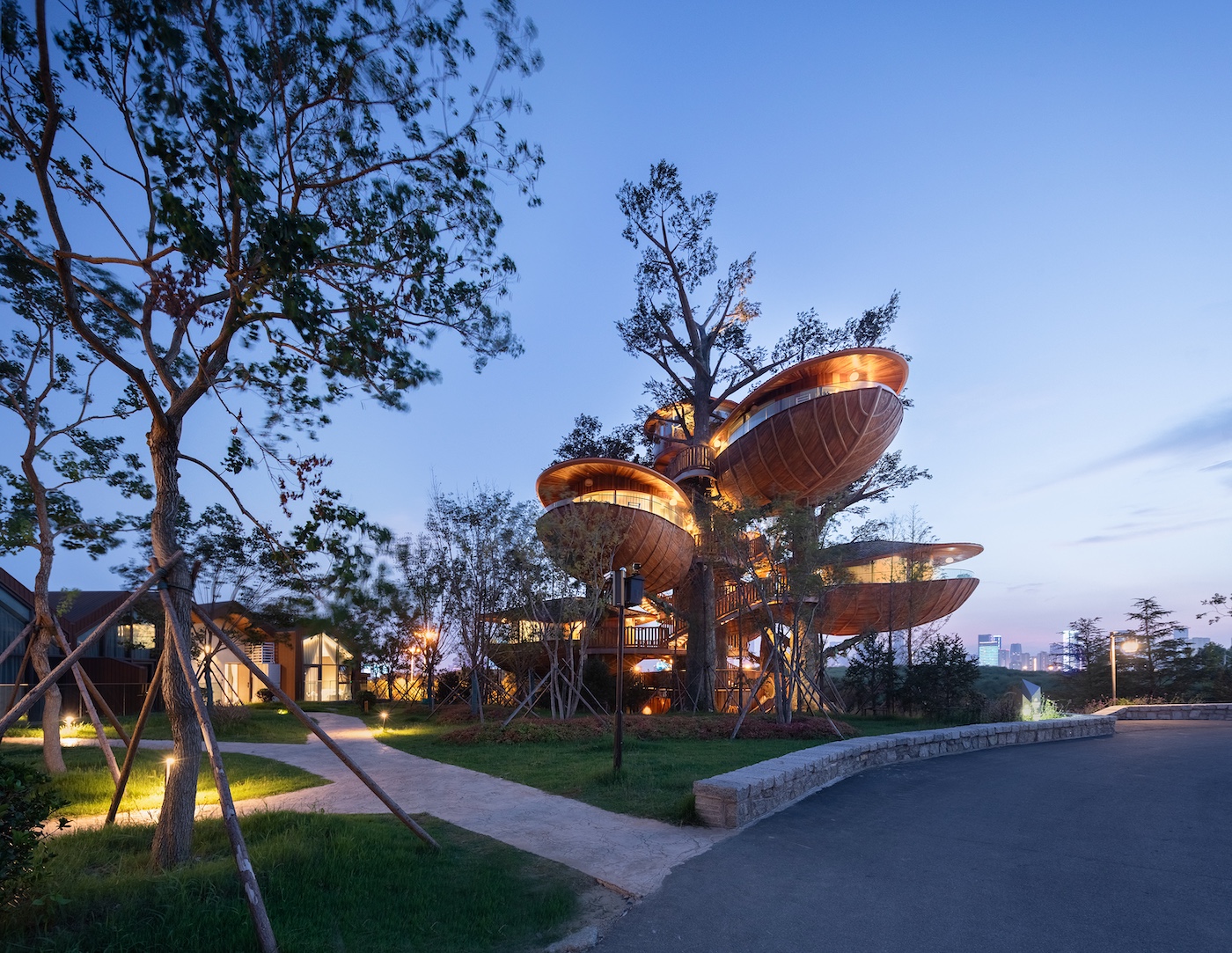
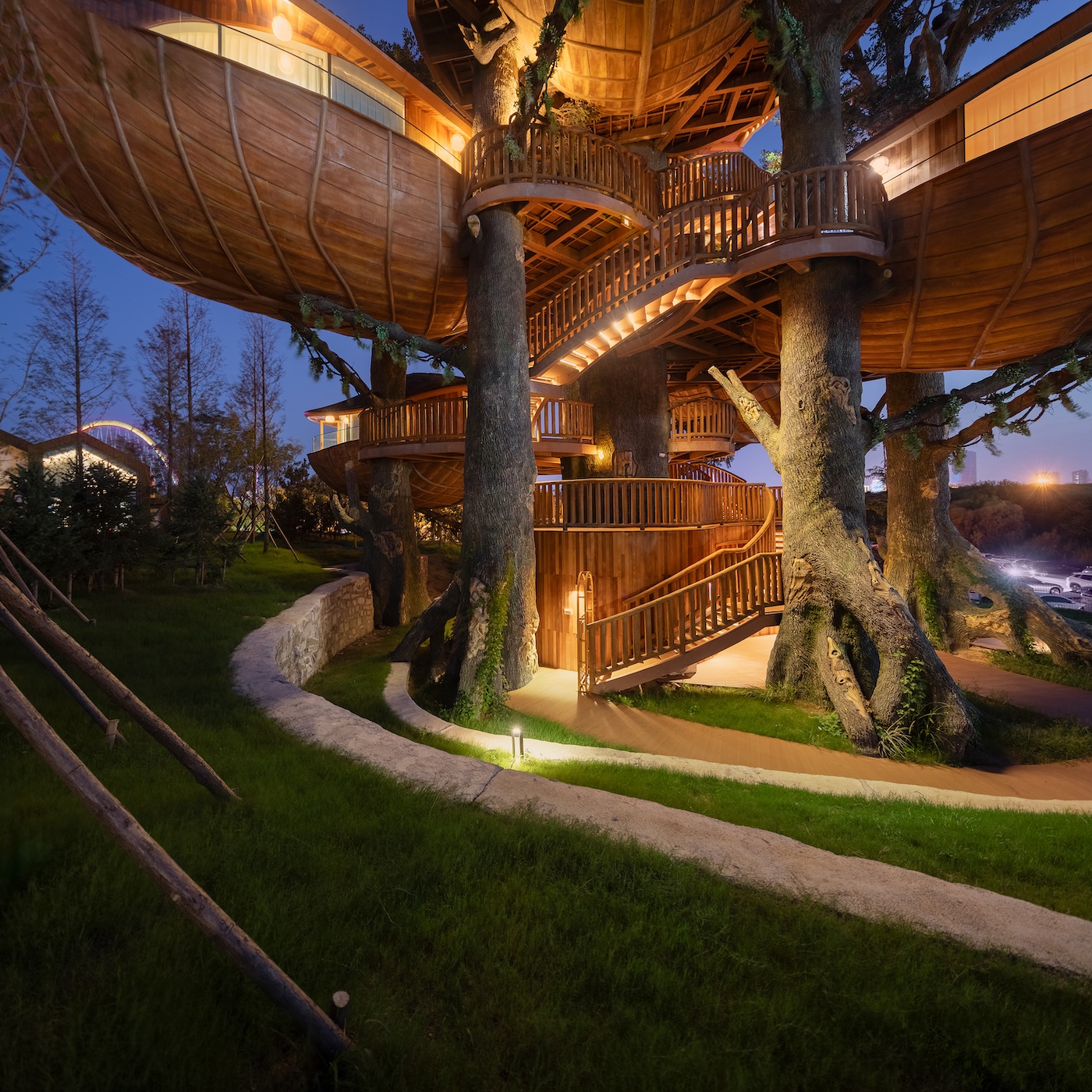
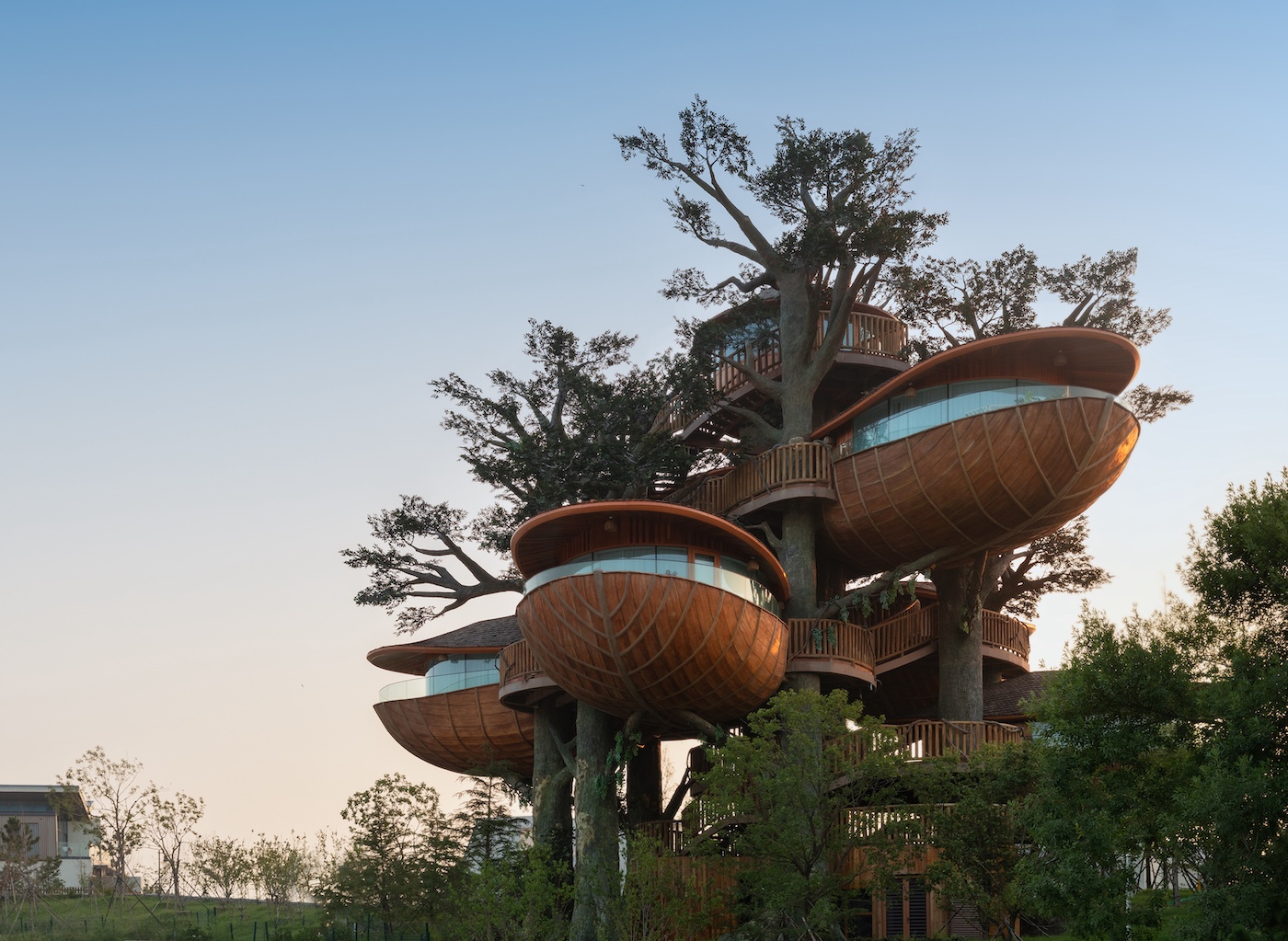
Each pod features a 270-degree floor-to-ceiling window that fills the space with natural light and views of the surrounding environment.