

A genetic degenerative condition called Huntington’s disease has been successfully treated for the first time in England. This massive breakthrough is a turning point in the fight against Huntington’s disease, and offers hope to thousands of families who have long faced the disease with no options for treatment.
Huntington’s disease is an inherited condition that progressively kills brain cells and affects neurological activity. Symptoms usually begin to appear when individuals are in their 30s or 40s. Once these symptoms manifest, Huntington’s clinical progression to fatality typically occurs within 20 years. BBC News describes it as “a combination of dementia, Parkinson’s, and motor neuron disease.”
Researchers at the University College London Huntington’s Disease Centre explained that their treatment slowed the disease by 75% in patients, meaning that earlier treatment could eventually come to prevent the disease from even developing. The pioneering treatment consists of 12-18 hours of brain surgery, where a combination of gene therapy and gene silencing occurs.
Huntington’s disease is named after the huntingtin gene (HTT) in our DNA, which is necessary for the human brain to function. Its mutation turns HTT toxic. Instead of providing the necessary HTT for brain function, the mutated protein kills brain cells instead.
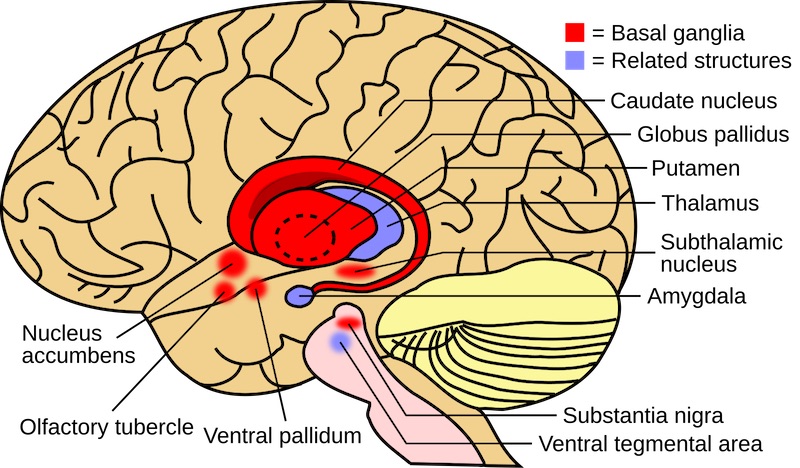
The treatment pioneered by University College London Huntington’s Disease Center involves infusing a safe virus with a genetically altered DNA sequence into the brain. A microcatheter is guided to two different brain regions, the putamen and the caudate nucleus. Both parts are associated with learning, movement, and execution.
The altered DNA sequence that has now been infused into the brain contains a message that blocks cells from producing the mutated HTT. Over time, the DNA sequence replicates itself within the brain, and this eventually helps reduce the amount of mutant HTT in the brain.
This groundbreaking trial reveals yet another promising development: the treatment is not just reducing mutant HTT, but also saving brain cells. The neurofilament levels in patients’ spinal fluids, which increases in the case of Huntington’s progression, was actually lower than what it was at the beginning of the trial. Related trials are now underway with patients who have the Huntington’s gene but have not yet displayed symptoms, who are called stage zero Huntington’s.
While more trials are needed before this therapy becomes widely available, the results mark a historic step forward in the fight against Huntington’s disease. What was once considered an incurable, untreatable condition may one day be prevented or even eradicated.
In a medical breakthrough for the ages, a team of researchers in England have developed the first successful treatment strategy for Huntington’s disease.
View this post on Instagram
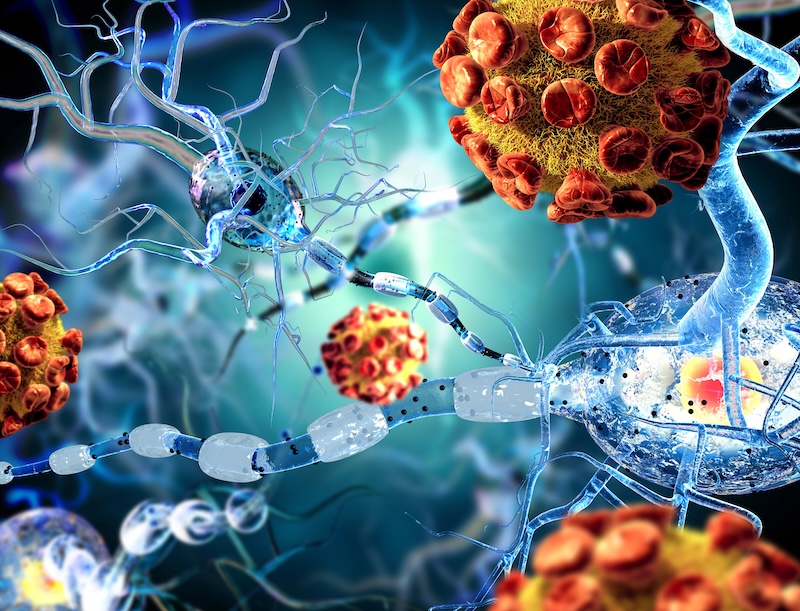
Huntington’s disease is an inherited condition that progressively kills brain cells and affects neurological activity.
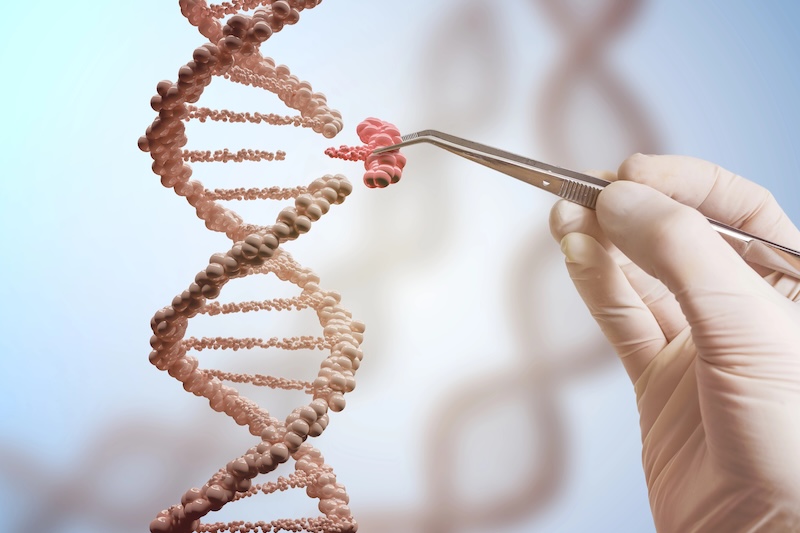
The groundbreaking treatment combines gene therapy with delicate brain surgery.
While more trials are needed before this therapy becomes widely available, the results mark a historic step forward in the fight against Huntington’s disease.

Sources: Huntington’s disease successfully treated for first time
Related Articles:
Woman Who Can Smell Parkinson’s Disease Is Helping To Pave the Way for a Medical Breakthrough
Paralyzed Man Is Able To Stand on His Own Again Thanks to Breakthrough Stem Cell Trials
Alzheimer’s Drug Shown To Slow Down Disease by Nearly 30% In Clinical Trial
Bedbound 23-Year-Old Living With Chronic Illness Is Making Music People Love [Interview]