

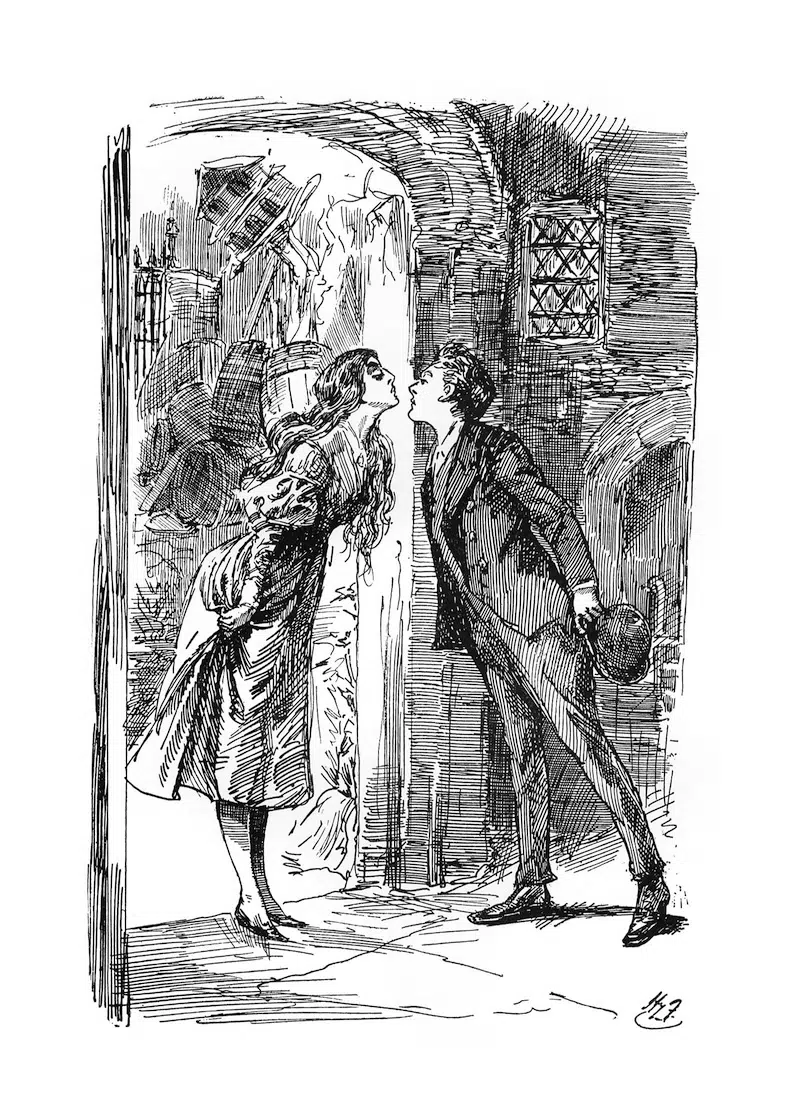
Photo: Michael John Goodman, Charles Dickens Illustrated Gallery, www.CharlesDickensIllustration.org
When you think of “Dickensian literature,” foggy alleyways, forlorn orphans, or grotesque villains may come to mind. That’s due in part to the influence of illustrations meant to aid 1800s readers in envisioning the scenes, characters, and emotions. Charles Dickens was deeply committed to these illustrations, which would portray characters, scenes, and emotions to his readers. Dickens consulted heavily with his artists and sometimes revised his writing to better match the vision of the illustration.
Now, over 2,000 images based on Dickens’ works can be found in a convenient and free online archive, aptly called Charles Dickens Illustrated Gallery. Whether you enjoy his writing or are just curious about his work, this digital collection provides a fascinating look into the stories that entertained readers in the past. Curated by researcher Dr. Michael John Goodman, the site organizes illustrations by book and edition.
The four editions presented in the archive span from 1836 to 1912 and showcase different artists and art styles as times changed. The original illustrations first came out with dramatic engravings by artists like Phiz and Cruikshank. The Household Edition of the 1860s introduced more realistic illustrations aimed at middle-class families. The Library Edition offered a more luxurious presentation for collectors, and the 1912 Pears Centenary Edition celebrated Dickens’ legacy with nostalgic, commemorative artwork. Technological advancements and shifts in trends helped readers visually experience Dickens’ world, and this is all reflected in the evolution of editions.
The most prolific and influential illustrator Dickens worked with was Hablot Knight Browne, better known as Phiz. Their collaboration lasted for nearly 20 years and comprised some of Dickens’ most important works, including David Copperfield, Dombey and Son, Little Dorrit, and Bleak House. Phiz’s illustrations are notable for their expressive line work, theatrical compositions, and ability to convey both character and atmosphere. His visual interpretations became deeply tied to the way readers understood and remembered Dickens’ stories.
This online exhibition reminds us of how visual art influences literary history, in a time when literary analysis often focuses solely on the text. The illustrations are not only beautiful pieces of art in their own right, but they also help us grasp the atmosphere that Dickens’ stories, themes, and characters aim to create. If you ever need a little inspiration, either to read or sketch, give the Charles Dickens Illustrated Gallery a visit.
Charles Dickens is known worldwide for his stories, and part of their everlasting success can be attributed to the illustrations that have accompanied them over the years.

Photo: Michael John Goodman, Charles Dickens Illustrated Gallery, www.CharlesDickensIllustration.org
Now, there is an online archive filled with over 2,100 of these illustrations, aptly known as the Charles Dickens Illustrated Gallery.
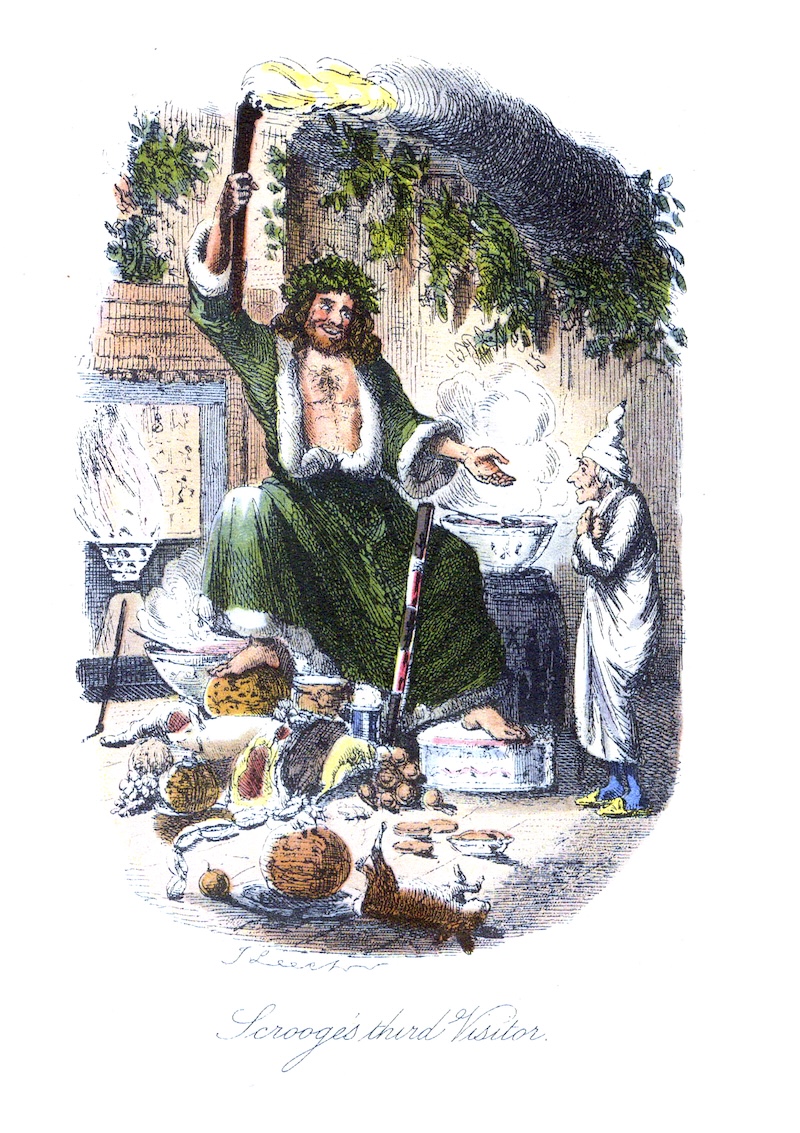
Photo: Michael John Goodman, Charles Dickens Illustrated Gallery, www.CharlesDickensIllustration.org
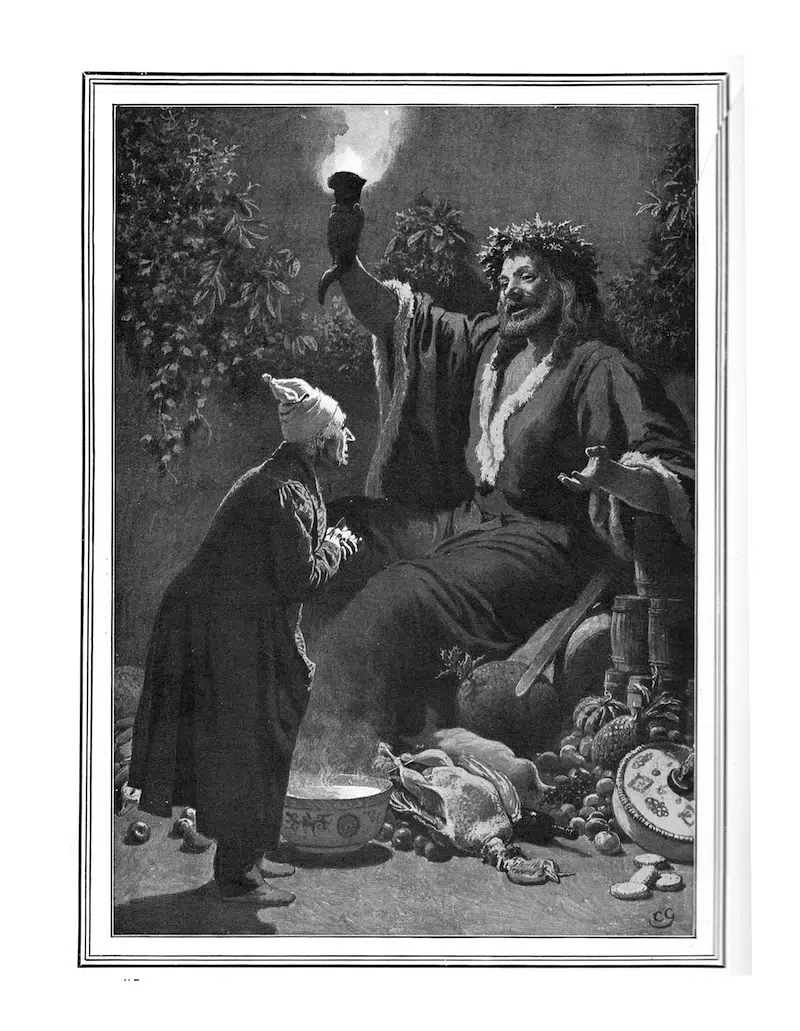
Photo: Michael John Goodman, Charles Dickens Illustrated Gallery, www.CharlesDickensIllustration.org
The illustrations masterfully capture the atmosphere that the writing details, and have helped make Dickens’ work so recognizable and stylistic.
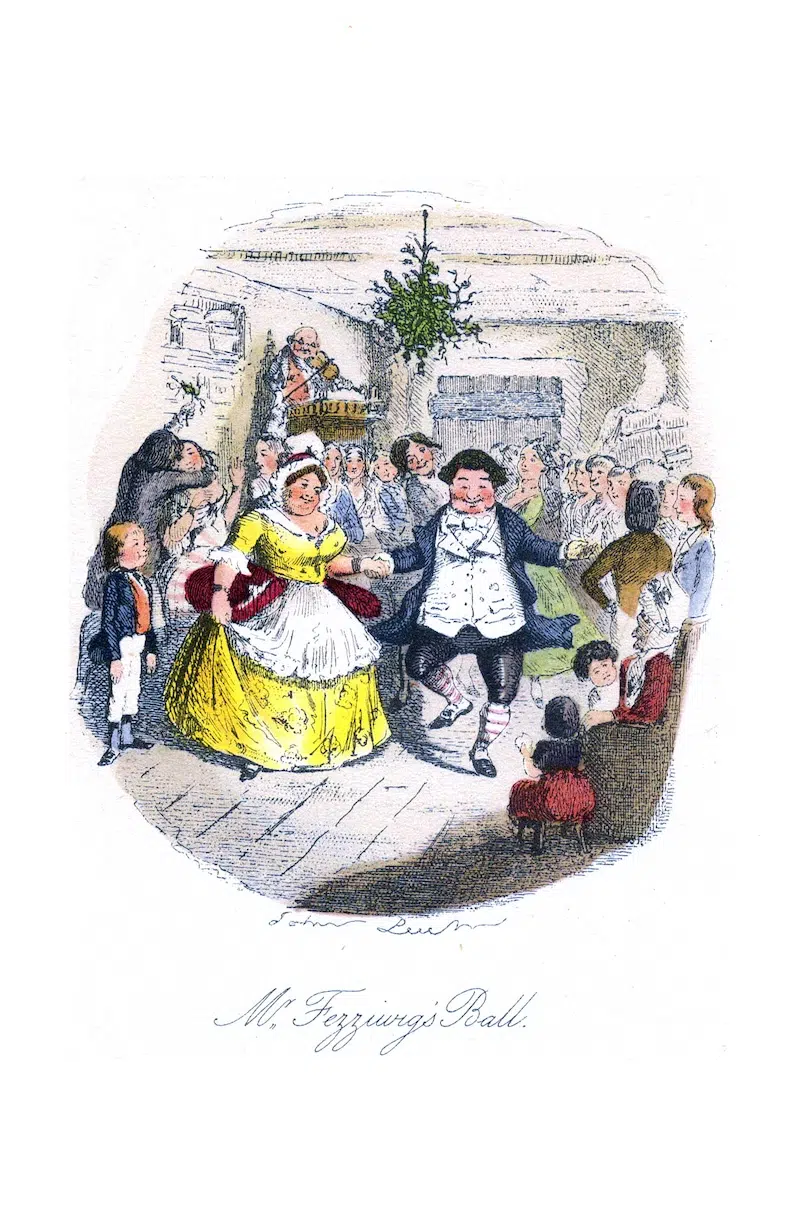
Photo: Michael John Goodman, Charles Dickens Illustrated Gallery, www.CharlesDickensIllustration.org
From 1836 to 1912, the illustration styles evolved, from the Originals, Household, Library, and Pears Centenary Editions.
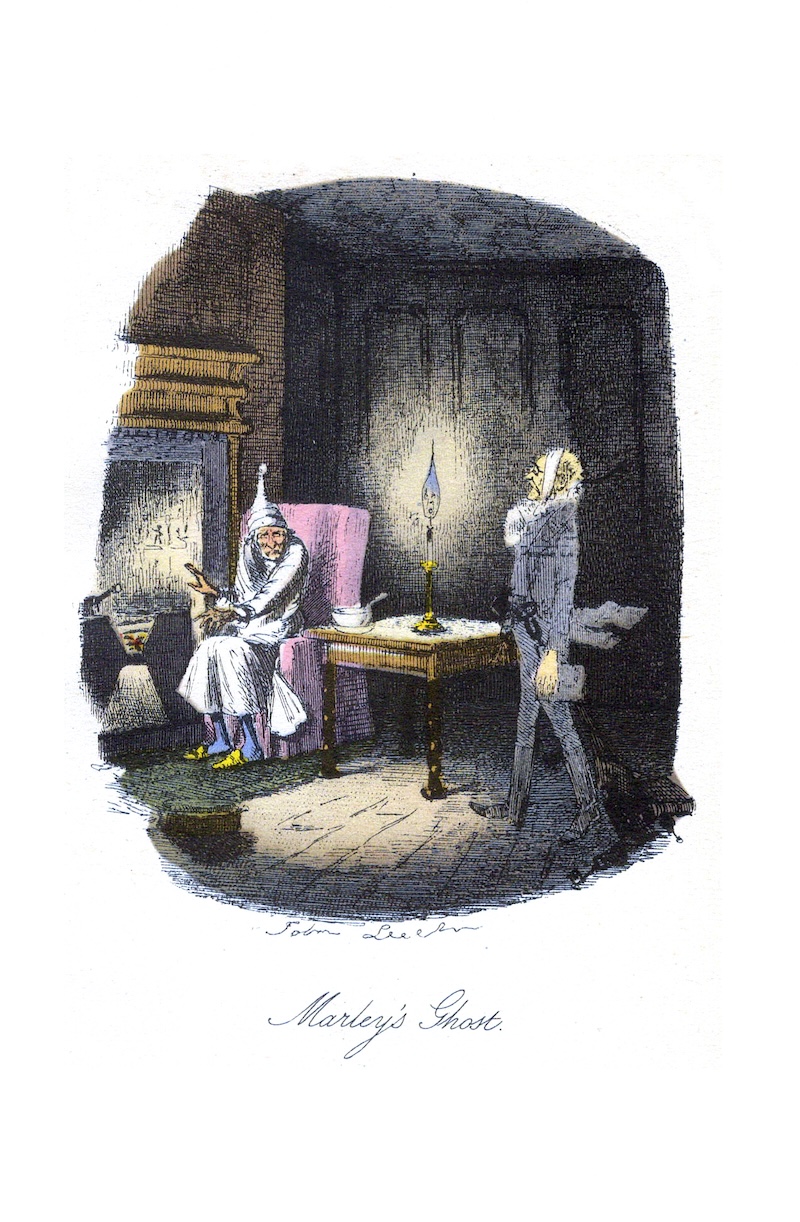
Photo: Michael John Goodman, Charles Dickens Illustrated Gallery, www.CharlesDickensIllustration.org
Each one defined the mood, characters, and tone of Dickens’ stories.
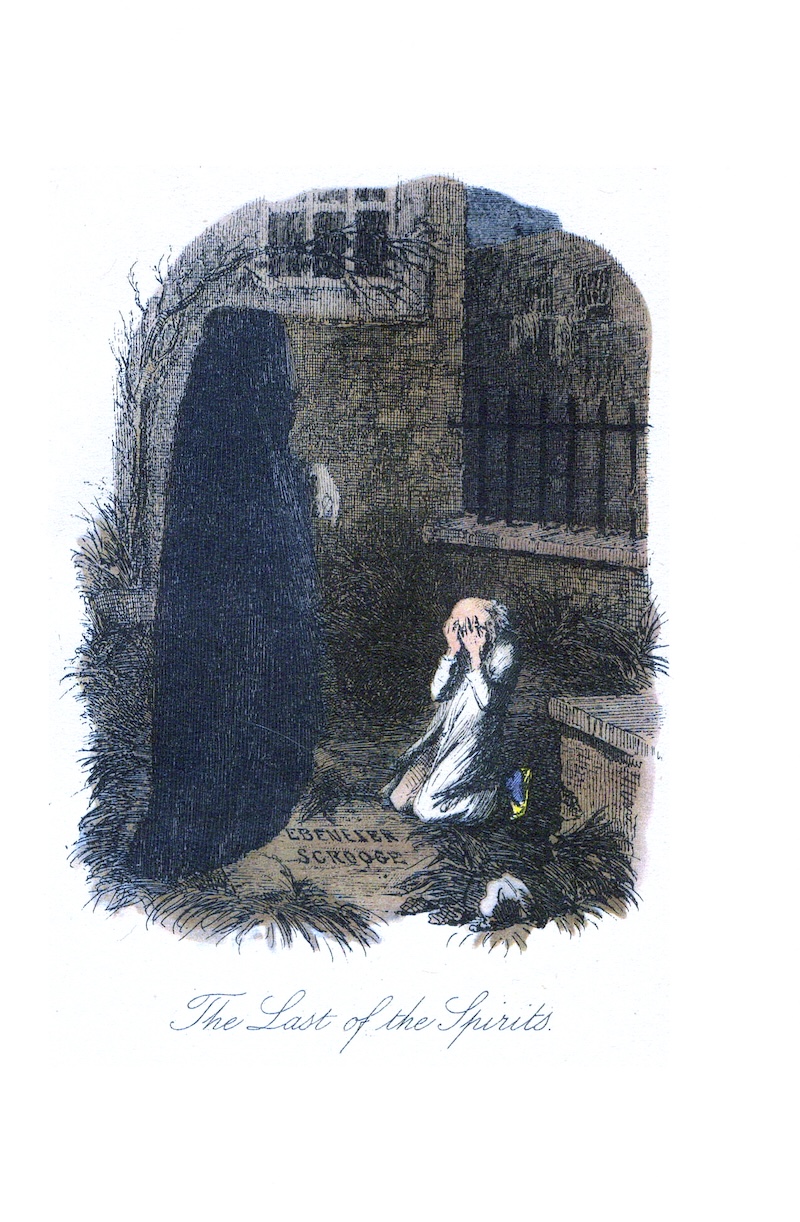
Photo: Michael John Goodman, Charles Dickens Illustrated Gallery, www.CharlesDickensIllustration.org
Dickens would even adjust his writing soemtimes to match the images.

Photo: Michael John Goodman, Charles Dickens Illustrated Gallery, www.CharlesDickensIllustration.org
Charles Dickens Illustrated Gallery: Website
Source: Explore an Online Archive of 2,100+ Rare Illustrations from Charles Dickens’ Novels
Related Articles:
All of the Original Illustrations From Charles Dickens’ Novels Are Available To View Online
Traces of the Centuries-Long Relationship Between Drawing and Printmaking at the Getty Museum
Artist Spends 1,000 Hours Drawing Stunningly Detailed Snapshot of Central London