
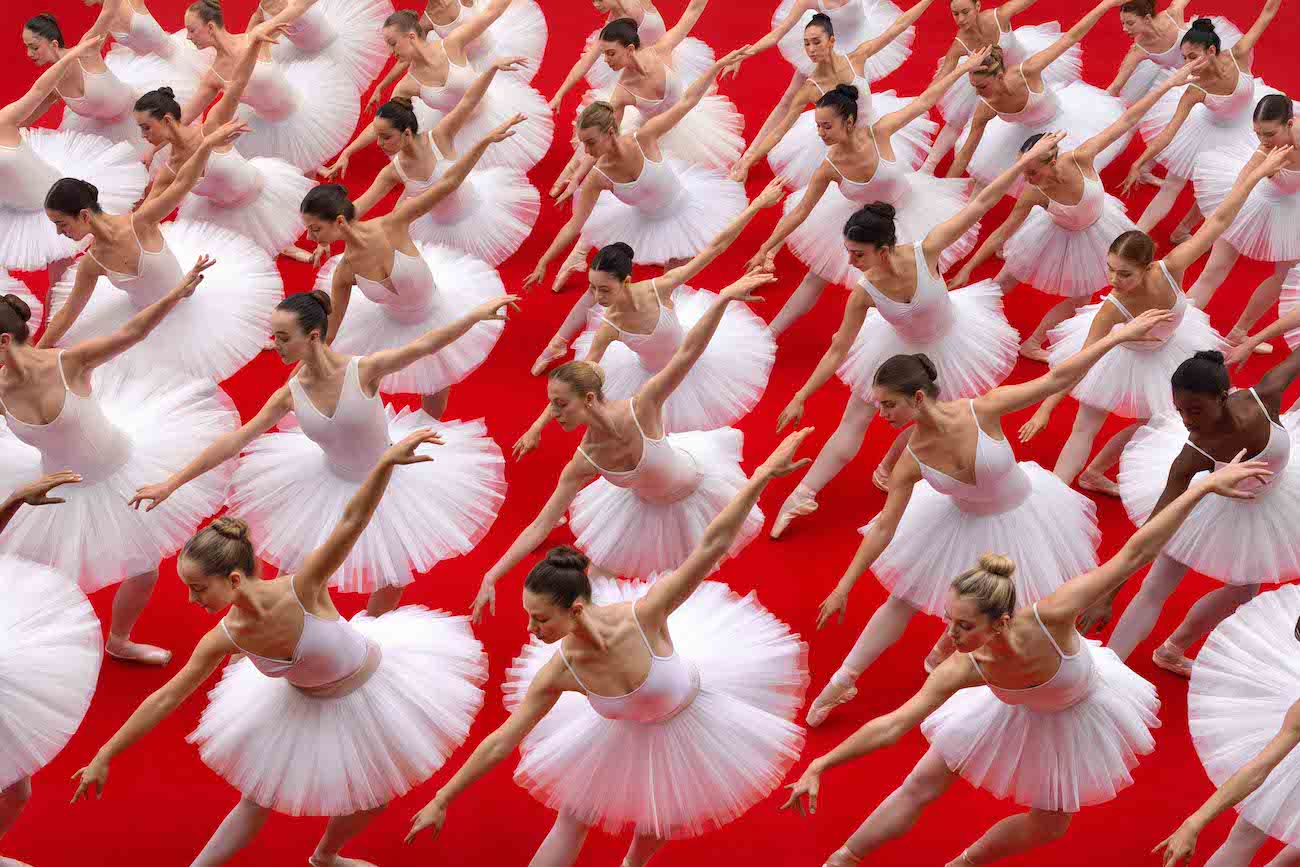
“Organized Chaos,” part of the “Passé” series.
It wasn’t photography itself that first drew Brad Walls to the medium. Rather, it was the technology of drones. In 2016, the Australian photographer purchased his first consumer drone “out of pure curiosity,” but, once he began experimenting, he quickly realized that the camera was, in fact, offering him “something entirely new.”
“[I got] a top-down perspective of the world that most people never get to see,” Walls tells My Modern Met. “That angle stripped away depth and distraction, turning streets, pools, or even people into patterns, shapes, and rhythms.”
For Walls, it was that revelation that propelled him toward the aerial photography for which he’s known today. Throughout his nearly decade-long career, he’s captured synchronized swimmers in circular formations; gymnasts positioned in the shape of a snowflake; a tennis player shooting his shot; and countless other athletes in the midst of monumental, physical tasks. But for his newest series, Walls turns his attention to ballerinas.
Titled Passé, the series gathers several ballerinas set against dramatic, red backgrounds. As is to be expected at this point, Walls has rendered each image with his signature intentionality, carefully staging ballerinas to emphasize unexpected yet graphic forms. One photograph resembles a giant spine, where each ballerina has stretched her legs in such a way that mimics backbones. Another composition is inspired by the golden ratio, while yet another sees the dance group organized into a spiral.
“Ballet and aerial photography share a natural affinity,” Walls explains. “Both are about precision, form, and repetition. What compelled me was how the discipline of ballet could be reinterpreted through an aerial lens, showing dancers not as individuals on stage but as sculptural forms within a larger composition.”
Passé was recently showcased during a pop-up exhibition in Manhattan, held from September 12 to 14. Notably, the space was entirely doused in a red color palette, which only enhanced the photographs and their bold hues.
“Red is loaded with symbolism—power, passion, danger, performance,” Walls says. “For me, it was about creating an immersive environment that made ballet feel urgent and contemporary.”
My Modern Met had the chance to speak with Brad Walls about his practice, the Passé series, and his fascination with ballerinas as an artistic subject. Read on for our exclusive interview with the photographer.
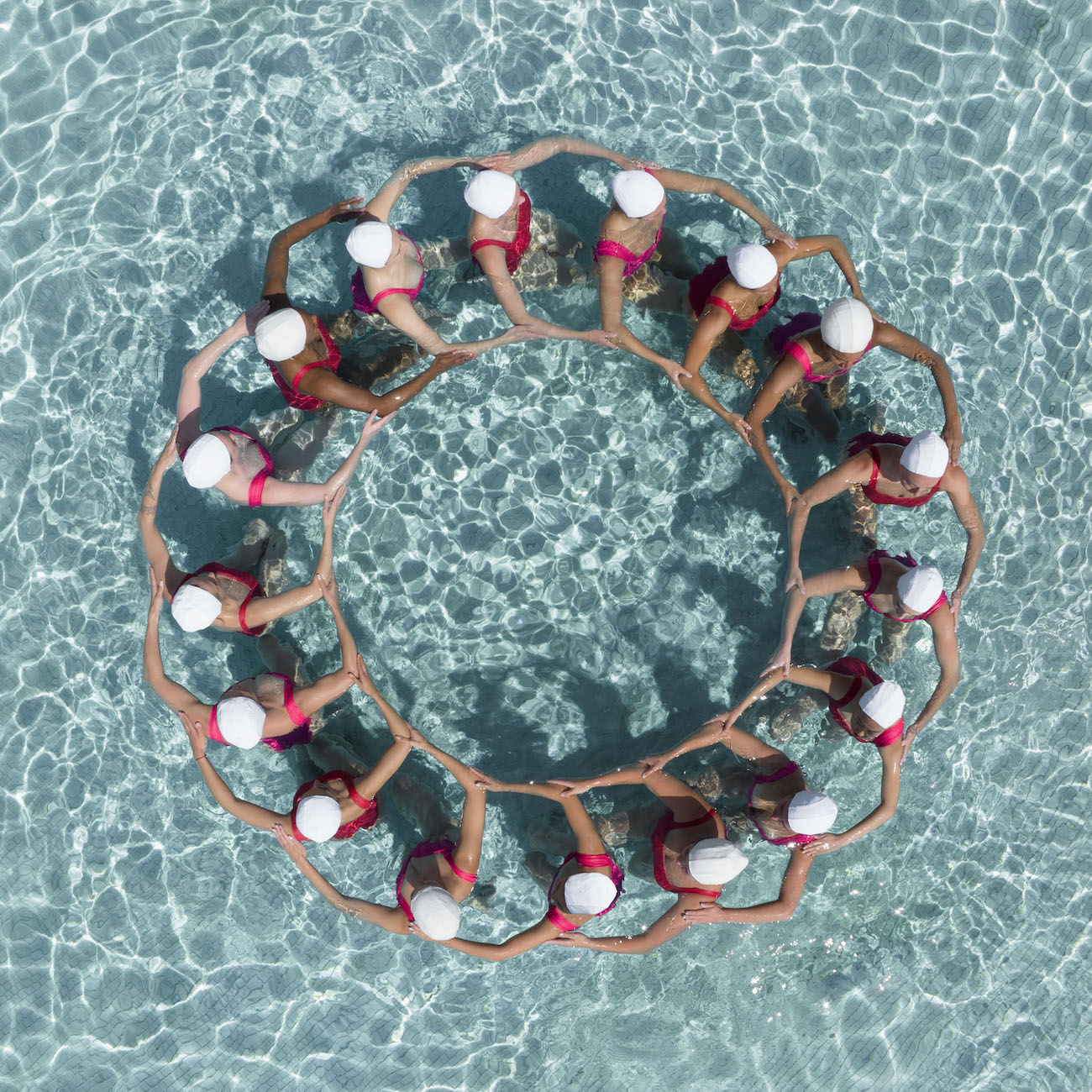
“Aquatunda”
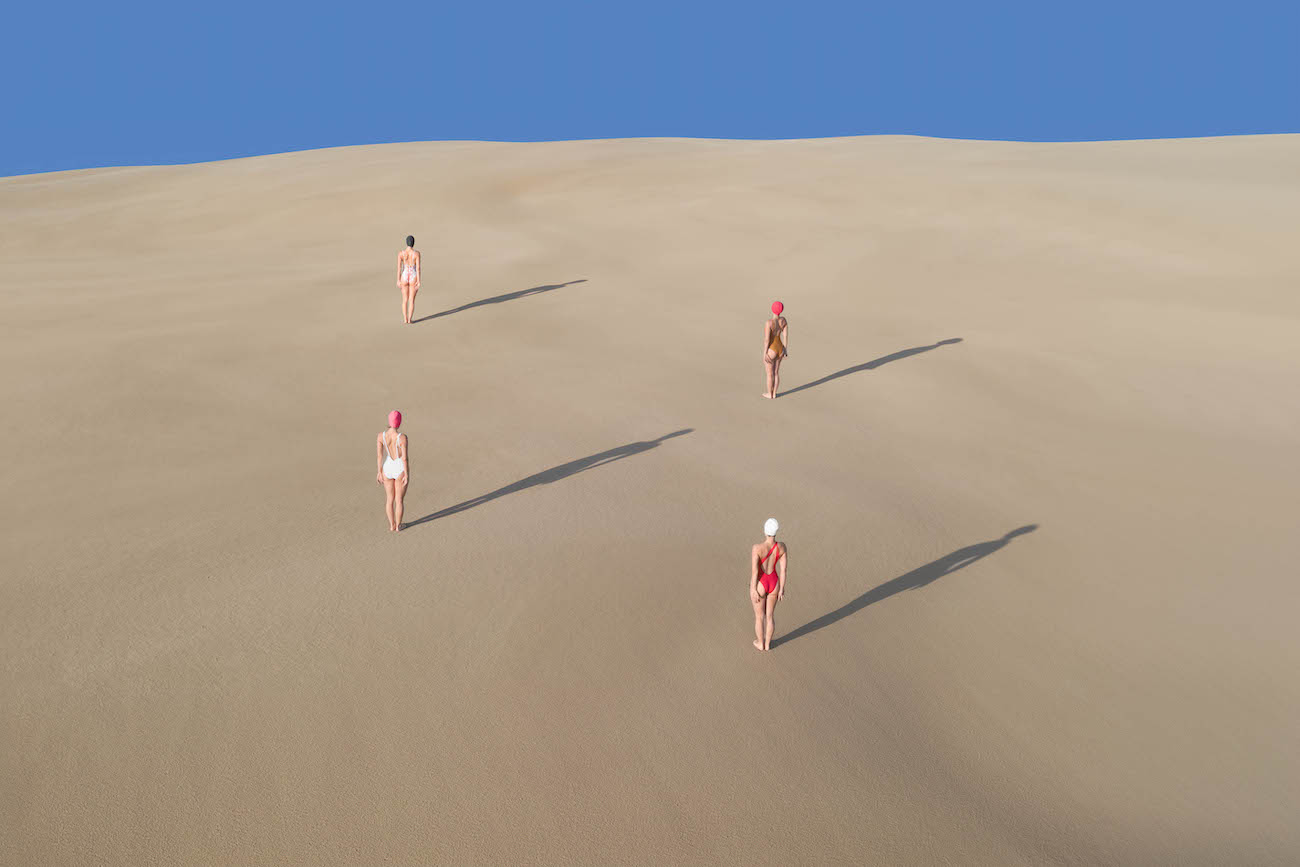
“Dissonance”
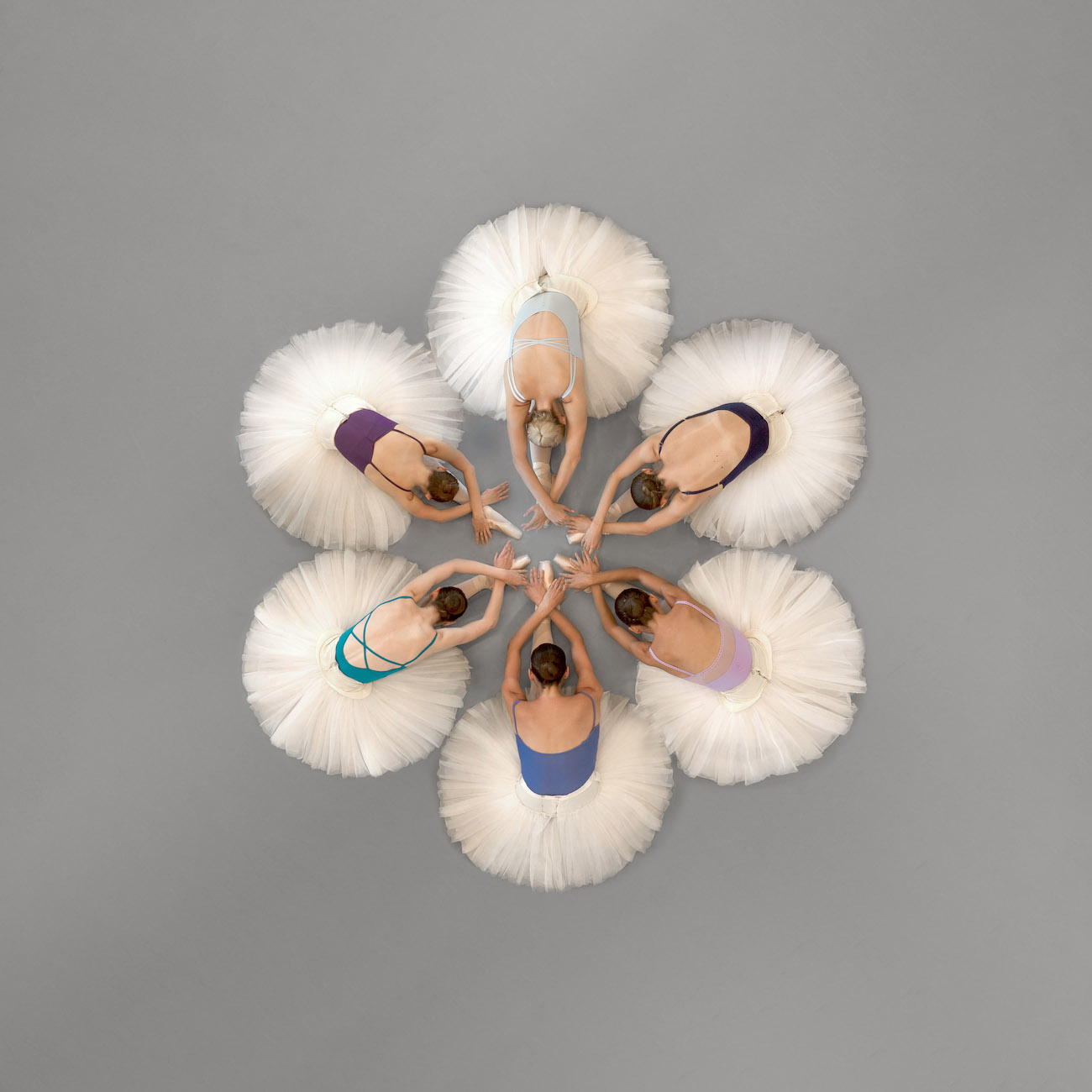
“Hibiscus”
What first drew you to photography as your primary artistic medium?
I was actually not drawn to photography in the traditional sense, but rather to the technology of drones. In 2016, I bought the first consumer drone out of pure curiosity. It was more about flying than about image-making at the start. But once I began experimenting, I quickly realized the camera was offering me something entirely new: a top-down perspective of the world that most people never get to see. That angle stripped away depth and distraction, turning streets, pools, or even people into patterns, shapes, and rhythms. It was that revelation that technology could unlock a whole new way of seeing that pulled me into photography as my artistic medium.
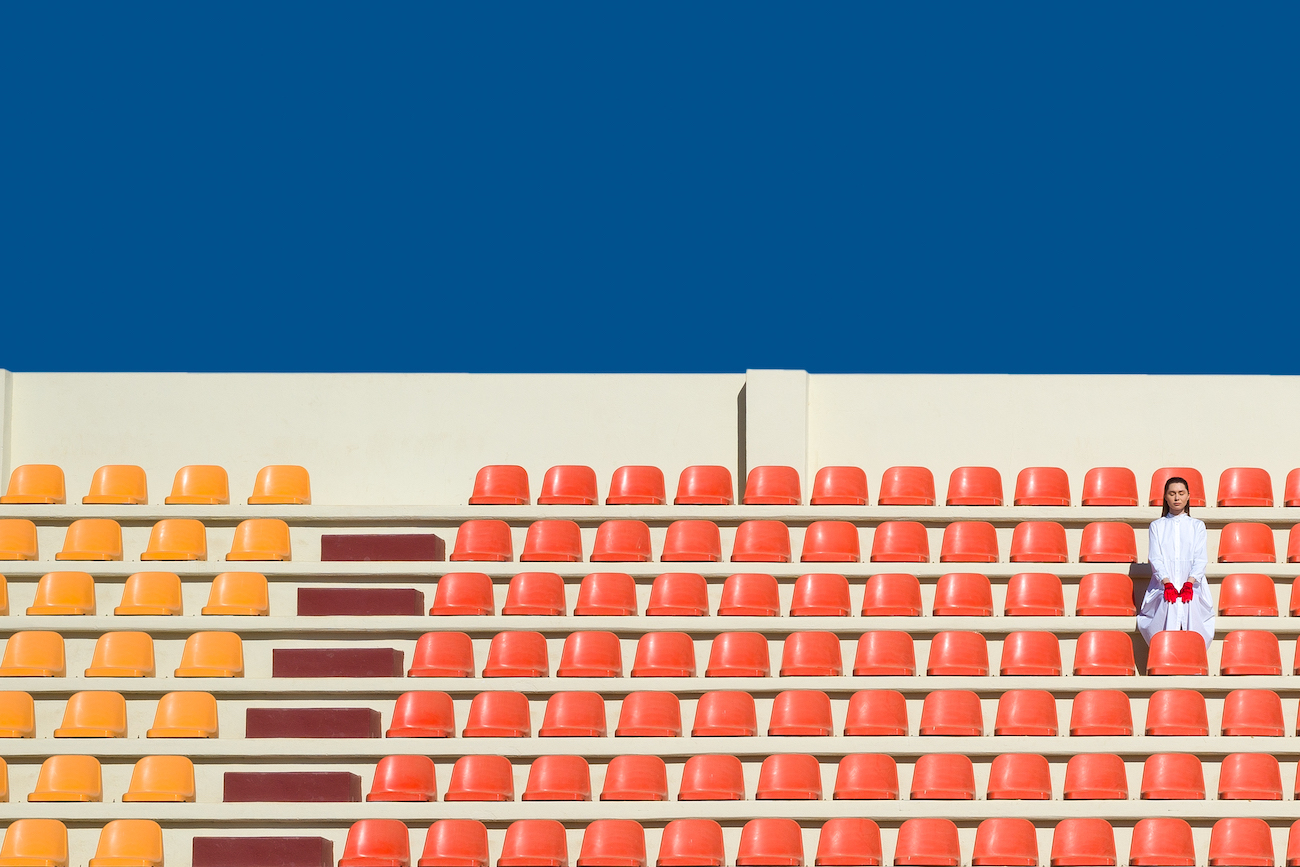
“Sequestered.”

“Snowflake.”
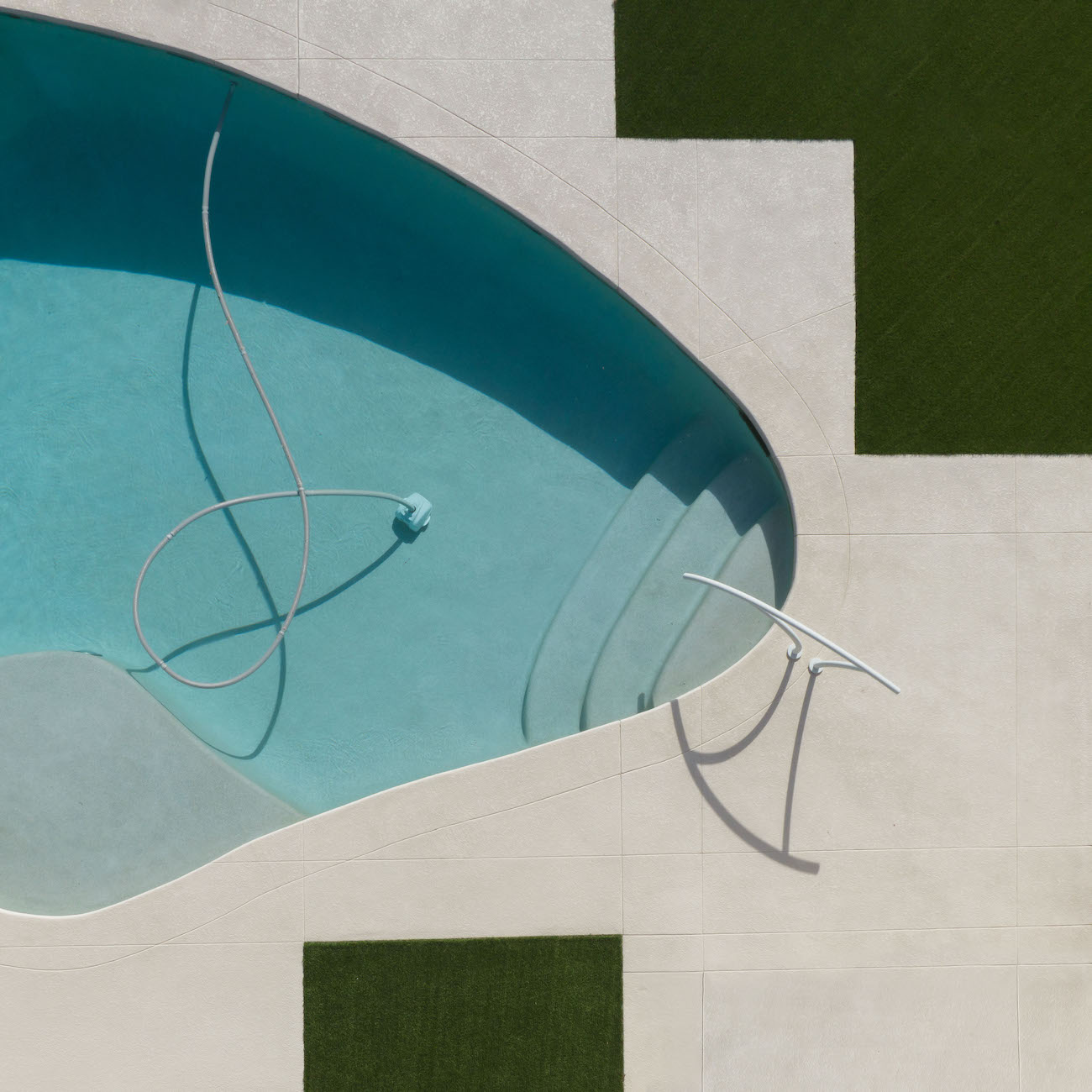
“Patchwork, Palm Springs, California, USA.”
How did you develop your personal style, and how has it evolved throughout the years?
My style came from a mix of curiosity and constraint. Early on, I was experimenting with drones, which forced me to think differently about composition, symmetry, and negative space. Those limitations became a foundation. Over the years, I’ve honed a visual language that is minimal yet bold, highly structured yet still human. It continues to evolve as I bring new disciplines like dance into the frame.
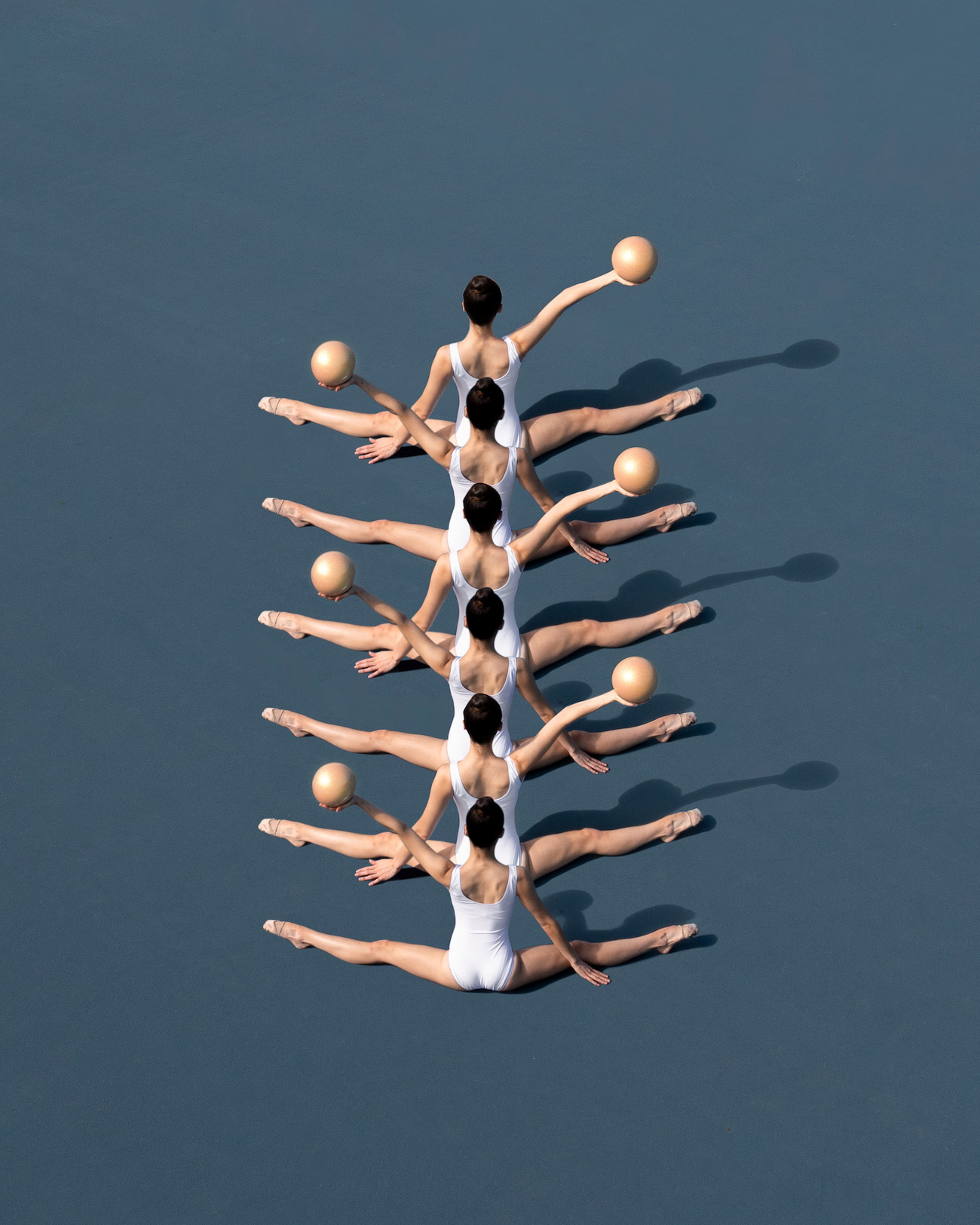
“Spine”
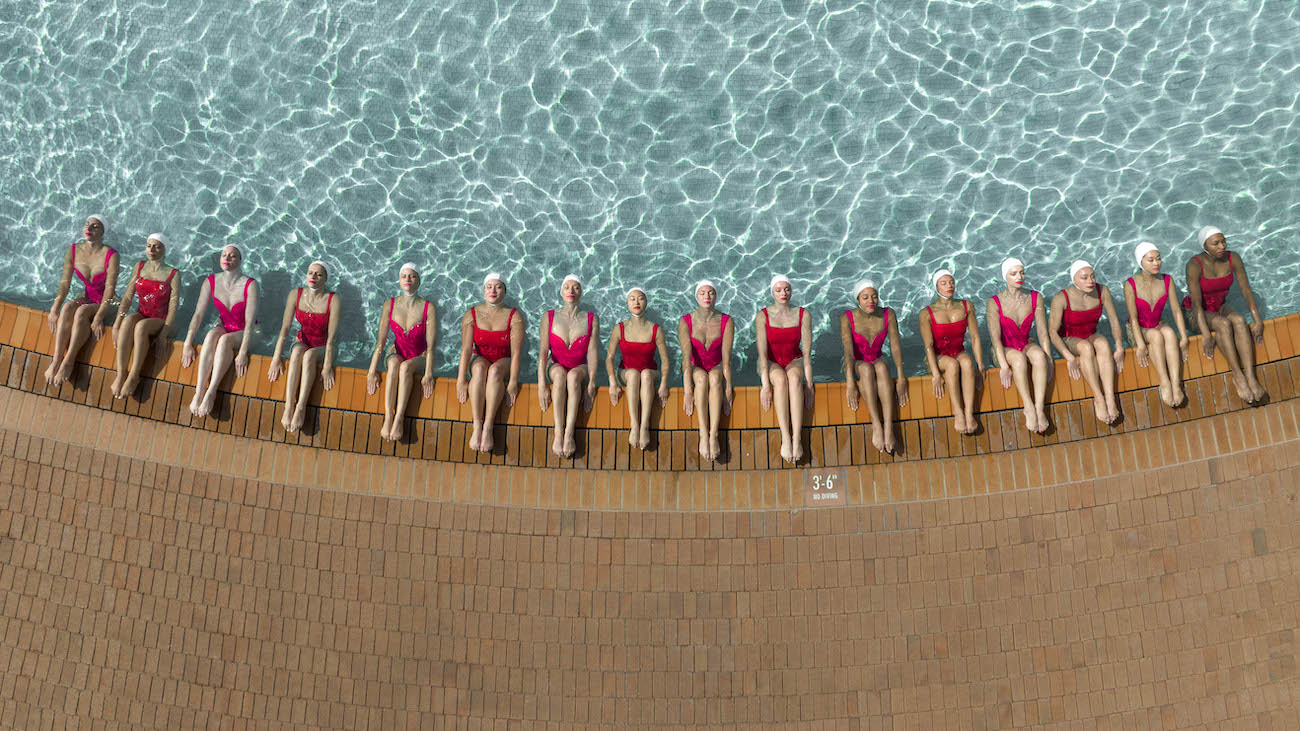
“Symphony”
What do you most enjoy about aerial photography, and how does it differ from other forms of photography?
Aerial photography strips away distraction. From above, the world becomes a canvas of shapes, rhythm, and geometry. Unlike traditional photography, which is often tied to perspective and depth, aerial work flattens the scene, turning bodies, landscapes, or architecture into almost graphic patterns. I enjoy that transformation: it makes the ordinary extraordinary.
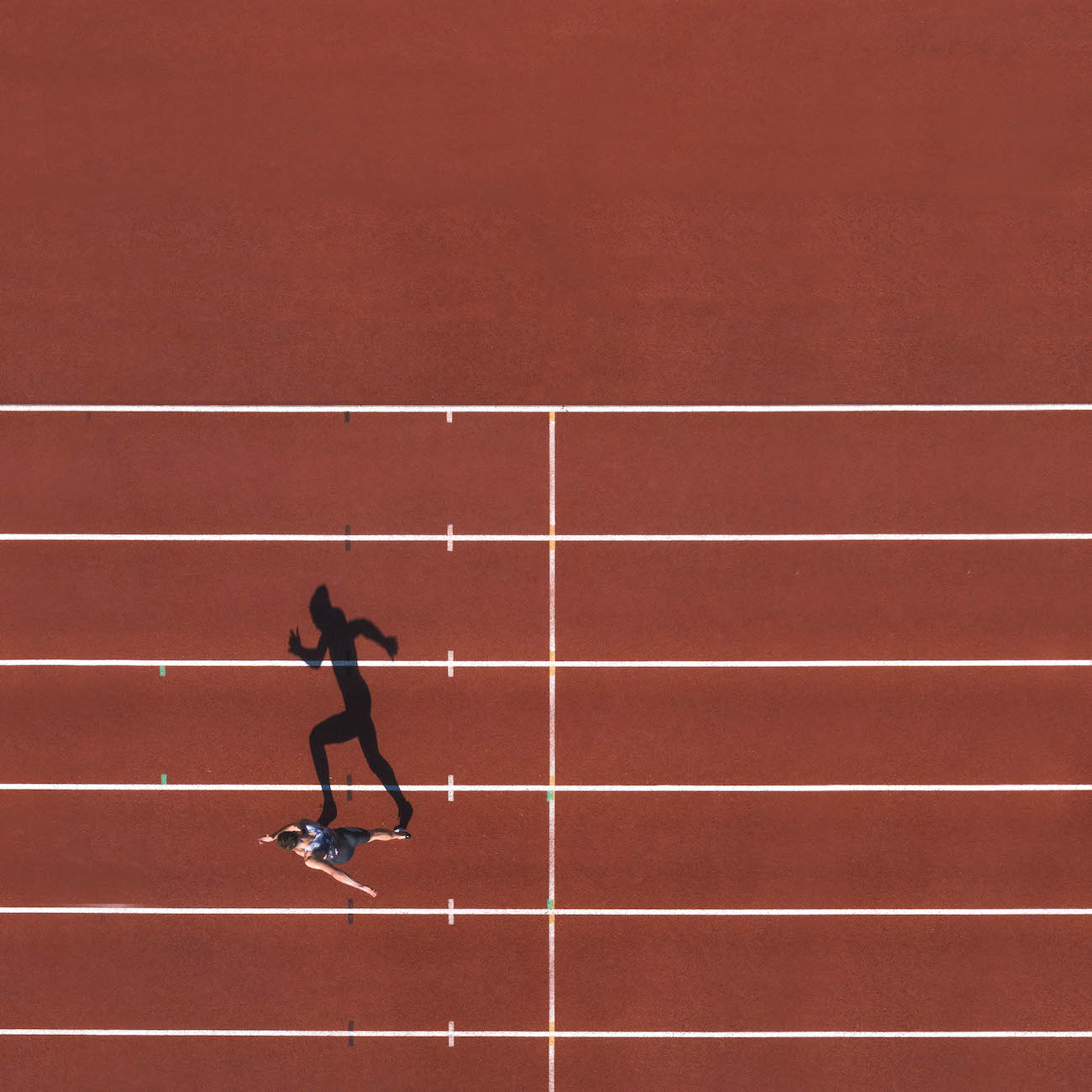
“Bolt”
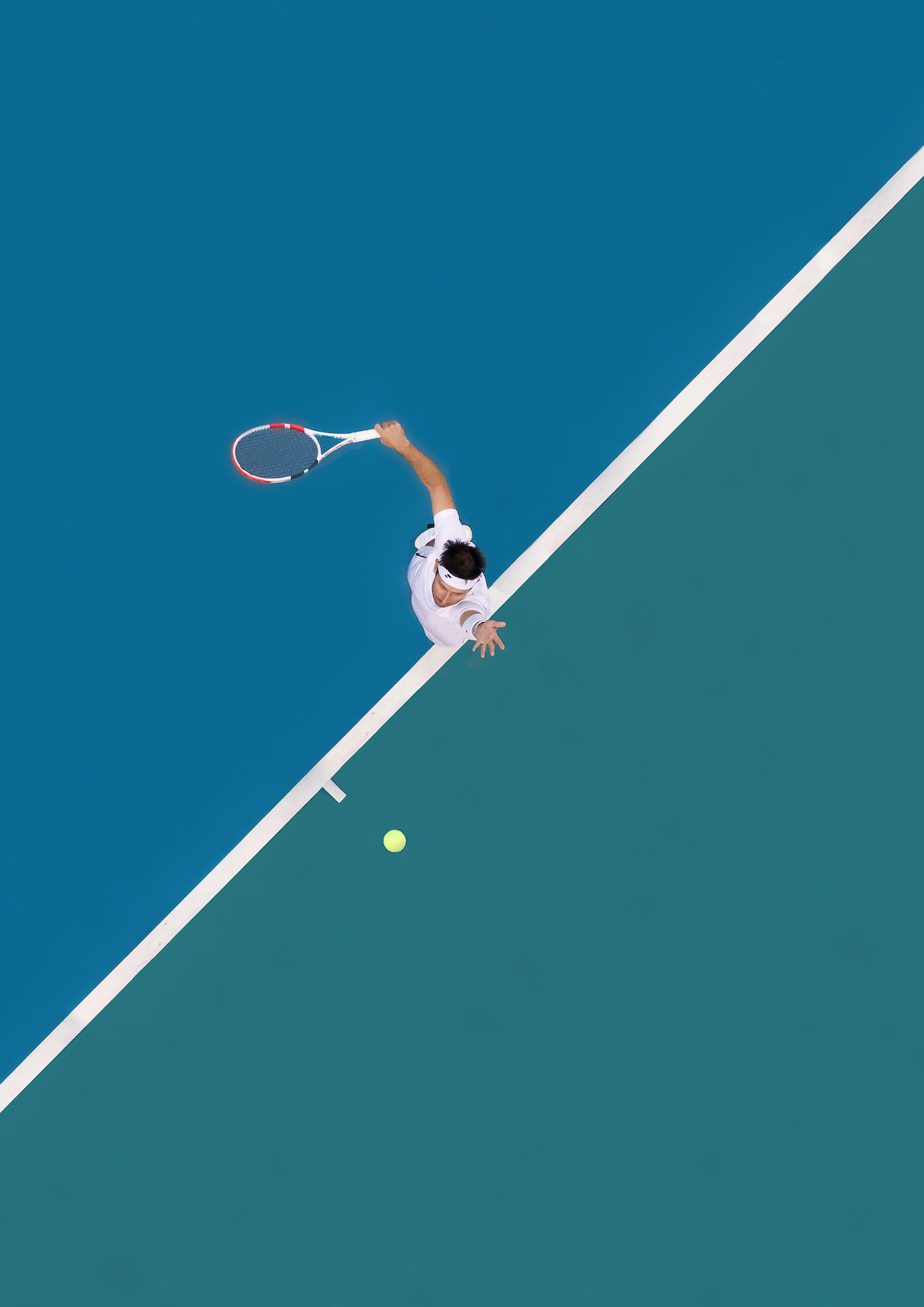
“Ball Up”
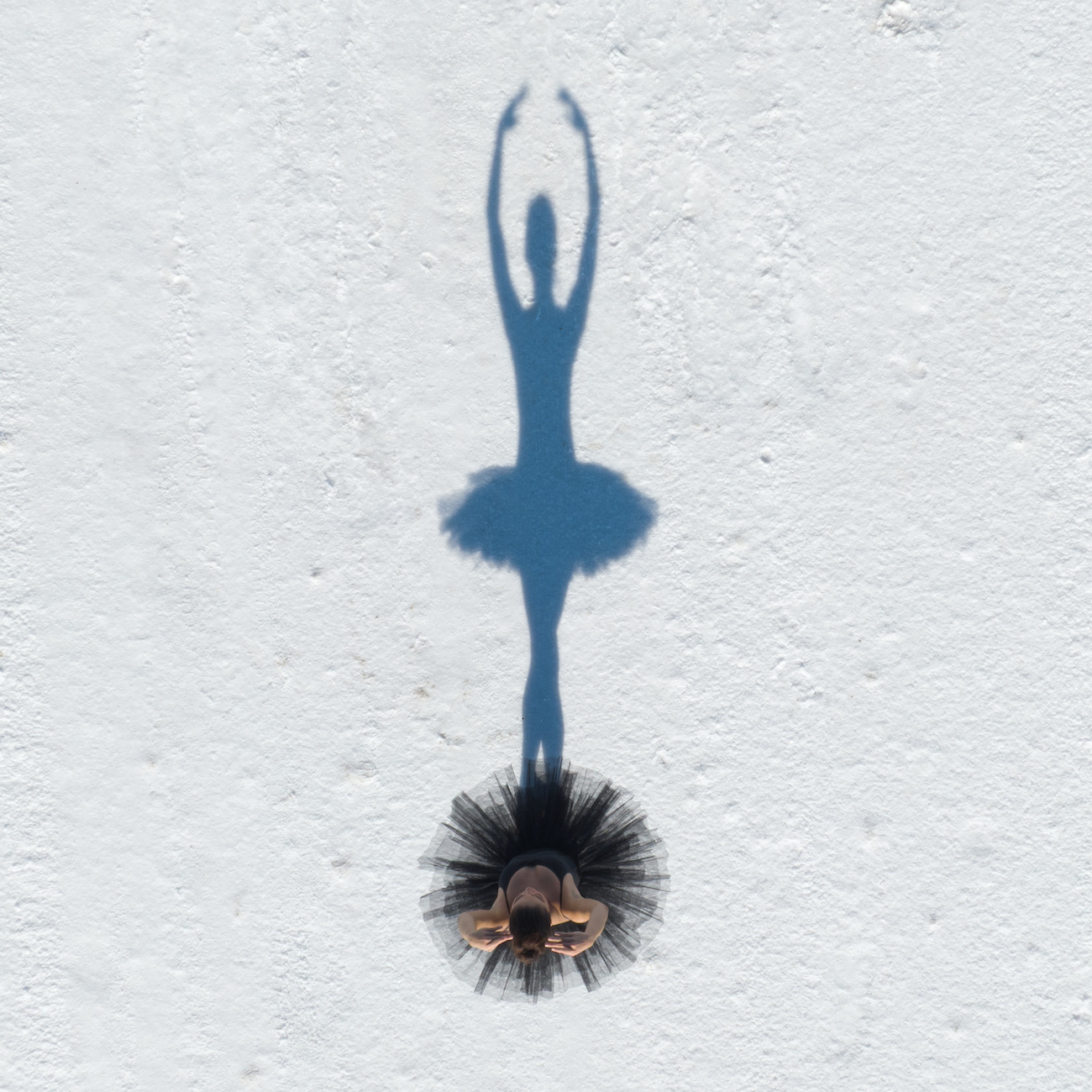
“Fifth”
What originally compelled you about photographing ballerinas?
Ballet and aerial photography share a natural affinity. Both are about precision, form, and repetition. What compelled me was how the discipline of ballet could be reinterpreted through an aerial lens, showing dancers not as individuals on stage but as sculptural forms within a larger composition. It allowed me to honor their artistry while also creating something completely new.
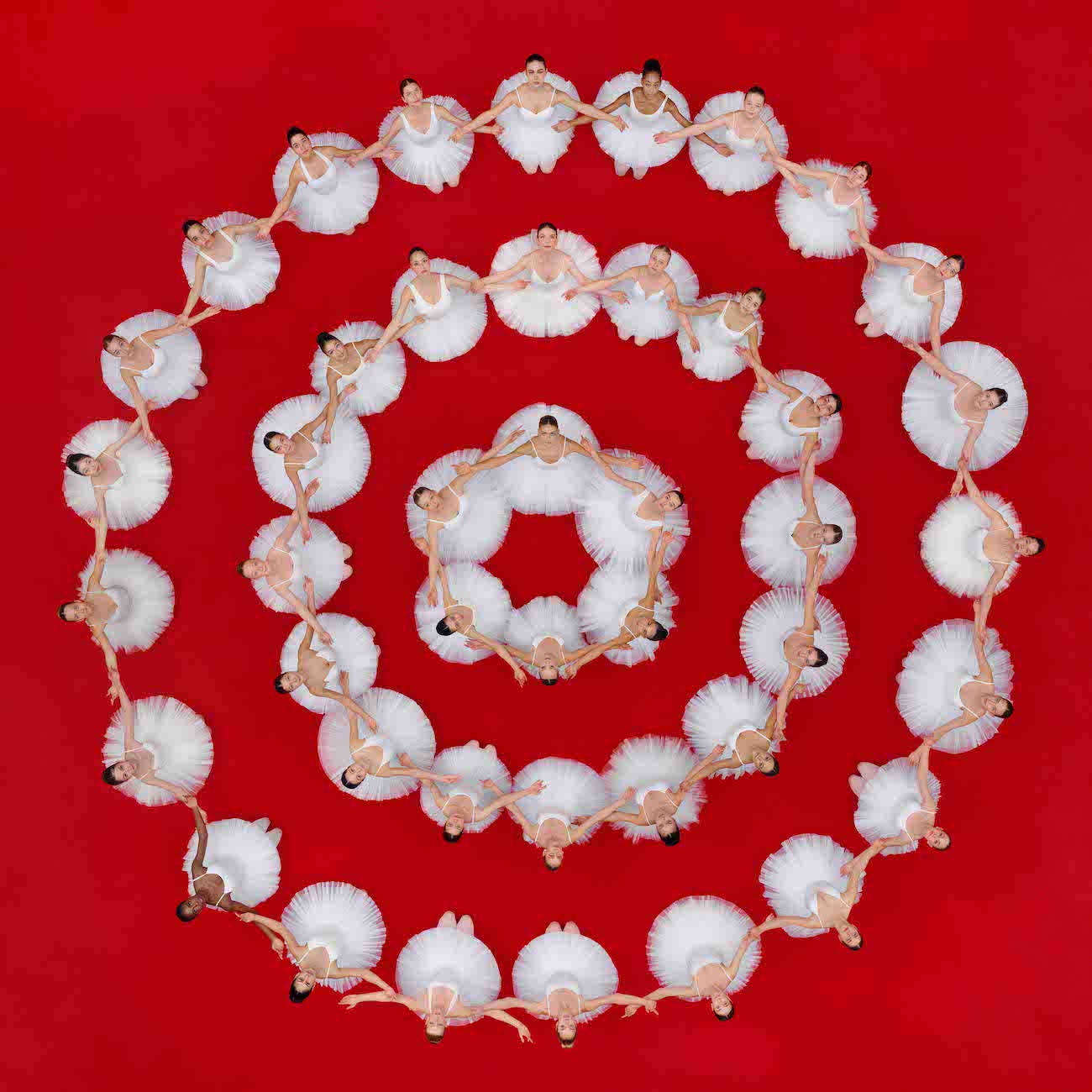
“The Big One,” part of the “Passé” series.
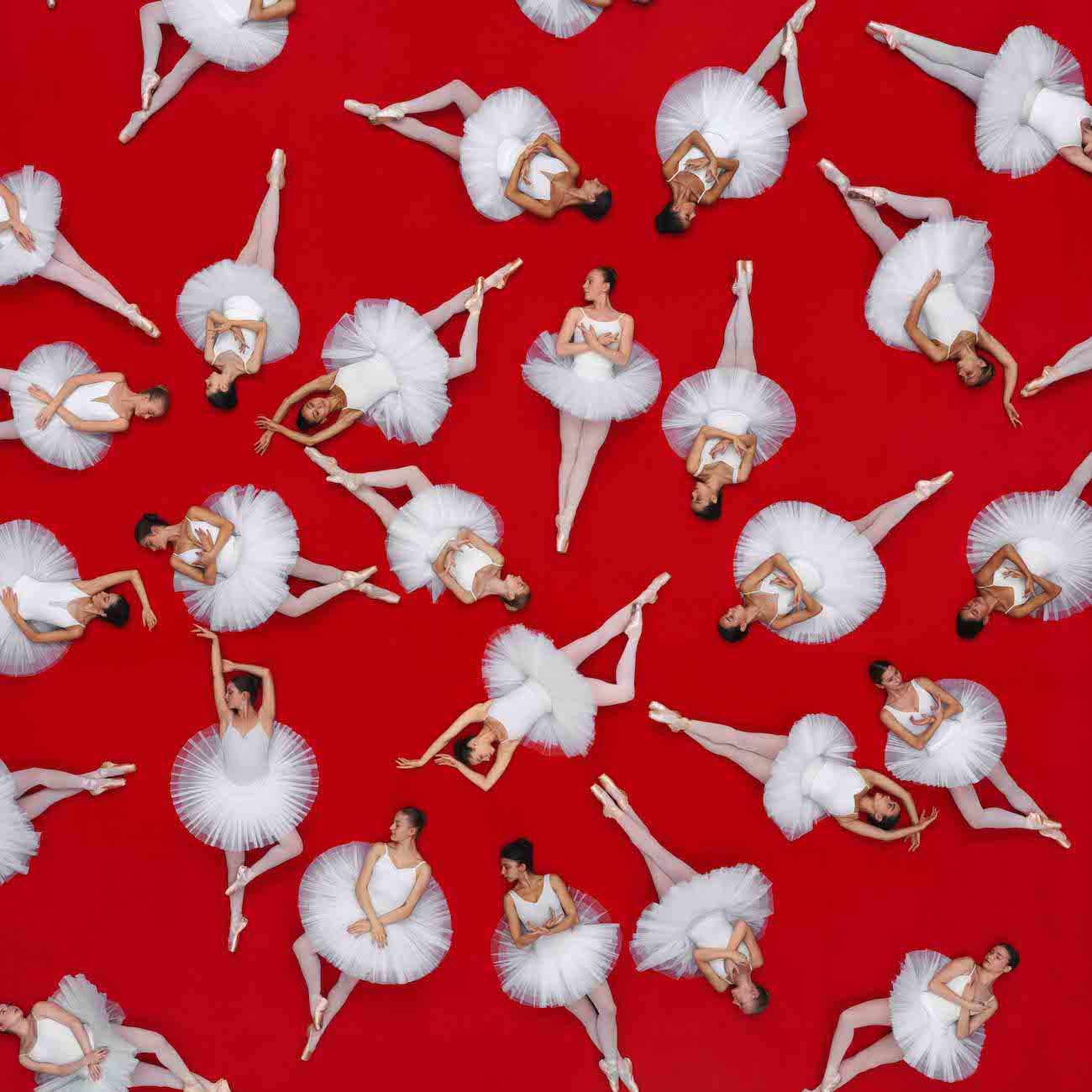
“Dead Juliet,” part of the “Passé” series.
What was the process of creating Passé and working with the ballerinas featured in the photographs?
Passé was a massive collaborative effort. I worked with schools, professional companies, and independent dancers to bring nearly 60 ballerinas together on a 50-foot stage. The process was part choreography, part design, part logistics. It required months of planning, from costume unification to overhead rigging, but once on set there was a sense of collective energy, everyone moving in sync to bring the vision to life. It felt less like a photoshoot and more like staging a live performance for the camera.
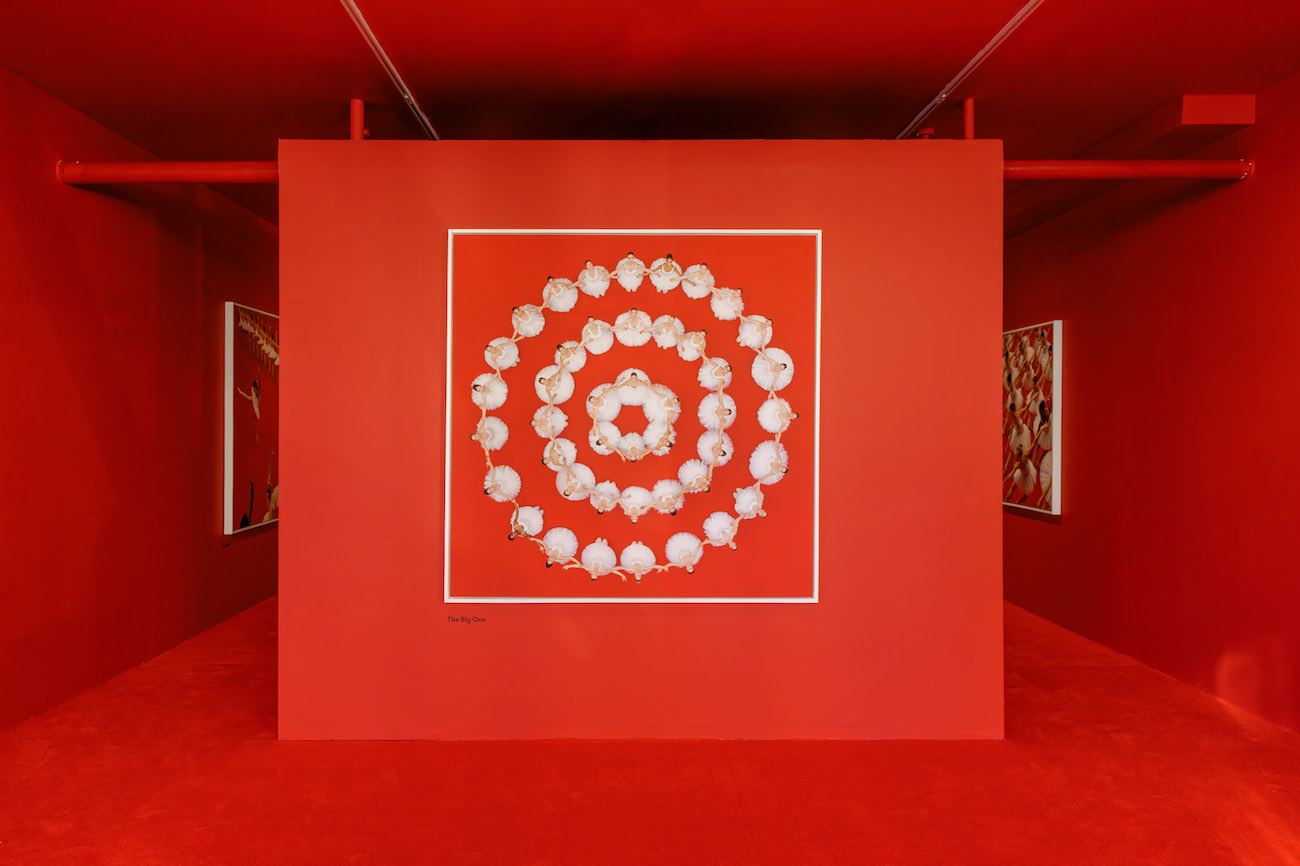
Installation shot of the “Passé” pop-up exhibition in New York, NY. (Photo: David Courbit)
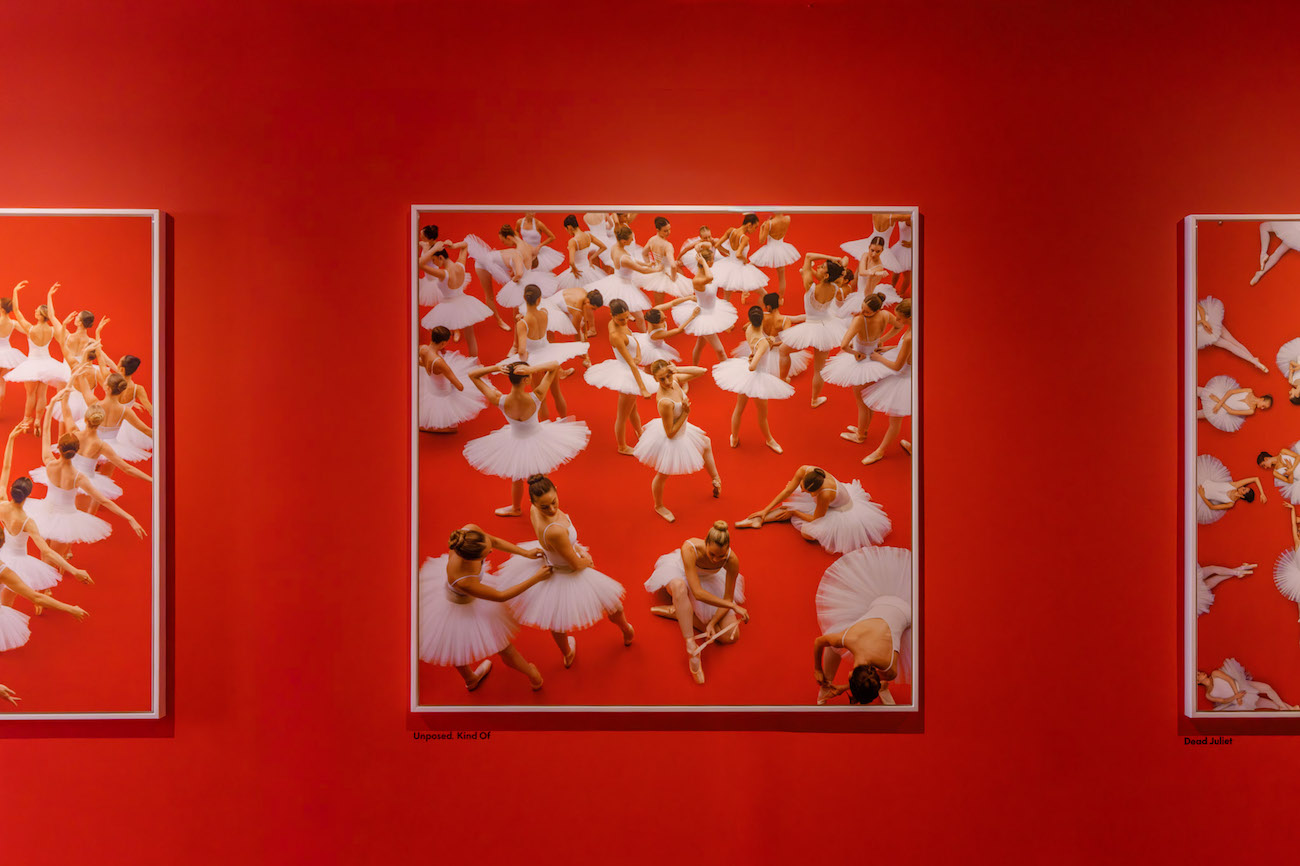
Installation shot of the “Passé” pop-up exhibition in New York, NY. (Photo: David Courbit)
The photographs featured in Passé and the pop-up exhibition itself are both completely doused in red. What inspires you about this color, and why did it feel relevant to feature in the series?
Red is loaded with symbolism—power, passion, danger, performance. For me, it was about creating an immersive environment that made ballet feel urgent and contemporary. I wanted the series to have an impact the moment you stepped into it, for the color to envelop you. The red carpet, usually associated with celebrity and spectacle, became a stage for the dancers, a way of elevating them into icons of their own.
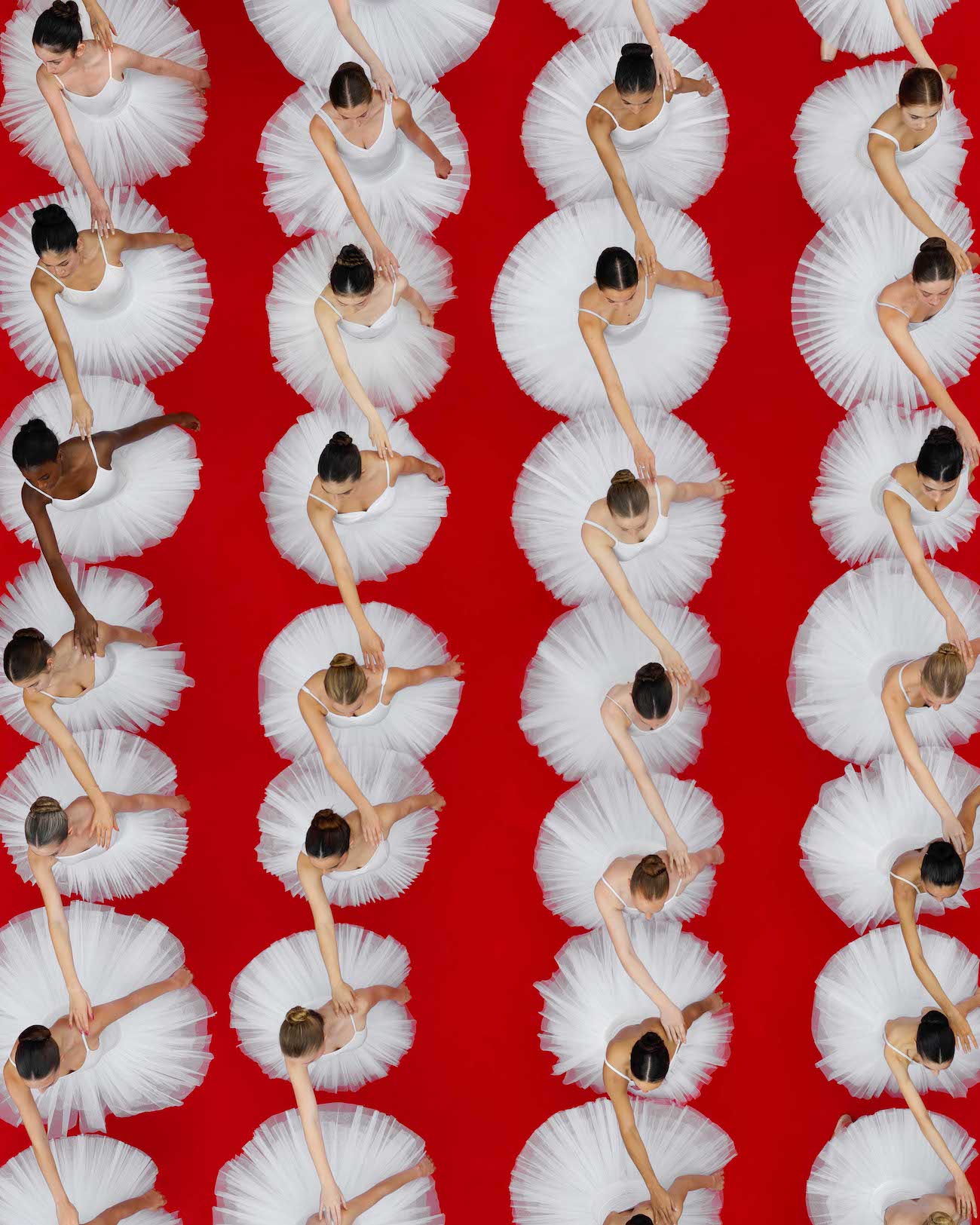
“Gridlocked Grace,” part of the “Passé” series.
How does Passé fit into your larger photographic practice?
Passé is a natural progression of my practice: taking something classical and reinterpreting it from a modern, aerial perspective. It builds on the themes I’ve always been interested in geometry, symmetry, and negative space, but pushes them further into performance and installation. It’s not just about the photographs but the world they inhabit, which is a direction I want to continue exploring.
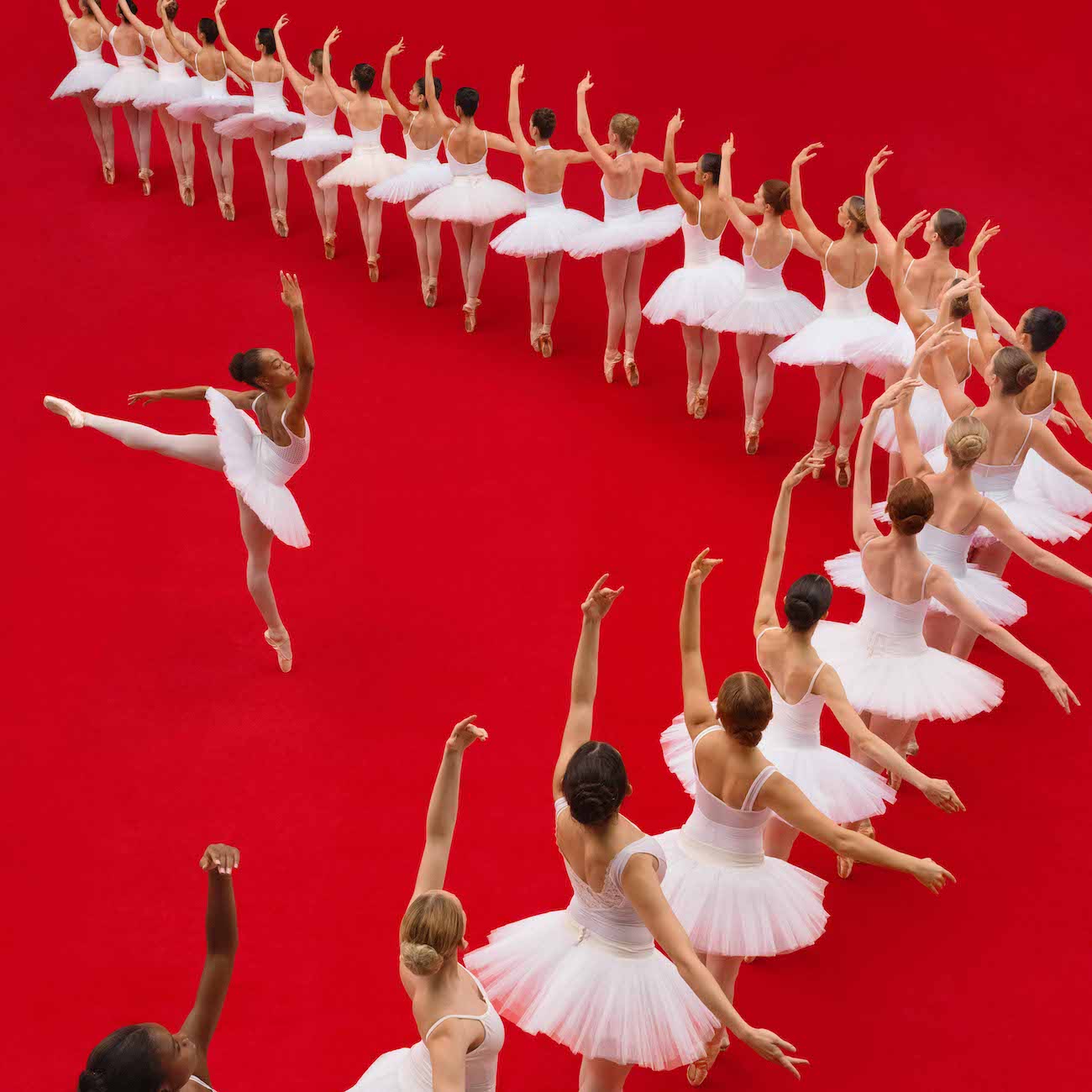
“Ascend,” part of the “Passé” series.
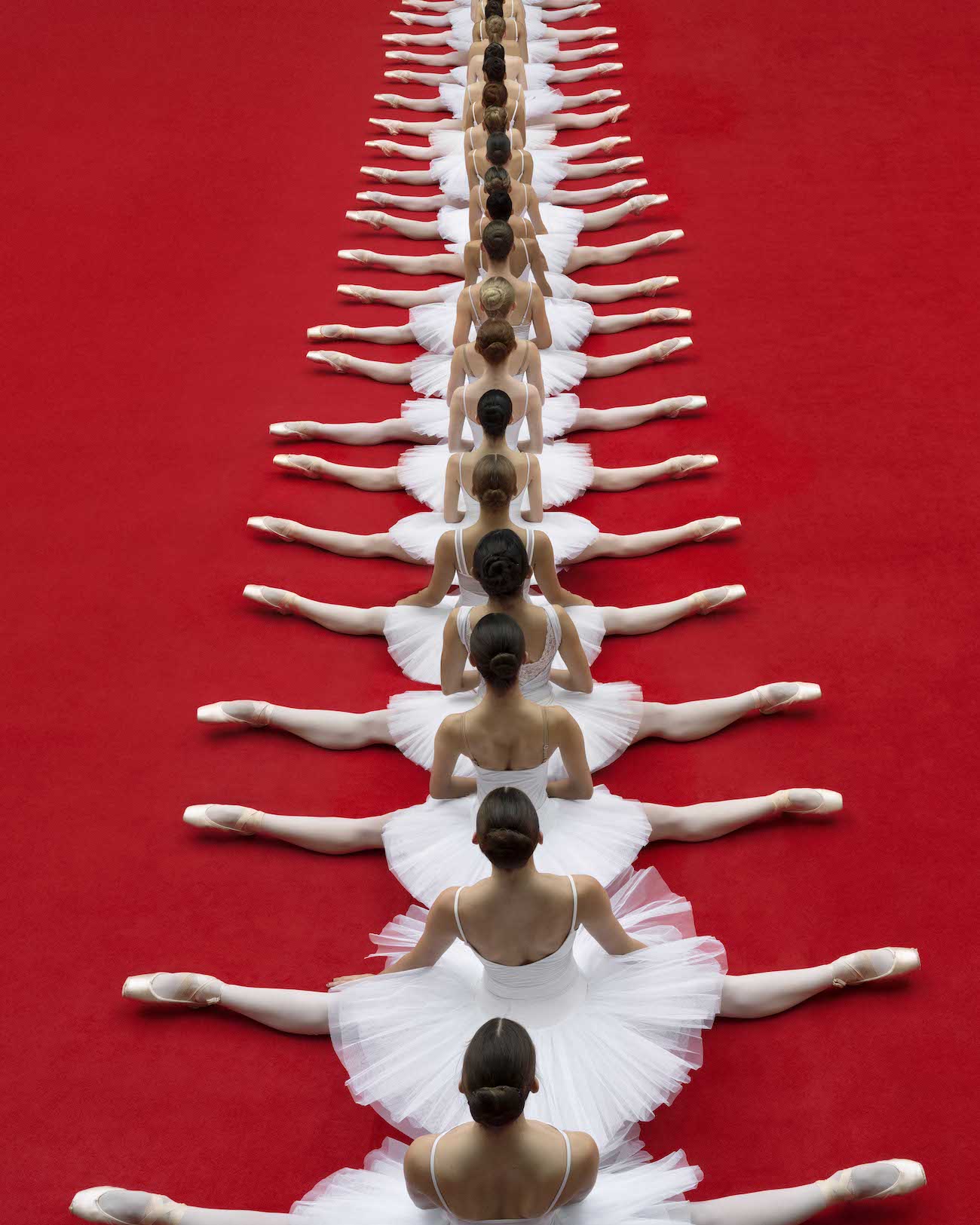
“Backbone,” part of the “Passé” series.
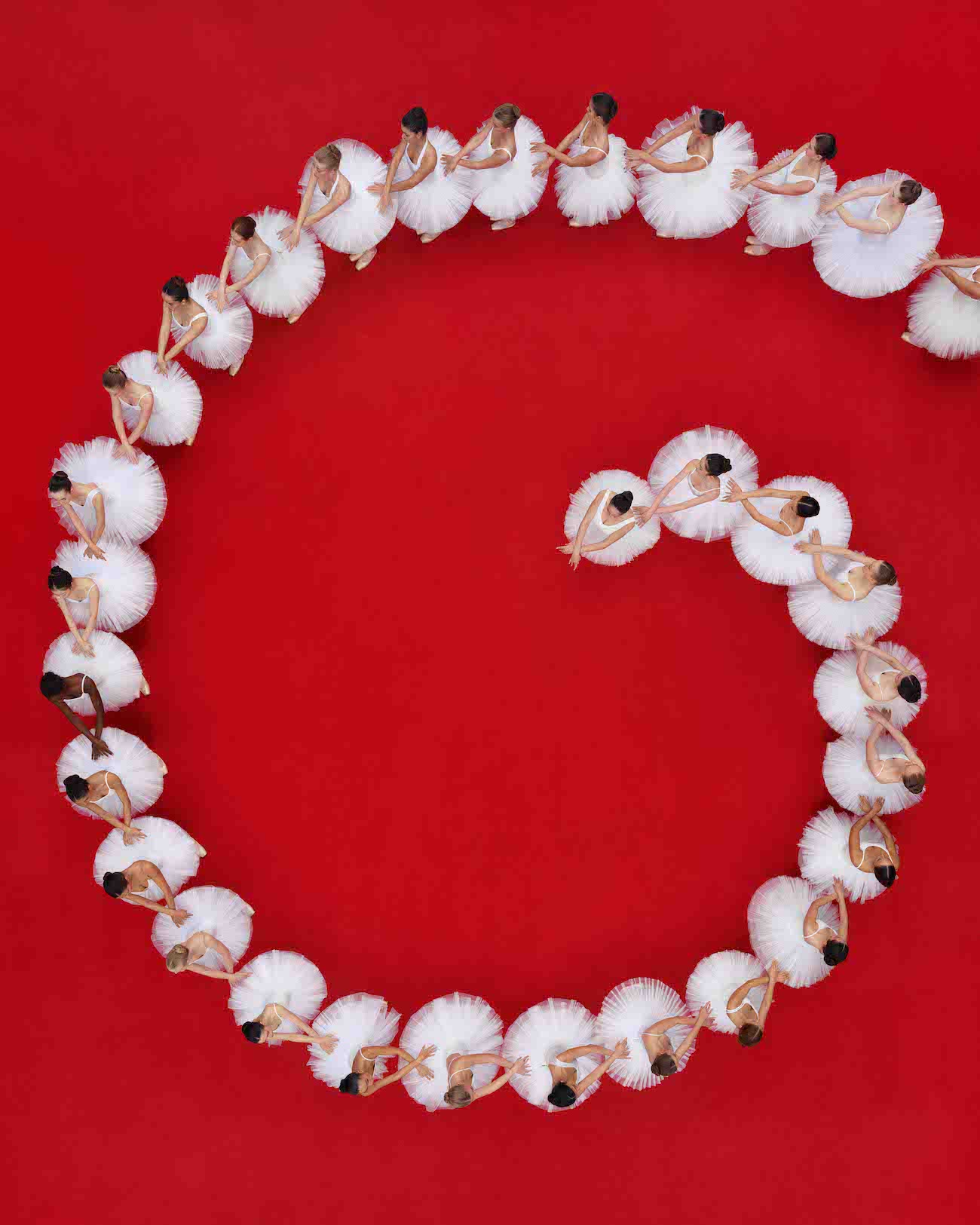
“Golden Ratio,” part of the “Passé” series.
What do you hope people will take away from Passé?
I hope people walk away with a new perspective on ballet, one that honors tradition but also reimagines it through design and abstraction. More broadly, I want them to see how shifting perspective, literally and metaphorically, can change how we experience the world. If they leave with a sense of awe, curiosity, or even just a different way of looking at something familiar, then I’ve done my job.
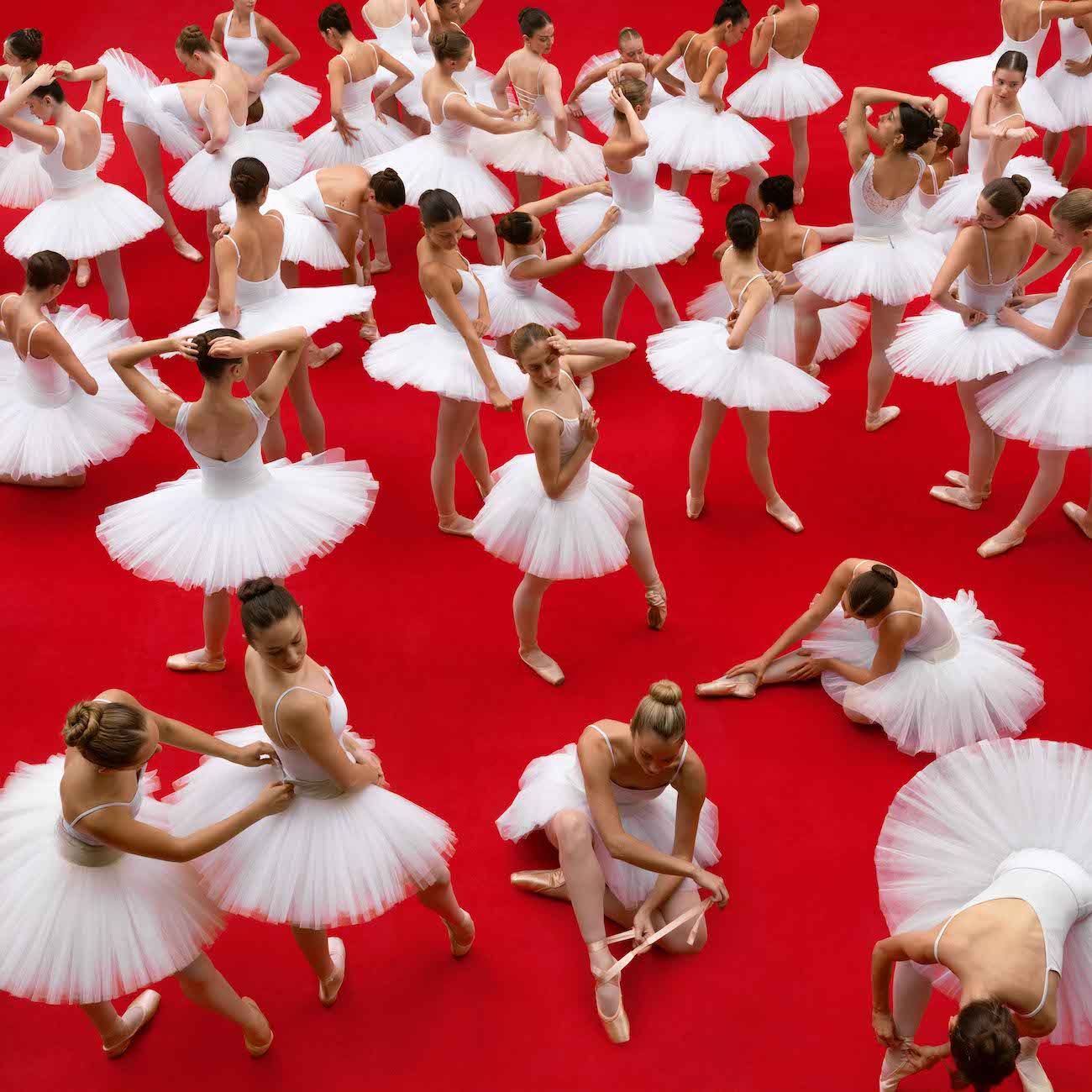
“Unposed, Kind Of,” part of the “Passé” series.
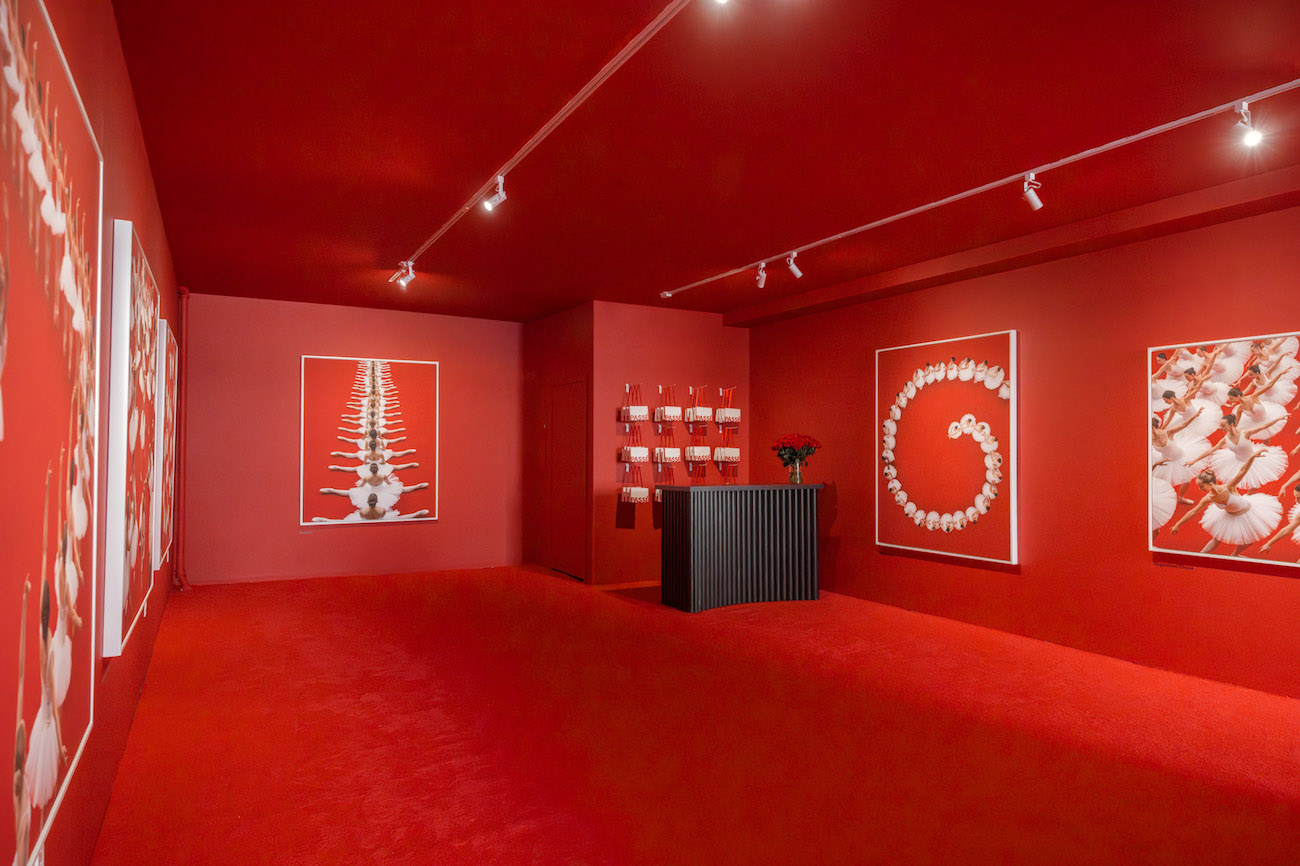
Installation shot of the “Passé” pop-up exhibition in New York, NY. (Photo: David Courbit)
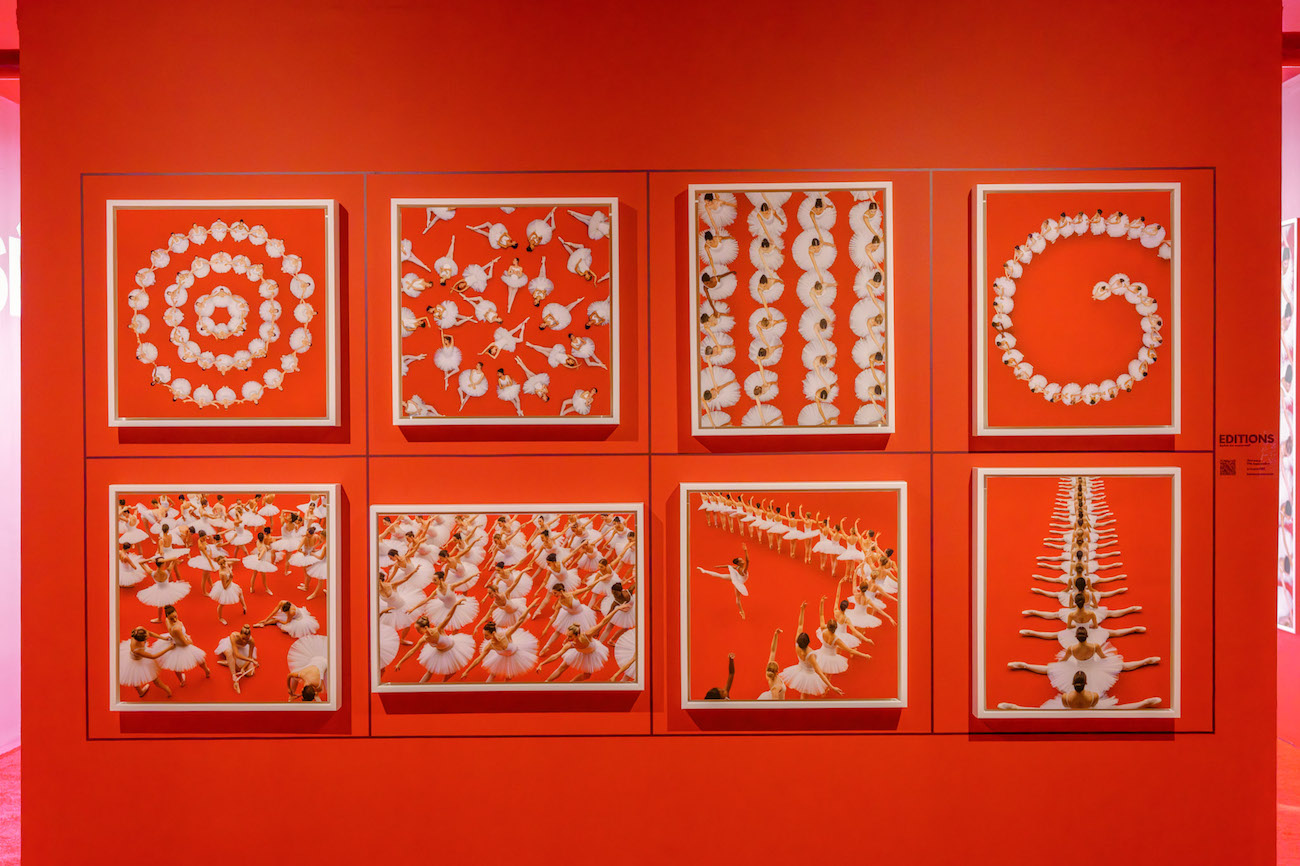
Installation shot of the “Passé” pop-up exhibition in New York, NY. (Photo: David Courbit)