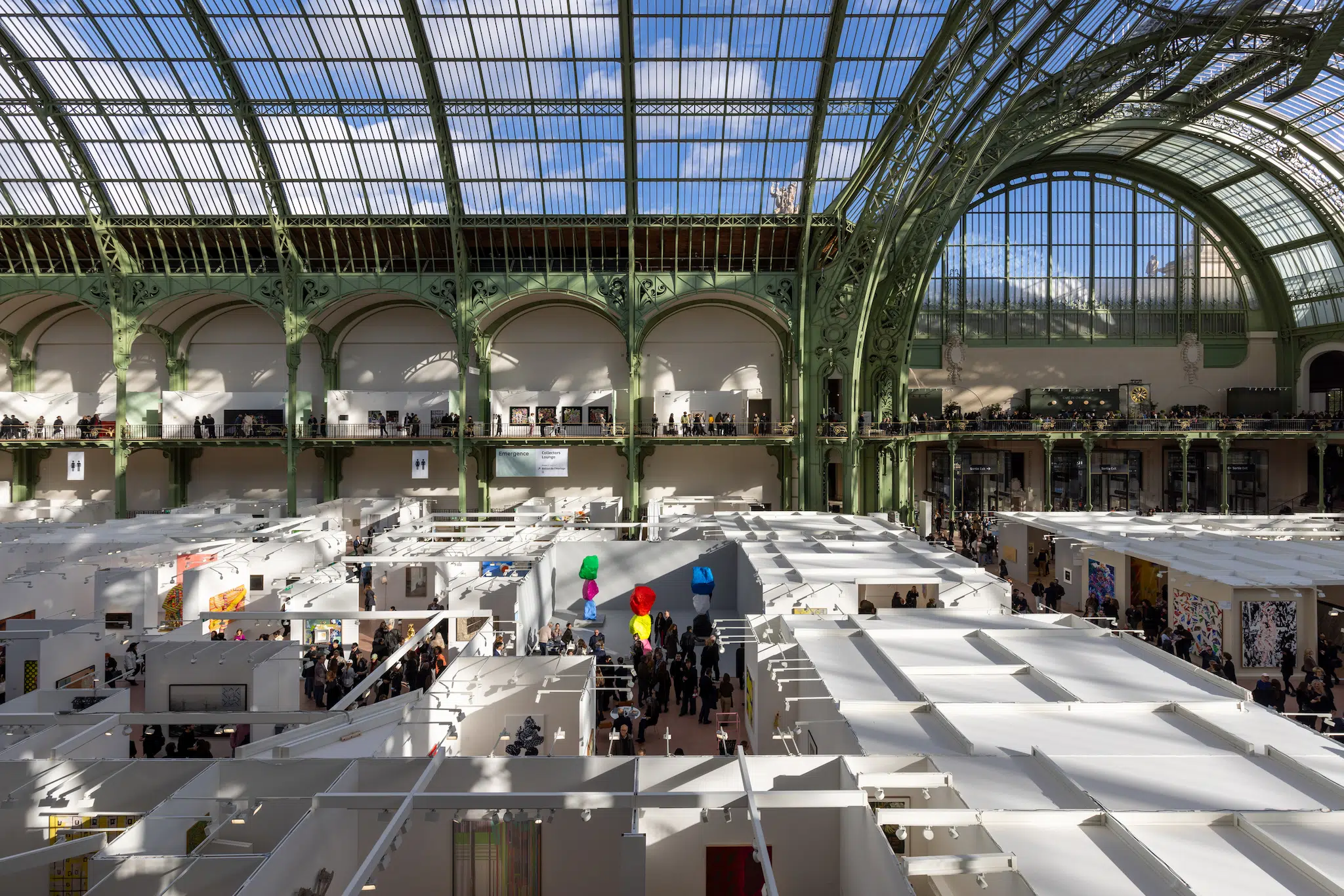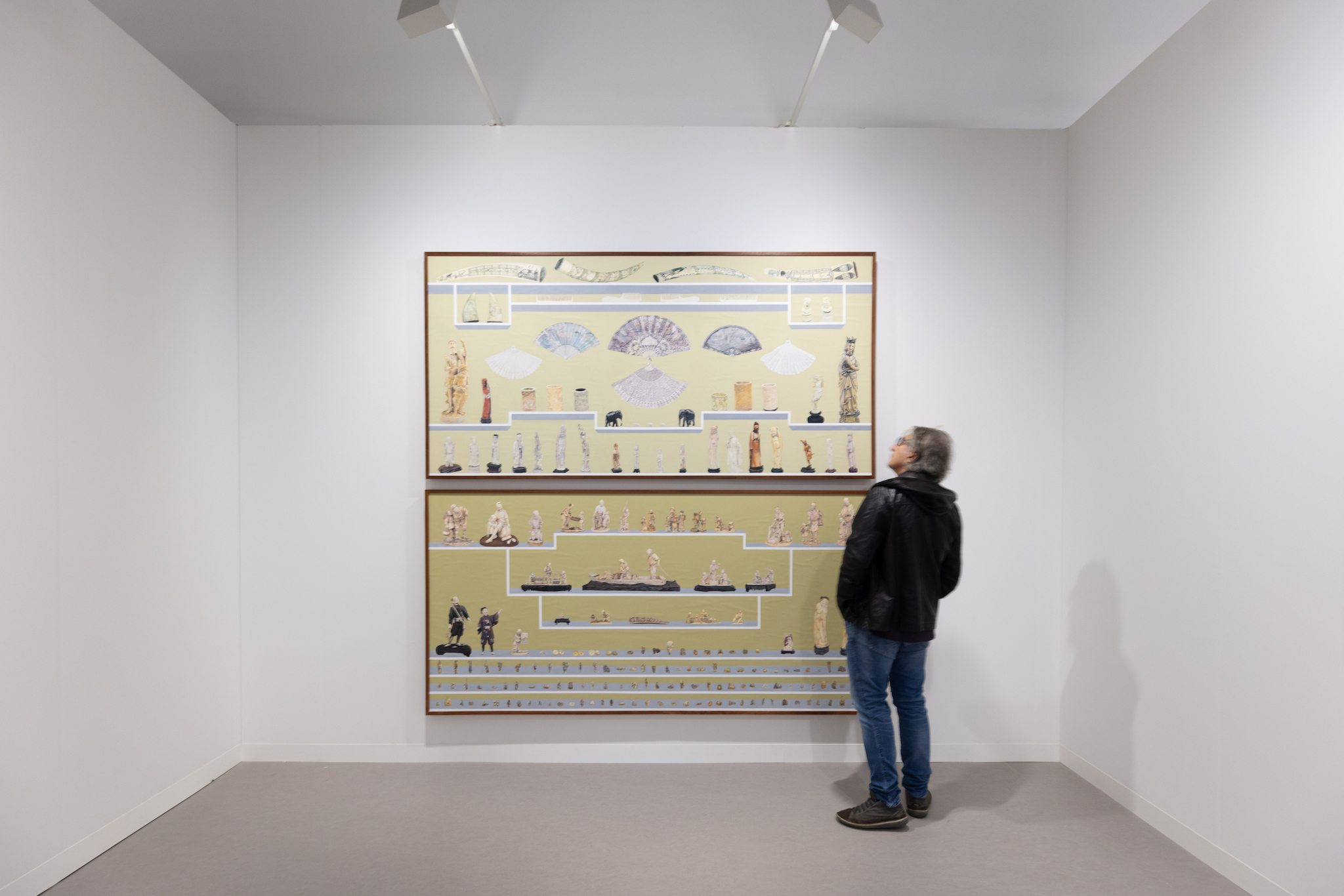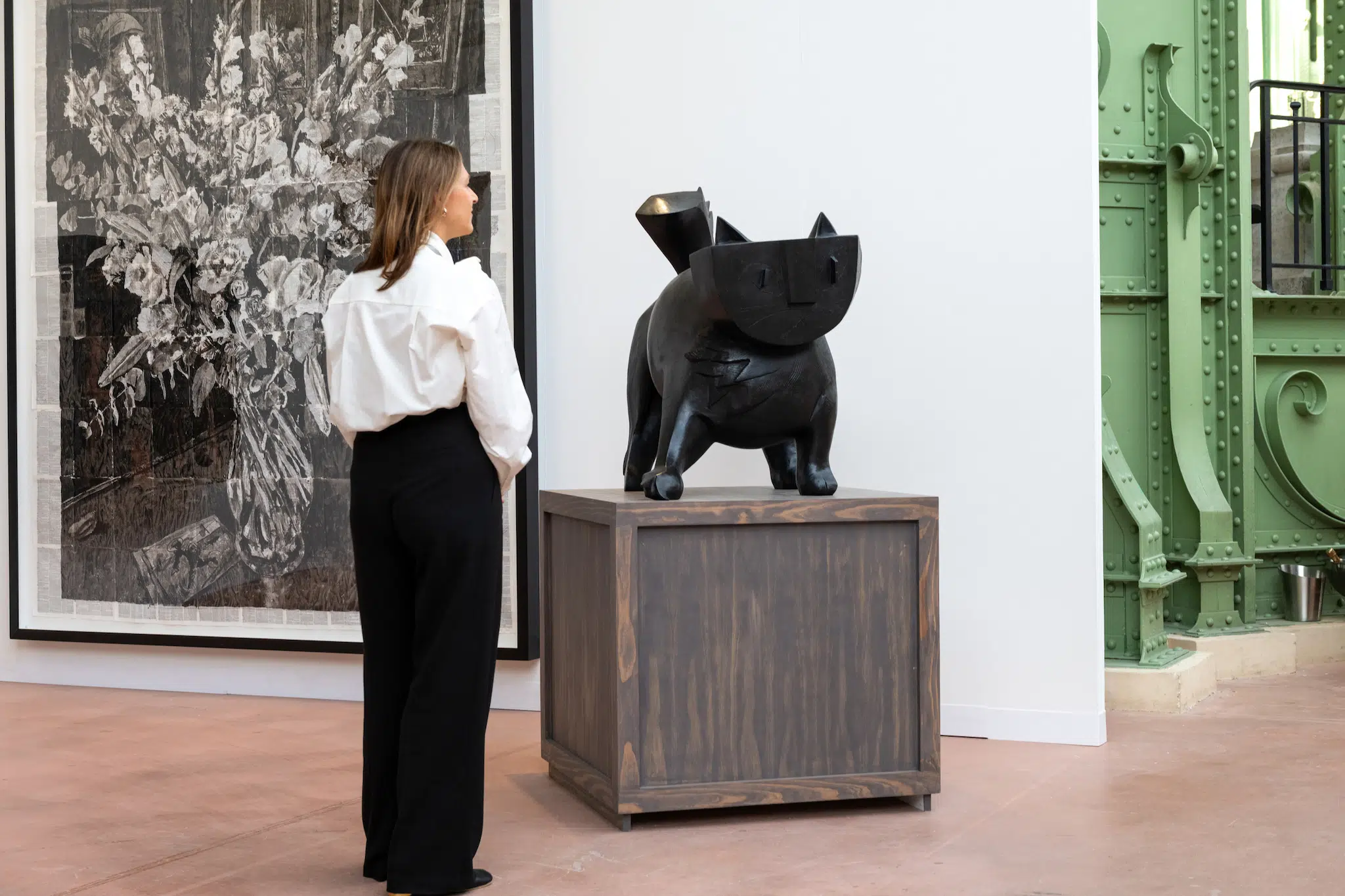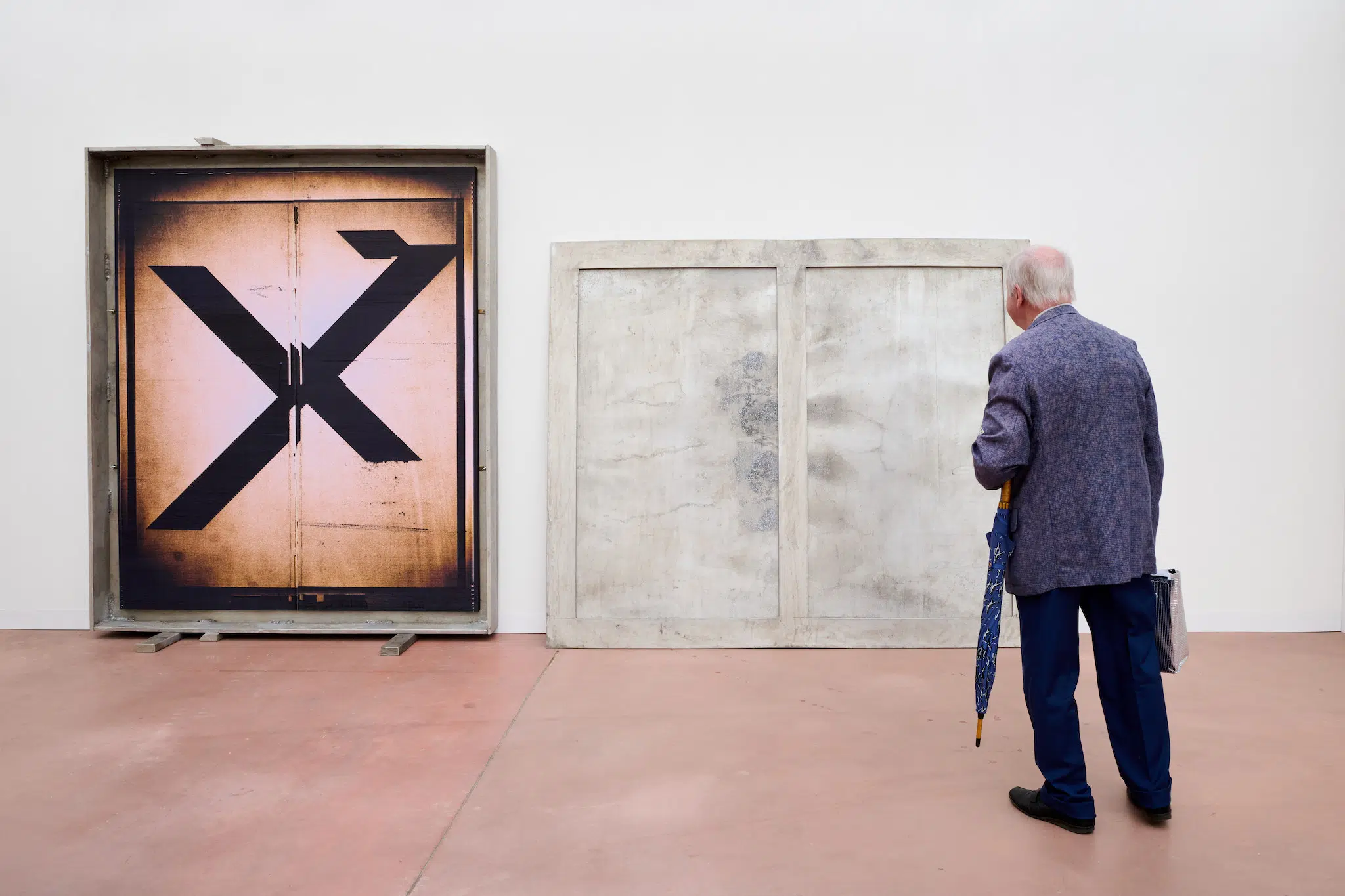

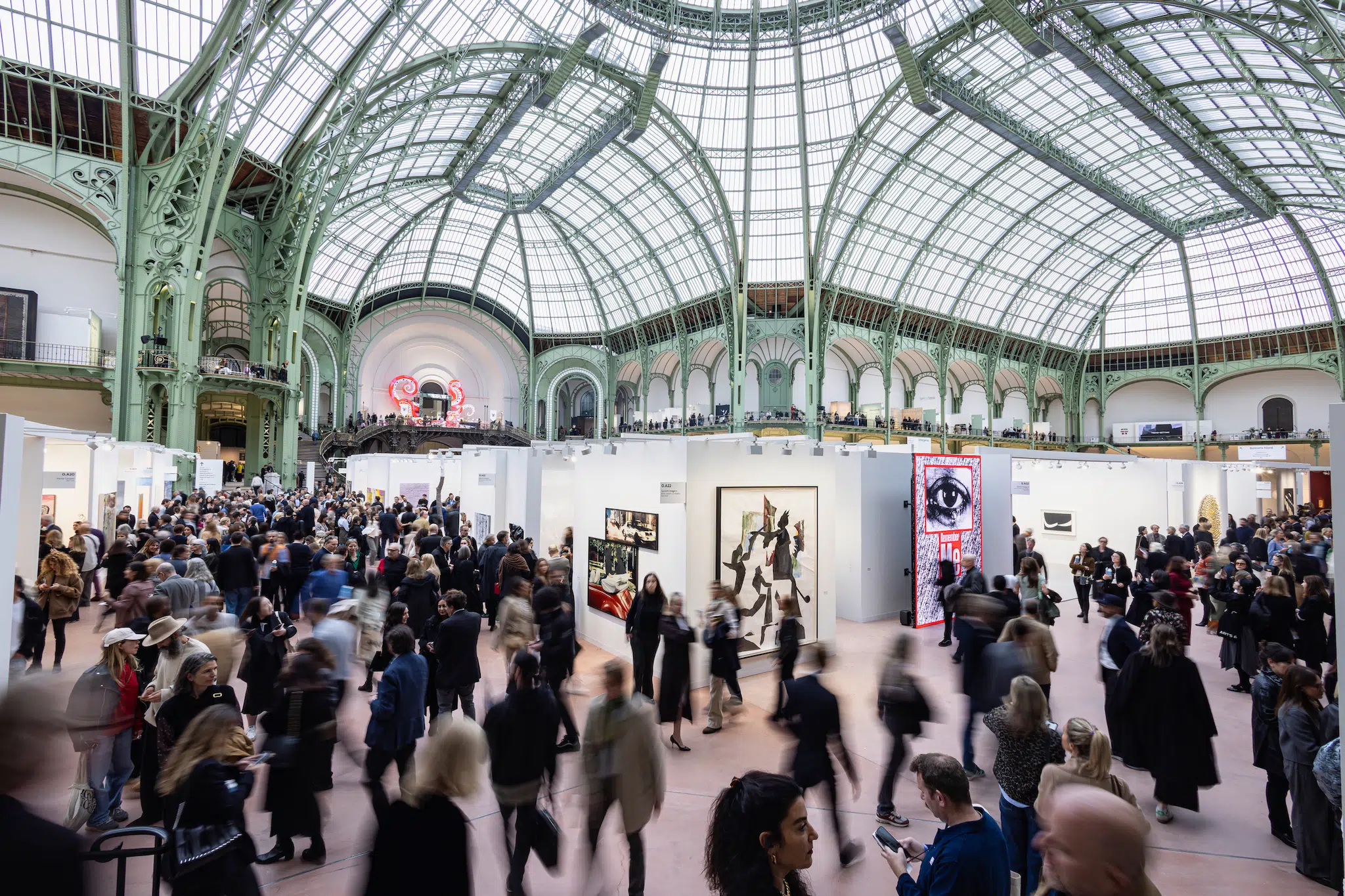
In 2021, the Grand Palais in Paris shuttered, undergoing a major €486 million (about $562 million) renovation. But ever since its reopening in June 2025, the iconic glass-and-steel palace has been hosting exhibitions, cultural events, and art fairs once again, including Art Paris and, most recently, Art Basel Paris.
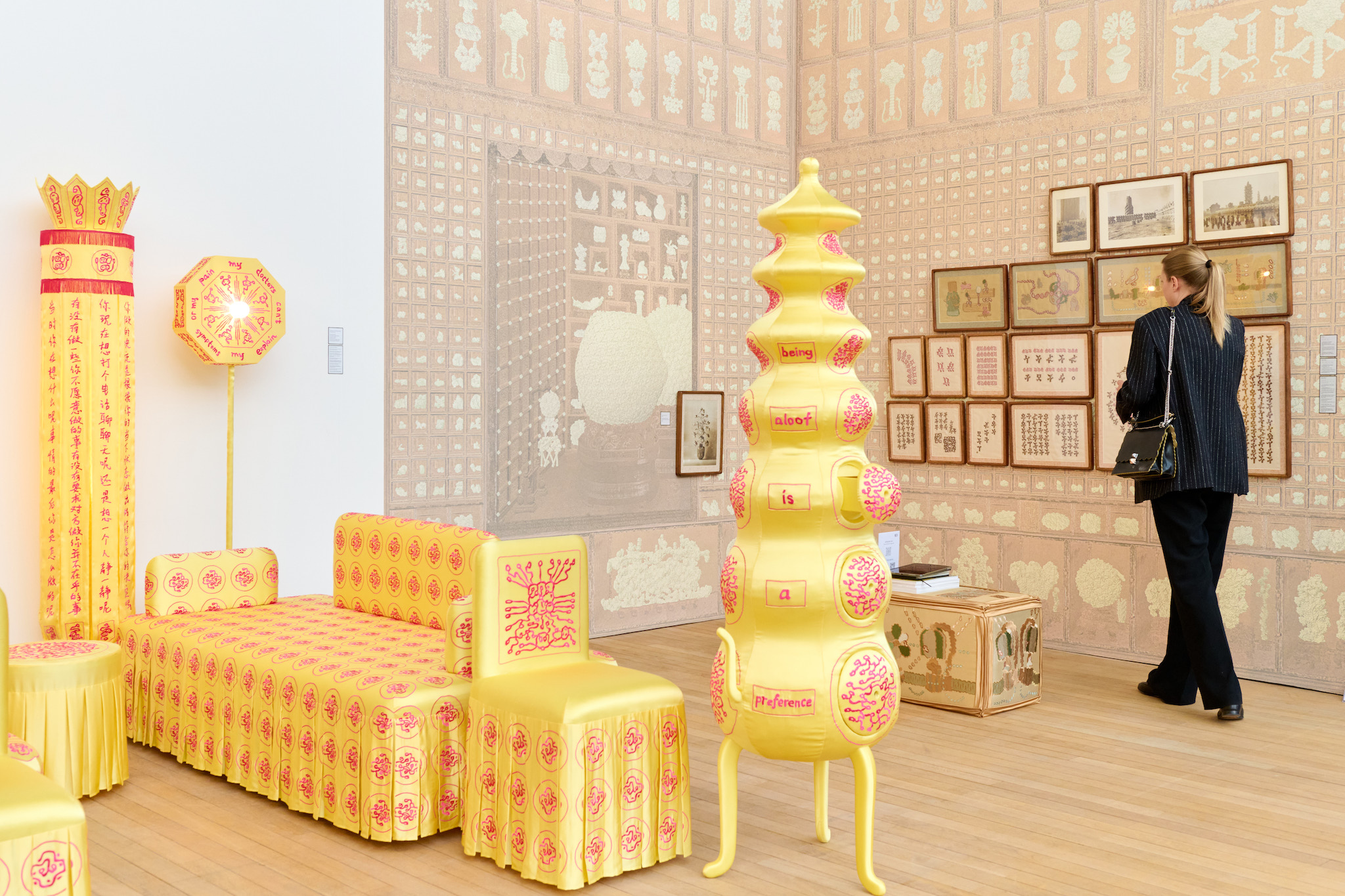
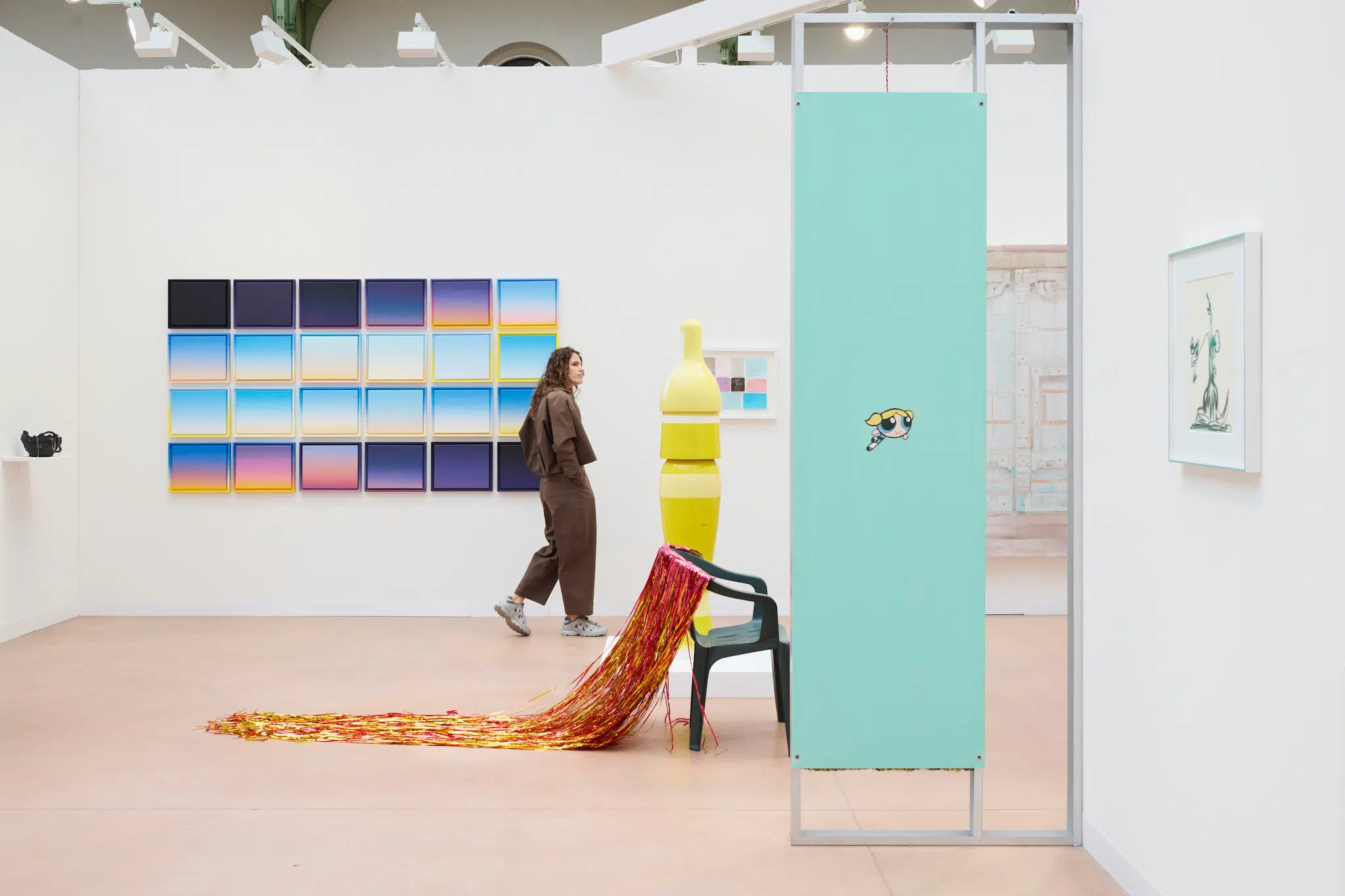
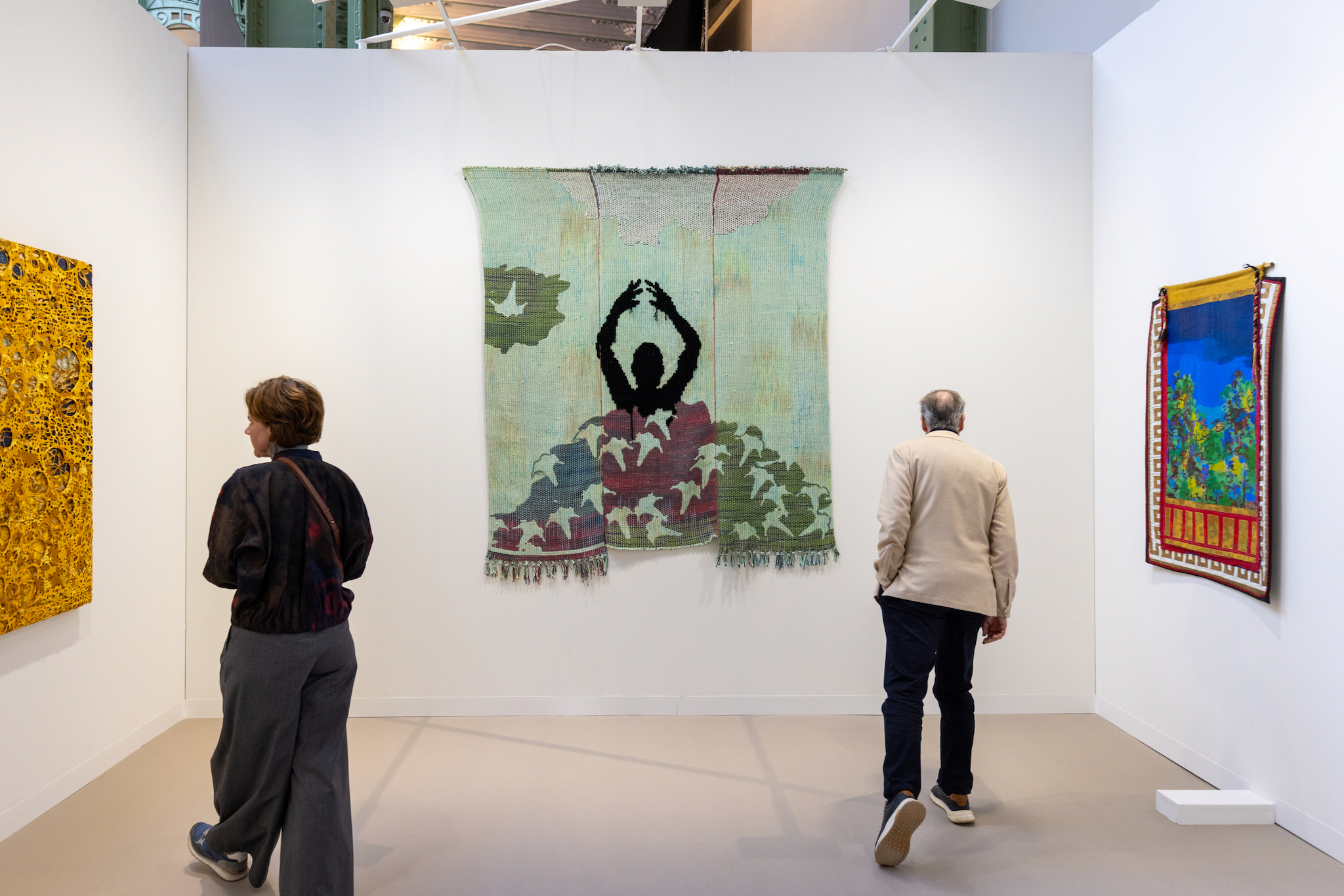
Held last month from October 24–26, 2025, the fair’s second edition gathered more than 200 international galleries from 41 countries and territories, including 65 operating spaces in France specifically. This year, the fair aimed to celebrate Paris’ avant-garde spirit and its rich artistic heritage, captured through three distinct sectors: Galeries, Emergence, and Premise. Throughout, works from art historical masters like Meret Oppenheim and Edgar Degas appeared alongside contemporary voices such as Latifa Echakhch, Ai Weiwei, and Xie Lei. This expansive selection offered a glimpse into how art production has evolved across time, especially within Paris itself as the birthplace of movements like Cubism, Surrealism, and Situationism, among others.
Galerie 1900–2000, for example, was one exhibitor showcasing avant-garde artwork produced in and around Paris. The gallery presented an intriguing overview of Dada and Surrealism, rooted in Marcel Duchamp’s study drawing for 9 moules malic. The 1913–14 drawing was juxtaposed with Hannah Höch’s Kubistische Komposition I and an illustrated letter by Victor Brauner, demonstrating the breadth of postwar art throughout Europe and how different luminaries influenced each another’s practices. Galerie Le Minotaure, on the other hand, focused on Dimensionism, an avant-garde movement inspired by Einstein’s theories of space-time and outlined in Charles Sirató’s 1936 manifesto. Here, visitors encountered rare watercolors by Fernand Léger, alongside László Moholy-Nagy’s photograms, collages, and plexiglass compositions.
“This second year at the Grand Palais has truly felt like coming home,” Clément Deléphine, director of Art Basel Paris, said in a statement. “The show has found its rhythm here, and its connection with the city has never felt stronger.”
Perhaps nothing embodies the depth of that connection better than the fair’s attendance. More than 73,000 people visited the fair throughout its VIP and public days, ranging from leading art patrons and private collectors to museum representatives and even French President Emmanuel Macron. Sales conducted at the fair were equally strong, with standout placements by artists like Gerhard Richter, Julie Mehretu, Amadeo Modigliani, and Leiko Ikemura. But emerging talents such as Yu Nishimura and Özgür Kar also fared well, reflecting the sheer diversity and range of gallery programs on view.
Featured galleries shared this positive view, including Iwan Wirth, president of Hauser & Wirth: “Art Basel Paris proved itself to be a very smart idea that delivered on all fronts. When you put great art in front of great people, magic happens on the spot,” he said, adding that the global gallery managed to “sell our crown jewel—an exceptional 1987 painting by Gerhard Richter—on our stand.”
Almine Rech, of the eponymous Almine Rech Gallery, echoed the sentiment: “This edition of Art Basel Paris proved to be exceptional, marked by enthusiasm from collectors. In a still measured market, these results demonstrate stable activity and sustained interest in the artists in our program.”
Next year’s edition of Art Basel Paris will be held from October 23–25, 2026. To learn more about the art fair and other upcoming initiatives, visit the Art Basel website.
From Oct. 24–26, Art Basel Paris hosted more than 200 galleries at the city’s Grand Palais, showcasing an exciting array of modern and contemporary art.
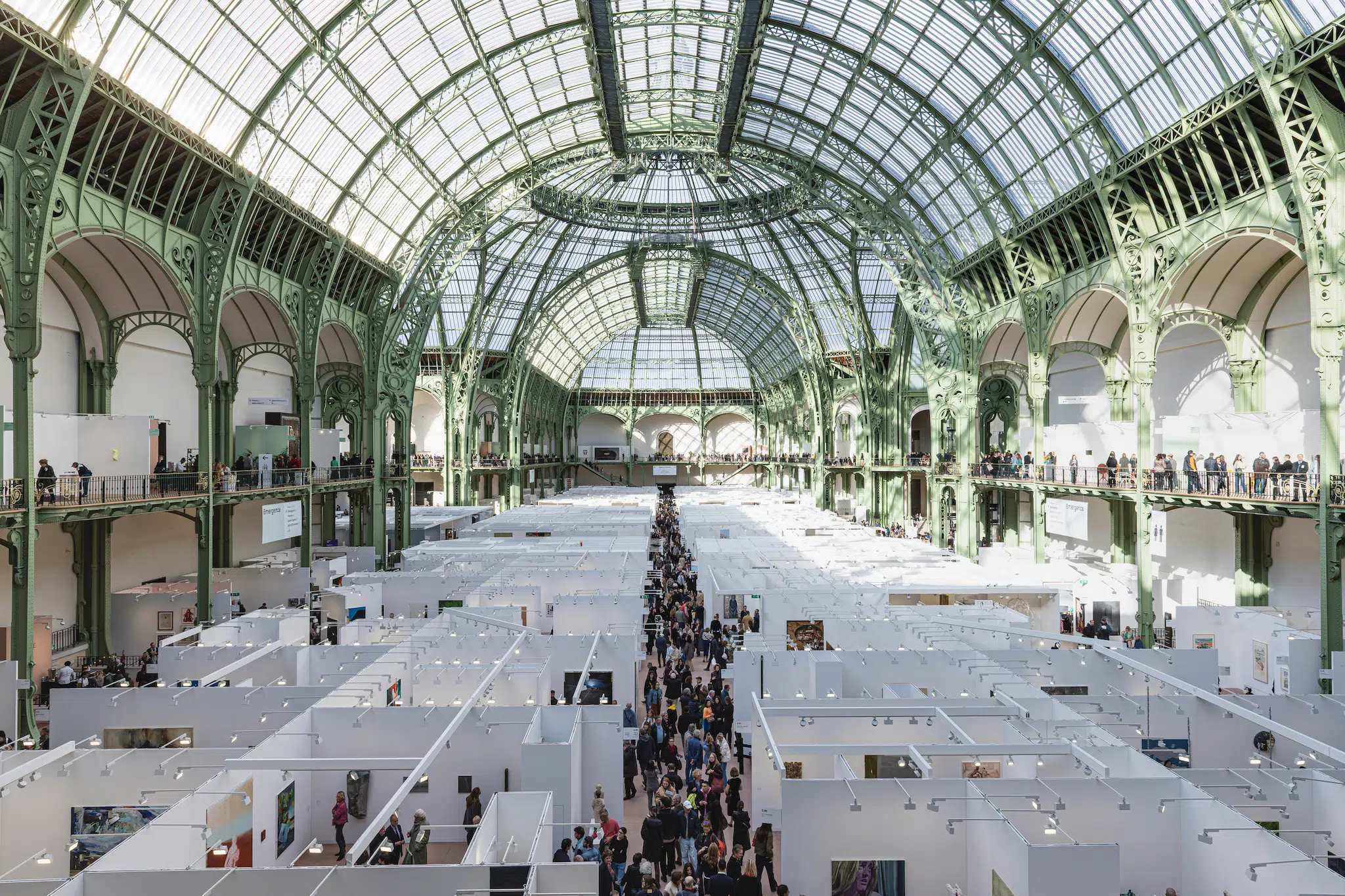
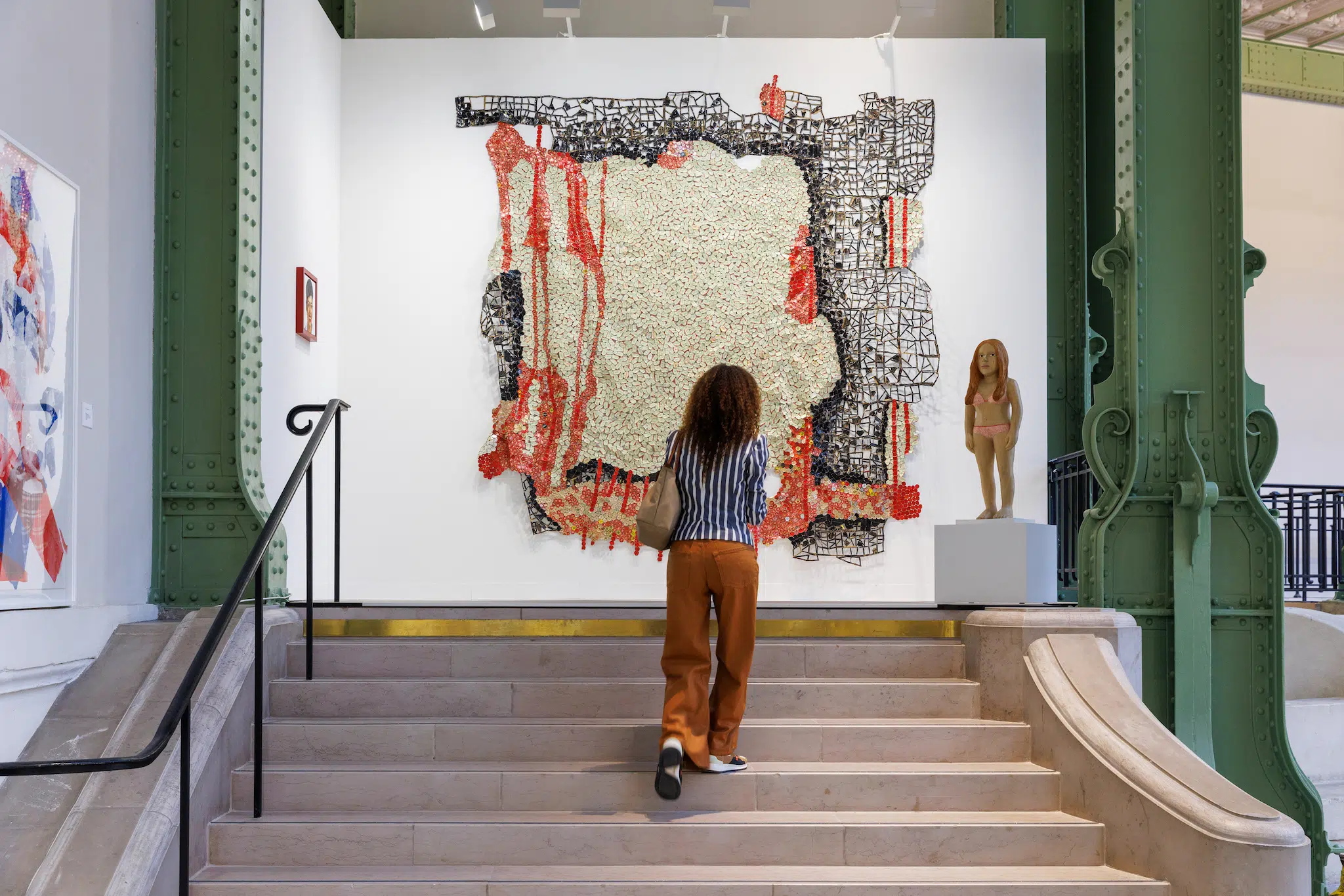
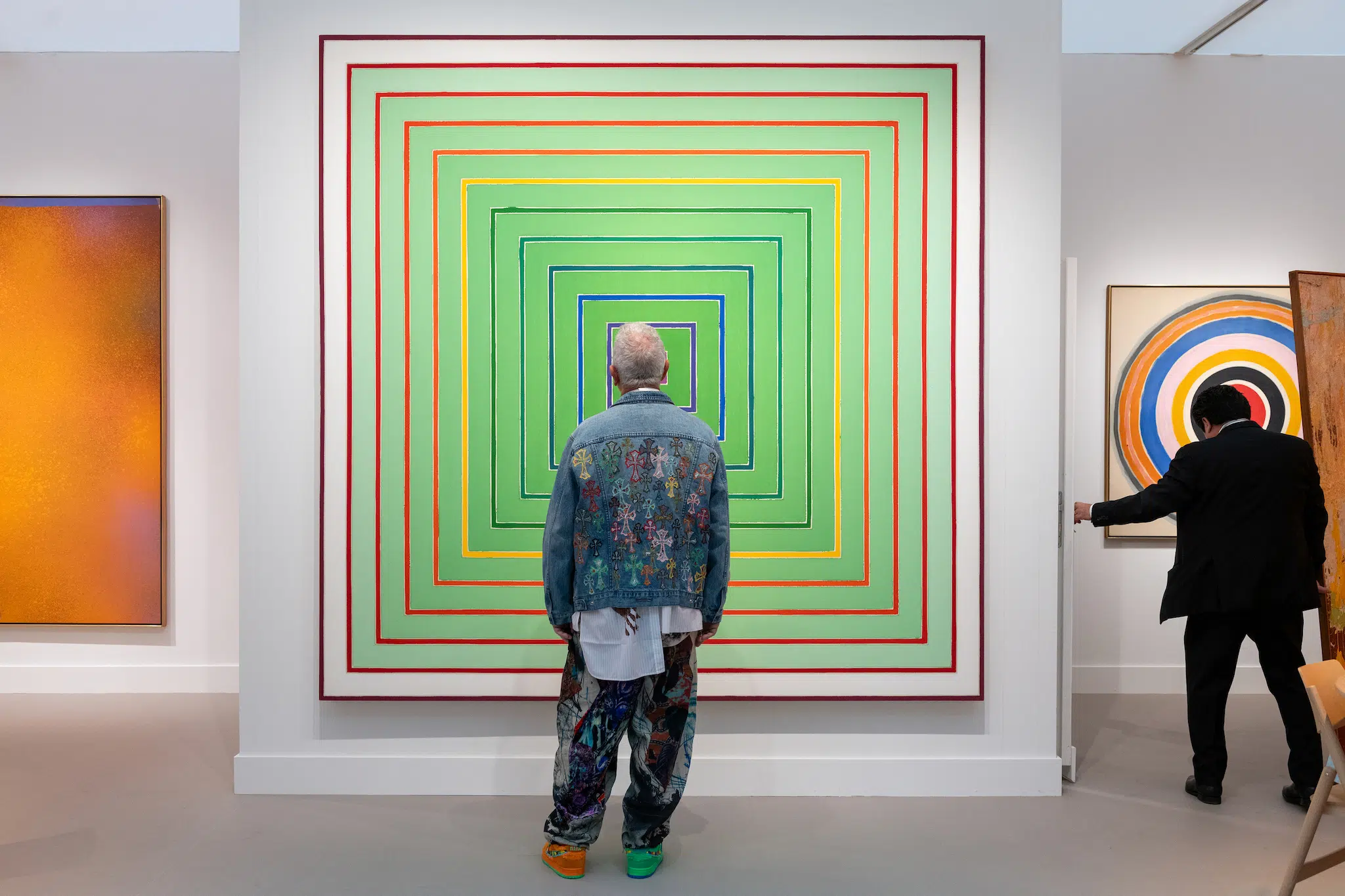
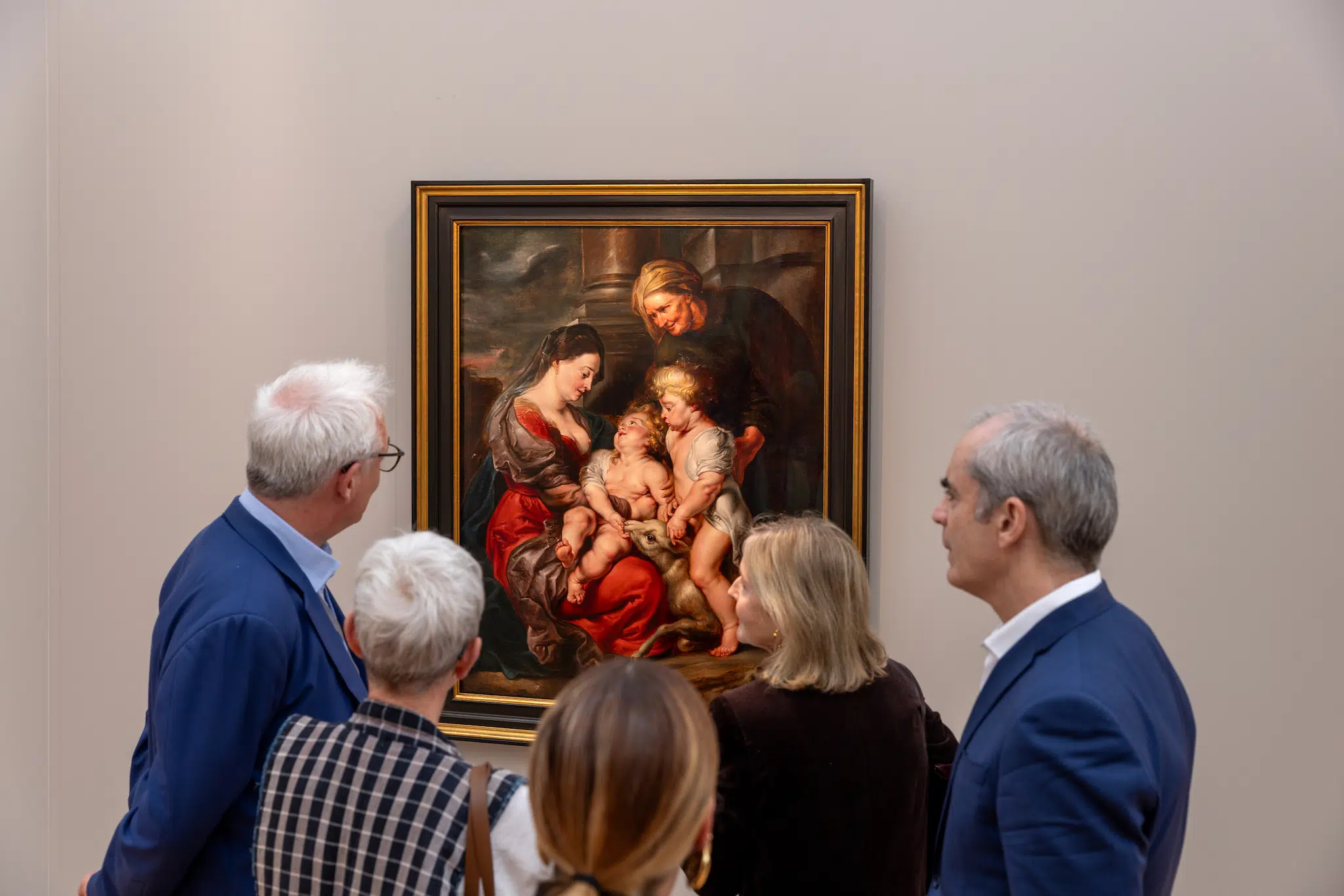
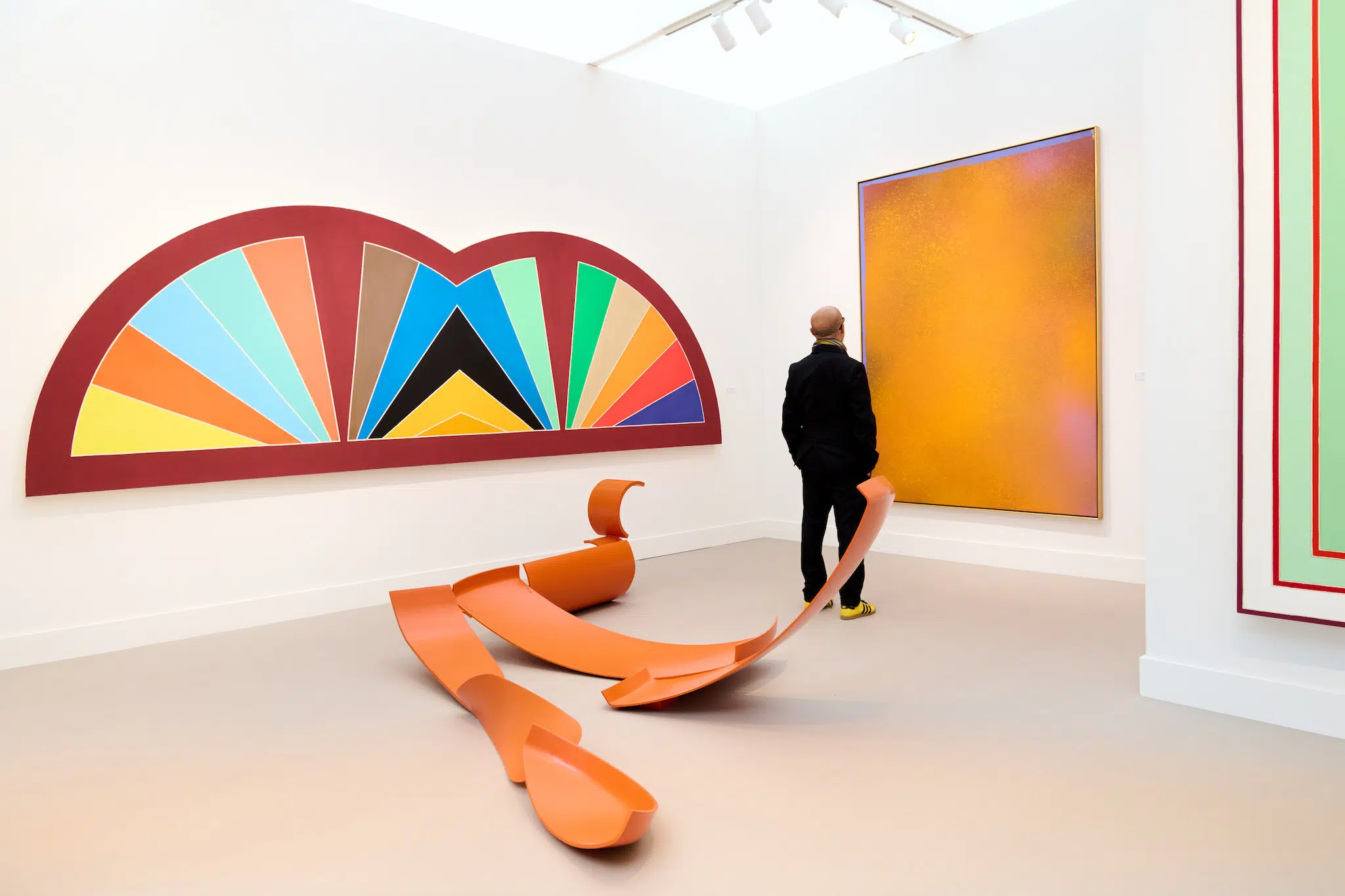
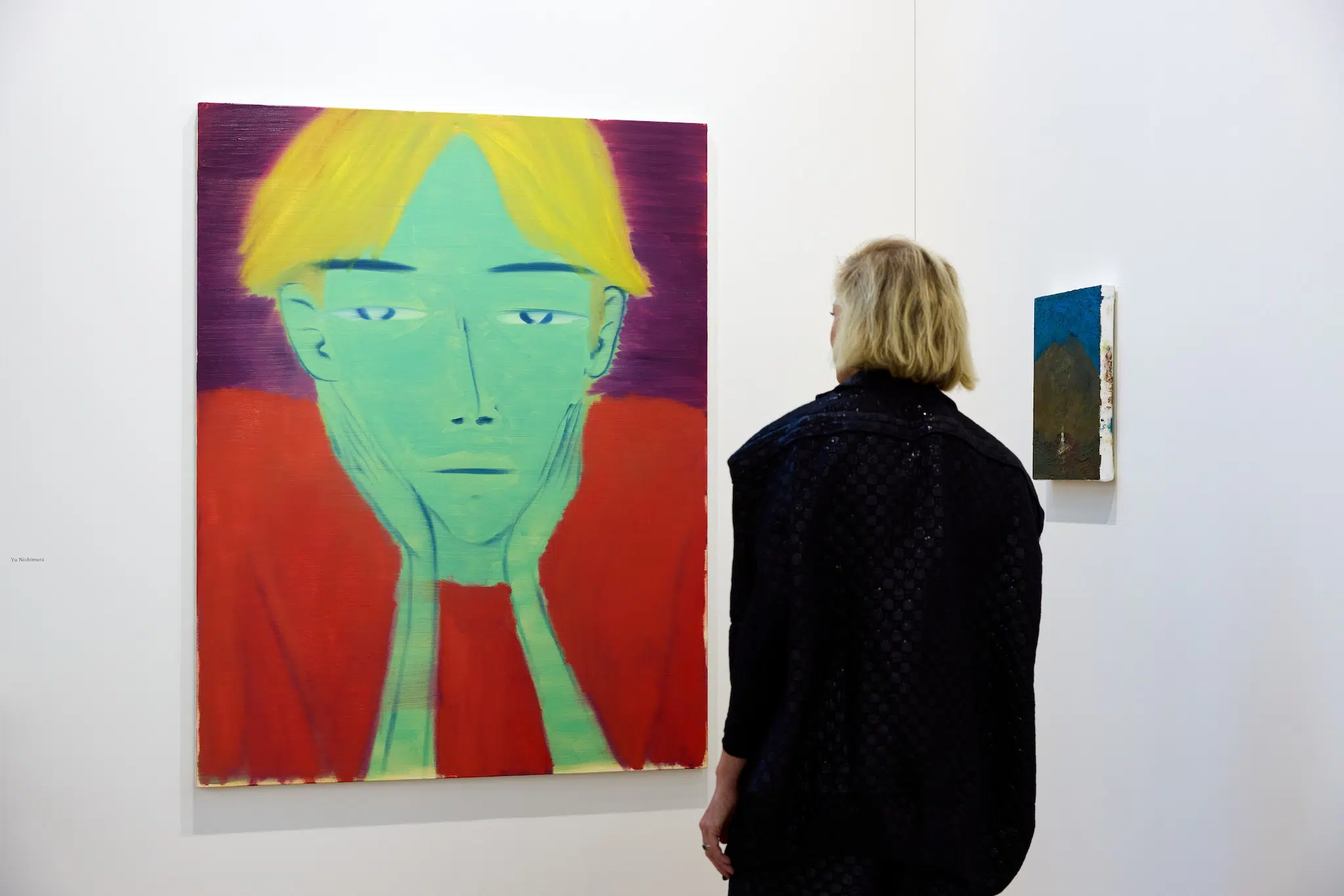
For its second edition, the art fair celebrated Paris’ rich artistic heritage, especially as the birthplace of art movements like Cubism and Surrealism.