

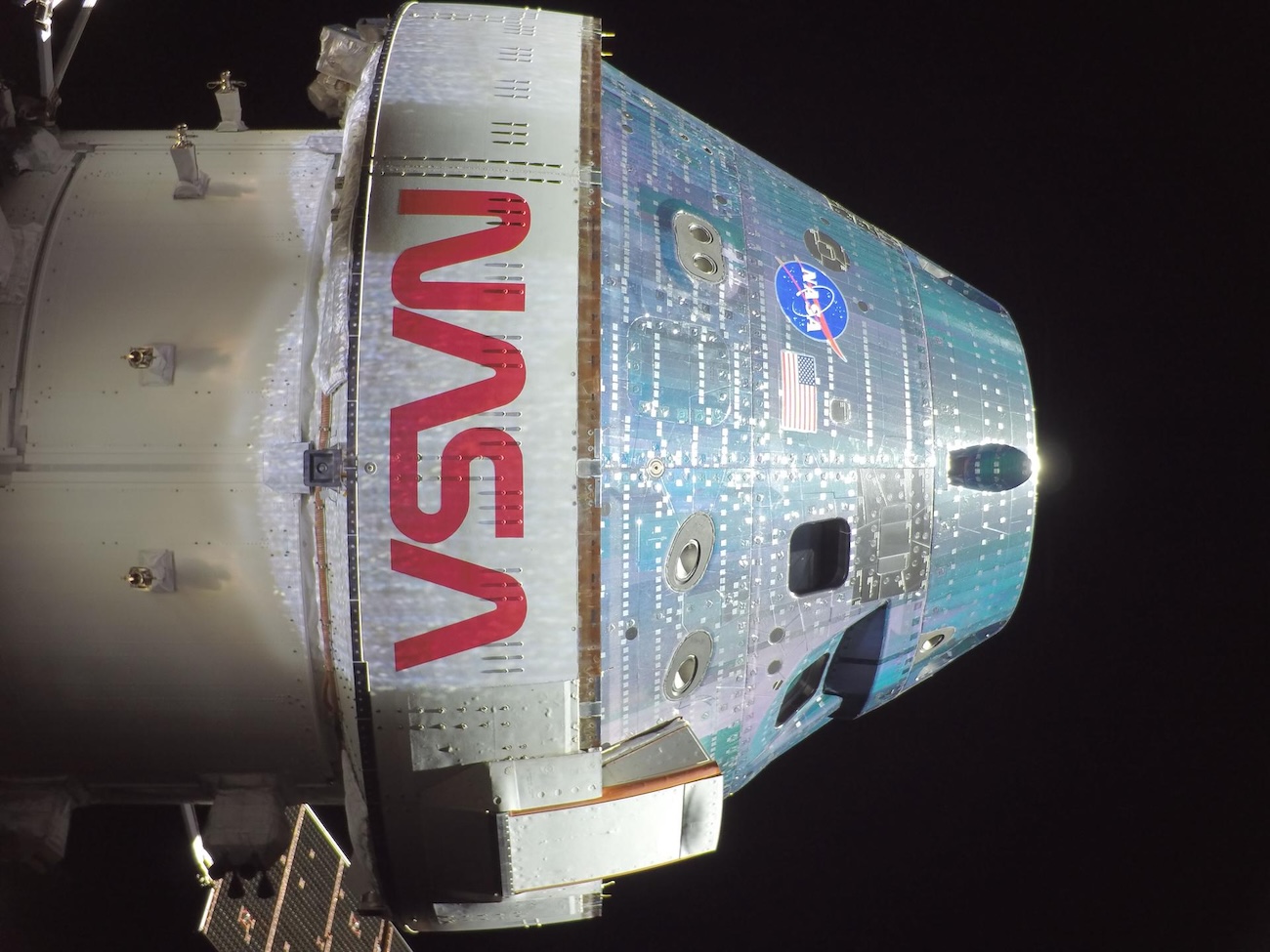
Photo: NASA
NASA has done it again. It had been over 50 years since the space agency sent a crew to the moon, but that changed with the successful Artemis II mission. Launched on April 1, 2026, it was the first human journey that went beyond low Earth orbit since Apollo 17 in 1972. Over the course of 10 days, the four-person crew covered 694,481 miles before splashing down in the Pacific Ocean, off the coast of San Diego, on April 10, 2026.
The Artemis II mission had a record-breaking moment. On April 6, the crew—Reid Wiseman, Victor Glover, Christina Koch, and Jeremy Hansen—reached 248,655 miles from Earth, marking the farthest distance any human has ever traveled. (The previous record was held by Apollo 13 astronauts in 1970.)
The lunar flyby brought the crew to the far side of the moon, and the astronauts shot more than 7,000 images of the lunar surface, giving us greater insight into Earth’s satellite, including Earthset, Earthrise, ancient lava flows, impact craters, and surface features. They also photographed a solar eclipse from orbit, during which the moon fully eclipsed the sun for nearly 54 minutes, and captured stunning details of the corona, the outermost part of the sun’s atmosphere.
Observing the physical aspects of the moon was just one part of the Artemis II mission. Orion, the spacecraft that took them to the moon, went through its first full in-flight evaluation, and the crew conducted scientific investigations like the AVATAR study, which looks at how human tissue responds to microgravity and deep-space radiation. This data will help inform longer space missions.
The public investment in the Artemis II mission was splashed all over social media, showing both stunning sights from space and letting us in on the connection formed by the crew members. It was clear from their interactions and the way they spoke and supported each other that they had deep mutual respect and care for one another. This was on full display during a particularly emotional moment during the mission, when they asked permission to name a crater after Wiseman’s late wife, Carroll, who died in 2020 from cancer.
“We lost a loved one. Her name was Carroll, the spouse of Reid, the mother of Katie and Ellie,” Hansen relayed to ground control, his voice breaking a bit. “It’s a bright spot on the moon and we would like to call it Carroll.”
Returning to Earth required the crew and the capsule to endure temperatures up to 5,000 degrees Fahreneight and speeds more than 30 times the speed of sound. There was a six-minute period during reentry when communications with NASA were unavailable, which was planned and fully anticipated. After being retrieved from the Pacific Ocean by the U.S. Navy, the crew made their way to Johnson Space Center in Houston, concluding an incredible journey.
Artemis III is slated to launch in 2027. The mission will stay in Earth’s orbit and test spacecraft designed to land humans on the moon in 2028.
NASA’s Artemis II mission made splashdown on April 10, 2026, capping a successful journey to the moon and back—the first time in over 50 years.
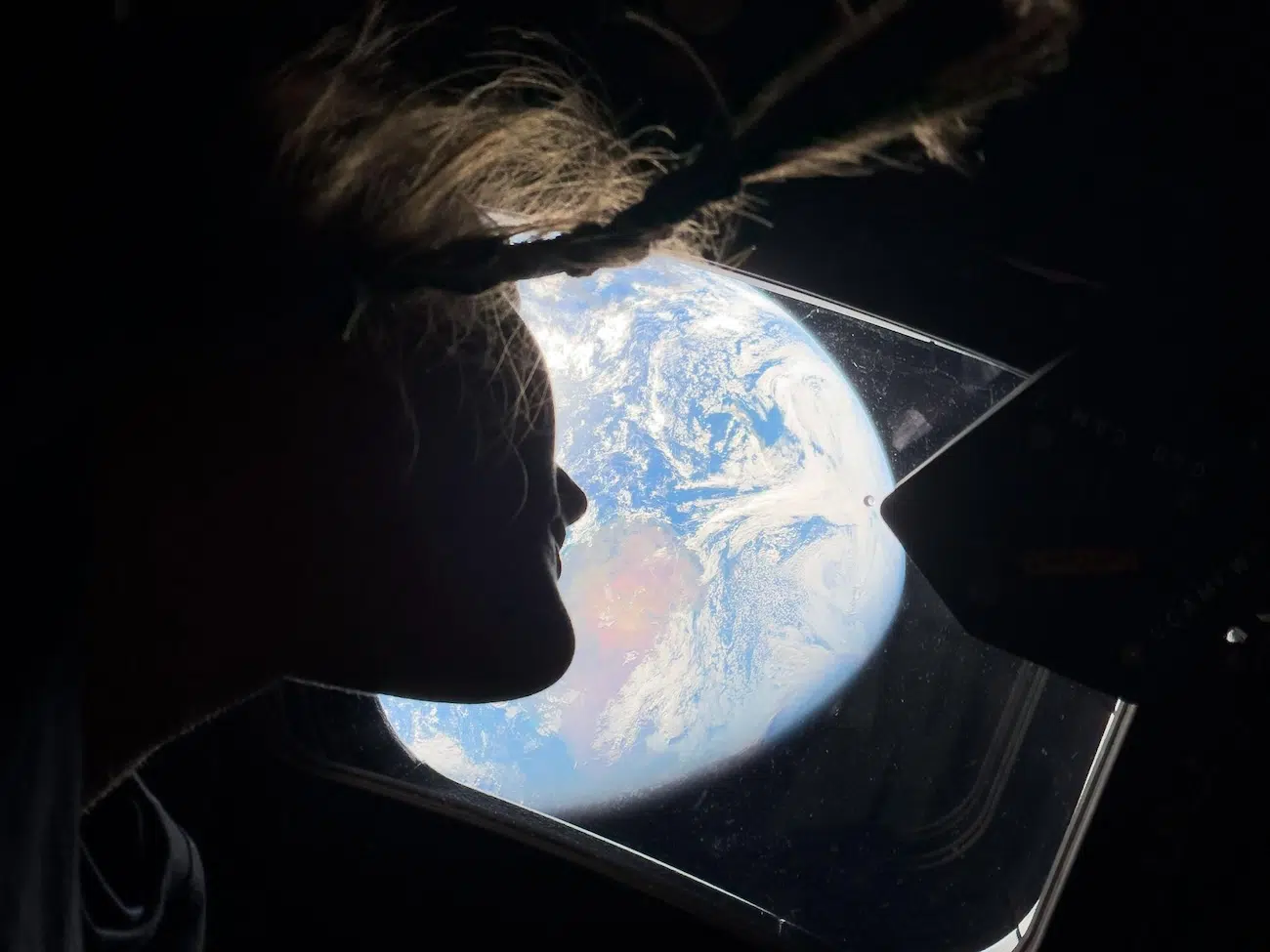
Photo: NASA
On April 6, the crew—Reid Wiseman, Victor Glover, Christina Koch, and Jeremy Hansen—reached 248,655 miles from Earth, marking the farthest distance any human has ever traveled.
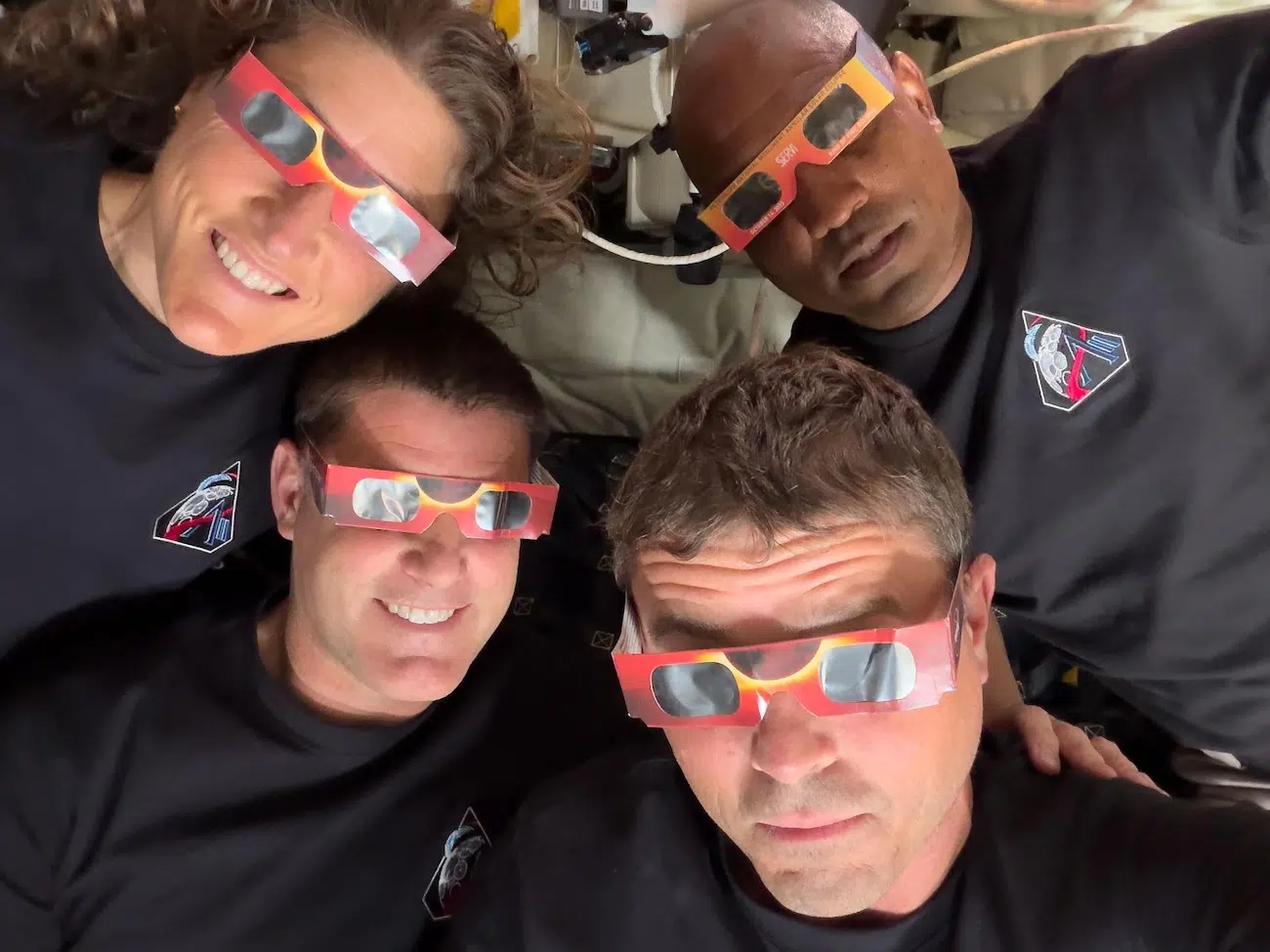
Photo: NASA
The lunar flyby brought the crew to the far side of the moon, and the astronauts shot more than 7,000 images of the lunar surface, giving us greater insight into Earth’s satellite.
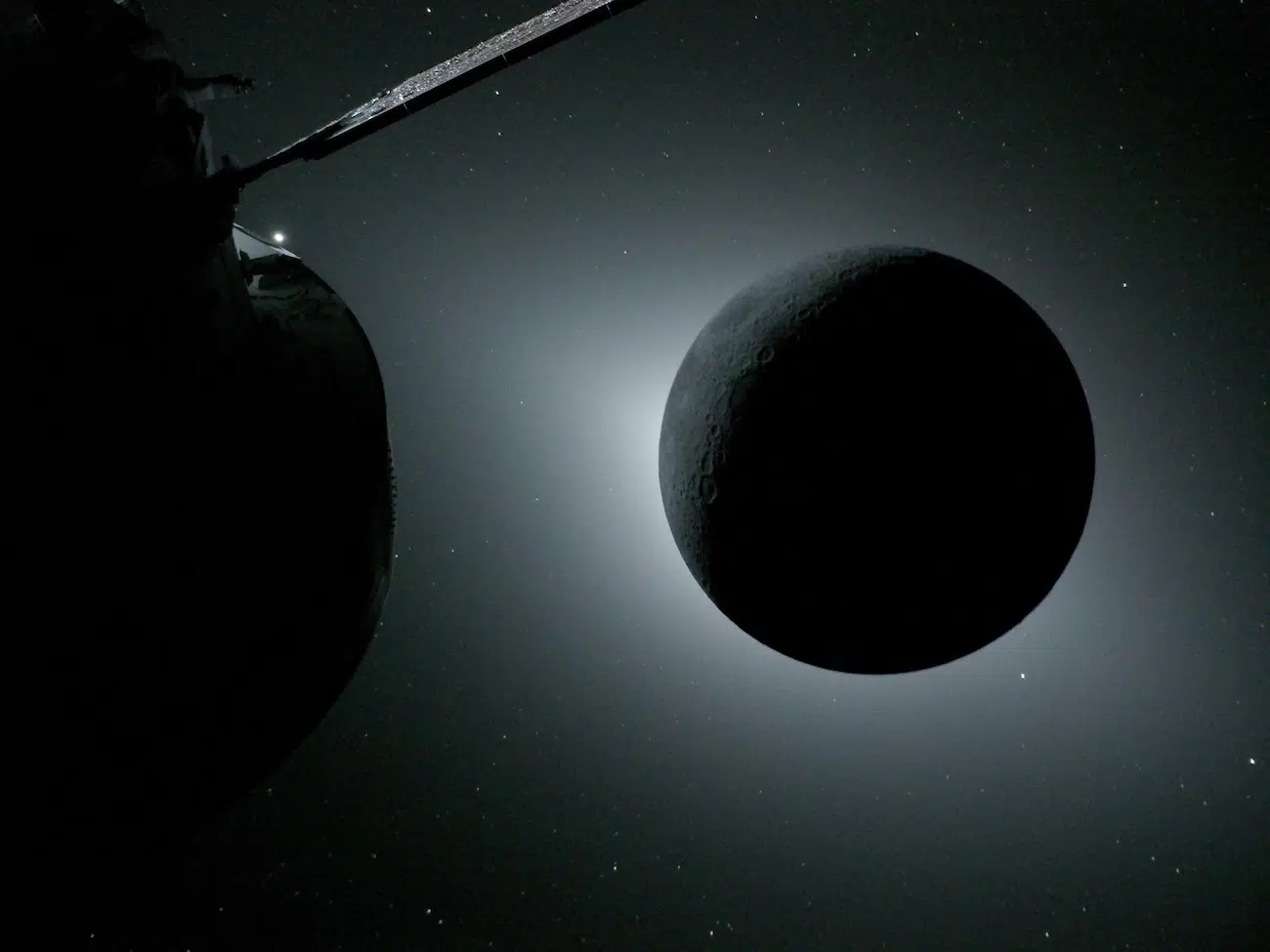
Photo: NASA
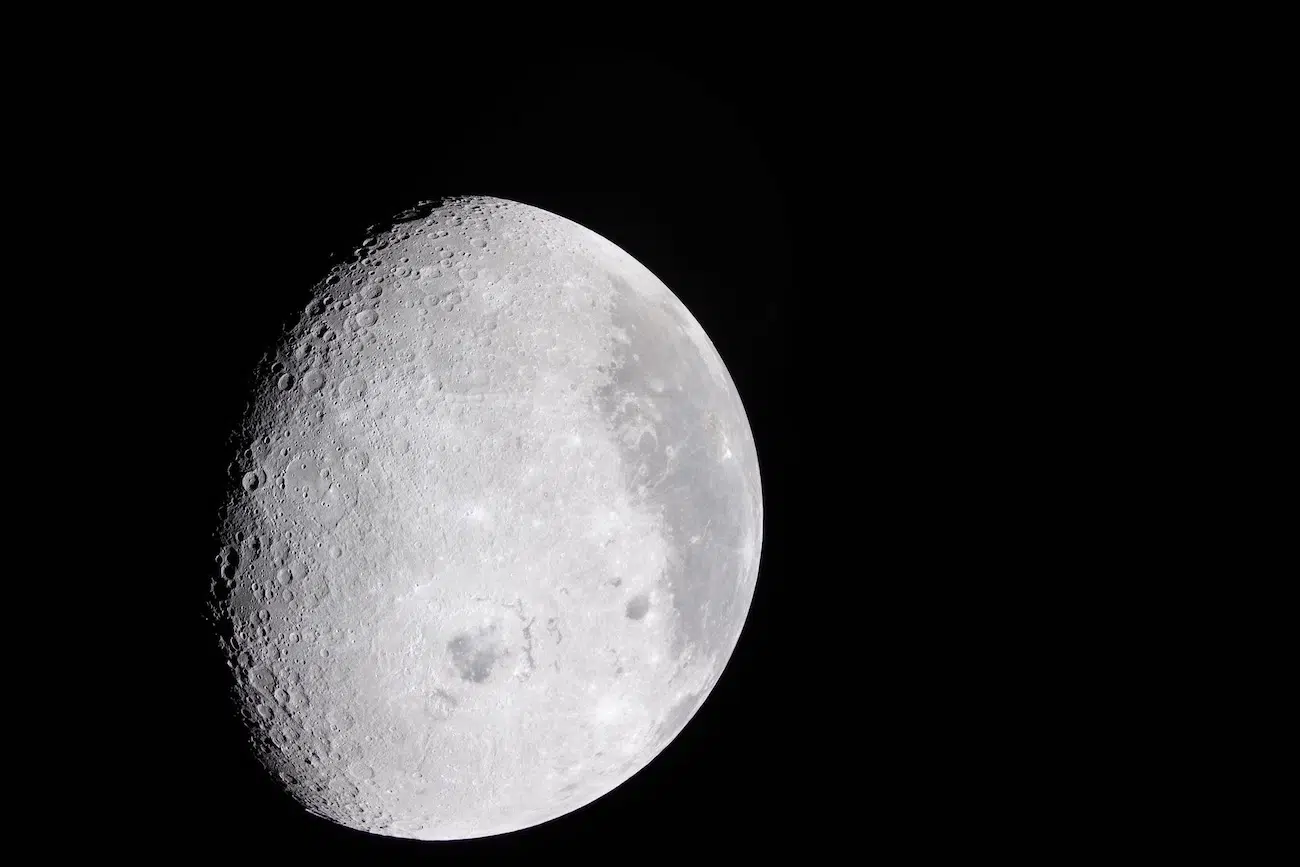
Photo: NASA
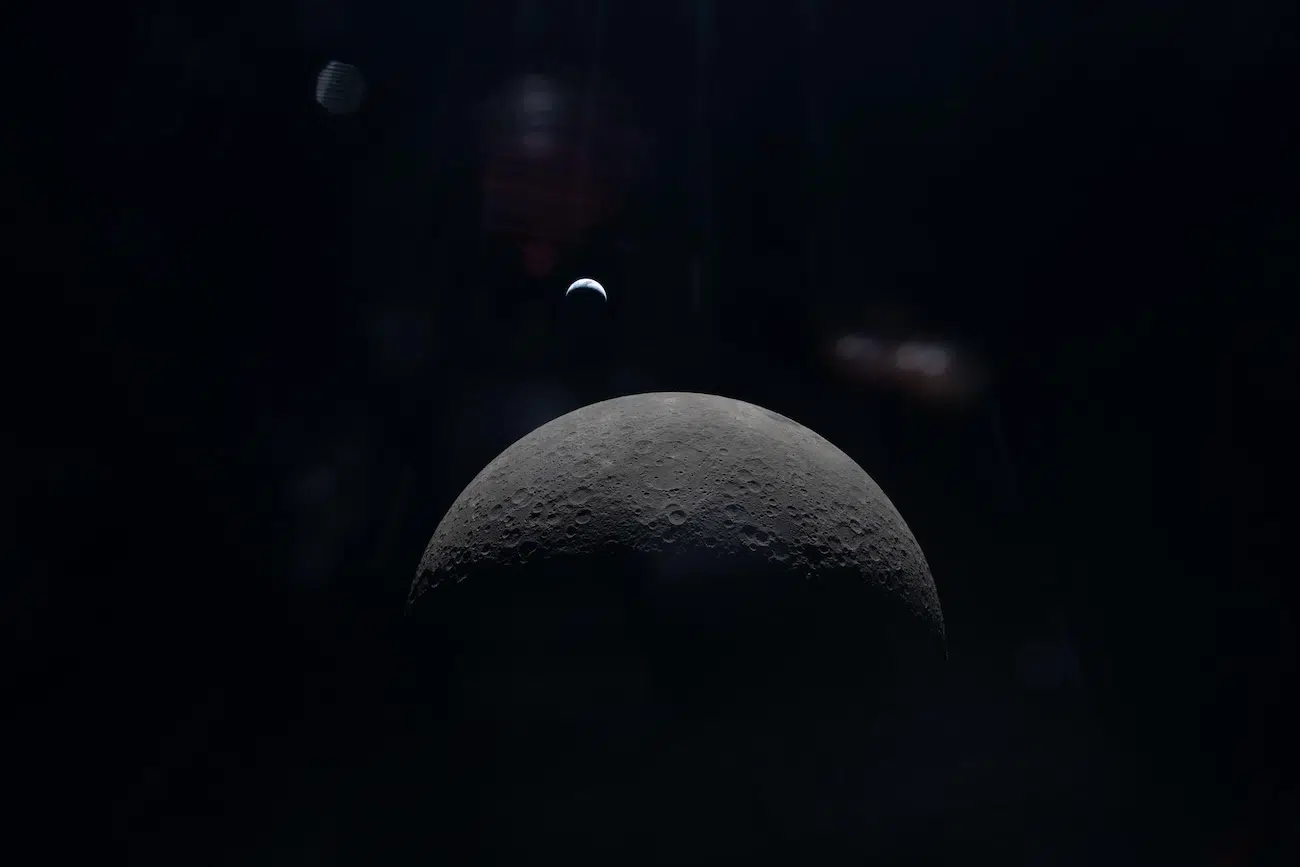
Photo: NASA
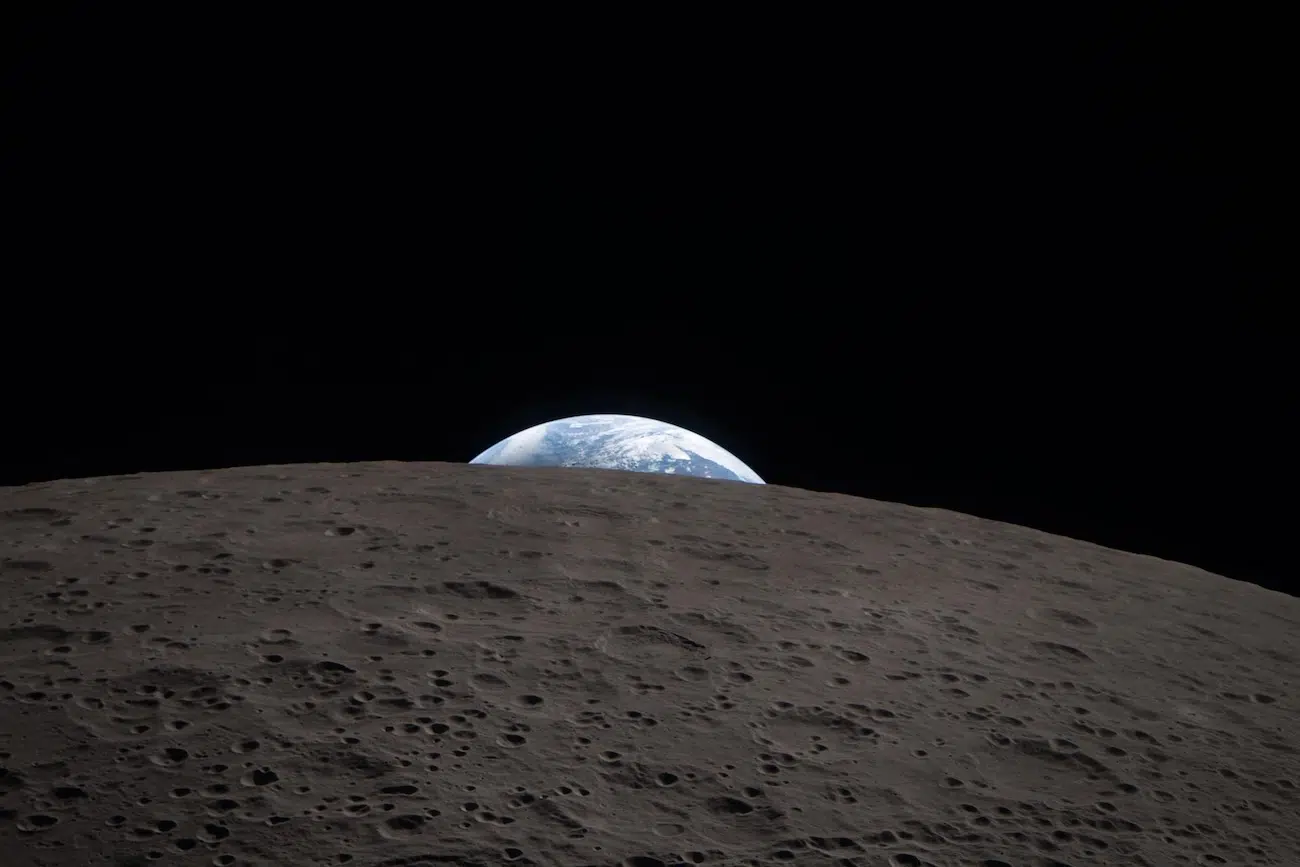
Photo: NASA
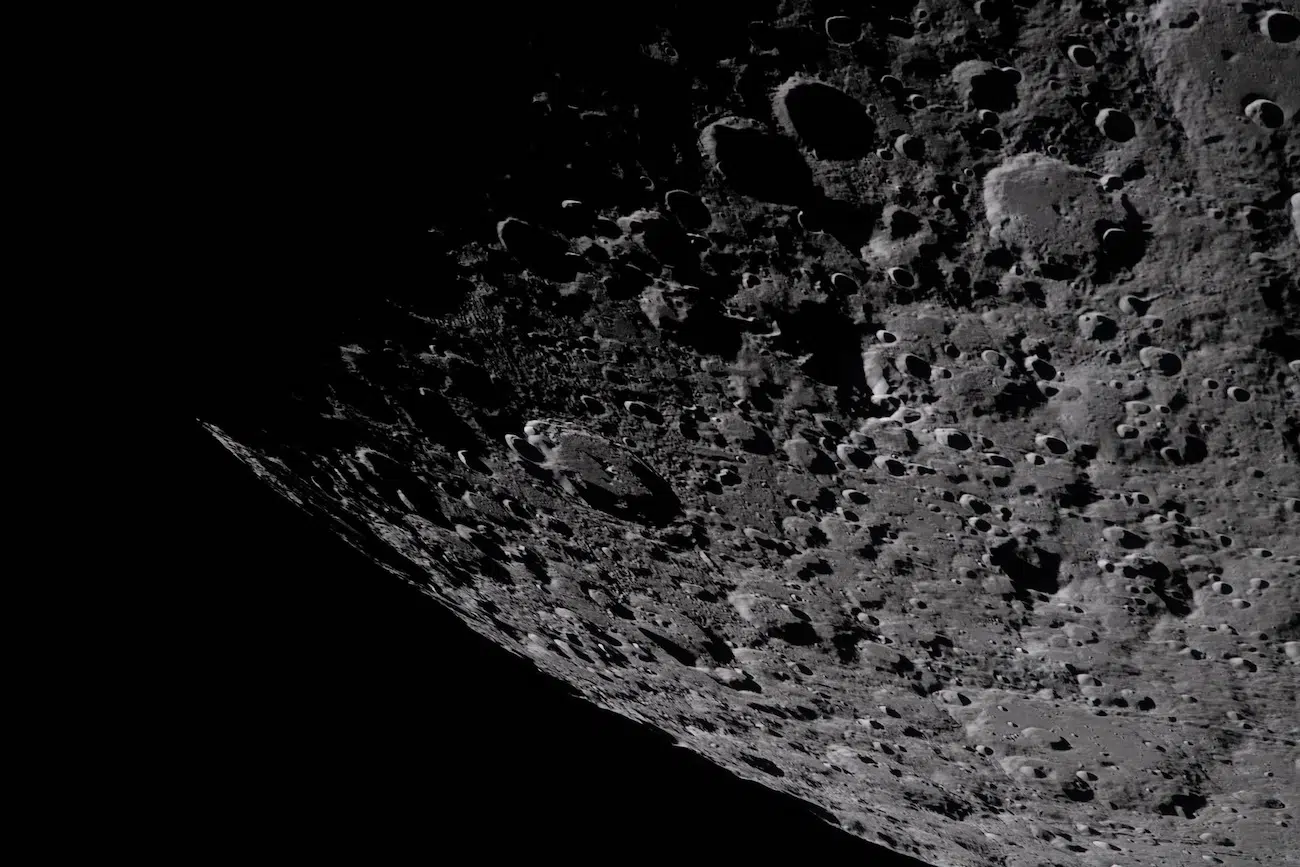
Photo: NASA
The public investment in the Artemis II mission was splashed all over social media, letting us in on the connection formed by the crew members. It was clear from their interactions and the way they spoke and supported each other that they had deep mutual respect and care for one another.
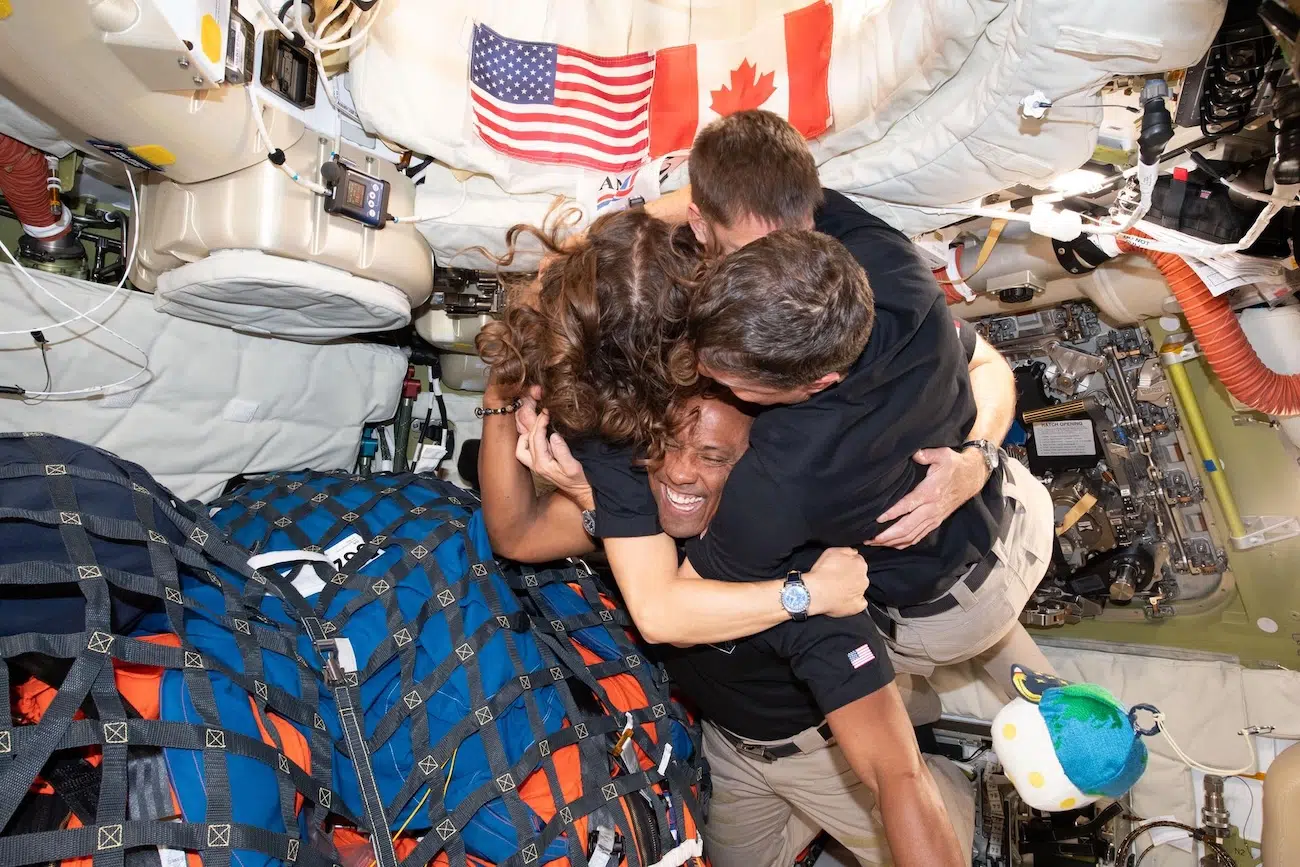
Photo: NASA
Returning to Earth required the crew and the capsule to endure temperatures up to 5,000 degrees Fahreneight and speeds more than 30 times the speed of sound.
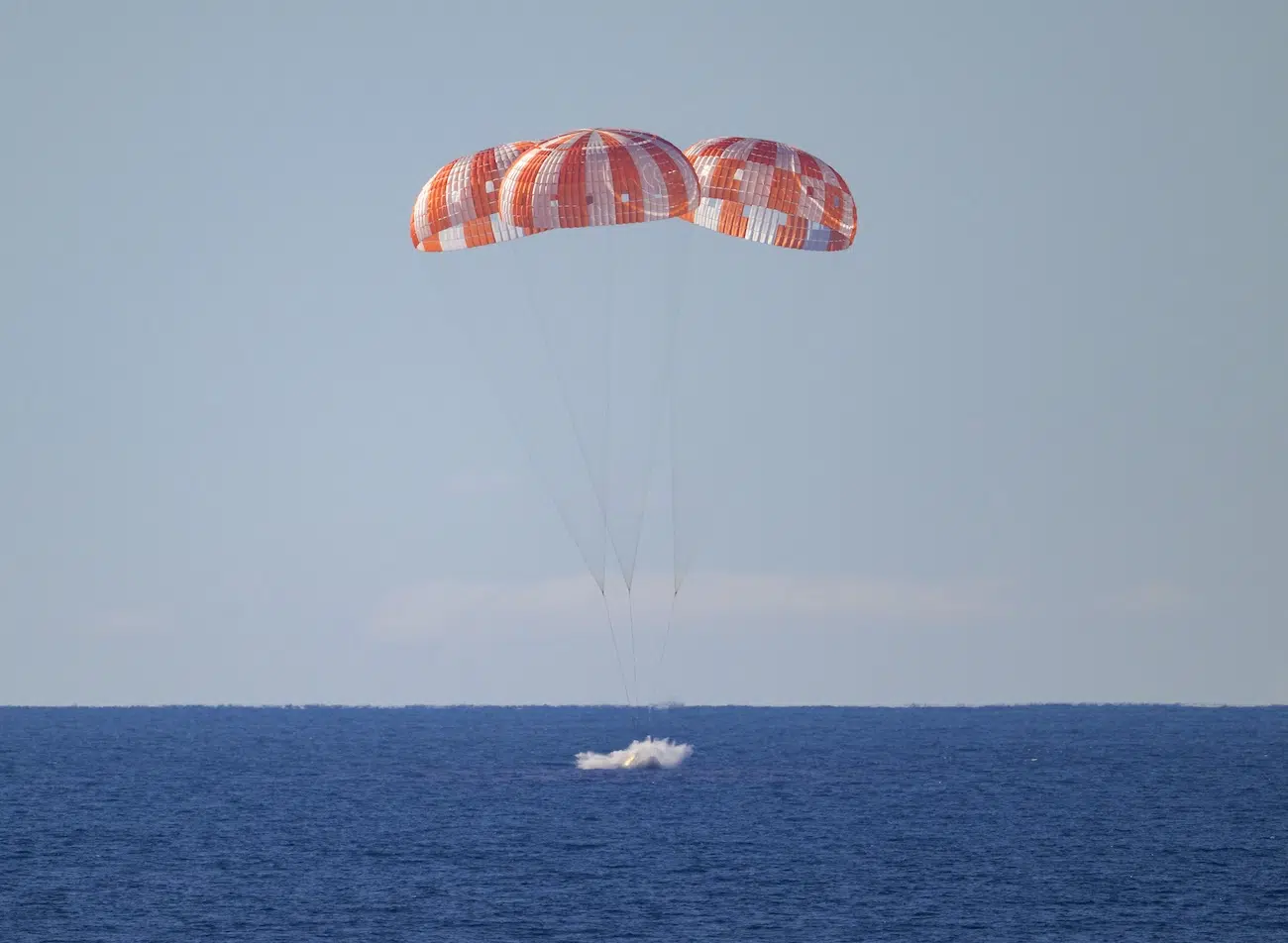
Photo: NASA/Bill Ingalls
After being retrieved from the Pacific Ocean by the U.S. Navy, the crew made their way to Johnson Space Center in Houston, concluding an incredible journey.
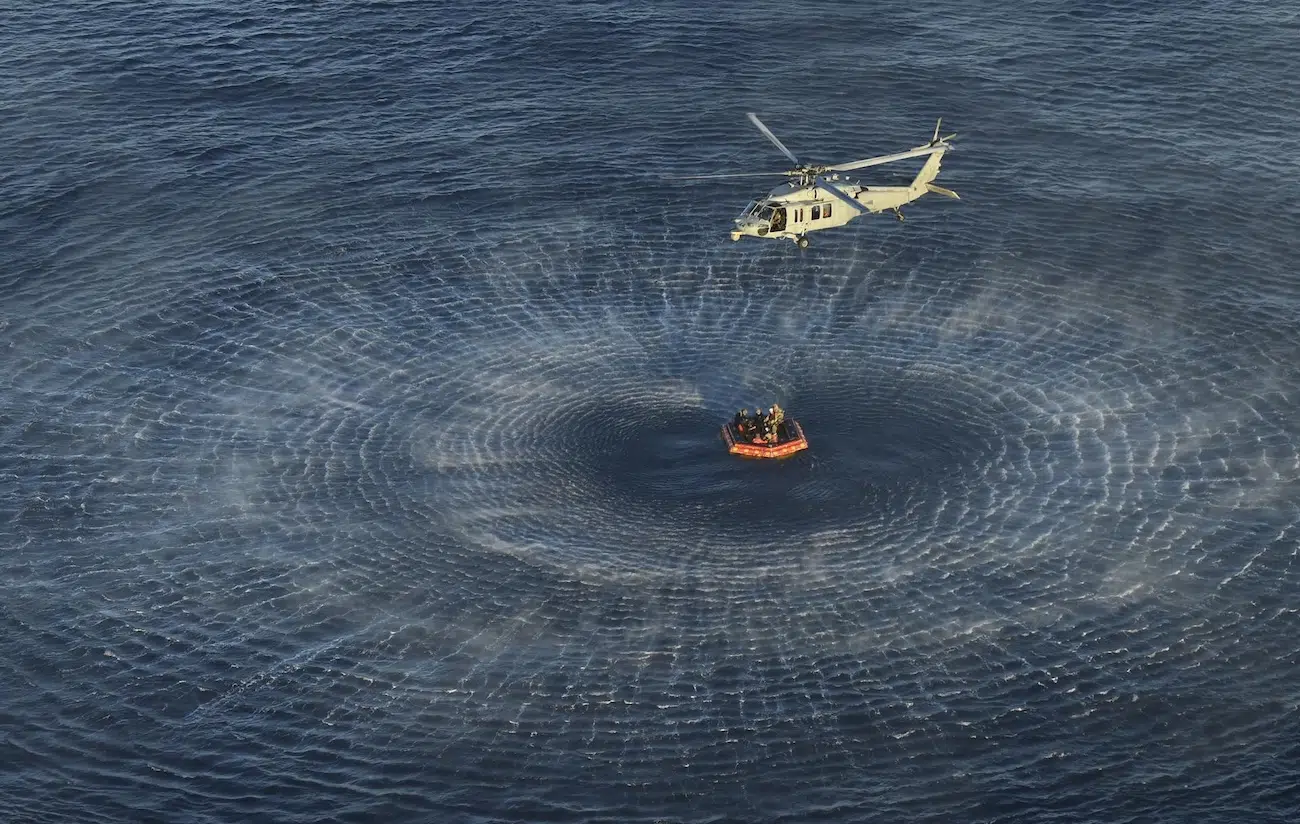
Photo: NASA / James Blair
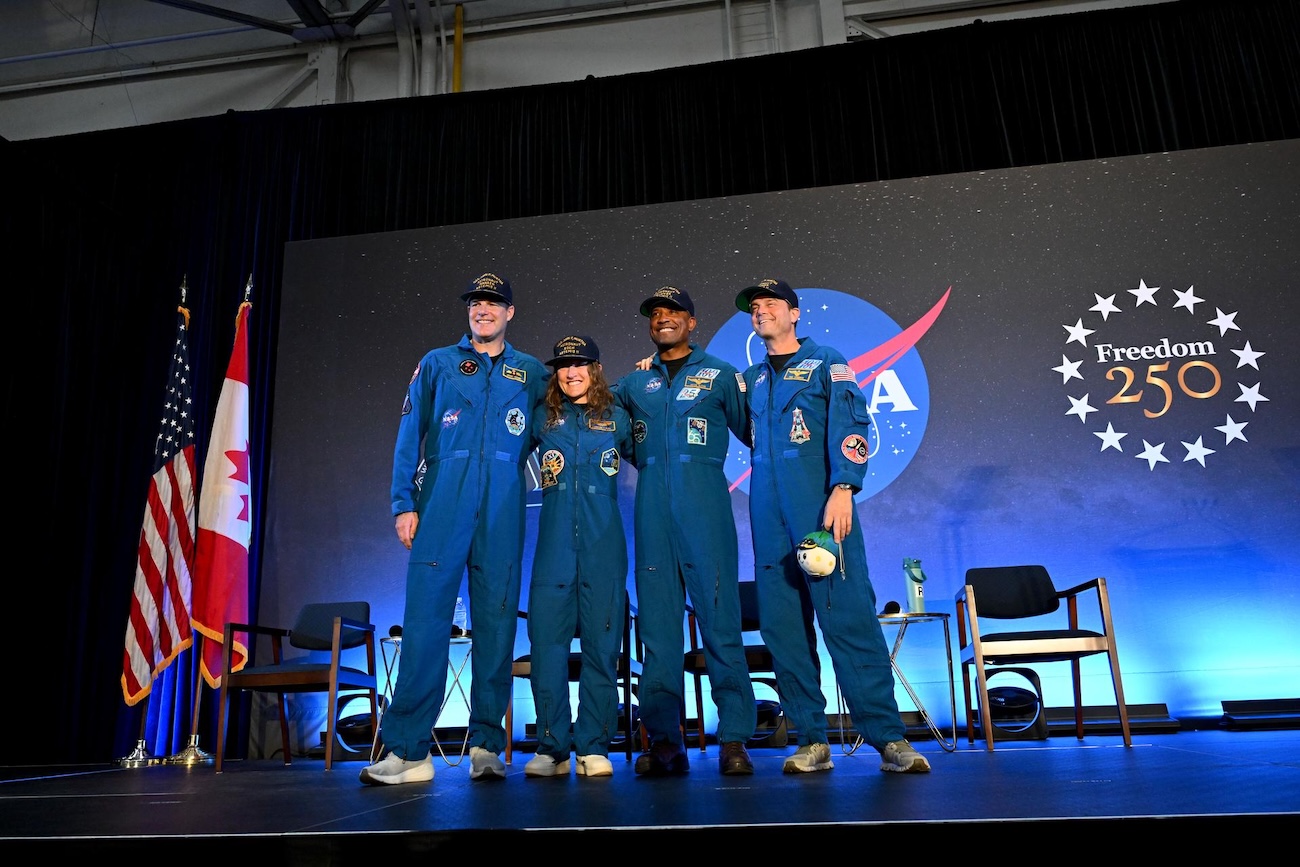
Photo: Helen Arase Vargas / NASA-JSC
Watch the emotional moment when crew member Hansen radioed Ground Control to ask permission to name a crater after Wiseman’s late wife, Carroll, who died in 2020 from cancer.
@abcnews “It’s a bright spot on the moon. And we would like to call it Carroll.” In an emotional moment during Monday’s historic lunar flyby, the Artemis II crew named a previously unseen lunar crater “Carroll” in memory of the late wife of Commander Reid Wiseman. #news #artemis ♬ original sound – ABC News