

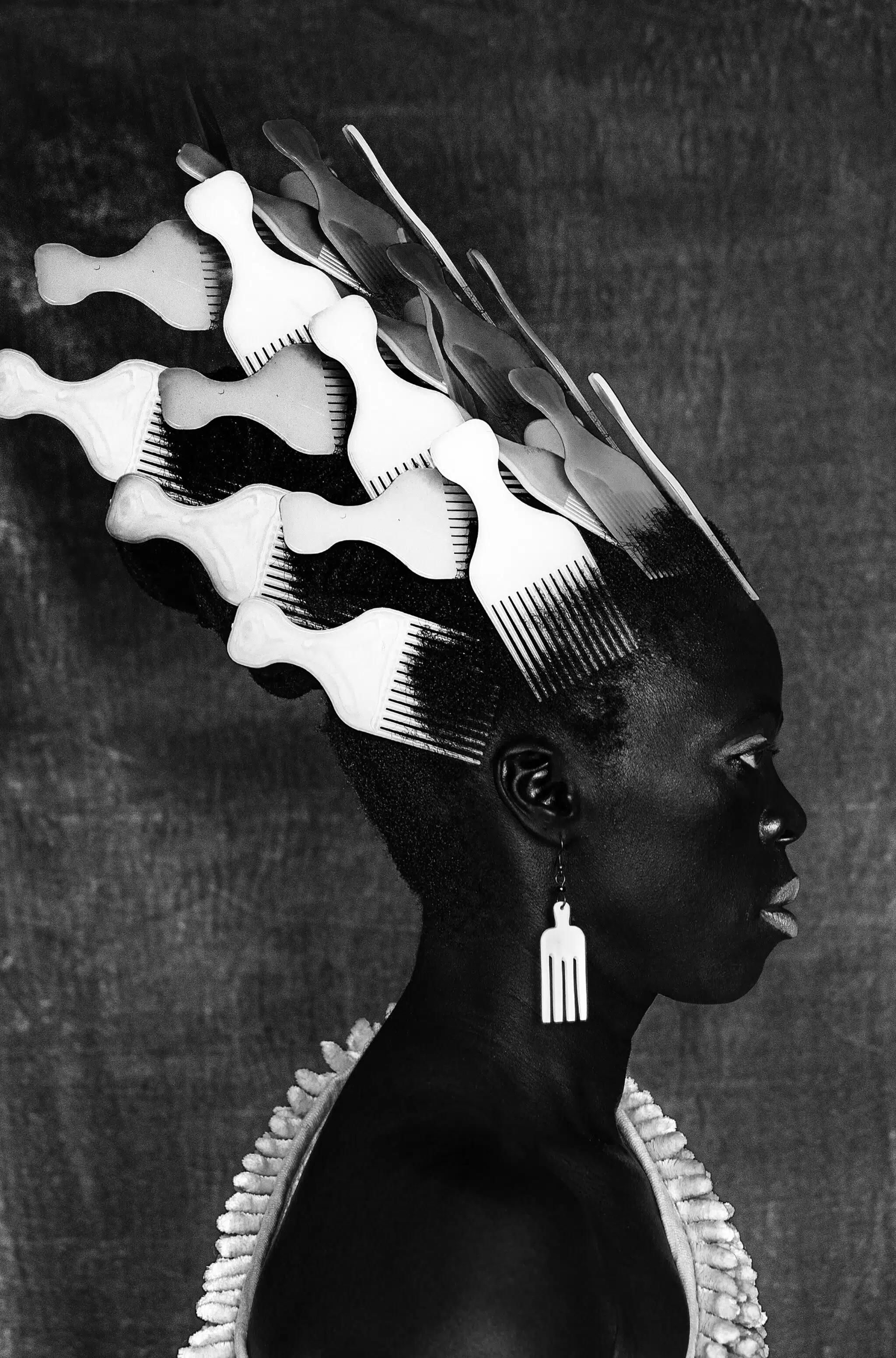
“Qiniso,” The Sails, Durban, 2019
In the photography industry, there are very few—if any—accolades that match the prestige of the Hasselblad Award. The prize, which is distributed annually by Sweden’s Hasselblad Foundation, has recognized some of the world’s most pioneering photographers since 1983, including Nan Goldin, Alfredo Jaar, Cindy Sherman, Dayanita Singh, Carrie Mae Weems, and Wolfgang Tillmans, among others. Now, the Göteborg-based organization has unveiled its newest laureate: Zanele Muholi.
Born in 1972 in Umlazi, South Africa, Muholi has deftly combined visual storytelling and activism throughout their career. At the heart of their practice is a fundamental respect for their subjects, many of whom hail from South Africa’s Black queer community. In capturing Black lesbian, gay, bisexual, transgender, and intersex lives, Muholi has confronted their country’s continued violence and discrimination toward LGBTQ populations, all while advancing visibility and dignity. This staunch advocacy has its roots in the photographer’s childhood growing up during South Africa’s apartheid regime.
“Muholi uses portraiture to articulate and celebrate the presence, depth, and dignity of the Black LGBTQIA+ community in South Africa and the rest of the world,” the Hasselblad Foundation says. “Activism and community work is an integral part of their practice, which combines political urgency and formal mastery, making Muholi a central figure in global queer visual culture.”
Kalle Sanner, the foundation’s CEO, echoes the sentiment: “In their artistic practice, Muholi combines photography with activism, creating powerful and significant works in which human rights are central.”
One of Muholi’s most seminal projects is Faces and Phases, which they began in 2006. The ongoing series depicts Black lesbian and transgender individuals, all with the self-proclaimed mission of “re-writ[ing] a Black queer and trans visual history of South Africa for the world to know of our resistance.” Other significant works include Only half the Picture (2003–04), in which Muholi documented the lives of lesbians and hate-crime survivors, as well as Brave Beauties (2014–), celebrating trans women. No matter its subject, each of Muholi’s photographs is arresting, masterfully combining composition and color to demand our attention.
“The portraits foreground individuals with a direct and dignified gaze, challenging prejudice and discrimination while creating alternative visual histories,” the foundation explains.
As the 2026 Hasselblad Award laureate, Muholi will receive 2,000,000 SEK (about $216,600), a gold medal, and a Hasselblad camera. They will accept the award during a ceremony held at the Hasselblad Center on October 9, which will be followed by a solo exhibition open from October 10, 2026, to April 24, 2027. Also in October, Muholi will present an artist talk at Moderna Museet in Stockholm.
“This prize is not mine alone. I carry it with the many faces, names, and histories that have trusted me with their stories,” Muholi said. “When this honor comes, I receive it on behalf of my community; those who have been erased, those who are still here, and those who are yet to see themselves reflected with dignity.”
Photographer Zanele Muholi has won this year’s Hasselblad Award, one of the most prestigious honors in the industry.
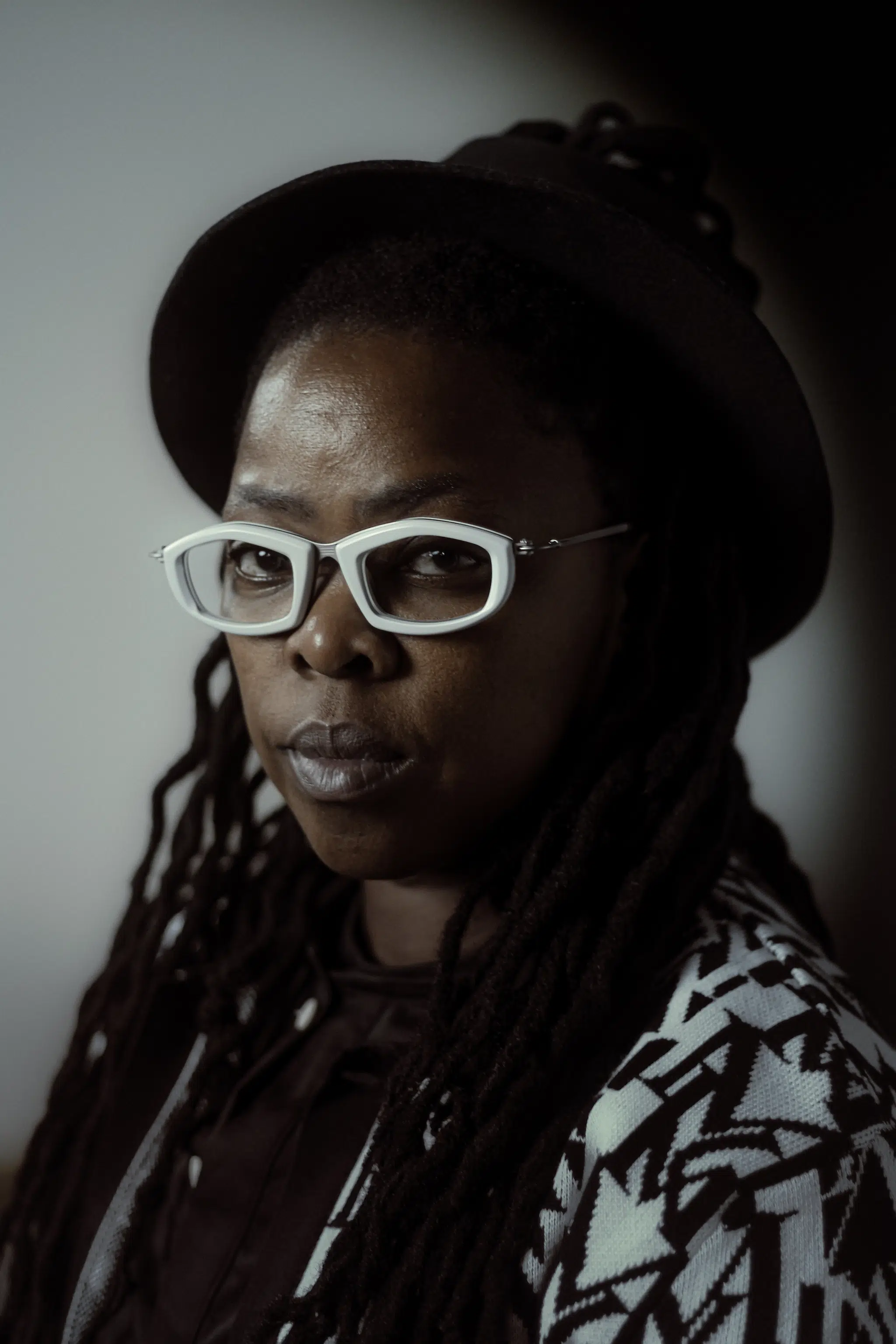
Portrait of Zanele Muholi (Photo: Ikram Abdulkadir)
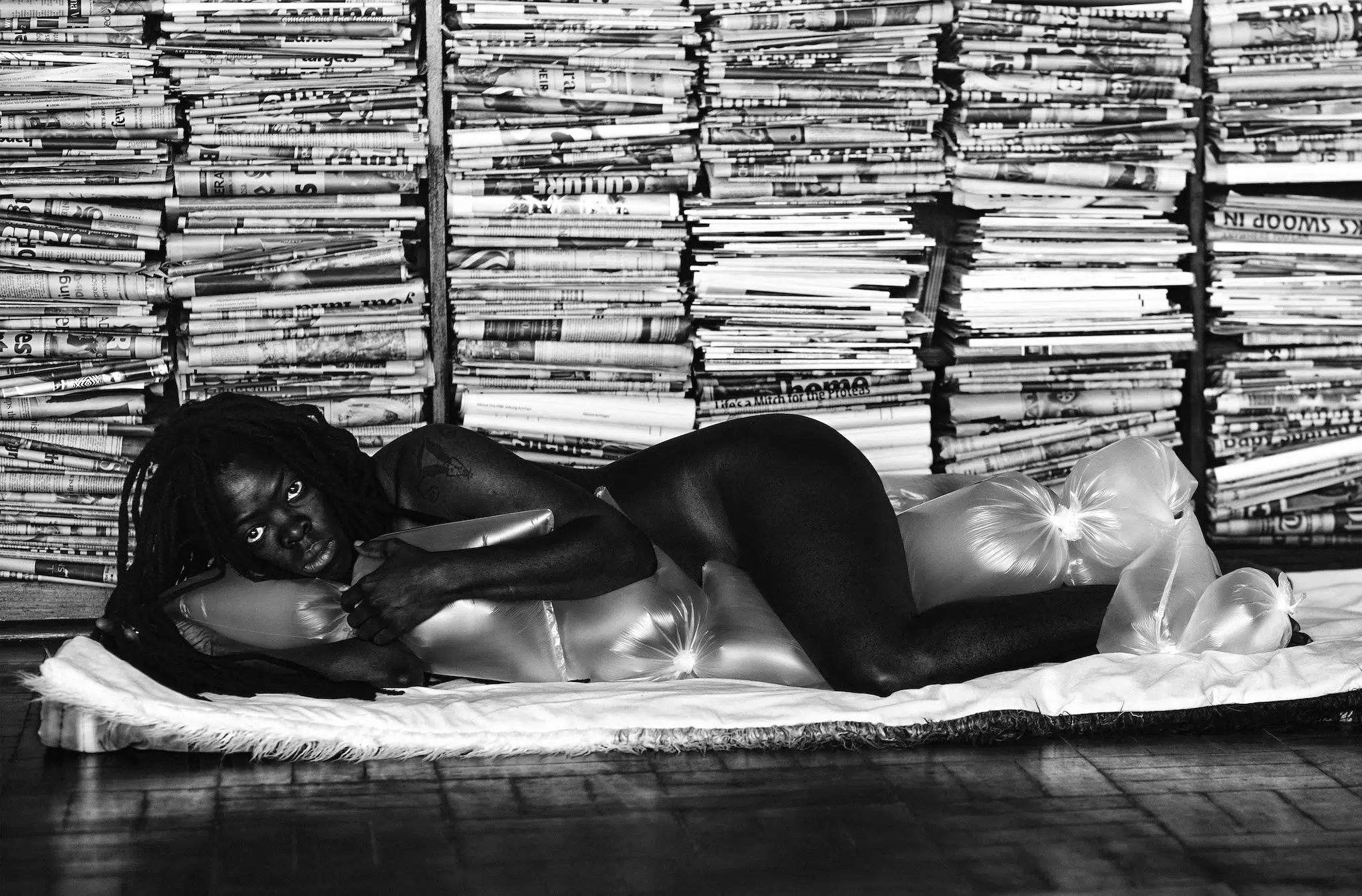
“Julile I,” Parktown, Johannesburg, 2016
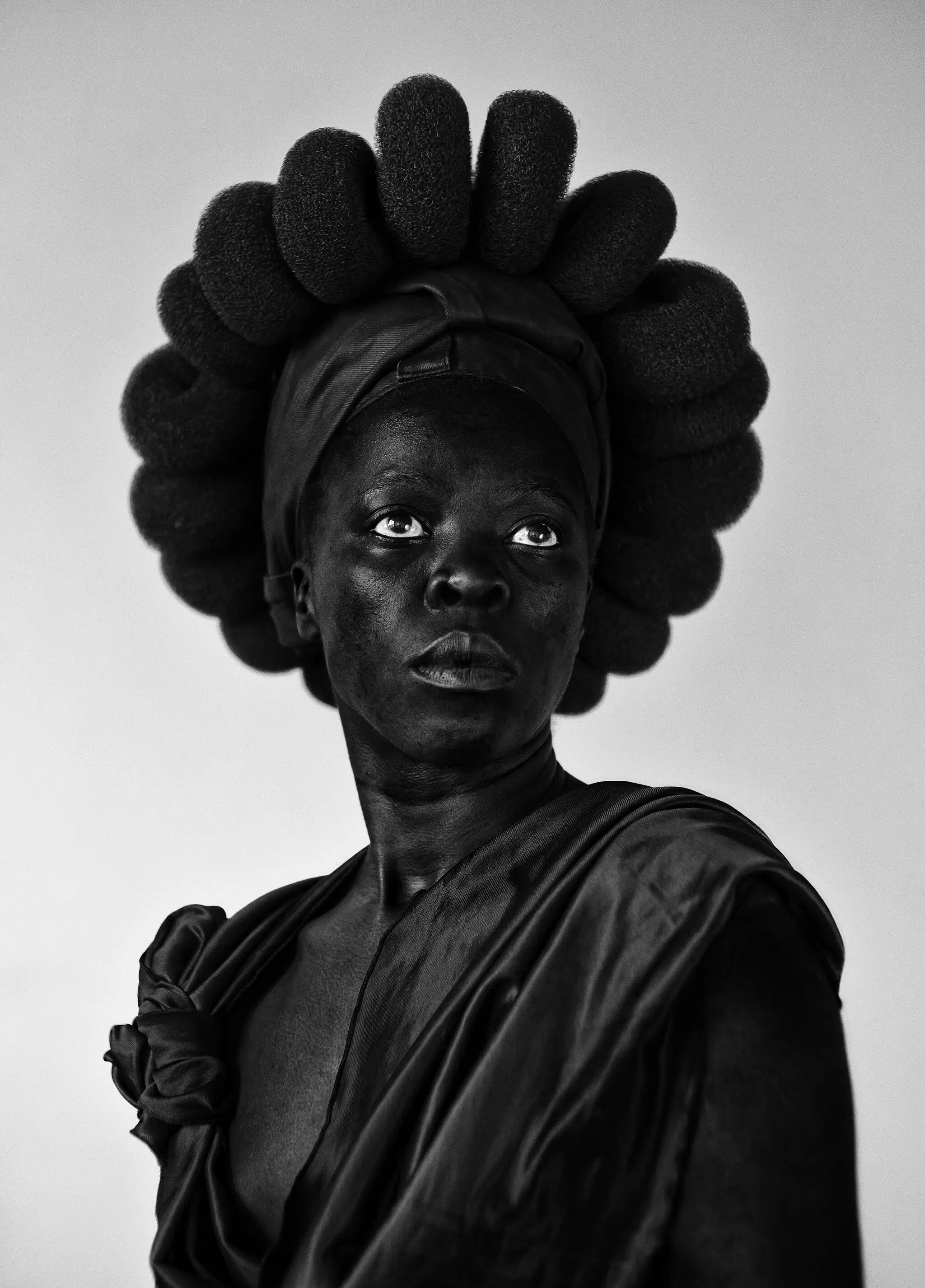
“Ntozakhe II,” Parktown, 2016
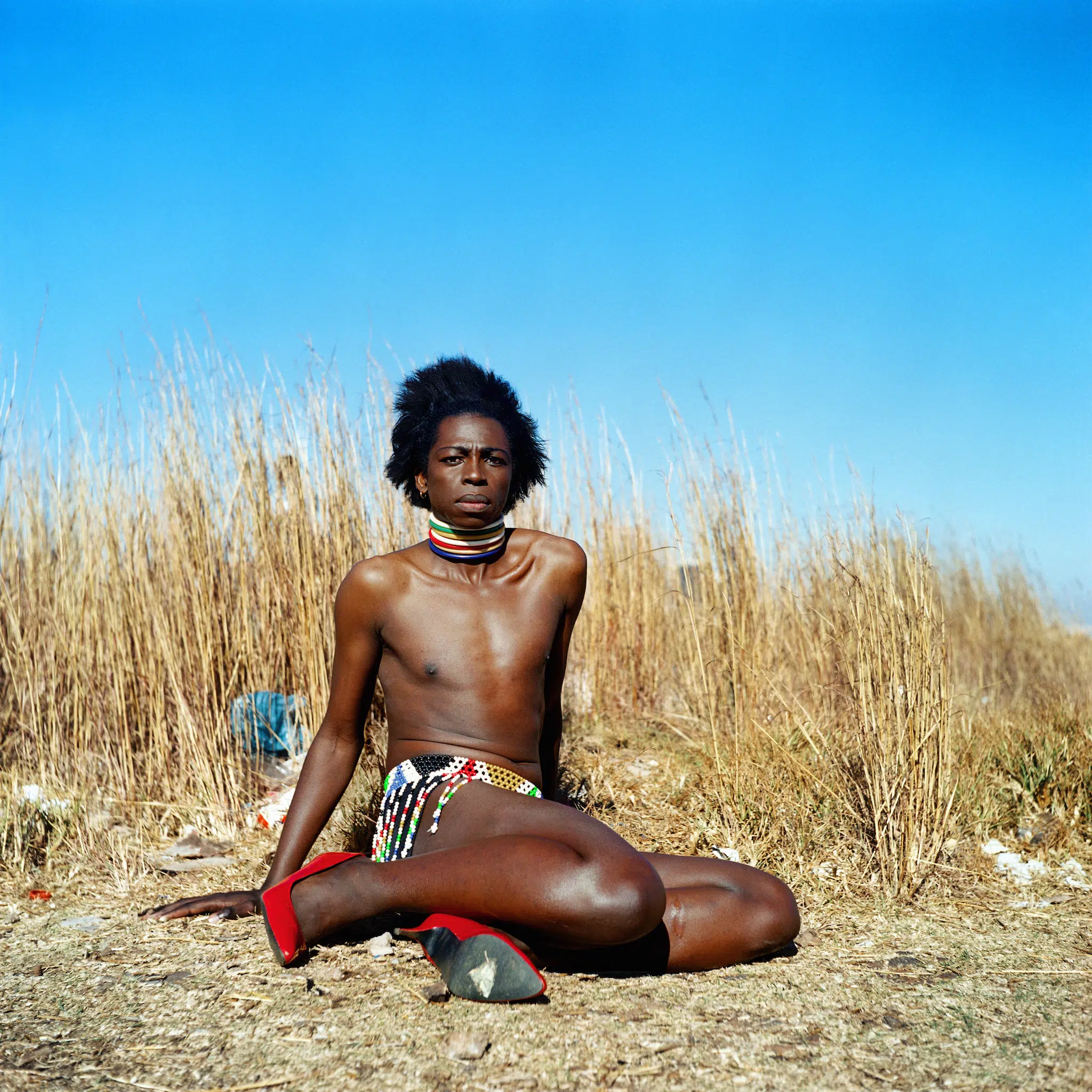
“Miss D’vine I,” 2007
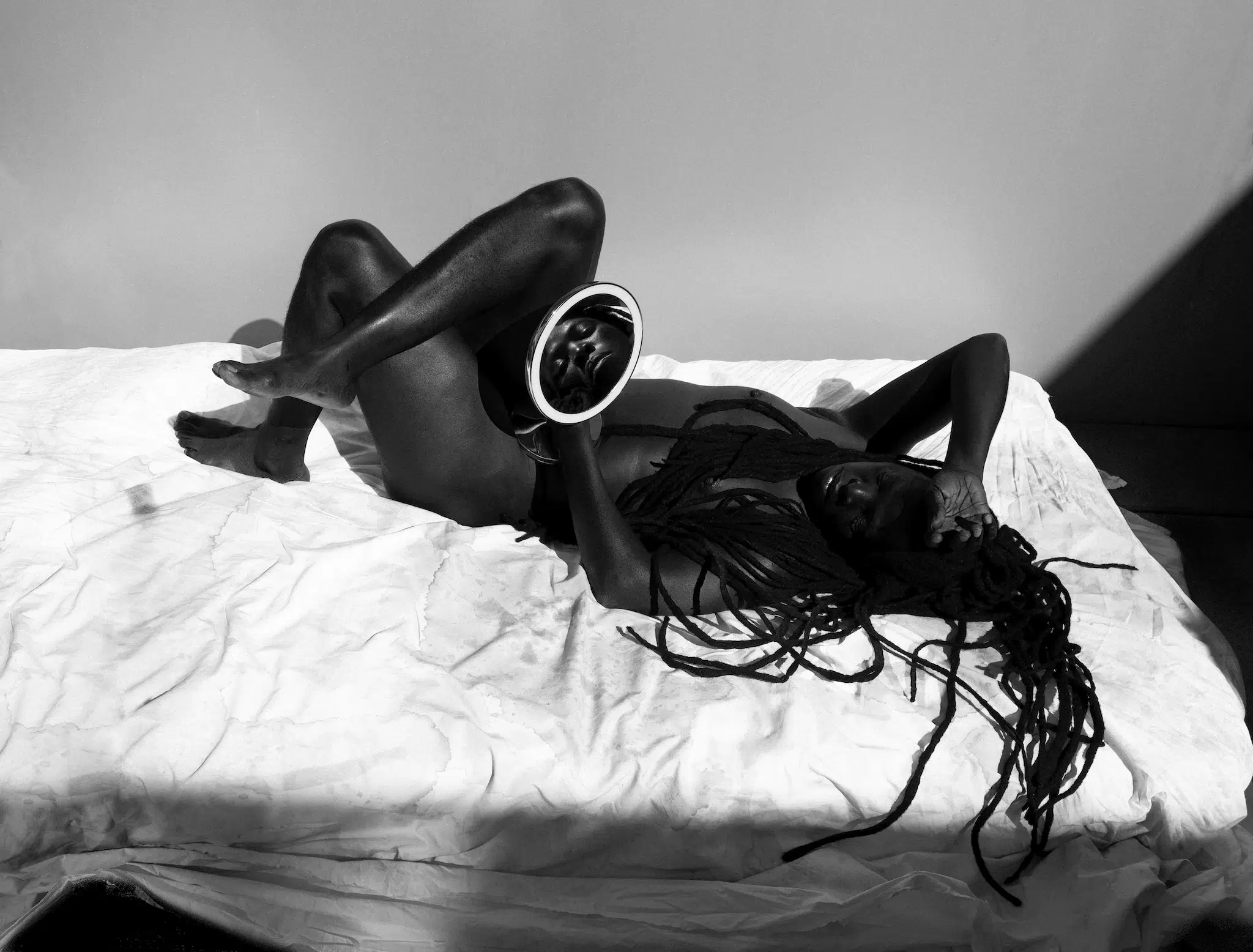
“Bona III,” ISGM, Boston, 2019
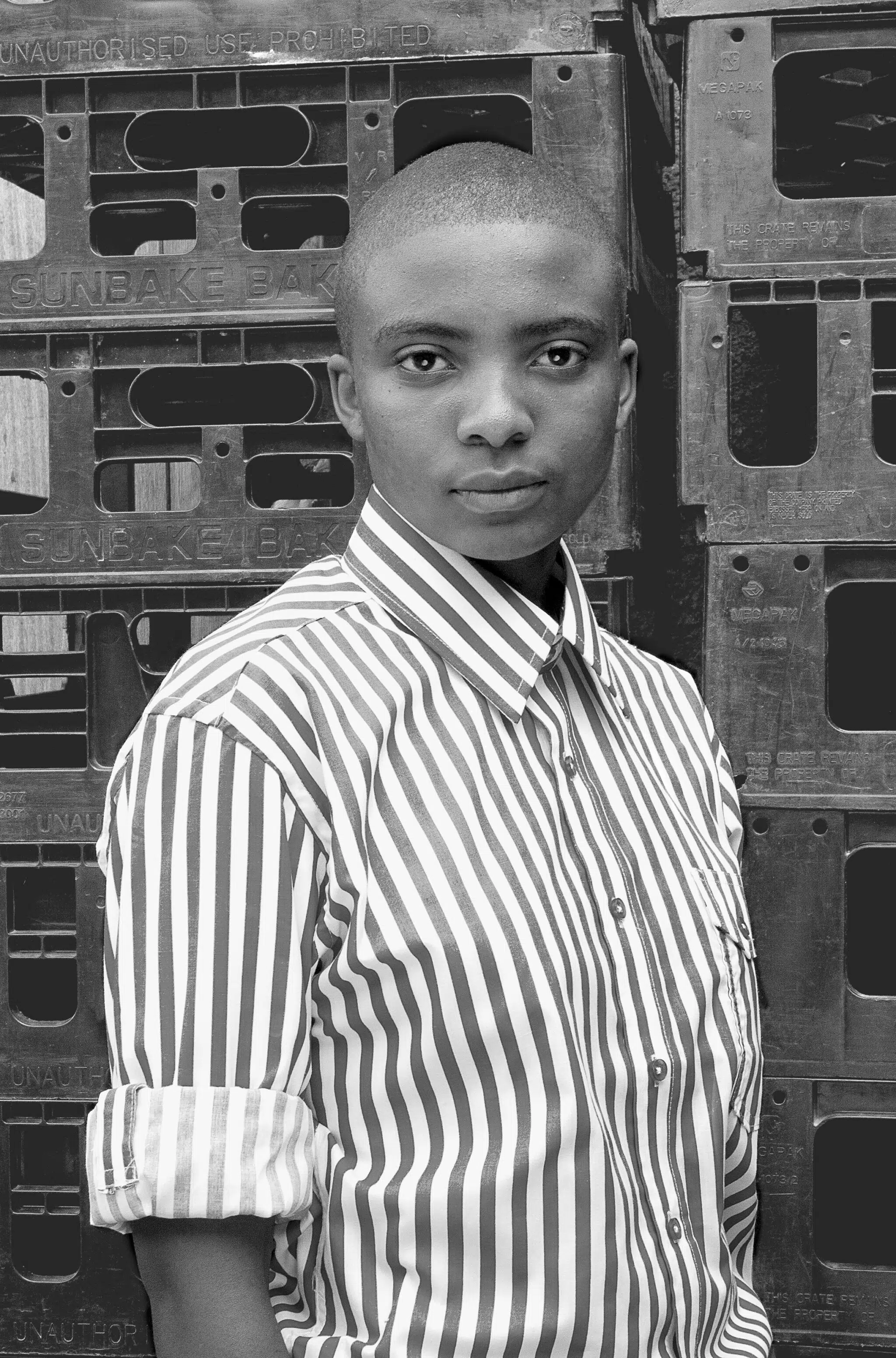
“Lerato Dumse,“ KwaThema, Springs, Johannesburg, 2010
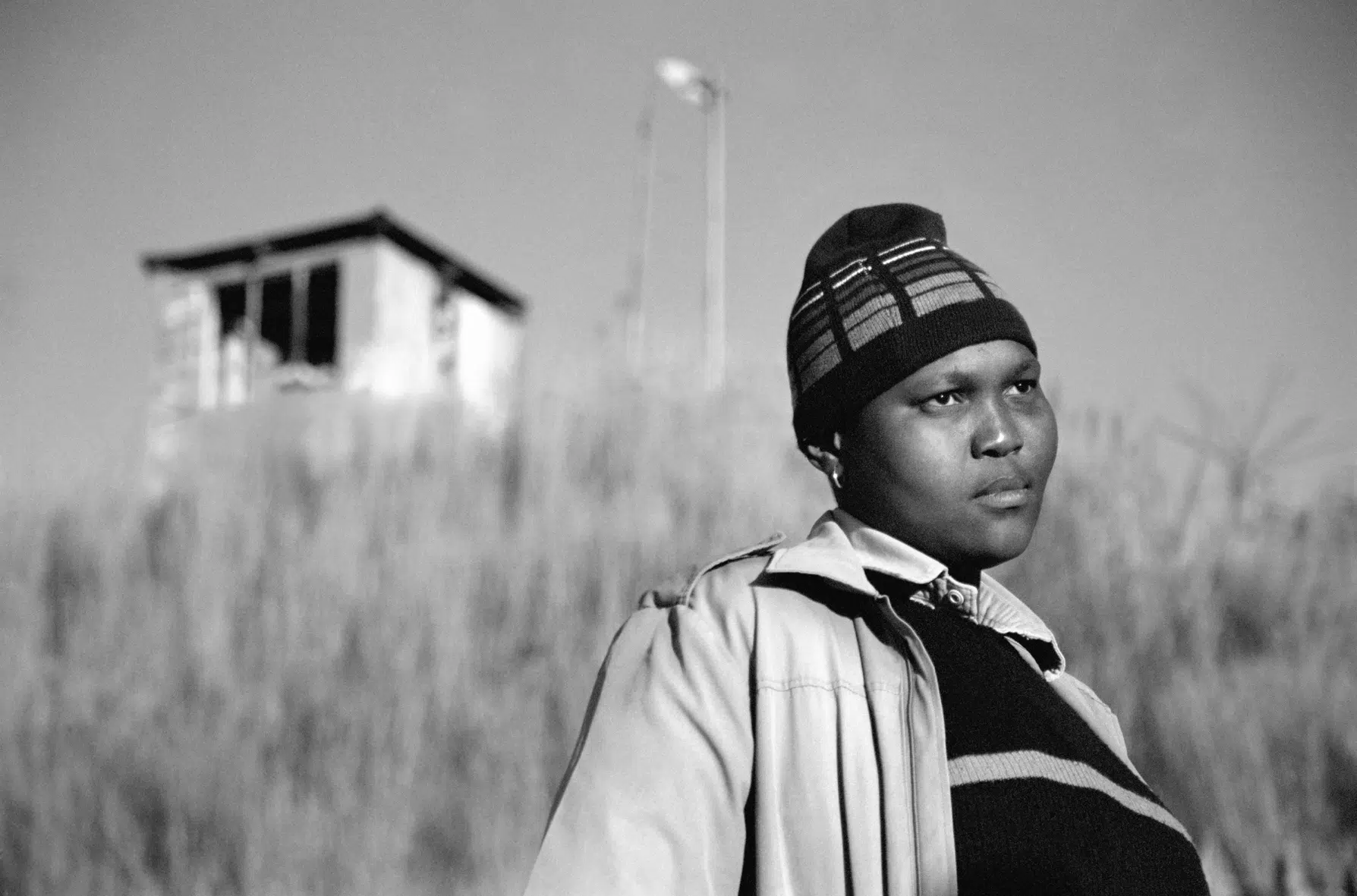
“Busi Sigasa,” Braamfontein, Johannesburg, 2006
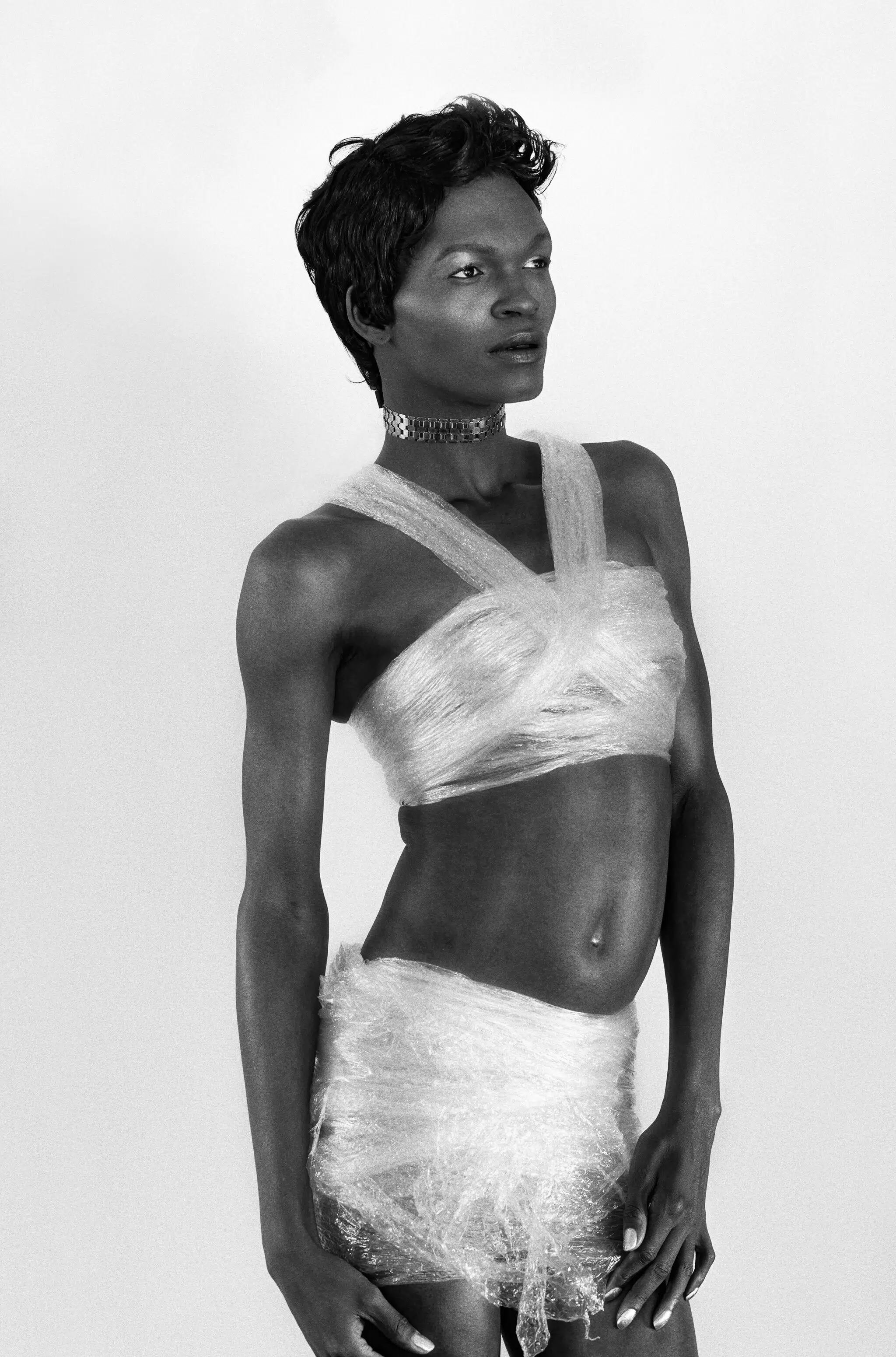
“Yaya Mavundla I,” Parktown, Johannesburg, 2017
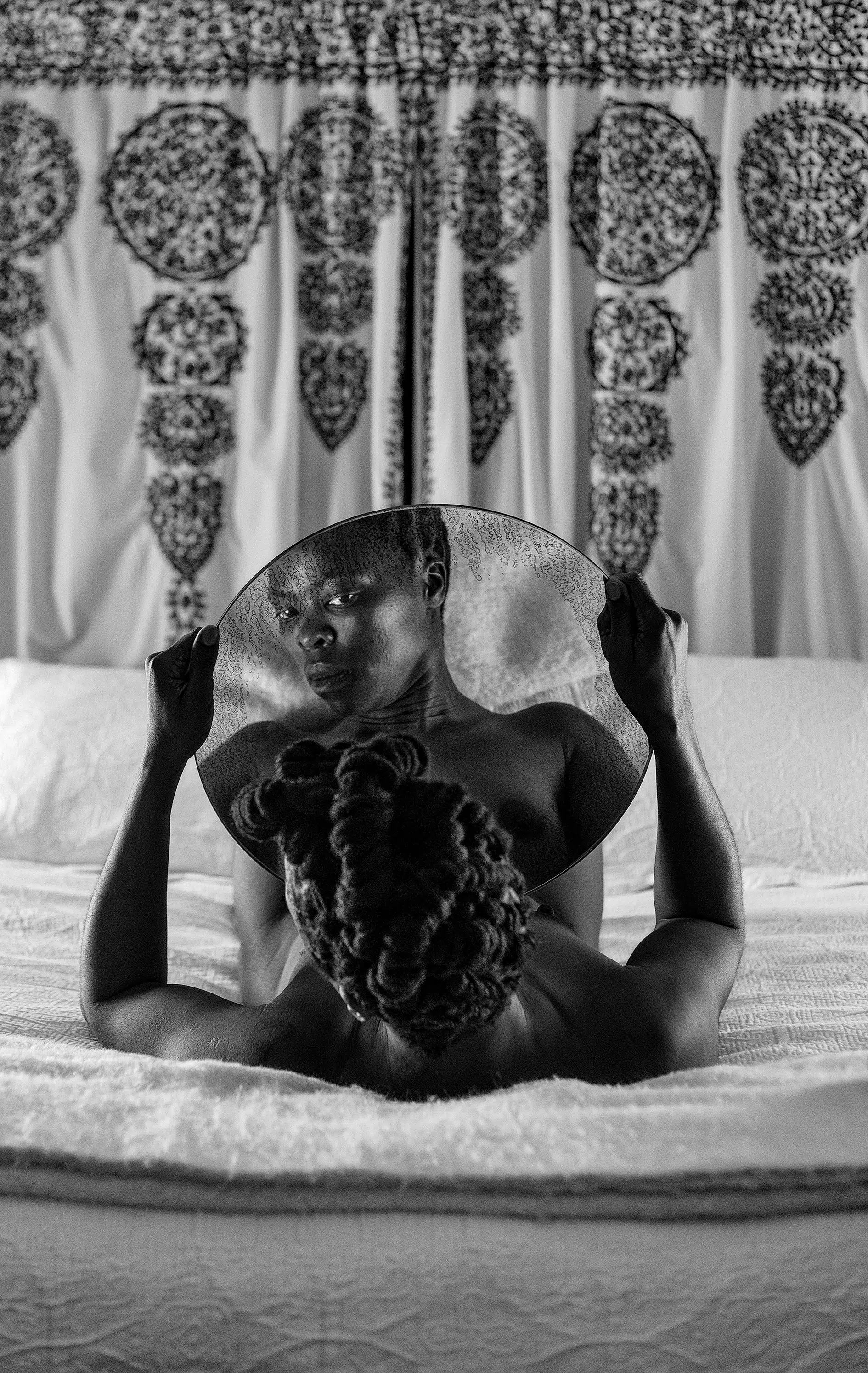
“Bona,” Charlottesville, 2015
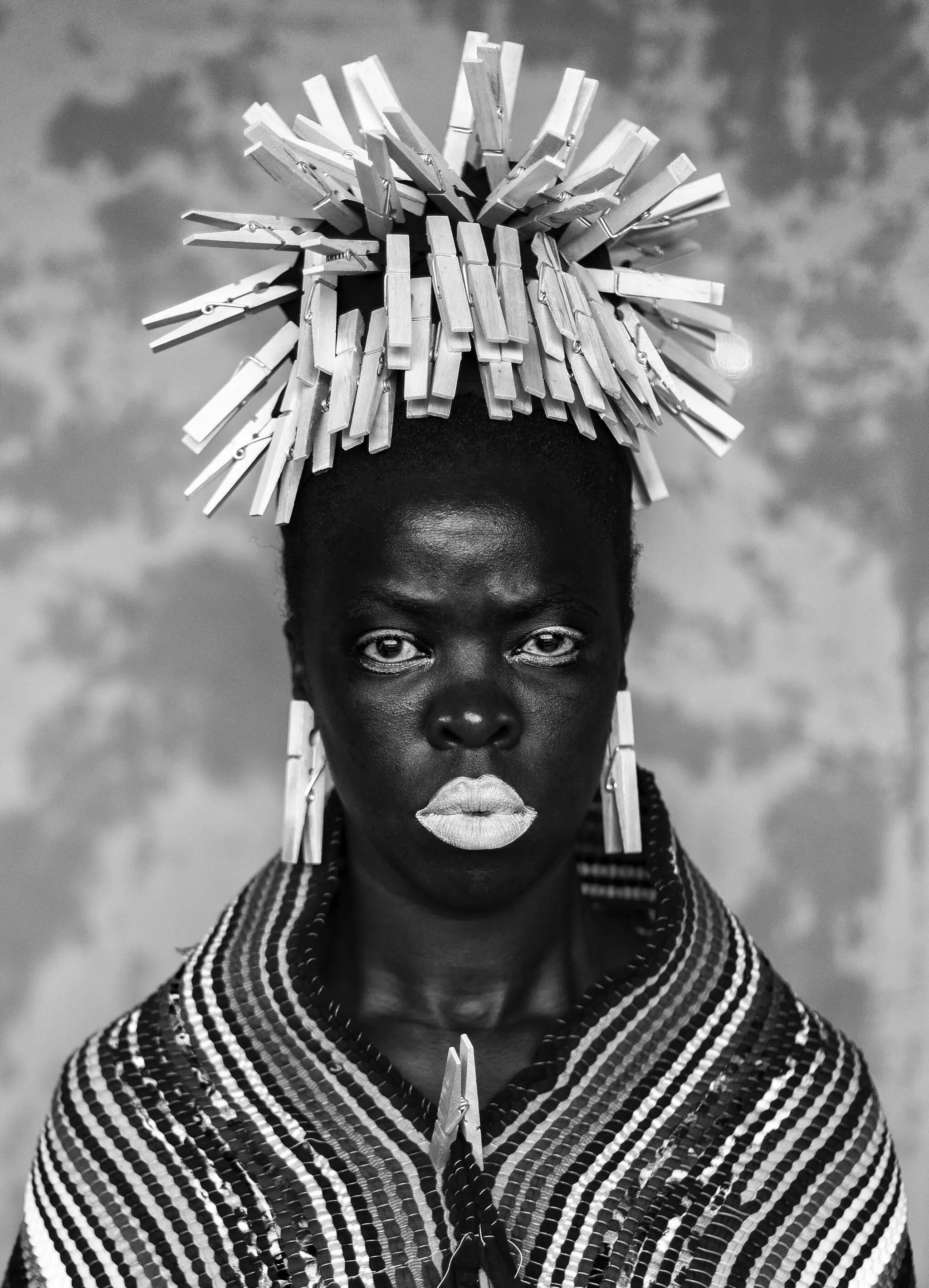
“Bester I,” Mayotte, 2015