

Photo: Yukai Engineering
Labubus were all the rage in 2025, taking over every single handbag and backpack seen on the street. But while the fever for the creepy looking dolls has slowed down, the bag charm craze is here to stay. Taking these furry companions to the next level, Yukai Engineering has released Mirumi, an adorable mini-robot that can react to sound and touch.
The Tokyo-based startup found inspiration in those unexpected moments when our eyes meet the gaze of a baby or a small child. They may smile or simply stare back at you, but you never know what response you’ll get. This prompted Yukai Engineering to develop an algorithm that randomizes Mirumi’s reaction to outside stimuli, whether it comes from you or other people, adding to its charm and lifelike qualities.
Mirumi reacts to pats on its head, and also turns toward sounds and voices. This is achieved by a touch sensor and two sound sensors in its body, which send signals through an onboard IC chip. In turn, its reactions are brought to life by servo motors. It can also move on its own, even when nothing is happening. These moves include tilting its head, nodding, or shuffling in a way that evokes excitement, hesitation, or shyness.
To keep it going, this lifelike charm can be recharged with a Type-C cable. If it’s running low on battery, Mirumi will shake its head from side to side to show it’s tired. Once it has been plugged, it will lift its head to show it’s ready for another adventure.
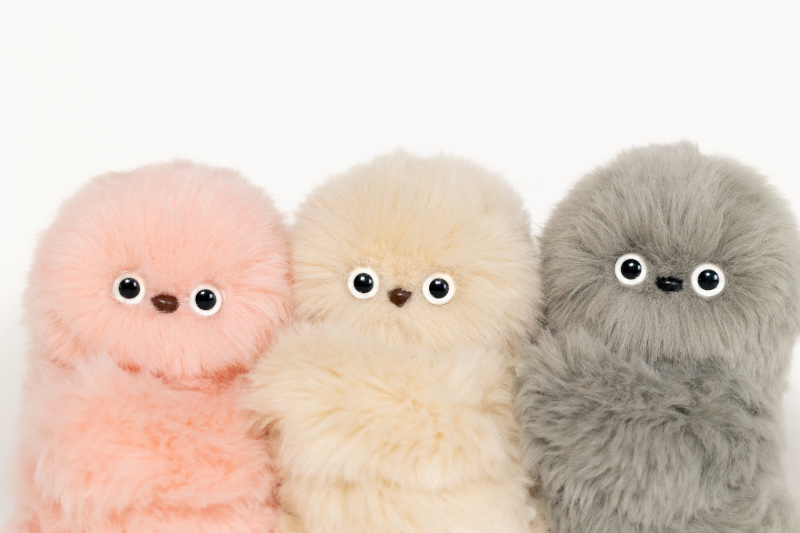
Rather than coming with a chain to attach to your bag, Mirumi’s arms are designed to wrap around bag straps and other objects to hold on to. They are flexible enough to allow for easy opening and closing, yet have a firm enough grip to keep the fluffy charm securely attached. Mirumi comes in three colors—pink, gray, and ivory—and it’s made of a soft plush material produced in Japan by Okada Textile. It is 5.5 inches tall by 4 inches wide, and weighs 155 grams (almost 5.5 ounces). Due to the intricate nature of the product, it is recommended for ages 15 and up.
If you’d like to grab your own Mirumi, you can find it on Kickstarter, where it bulldozed past its original target of ¥765,000 ($4,957), raising almost 100 times that amount. As it is in its Late pledge stage, you can get each Mirumi for ¥22,951 (about $150). Shipping is expected to take place between April and June, depending on where you live.
To stay up to date, visit Mirumi’s page on Kickstarter and follow Mirumi on Instagram.
Taking the bag charm craze to the next level, Yukai Engineering has released Mirumi, an adorable mini-robot that can react to sound and touch.
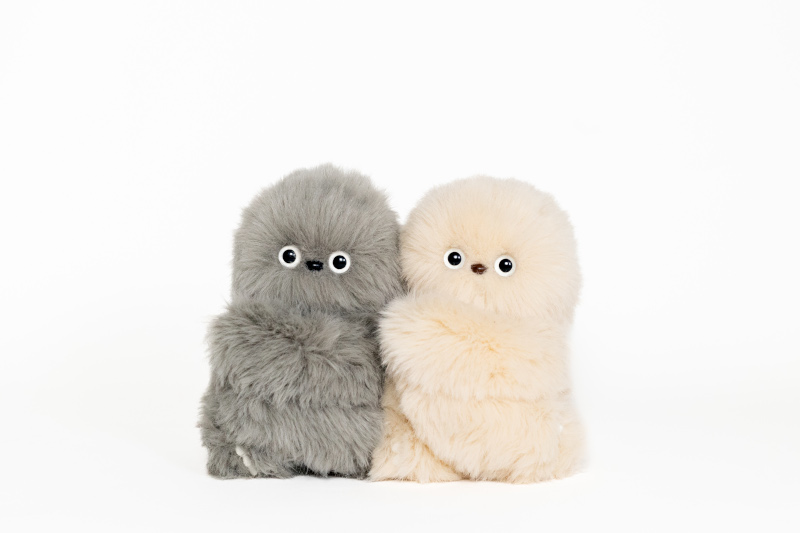
Photo: Yukai Engineering
Mirumi can react to pats on its head, and it can turn toward sounds and voices.
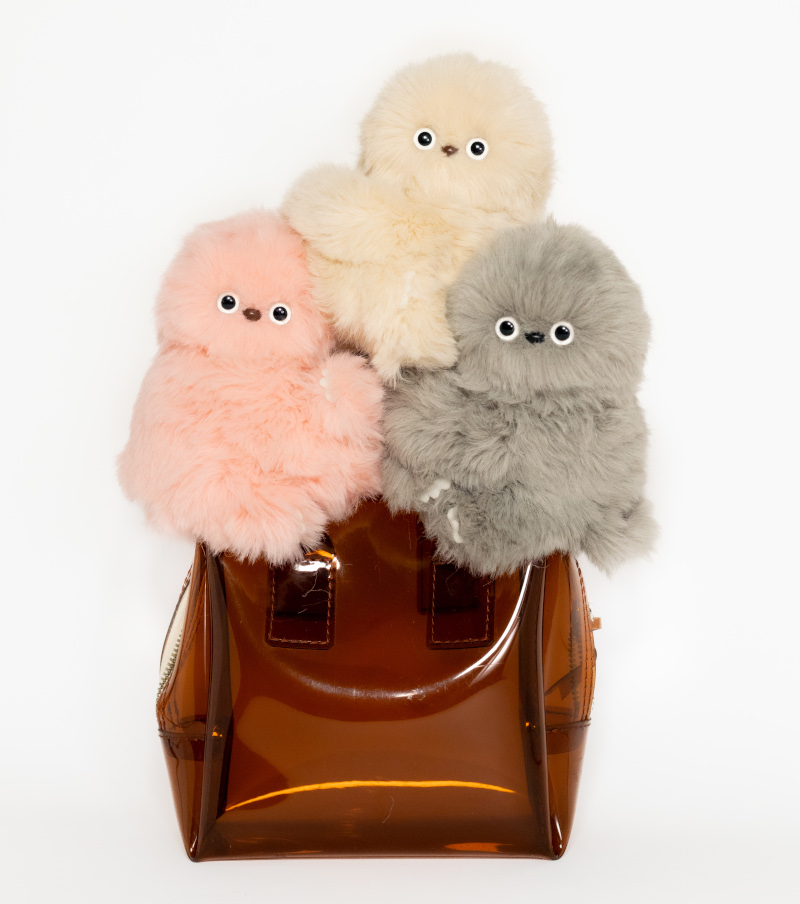
Photo: Yukai Engineering
Its name comes from the mix of two Japanese words, “miru” (to look) and “nuigurumi” (stuffed animal).
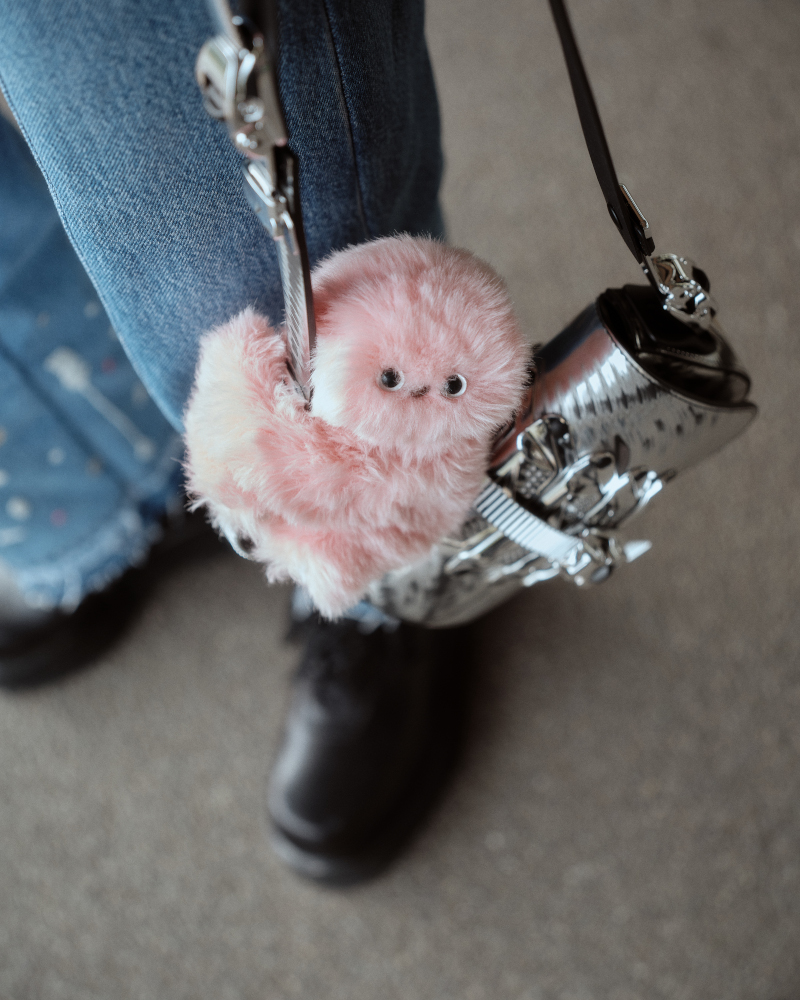
Photo: Yukai Engineering
Rather than coming with a chain to attach to your bag, Mirumi’s arms are designed wrap around bag straps and other objects to hang on to.
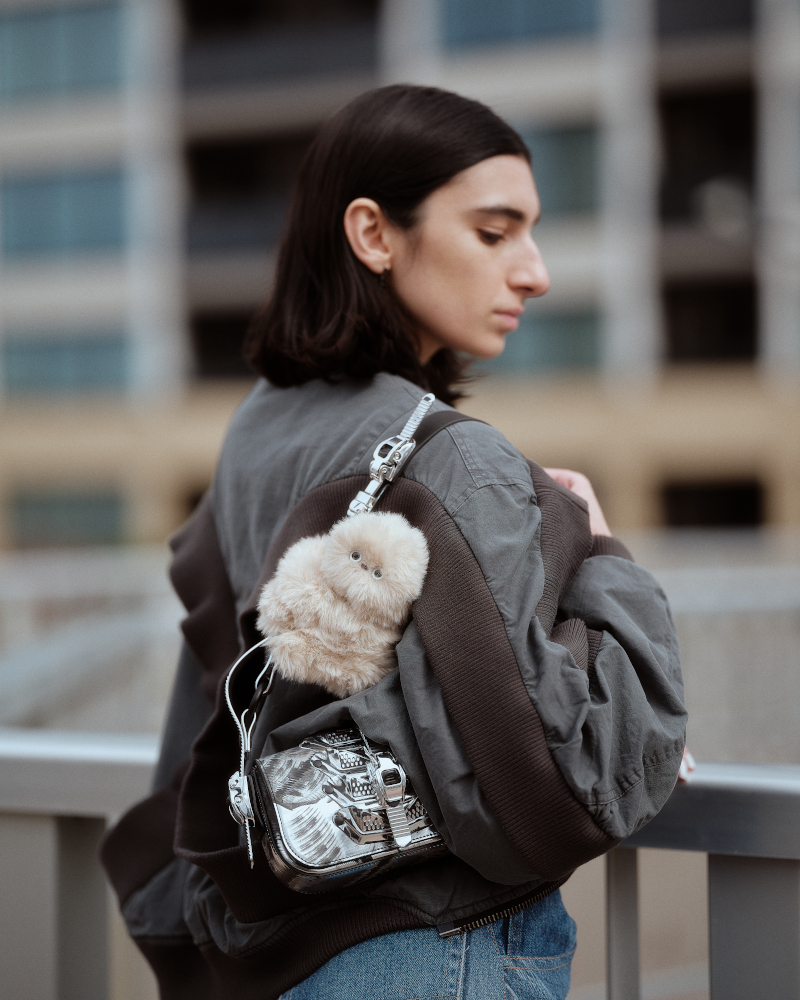
Photo: Yukai Engineering
Yukai Engineering developed an algorithm that randomizes Mirumi’s reaction to outside stimuli, whether it comes from you or other people.
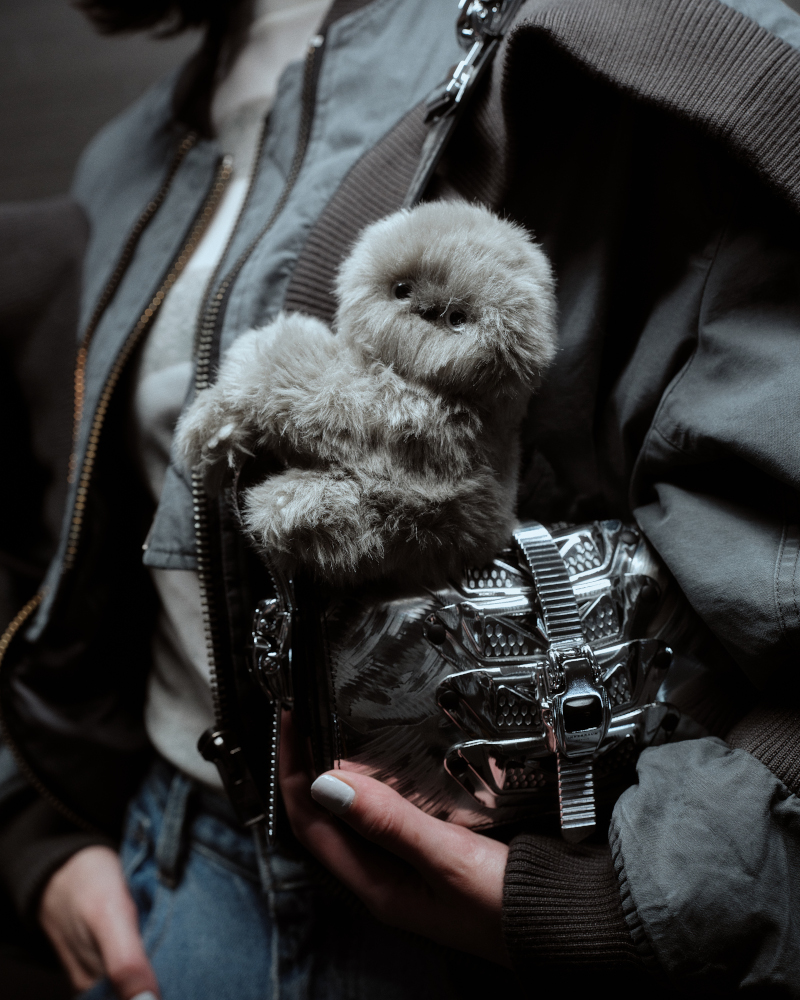
Photo: Yukai Engineering
Mirumi comes in three colors, pink, grey, and ivory, and is made of a soft plush material produced in Japan by Okada Textile.
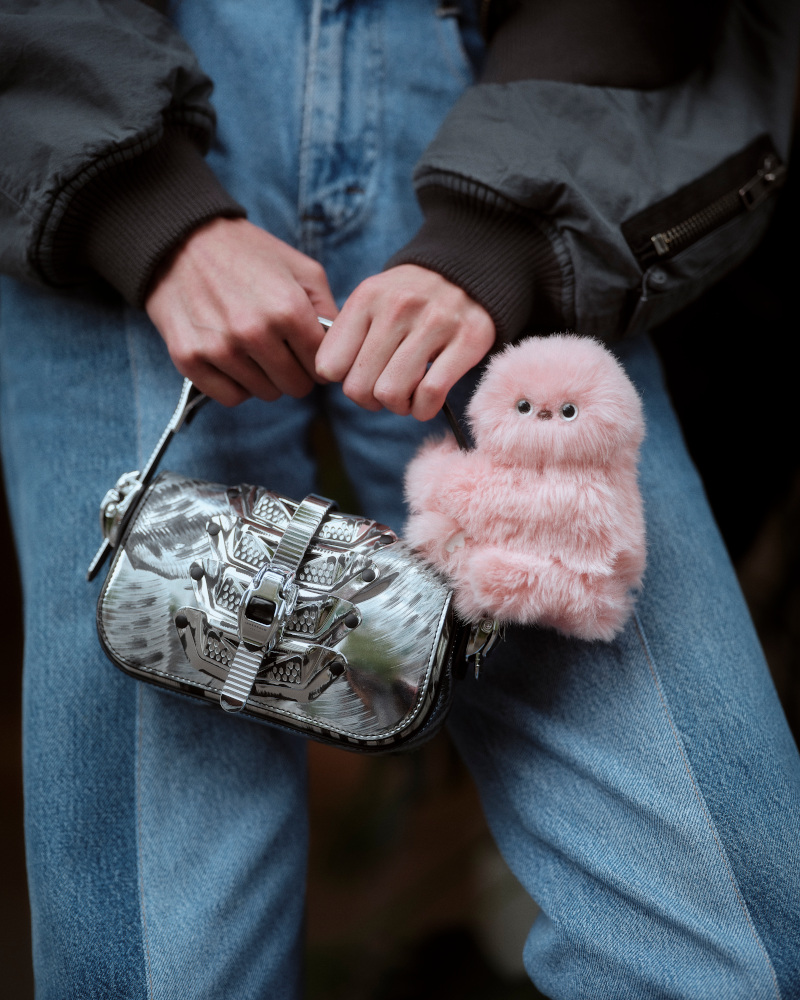
Photo: Yukai Engineering
Yukai Engineering: Website
Mirumi: Instagram | Kickstarter
My Modern Met granted permission to feature photos by Yukai Engineering.
Related Articles:
Giant Inflatable Labubu, KAWS x Elmo, and More Will Float in World’s First & Largest “Water Parade”
Native American Artist Adorns Labubus in Traditional Chilkat Woven Designs
Nike, Pokémon, and More Take Advertising to the Next Level With Tokyo’s 3D Billboard
Tsuchiya Kōitsu and the Rise of Shin-Hanga Prints in 20th Century Japan