
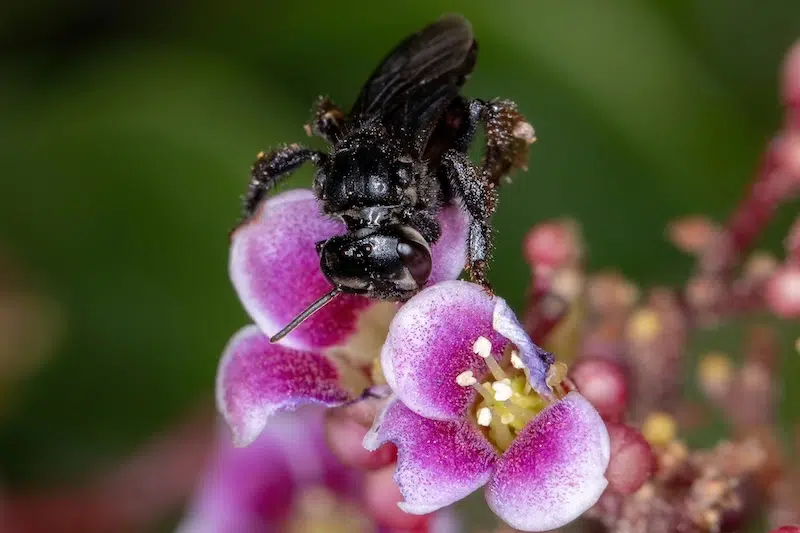
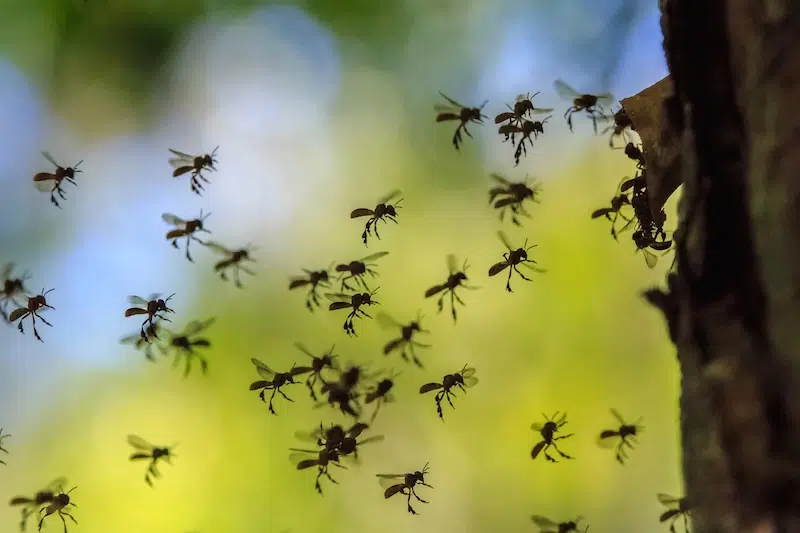
This may sound like the plot of the animated film Bee Movie, but some bees are now rights-bearing entities in real life. In late 2025 and early 2026, municipalities in the Peruvian Amazon granted legal rights to native stingless bees. No longer an entirely fictional concept, these bees can be legally represented by humans in court for their rights to thrive free from things like pesticides and habitat loss. But unlike the movie, this ordinance only covers stingless bees in some parts of Peru. Still, many conservationists hope this act will create a ripple effect, encouraging other countries to protect their own vital and vulnerable species.
Stingless bees are the oldest living species of bee, possibly dating back to around 96 million years. They are a foundational part of their Amazon environment. Referred to as “primary pollinators,” they contribute to biodiversity, forest conservation, and food security. Beyond their ecological importance, stingless bees’ honey contains medicinal properties and holds deep cultural and practical significance for Indigenous communities in the Peruvian Amazon, who have relied on and cultivated these bees for generations.
Indigenous leaders, environmental advocates, and legal scholars have been lobbying for stingless bees, saying we have an obligation to protect them. Stingless bees pollinate crops, regenerate forests, and support cultural traditions, making their survival inseparable from human well-being. Their population has been in decline due to human involvement: habitat loss from deforestation, intensive agriculture, pesticides, and the introduction of invasive species. Produced by the cross-breeding of European and African honeybees, the hybrid Africanized honeybee, better known as the “African killer bee,” is outcompeting the native stingless bees for food and space. Additionally, they are very aggressive and are known to terrorize the Indigenous people they encounter.
Ultimately, the movement to protect stingless bees is rooted in the recognition that some species cannot defend themselves within human-made systems. Allowing people to sue for the bees’ rights is an attempt to start protecting the bees that can’t protect themselves. This is a major step for activists who continue to work, collecting signatures, forming interest groups, and gaining attention in hopes that Peru will make this law nationwide and that other countries will take inspiration.
Stingless bees are the oldest living bee species and an integral part of the Amazon ecosystem as “primary pollinators.”
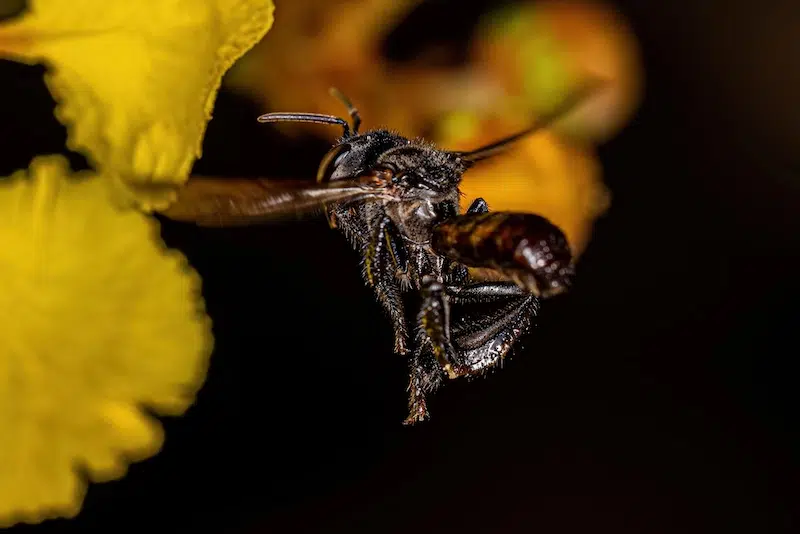
Their population has been in decline due to human intervention in their habitat with pesticides, deforestation, and the introduction of invasive species like the Africanized honeybee.
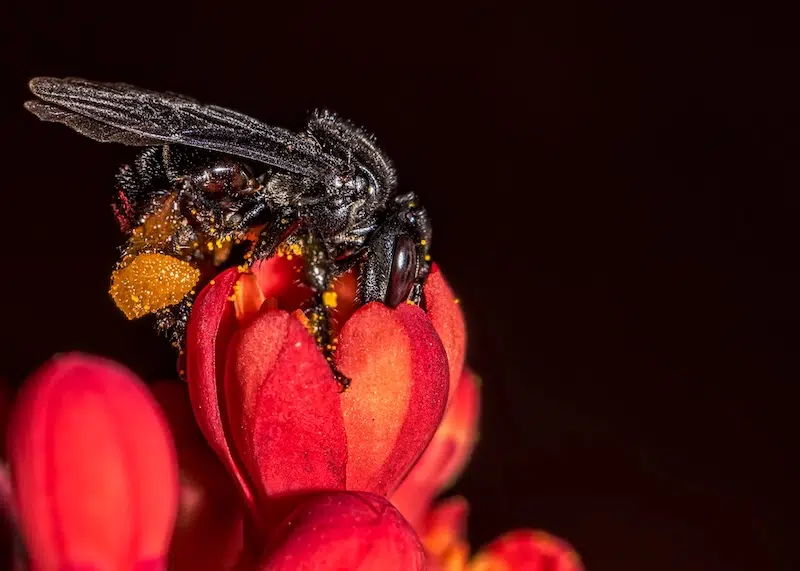
Indigenous people use the bees’ honey for medicinal purposes, but more than that, they have a deep cultural respect for nature spanning generations and representing the people’s relationship with the forest.
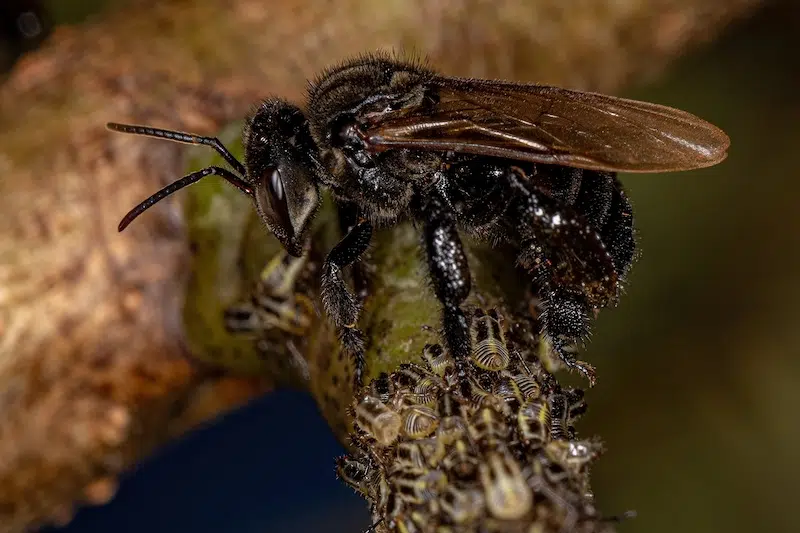
The milestone of gaining legal rights for the bees will help conservationists protect this vital species, and hopefully, the influence of this act will spread to other species and nations worldwide.

Source: Stingless bees from the Amazon granted legal rights in world first
Related Articles:
Ava Roth Collaborates with Honeybees to Transform Beeswax into Art
Immersive Exhibition Tells the Story of Bees Through Sights, Sounds, and Smells