

Photo: Ye Jianyuan
The latest museum endeavor of Bjarke Ingels Group (BIG) goes beyond architecture and into the very cultural mission of the building they have conceived. The Suzhou Museum of Contemporary Art in China is set to open next year, and the Danish architecture firm will have the opportunity to showcase its vision in an exhibition taking place within the museum walls, marrying the sweeping exterior it conceived with an insightful look at how it all came to be.
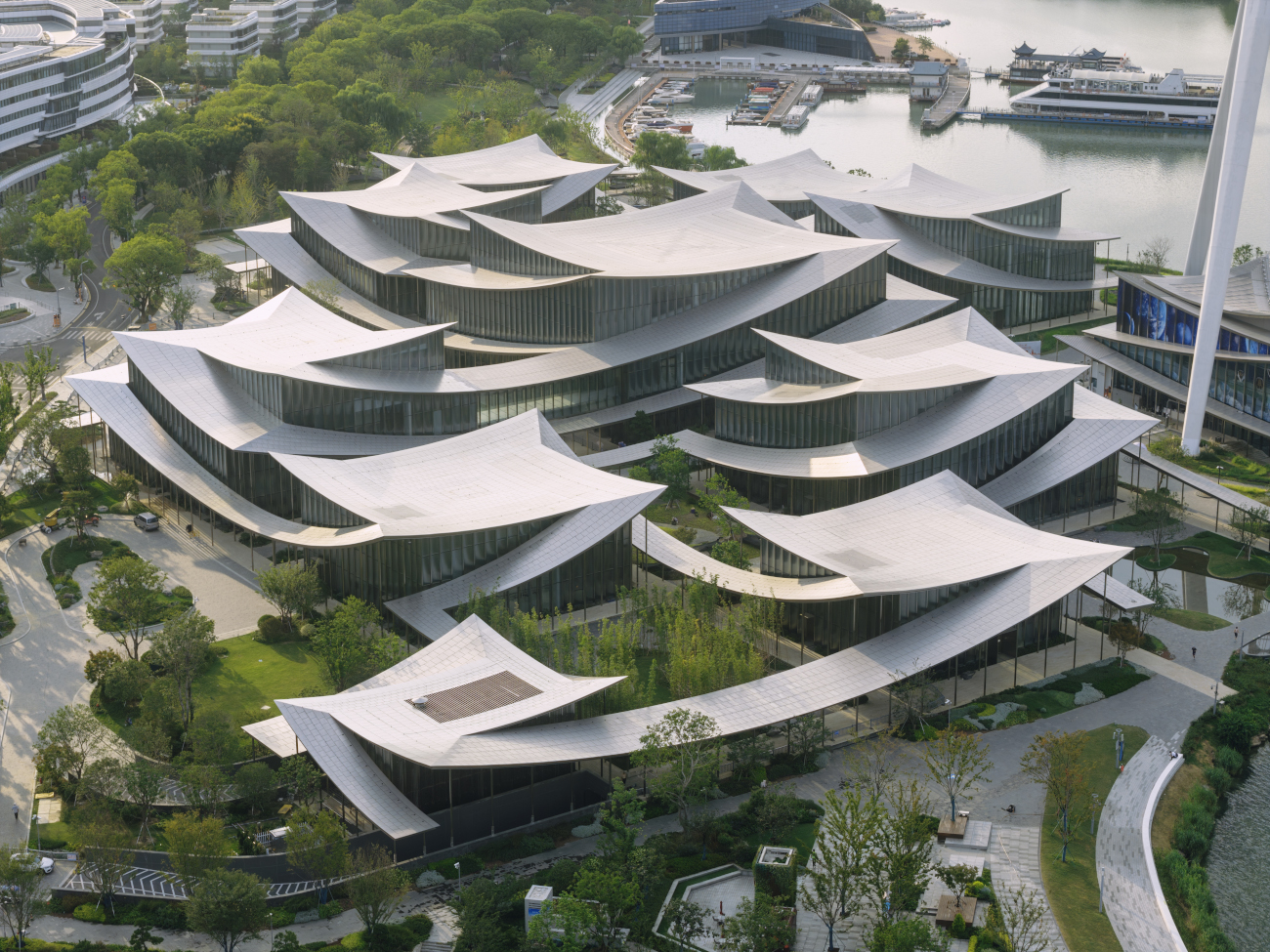
The museum, commissioned by Suzhou Harmony Development Group and designed by BIG in collaboration with ARTS Group and Front Inc., seamlessly marries the past with the present, the natural with the manmade. The 15-acre museum is located near the Jinji Lake waterfront and the Suzhou Ferris wheel, creating a picturesque environment where leisure and enlightenment become one.
BIG conceived the museum as a village of 12 interconnected pavilions all under one continuous ribbon-like roof. To do so, the firm drew from the Chinese concept of lang, a long, covered corridor that traces a path, connecting the individual structures. The design embeds elements that nod to Suzhou’s architectural history, particularly its appreciation for gardens and green spaces. By working with curved glass and warm-toned stainless steel, the architects aimed for the building to reflect the surrounding landscape.
“Suzhou is the cradle of the Chinese garden. Our design for the Suzhou Museum of Contemporary Art is conceived as a garden of pavilions and courtyards,” says Bjarke Ingels, Founder and Creative Director of BIG, via a statement. “Individual pavilions are woven together by glazed galleries and porticoes, creating a Chinese knot of interconnected sculpture courtyards and exhibition spaces. Weaving between the legs of the Ferris wheel, the museum branches out like a rhizome, connecting the city to the lake. The result is a manmade maze of plants and artworks to get lost within.”
This dialogue between inspiration and craft is at the heart of Materialism, an exhibition curated by BIG. Featuring 20 mock-ups and models of 20 projects around the world, the exhibition explores how working with stone, earth, concrete, metal, glass, wood, fabric, plastic, plants, and recycled materials has informed the firm’s architecture. Materialism is slated to open the coming months, ahead of the official inauguration of the Suzhou Museum of Contemporary Art in 2026.
To stay up to date with the firm’s architectural and creative endeavors, follow BIG on Instagram.
The Suzhou Museum of Contemporary Art in China, designed by Bjarke Ingels Group (BIG), is bound to open next year.
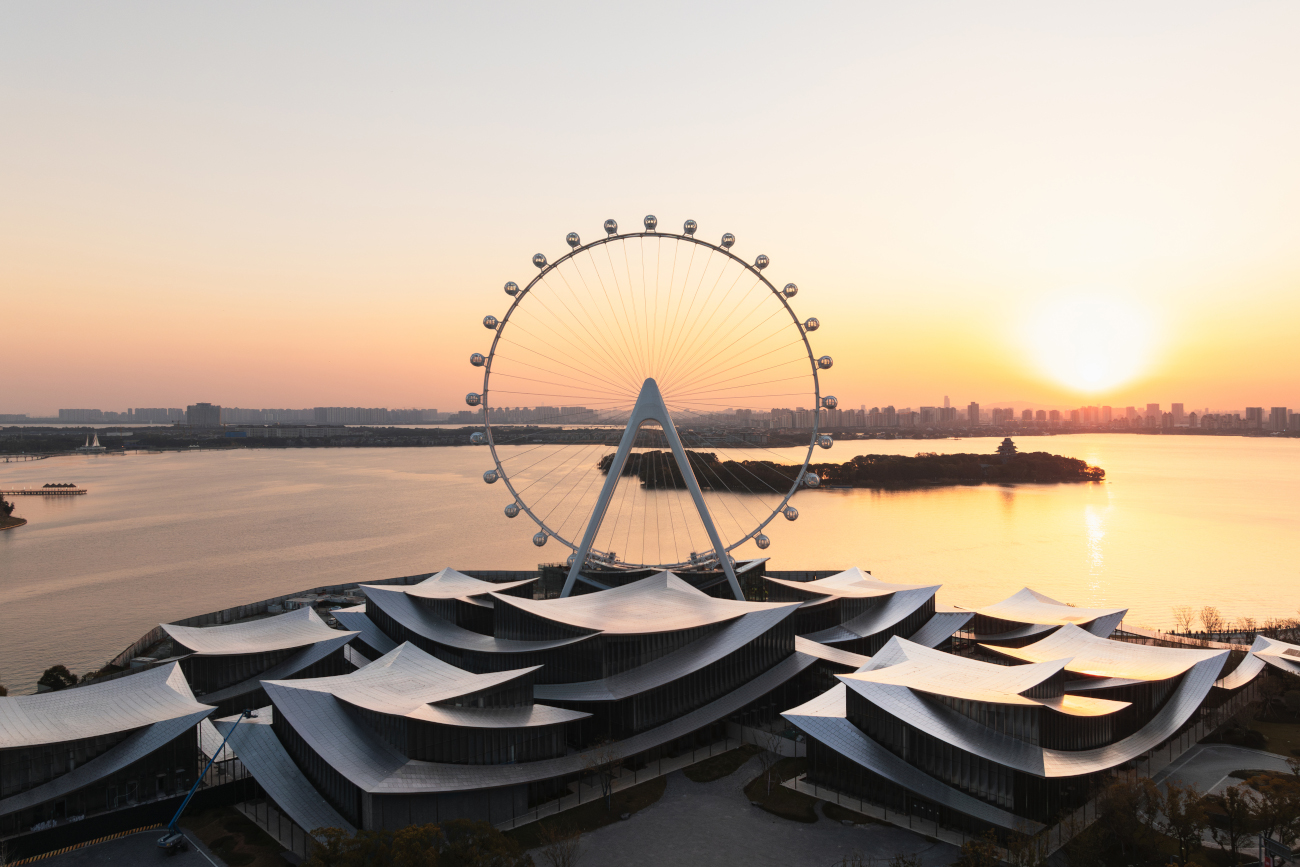
Photo: Ye Jianyuan
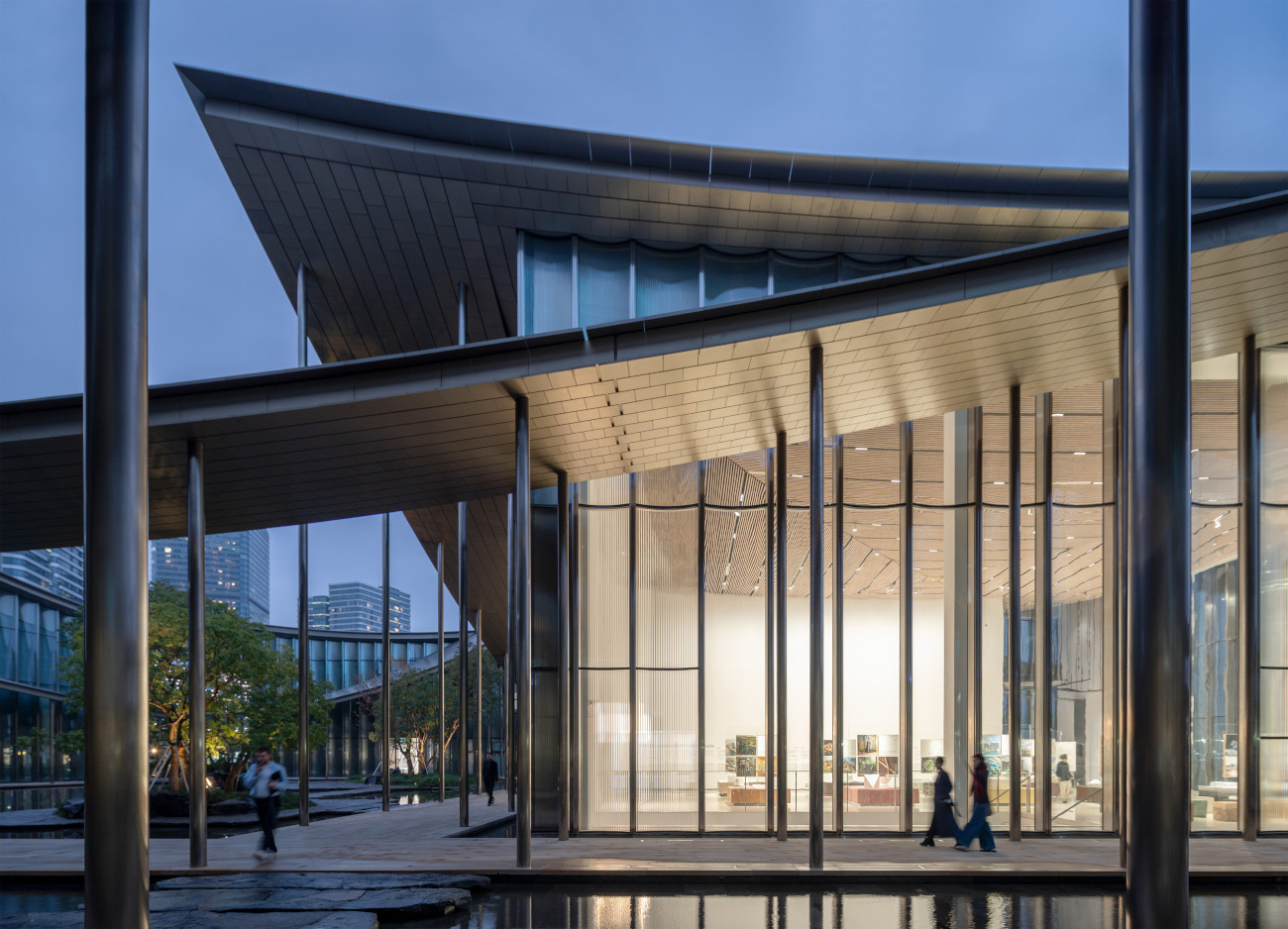
Photo: StudioSZ Photo / Justin Szeremeta
The 15-acre museum is located near the Jinji Lake waterfront and the Suzhou Ferris wheel, creating a picture-perfect environment where leisure and enlightenment become one.
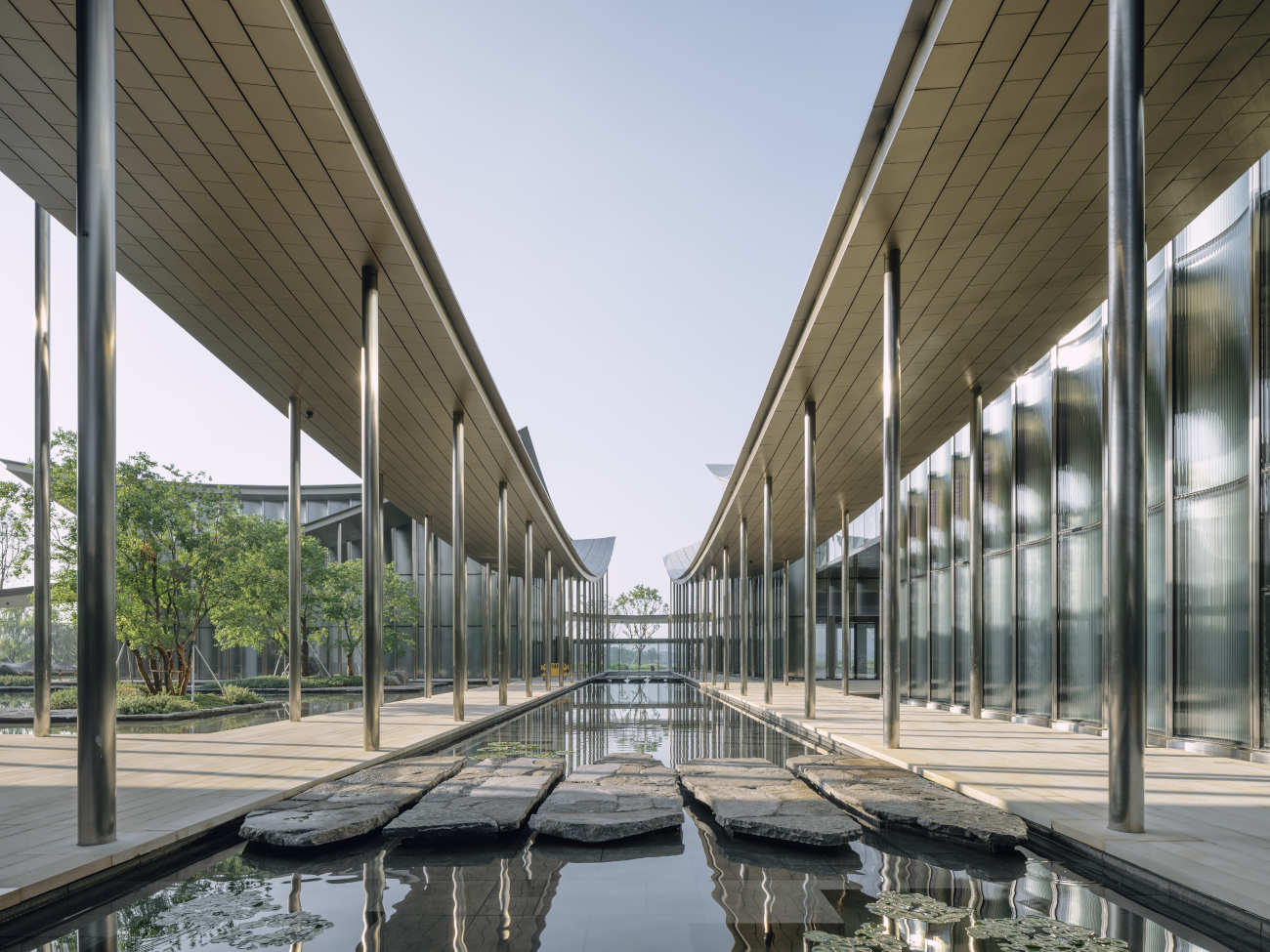
Photo: Ye Jianyuan
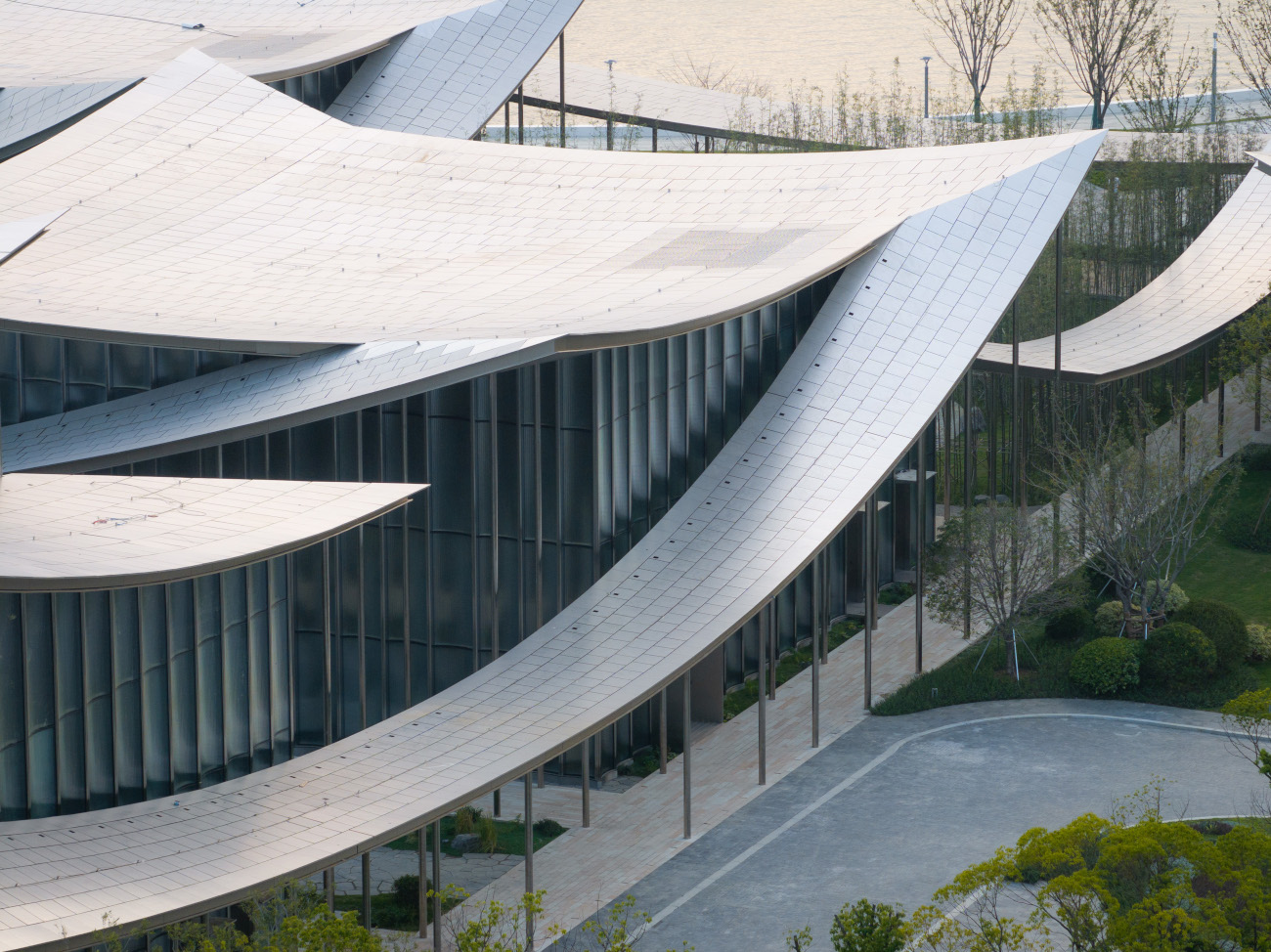
Photo: StudioSZ Photo / Justin Szeremeta
The design embeds elements that nod to Suzhou’s architectural history, particularly its appreciation for gardens and green spaces.
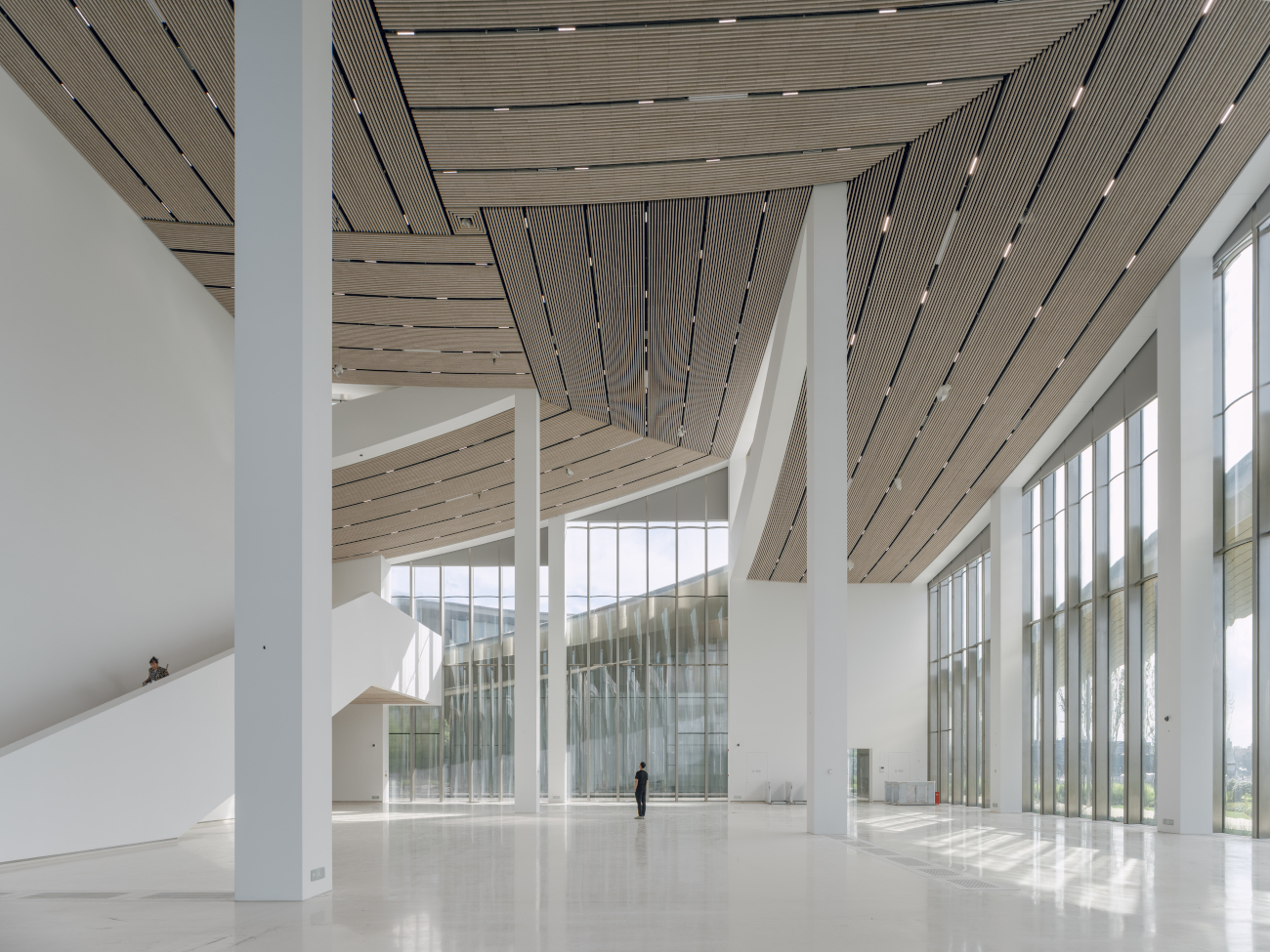
Photo: Ye Jianyuan
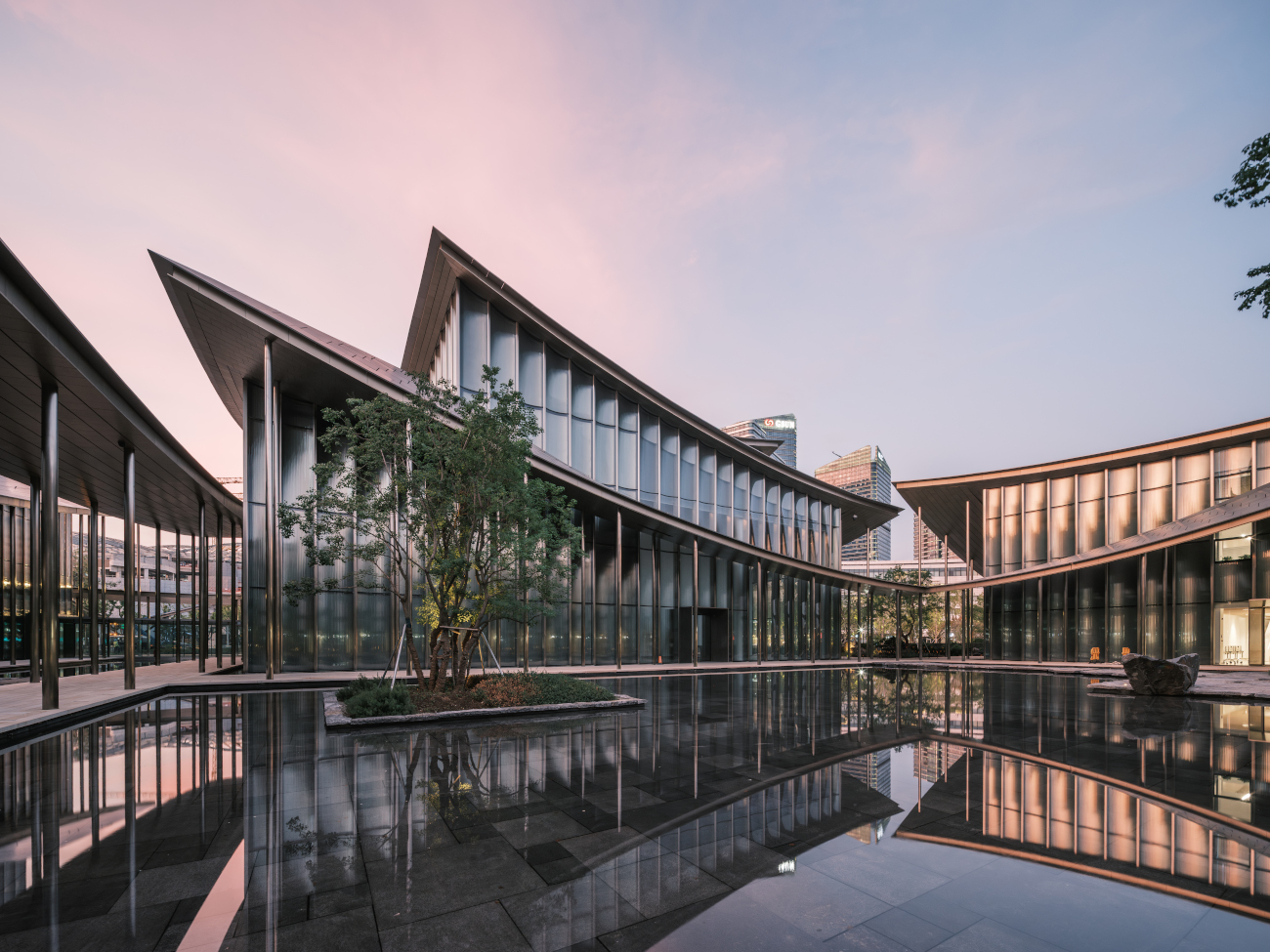
Photo: Ye Jianyuan
The Danish architecture firm will also have the opportunity to showcase its vision in an exhibition taking place within the museum walls.
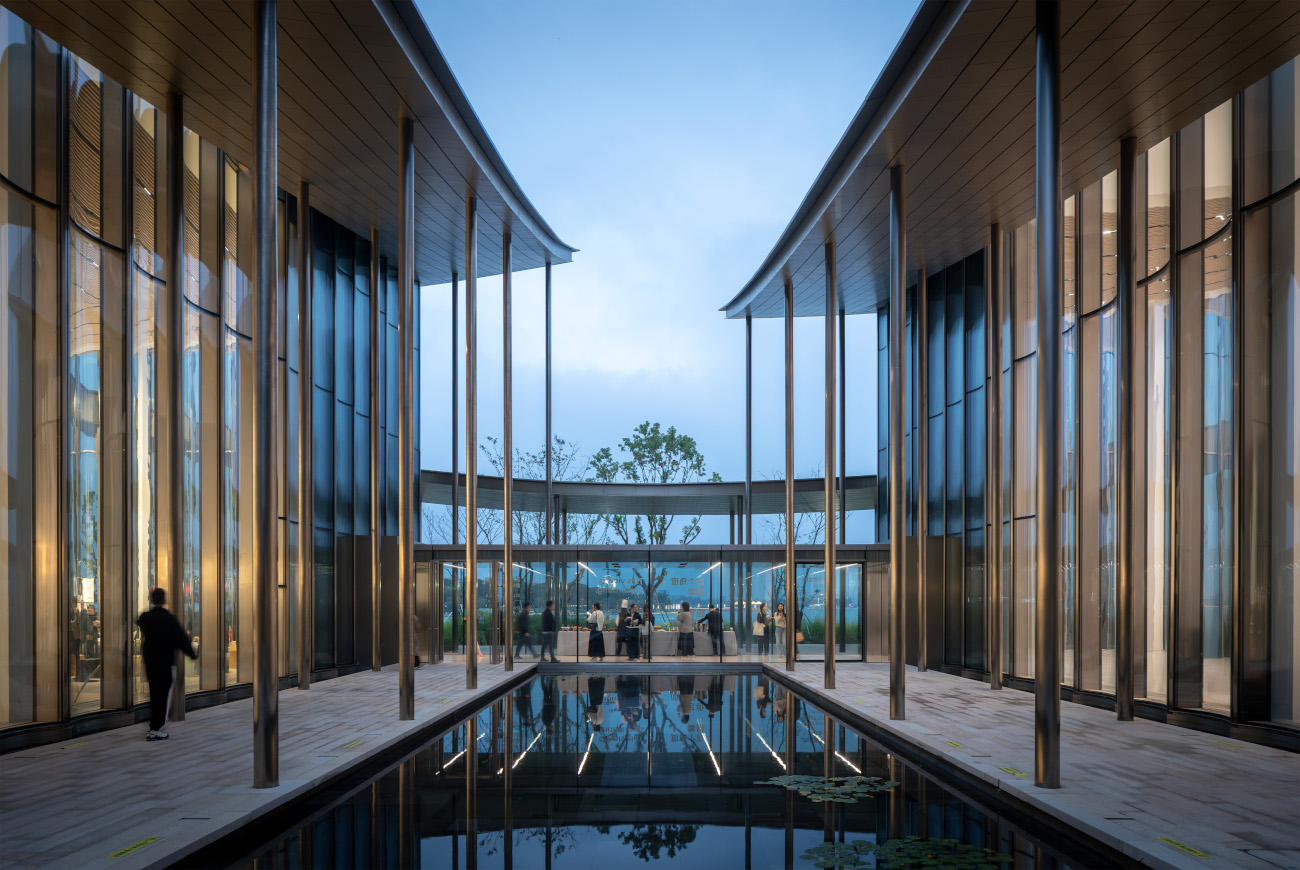
Photo: StudioSZ Photo / Justin Szeremeta
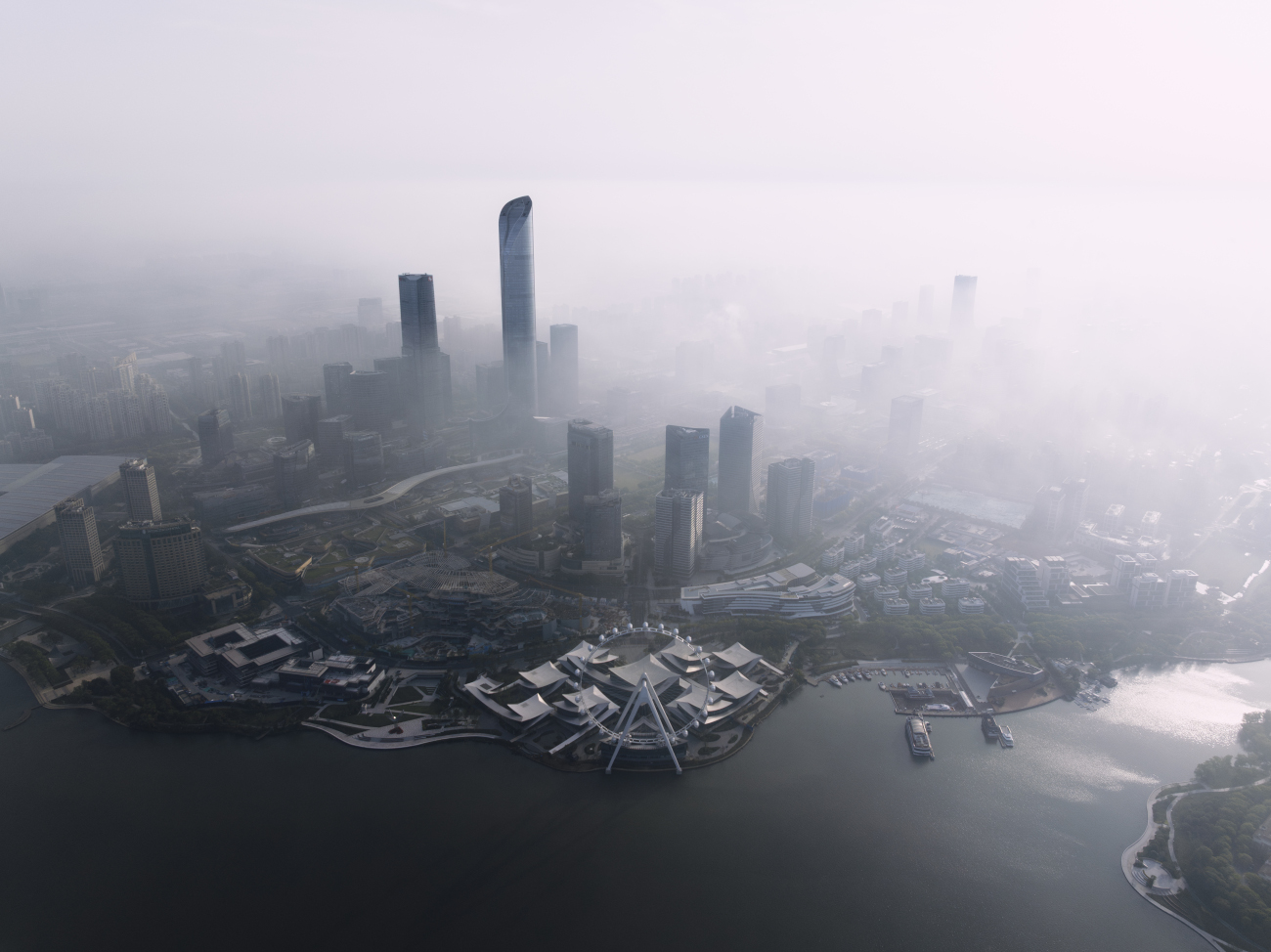
Photo: Ye Jianyuan