

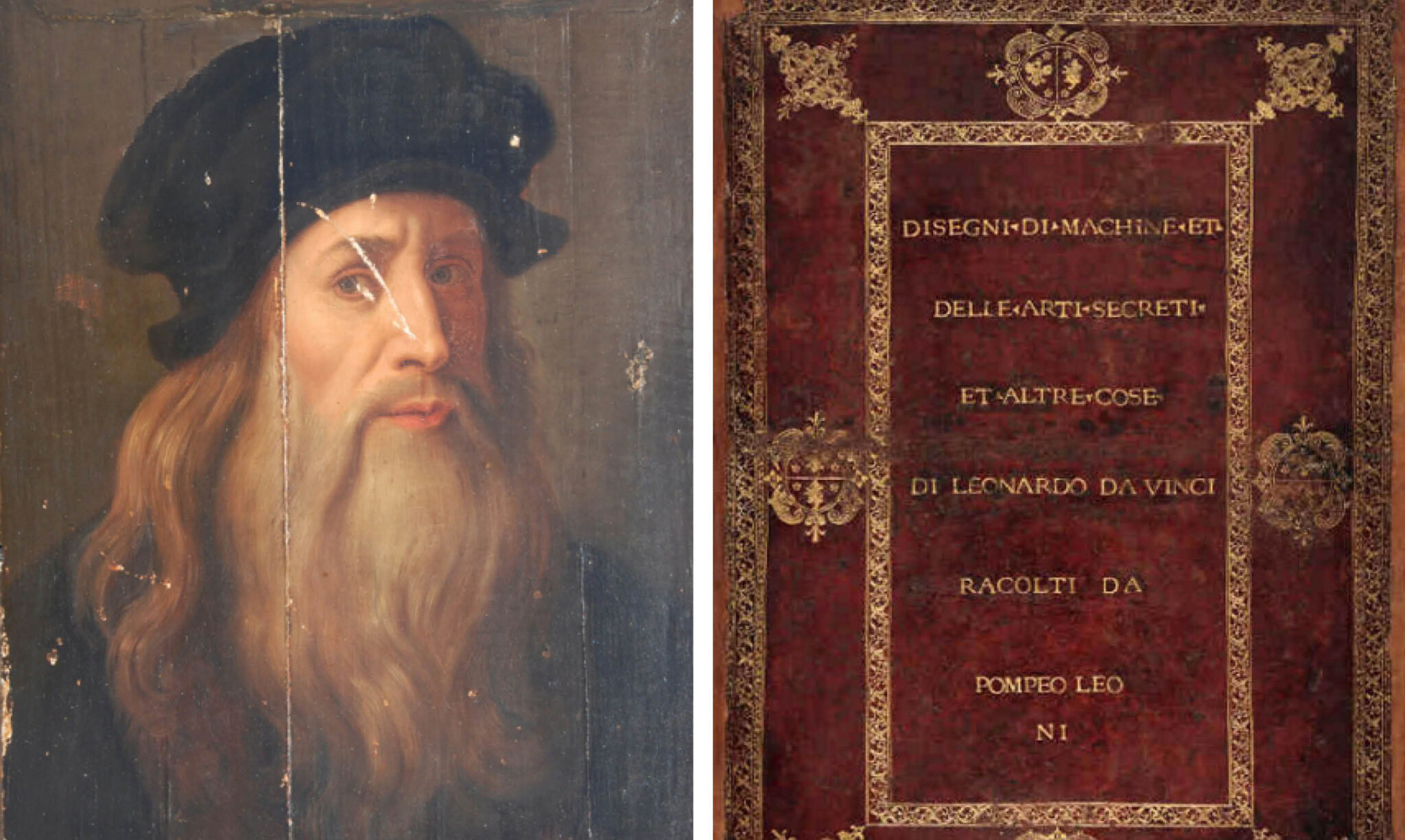
Self-Portrait of Leonardo da Vinci (l.) || Cover of the Codex Atlanticus (r.). (Both public domain)
When listing the world’s most prominent “Renaissance men,” Leonardo da Vinci would appear near, if not at, the top. He succeeded in or at least dabbled in fields as disparate as engineering, anatomy, cartography, painting, astronomy, and even paleontology. Perhaps nothing demonstrates the breadth of his abilities better than his notebooks, the largest of which has been digitized in its entirety by the Visual Agency, in collaboration with Milan’s Biblioteca Ambrosiana and Mondadori Portfolio.
Spanning more than 40 years of output, da Vinci’s Codex Atlanticus contains 1,119 pages dedicated to countless topics, including weaponry, musical instruments, mathematics, botany, and flight. In the late 16th century, Milanese sculptor Pompei Leoni retrieved a series of these papers and later gathered them into two massive volumes, the first of which focused on technical-scientific themes, while the second concerned anatomy and artistic subjects. It was the former collection that eventually became the Codex Atlanticus, which spans 12 volumes and has been housed in Biblioteca Ambrosiana since 1637.
In 2019, the Visual Agency began experimenting with the Codex Atlanticus, in recognition of the 500th anniversary of da Vinci’s death. The initiative sought to digitally catalog the codex with the help of data visualization. This visualization approach, per the agency, would offer a more succinct and accessible glimpse into one of da Vinci’s most sprawling masterpieces, all while encouraging interactivity and immersion. After all, the Codex Atlanticus covers da Vinci’s entire career and the diversity of interests, whether it be mechanics and hydraulics or parachutes and war machinery. This collection, when considered in its entirety, is a testament to da Vinci’s incredible imagination and how it evolved across his life.
To create the database, the Visual Agency relied upon several categorization tools. Visitors can explore the codex not just chronologically by page or by year, but also by subject. A color-coded graph features bars that represent each subject, all proportional in size to the frequency with which topics occur on each page. A horizontal graph also shows the number of pages produced each year, from 1478 to 1519, clearly illustrating the time periods that were more productive for da Vinci (at least when it came to this codex). These features all support user exploration, allowing pages to be easily compared.
“This study tool transforms data visualization into a language of analysis and synthesis that reveals the evolution of da Vinci’s thought over the years, through the interactive visualization of his main body of work,” the Visual Agency writes of the project.
Since its launch, the digital database has attracted more than 150,000 unique visits and has received seven international awards, such as the Webby Award and the Information is Beautiful Award. To explore the resource for yourself, visit the Codex Atlanticus website.
Leonardo da Vinci’s largest collection of drawings and writings, the Codex Atlanticus, is available via an online database in its entirety.
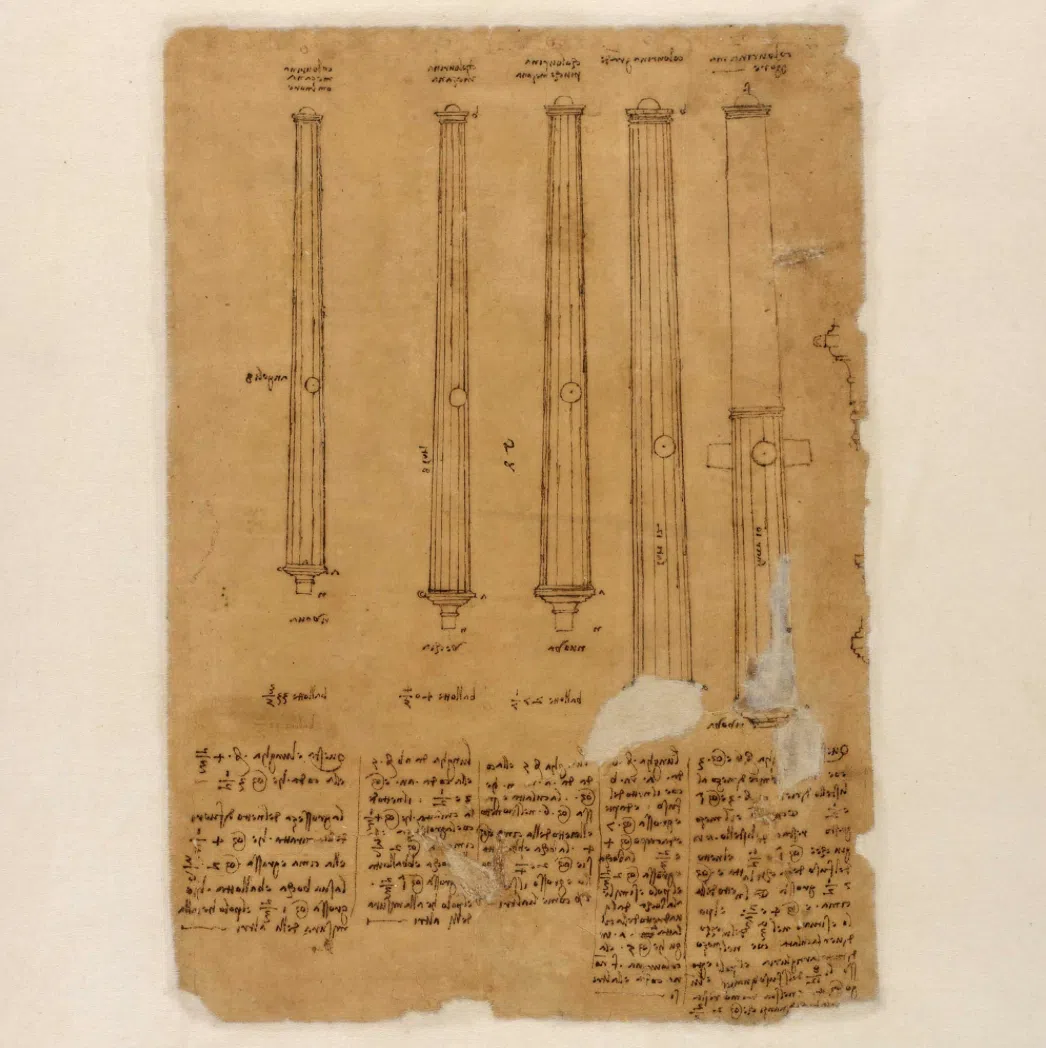
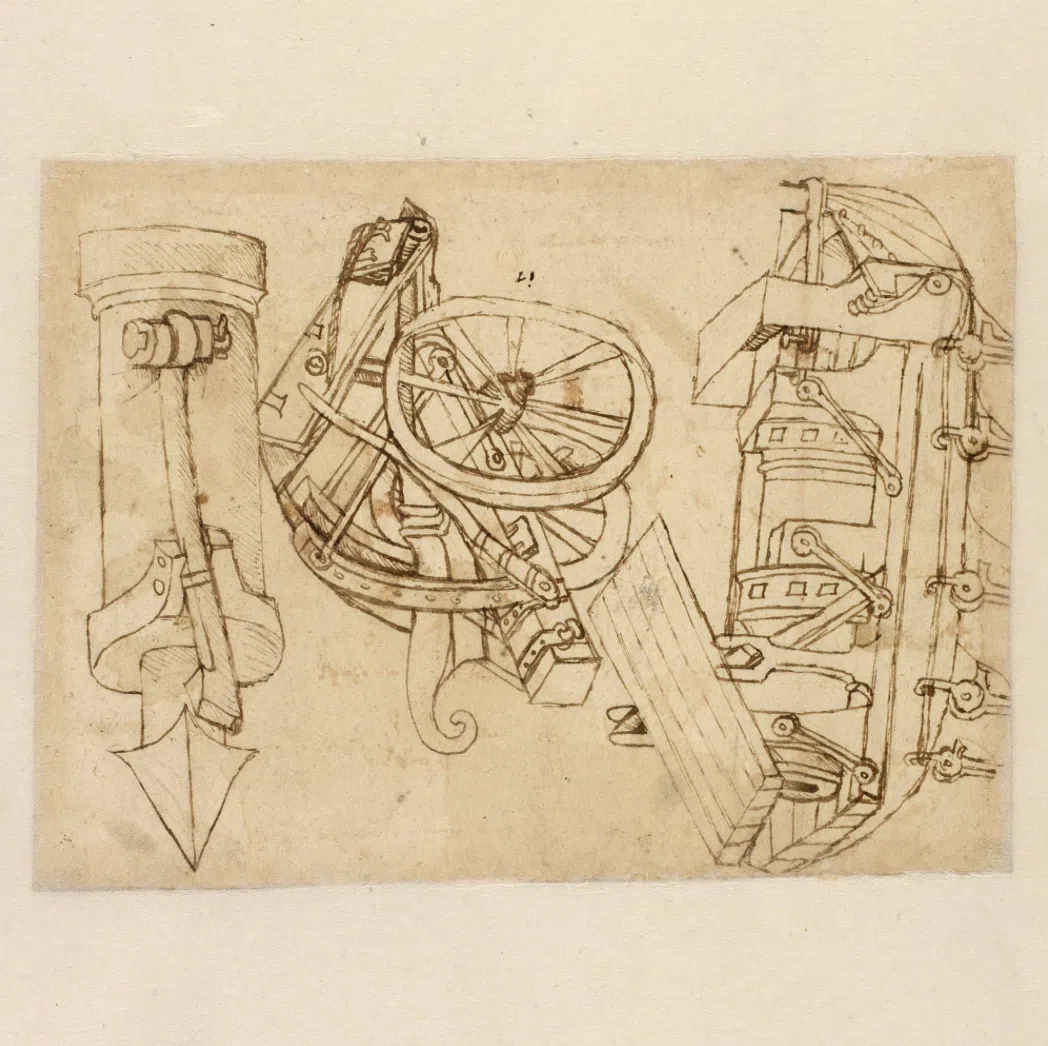
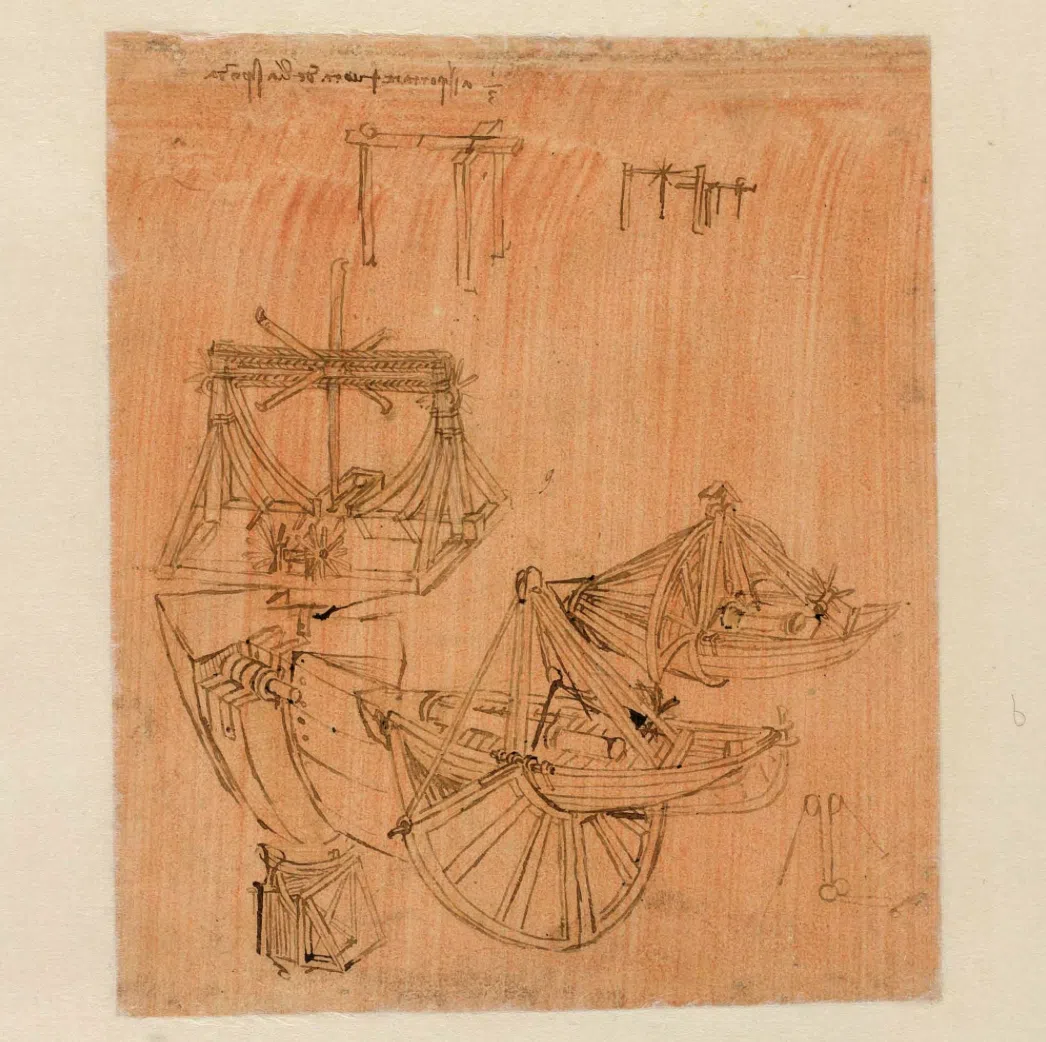
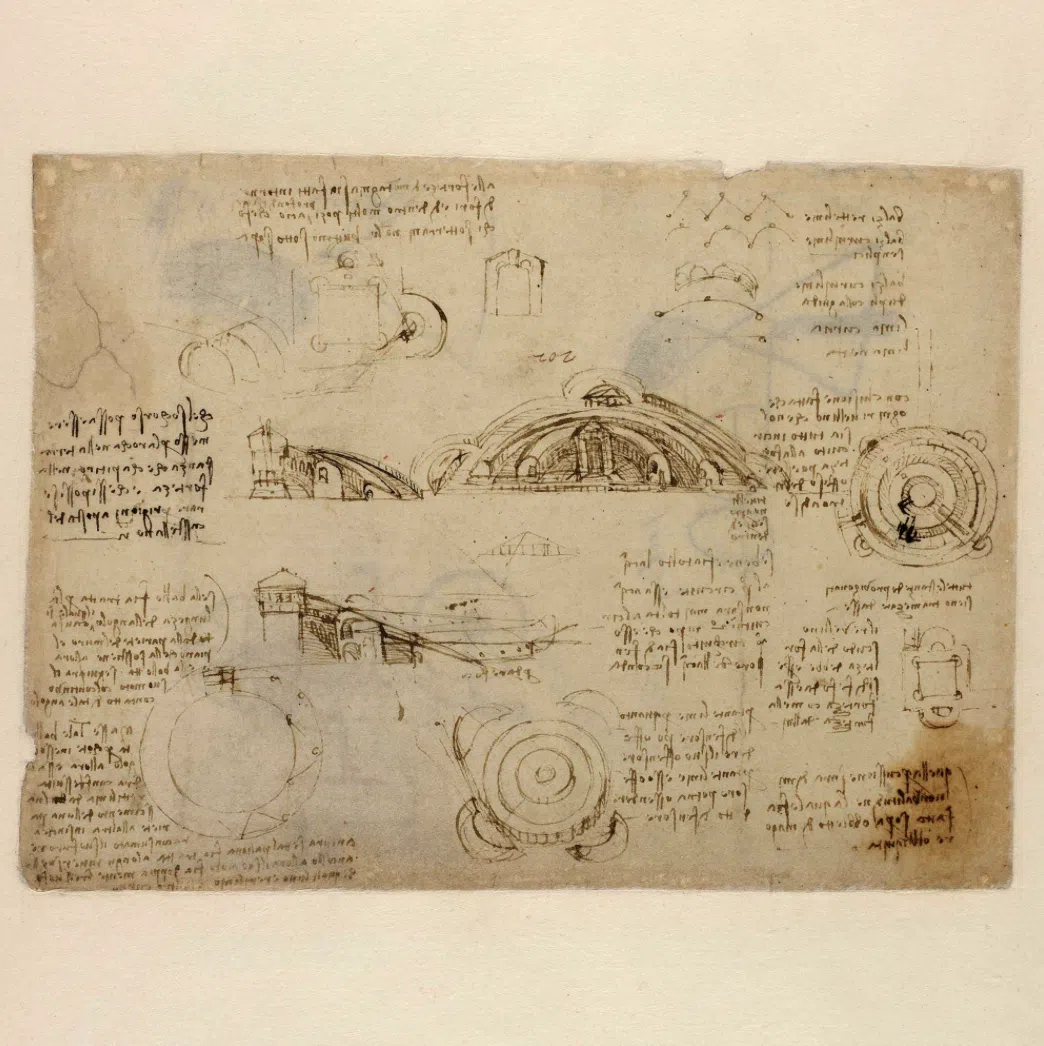
The Codex Atlanticus spans more than 40 years of output and 1,000 pages, focusing on a disparate array of subjects.
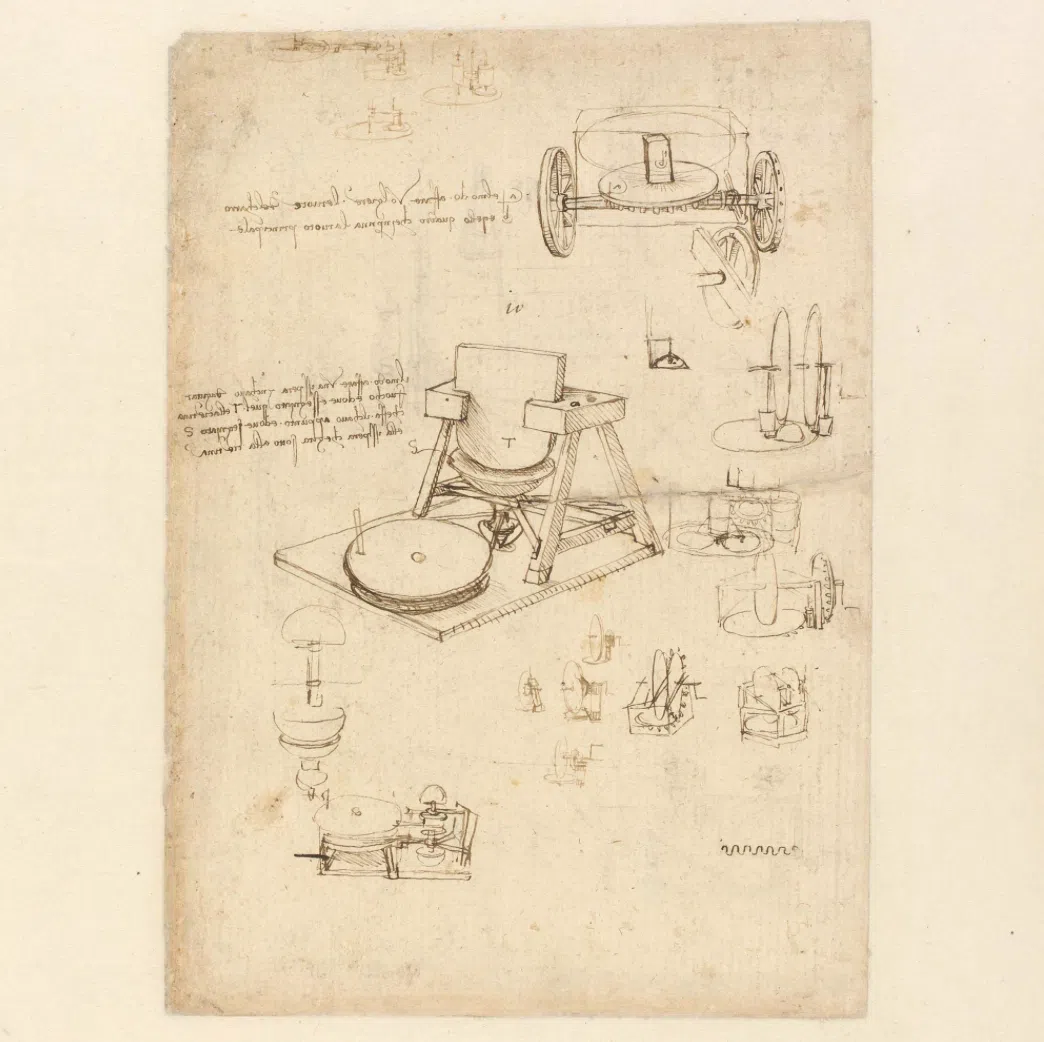
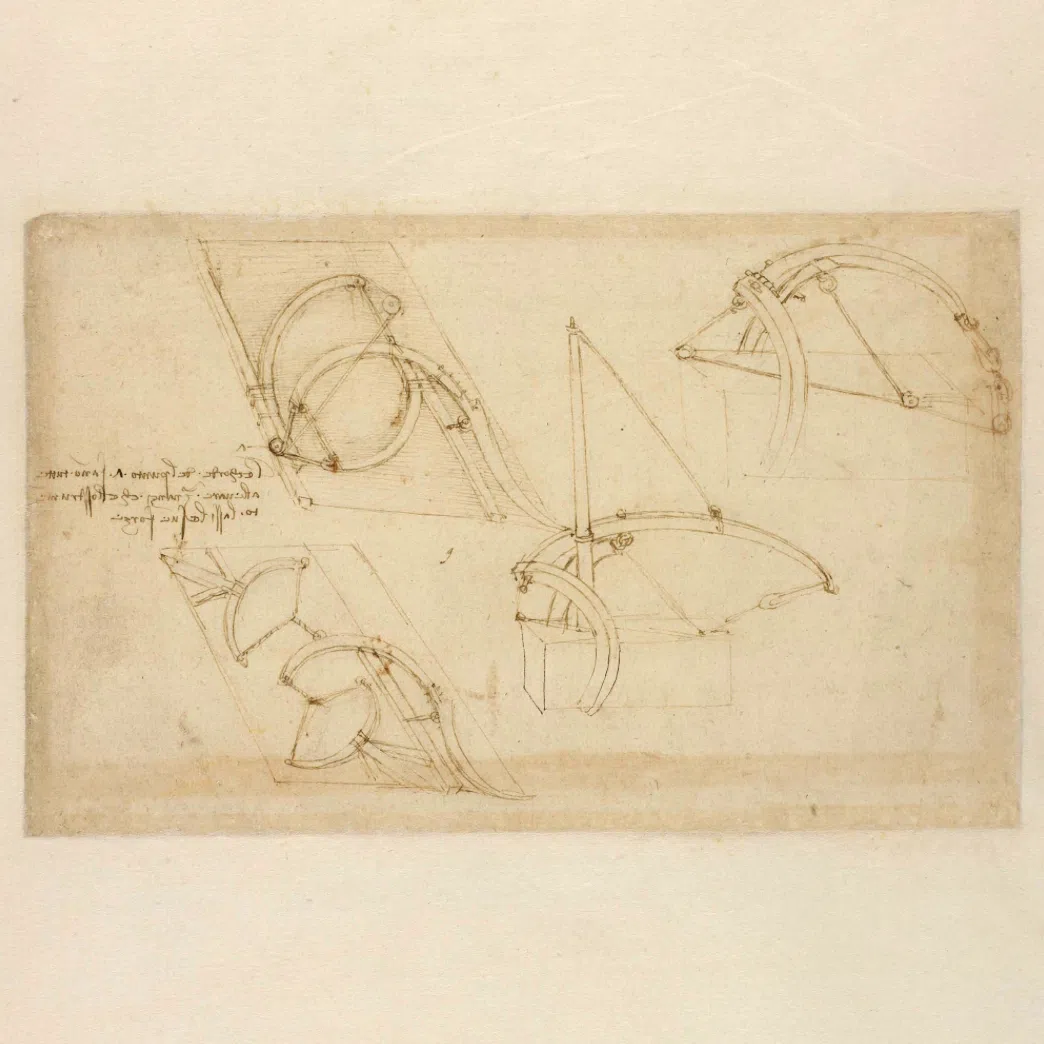
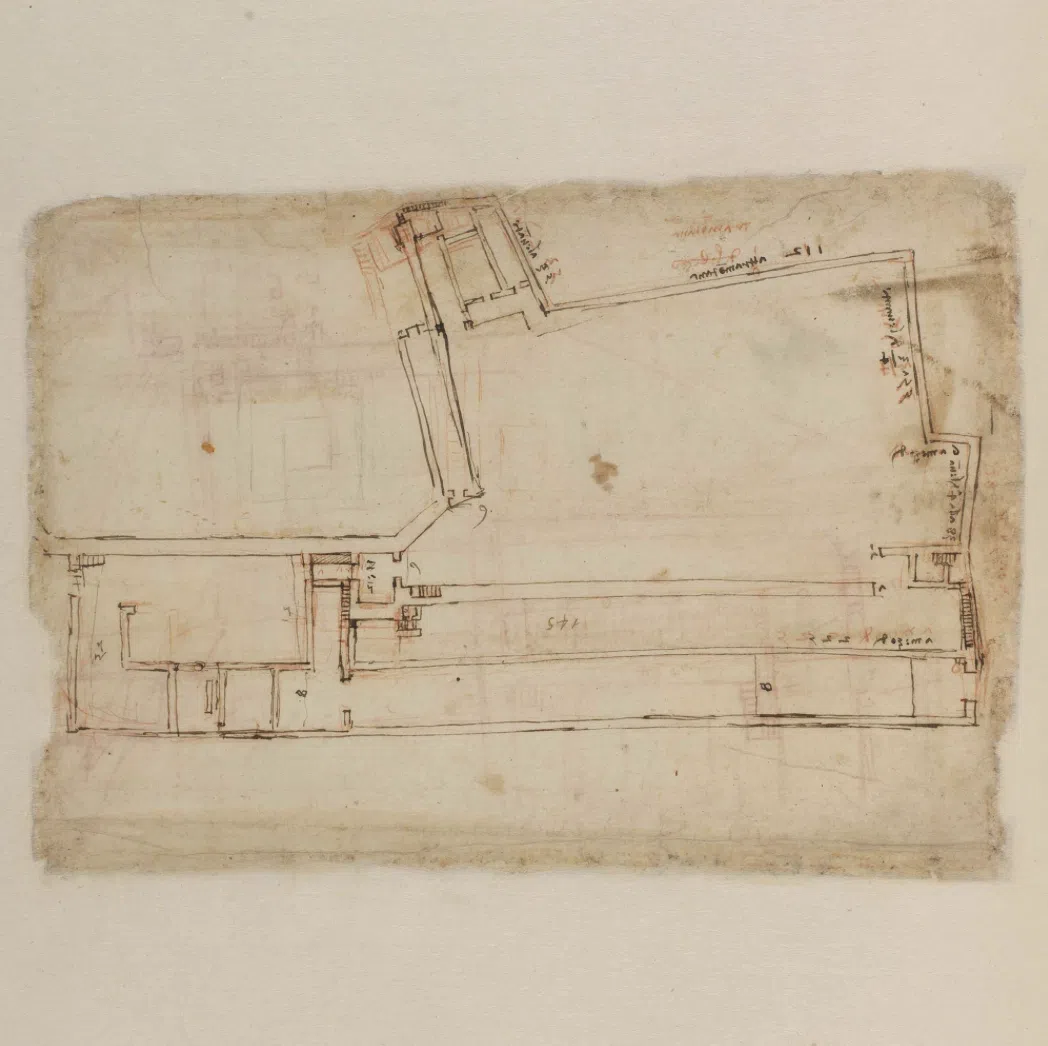
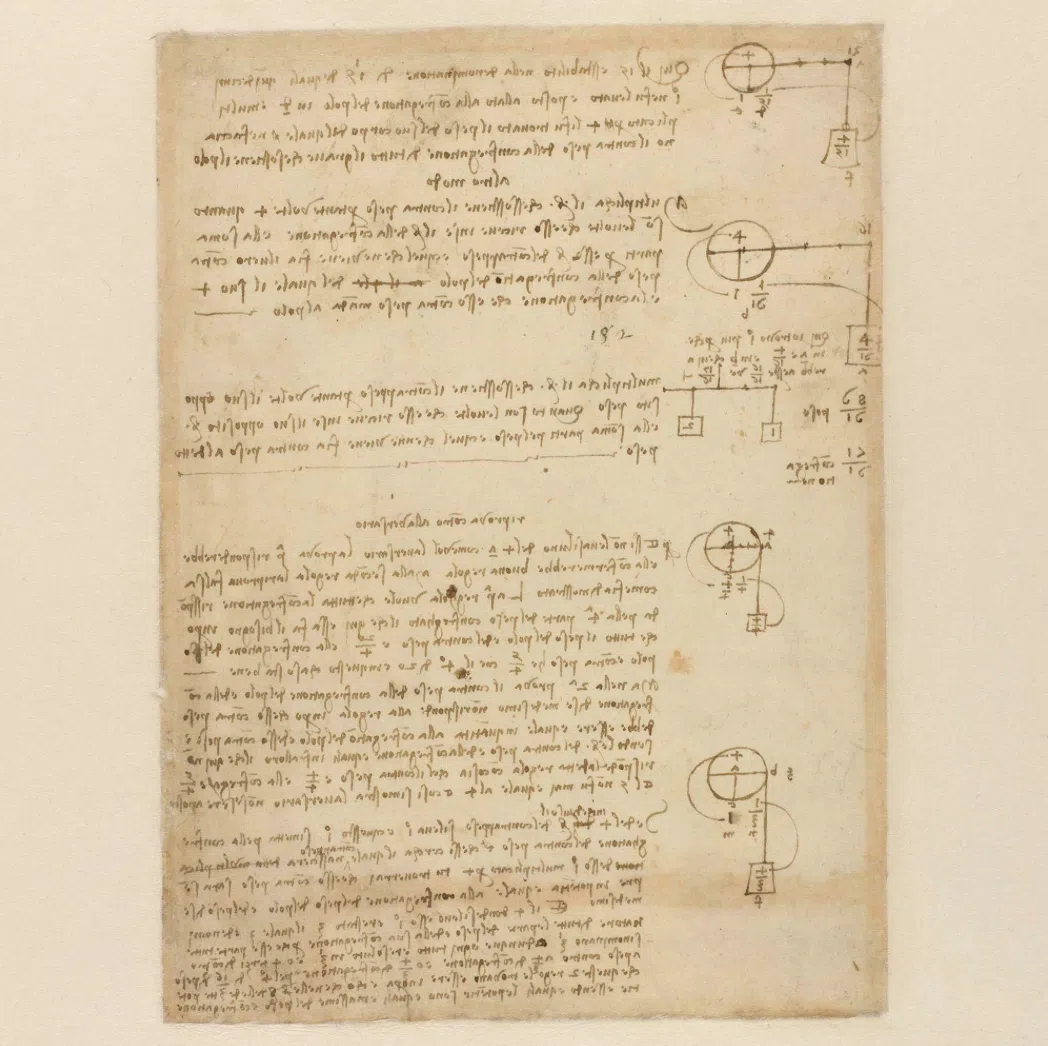
All images via the Visual Agency’s Codex Atlanticus digital database.
Sources: Codex Atlanticus: Leonardo da Vinci; Ten Key Facts About Leonardo da Vinci’s Codex Atlanticus; A Complete Digitization of Leonardo Da Vinci’s Codex Atlanticus, the Largest Collection of His Drawings & Writings
Related Articles:
530-Year-Old Sketch by Leonardo da Vinci Reveals Secret Passageways in Sforza Castle
Genius Mind of Leonardo da Vinci Is Now on Display in Largest Online Archive
North America’s First and Only Leonardo da Vinci Museum Is Coming to Colorado This Fall