

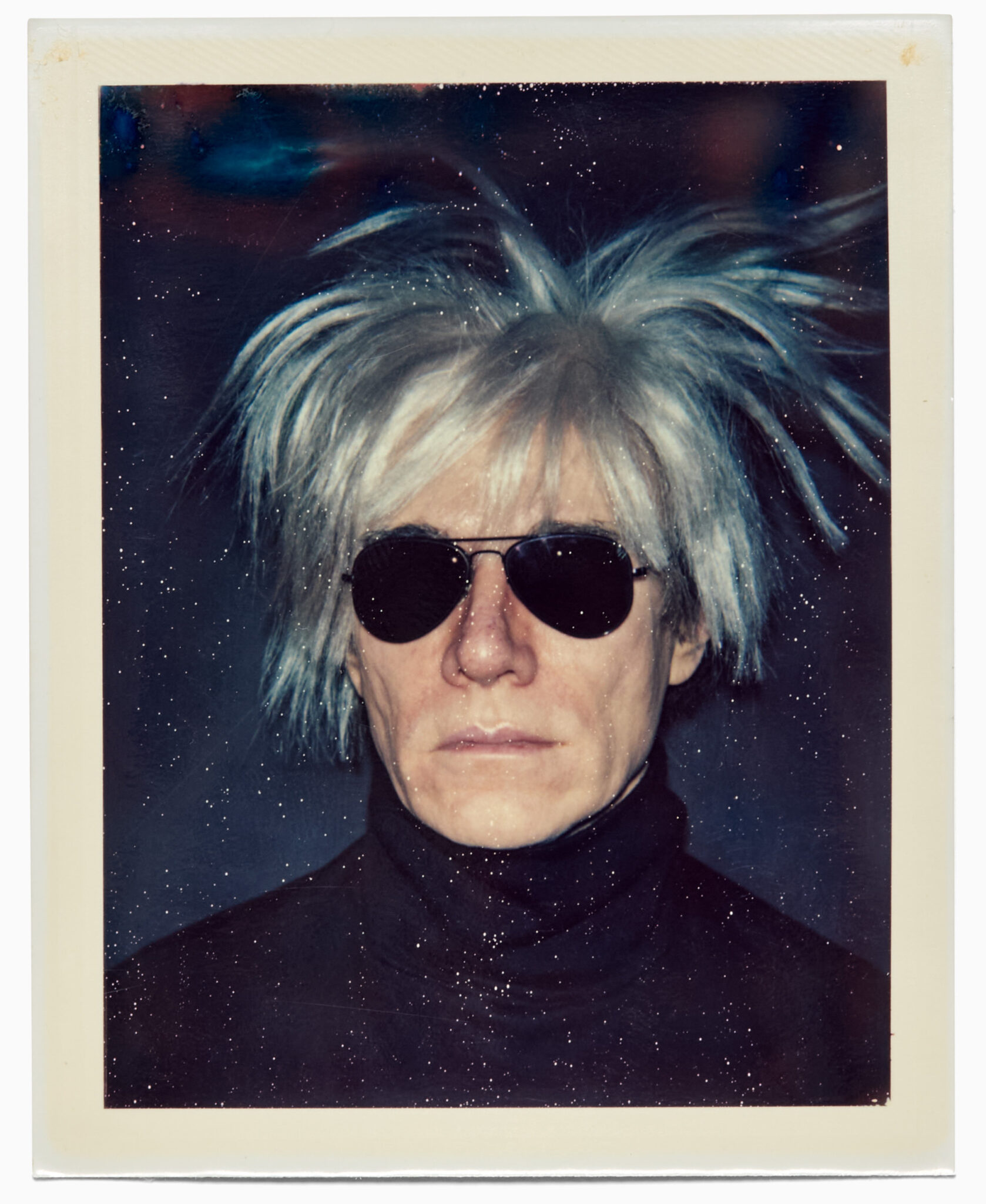
Andy Warhol, “Self-Portrait in Fright Wig,” 1986. Polacolor Type 108, 4 1/4″ x 3 3/8″. © 2025 The Andy Warhol Foundation for the Visual Arts, Inc. and Licensed by Artists Rights Society (ARS), New York.
Contrary to what pop culture may have us believe, Andy Warhol didn’t just create screenprints of Campbell’s soup cans, celebrities, and dollar signs. He also produced a treasure trove of Polaroids, showing off friends, lovers, artists, stars, and everyday locals. Though he would repurpose them for screenprints, these portraits contain an intimacy that’s often lacking in his commercial pop art. That fact is exactly what grounds the latest exhibition dedicated to his Polaroids, now on view at the Grove Foundation for the Arts in New York.
Titled The Dialectical Third, the exhibition gathers some 150 photographs pulled from Warhol’s Ladies and Gentlemen (1975), Sex Parts (1976), Torso (1977), and Querelle (1982) series. In these Polaroids, the artist explores social and sexual taboos, gender performance, and explicit content with such confidence and honesty that the majority of these works have remained largely unknown to the broader public—until now, of course. Throughout, visitors will encounter a stunning portrait of Marsha P. Johnson, one of the most prominent activists of New York’s LGBTQ rights movement; a drag queen with striking lashes and delicate blue eye shadow; men’s bare thighs, chests, and torsos, pressed against one another; and even a self-portrait, in which Warhol dons his iconic “fright wig.”
When considered together, these four photographic series offer a new dimension to the artist’s practice. Ladies and Gentlemen, for instance, veers away from the commercial and consumerist commentary Warhol typically enjoyed, instead mining how transgender people, drag performers, and other queer individuals express gender and its various points of artifice and authenticity. The series remains just as evocative as it did 50 years ago, especially in an era of increased transphobia. Sex Parts and Torso are equally subversive, rendering male body parts and intimacy with a provocative yet tender edge. What are the limits of gender and sexuality, Warhol seems to ask, in a society that deems deviations from the norm as dangerous, if not repulsive? And, perhaps more importantly, how can those limits be captured within a single image?
“This exhibition takes as its philosophical foundation the notion that truth doesn’t reside in singular, fixed positions,” says Dina Giordano, curator and Grove’s executive director. “Andy Warhol’s Polaroid series—which confront duality, representation, identity, and embodiment—serve as a guide through this conceptual landscape.”
If its title is any indication, The Dialectical Third is indeed guided by a theoretical framework. But the exhibition doesn’t need an understanding of theory to remain resonant or meaningful. After all, the Polaroids speak for themselves, their voices echoing across decades but still as shocking, exciting, joyful, and explicit as they were in the past.
Andy Warhol: The Dialectical Third is currently on view at the Grove Foundation for the Arts through November 15, 2025.
Aside from his commercial pop art, Andy Warhol also explored gender and sexuality through his provocative yet intimate Polaroids.
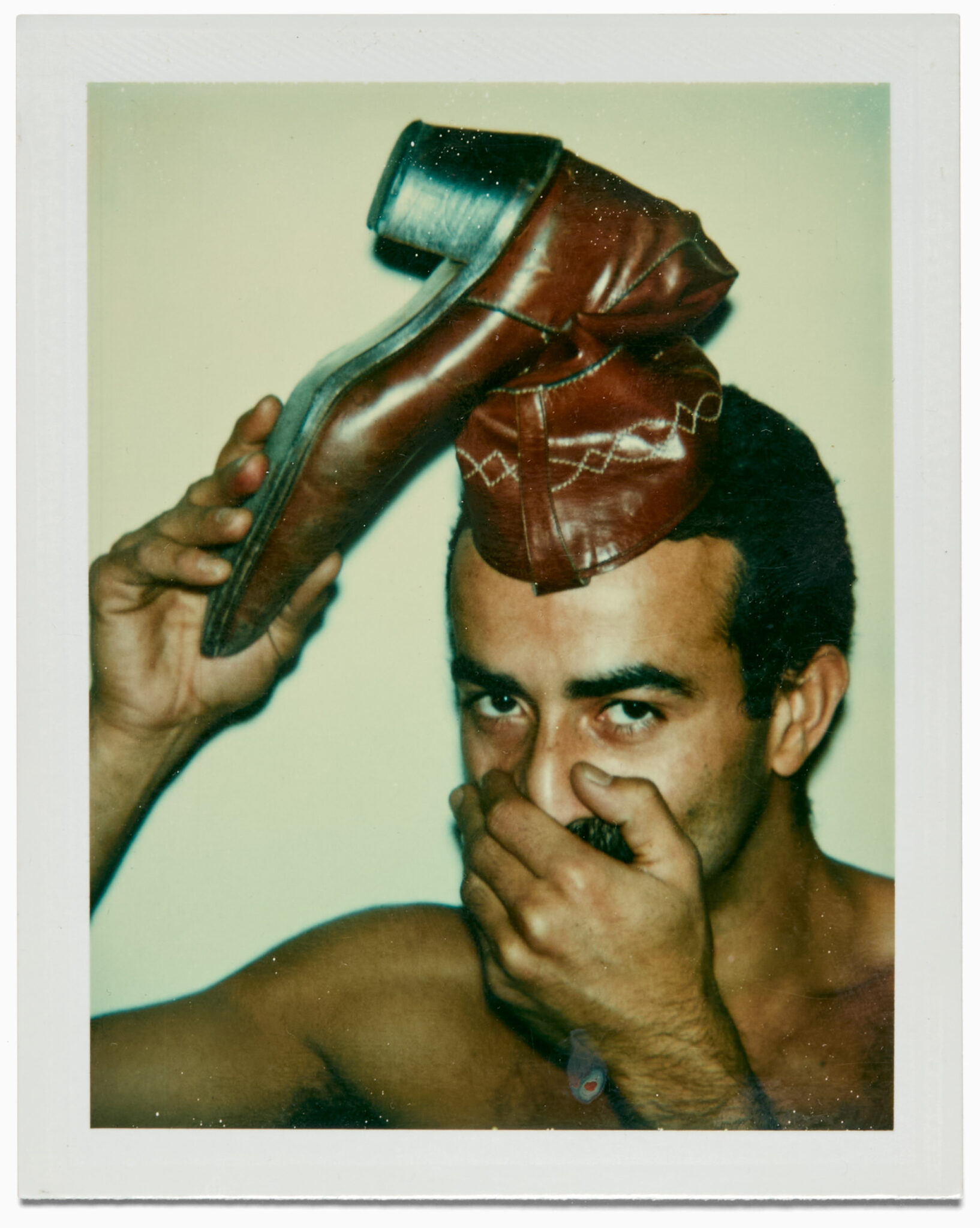
Andy Warhol, “Victor Hugo and Boot,” 1977. Polacolor Type 108, 4 1/4″ x 3 3/8″. © 2025 The Andy Warhol Foundation for the Visual Arts, Inc. and Licensed by Artists Rights Society (ARS), New York.
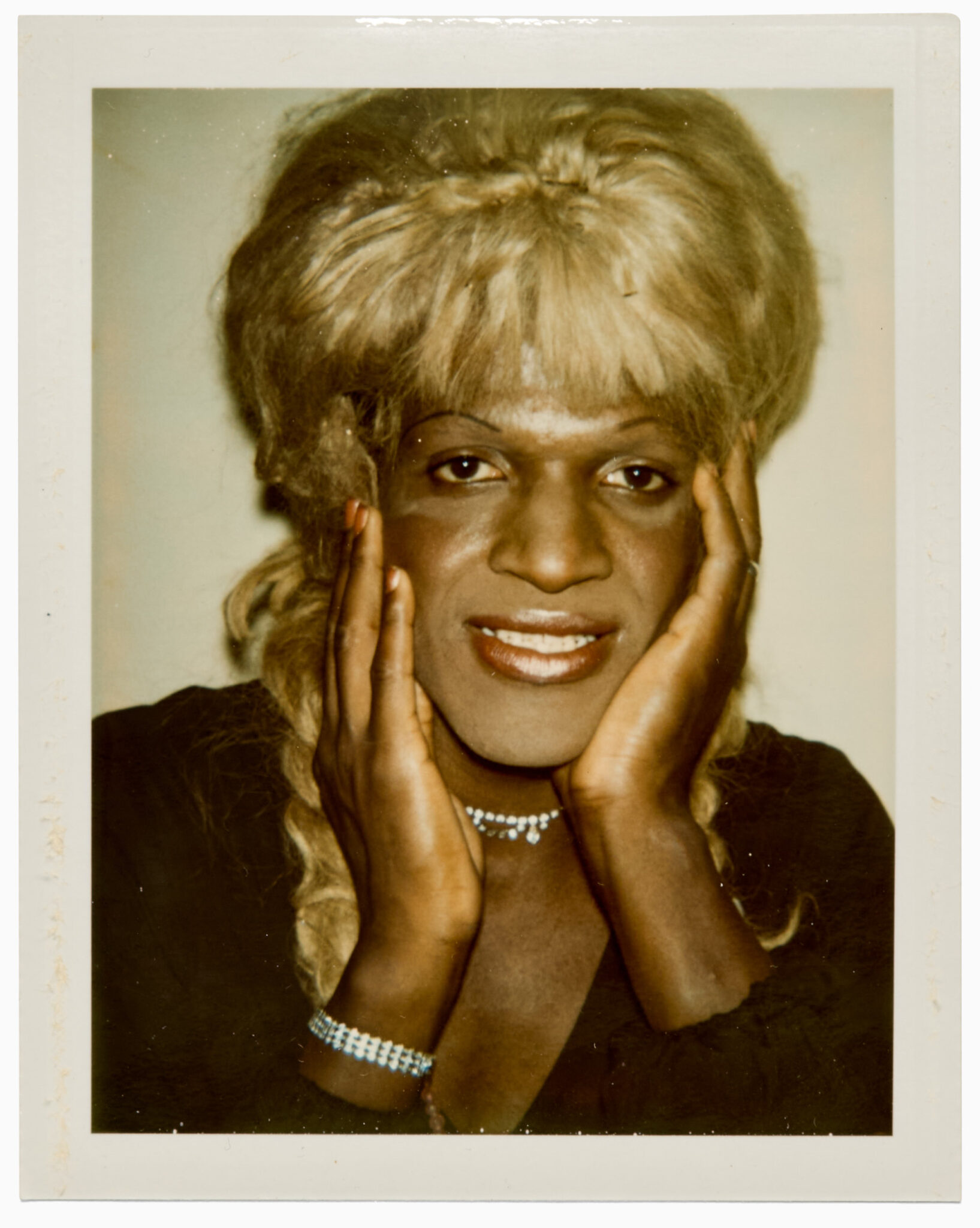
Andy Warhol, “Marsha P. Johnson (Ladies and Gentlemen),” 1974. Polacolor Type 108, 4 1/4″ x 3 3/8″. © 2025 The Andy Warhol Foundation for the Visual Arts, Inc. and Licensed by Artists Rights Society (ARS), New York.
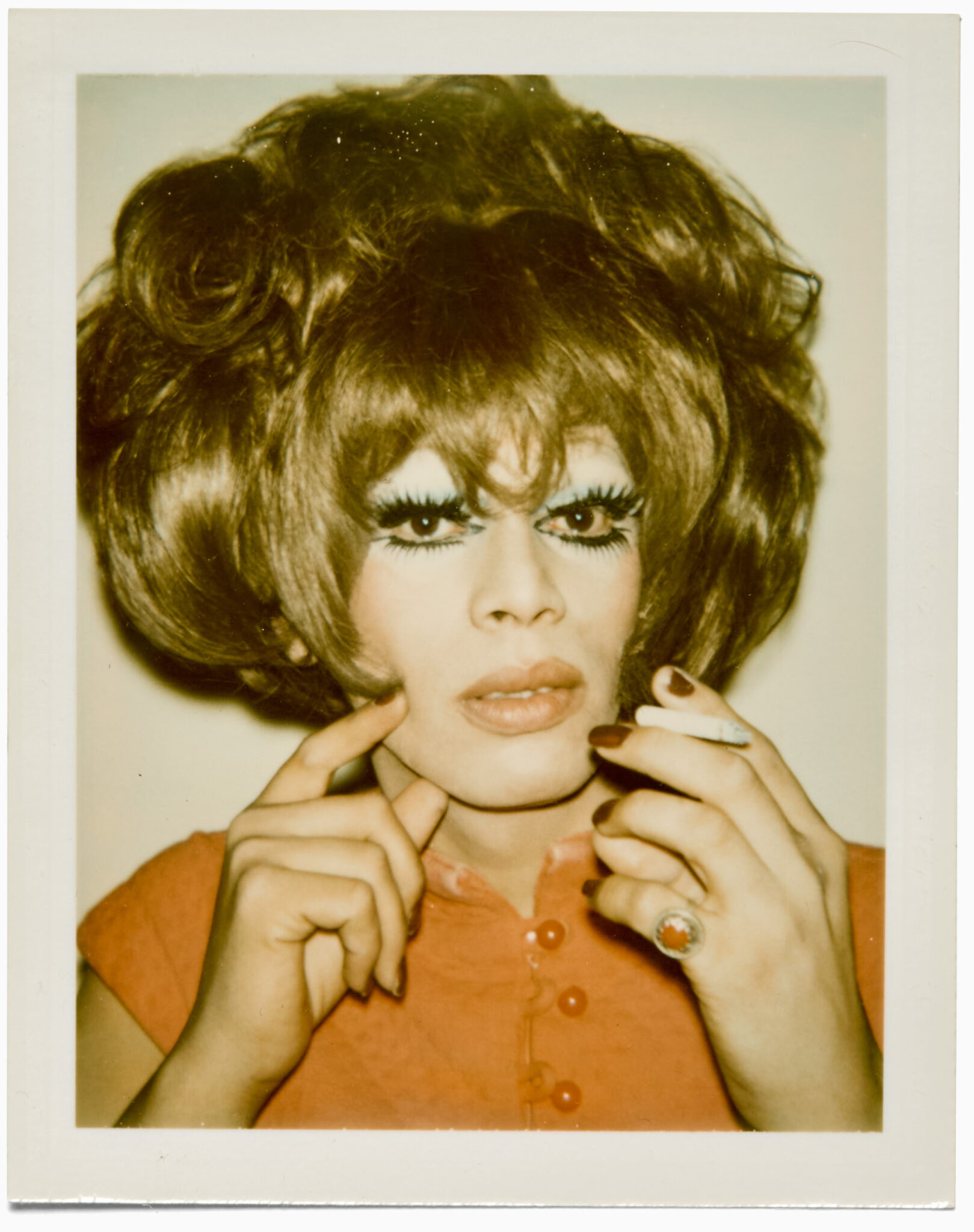
Andy Warhol, “Helen/Harry Morales (Ladies and Gentlemen),” 1982. Polacolor Type 108, 4 1/4″ x 3 3/8″. © 2025 The Andy Warhol Foundation for the Visual Arts, Inc. and Licensed by Artists Rights Society (ARS), New York.
Some 150 of these Polaroids are now on view in Andy Warhol: The Dialectical Third, open at the Grove Foundation for the Arts through November 15, 2025.
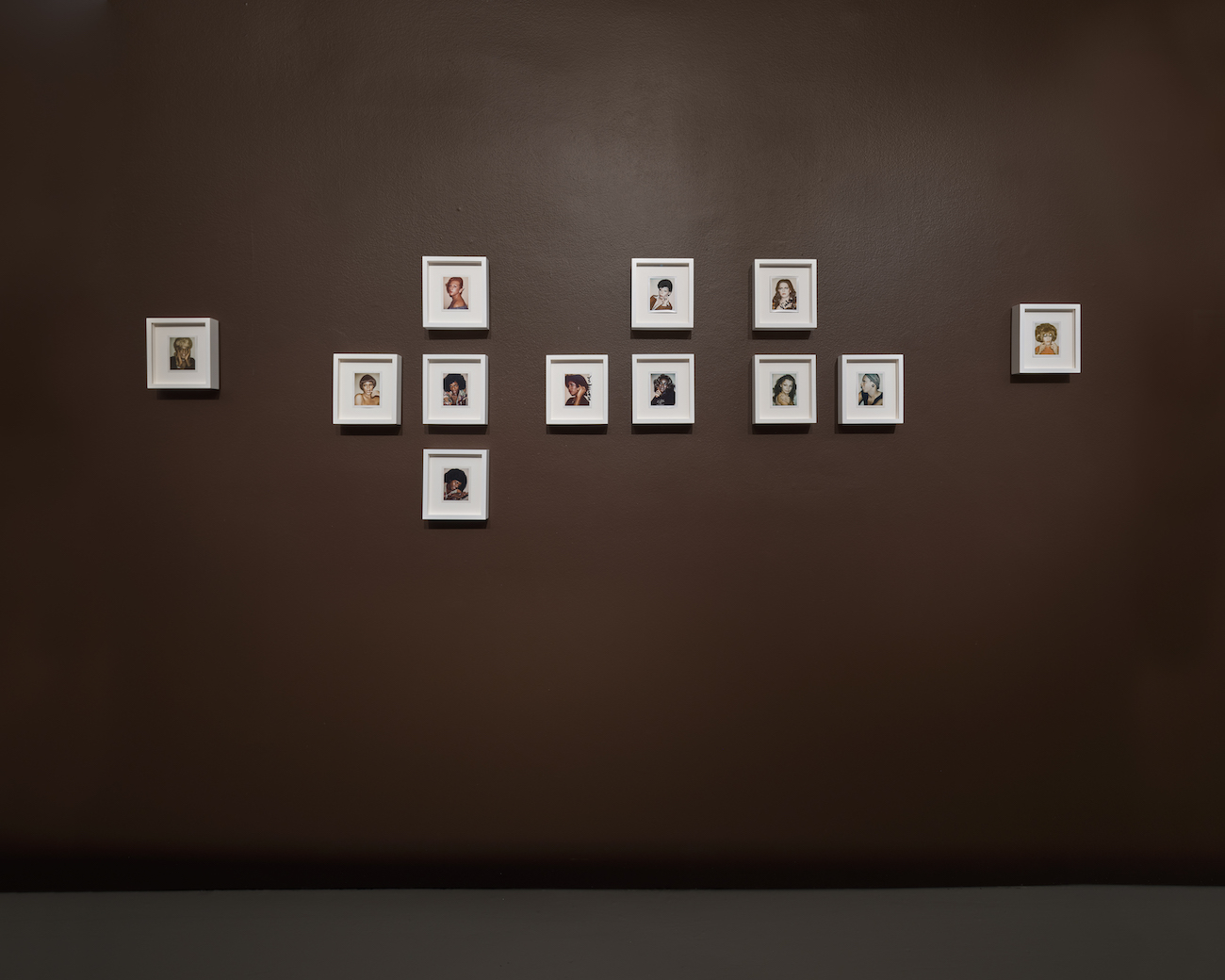
Installation view of “Andy Warhol: The Dialectical Third” at the Grove Foundation for the Arts in New York, NY, held Oct. 24–Nov. 15, 2025.
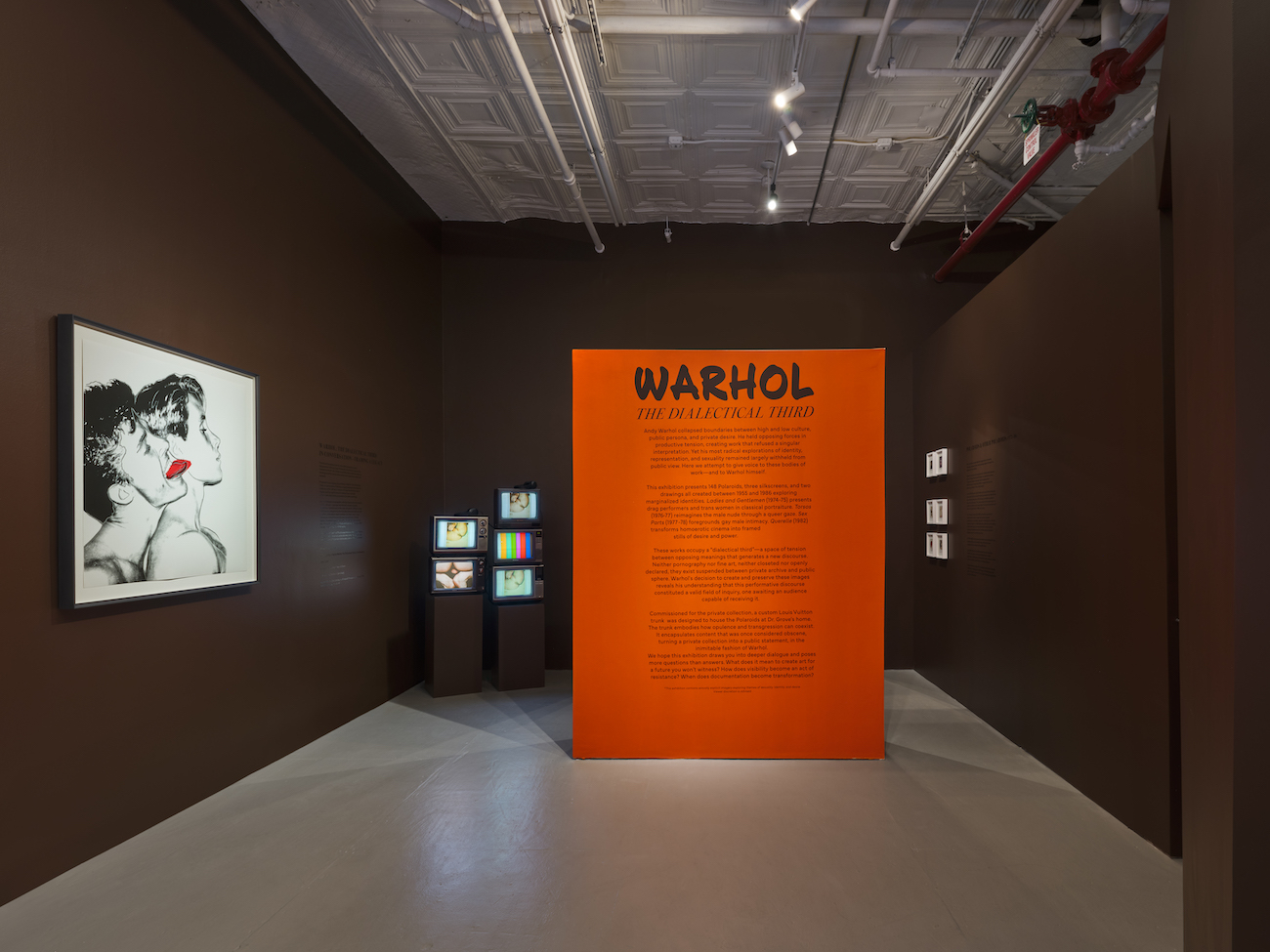
Installation view of “Andy Warhol: The Dialectical Third” at the Grove Foundation for the Arts in New York, NY, held Oct. 24–Nov. 15, 2025.
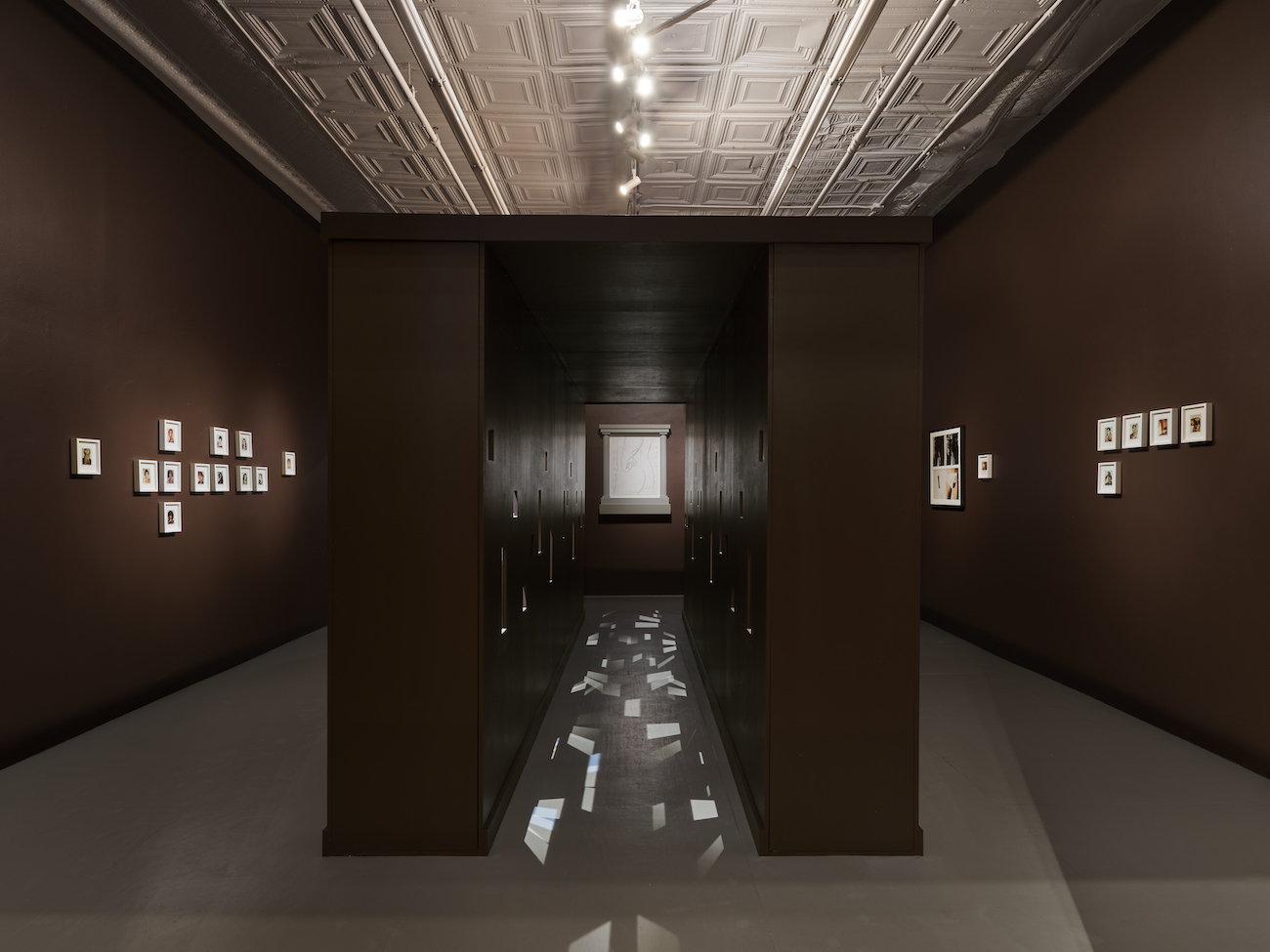
Installation view of “Andy Warhol: The Dialectical Third” at the Grove Foundation for the Arts in New York, NY, held Oct. 24–Nov. 15, 2025.
Exhibition Information:
Andy Warhol
The Dialectical Third
October 24–November 15, 2025
The Grove Foundation for the Arts
86 Walker Street, New York, NY 10013
Grove Foundation for the Arts: Website | Instagram
My Modern Met granted permission to feature photos by Alma Communications.
Related Articles:
Andy Warhol’s Iconic Polaroid Portraits Will Have Their Own Exhibit in London
Illuminating Essence of New York City in the 1980s Captured in Vintage Color Photos
See What 1970s New York’s Pulsating Nightlife Looked Like in New Exhibition