

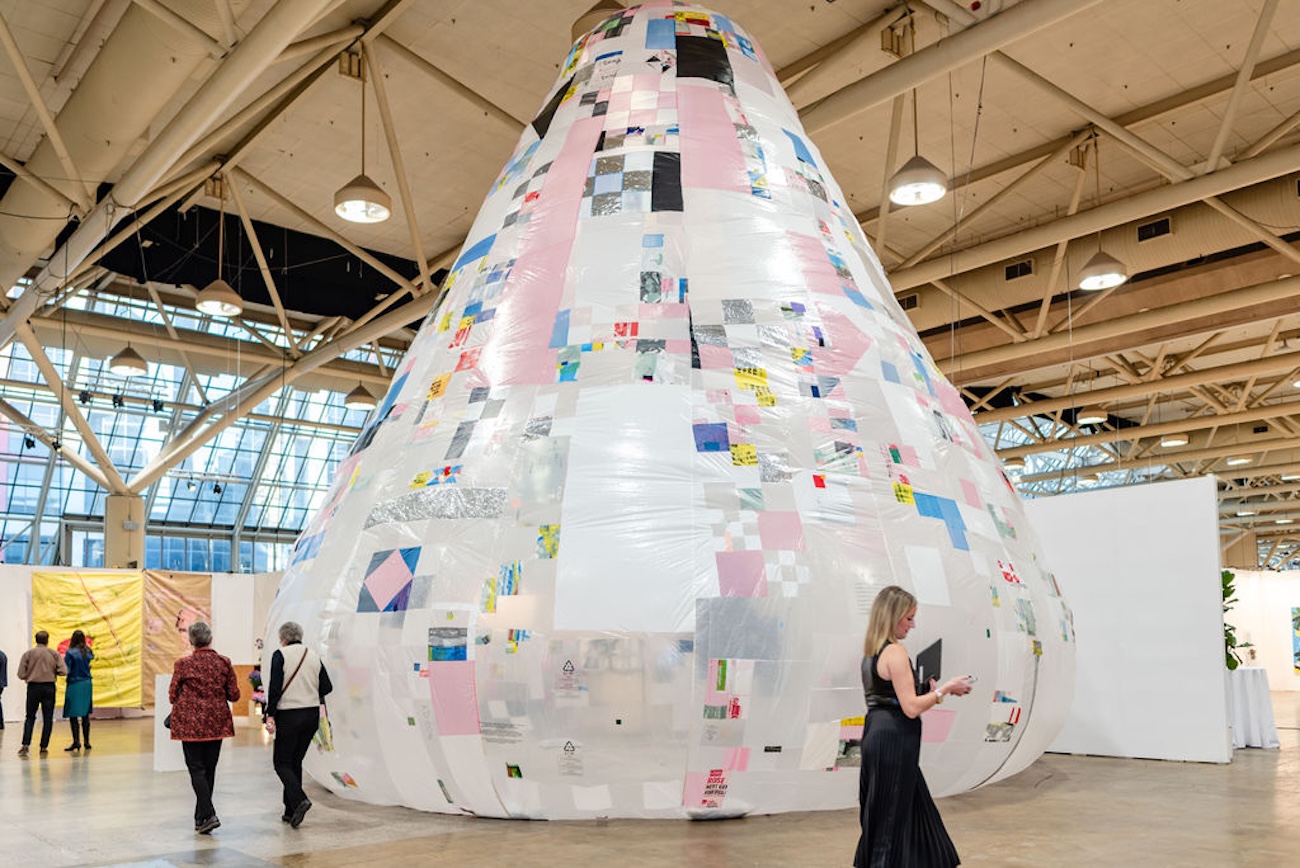
Installation from Art Toronto 2024
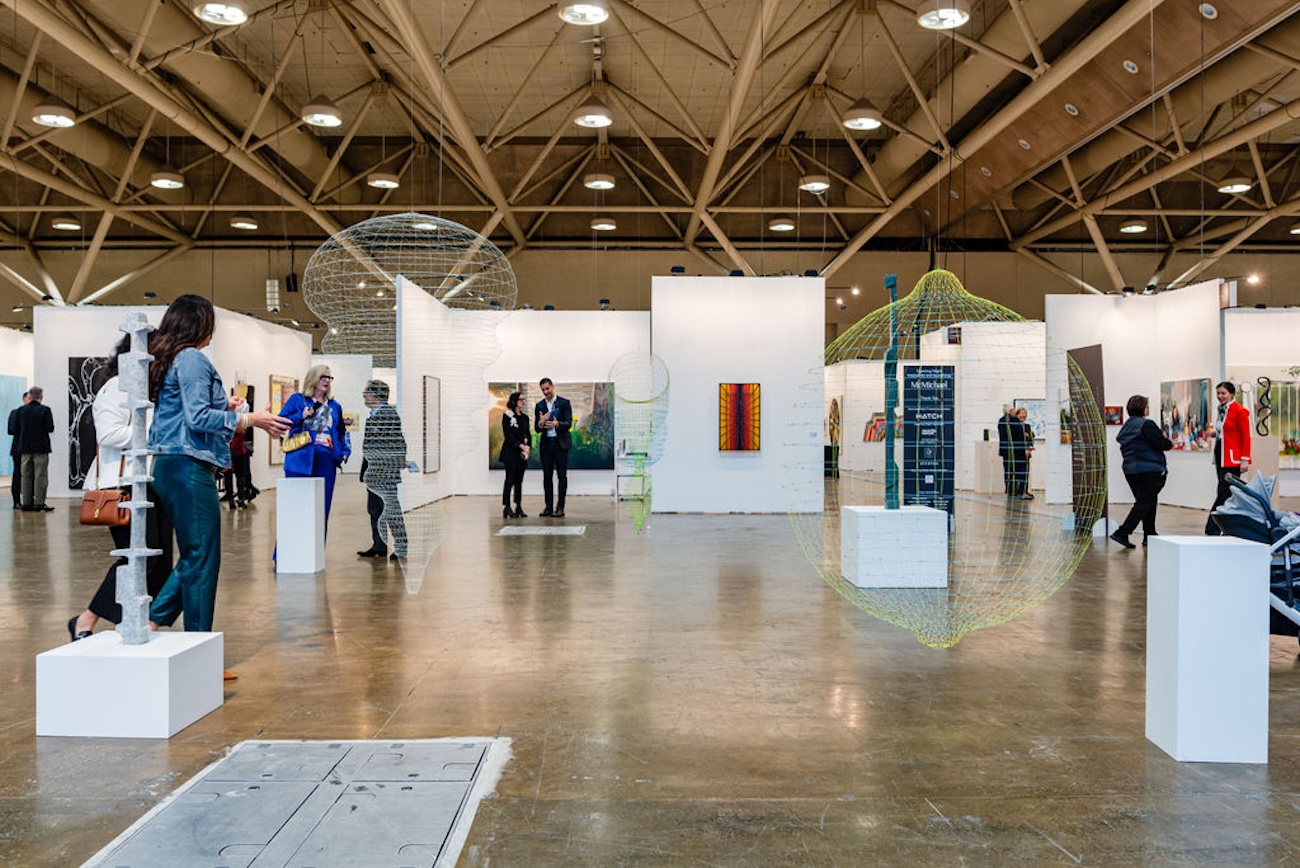
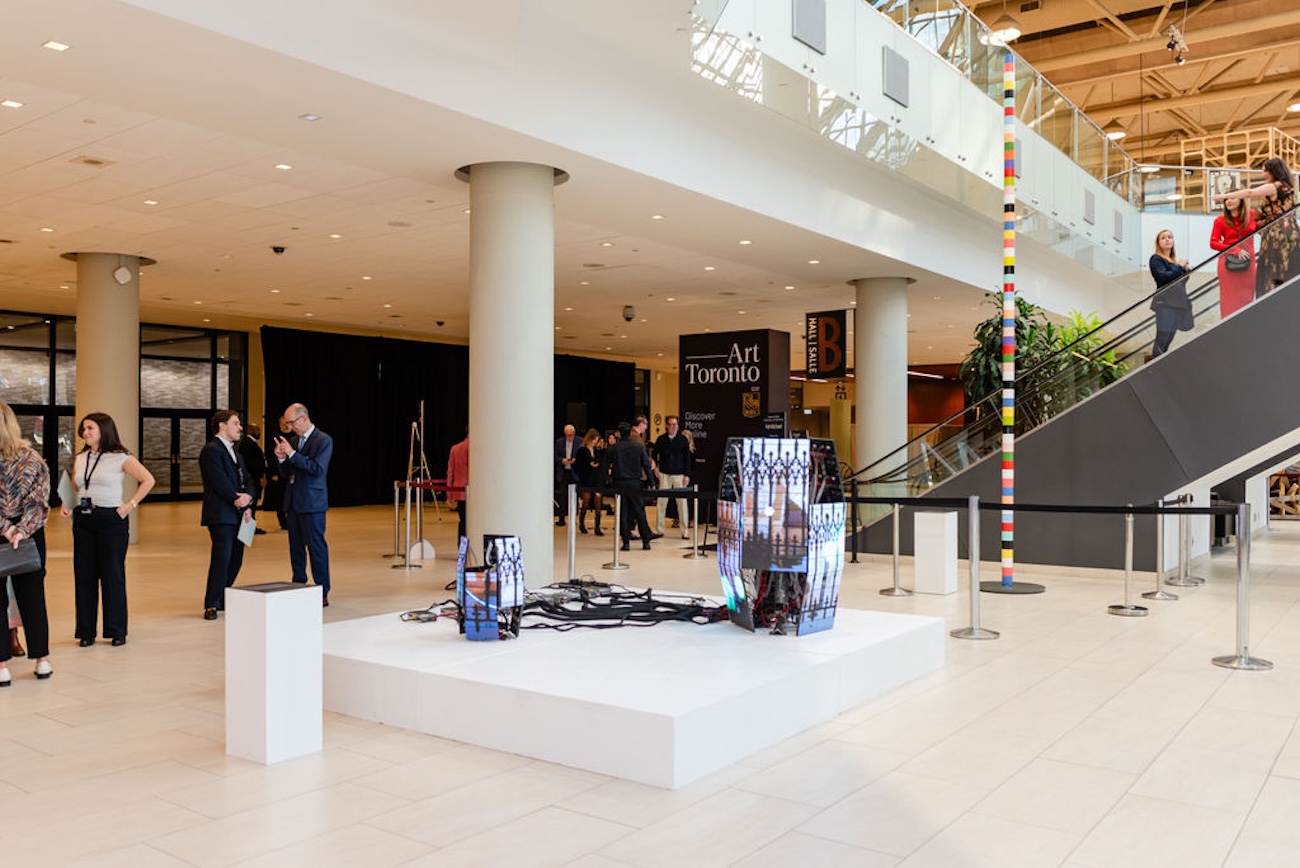
The beauty of an art fair is that it offers a chance to showcase the creative culture of the city or region where it is held. The Seattle Art Fair, for instance, used the event as an opportunity to explore the long tradition of glass art in the Pacific Northwest region. Art Toronto is another fair tapping into the host city and the greater country’s rich culture to develop its distinct point of view. Happening October 23 through October 26, 2025, the event returns for its 26th year. Billed as “Canada’s art fair,” Art Toronto primarily showcases Canadian galleries with a significant focus on the work of Indigenous artists and the places representing them.
Art Toronto attracts around 20,000 visitors over its three-day run. As an attendee, you’ll see over 110 galleries there. While this might sound like a lot, the footprint is smaller than many other art fairs. It doesn’t feel oversaturated or overwhelming, and it’s possible to see everything the show has to offer—and then go back and visit your favorites. The scale also has the benefit of increasing engagement between you, the galleries, and the artists at the fair.
In addition to the gallery booths, Art Toronto has supporting programming that highlights curators and creates exhibitions within the scope of the larger fair. One such program is called the Focus exhibition, which, each year, invites a new curator to create a group show with work pulled from the attending galleries. This offers new ways of looking at the works, as pieces are put together in conversation with one another—as opposed to being in separate booths.
My Modern Met spoke with Art Toronto Director Mia Nielsen about the art fair. She shared what she’s excited about and what she hopes visitors will take away from the event. During our talk, she also revealed a secret collaboration that’s happening at Art Toronto 2025. We won’t share it here, so you’ll have to attend the fair to see it.
Scroll down for our exclusive interview, which has been edited for clarity and condensed for length.
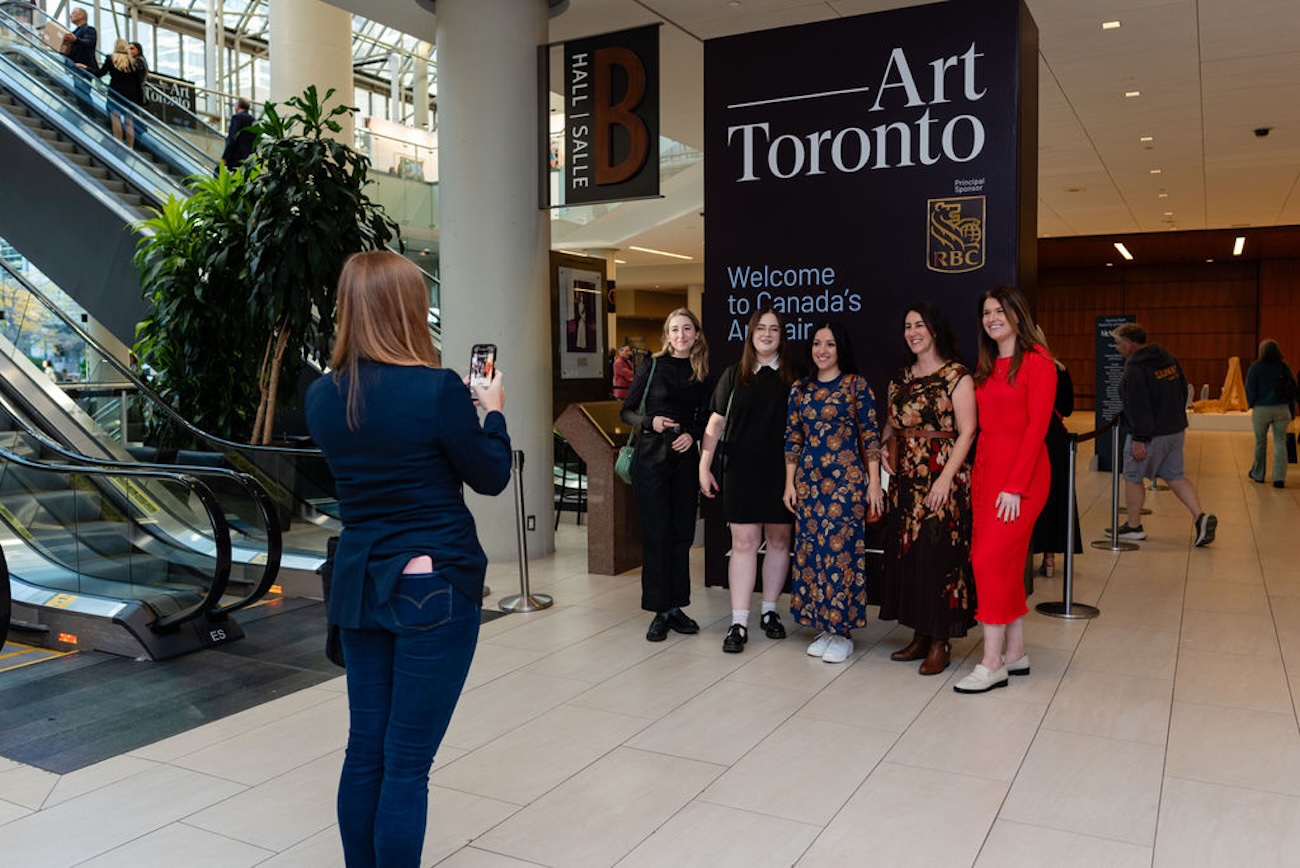
Installation from Art Toronto 2024
For those unfamiliar with Art Toronto, how would you describe it?
This is an international art fair from a Canadian perspective, so the majority of our galleries are from Canada. You’ll certainly see international galleries, but you’ll see a lot of galleries that don’t do other international fairs. One of the things that I always find super interesting about this show is that the Indigenous art market is very well established in Canada. That includes a lot of tradition, not kitschy, but traditional—Inuit printmaking is really important, for instance.
Over the last five to 10 years, we’ve seen this new generation of Indigenous artists who are using traditional techniques: beading, leather, all pulling from their heritage in really meaningful ways. Maybe they grew up on a reserve, but they’re urbanites. They’re like coming to the work with a really strong contemporary perspective. So this year, more than half of our galleries have Indigenous artists in their programs. And through this development of the Indigenous art market, we are also seeing a global indigeneity that I’m quite excited about. So, for instance, we have N.Smith coming from Australia. Their program is focused exclusively on Indigenous artists from the South Pacific, including Maori artists.
We also have a number of galleries coming from South and Central America, so that includes representation of Indigenous artists from the Amazonian region. So I think there’s going to be a really interesting perspective that is growing out of Art Toronto and people who are interested in the work of Indigenous artists and seeing what brings them together, what makes them distinct in North America, but around the world as well.
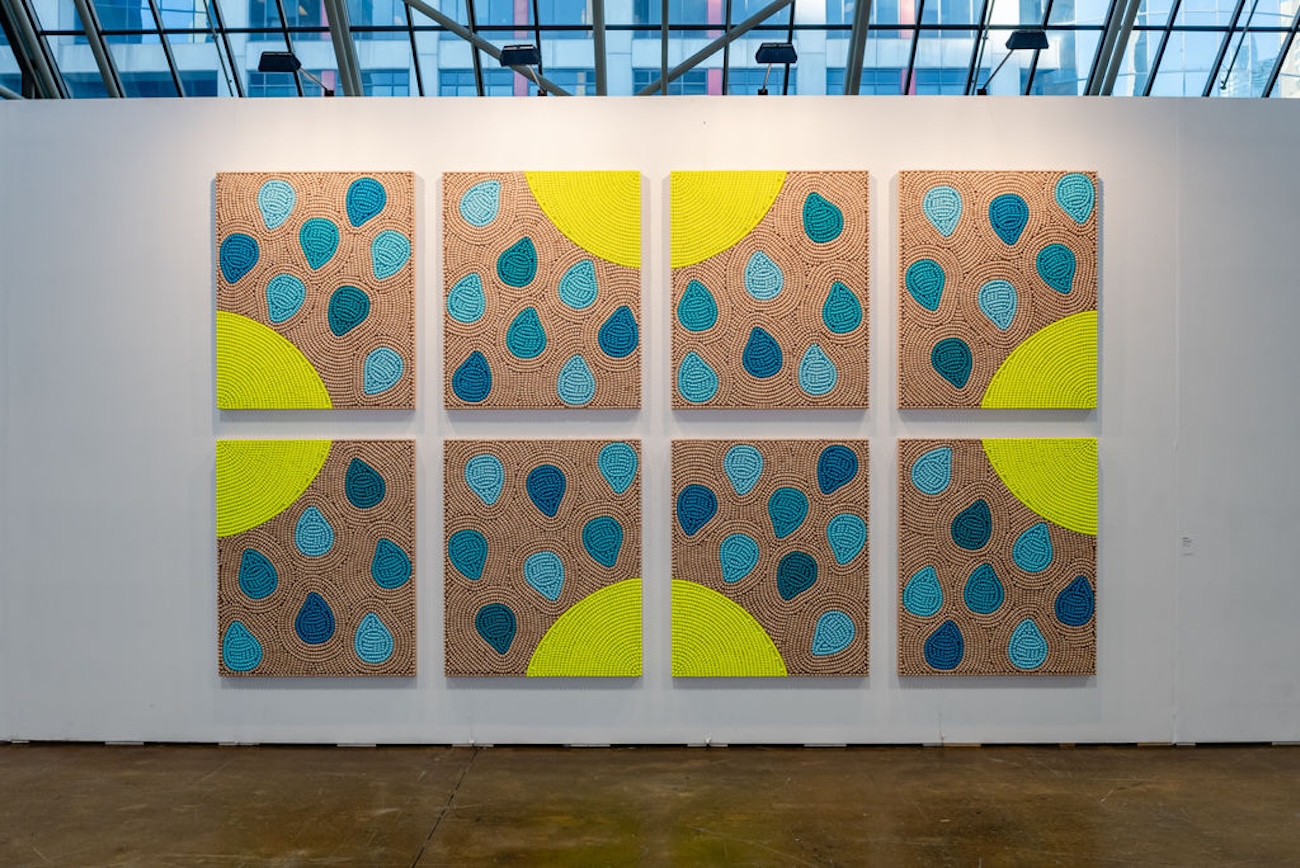
Installation from Art Toronto 2024
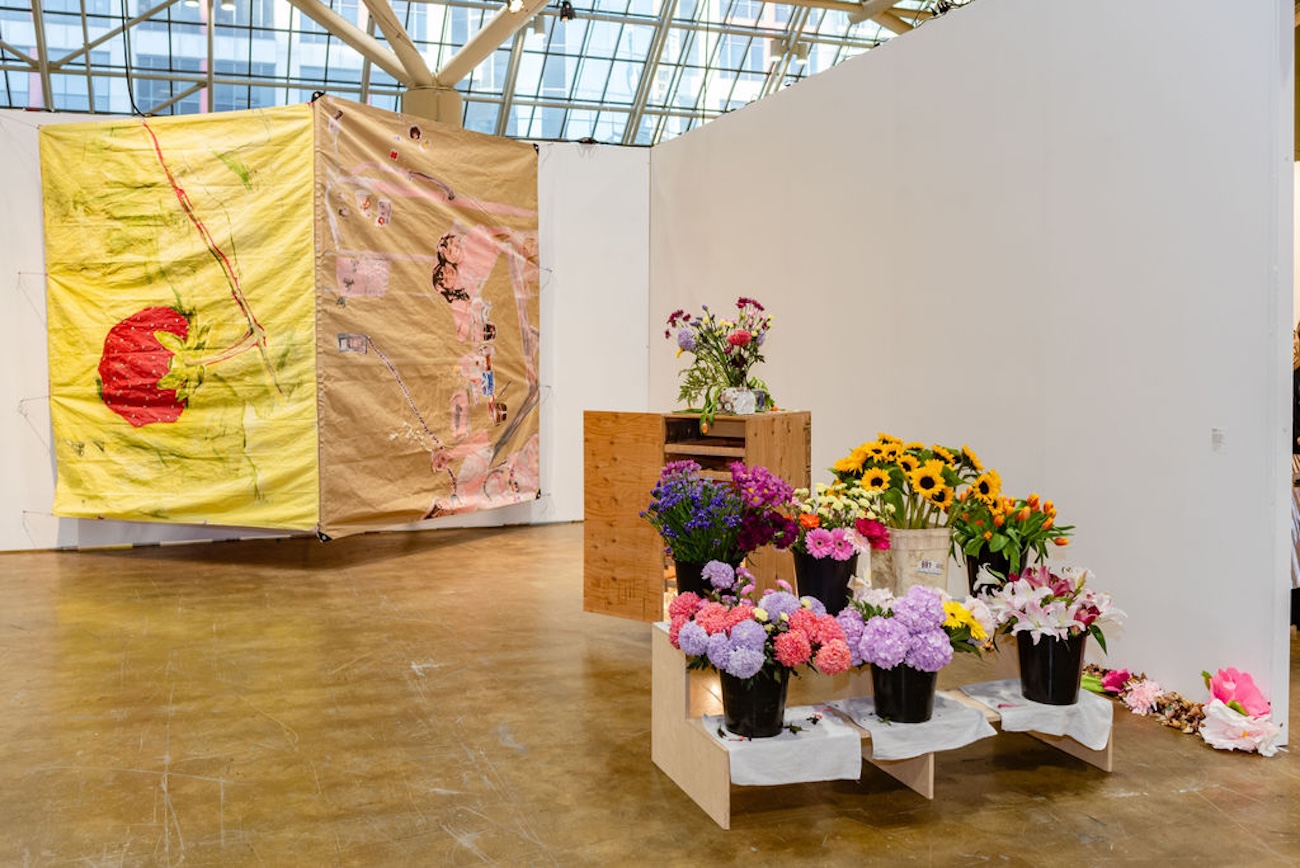
Installation from Art Toronto 2024
Was the inclusion of Indigenous artists something you actively cultivated in trying to attract galleries and artists?
It actually has come up quite naturally because Indigenous artists have been represented by galleries in Toronto, at Art Toronto, from the very first edition. The beginning of it was very organic, and then we also see Indigenous artists coming out of Canada who are developing international reputations. For instance, Kent Monkman, who was the first artist invited to create site-specific works for the reception hall at The Met [in New York City].
And so it becomes a bit hand in glove, right? As the director, one of the things that I see is what are the things that are naturally coming out of the fair? And how do we cultivate that—guide, mold, encourage, and attract—a unique collector type, because of course, the international art fair market is dense. There are so many art fairs.

Installation from Art Toronto 2024
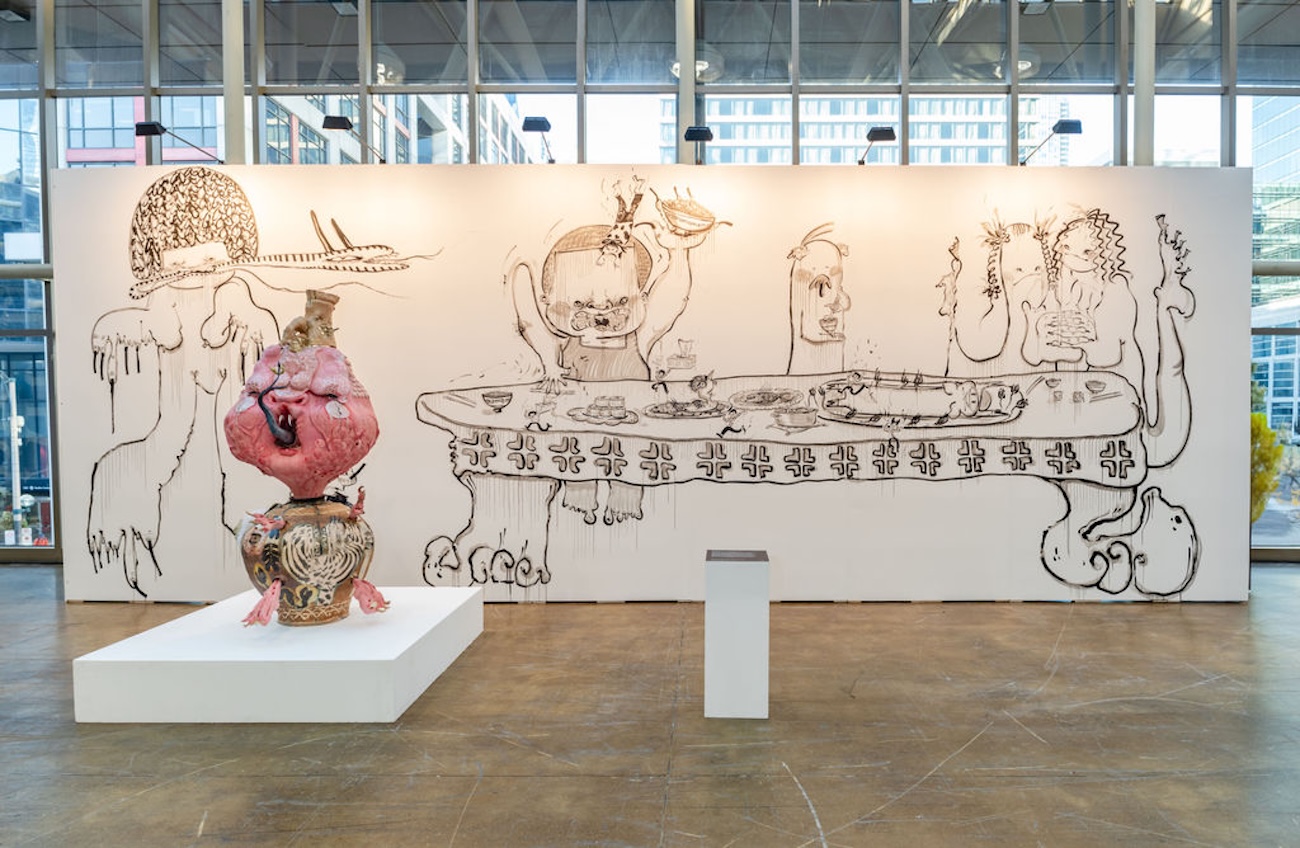
Installation from Art Toronto 2024
What’s your favorite part of attending Art Toronto?
I’m gonna say a couple of things. One is I always love our Focus exhibition. It’s a program we started. This will be the fourth edition. Each year, we invite a notable curator to create a group exhibition pulled from the rosters of our galleries.
My intention with that is to really elevate that fair experience. The exhibition is adjacent to one of the entrances. You can choose to enter the fair this way or exit the fair this way. With art fairs, there can be so much like over-saturation. You go from gallery to gallery and your head swims. With this project, the curator kind of creates a critical lens through which to see the work that sets a new tone. This year, we’re working with Dr. Zoe Whitley. She is based in the UK. Most recently, she was the director of Chisenhale Gallery. She has a storied career where she has had senior curatorial roles at every major institution in London. She has put together this beautiful, evocative exhibition.
So I would say that, number one.
We also have a program called Curators in Conversation, which I absolutely adore. Every year, we bring in a notable curator. This year, it’s Kemi Ilesanmi, who was the executive director of The Laundromat Project in New York.
It’s always interesting to hear from a notable curator. We run that program twice on the opening day of the show. In the morning, it’s exclusively for invited curators, so institutional curators. And that’s fun because it becomes a bit of a closed-door session, and it’s like a “great conversation over coffee with friends” kind of vibe. And they do it again in the afternoon for the general public, which is also super informative and great, and it’s just good to bring the public into that.
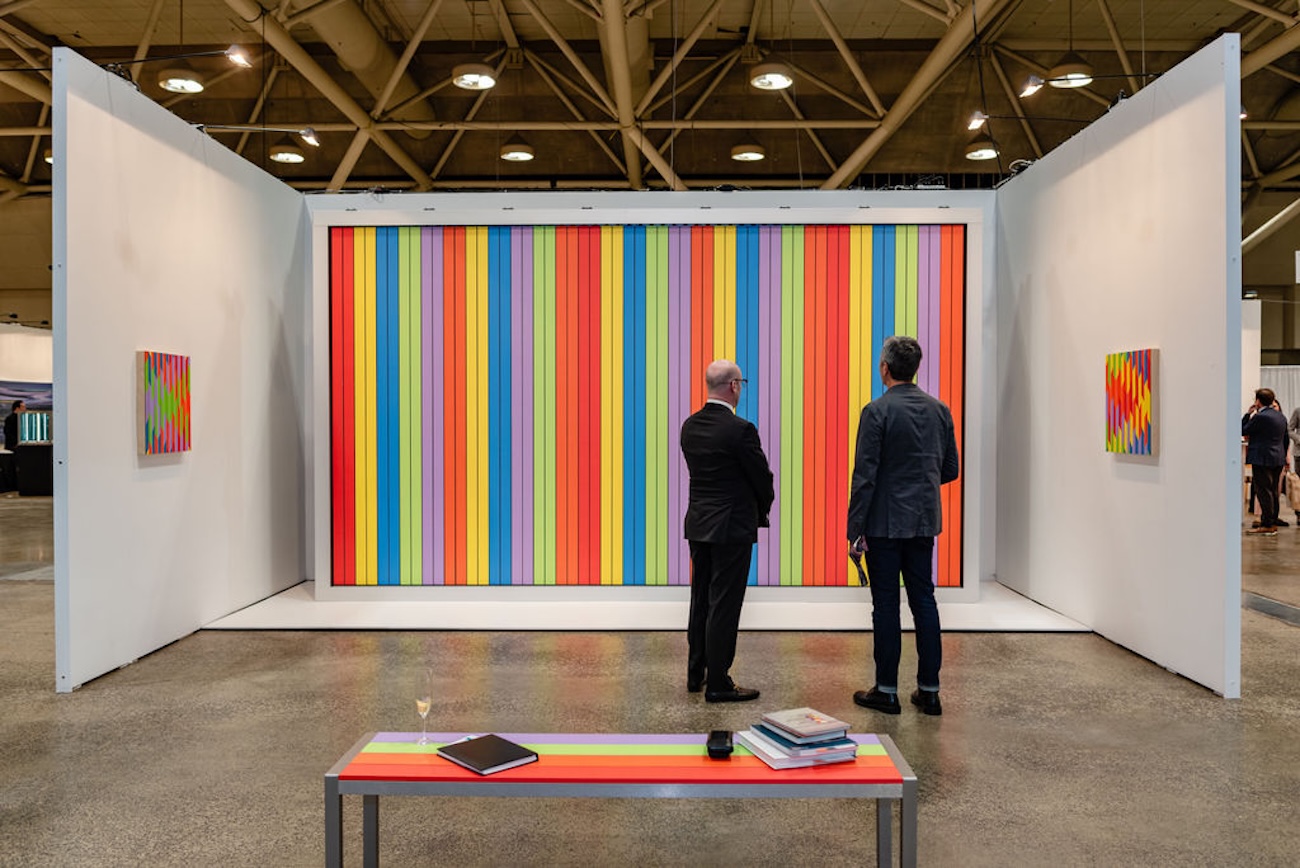
Installation from Art Toronto 2024
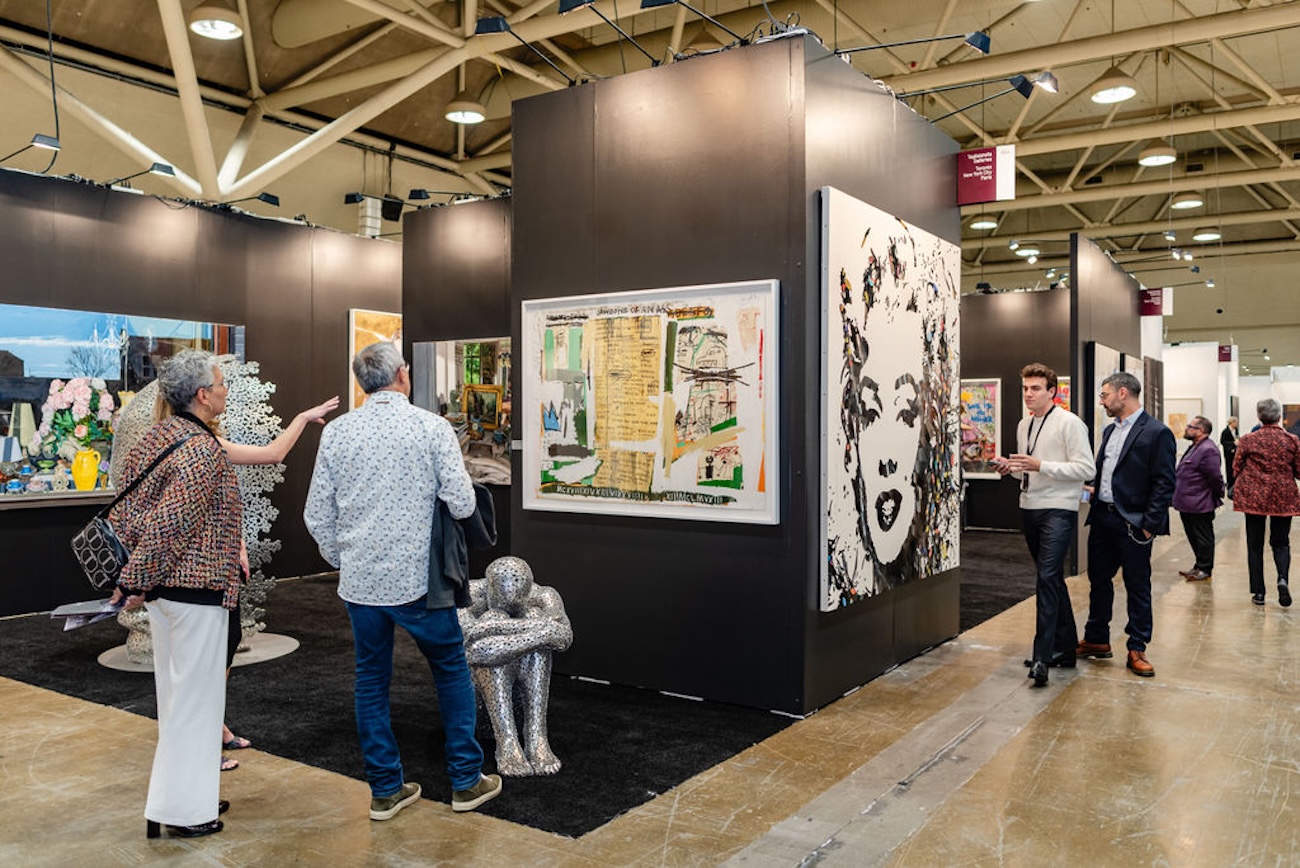
Installation from Art Toronto 2024
What do you hope that visitors take away from the fair this year?
Certainly, I want them to take work home. I want them to be inspired and be inspired to live with art. This year, I would love for audiences to take the opportunity to think more deeply about the role Canadian artists play in the international art world. We have a new section this year called Arte Sur with 11 galleries from South and Central America curated by Karen Huber. This was part of what brought more Indigenous artists, but that global thread is really interesting to me, even though, of course, there’s a lot more that happens in Canada than art from Indigenous communities. I think the interconnectivity is really exciting and seeing artists explore [similar] themes from different places.
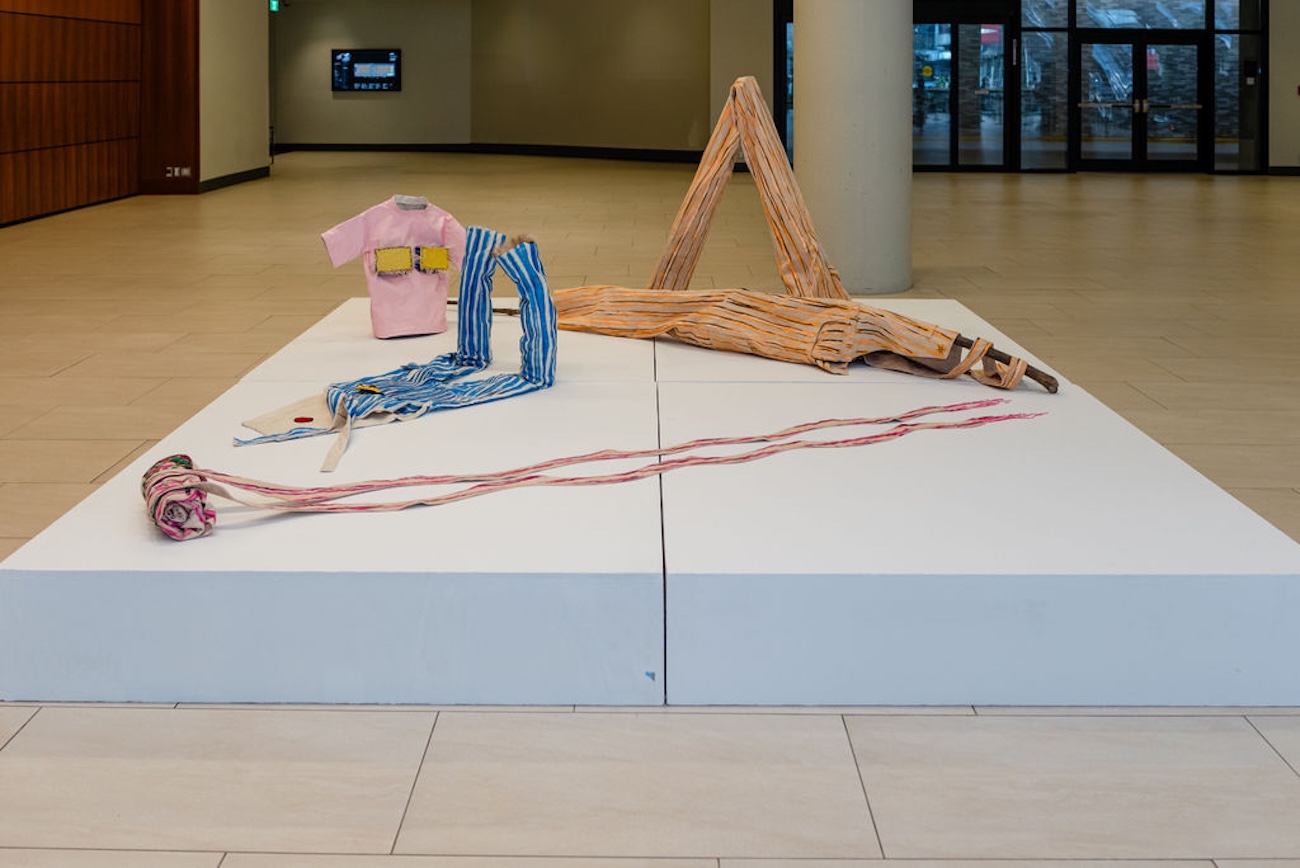
Installation from Art Toronto 2024
Installation from Art Toronto 2024
Is there anything that we haven’t talked about that you want readers to know?
Toronto is an amazing city for culture. It is a place where, particularly those visiting from outside of Canada, are going to come and have a very distinct and unique experience. Toronto is one of the most multicultural cities in the world, so it’s a constant embarrassment of riches in all the things you can do on any day at any time of the day.
Installation from Art Toronto 2024