
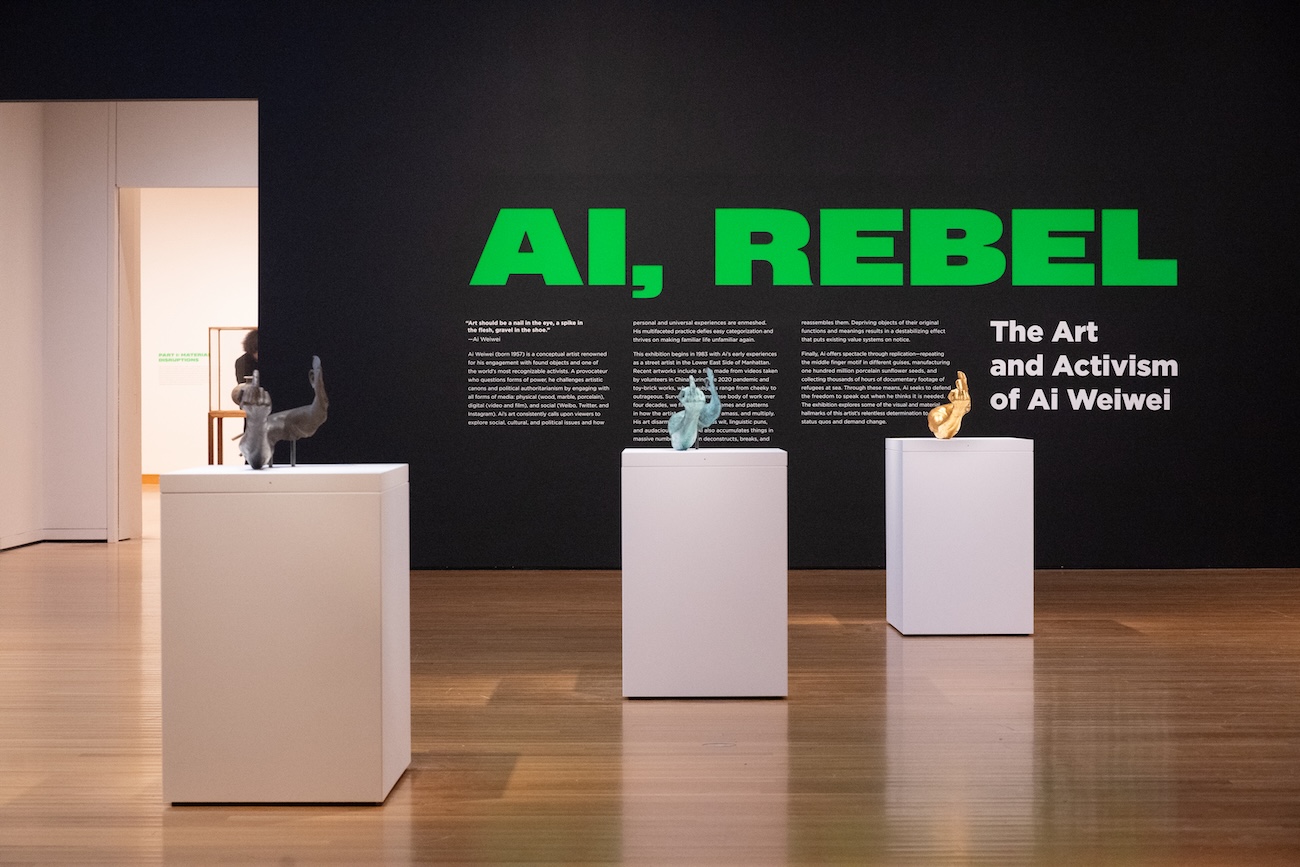
Installation view of Ai, Rebel: The Art and Activism of Ai Weiwei at Seattle Art Museum, 2025. (Photo: Chloe Collyer)
For four decades, Chinese-born artist-activist Ai Weiwei has created work that questions power, advocates for human rights and freedom of speech, and challenges authoritarianism. His work, which implores us to interrogate history, society, and culture—often with humor and a bit of goading—is so impactful that Weiwei was detained by Chinese authorities in 2011 for 81 days, and he’s been living in exile from China since 2015. The Seattle Art Museum (SAM) is examining his oeuvre with the largest-ever U.S. exhibition of his works, and his first retrospective in the country in over a decade. Titled Ai, Rebel: The Art and Activism of Ai Weiwei, the show features 130 works from the 1980s to the 2020s, including performance, photography, sculpture, installations, and more.
The exhibition’s title is a play on the artist’s name and the book I, Robot, a collection of science-fiction short stories by Isaac Asimov. I, Robot imagines the development of robots with a form of artificial intelligence while also exploring the moral implications of technology. “Asimov’s stories of fake molecules and human-like robots share parallels with Ai Weiwei’s exploration of fakes and replicas,” SAM explains.
Ai, Rebel is organized in roughly chronological order and in three themes, through which it delves into facets of the artist’s practice. The first section is “Introducing the Rebel,” which features photographs from Weiwei’s early career. “Material Disruptions” is five galleries highlighting the artist’s propensity for collecting and the deconstruction of various materials like pottery shards and antiquities. The final part of the exhibition is “Watching Ai Watching Power,” and it chronicles Weiwei’s evolution toward overt activism as a form of solidarity with those experiencing the fallout from human-made disasters and oppression.
Eugene Kim, co-founder and editor-in-chief of My Modern Met, had the opportunity to view the exhibit while visiting Seattle. He says, “Through the art and activism of Ai Weiwei, Seattle Art Museum has adeptly shone a spotlight on the world-renowned provocative artist during such a poignant political time around the world. This exhibit truly displays the power of art and activism and makes us question the world around us in a very effective way.”
In addition to an expansive exhibition at SAM, Weiwei’s Water Lilies (2022) is on view at the Seattle Asian Art Museum. Weiwei, who now lives in Europe, sees parallels with Monet’s Water Lilies series. “This work is probably one of the most popular Impressionist works by Monet and surprisingly, he spent his last 20 years painting about 250 works like this,” the artist says. “About this water lily pond. So it’s really a kind of epic type of work. To structure it, I need 650,000 Lego pieces.”
“And my relation to it is, one, we live in Xinjiang,” Weiwei continues. “My father was exiled in this underground dugout. And you see the image here, the black hole, it’s the black hole there. So, I integrated my youth and my father’s exiled situation into this, because my father, in that particular time when I was 10, he told me the story. He was in Paris, and his artwork was selected by Monet’s independent salon, which was a big deal for a young artist. So, this work, basically, wrapped up my father’s tragic life. Studied in Paris, came back to China, joined the revolution, then, being exiled. And I grew up in there. And that experience made me today.”
Ai, Rebel: The Art and Activism of Ai Weiwei is open through September 7, 2025. Visit the SAM website to buy tickets and plan your visit.
Chinese-born artist-activist Ai Weiwei has a retrospective at the Seattle Art Museum (SAM).
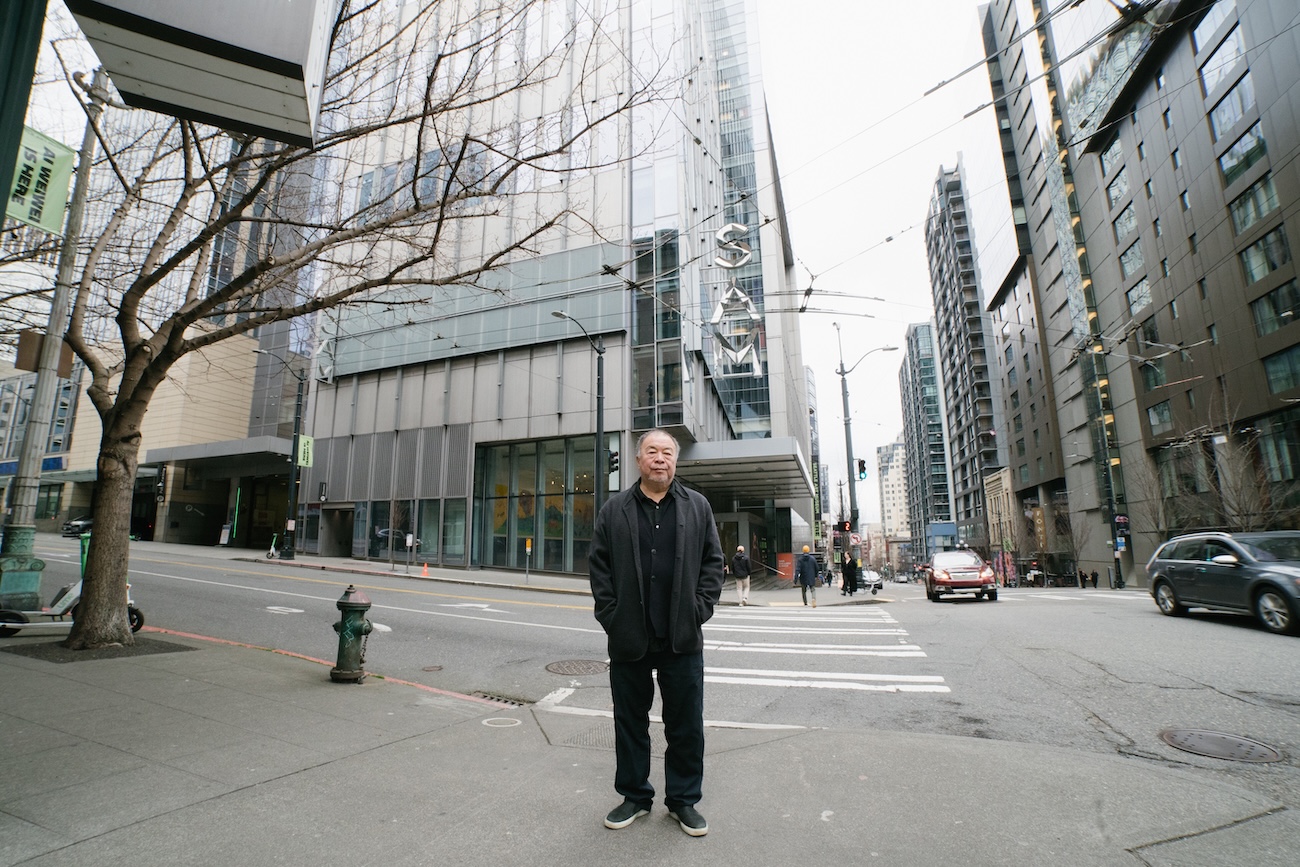
Artist Ai Weiwei visits Seattle Art Museum, Seattle Asian Art Museum in preparation for his exhibition ‘Ai Rebel’ on March 5th and 6th 2025. (Photo: Chloe Collyer)
Titled Ai, Rebel: The Art and Activism of Ai Weiwei, the show features 130 works from the 1980s to the 2020s, including performance, photography, sculpture, installations, and more.
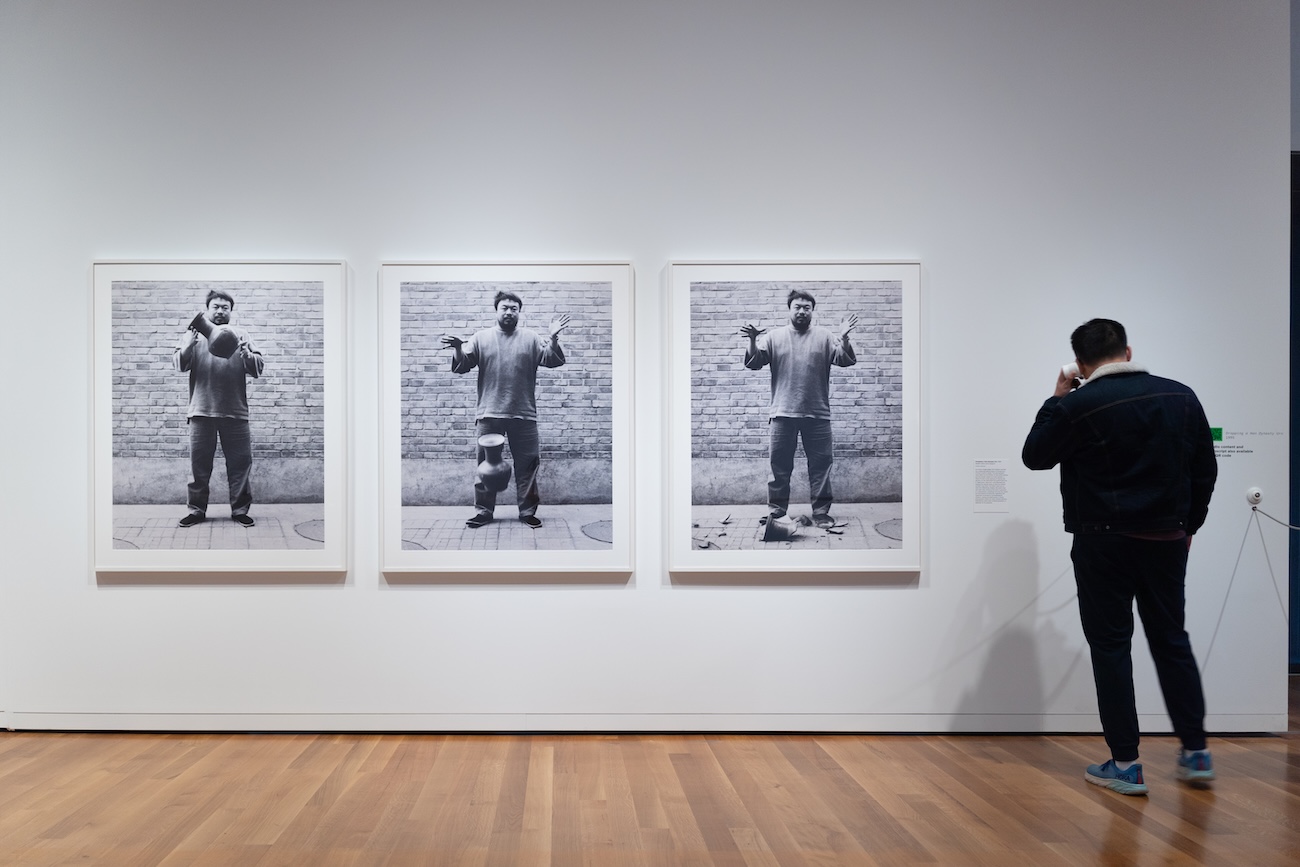
Installation view of Ai, Rebel: The Art and Activism of Ai Weiwei at Seattle Art Museum, 2025. (Photo: Chloe Collyer)
It’s the largest-ever U.S. exhibition of his works, and his first retrospective in the country in over a decade.
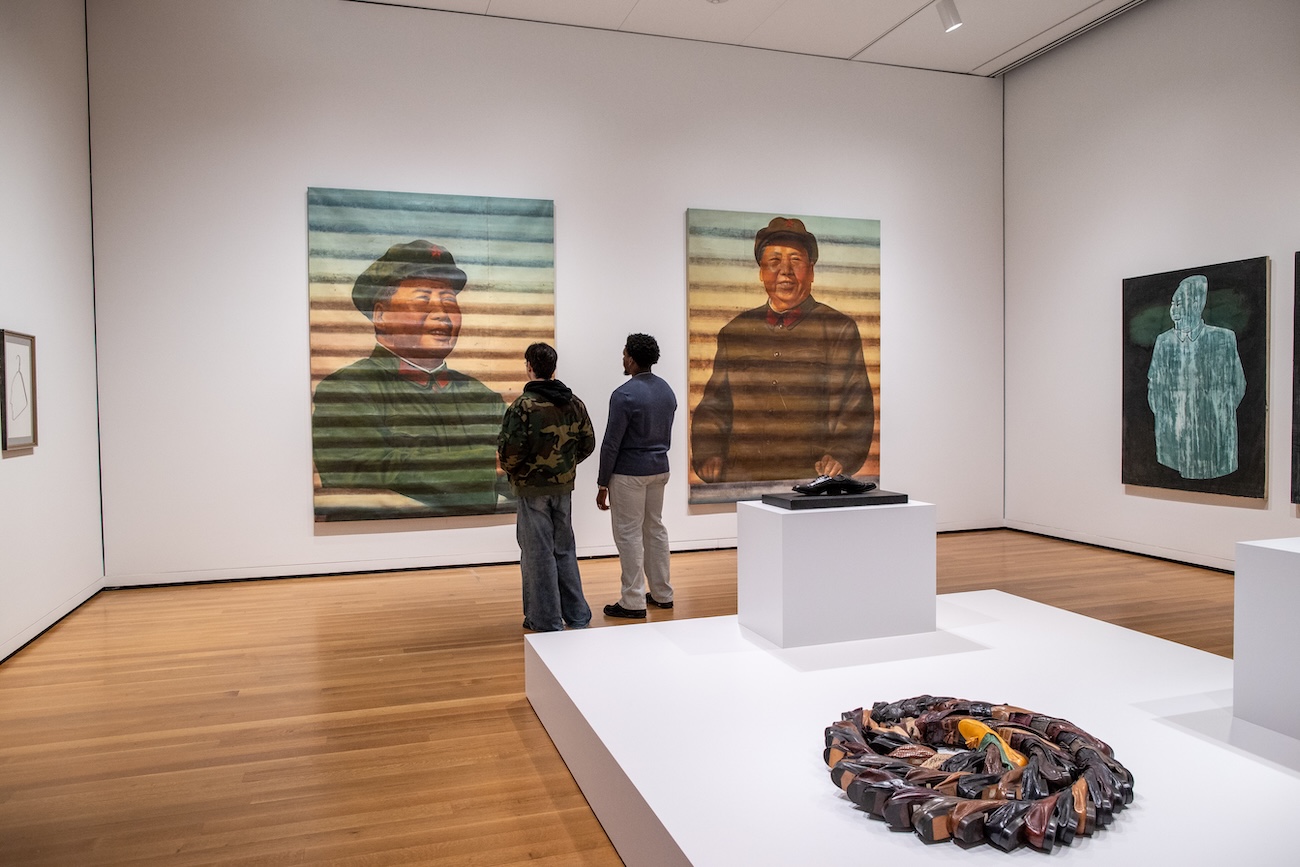
Installation view of Ai, Rebel: The Art and Activism of Ai Weiwei at Seattle Art Museum, 2025. (Photo: Natali Wiseman)
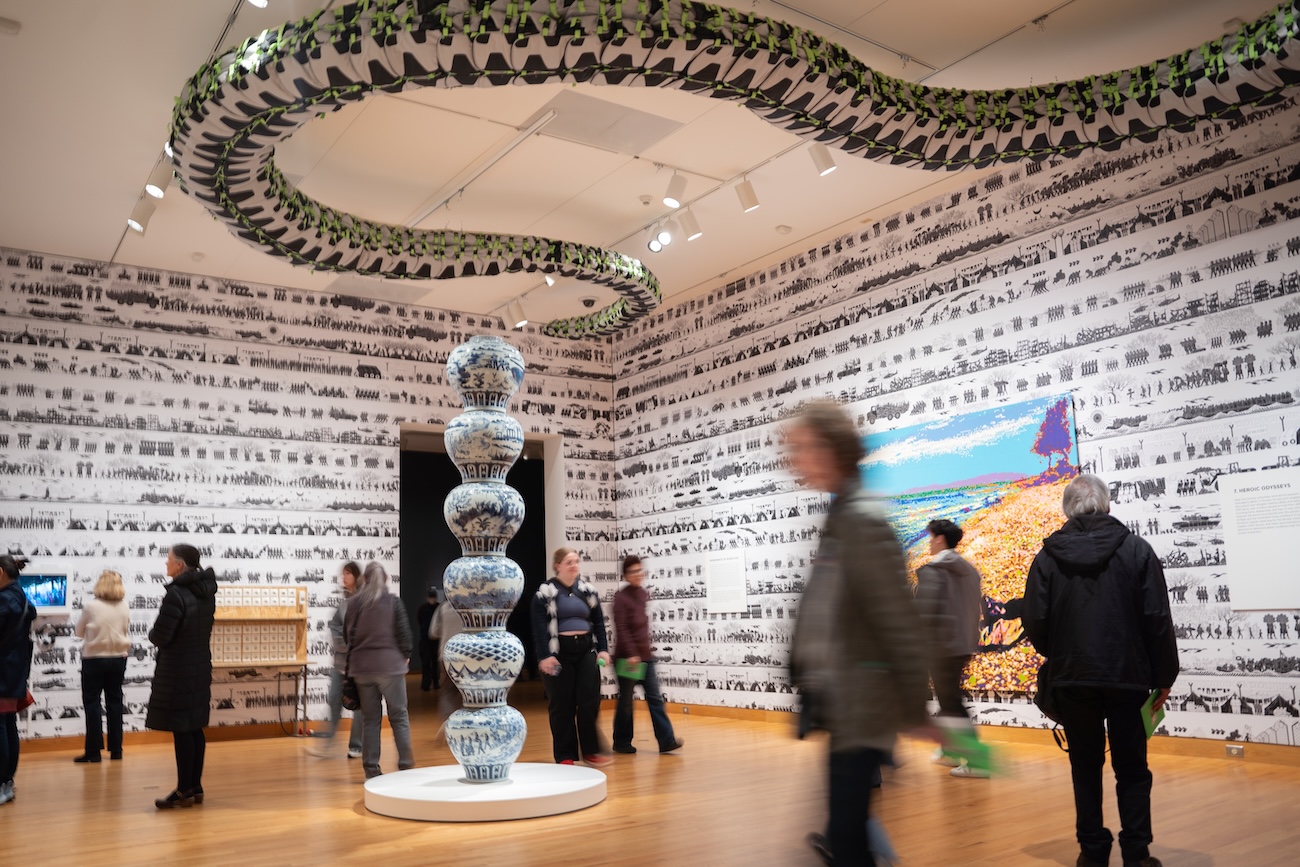
Installation view of Ai, Rebel: The Art and Activism of Ai Weiwei at Seattle Art Museum, 2025. (Photo: Chloe Collyer)
Ai, Rebel is organized in roughly chronological order and in three themes, through which it delves into facets of the artist’s practice.
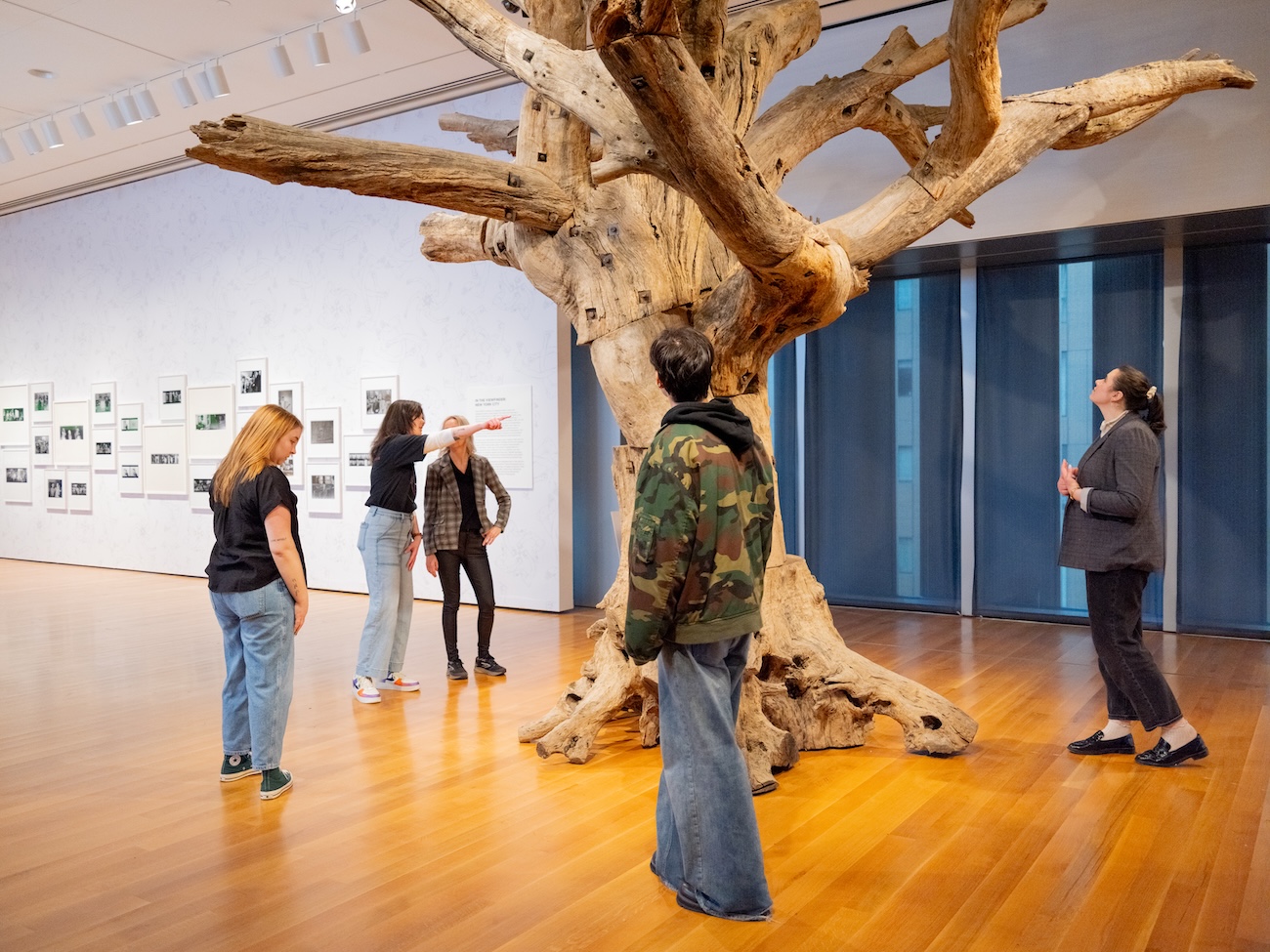
Installation view of Ai, Rebel: The Art and Activism of Ai Weiwei at Seattle Art Museum, 2025. (Photo: Alborz Kamalizad)
The exhibition is now on view until September 7, 2025.
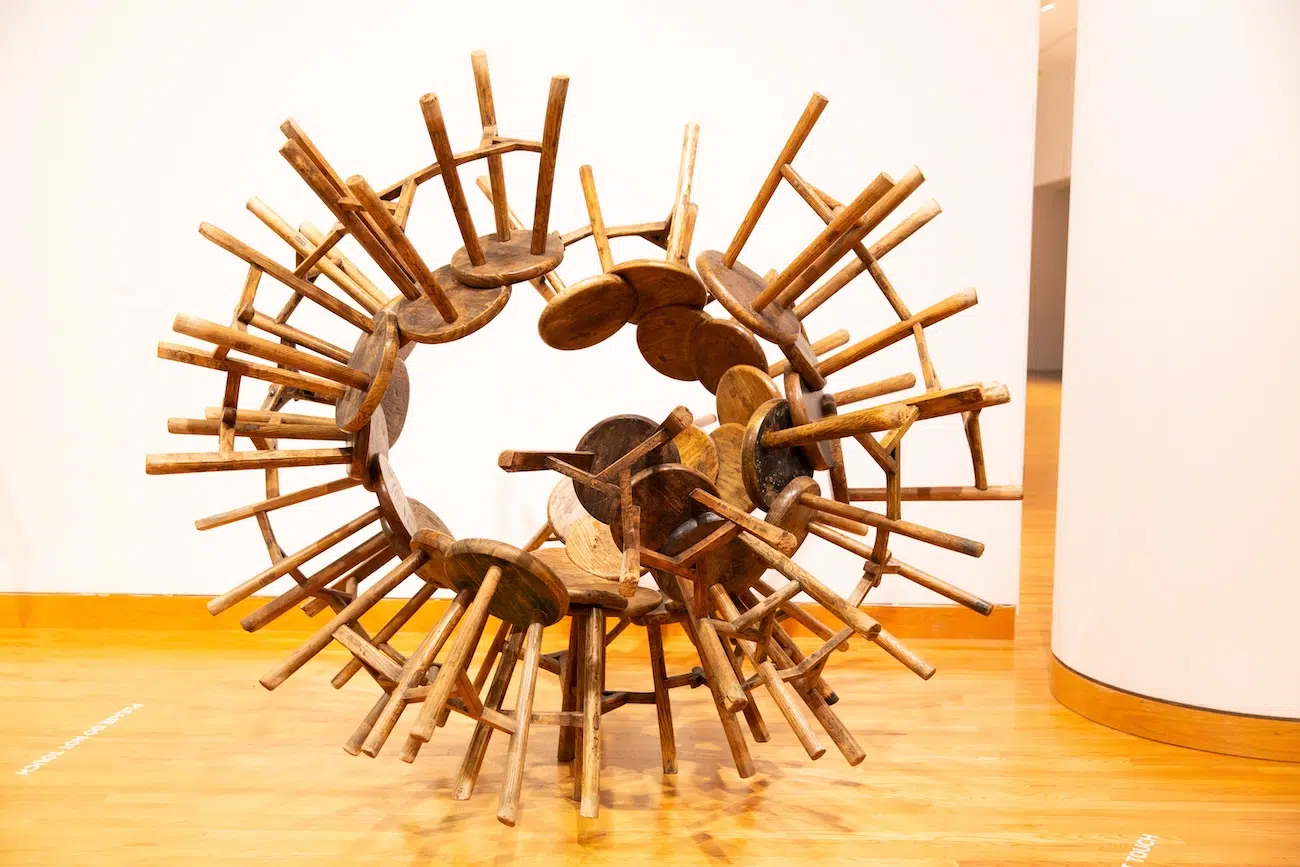
Photo: Eugene Kim / My Modern Met
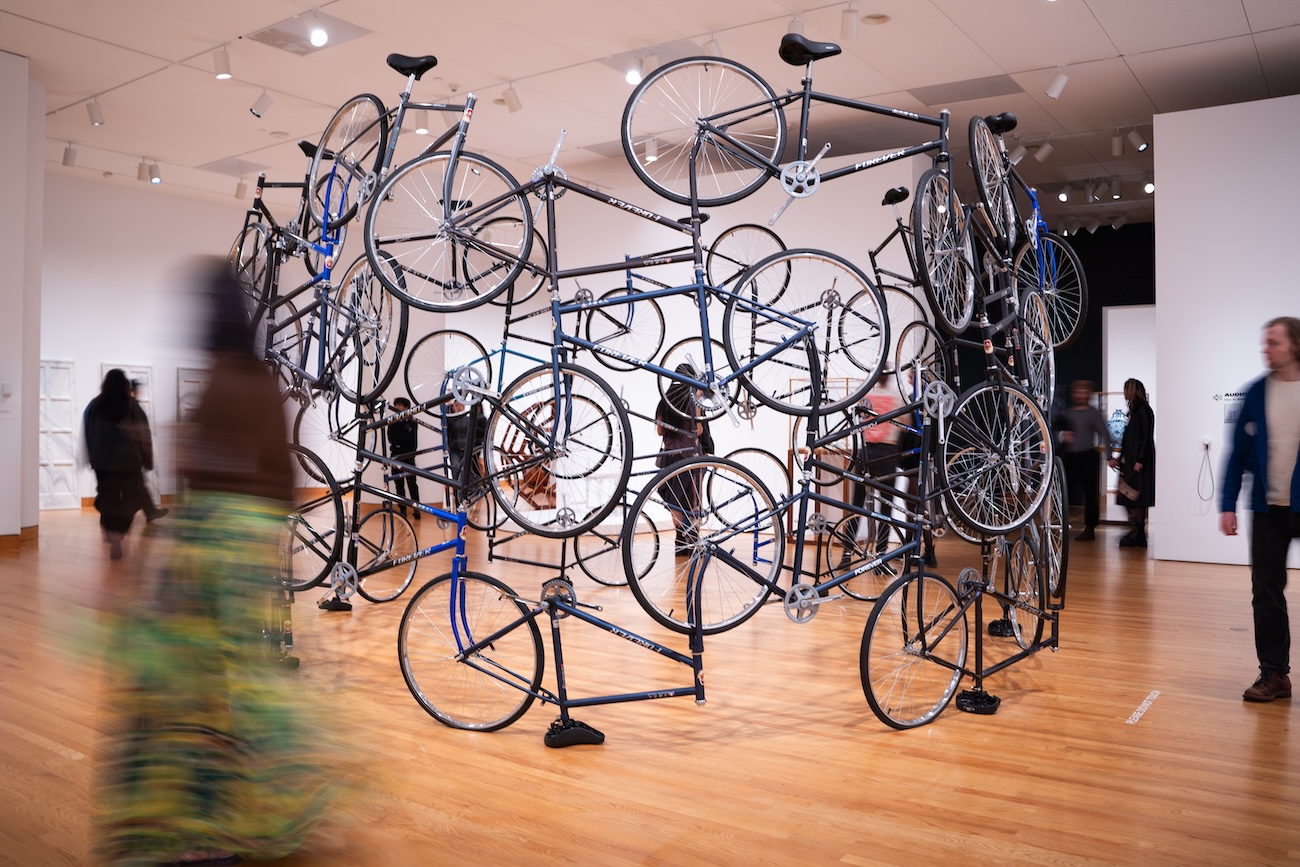
Installation view of Ai, Rebel: The Art and Activism of Ai Weiwei at Seattle Art Museum, 2025. (Photo: Chloe Collyer)
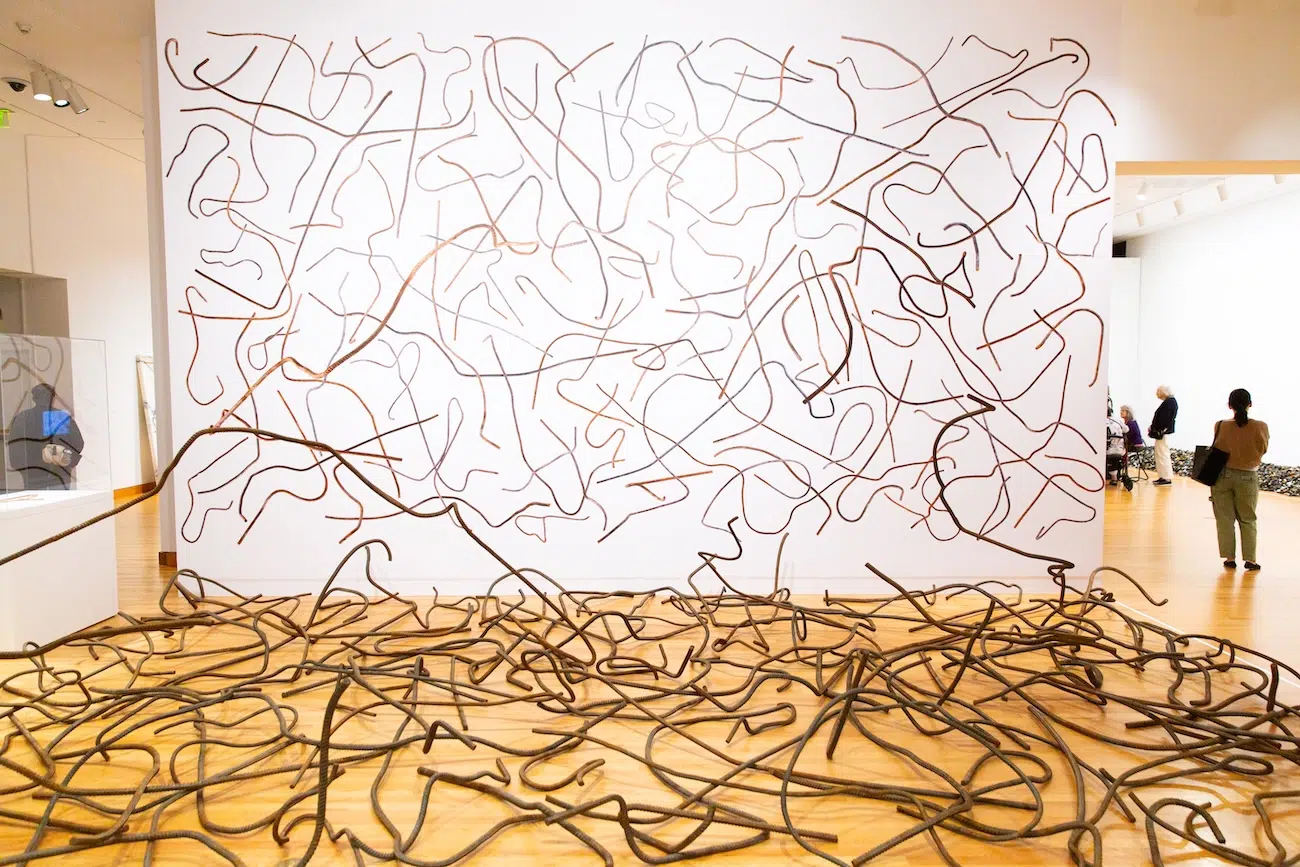
Photo: Eugene Kim / My Modern Met
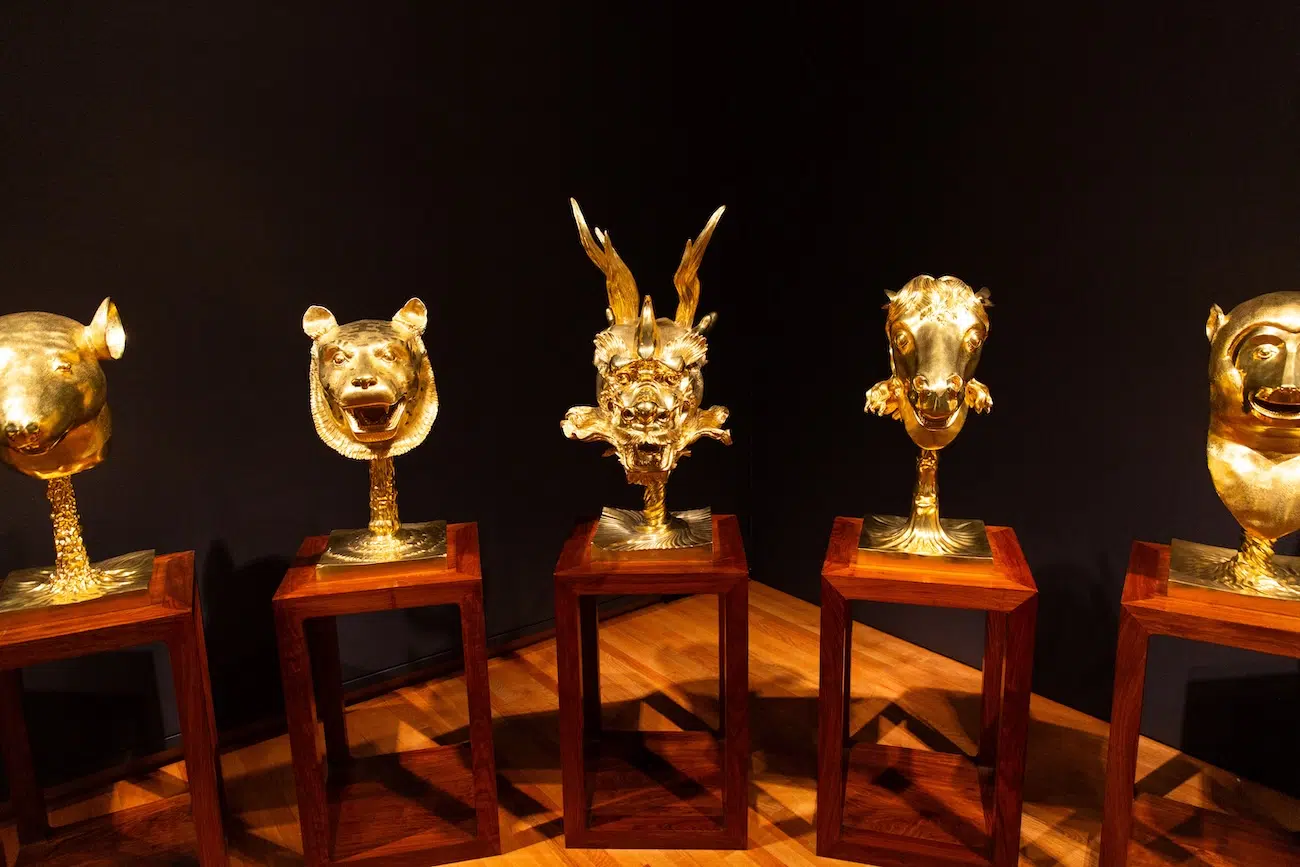
Photo: Eugene Kim / My Modern Met
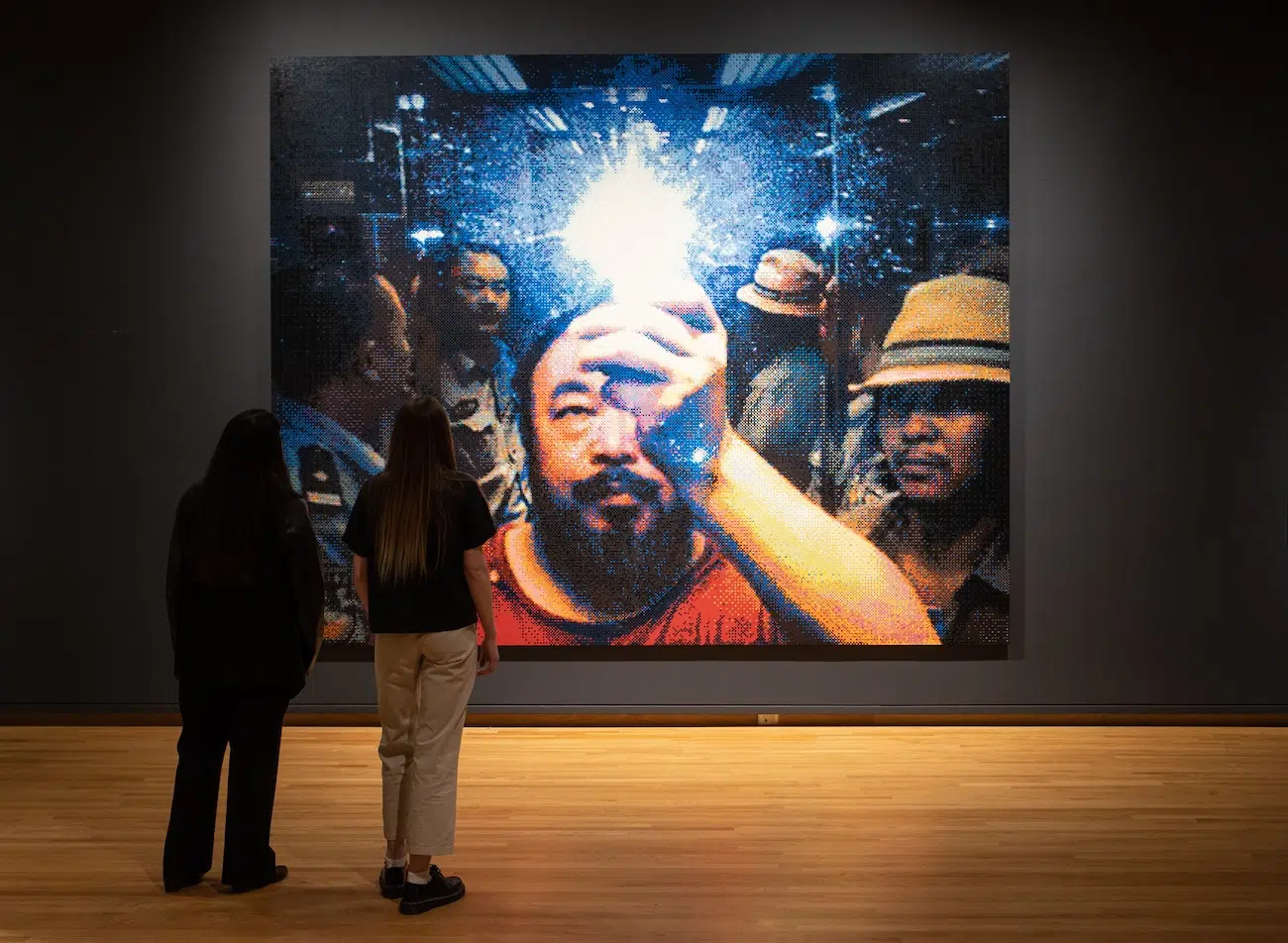
Installation view of Ai, Rebel: The Art and Activism of Ai Weiwei at Seattle Art Museum, 2025. (Photo: Natali Wiseman)
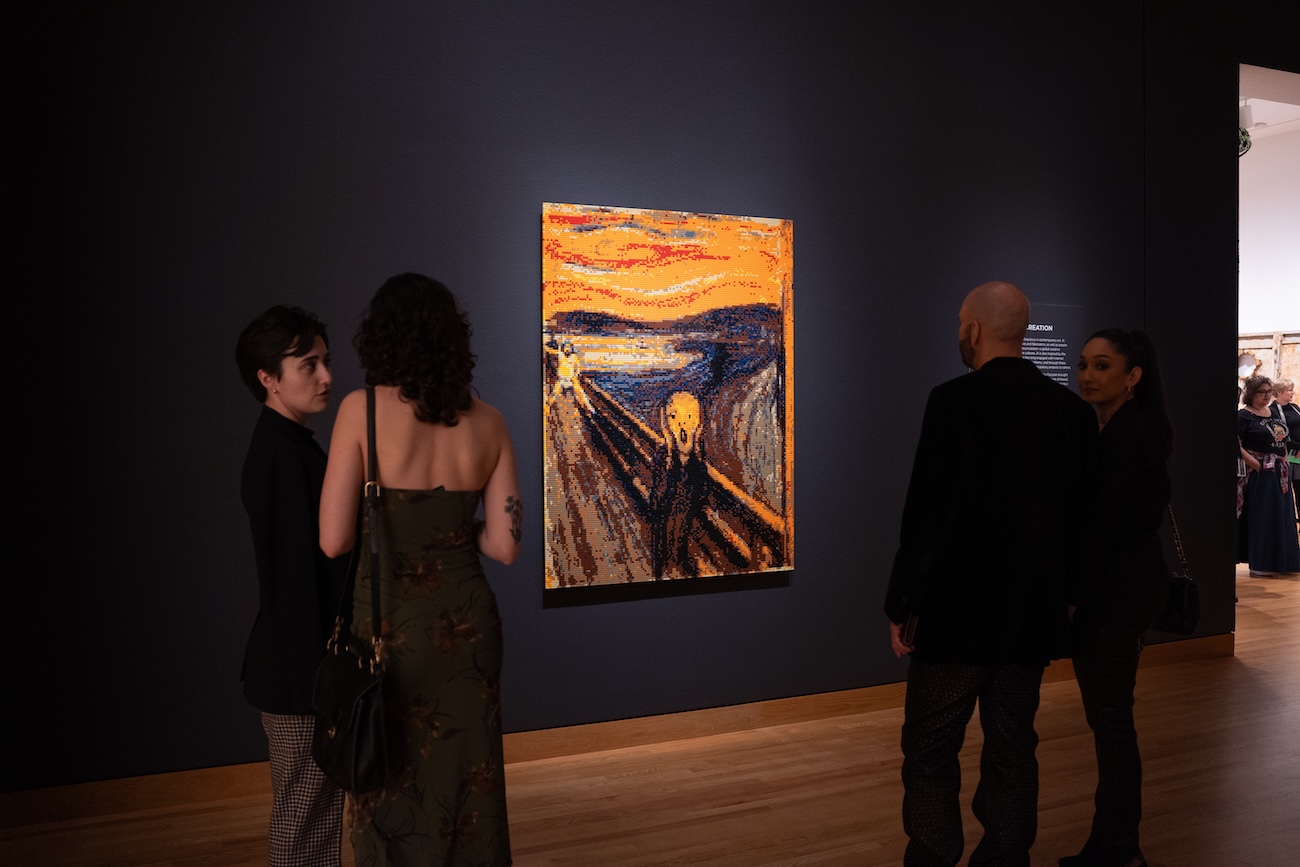
Installation view of Ai, Rebel: The Art and Activism of Ai Weiwei at Seattle Art Museum, 2025. (Photo: Chloe Collyer)
In addition to an expansive exhibition at SAM, Weiwei’s Water Lilies (2022) is on view at the Seattle Asian Art Museum until March 15, 2026.
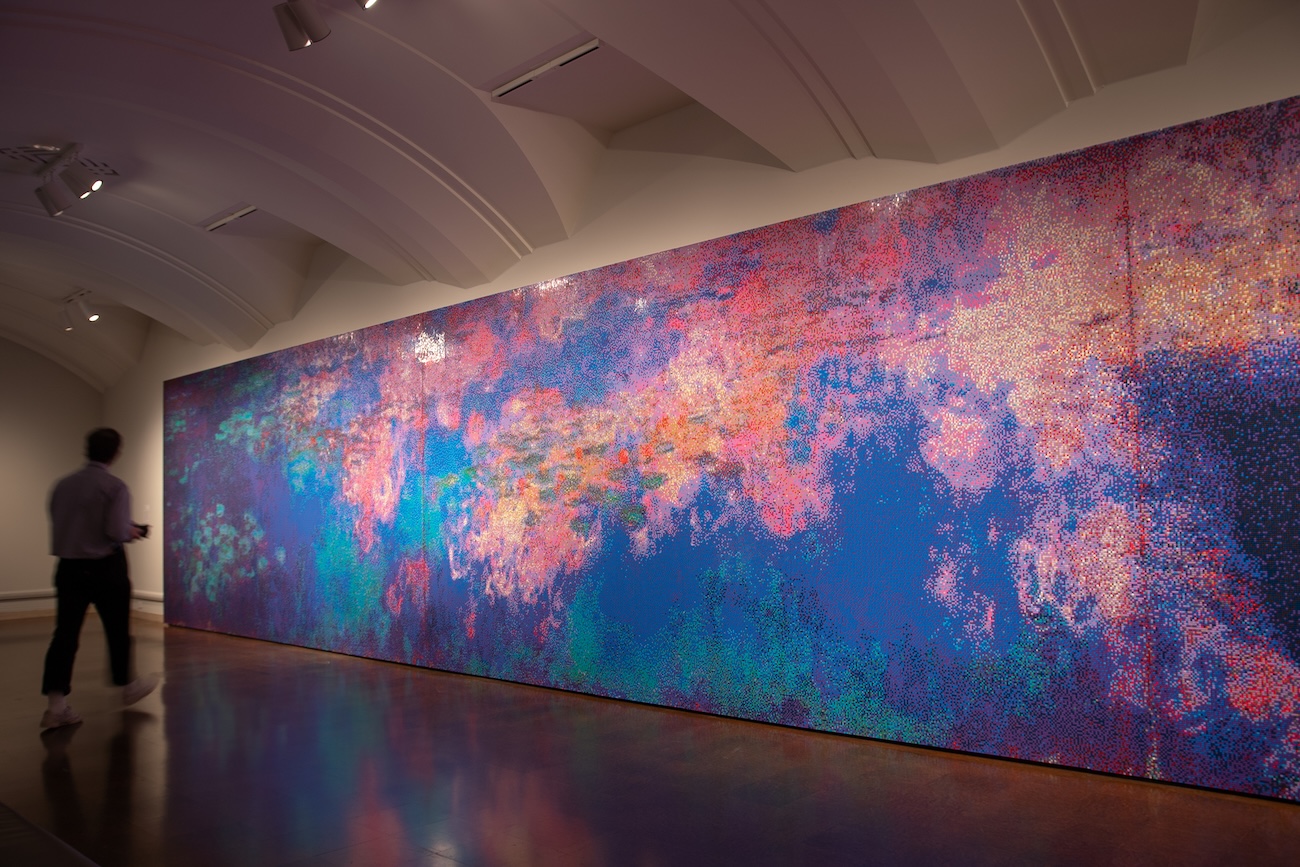
Water Lilies, 2022, Ai Weiwei, Chinese, b. 1957, LEGO bricks, 105 1/2 x 602 3/4 in., ©️ Ai Weiwei. (Photo: Chloe Collyer)
Weiwei’s Circle of Animals/Zodiac Heads (Bronze) is also on view at the Olympic Sculpture Park until May 17, 2027.
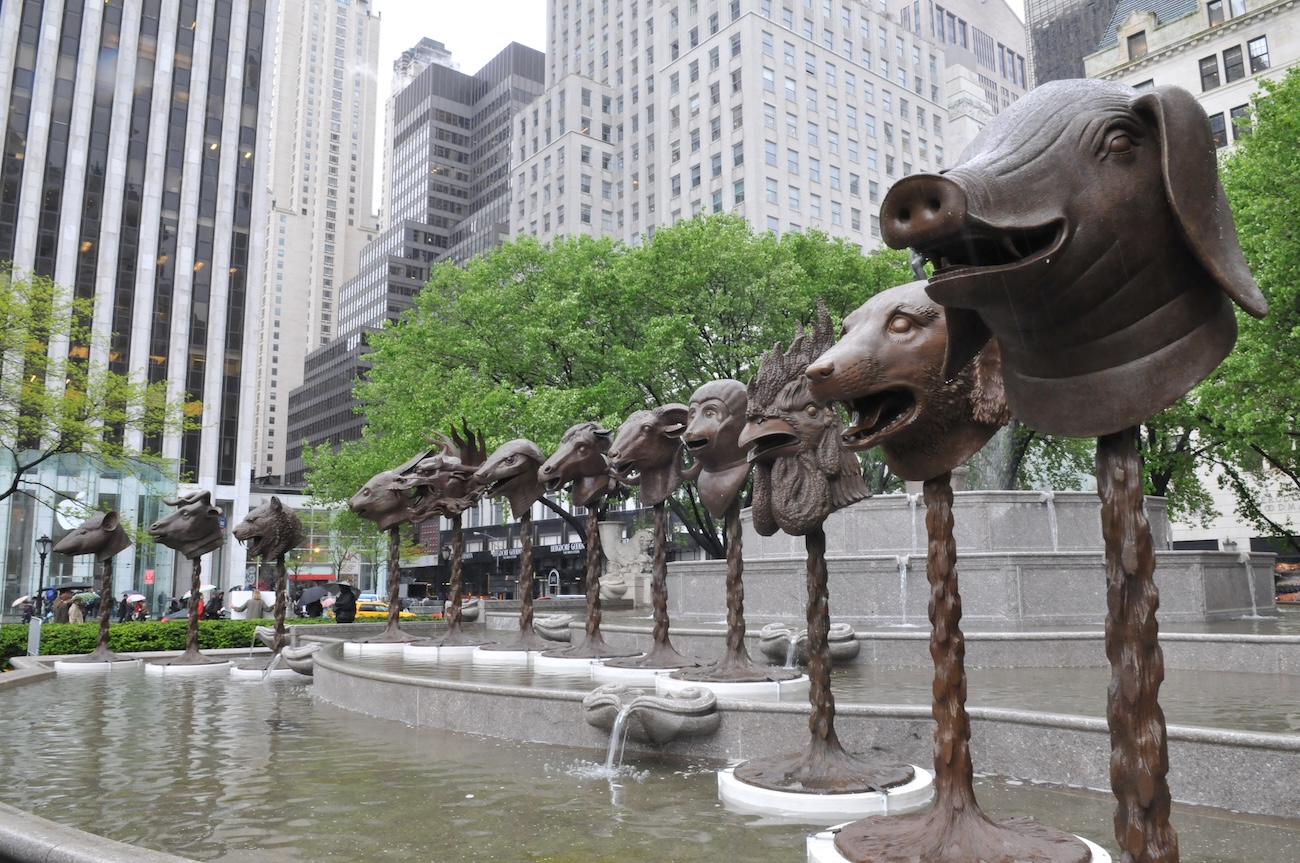
Circle of Animals/Zodiac Heads (Bronze), 2010, Ai Weiwei, Chinese, b. 1957, cast bronze, dimensions variable, Courtesy of Ai Weiwei Studio, © Ai Weiwei. (Photo: Daniel Avila)