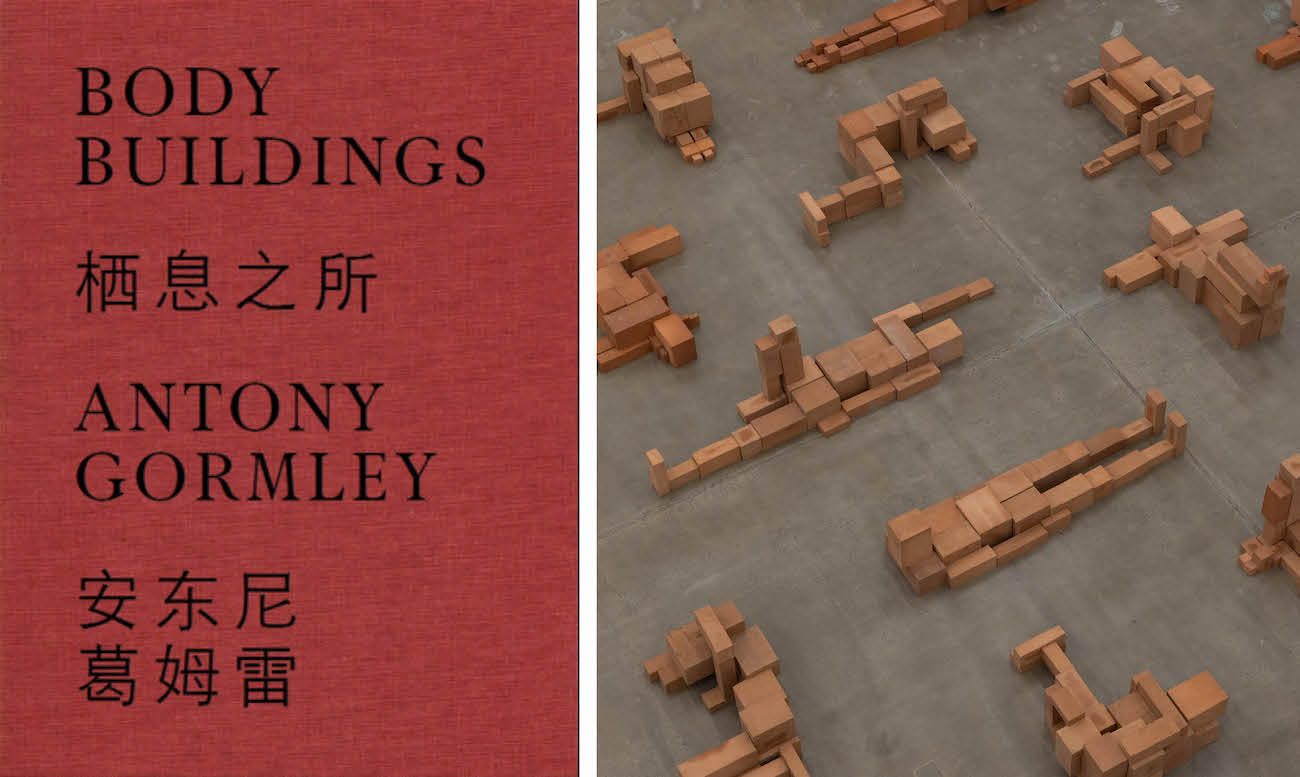

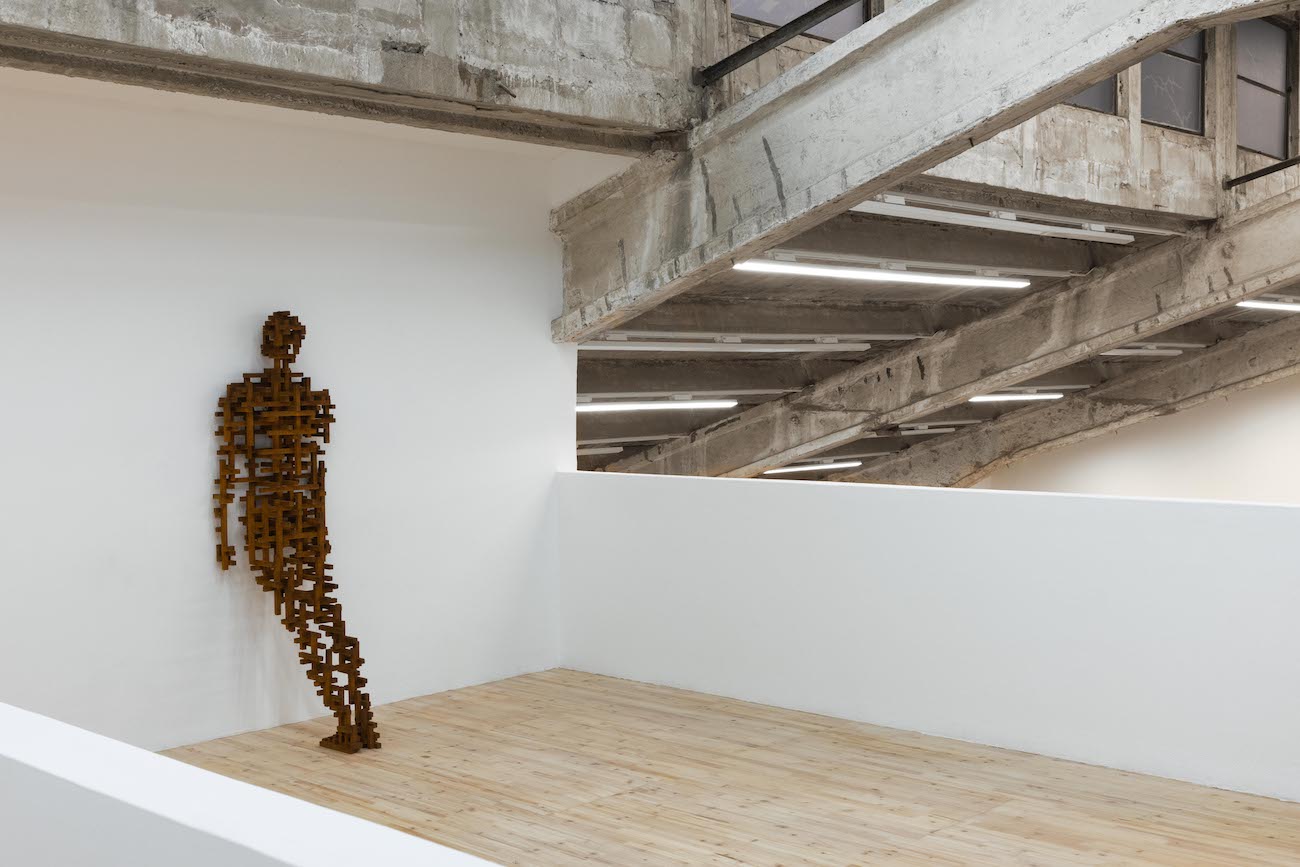
For sculptor Antony Gormley, the question isn’t about how a body adapts to a built environment, but rather about how to build a body in the first place. Across his decades-long career, the British artist has considered that fundamental question from various angles, most prominently through his chosen materials. His portfolio is packed with sculptures rendered in clay and iron, many bearing traces of the human form without being completely figurative. These works are the main attraction in Gormley’s new monograph with Italian publishing house SKIRA.
Slated for an October release, Antony Gormley: Body Buildings catalogs the artist’s recent solo exhibition of the same name at Galleria Continua in Beijing. Throughout, we bear witness to the monumental works that grounded the exhibition, illustrated through extensive installation photography as well as new scholarship from art critic Hou Hanru and historian Stephen Greenblatt. Much like a Gormley sculpture, these separate units all come together to “interrogate our species’ relationship to an increasingly high-rise world,” per the publisher.
At the book’s heart is Resting Place II, a colossal work from 2024 that is in many ways exemplary of Gormley’s practice as a whole. The piece consists of 132 terracotta figures, each constructed out of geometric, block-like volumes. Some figures splay out across the floor, staring up at the gallery ceiling, while others roll themselves into tight balls, reducing their size to such a degree that they become even more abstract and indistinguishable. No matter how they’re positioned, though, each sculpture is clearly architectural, suggesting that the human body and urbanism influence one another to the point of possible synthesis. Whether that synthesis is good or bad is left to the imagination, with Gormley withholding his own answer.
“Looking now at Antony’s bricks spread across the gallery like buildings or their ruins, we are invited to reflect on the beginning of things, on where civilizations start and end,” Mario Cristiani, co-founder of Galleria Continua, writes in the monograph’s foreword.
Greenblatt adds, in his own essay: “For a new form of being to come into existence, the entire organism does not have to change; only the parts have to be rearranged. When we look with wonder at the figures in Resting Place II, each produced by reconfiguring the blocks, we are looking at a model for the generation of life itself.”
Aside from sculptural work, Body Buildings also features Gormley’s drawings, many of which have never before been published. The artist’s drawings are particularly evocative, incorporating everything from walnut ink and chicory to blood and linseed oil in such a way that, yet again, reminds us of the earth, the body, and the relationships between them. Notably, drawing has long been a daily activity for Gormley, offering a “laboratory” for the themes he explores across other media. The artist has even claimed that a “day without drawing is a day lost.”
A photo essay by Gormley completes the book, tracking his ongoing dialogue and engagement with China and the surrounding region. Here, we encounter archival photographs from his first research trip to the country in 1995 to significant projects like Asian Field from 2003, Event Horizon from 2007, and Host from 2016.
Antony Gormley: Body Buildings will be published on October 7, 2025. The book is currently available to pre-order via Bookshop and SKIRA.
Antony Gormley’s upcoming monograph, Body Buildings, considers how the artist uses natural materials and human forms to question built environments.
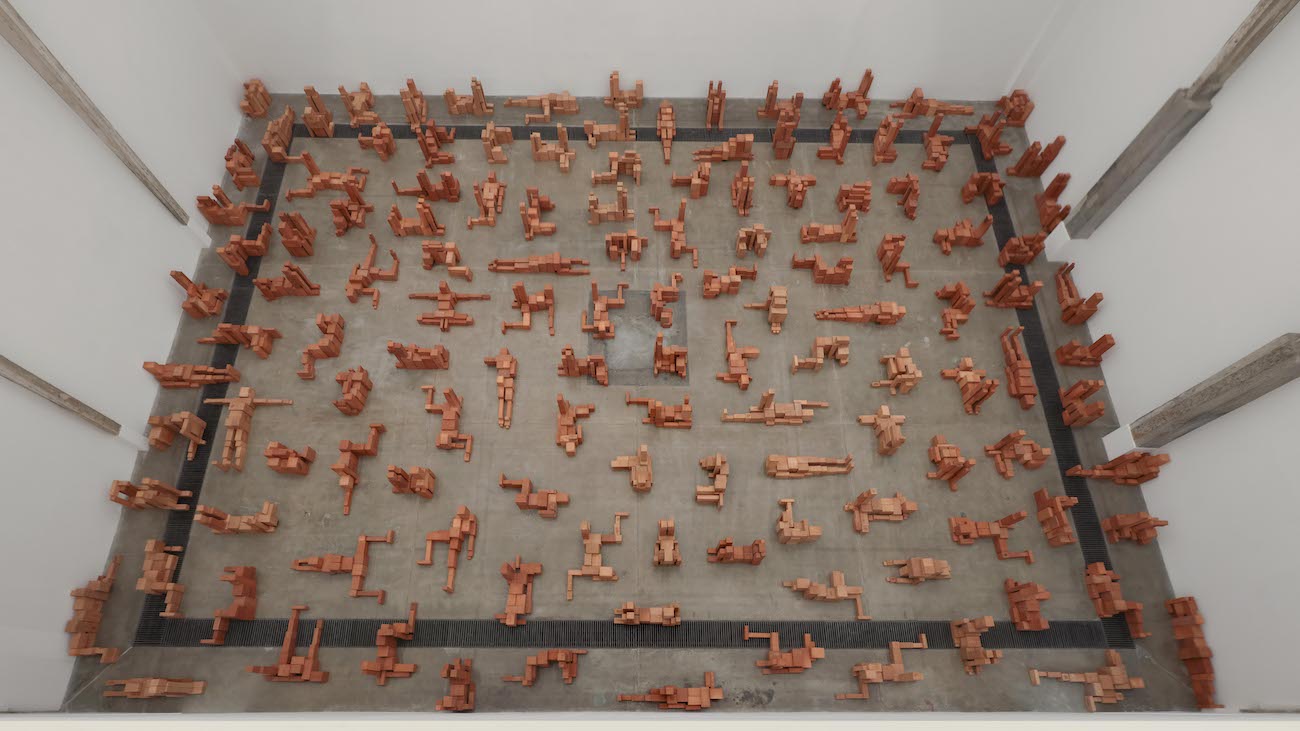
“Resting Place II” (2024), at the “Body Buildings” exhibition, Galleria Continua, Beijing, 2024-25. (Photo: Huang Shaoli)
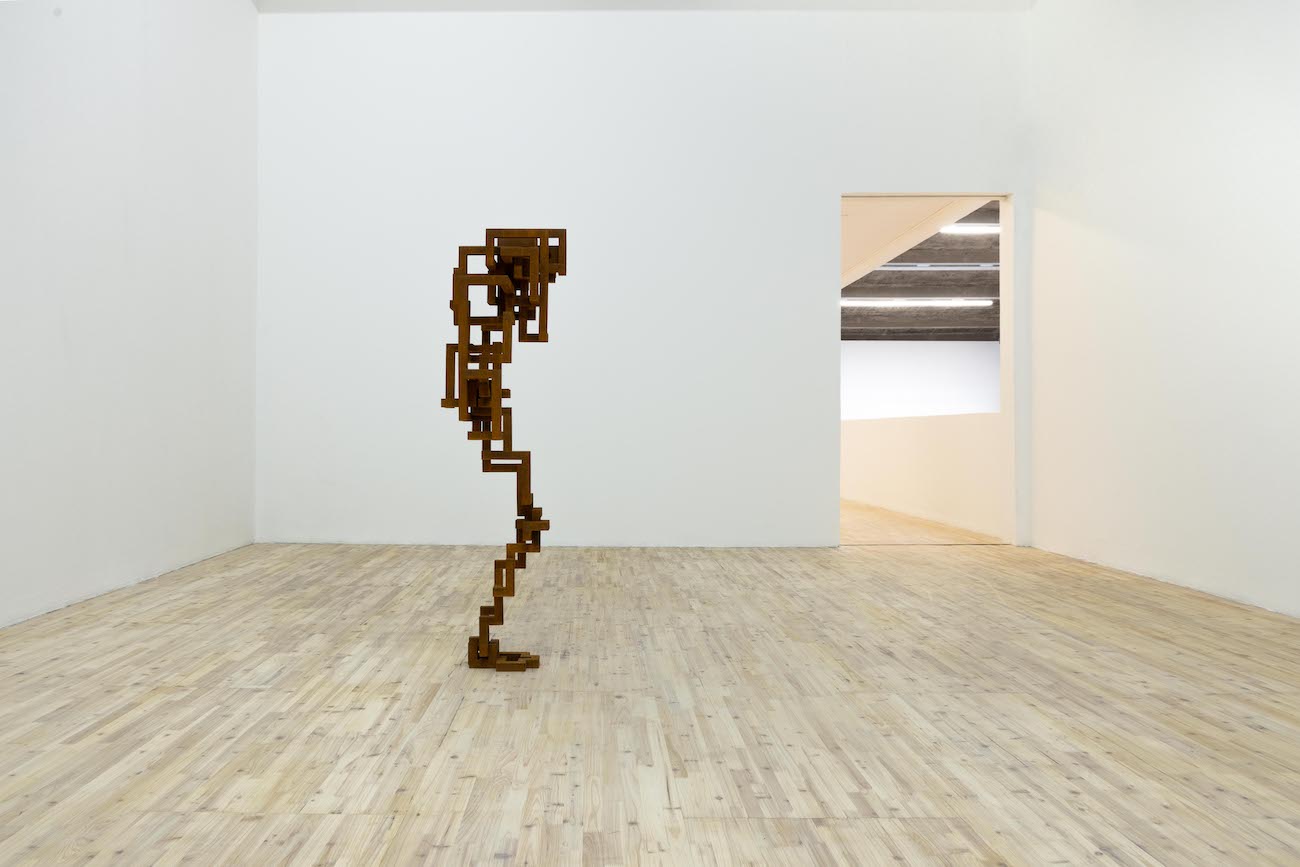
“Shame” (2023), at the “Body Buildings” exhibition, Galleria Continua, Beijing, 2024-25. (Photo: Huang Shaoli)
“Buttress” (2023), at the “Body Buildings” exhibition, Galleria Continua, Beijing, 2024-25. (Photo: Huang Shaoli)
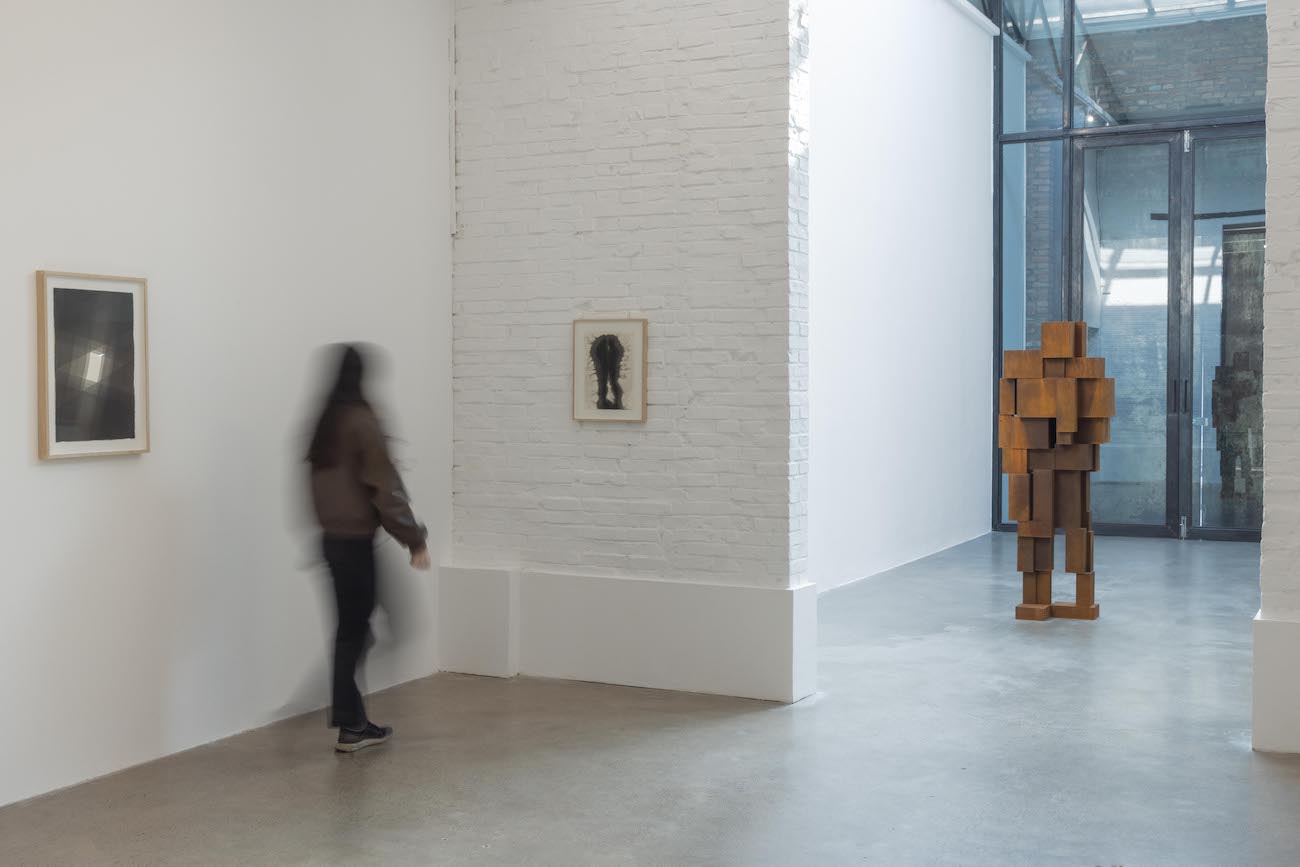
Installation view of the “Body Buildings” exhibition at Galleria Continua, Beijing, 2024-25. (Photo: Huang Shaoli)
The book follows a solo exhibition of the same name staged earlier this year at Galleria Continua in Beijing.
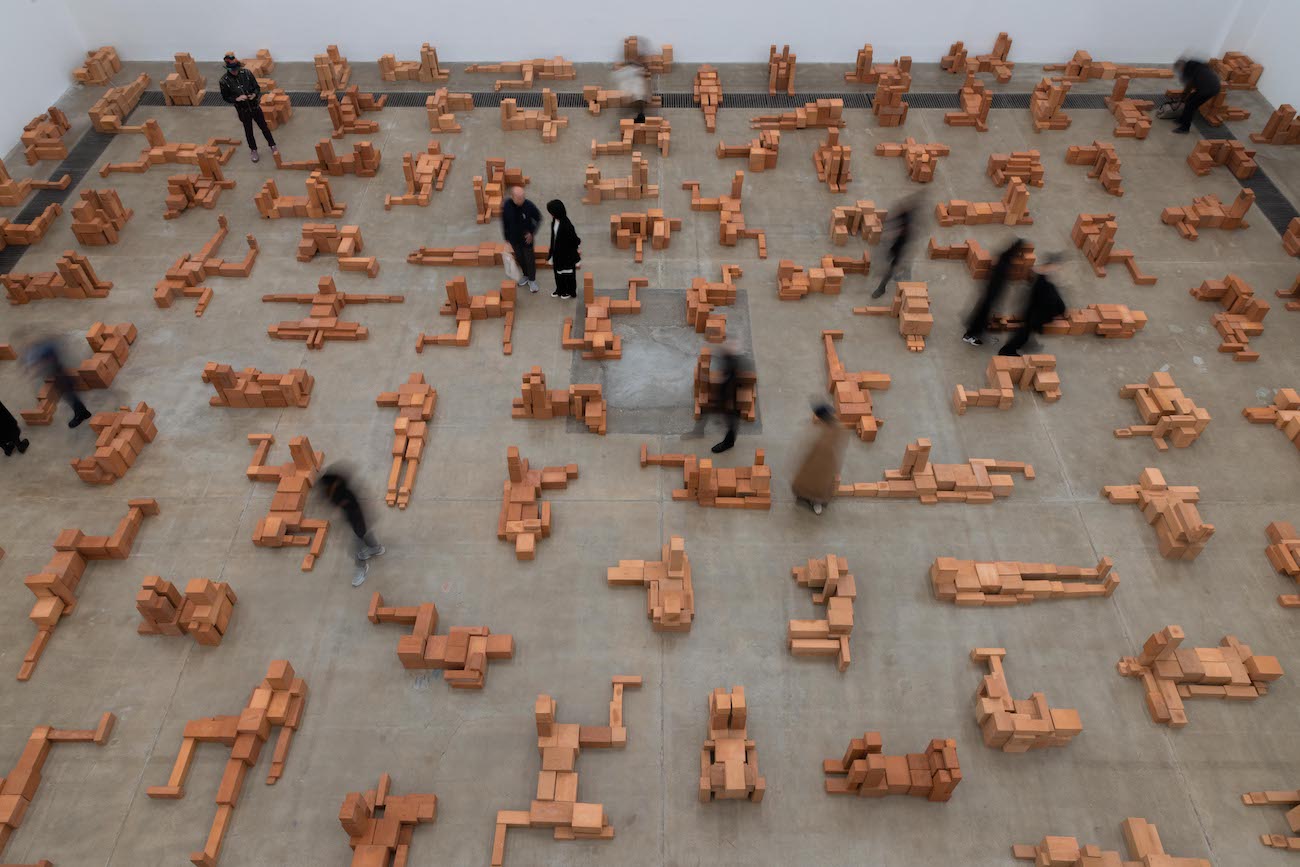
“Resting Place II” (2024), at the “Body Buildings” exhibition, Galleria Continua, Beijing, 2024-25. (Photo: Huang Shaoli)
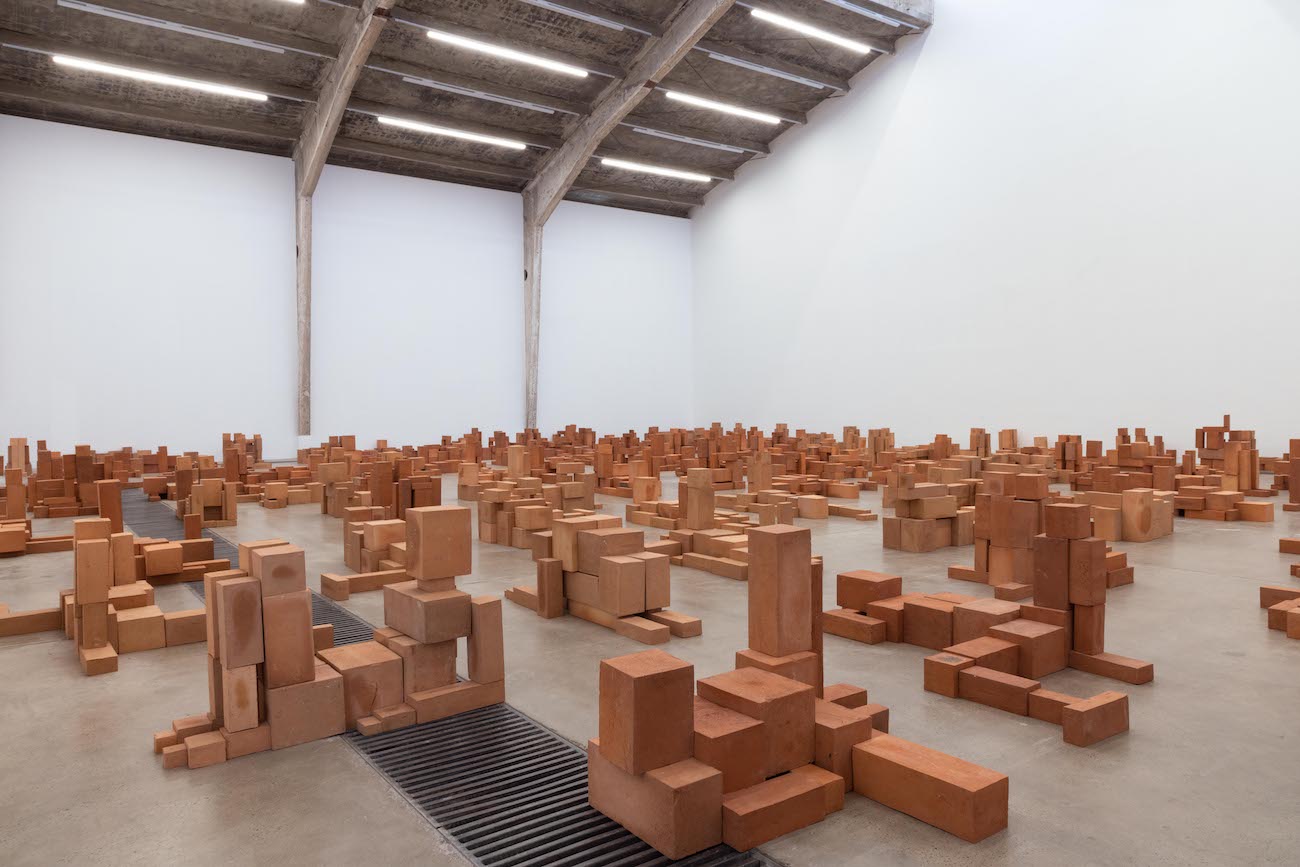
“Resting Place II” (2024), at the “Body Buildings” exhibition, Galleria Continua, Beijing, 2024-25. (Photo: Huang Shaoli)
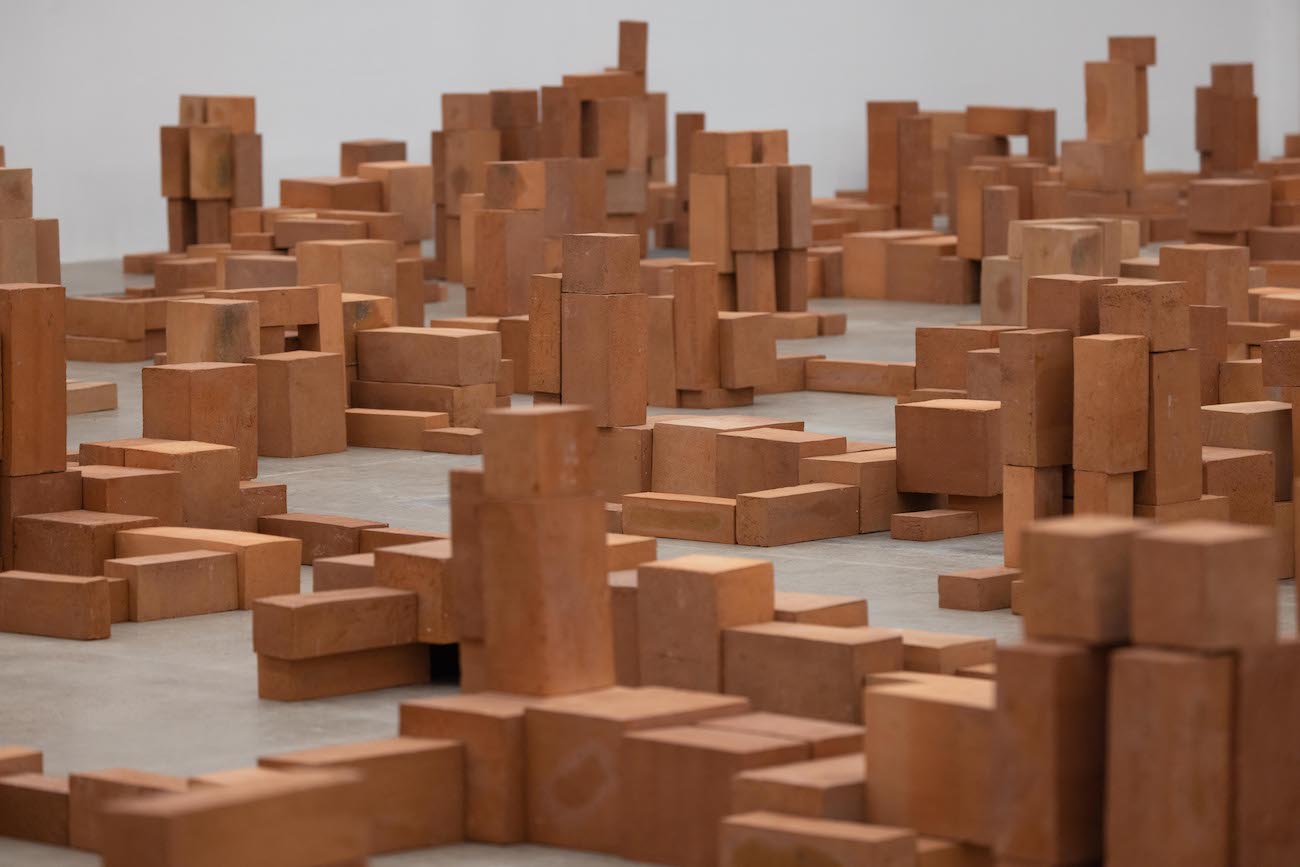
“Resting Place II” (2024), at the “Body Buildings” exhibition, Galleria Continua, Beijing, 2024-25. (Photo: Huang Shaoli)
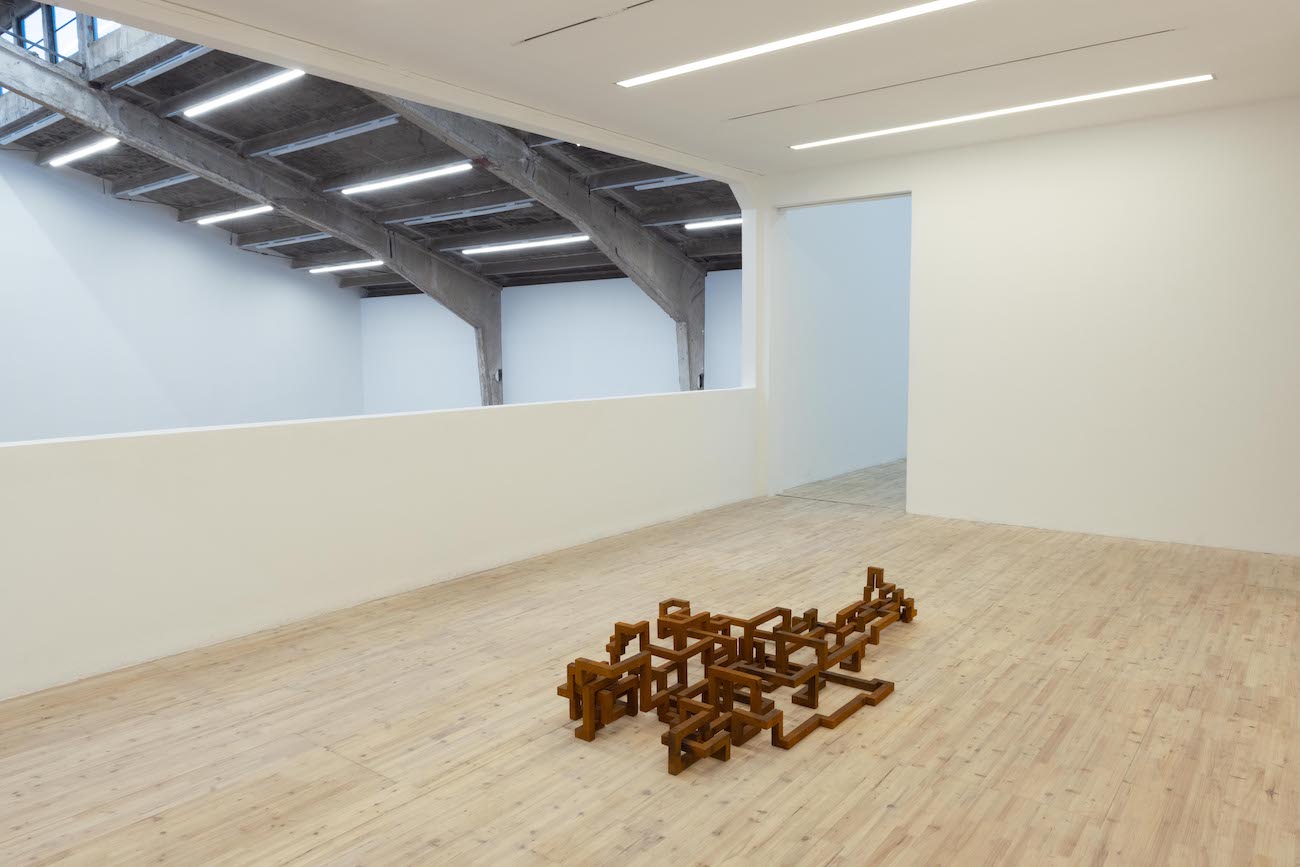
“Circuit” (2022), at the “Body Buildings” exhibition, Galleria Continua, Beijing, 2024-25. (Photo: Huang Shaoli)

Installation view of the “Body Buildings” exhibition at Galleria Continua, Beijing, 2024-25. (Photo: Huang Shaoli)
Body Buildings will be published on October 7, 2025, by Italian-based publisher SKIRA.
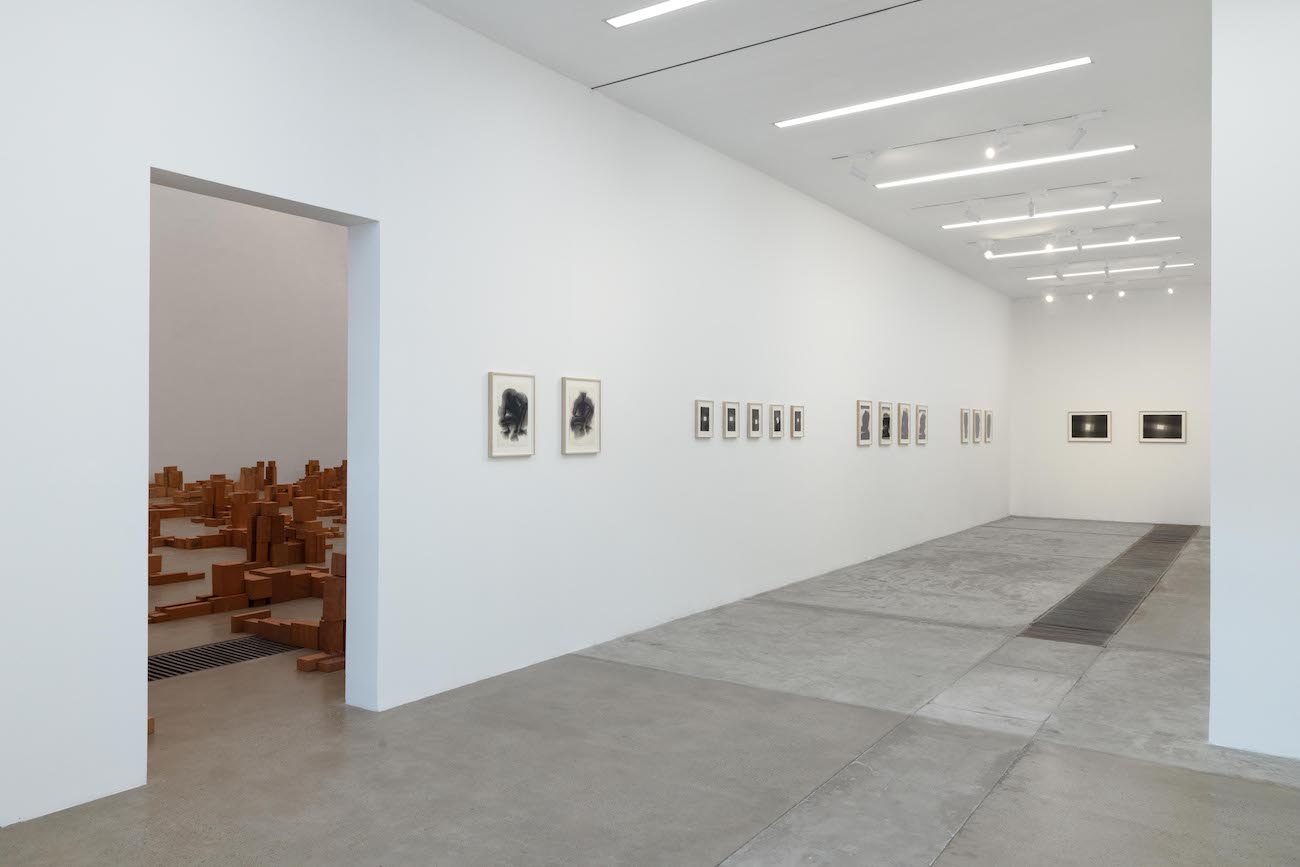
Installation view of the “Body Buildings” exhibition at Galleria Continua, Beijing, 2024-25. (Photo: Huang Shaoli)
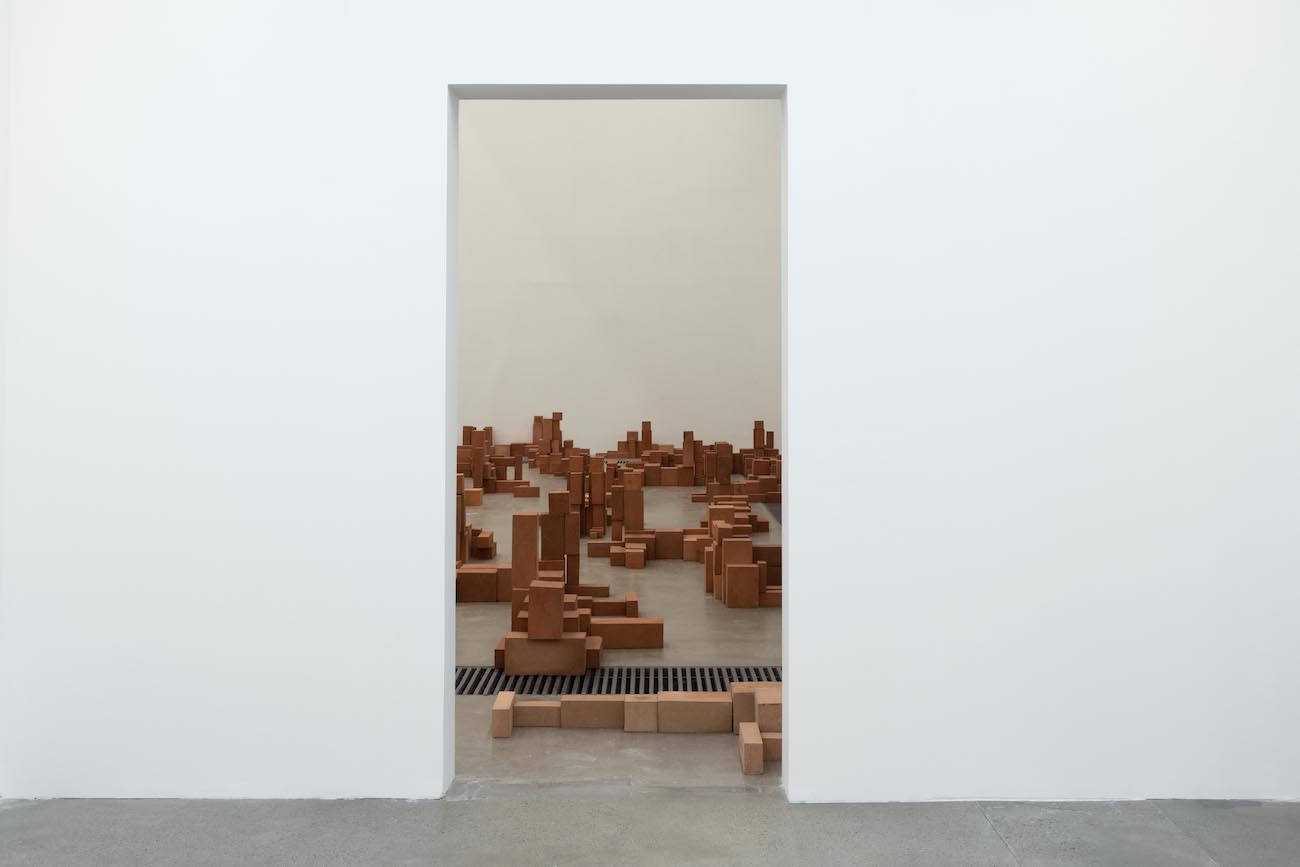
“Resting Place II” (2024), at the “Body Buildings” exhibition, Galleria Continua, Beijing, 2024-25. (Photo: Huang Shaoli)